Artwork
Portrait of a Man
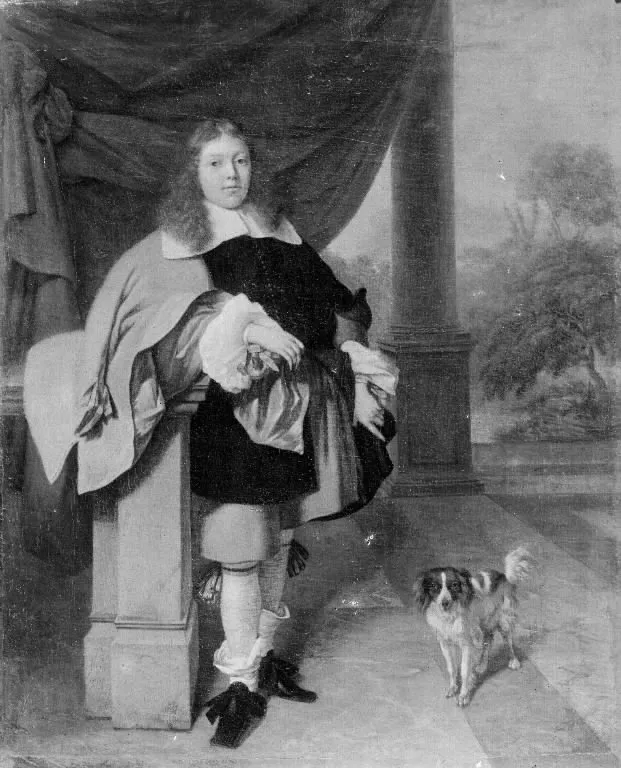
Portrait of a Man is an oil painting by the Dutch Golden Age artist Gabriel Metsu. It dates from 1654 and is held in the collection of the Statens Museum for Kunst.
About this work
Subject & Meaning
The painting's significance lies in its understated realism, capturing the sitter's humanity without allegorical embellishment.
Gabriel Metsu's 1654 oil painting Portrait of a Man depicts a solitary male sitter whose identity remains unspecified, reflecting contemporary Dutch portraiture's focus on individual presence rather than narrative. The work features a dark clothing and a neutral interior background, symbols that underscore themes of domestic stillness and social modesty prevalent in 17th-century Holland. By emphasizing the subject's direct gaze and subtle facial expression, Metsu invites viewers to contemplate personal character within a restrained compositional space.
The painting's significance lies in its understated realism, capturing the sitter's humanity without allegorical embellishment.
Technique & Style
Gabriel Metsu painted this portrait using oil on canvas in 1654. The work measures 445 centimeters by 355 centimeters and depicts a man in a style characteristic of Dutch Golden Age portraiture, emphasizing fine detail in clothing and facial features. The painting’s surface handling reflects careful application of glazes to achieve depth and realism in skin tones and fabric textures. It is currently housed in the Statens Museum for Kunst collection.
History & Provenance
Gabriel Metsu's Portrait of a Man, created in 1654, is held in the collection of the Statens Museum for Kunst. The work is an oil painting on canvas depicting a man. While the source provides the museum location and the creation date, it does not specify a unique inventory or accession number for the piece, nor does it list any exhibition history.
Overview
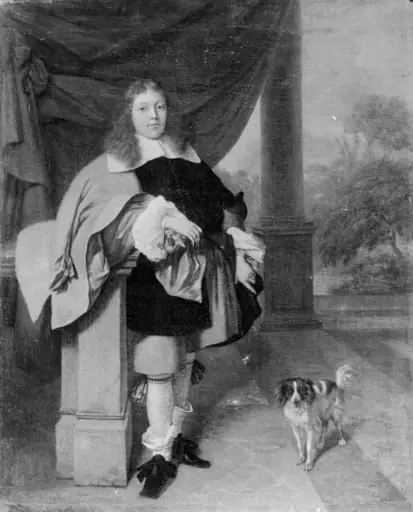
Portrait of a Man, created in 1654 by Dutch painter Gabriel Metsu, is an oil painting featuring a standing male figure accompanied by a small dog in an indoor setting.
Context
Within 17th-century Dutch art, this portrait exemplifies Metsu's versatility, moving between historical, still-life, portrait, and genre painting without a consistent stylistic signature.
Legacy
As part of Metsu's oeuvre, the portrait contributes to the broader appreciation of 17th-century Dutch painting's emphasis on intimacy and the everyday life of the emerging middle class.
Artist & collection
Artist
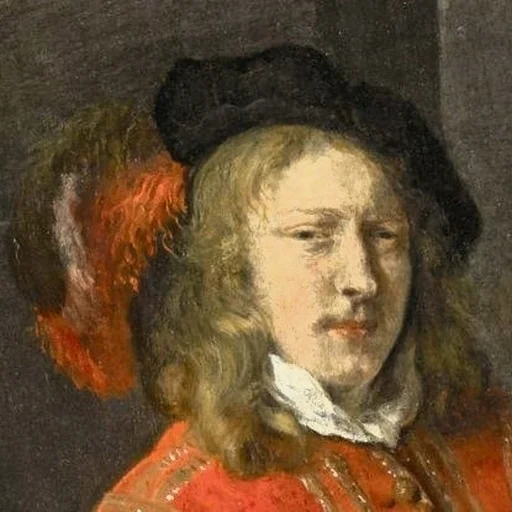
Gabriël Metsu (1629–1667) was a Dutch painter of history paintings, still lifes, portraits, and genre works.

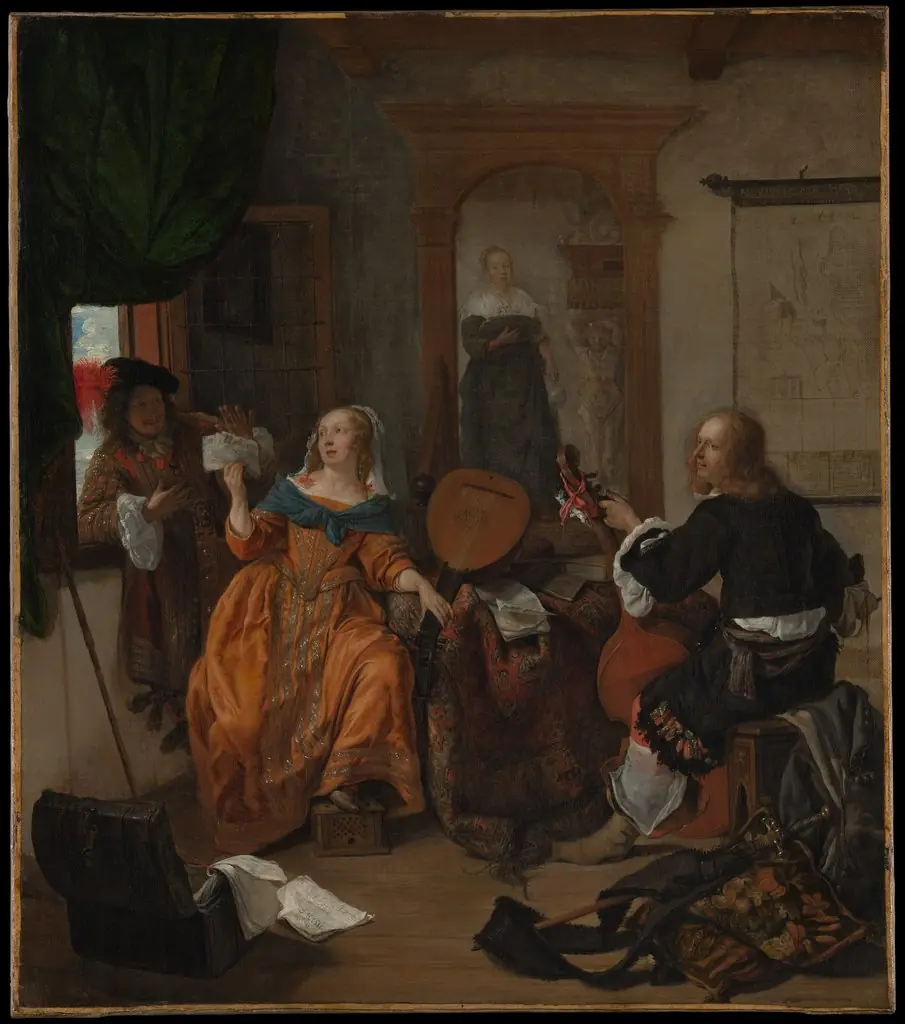
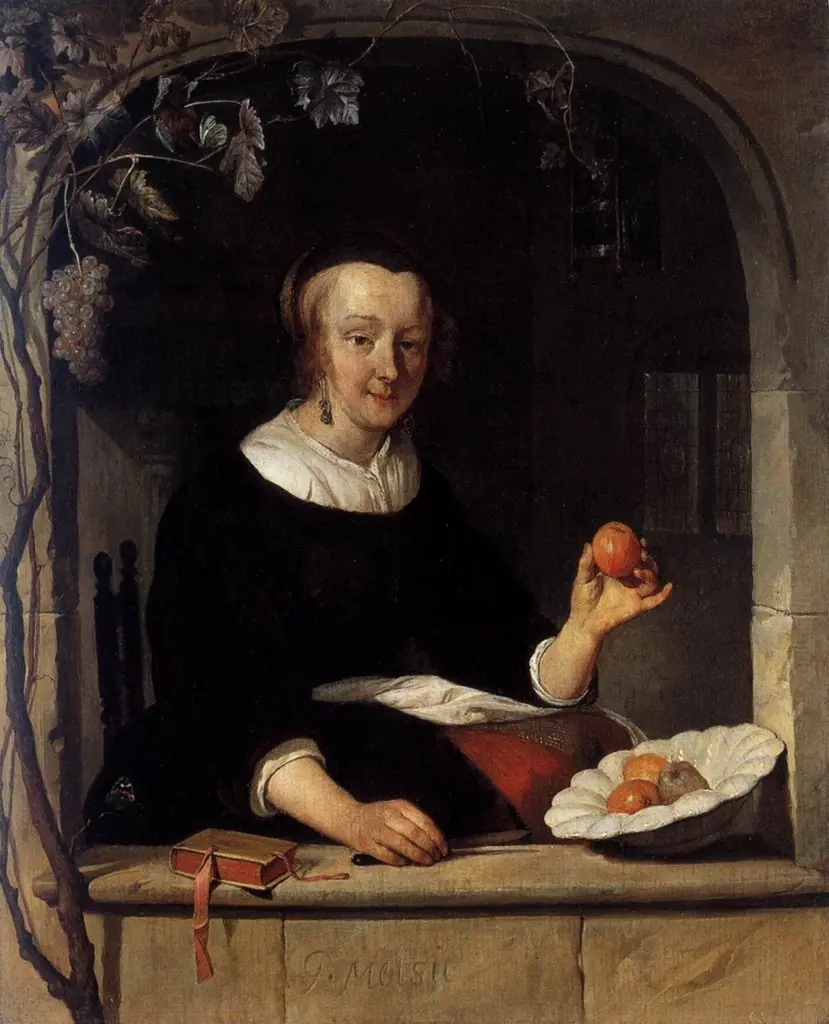
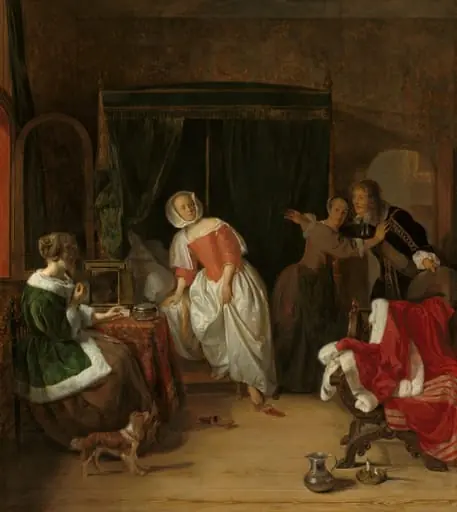
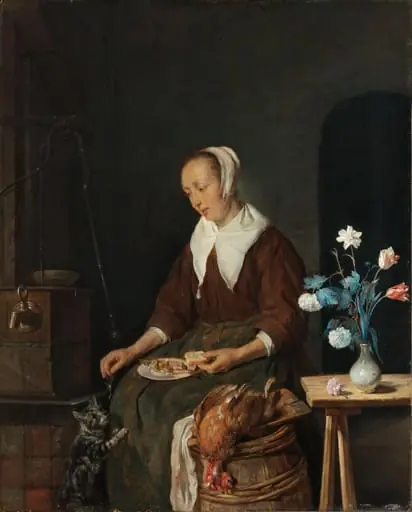
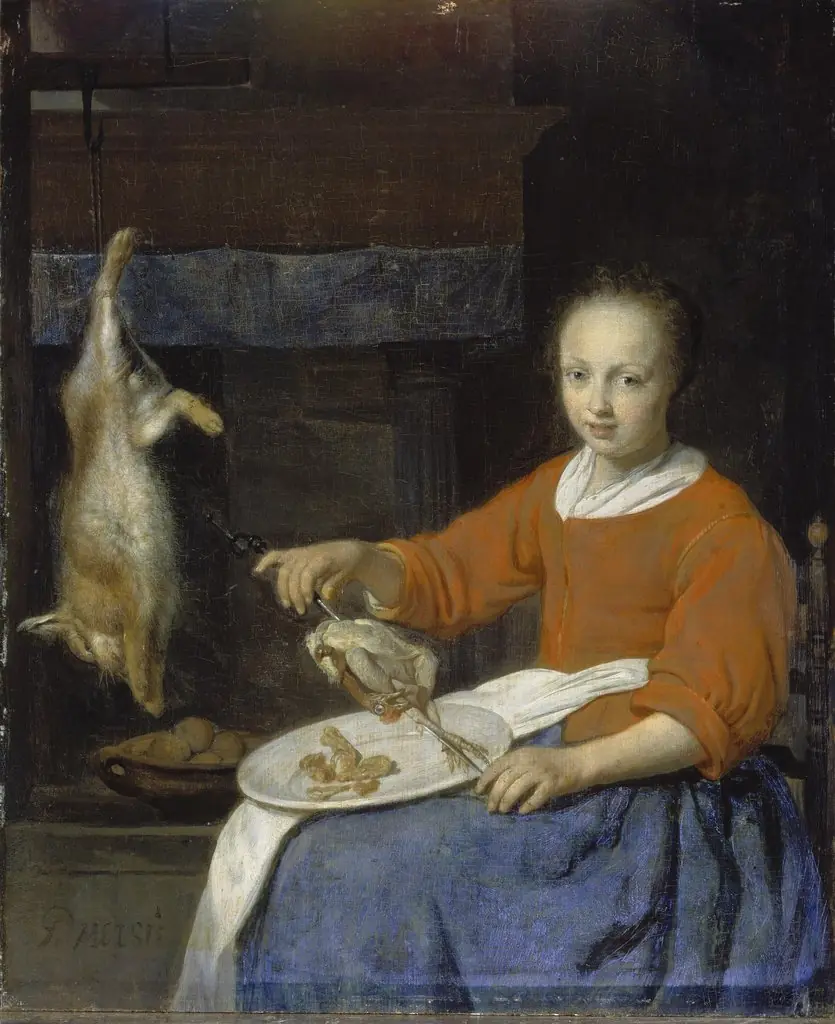
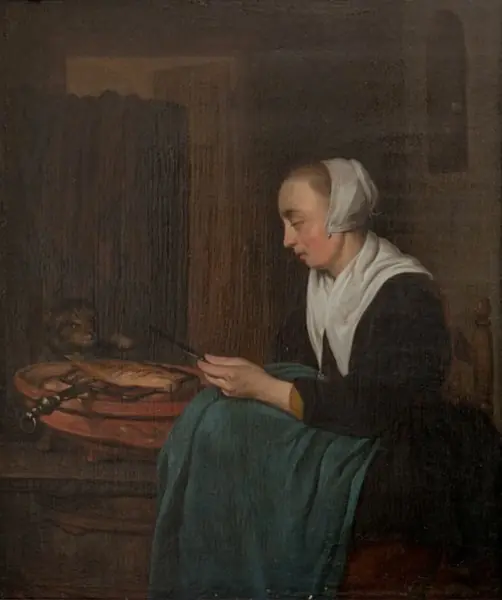
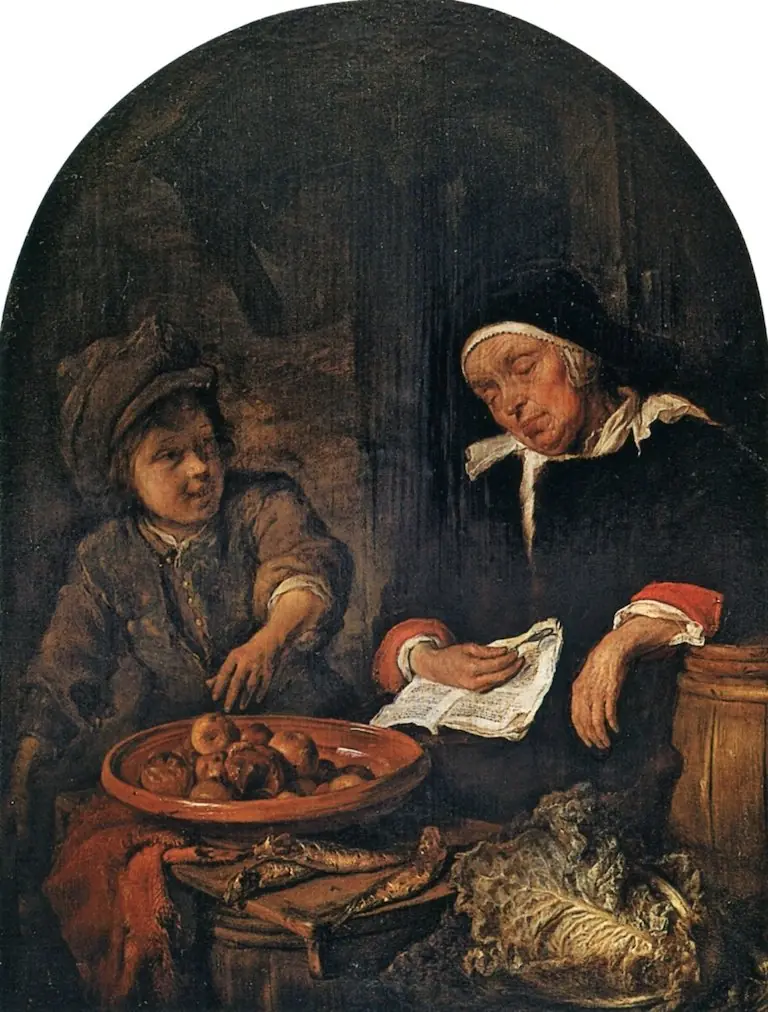
- Portrait of a Man
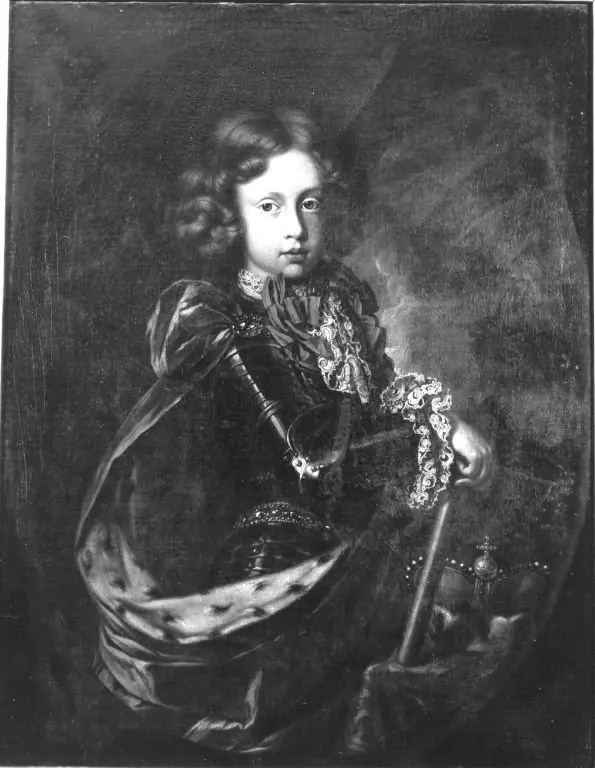 Bildnis eines kleinen Prinzen
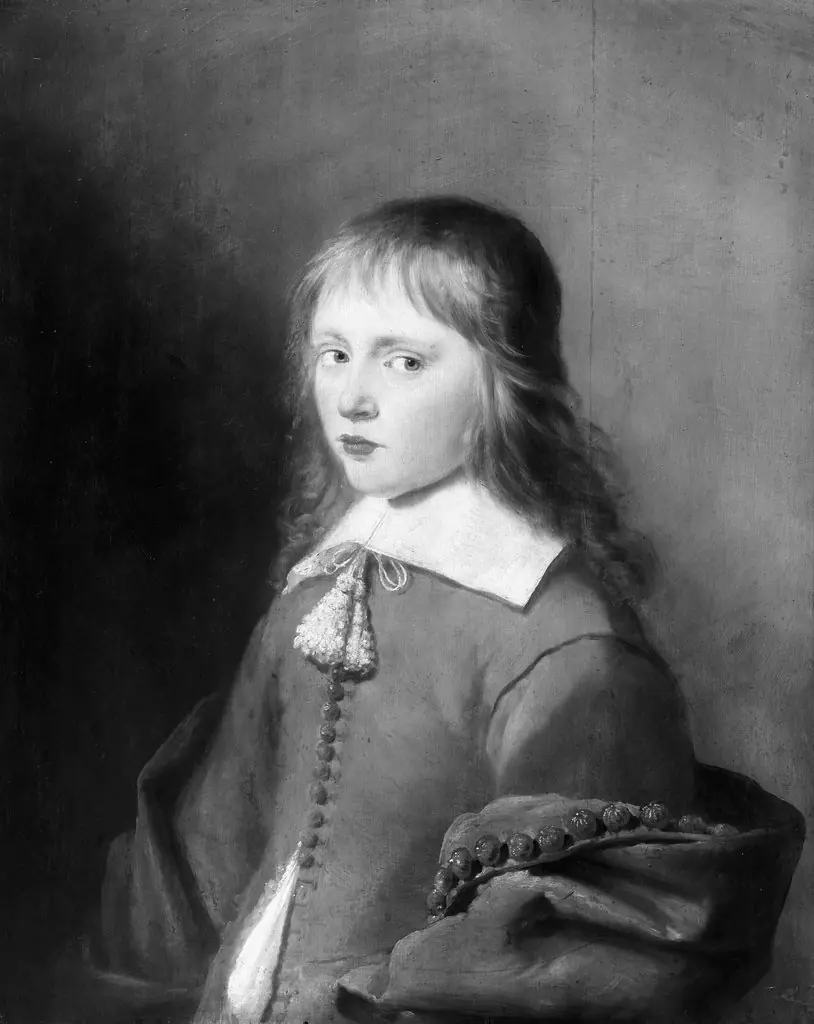 Portait of a Boy
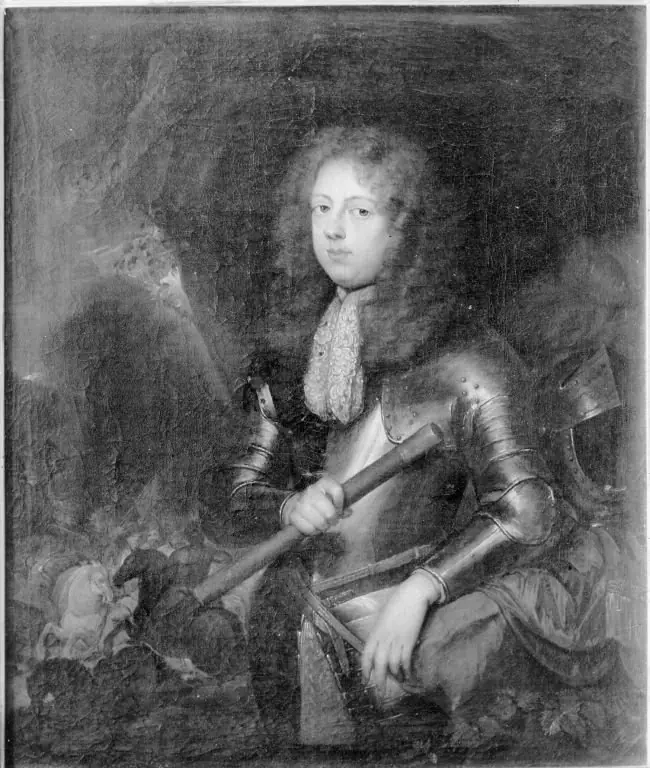 Bildnis eines Prinzen
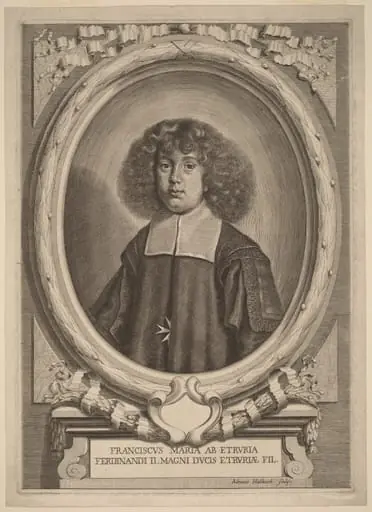 Cardinal Francesco Maria dei Medici
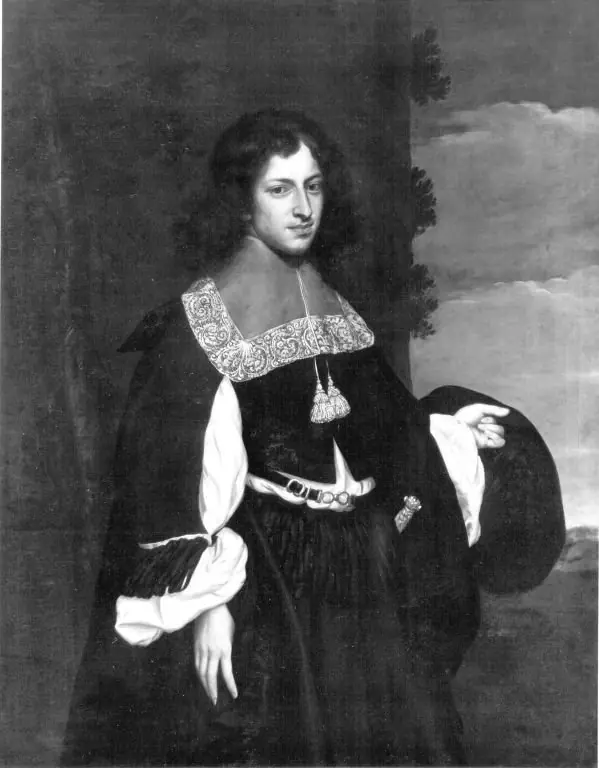 Portrait of a 20 year-old man
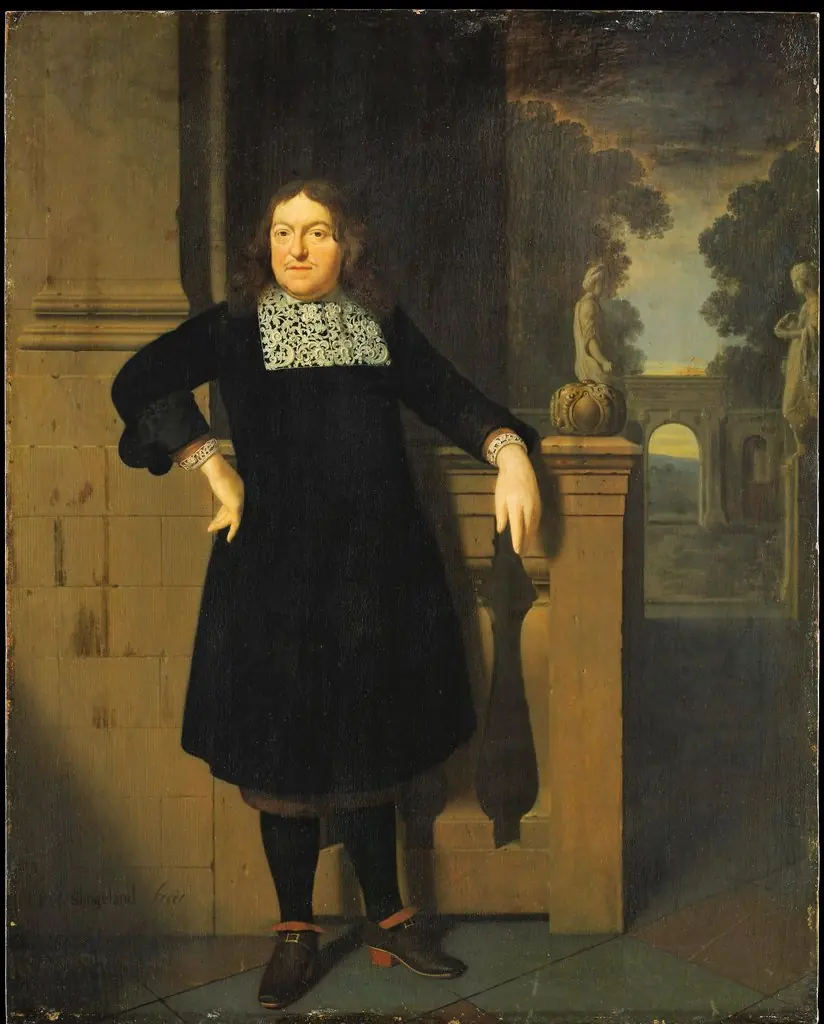 Portrait of Johan Hulshout (1623–1687)
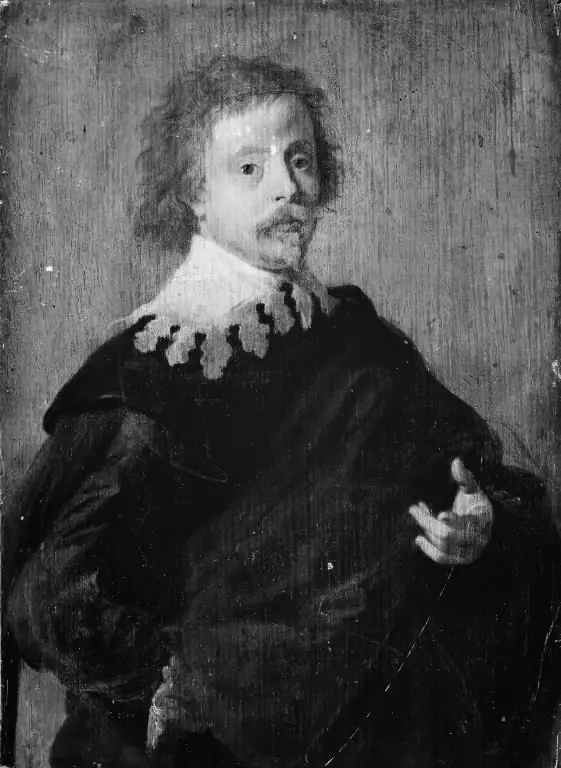 Portrait of Cornelis van Poelenburgh
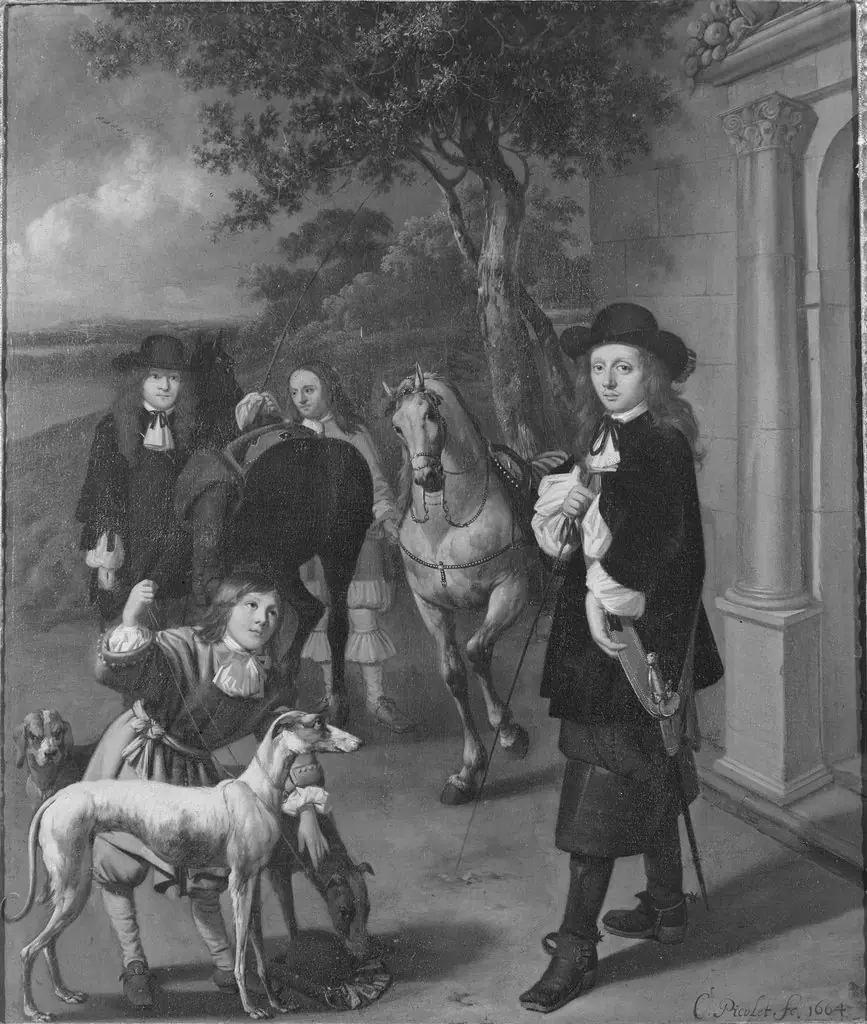 Two young men preparing to go horseback riding
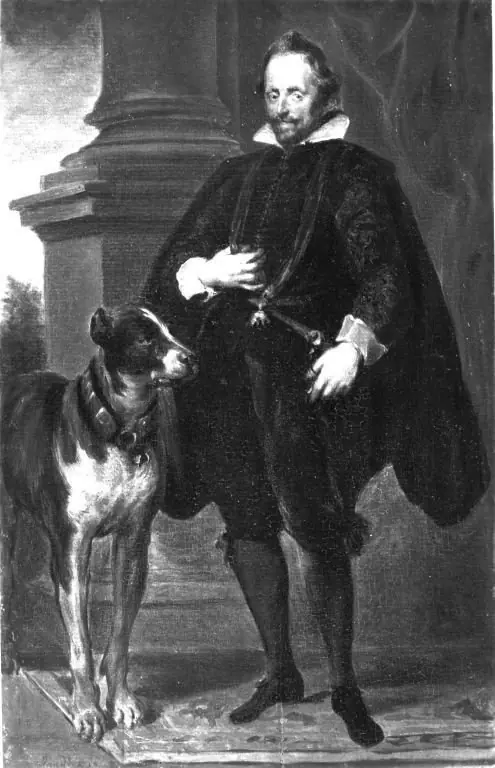 Portrait of Wolfgang Wilhelm van Wittelsbach
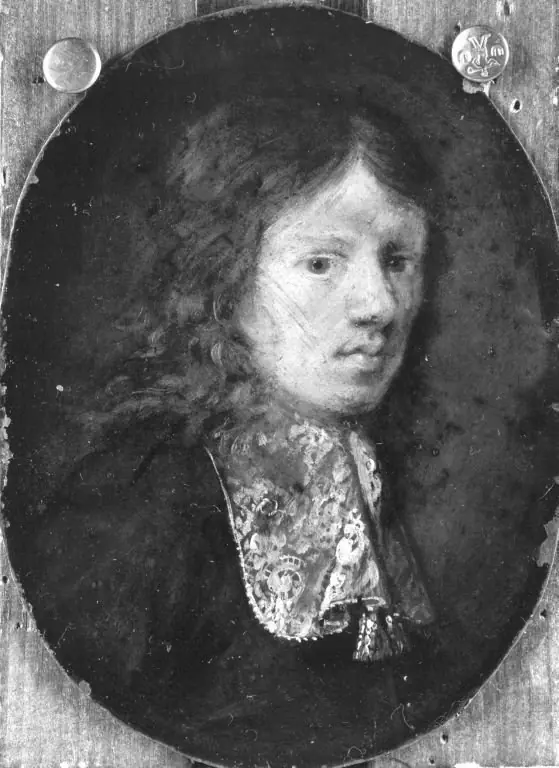 Brustbild eines jungen Mannes (zugeschrieben)
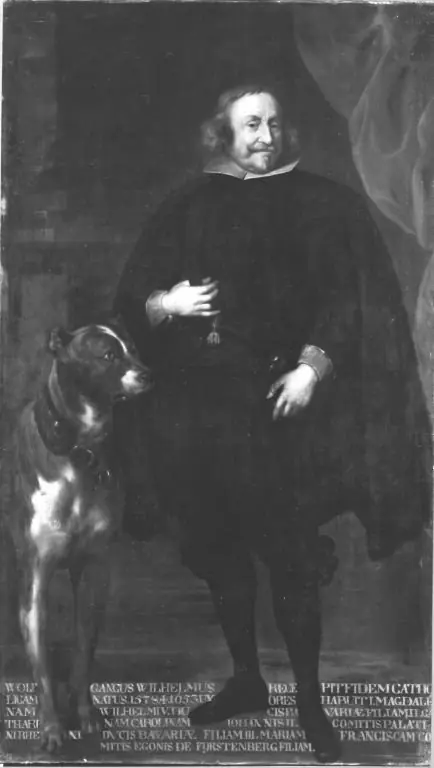 Wolfgang Wilhelm von der Pfalz-Neuburg