Artwork
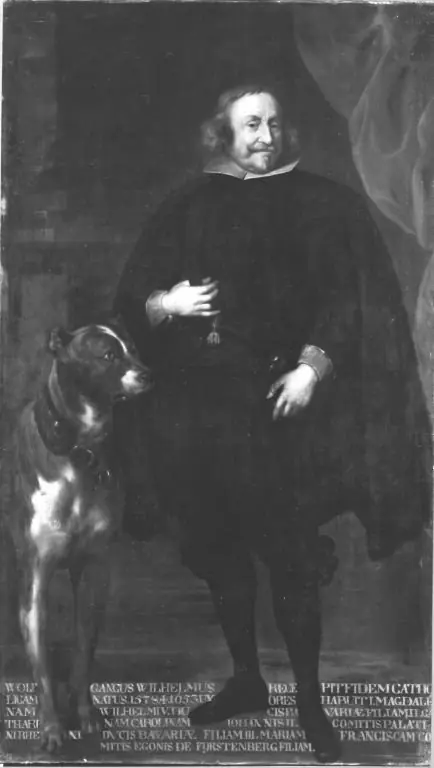
Portrait of Wolfgang Wilhelm van Wittelsbach
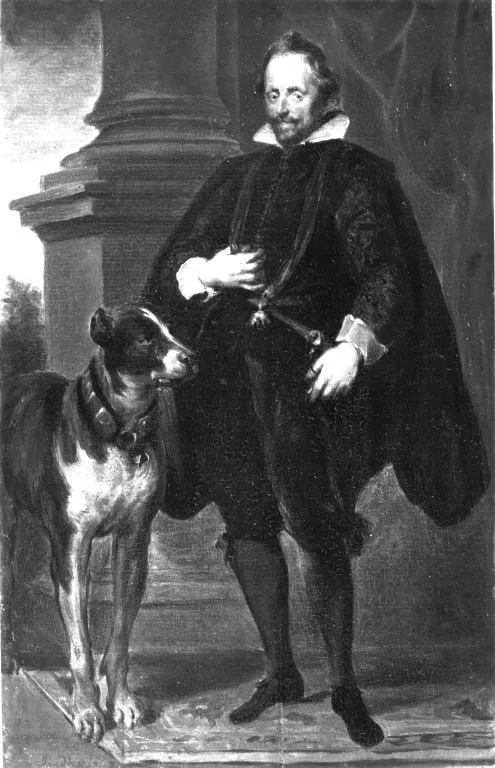
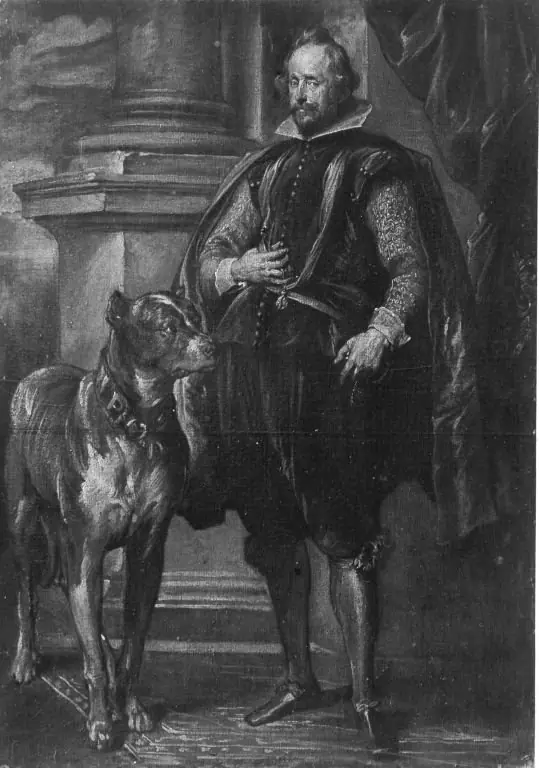
Portrait of Wolfgang Wilhelm van Wittelsbach is an unspecified painting by the Flemish Baroque painting artist Anthony van Dyck. It dates from 1630 and is held in the collection of the Bavarian State Painting Collections.
About this work
Subject & Meaning
The painting depicts Wolfgang William, Count Palatine of Neuburg, identified as the main subject of the work. Alongside the nobleman, a dog is included in the composition. As a formal portrait created in 1630, the work serves to represent the status and identity of this specific historical figure.
Technique & Style
Stylistically, the work belongs to the portrait genre, capturing its main subject, Wolfgang William, Count Palatine of Neuburg, alongside a dog.
Anthony van Dyck executed this 1630 portrait using oil paint on a support measuring 26.9 by 17.3 cm. Stylistically, the work belongs to the portrait genre, capturing its main subject, Wolfgang William, Count Palatine of Neuburg, alongside a dog. The intimate scale of the painting emphasizes the figural composition and the inclusion of the animal companion, reflecting van Dyck's established approach to aristocratic portraiture.
History & Provenance
The portrait of Wolfgang Wilhelm von Wittelsbach was produced by Anthony van Dyck in 1630. It depicts Wolfgang Wilhelm, Count Palatine of Neuburg, shown with a dog, and is classified as a portrait painting. The work is held in the Bavarian State Painting Collections and is located at the Alte Pinakothek.
The sources do not provide further details on commission, intermediate ownership, or acquisition history beyond its current institutional home.
The painting is held by the Bavarian State Painting Collections at the Alte Pinakothek in Munich. Created in 1630, this portrait depicts Wolfgang William, Count Palatine of Neuburg. The provided sources do not list a specific inventory or accession number for the work, nor do they document any exhibition history.
Overview
Anthony van Dyck’s 1630 oil portrait presents Wolfgang Wilhelm, Count Palatine of Neuburg, in formal attire accompanied by a slender hound. Executed during the artist’s early years as a court painter, the work exemplifies the Baroque focus on individual status and refined representation. The painting is part of the collection of the Alte Pinakothek in Munich.
Artist & collection
Artist
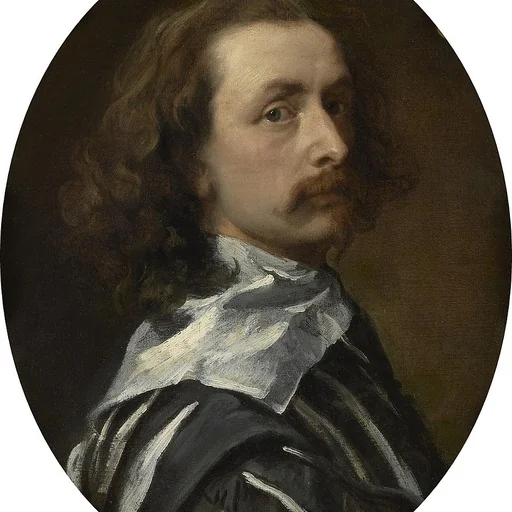
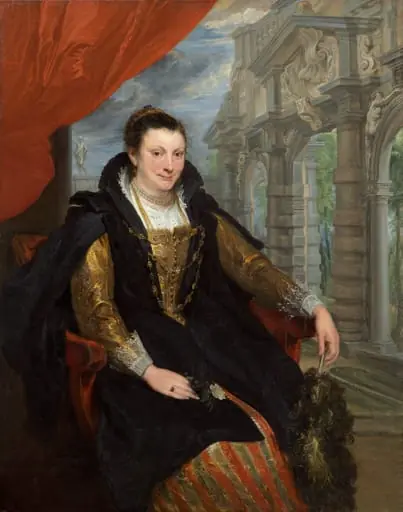
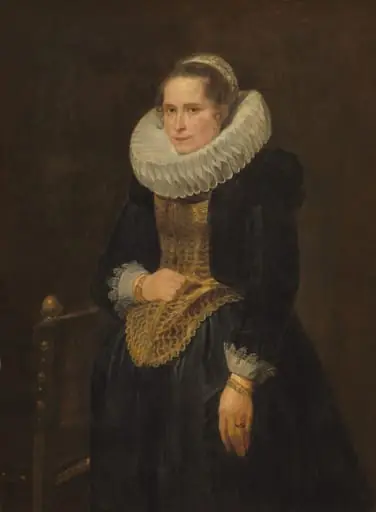
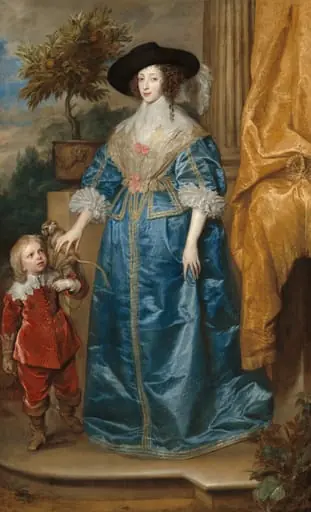
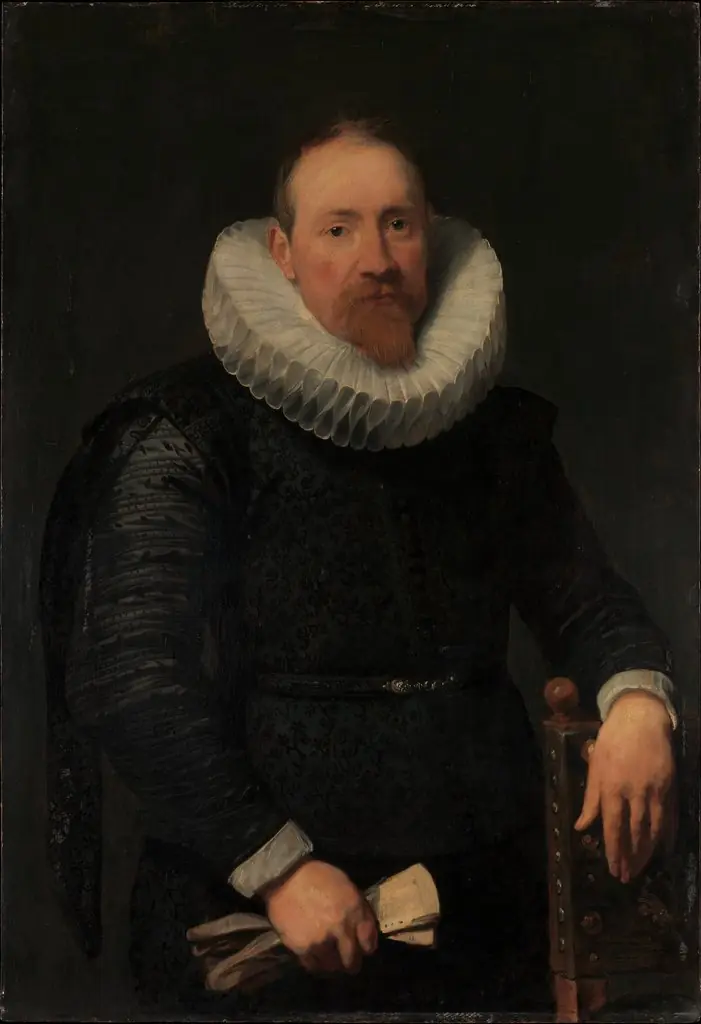
Sir Anthony van Dyck (; Dutch: Antoon van Dijck; 22 March 1599 – 9 December 1641) was a Flemish Baroque artist, who became the leading court painter in England after success in the Spanish Netherlands and Italy.

 Wolfgang Wilhelm von der Pfalz-Neuburg
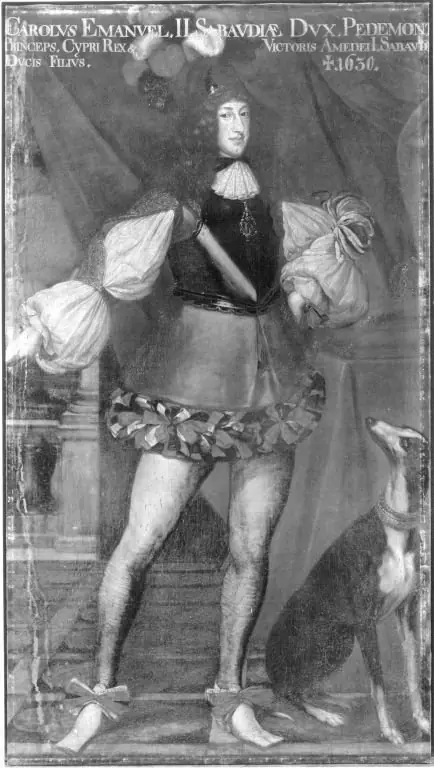 Karl Emanuel II., Herzog von Savoyen (?)
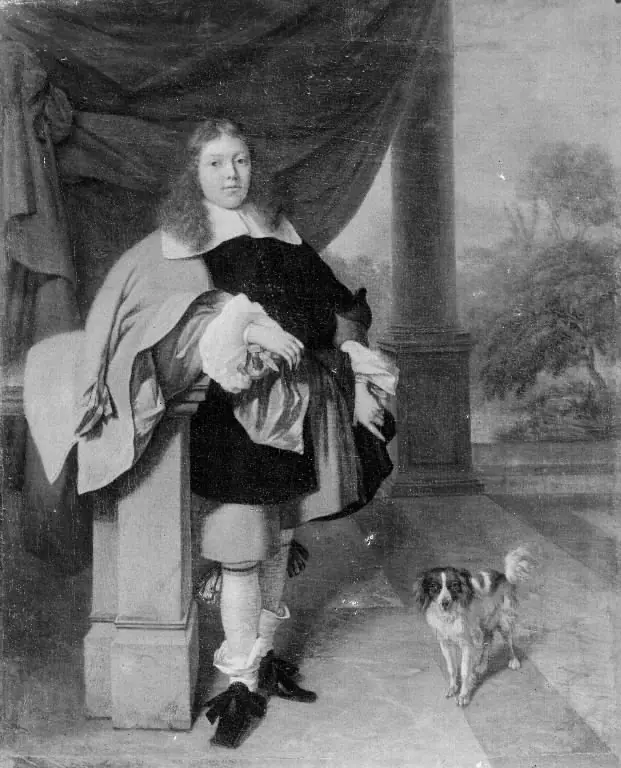 Portrait of a Man
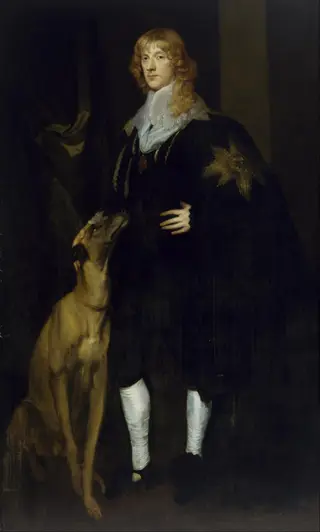 James Stuart, Duke of Lenox and Richmond
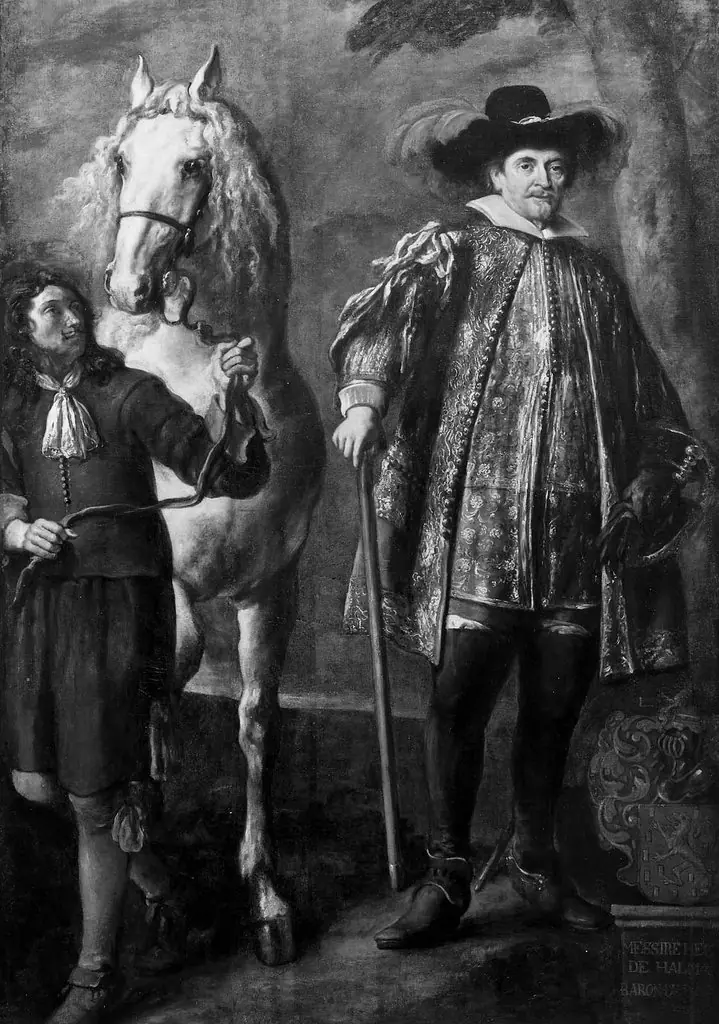 Hendrik van Halmale with his Horse and Groom
 Philipp IV., König von Spanien (1605-1665), im Jagdanzug
 Portrait of a Man
 Ein spanischer Edelmann
 Boy with a Lace Collar (dummy board)