Artwork
Thomas Stapleton, D.D.
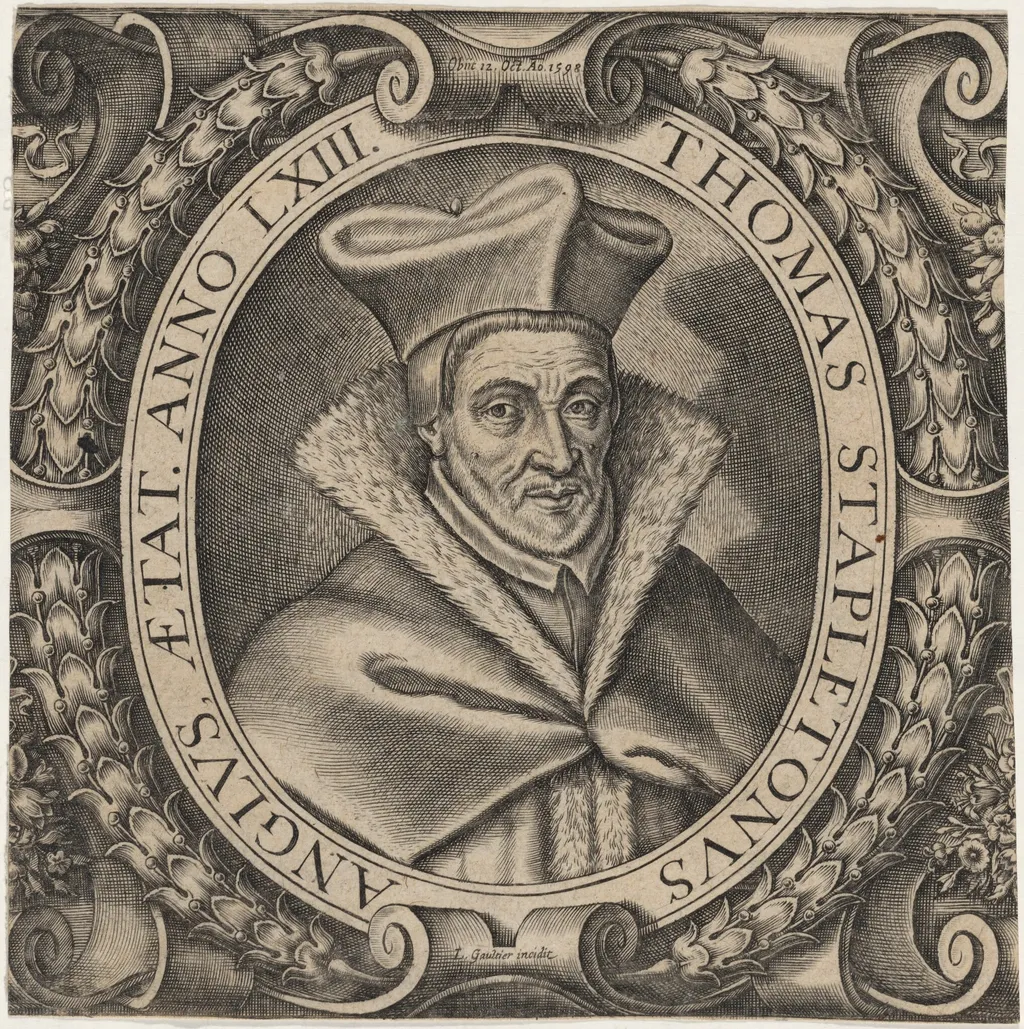
Thomas Stapleton, D.D. is an ink print by the Renaissance artist Léonard Gaultier. It dates from 1601 and is held in the collection of the National Gallery of Art. The 1601 engraving titled Thomas Stapleton, D.
About this work
Overview
The 1601 engraving titled Thomas Stapleton, D.D. is a black‑and‑white portrait executed by Léonard Gaultier, a French engraver who worked in Paris during the late 16th and early 17th centuries. The image shows a bearded scholar in a high collar, surrounded by a circular ornamental frame filled with swirling motifs and decorative lettering.
Technique & Style
Gaultier employed the graver exclusively, carving fine lines that build up tonal shading and give the sitter a three‑dimensional presence. The precision of the line work is characteristic of his output, while the overall composition retains a formal, somewhat rigid quality reminiscent of the prints of the Wierix brothers and Crispyn van de Passe.
Subject & Meaning
The portrait depicts Thomas Stapleton, a Doctor of Divinity, presented in a dignified pose that emphasizes his scholarly status. The elaborate border and inscribed text function as a decorative frame, underscoring the importance of the figure within the academic and religious circles of his time.
History & Provenance
Léonard Gaultier, born around 1561 in Mainz and active in Paris until his death in 1641, produced a large volume of prints, many after his own designs. Contemporary collector the Abbé de Marolles is recorded as having owned more than eight hundred of Gaultier’s works, indicating the wide circulation and appreciation of his engravings during the period.
Own this work as a print
Artist & collection
Artist
Léonard Gaultier, or, as he sometimes signed himself, Galter, a French engraver, was born at Mainz about 1561, and died in Paris in 1641.

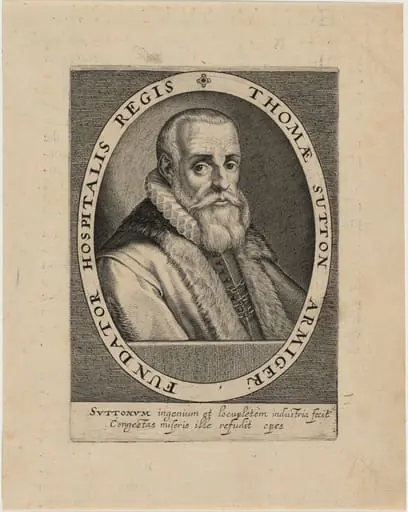 Thomas Sutton, Founder of the Charterhouse
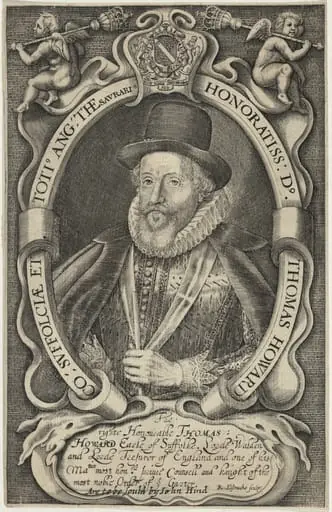 Thomas Howard, First Earl of Suffolk
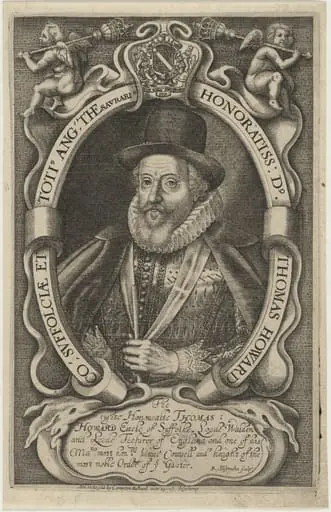 Thomas Howard, First Earl of Suffolk
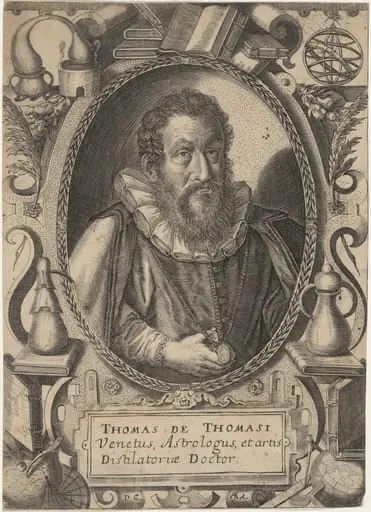 Thomas de Thomasi
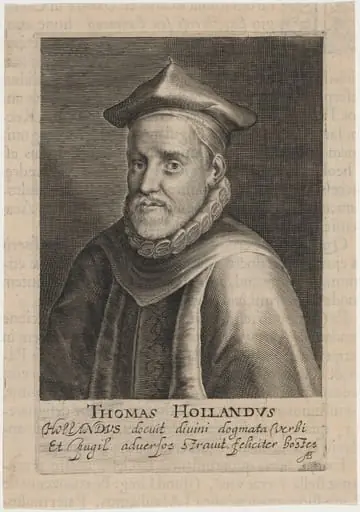 Thomas Holland, Regius Professor of Divinity at Oxford, and Rector of Exeter College
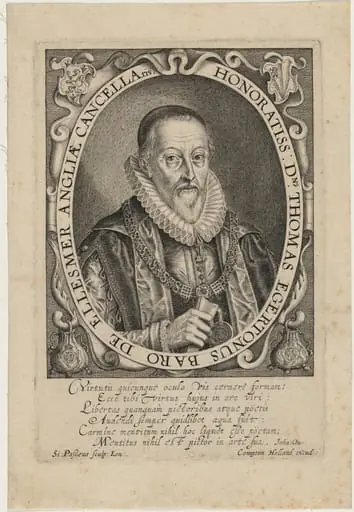 Thomas Egerton, First Viscount of Brackley
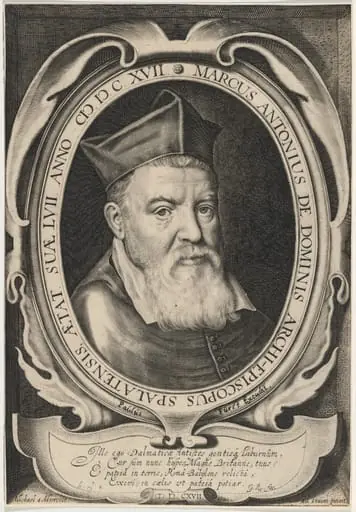 Marc Antonio de Dominis
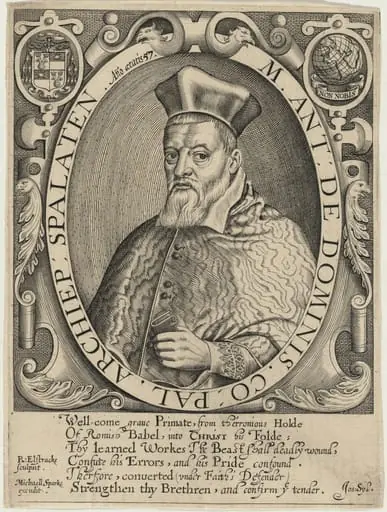 Marc Antonis De Dominis
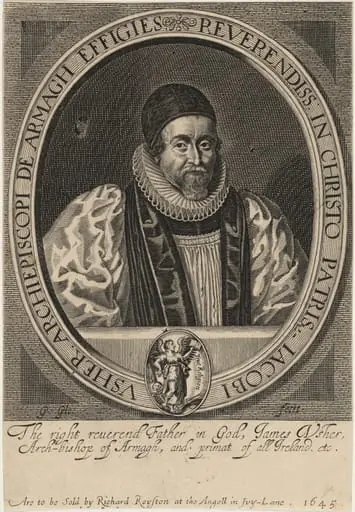 James Ussher, Archbishop of Armagh