Artwork
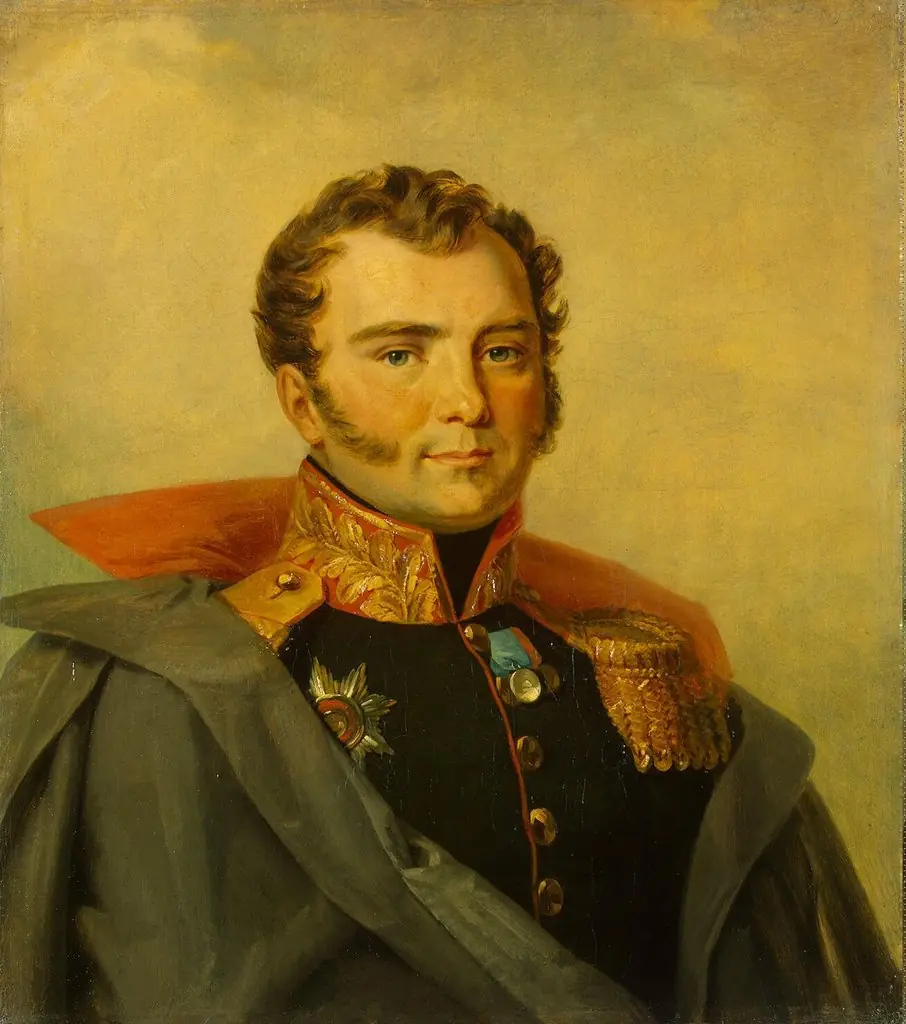
Portrait of Ivan Z. Yershov (1777/78-1852)
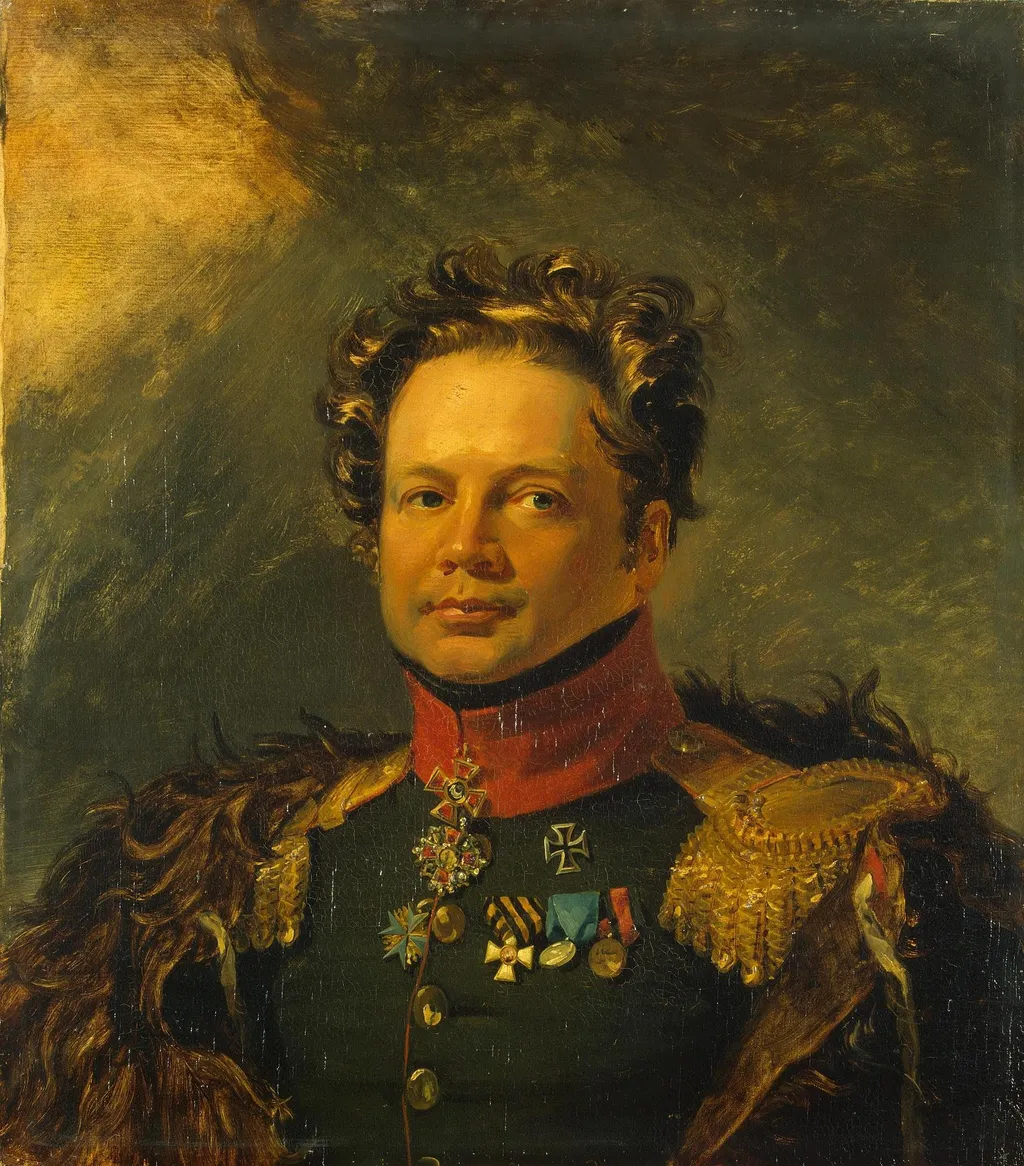
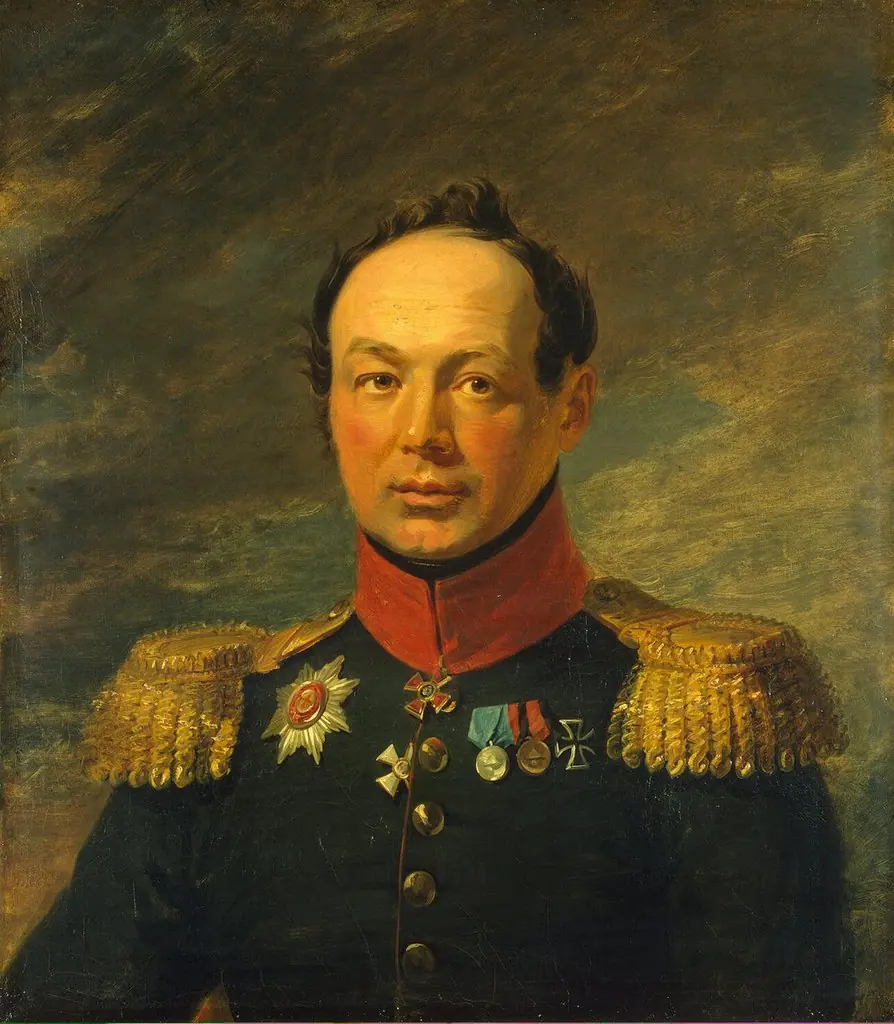
Portrait of Ivan Z. Yershov (1777/78-1852) is an oil painting by the British Romanticist artist George Dawe. It dates from 1822 and is held in the collection of the Hermitage Museum.
About this work
Overview
Yershov (1777/78-1852) is an oil on canvas painting by the English portraitist George Dawe, dated 1822.
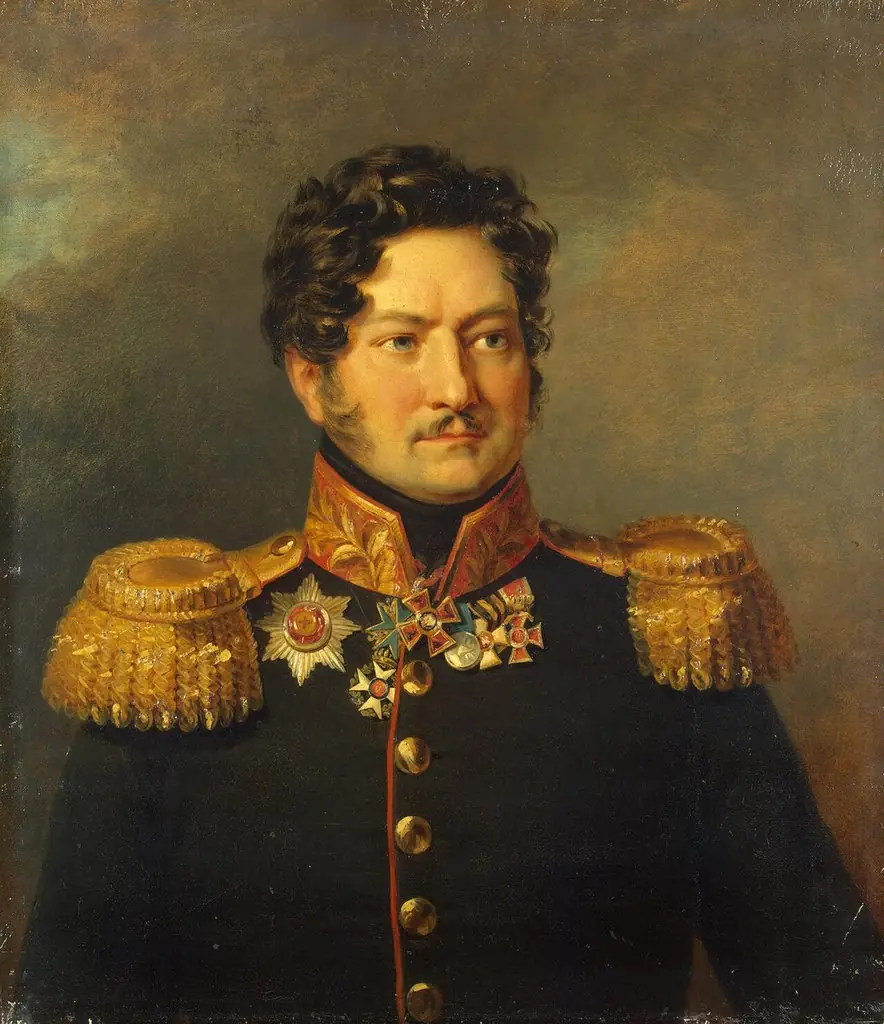
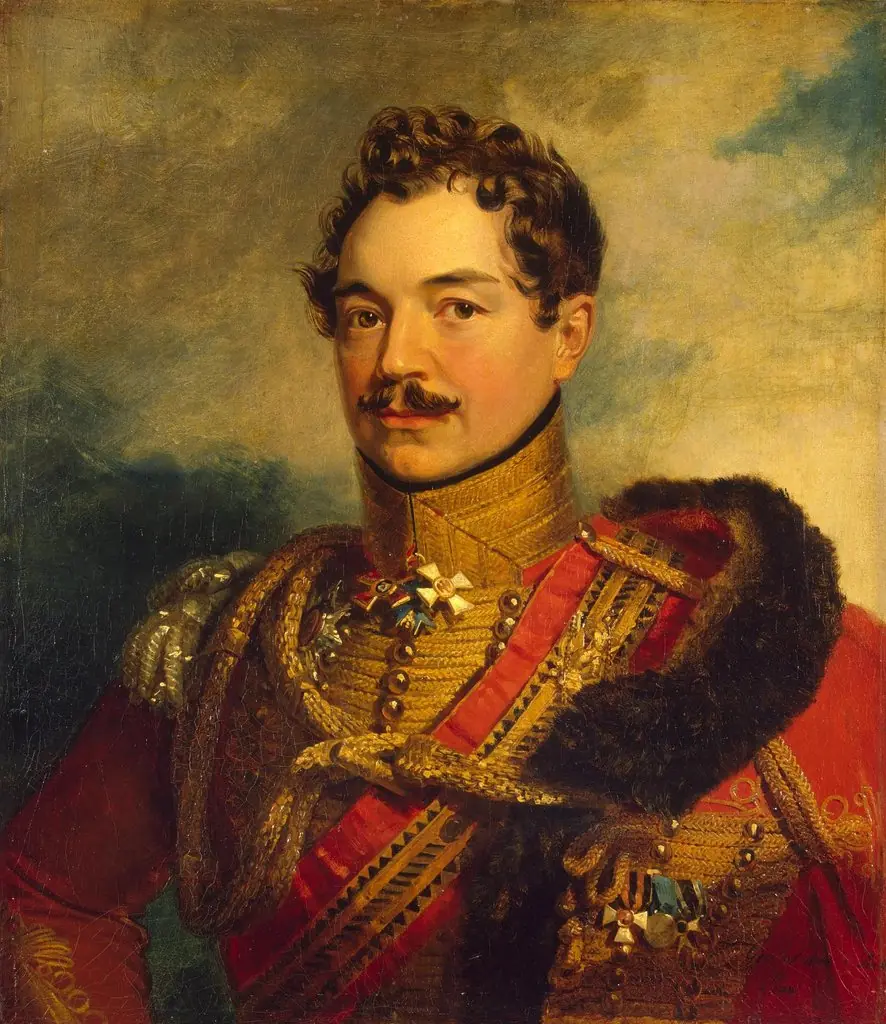
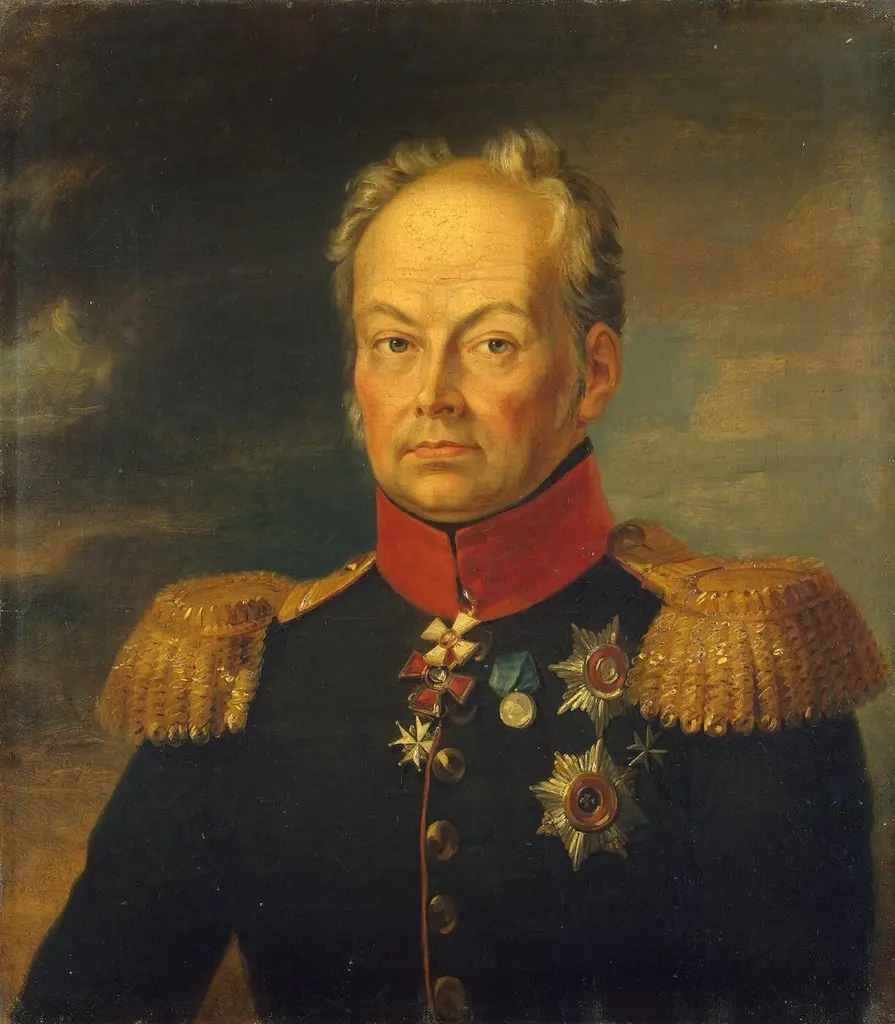
The Portrait of Ivan Z. Yershov (1777/78-1852) is an oil on canvas painting by the English portraitist George Dawe, dated 1822. Measuring 70 by 62.5 centimetres, the work depicts a Russian general who served during the Napoleonic Wars. It forms part of Dawe's monumental series of military portraits for the Military Gallery of the Winter Palace and is now held in the collection of the State Hermitage Museum in Saint Petersburg. The painting exemplifies the documentary portraiture that Dawe produced for the Russian imperial court, combining accurate likeness with the ceremonial conventions of military representation.
Subject & Meaning
Ivan Zakharovich Yershov was born in Moscow in 1777 and died in Saint Petersburg on 19 January 1852, having risen to the rank of lieutenant general. The portrait presents him bust-length, turned slightly to his right, wearing a dark military coat with a high red collar and gold epaulettes with fringe. A fur-lined cloak drapes over his shoulders, and multiple medals, crosses, stars, and ribbons in various colours are displayed on his chest. These decorations record his service and honours, transforming the portrait into a document of military distinction. The divided background, with its dark olive-green tone contrasting against a brighter golden-yellow area to the upper left, creates a dramatic atmosphere that elevates the sitter's status while the directional light from the upper left illuminates his forehead, nose, and left cheek, drawing attention to his composed expression.
Technique & Style
The painting is executed in oil on canvas, a medium Dawe employed throughout his Russian period. The surface shows fine craquelure throughout, consistent with its age and materials. The brushwork varies across the composition: the face is rendered with relative smoothness, while the hair, fur trim, and background are handled with more textured, visible strokes. This differential treatment accords priority to the physiognomy of the sitter while allowing expressive handling in secondary areas. The lighting scheme, with illumination falling from the upper left, follows the conventions of academic portraiture and creates a subtle modelling of the facial features. The overall effect is one of dignified naturalism within a formalised presentation, characteristic of Dawe's approach to military portraiture where individual character was subordinated to the requirements of official representation.
History & Provenance
Dawe painted the portrait in 1822 during his residence in Saint Petersburg, where he had been commissioned by Alexander I to produce portraits of senior Russian military staff who had fought against Napoleon. The work was created for the Military Gallery of the Winter Palace, a commemorative space designed to honour the commanders of the Patriotic War of 1812. The painting is now located in the Winter Palace War Gallery of the State Hermitage Museum, where it remains part of the permanent display of Dawe's series. Its Hermitage work ID is 39690. The attribution to George Dawe and his workshop reflects the collaborative production methods of his studio, where assistants Alexander Polyakov and Wilhelm August Golicke participated in the execution of the large portrait series.
Context
George Dawe was born in London in 1781, trained as an engraver under his father Philip Dawe, and later studied at the Royal Academy of Arts, where he won the Gold Medal in 1803. He became an Academician in 1814. His relocation to Saint Petersburg in 1819, following a European tour with the Duke of Kent, marked a decisive turn in his career. Between 1822 and 1828, he painted over 300 portraits for the Military Gallery, a project that made him a celebrity in Russia and earned him recognition from the Russian intellectual elite, including a complimentary poem by Alexander Pushkin. He was appointed First Portrait Painter of the Imperial Court in 1828. The Yershov portrait belongs to this intensive period of production, when Dawe and his workshop operated under imperial patronage to create a visual archive of Russian military leadership. The series has been described as still well-known and held in high regard in Russia, though Dawe's reputation in England did not endure after his death in 1829.
Legacy
The Portrait of Ivan Z. Yershov remains in the State Hermitage Museum as part of one of the most significant collections of early nineteenth-century military portraiture. Dawe's entire series for the Military Gallery of the Winter Palace constitutes a unique historical document, preserving the likenesses of the commanders who resisted Napoleon's invasion. The work's public domain status, established by its age, has allowed for widespread reproduction and dissemination, including digital availability through museum databases and Wikimedia Commons. The painting continues to serve as a primary visual source for historians of the Napoleonic era and scholars of Russian military history, while also representing a high point of Anglo-Russian artistic collaboration in the period following the Congress of Vienna.
Own this work as a print
Artist & collection
Artist
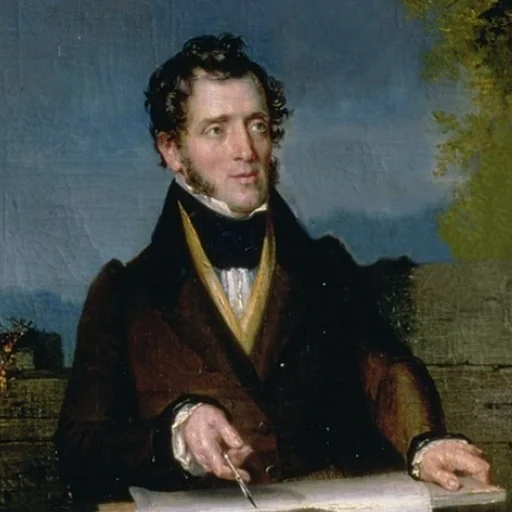
George Dawe (6 February 1781 – 15 October 1829) was an English portraitist who painted 329 portraits of Russian generals active during Napoleon's invasion of Russia for the Military Gallery of the Winter Palace.

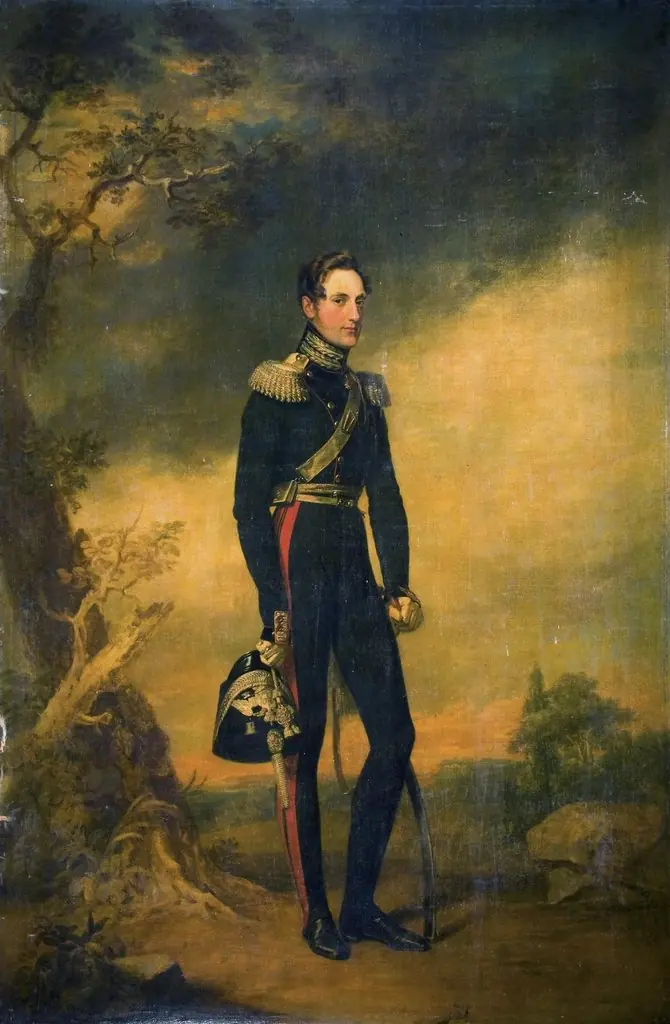 Portrait of Grand Duke Nikolai Pavlovich
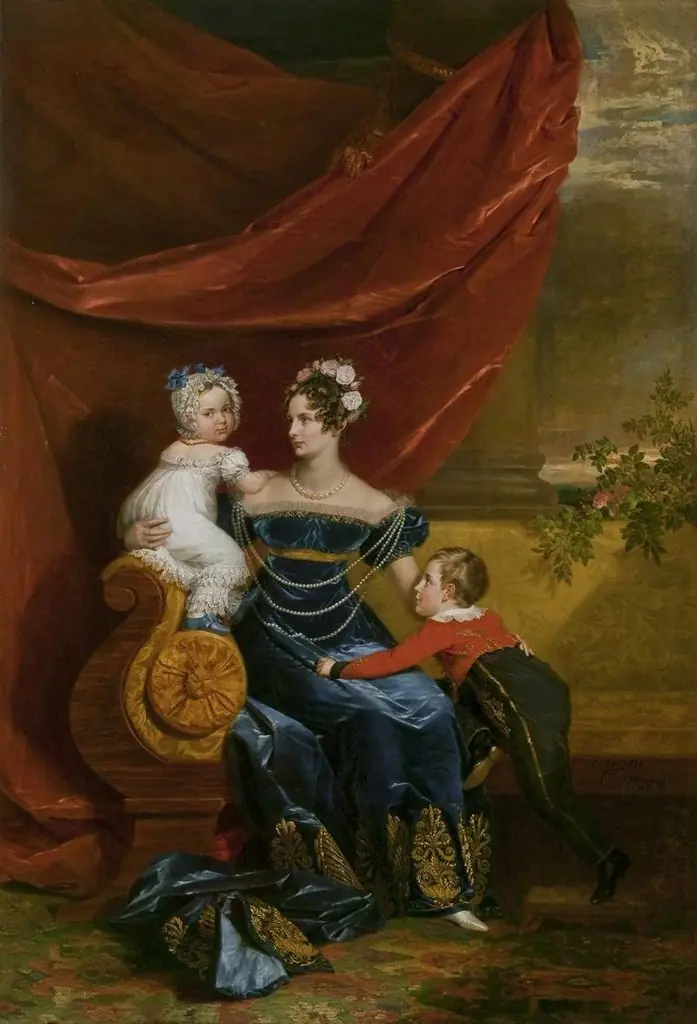 Portrait of Grand Duchess Alexandra Fiodorovna with Children
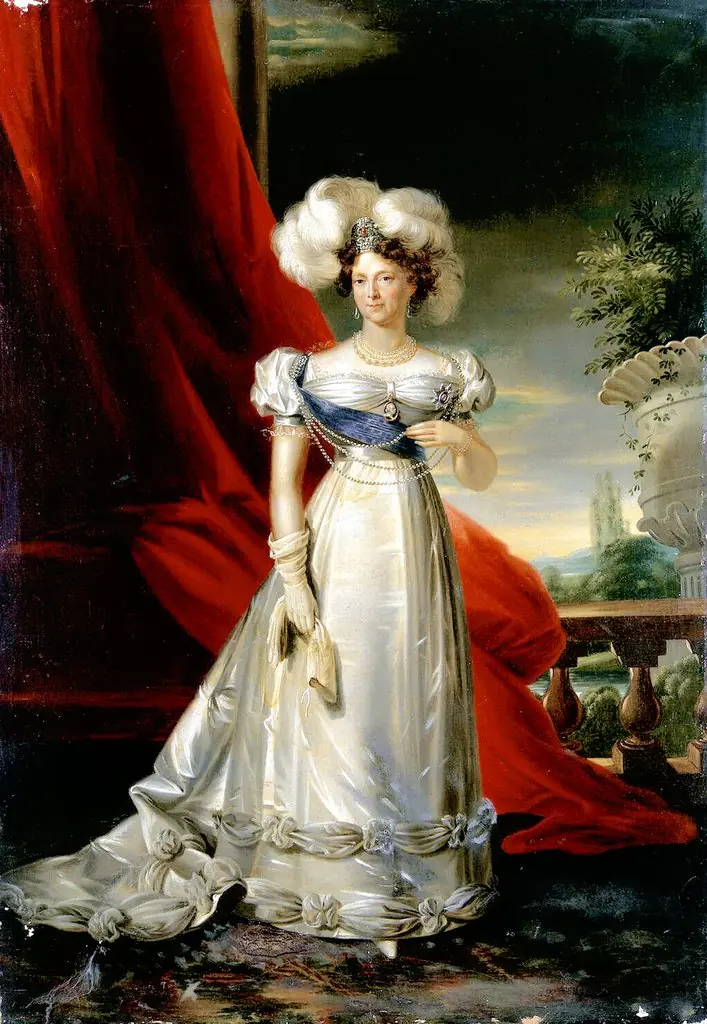 Portrait of the Empress Dowager Maria Feodorovna
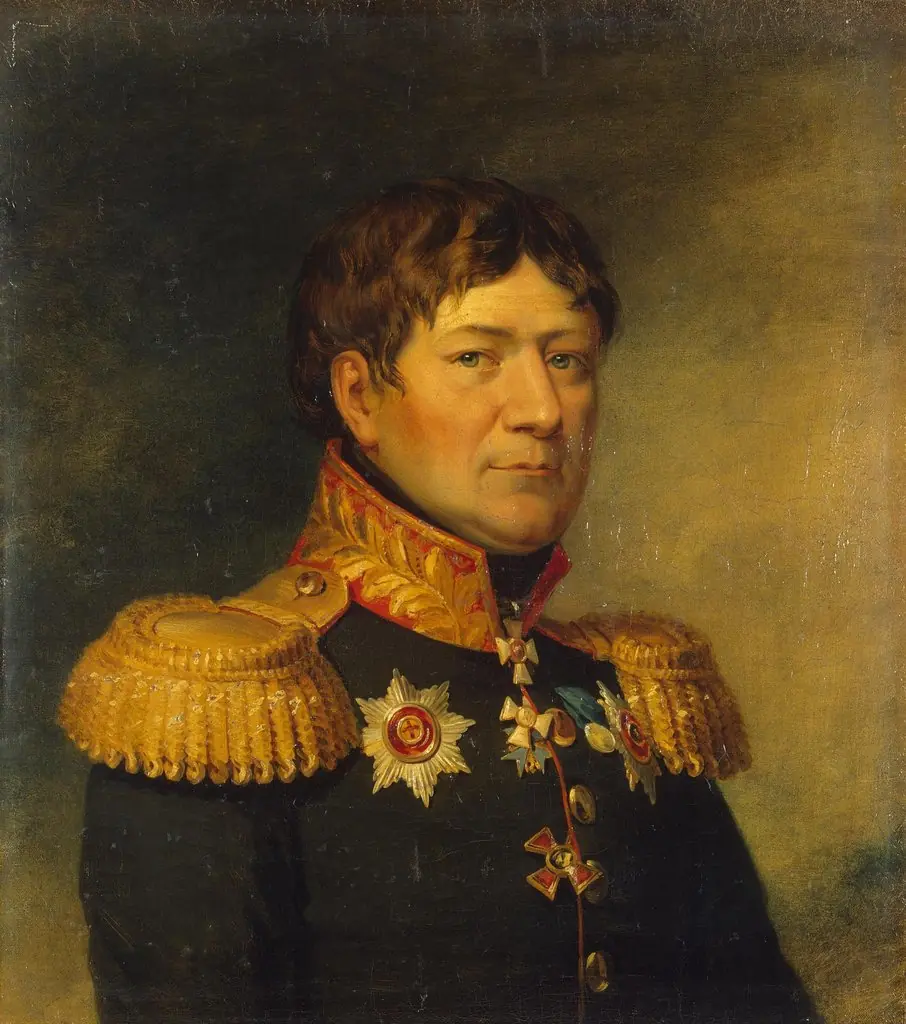 Portrait of Yegor M. Pillar (1767-1830)
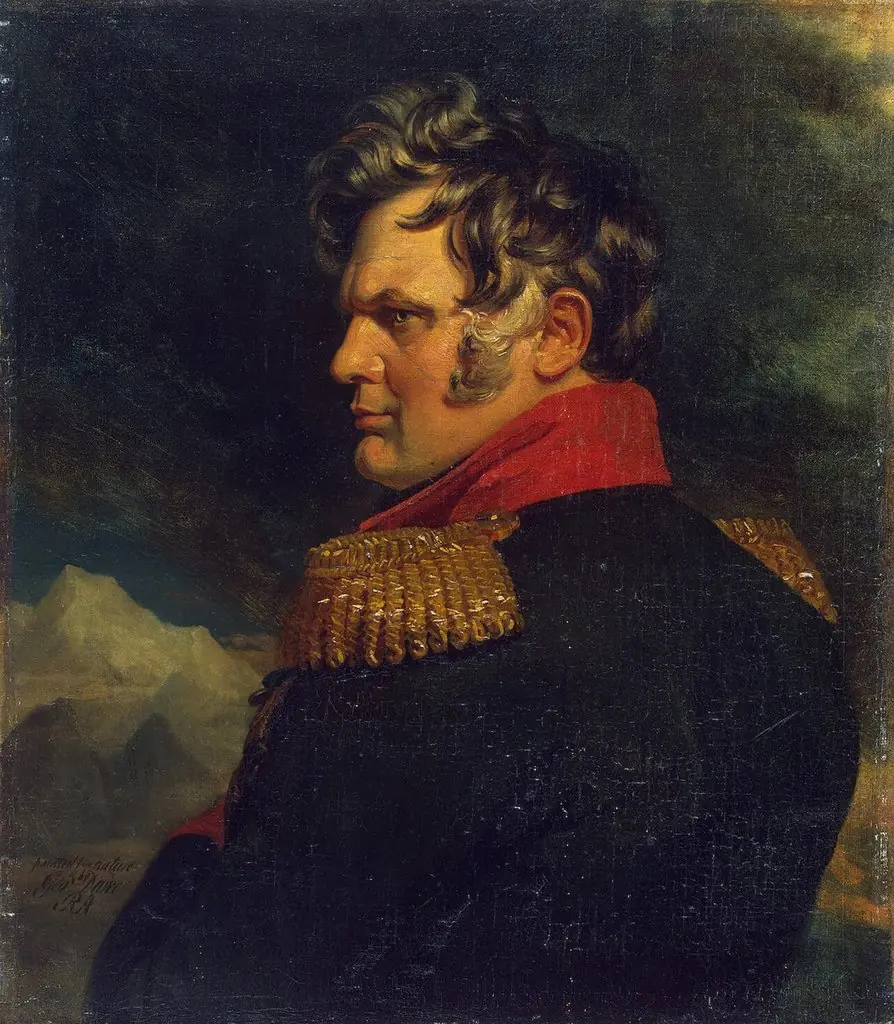 Portrait of Alexei P. Yermolov (1772/77-1861)
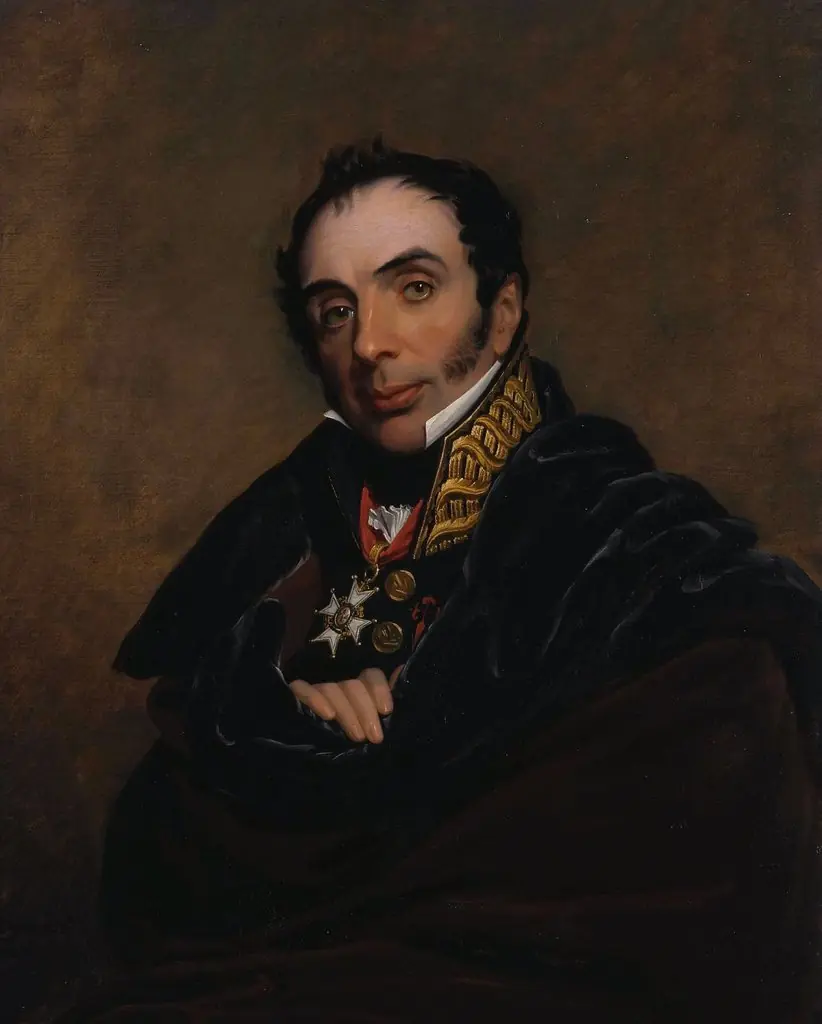 Portrait of Miguel Ricardo de Alava
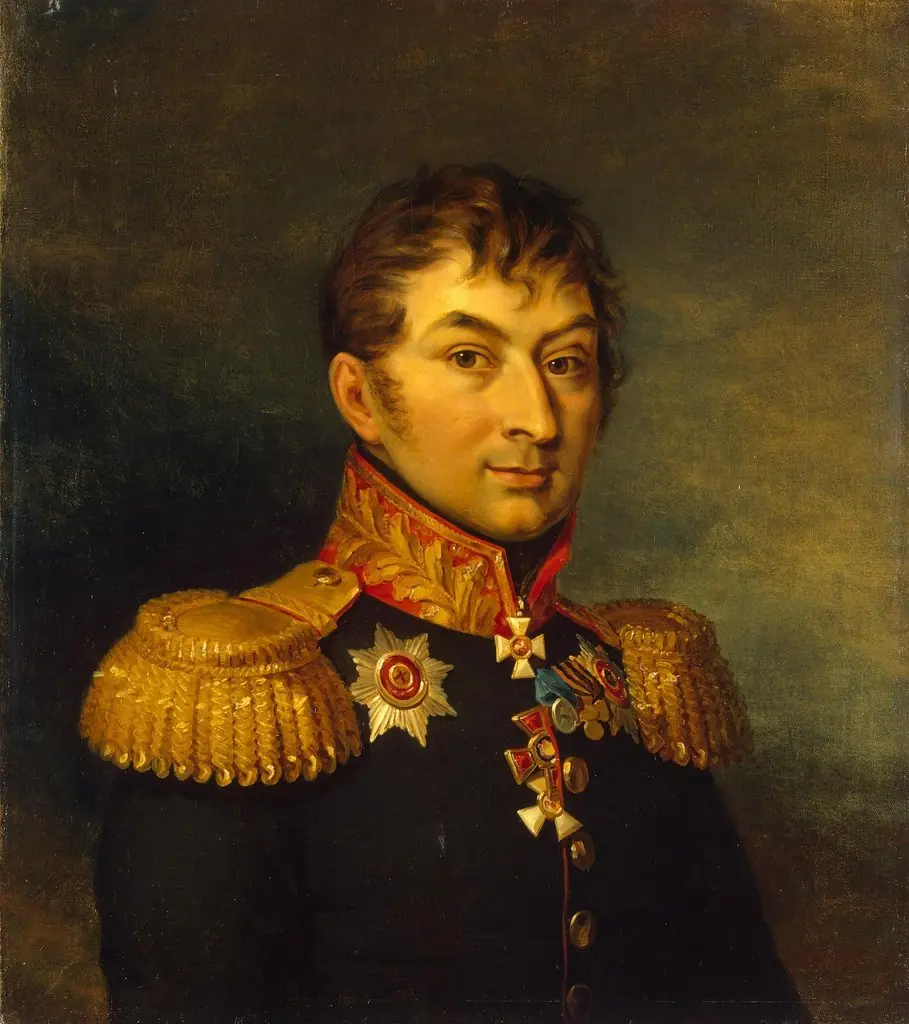 Portrait of Ivan D. Panchulidzev (1759-1815) (1st)
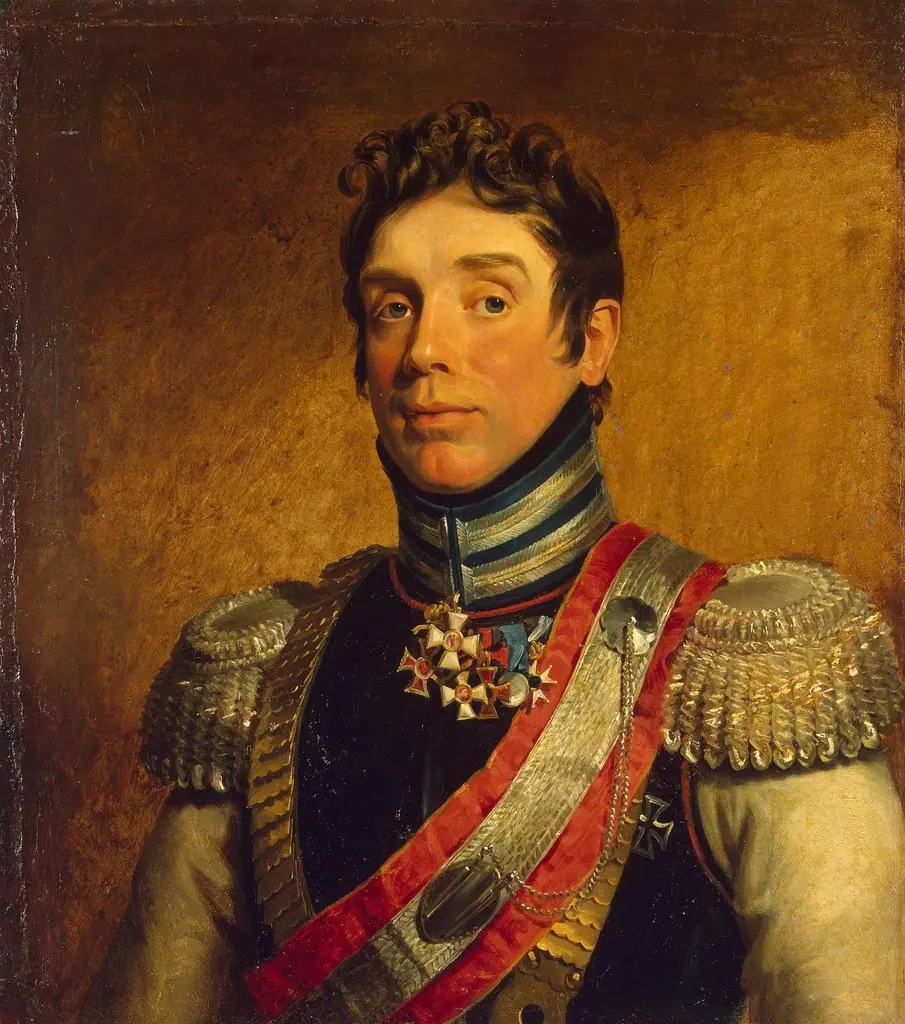 Portrait of Karl V. Budberg (1774-1829)