Artwork
Portrait of Mikhail A. Miloradovich (1771-1825)
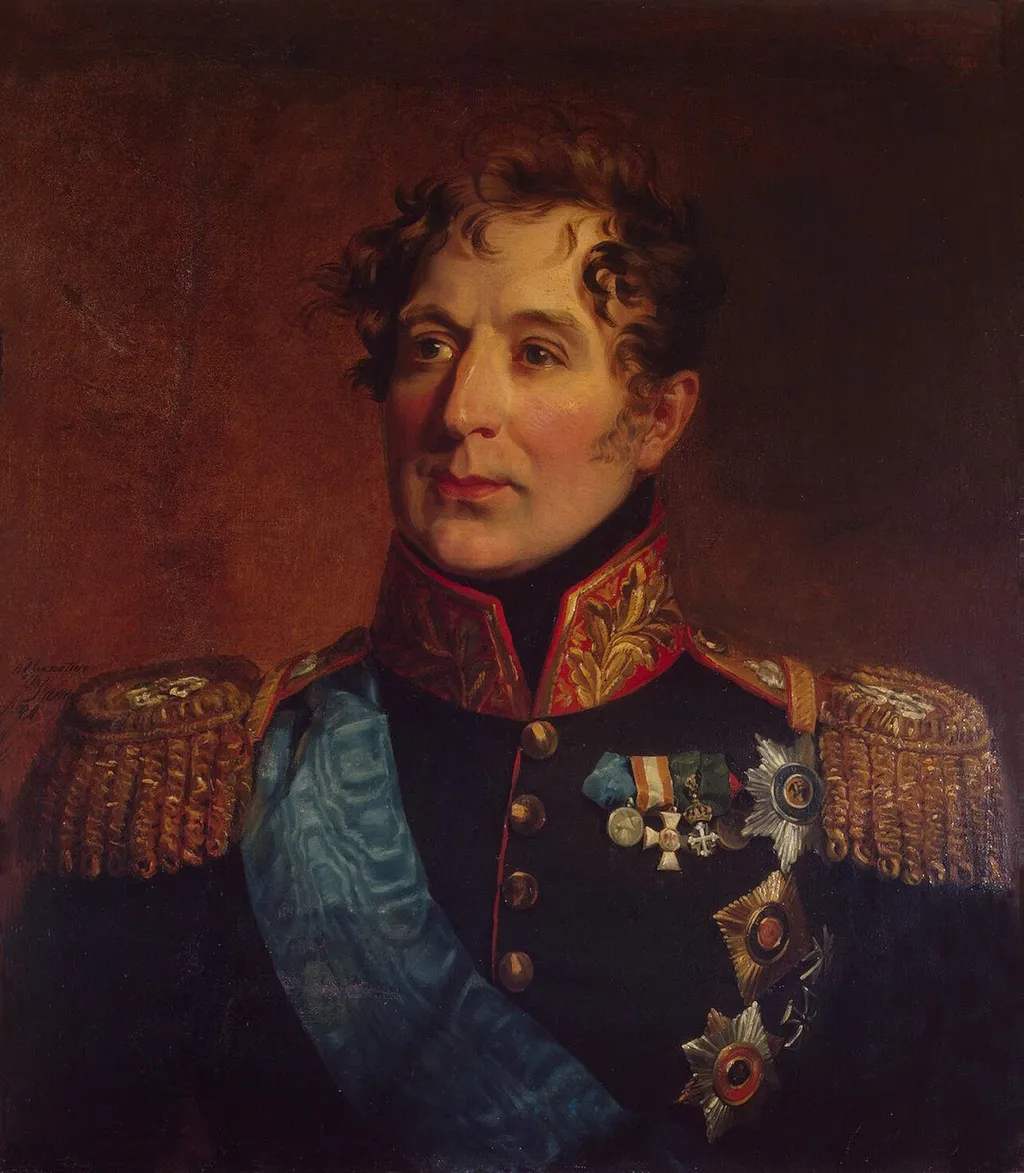
Portrait of Mikhail A. Miloradovich (1771-1825) is an oil painting by the British Romanticist artist George Dawe. It dates from 1822 and is held in the collection of the Hermitage Museum.
About this work
Overview
Miloradovich (1771-1825) is an oil-on-canvas painting by the English artist George Dawe, dated 1822.
The Portrait of Mikhail A. Miloradovich (1771-1825) is an oil-on-canvas painting by the English artist George Dawe, dated 1822. Measuring 70 by 62.5 cm, the bust-length portrait depicts the Russian general and statesman in full military regalia. The work is held in the collection of the State Hermitage Museum in St. Petersburg, where it is catalogued under inventory number GE-7819. The painting occupies a significant place in Russian portraiture of the early nineteenth century, both as a representation of a major military figure and as part of the broader commemorative project of the Military Gallery of the Winter Palace.
Subject & Meaning
Mikhail Andreyevich Miloradovich (1771-1825) was a distinguished Russian general who played a prominent role in the Napoleonic Wars. In Dawe's portrait, he is presented as an emblem of military authority and imperial service. The figure faces three-quarters left, positioned slightly off-center against a dark, warm brown background that throws the subject into relief. His dark navy or black military coat features a high collar trimmed in red and gold embroidery, with gold buttons and heavy gold epaulettes with bullion fringe on both shoulders. A wide, light blue sash crosses from his right shoulder to left hip, while multiple decorations and orders pinned to his left breast, including cross-shaped medals, a star-shaped badge, and a circular medallion with a blue ribbon, attest to his distinguished service. The accumulation of insignia serves not merely as personal decoration but as visual testimony to the subject's loyalty and contribution to the Russian state.
Technique & Style
The portrait is executed in oil on canvas, a medium that allows for the smooth blending and rich tonal variation evident in the work. Dawe employs soft light from the left, creating subtle shadows on the right side of the face and uniform that model the forms with naturalistic effect. The paint handling varies across the surface: the face is rendered with smooth, blended technique, while the gold elements and background display more textured, visible brushwork that creates tactile contrast. The overall palette is restrained, consisting of deep browns, navy, gold, and the pale blue of the sash, harmonized against the dark ground. This combination of precise facial modeling with more expressive handling of decorative elements is characteristic of Dawe's approach to military portraiture, balancing individual likeness with the grandeur appropriate to the subject's rank.
History & Provenance
The painting is dated 1822, with Dawe's signature and date appearing in the lower left corner. The Hermitage Museum's catalogue notes an important qualification regarding its authorship: the work is described as being 'after the engraving by F. Vendramini after the drawing by P. Rossi,' suggesting that Dawe's painting was produced in relation to, or derived from, an earlier graphic source. One source indicates a dating of 'no later than 1825' for the work's association with the Military Gallery of the Winter Palace. The painting entered the collection of the State Hermitage, St. Petersburg, where it remains today under inventory number GE-7819. Its precise exhibition history and complete ownership chain prior to museum acquisition are not specified in the available sources.
Context
George Dawe (1781-1829) was an English portrait painter who achieved considerable success in Russia, where he was invited to paint the portraits of generals who had defeated Napoleon for the Military Gallery of the Winter Palace. This commission, initiated by Tsar Alexander I, resulted in hundreds of portraits that formed a monumental commemorative cycle. The Portrait of Mikhail A. Miloradovich belongs to this larger project, which represented one of the most significant patronage endeavors of the period. The note that Dawe's painting is 'after the engraving by F. Vendramini after the drawing by P. Rossi' raises interesting questions about artistic production and the circulation of images in early nineteenth-century Russia, where painted portraits often worked in dialogue with reproductive prints. The work's place in scholarship has not been extensively documented in the provided sources, though its presence in the Hermitage and association with the Military Gallery confirms its institutional significance.
Legacy
As part of the Military Gallery of the Winter Palace, the Portrait of Mikhail A. Miloradovich contributes to one of the most celebrated ensembles of military portraiture in European art. The gallery itself became a powerful instrument of imperial memory, fixing the images of the generation that had resisted Napoleon into a permanent visual narrative. The work's afterlife is thus inseparable from this larger commemorative function. The portrait has been reproduced in commercial image archives, indicating its continued circulation as a document of Russian military history. Its presence in the Hermitage ensures ongoing public and scholarly access, while the painting's connection to both Dawe's prolific Russian period and the broader phenomenon of post-Napoleonic commemorative portraiture secures its relevance for studies of nineteenth-century European art, patronage, and the politics of visual memory.
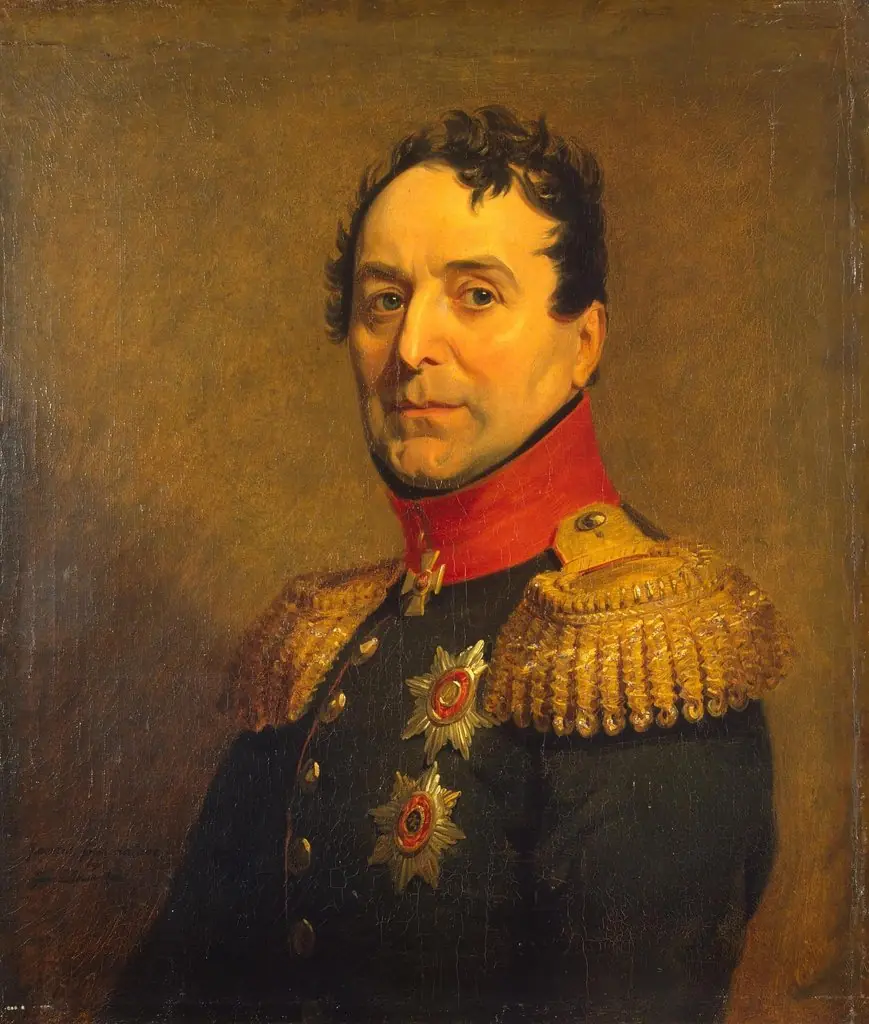
Artist & collection
Artist
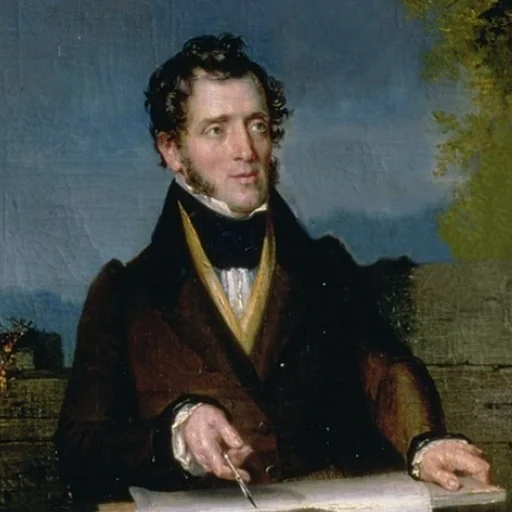
George Dawe (6 February 1781 – 15 October 1829) was an English portraitist who painted 329 portraits of Russian generals active during Napoleon's invasion of Russia for the Military Gallery of the Winter Palace.

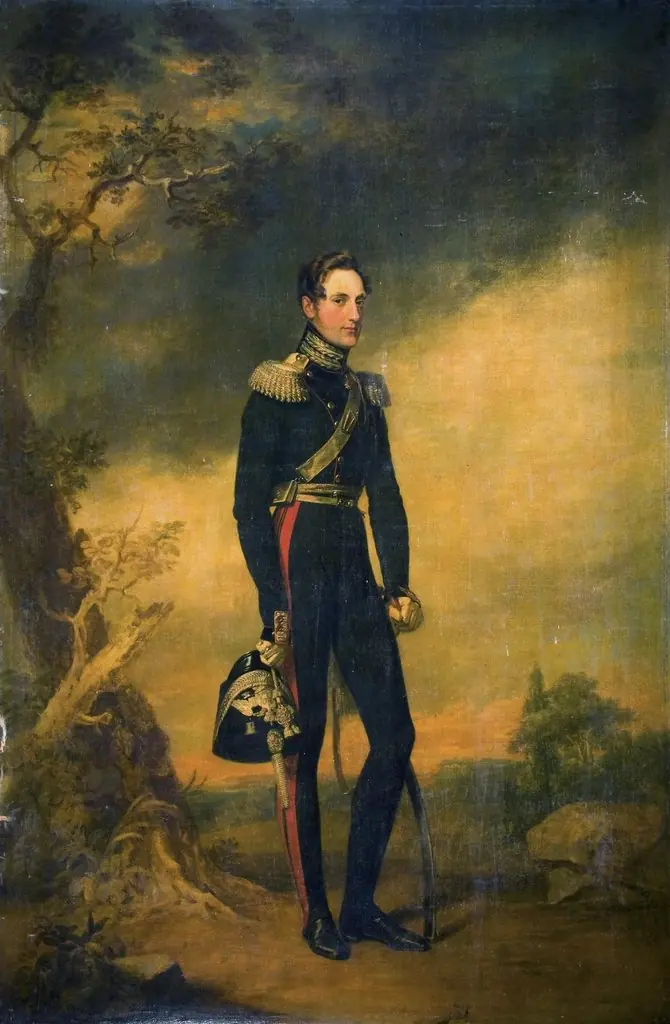 Portrait of Grand Duke Nikolai Pavlovich
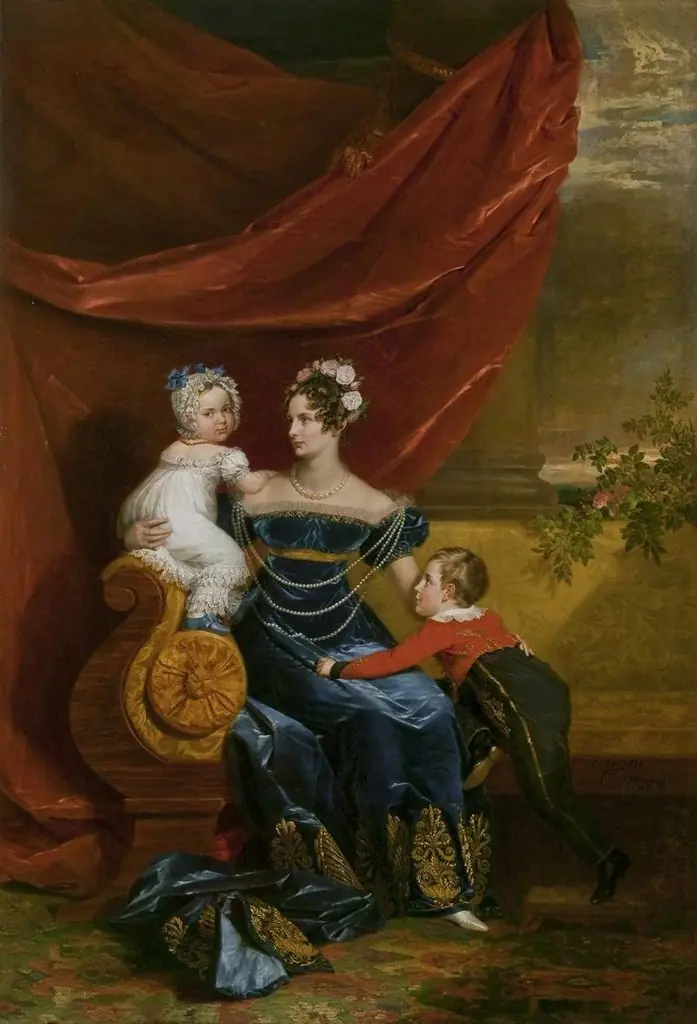 Portrait of Grand Duchess Alexandra Fiodorovna with Children
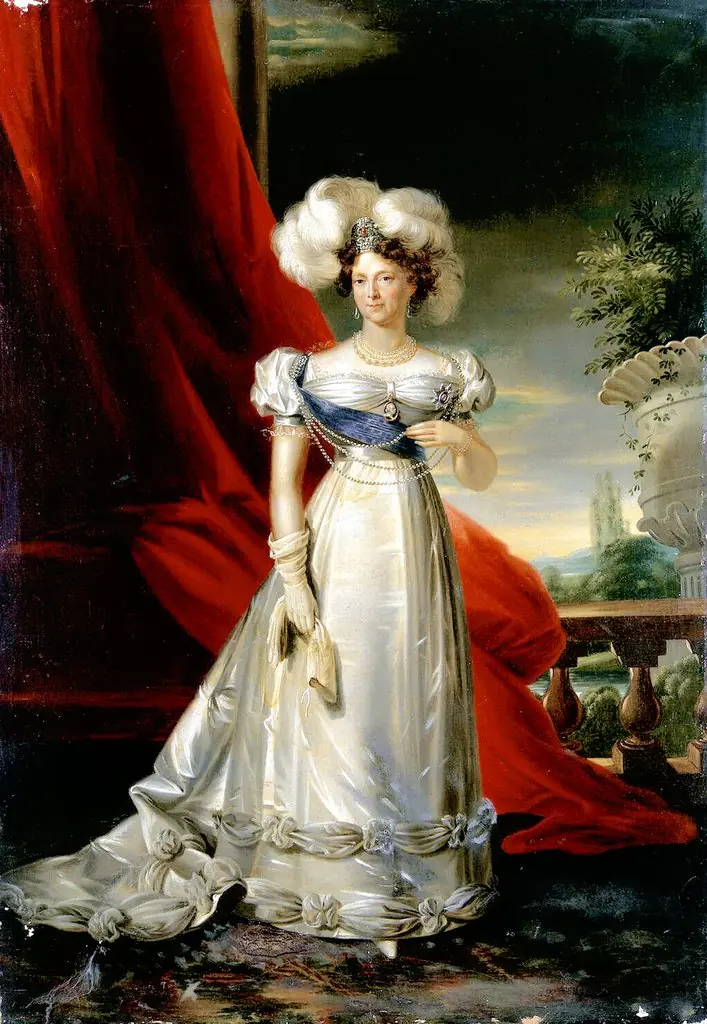 Portrait of the Empress Dowager Maria Feodorovna
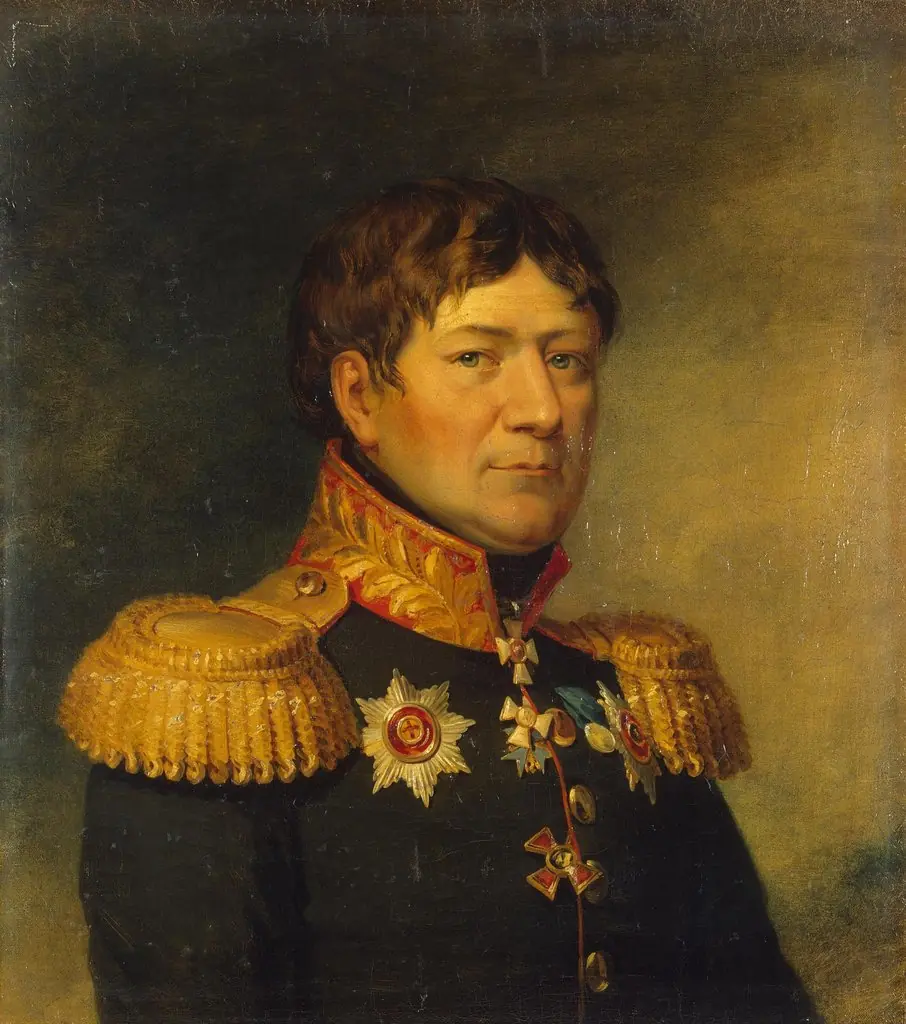 Portrait of Yegor M. Pillar (1767-1830)
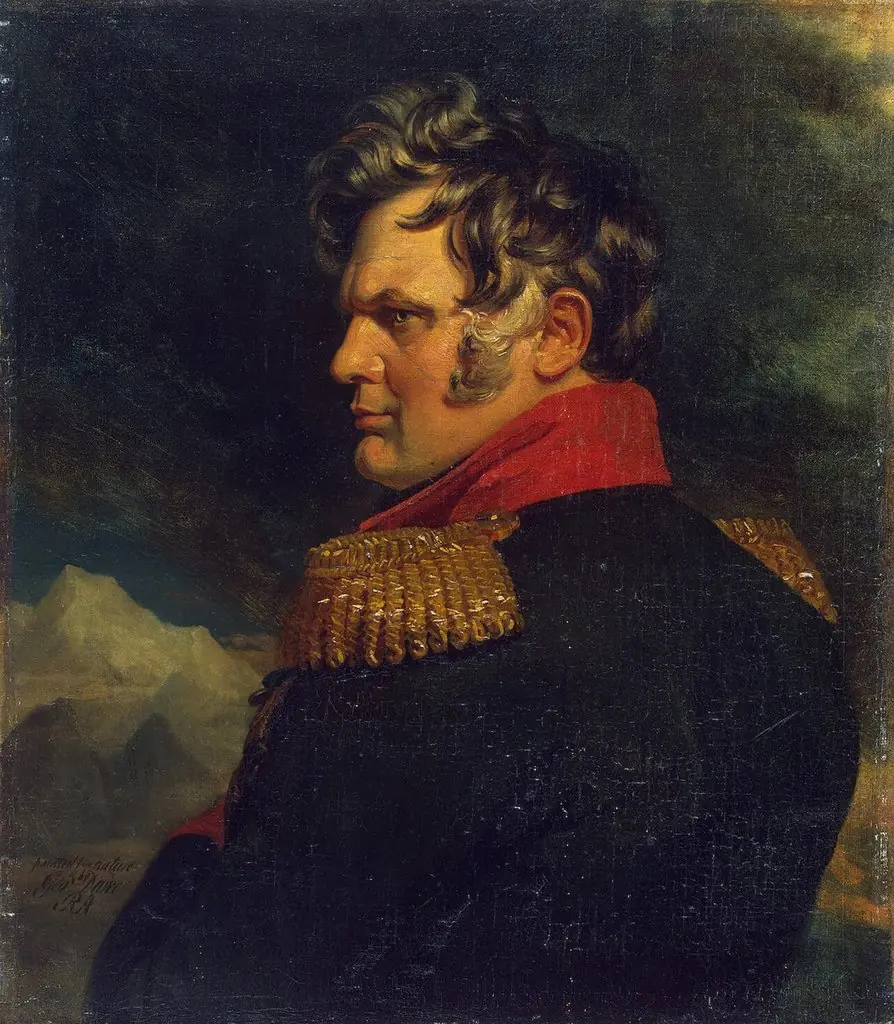 Portrait of Alexei P. Yermolov (1772/77-1861)
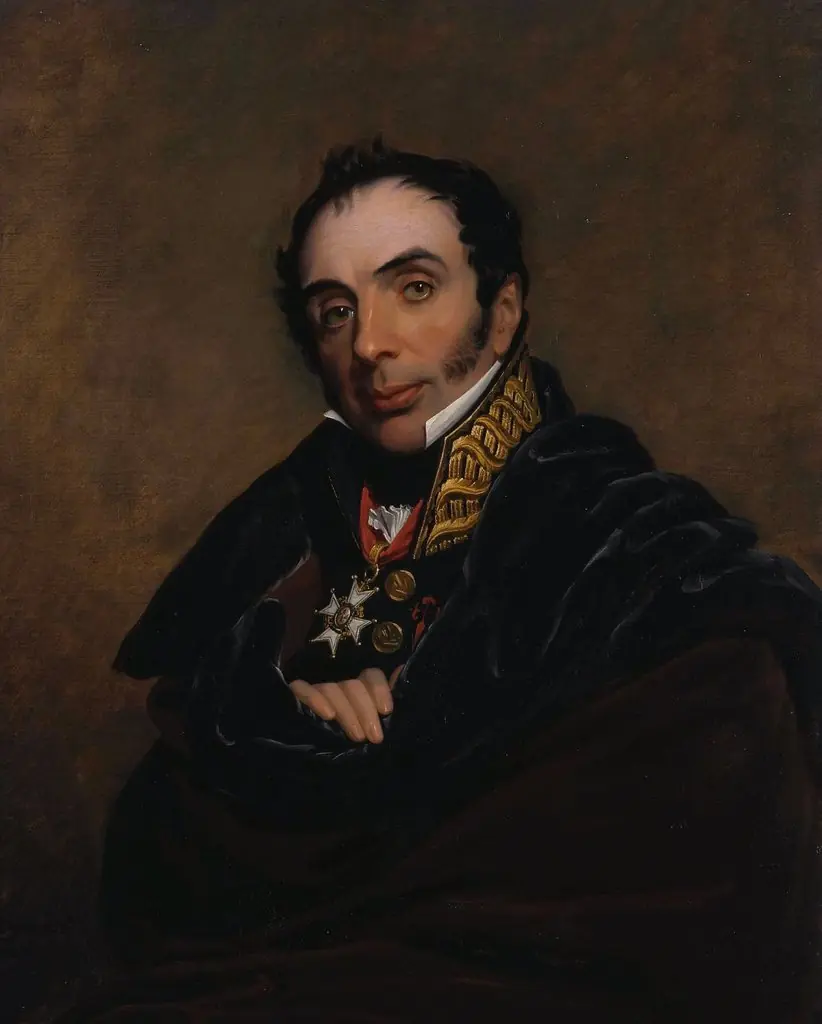 Portrait of Miguel Ricardo de Alava
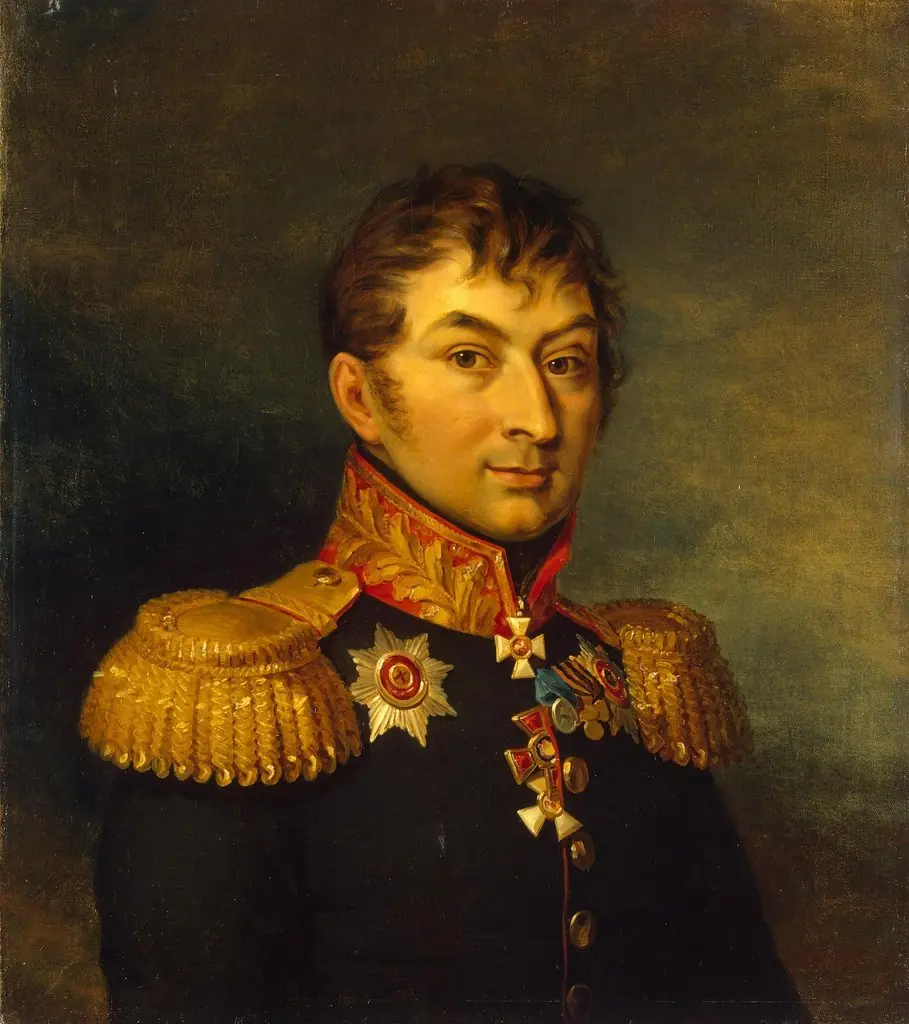 Portrait of Ivan D. Panchulidzev (1759-1815) (1st)
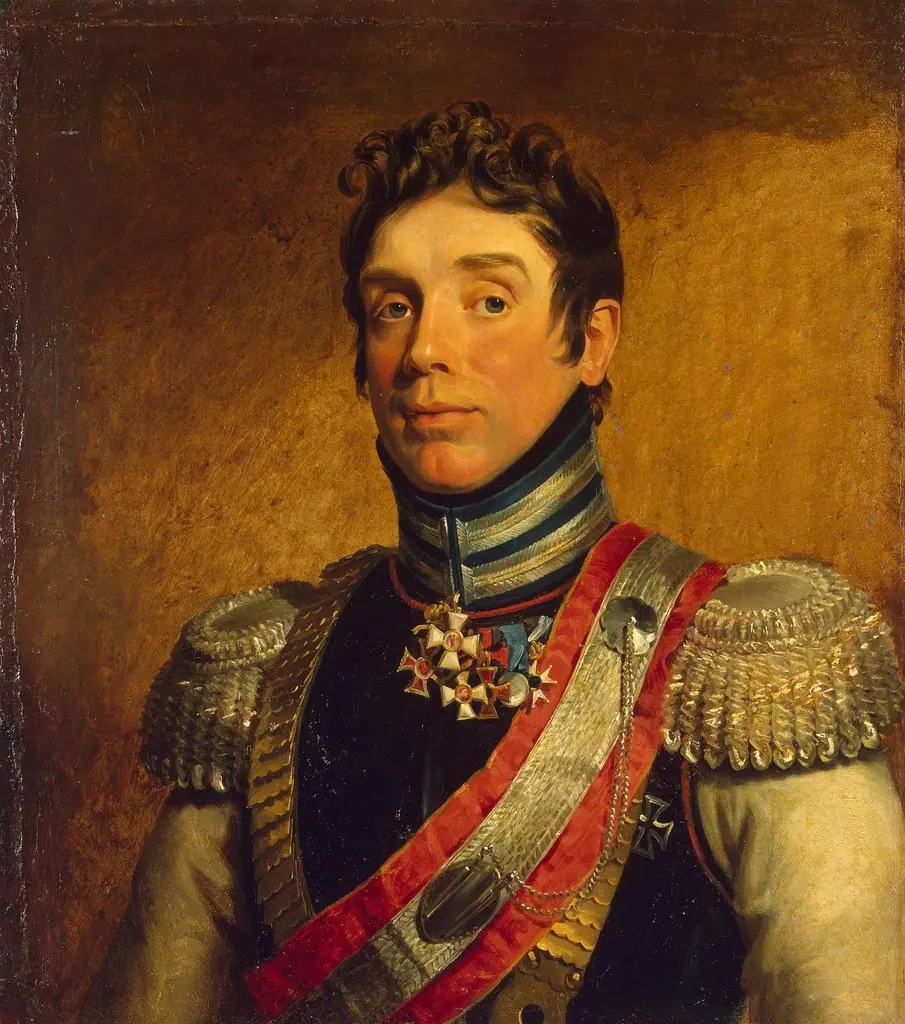 Portrait of Karl V. Budberg (1774-1829)
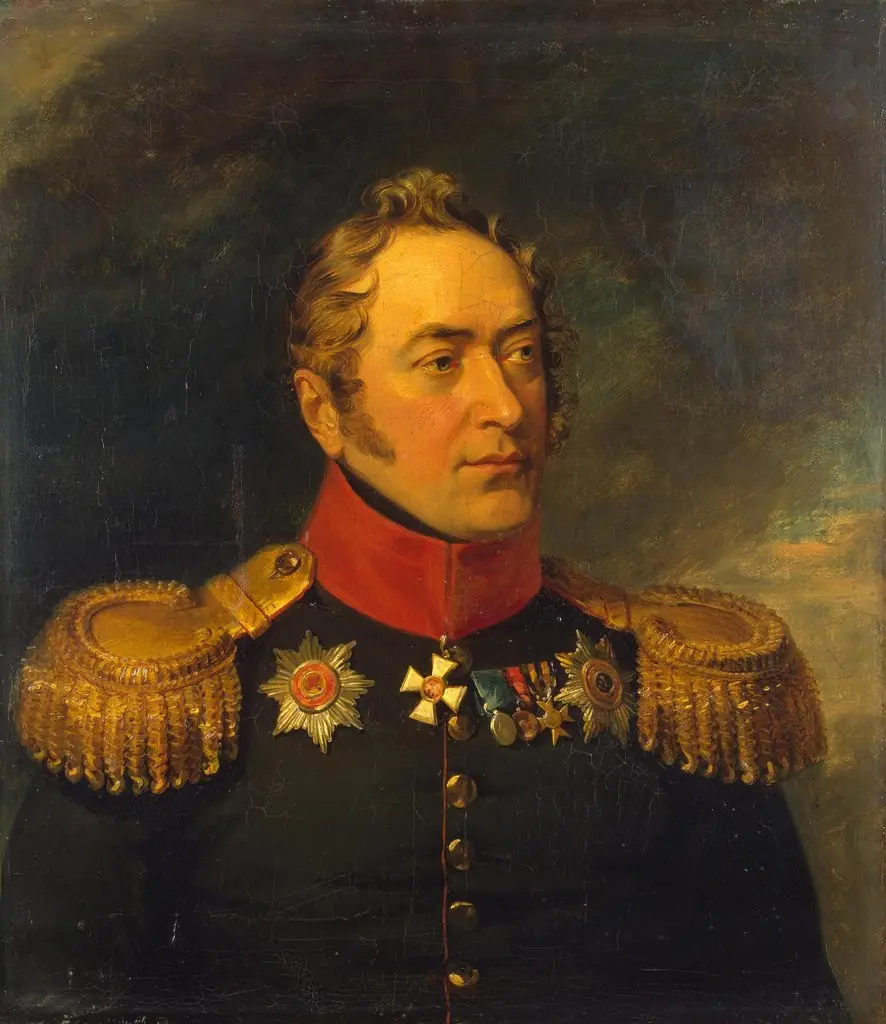 Portrait of Nikolai N. Khovansky (1777-1837)
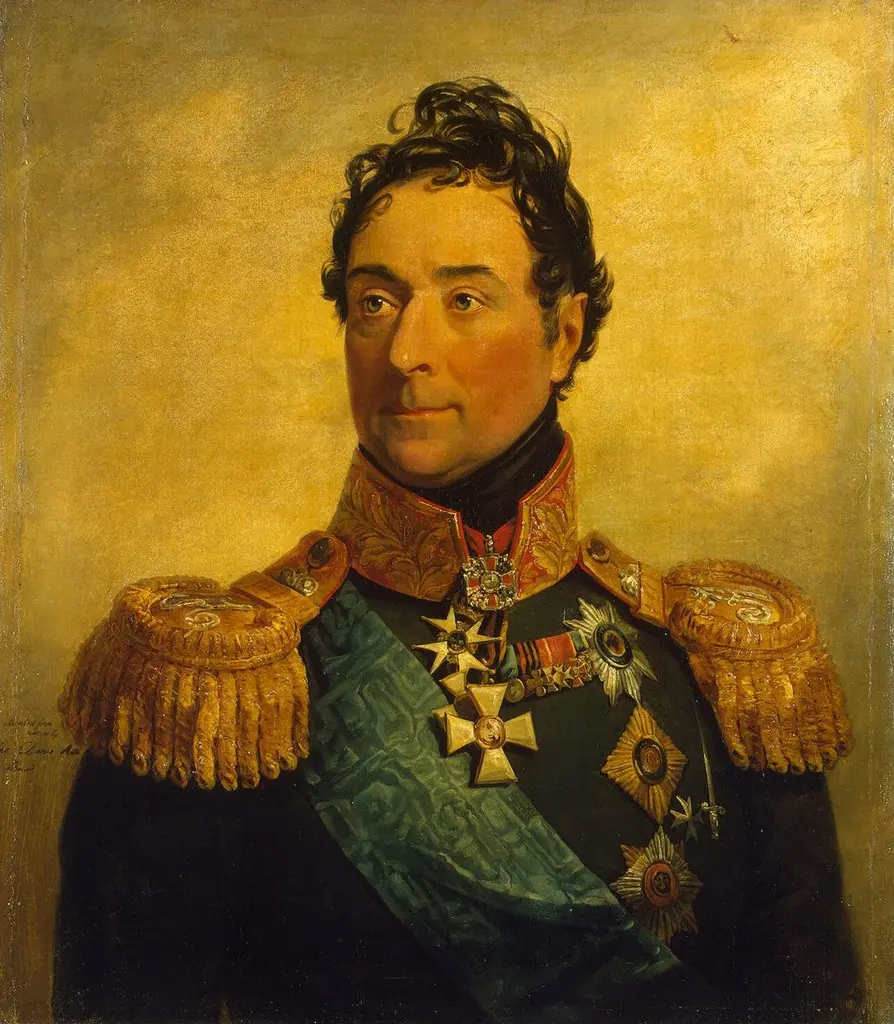 Portrait of Alexander F. Langeron (1763-1831)
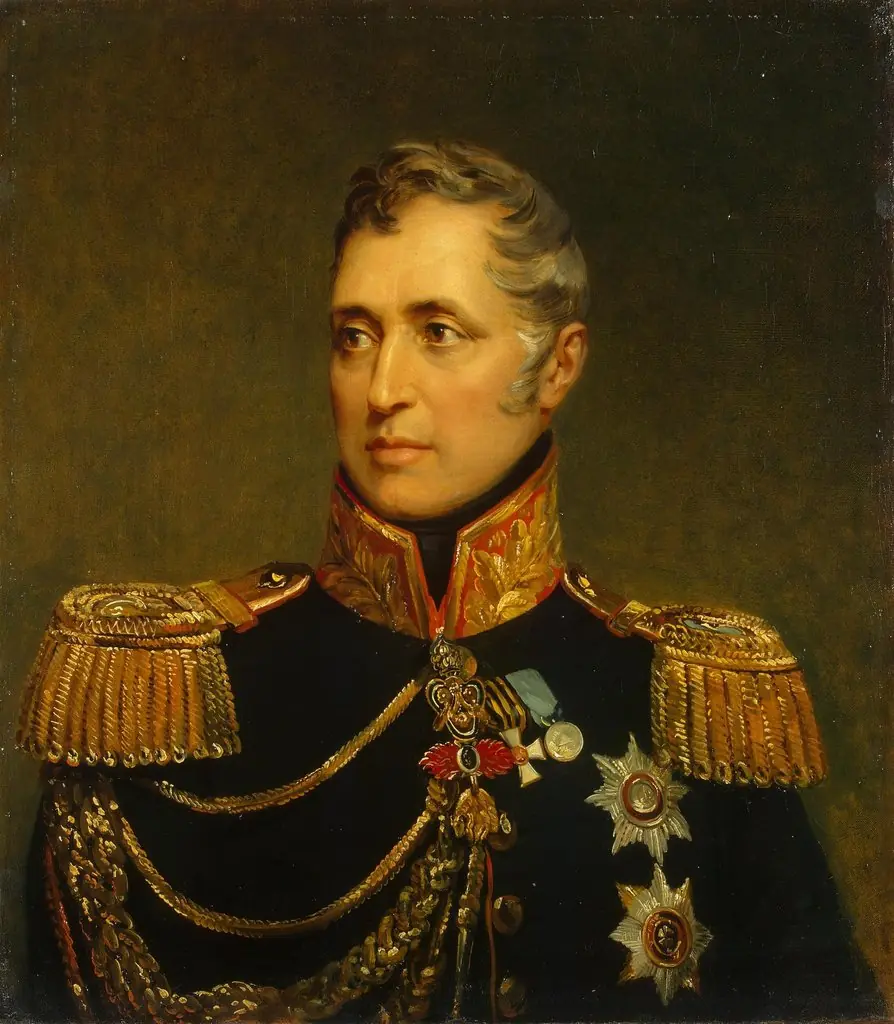 Portrait of Karl O. Pozzo di Borgo (1764-1842)
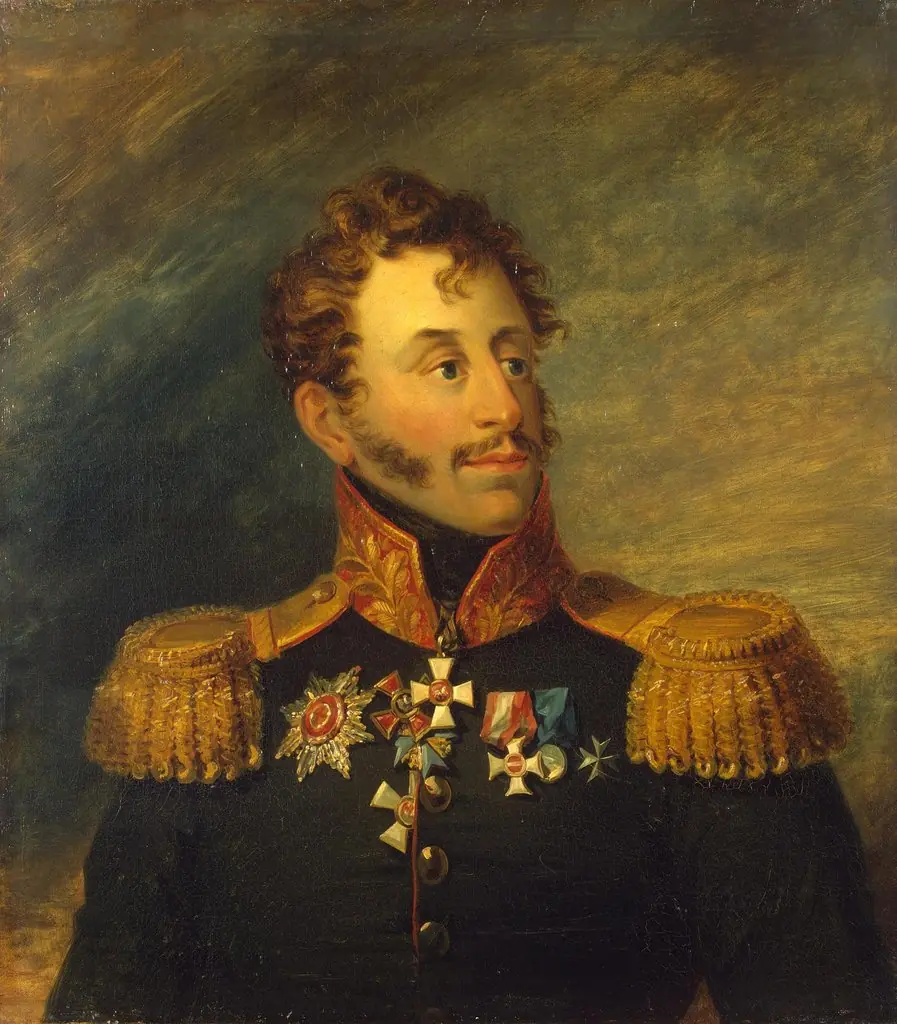 Portrait of Karl B. von Knorring (1774-1817) (3rd)
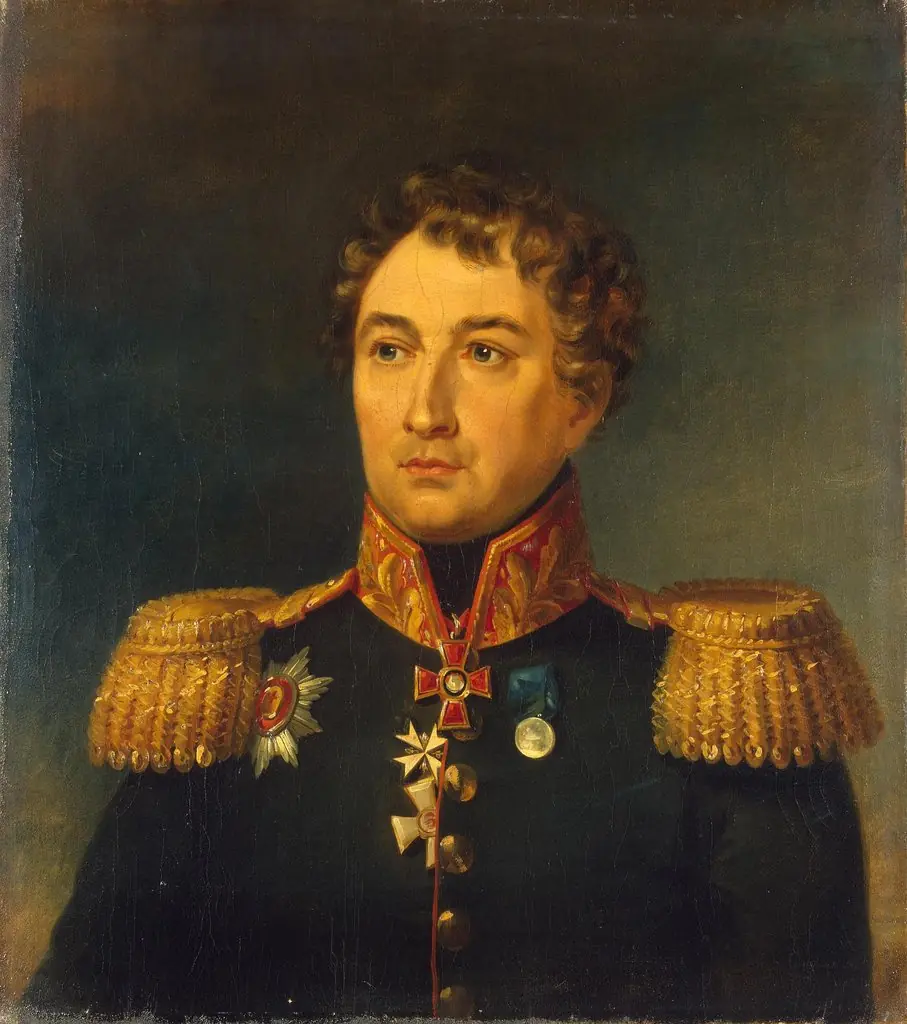 Portrait of Pyotr M. Kolyubakin (1763 - after 1849)
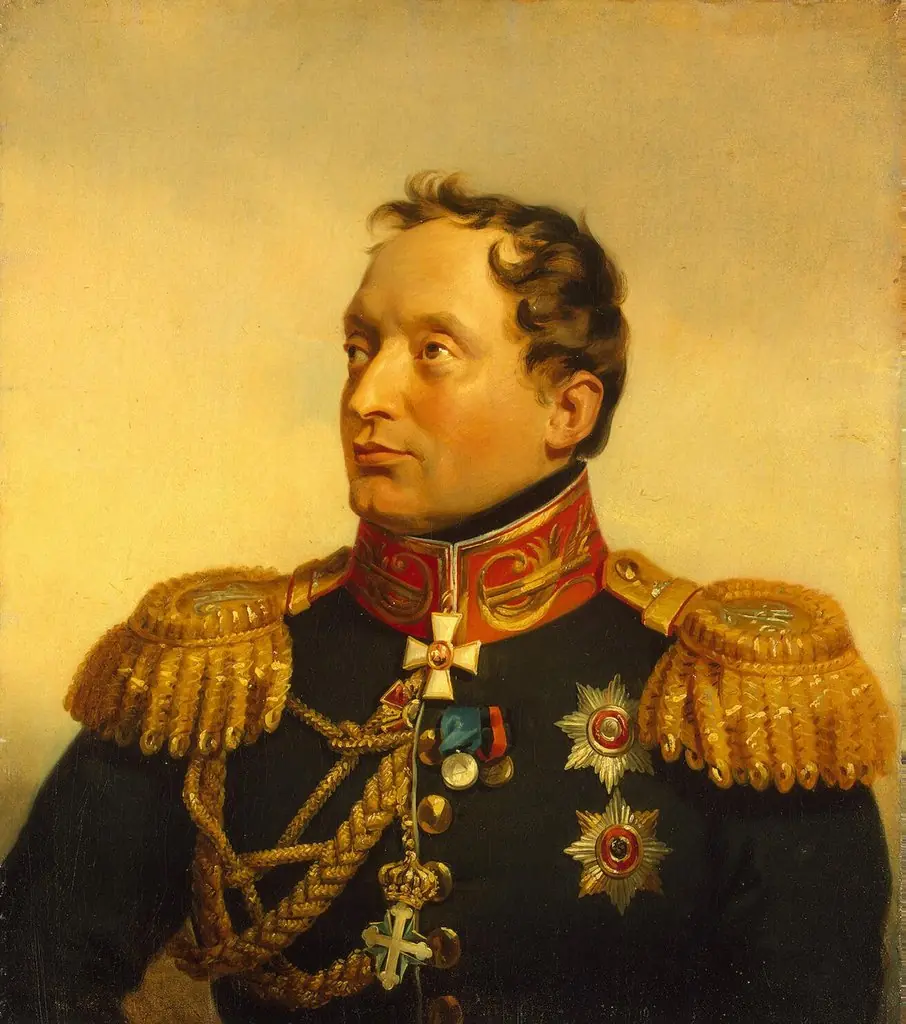 Portrait of Filippo (Filipp Osipovich) Paulucci (1779-1849)
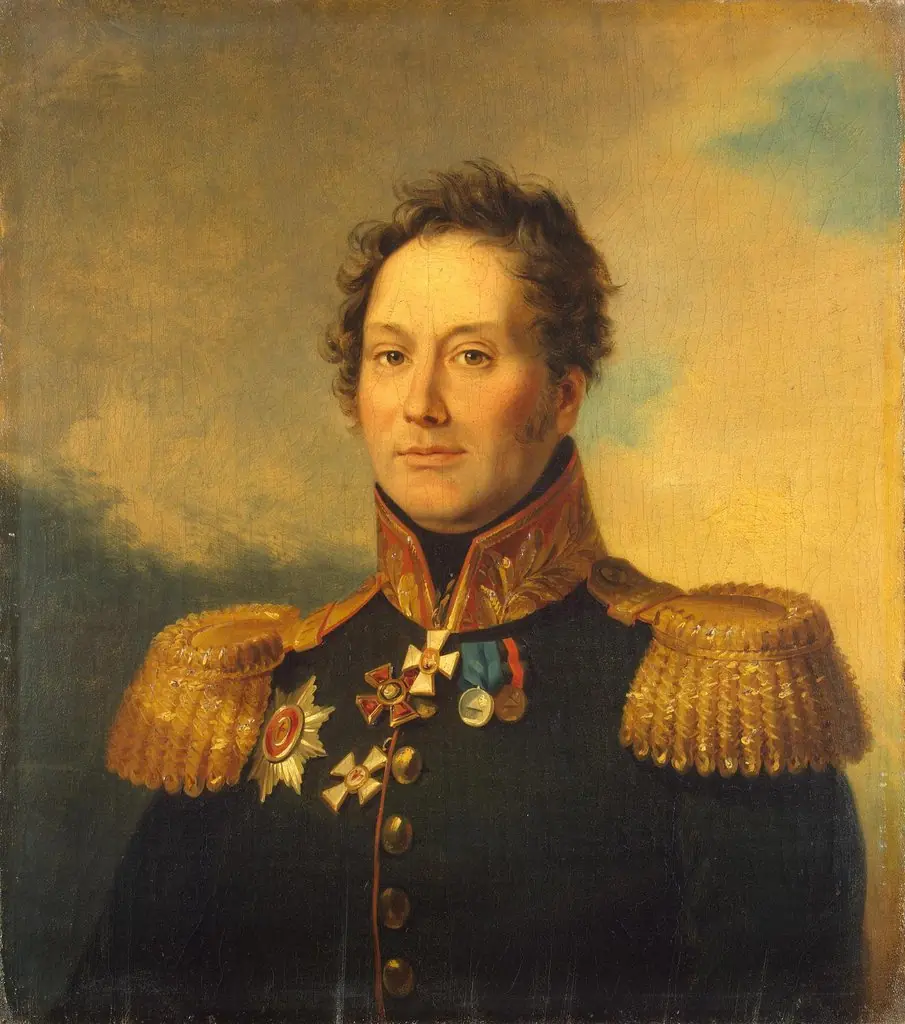 Portrait of Moisey I. Karpenko (1775-1854)
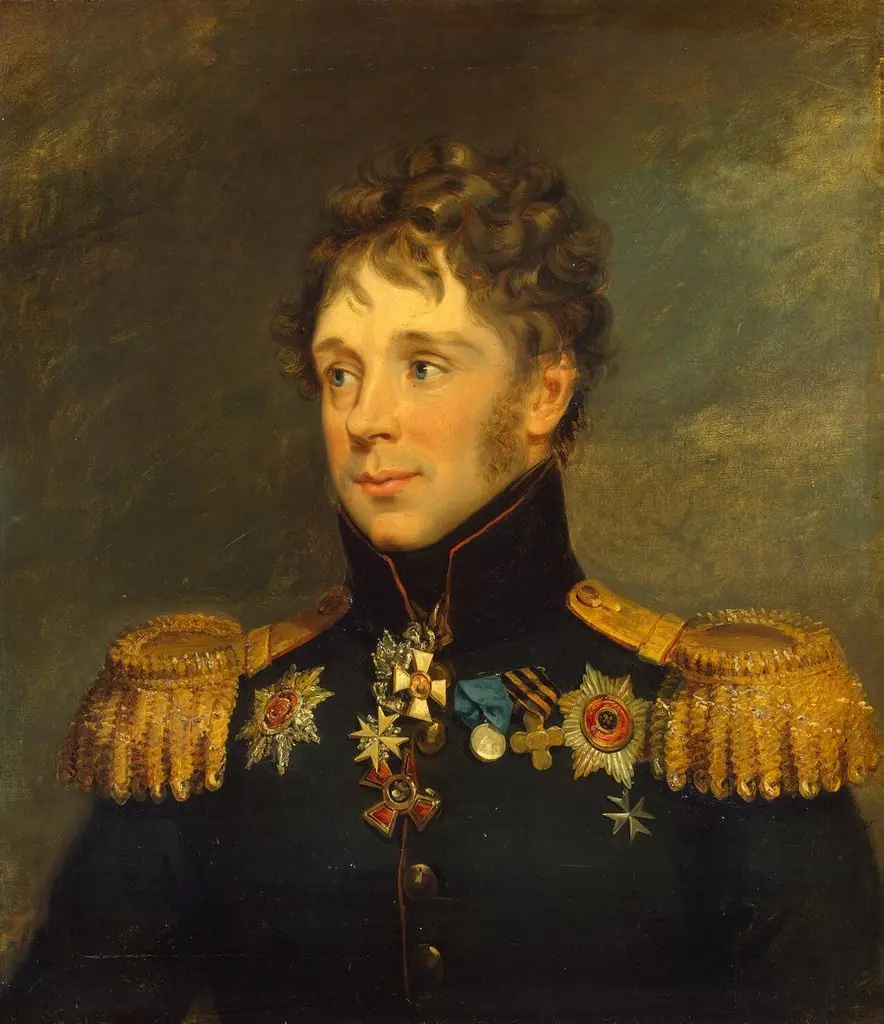 Portrait of Dmitry P. Rezvy (1762-1823)