Artwork
Eve Repentant
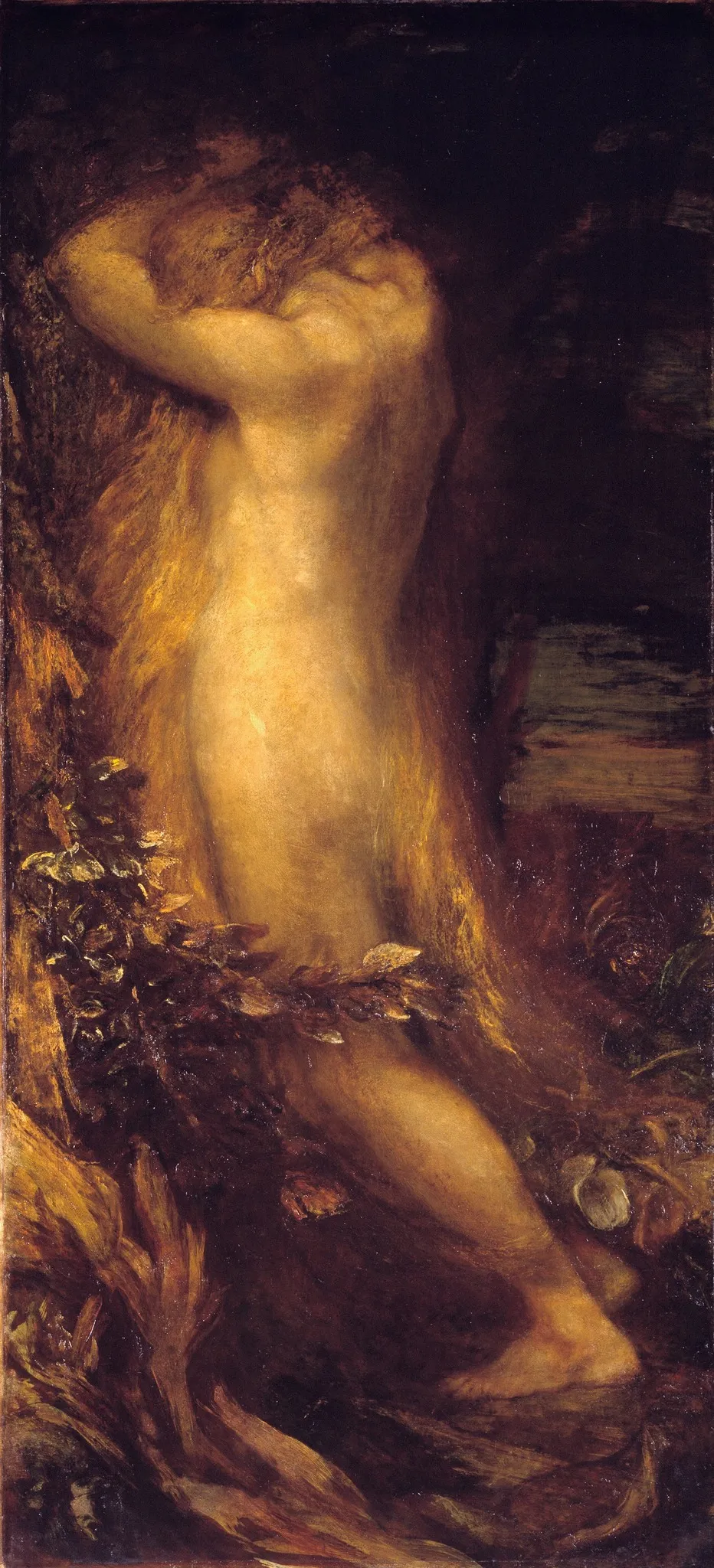
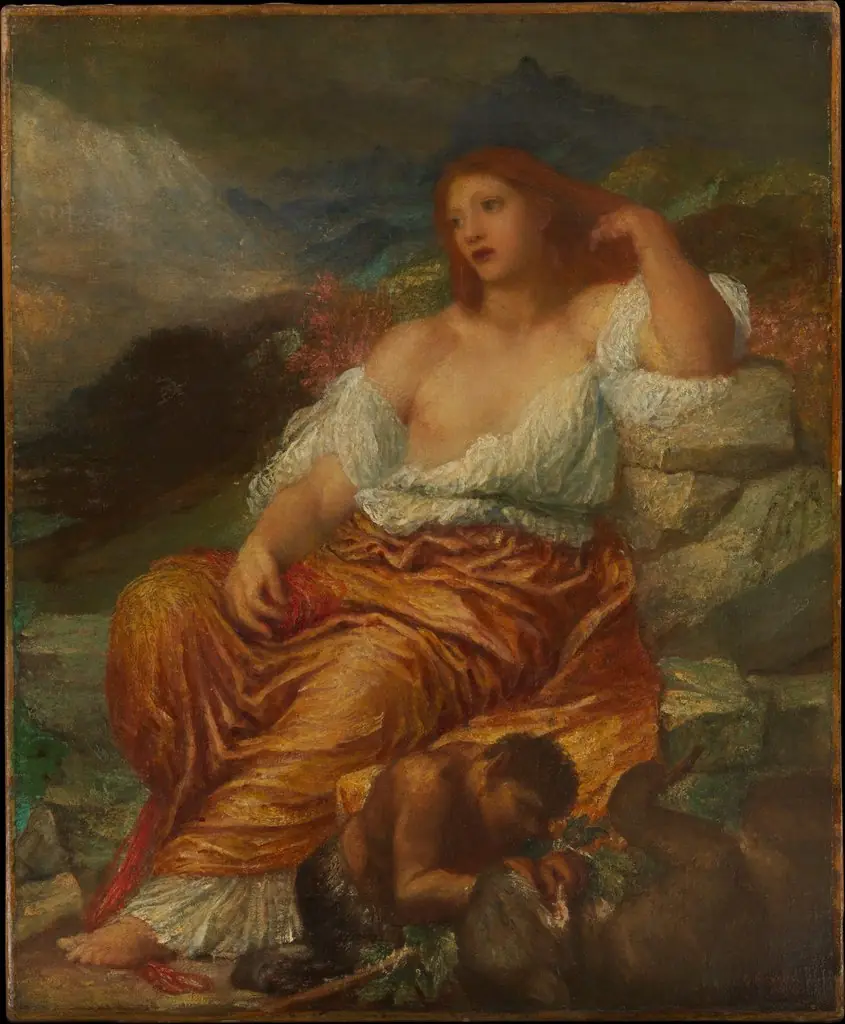
Eve Repentant is an oil painting by the Pre-Raphaelite artist George Frederic Watts. It dates from 1875 and is held in the collection of the National Gallery.
About this work
Overview
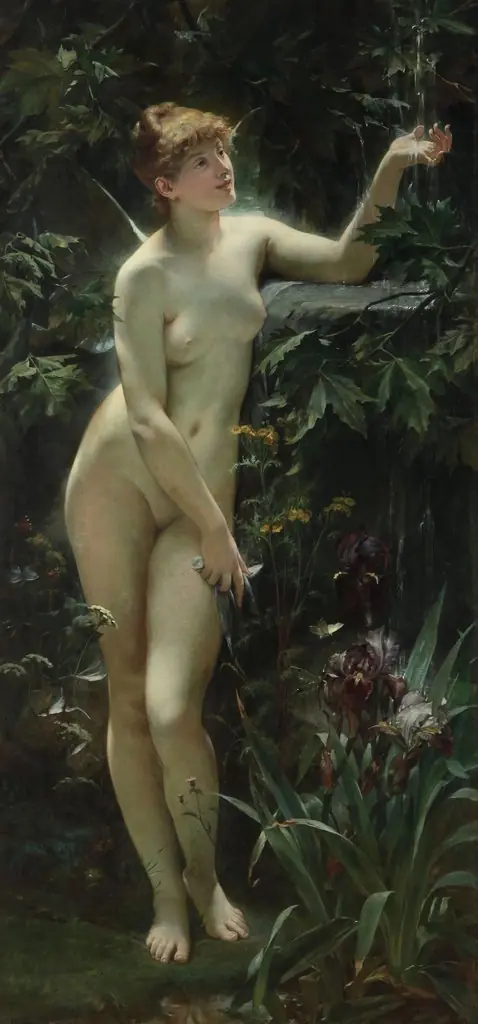
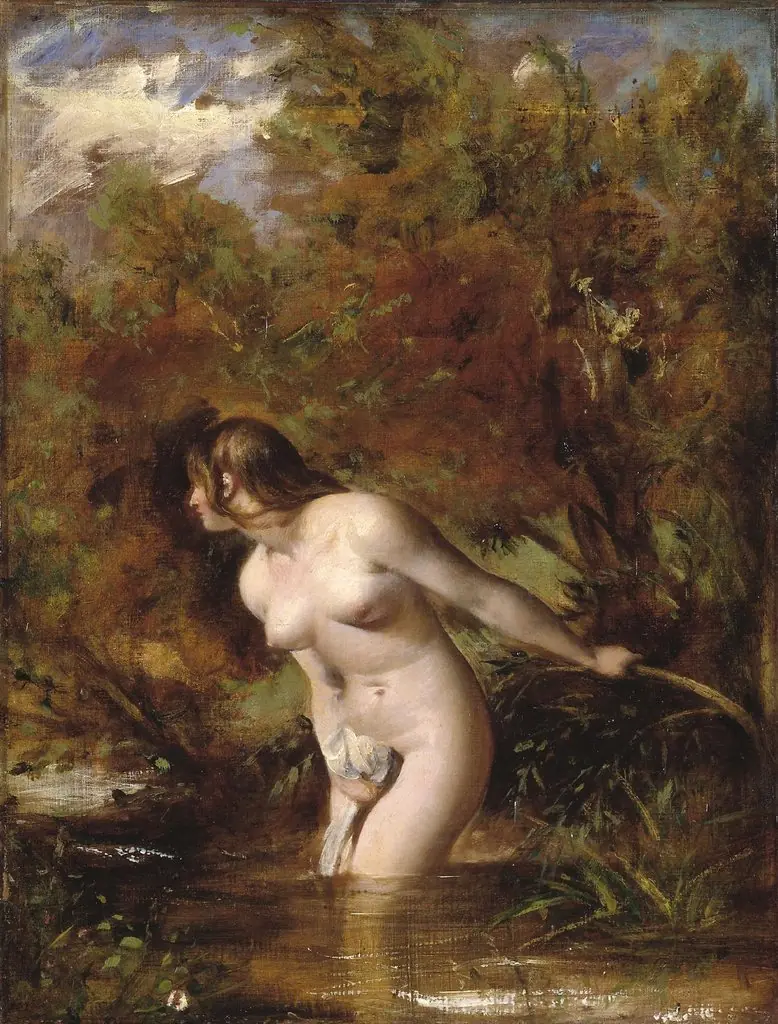
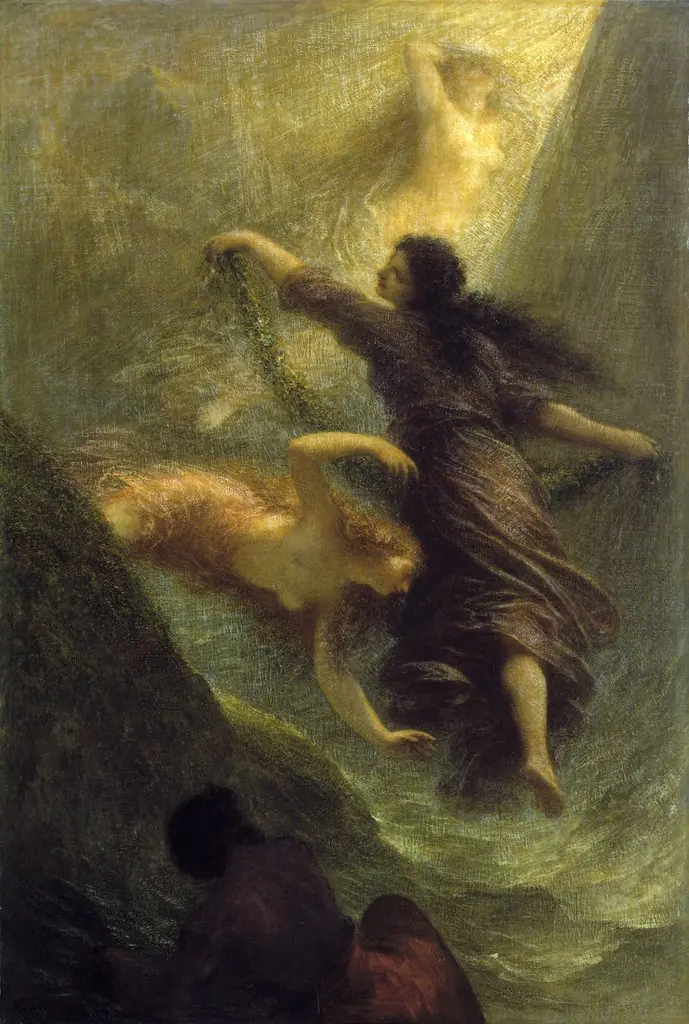
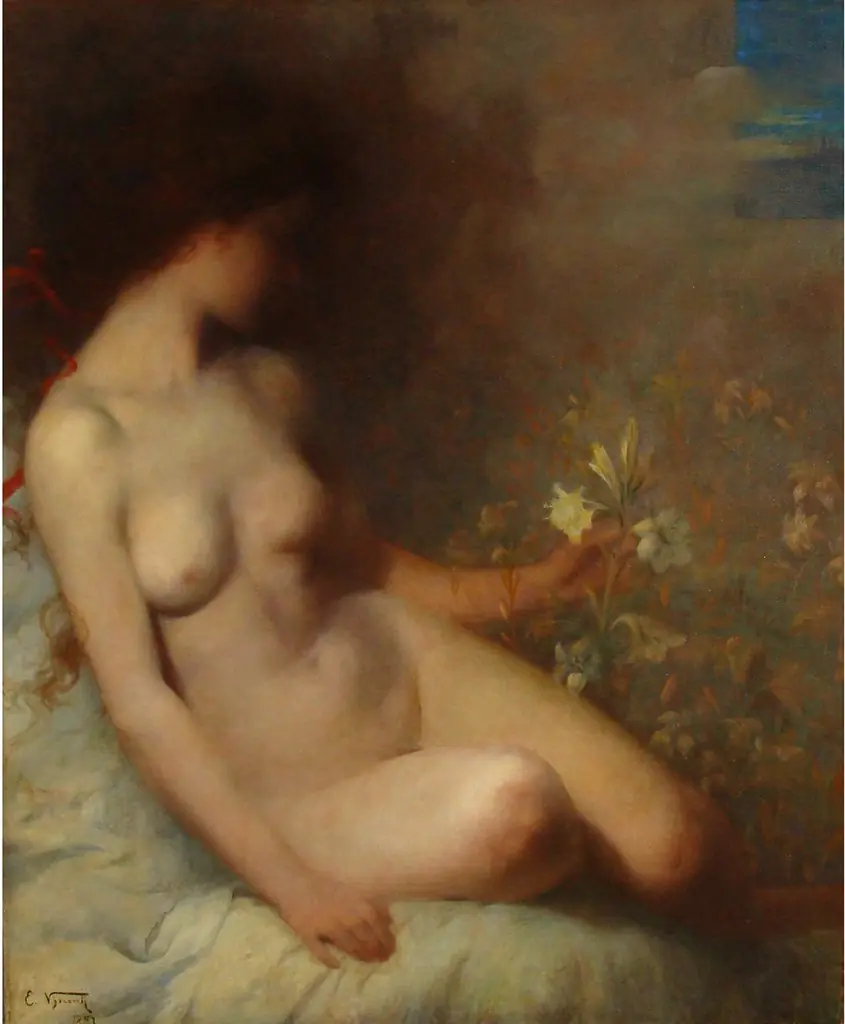
Eve Repentant is an 1875 oil painting by George Frederic Watts, a British artist linked to the Symbolist movement. The work depicts the biblical figure Eve in a contemplative state, characteristic of Watts' allegorical themes.
Subject & Meaning
The painting portrays Eve, the biblical first woman, standing naked in a somber, shadowy environment. Her crossed arms and tilted head convey repentance or introspection, aligning with Watts' exploration of symbolic and emotional depth in his 'House of Life' cycle.
Technique & Style
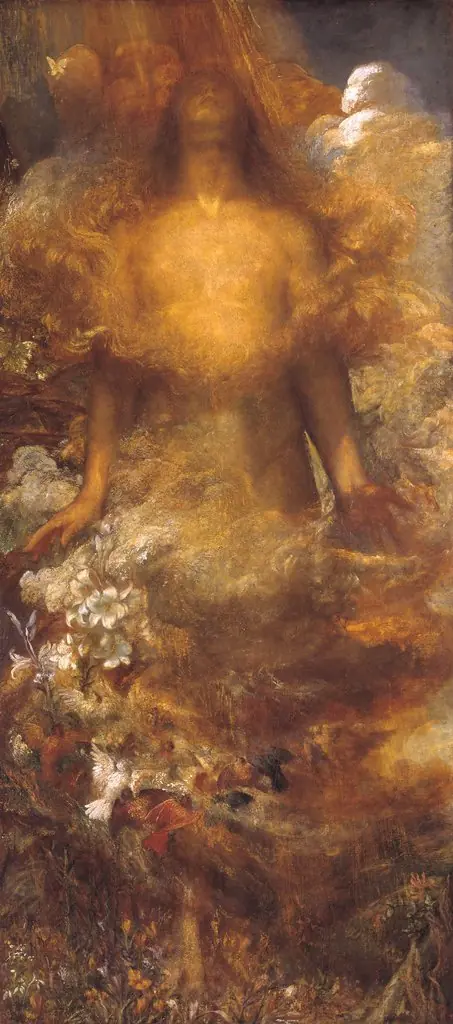
Executed in oil paint, the work employs chiaroscuro, with a soft, golden light illuminating Eve's figure against a dark, blurry backdrop suggestive of foliage. This contrast highlights her form and emotional state, reflecting Pre-Raphaelite influences in its attention to detail and symbolic lighting.
History & Provenance
Created in 1875, Eve Repentant is part of Tate Britain's collection, showcasing Watts' contribution to late 19th-century British art.
Context
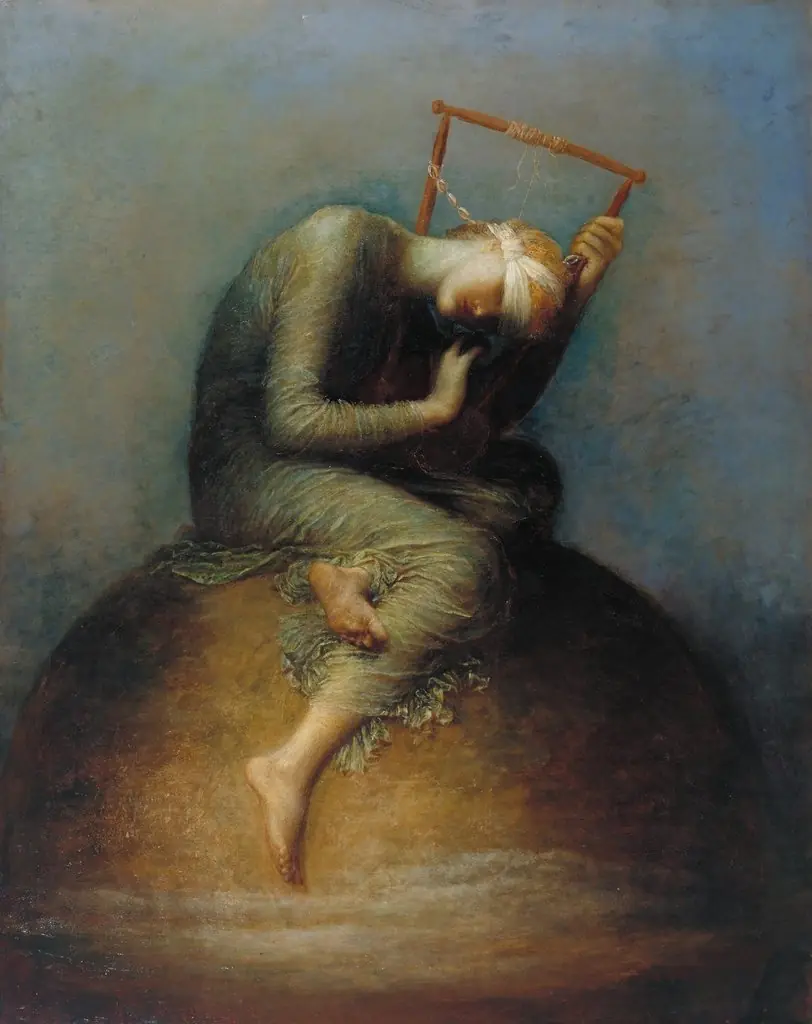
While associated with the Pre-Raphaelite movement, Watts' Symbolist leanings in Eve Repentant emphasize emotional and symbolic depth over historical or literary precision, typical of his broader artistic goals.
Legacy
As part of Watts' oeuvre, Eve Repentant contributes to the enduring interest in Symbolist and Pre-Raphaelite art, though its specific impact is more nuanced within the broader context of Watts' epic symbolic cycle, the 'House of Life'.
Artist & collection

Artist
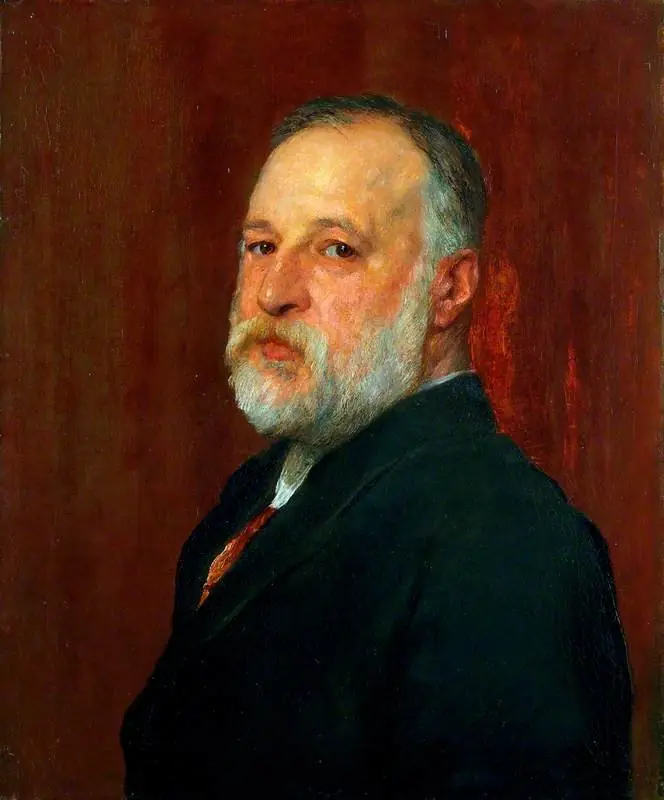
George Frederic Watts (23 February 1817 – 1 July 1904) was a British painter and sculptor associated with the Symbolist movement.