Artwork
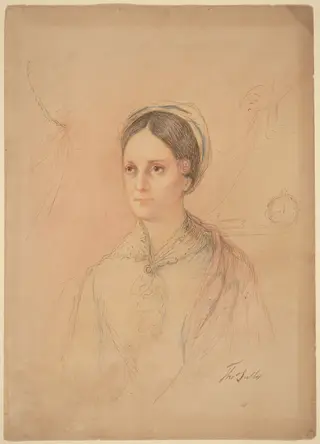
Portrait of Mrs Caroline Norton (née Sheridan), (1808-1877), Poet
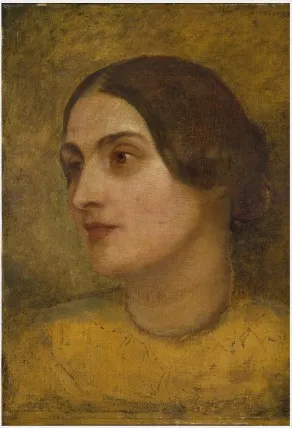
Portrait of Mrs Caroline Norton (née Sheridan), (1808-1877), Poet is an oil painting by the Pre-Raphaelite artist George Frederic Watts. It dates from 1850 and is held in the collection of the National Gallery of Ireland.
About this work
Overview
George Frederic Watts painted the portrait of Caroline Norton around 1850 in oil on canvas. The work belongs to the portrait tradition and reflects Watts’s interest in psychological depth over mere likeness. It is part of the National Gallery of Ireland’s collection, where it remains a quiet example of mid-19th-century British portraiture, emphasizing inner life rather than social display.
Subject & Meaning
Caroline Norton was a poet and activist known for her campaigns on women’s legal rights, particularly regarding child custody and married women’s property.
Caroline Norton was a poet and activist known for her campaigns on women’s legal rights, particularly regarding child custody and married women’s property. Watts captures her not as a public figure but as a contemplative individual, her gaze withdrawn, expression subdued. The portrait suggests the weight of her personal struggles and intellectual gravity, aligning her image with the moral seriousness Watts often sought in his subjects.
Technique & Style
Watts employed a restrained palette of muted browns and soft whites, focusing attention on the sitter’s face and hands. The brushwork is smooth but not polished, avoiding theatricality. The background is unobtrusive, allowing the figure to emerge with quiet presence. His approach avoids the ornate details of Victorian convention, favoring emotional resonance through tone and posture.
History & Provenance
The portrait was likely commissioned during Norton’s time in London’s literary circles, where Watts moved among intellectuals. It entered the National Gallery of Ireland’s collection in the 20th century, though its earlier ownership is not fully documented. Its preservation reflects enduring interest in Norton’s legacy and Watts’s ability to convey character beyond social status.
Context
Painted during a period of social reform in Britain, the portrait coincides with Norton’s public advocacy for women’s legal rights. While Watts was not formally aligned with the Pre-Raphaelites, his emphasis on sincerity and emotional truth resonated with their ideals. The work stands apart from grand historical or allegorical subjects, instead offering a restrained meditation on a woman of intellect and quiet resolve.
Legacy
The portrait endures as a testament to Norton’s influence beyond literature, her personal dignity preserved in paint. Watts’s decision to portray her with such restraint elevated her image beyond celebrity, aligning her with broader themes of moral fortitude. It remains a significant example of how portraiture could serve as a vehicle for silent advocacy in an era of social change.
Artist & collection
Artist
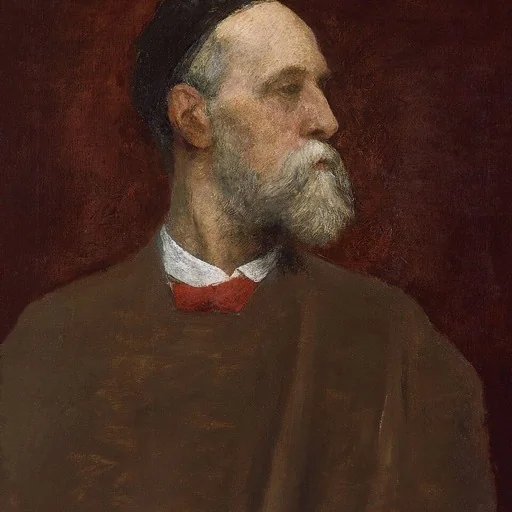
George Frederic Watts (23 February 1817 – 1 July 1904) was a British painter and sculptor associated with the Symbolist movement.

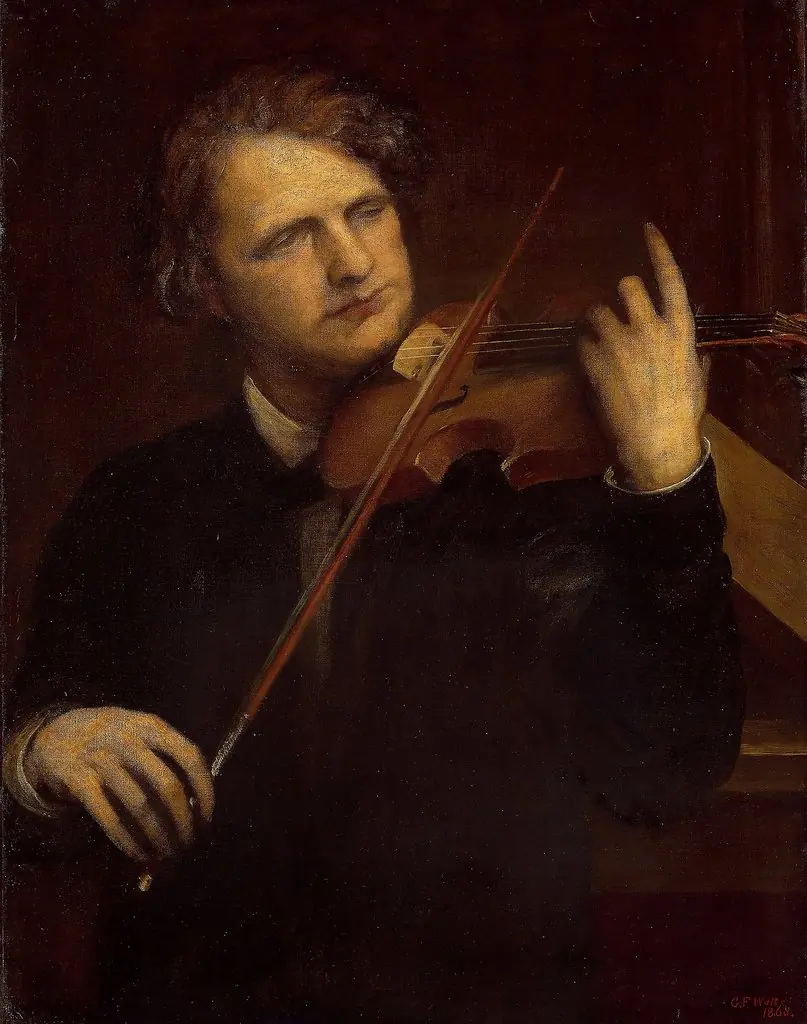
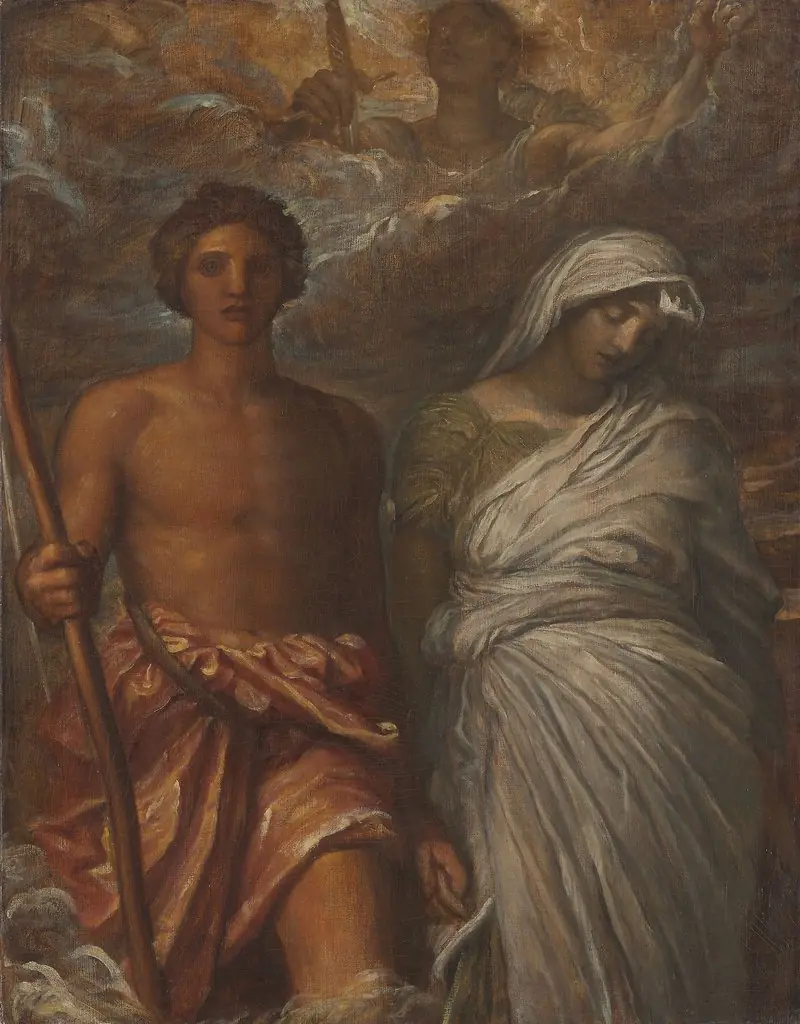
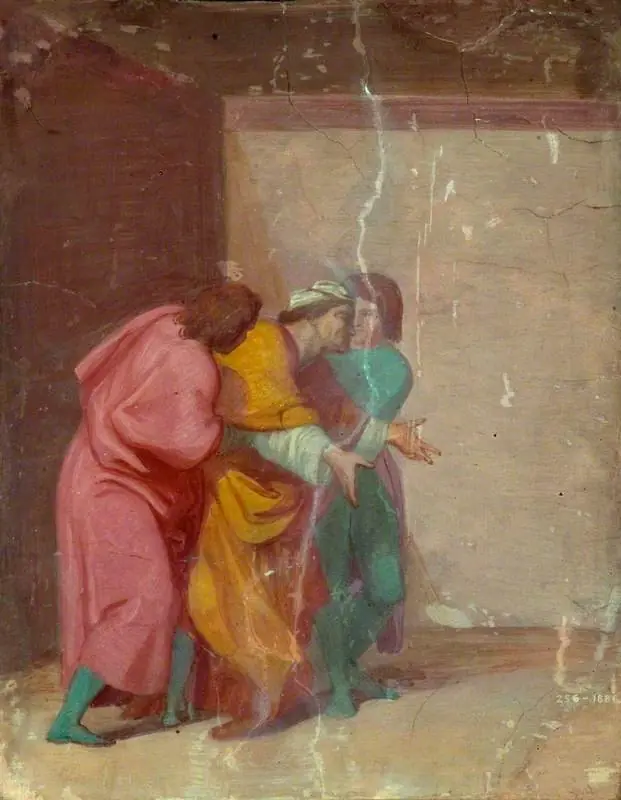
- Head of a Young Woman
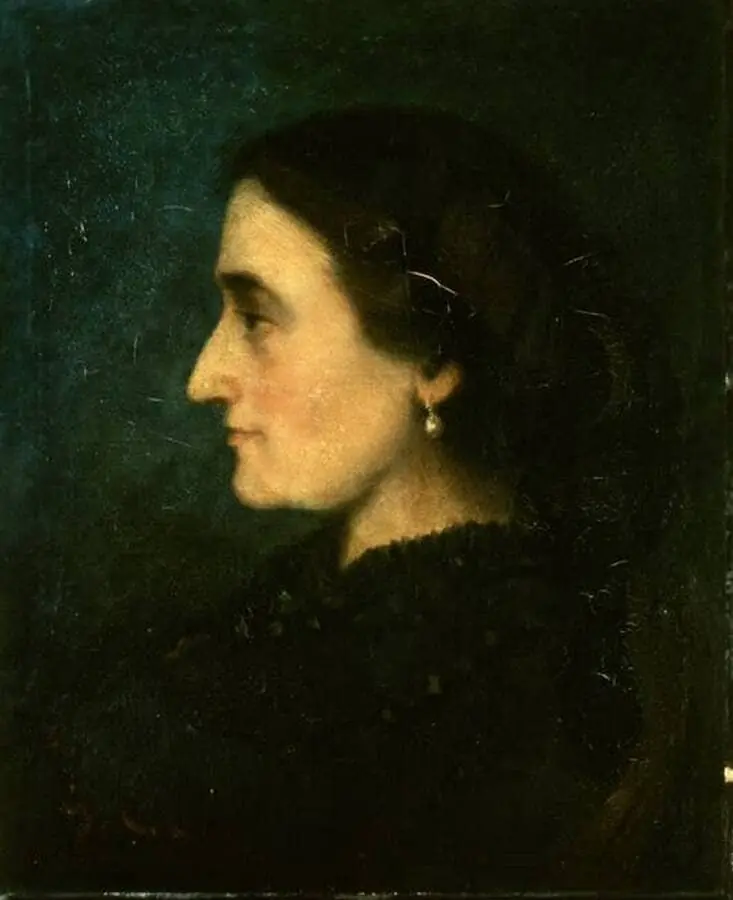 Portrait of madame Jolicler, née Lydie Chenoz
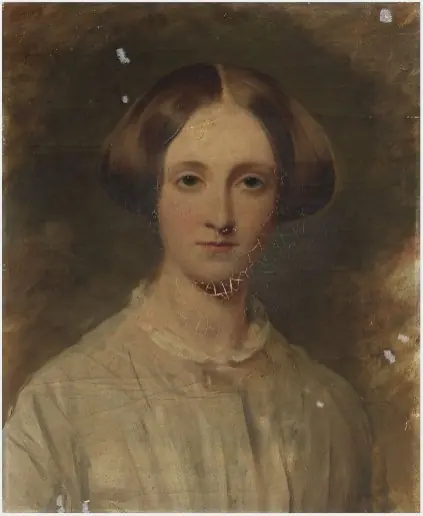 Portrait of a Young Lady
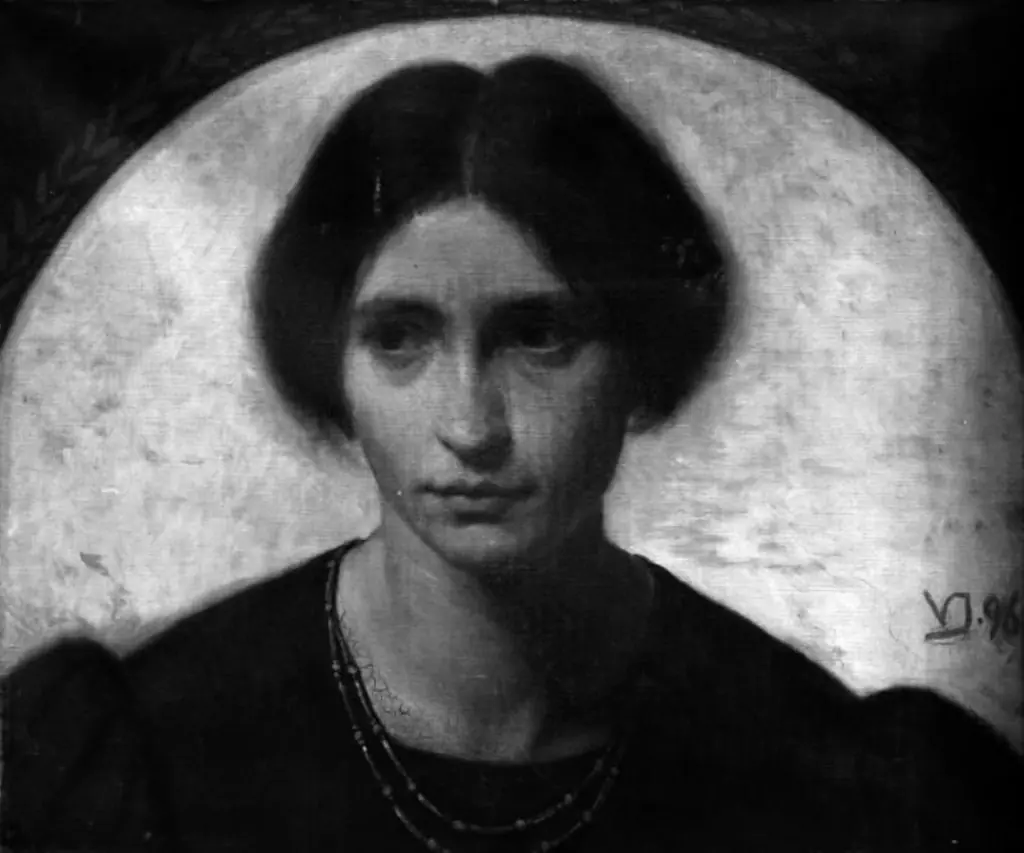 Dameportræt
 Dameportræt
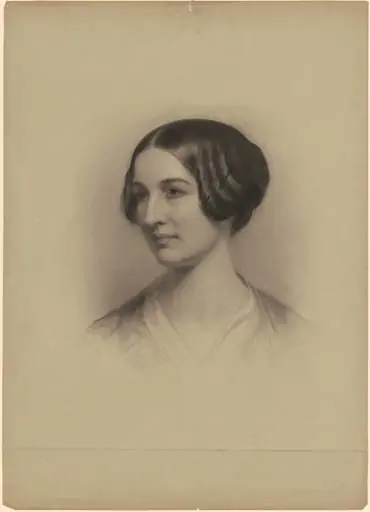 Head of a Woman
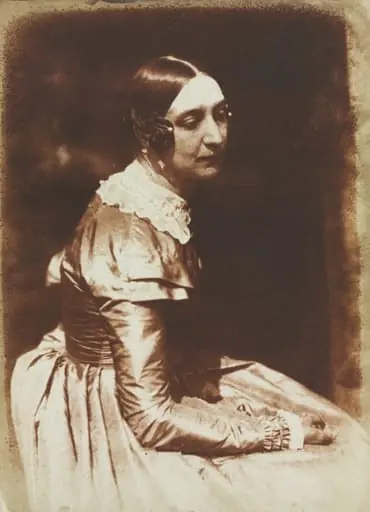 Elizabeth Rigby, later Lady Eastlake (1809-1893)
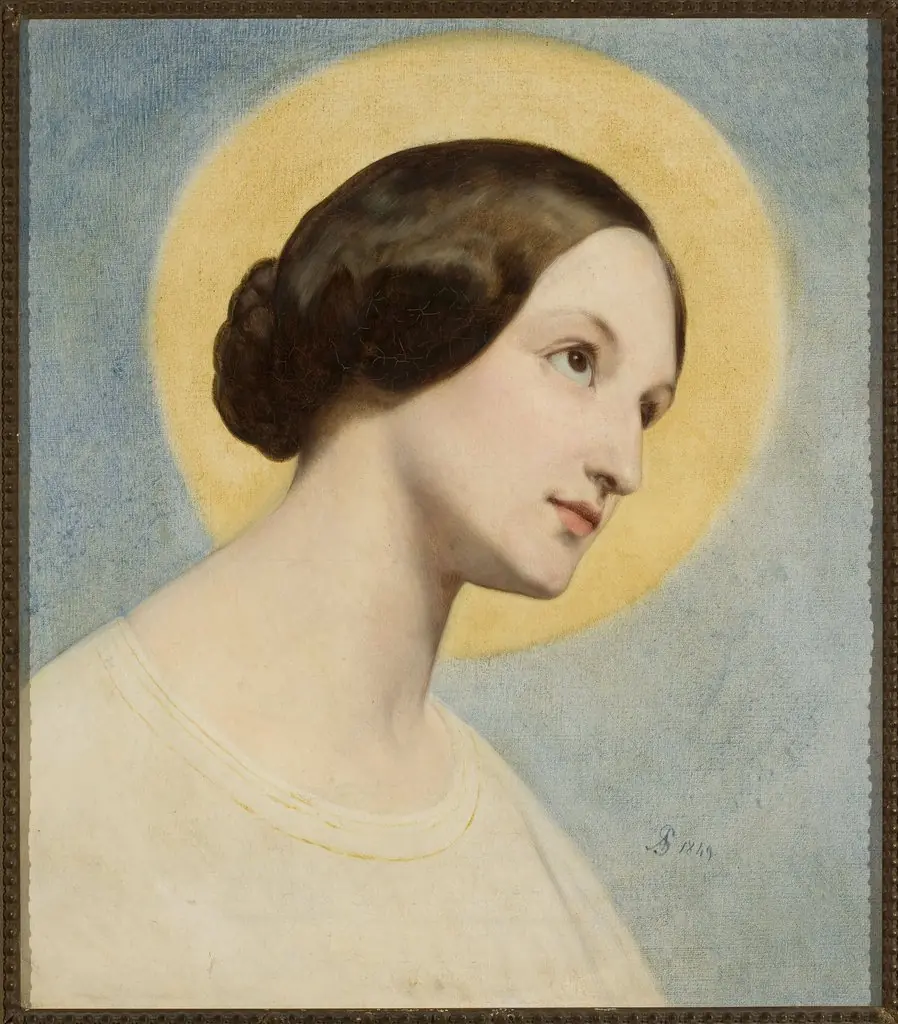 Portrait of Eliza Krasińska
![Flore Gisclon, wife François-Auguste Biard [formerly identified as Léonie Thévenot d'Aunet], by François-Auguste Biard](https://artifactworldgallery.com/img/francois-auguste-biard--flore-gisclon-wife-francois-auguste-biard-formerly-identifie--9743e0897d3e5947-w320.webp) Flore Gisclon, wife François-Auguste Biard [formerly identified as Léonie Thévenot d'Aunet]
Flore Gisclon, wife François-Auguste Biard [formerly identified as Léonie Thévenot d'Aunet]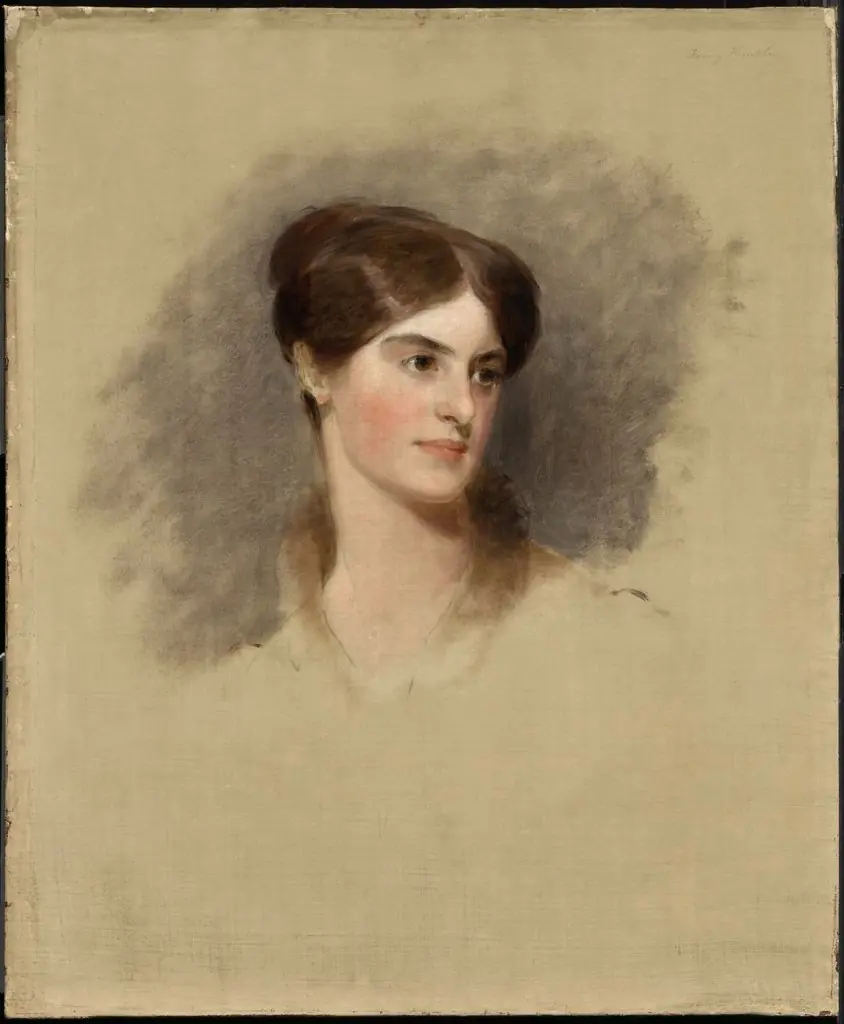 Fanny Kemble
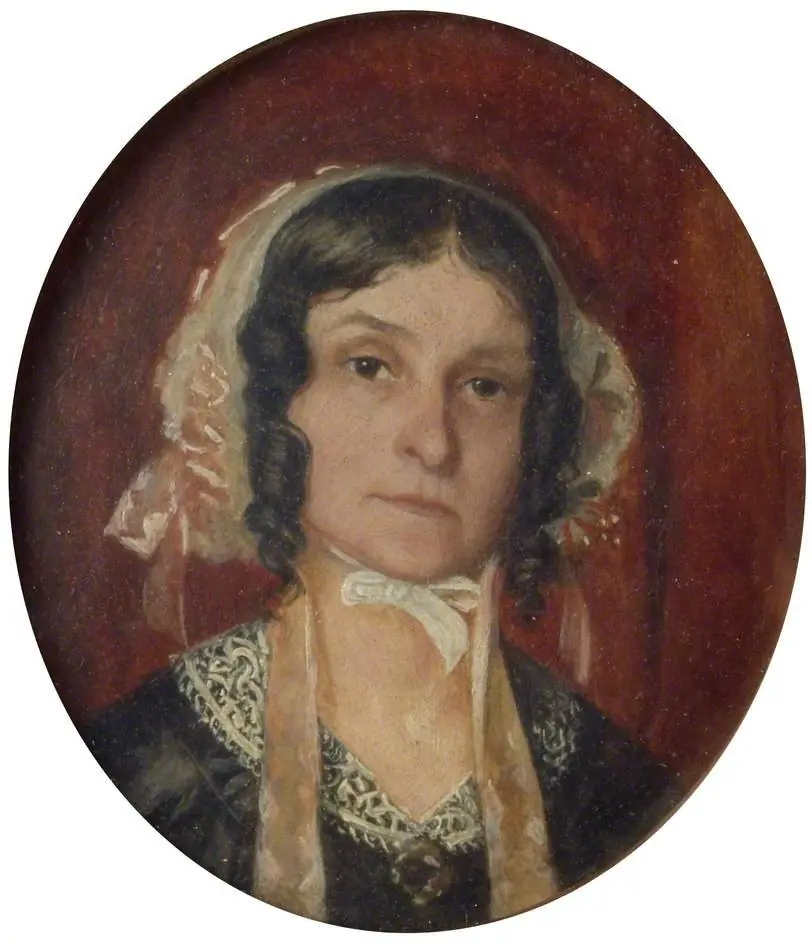 Mrs James Madox
 Sarah Jane Mellon