Artwork
Hope
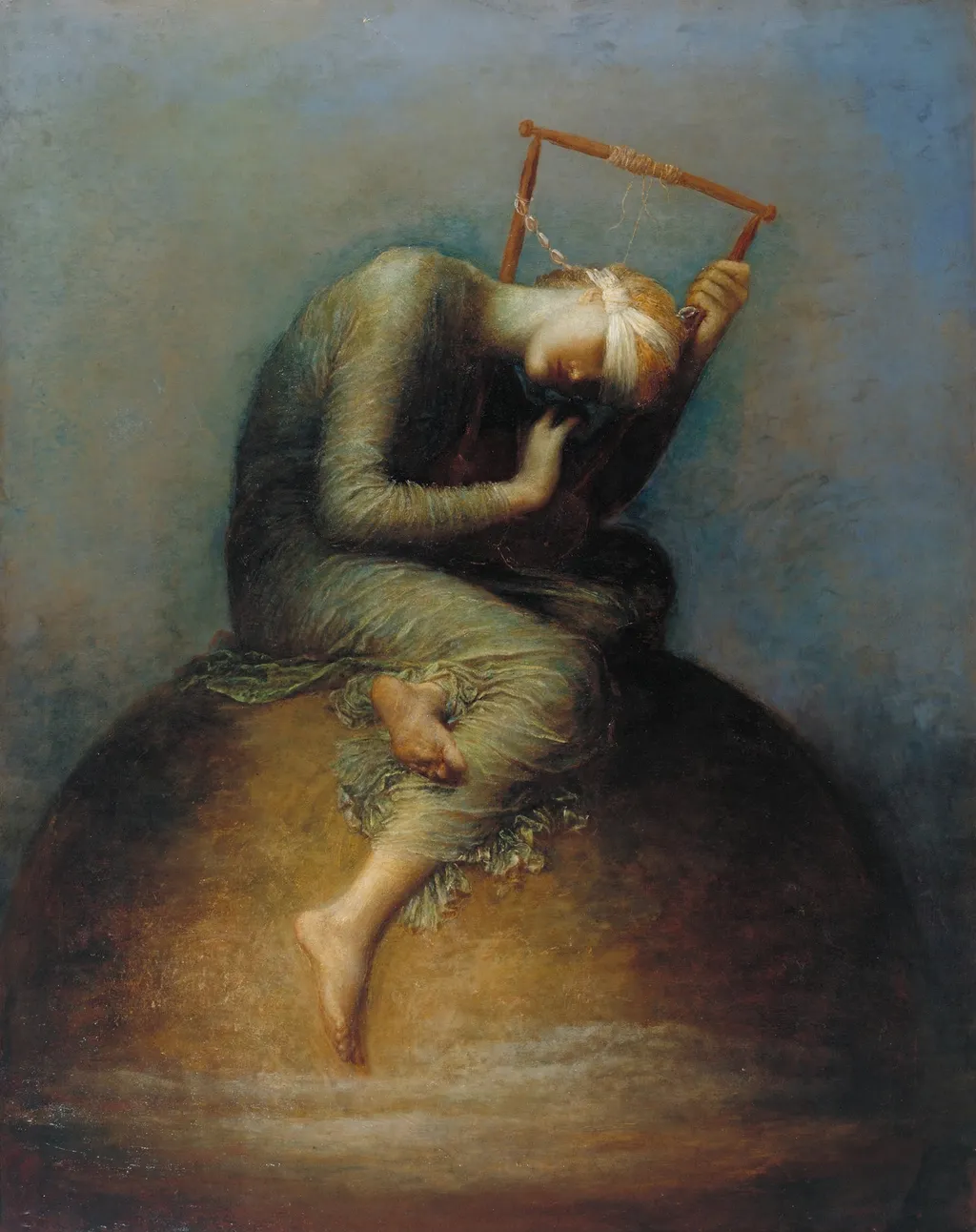
Hope is an oil painting by the Symbolist artist George Frederic Watts. It dates from 1894 and is held in the collection of the National Gallery.
About this work
Subject & Meaning
A blindfolded woman sits barefoot on a globe, playing a lyre reduced to a single remaining string, while a nearly blank background contains only a single star.
Hope is an allegorical painting in which the traditional personification of Hope is reimagined through deliberately unconventional symbolism. A blindfolded woman sits barefoot on a globe, playing a lyre reduced to a single remaining string, while a nearly blank background contains only a single star. Rather than the conventional attributes of a flower or anchor, Watts substituted imagery of near-total deprivation, broken strings, blindness, and isolation, to render the painting's meaning ambiguous. The composition conveys melancholy rather than optimism: the figure bends her head to catch the faint music of the last string, and translucent mists envelop the floating globe, reinforcing an atmosphere of desolation. Watts drew the figure's pose from contemporary sources, including Rossetti's siren in A Sea Spell and Albert Moore's sleeping women in Dreamers. The work belongs to a series of allegorical subjects Watts designed for a decorative scheme called the "House of Life," and it reflects his preoccupation with loss and uncertainty in late-Victorian Britain.
Technique & Style
Hope is an oil painting on canvas (sources 1,2,5). Watts handled the paint with soft brushwork and added translucent mists that envelop the floating globe, giving the work a delicate, atmospheric quality (source 5). Stylistically, the piece is a Symbolist allegory that departs from traditional iconography: a blindfolded female figure sits on a globe and plays a lyre reduced to a single string before a nearly empty background marked only by a lone star (sources 3,4,5). This unconventional symbolism renders the meaning ambiguous, while the overall mood is one of melancholy and desolation rather than overt hope (source 5). Watts’s approach recalls contemporary poses seen in Rossetti’s ‘A Sea Spell’ and Albert Moore’s ‘Dreamers’, linking the work to broader Aesthetic and Symbolist currents of the period (sources 3,5).
History & Provenance
Hope was conceived and executed by George Frederic Watts in 1886 as part of his allegorical series intended for a decorative scheme titled the House of Life. Watts painted two versions in 1886. After selling the original, he donated the second version to the South Kensington Museum (now the Victoria and Albert Museum). The first version was later acquired by the Tate, where it entered the collection in 1897 as a gift from the artist. Watts also executed at least two further versions for private sale during the same period. George Frederic Watts donated the second version of Hope to the South Kensington Museum (now the Victoria and Albert Museum) in 1886, while selling the original. This donated copy, bearing the accession number N01640, was subsequently gifted by the artist to the national collection in 1897. It is now held by Tate Britain. By 1938, the Tate Gallery had ceased to keep its collection of Watts's works on permanent display. The painting was later featured in the 1997 exhibition "The Age of Rossetti, Burne-Jones & Watts, Symbolism in Britain 1860-1910" at the Tate Gallery in London.
Legacy
Although initially criticized by some contemporaries, the painting found favor with the Aesthetic Movement for its beauty despite its ambiguous message. Mass-produced platinotype and carbon prints circulated globally, making the image widely popular; President Theodore Roosevelt notably displayed a copy at his Sagamore Hill residence. However, by the early 20th century, the work began to appear sentimental as Watts's reputation declined, leading the Tate Gallery to remove his works from permanent display in 1938.
Despite this artistic fall from grace, the image retained significant cultural influence. Martin Luther King Jr. based his 1959 sermon Shattered Dreams on the painting's themes, a topic later revisited by Jeremiah Wright in 1990. Barack Obama, who heard Wright's sermon, adopted the concept for his 2004 keynote address, his 2006 book The Audacity of Hope, and his 2008 presidential campaign.
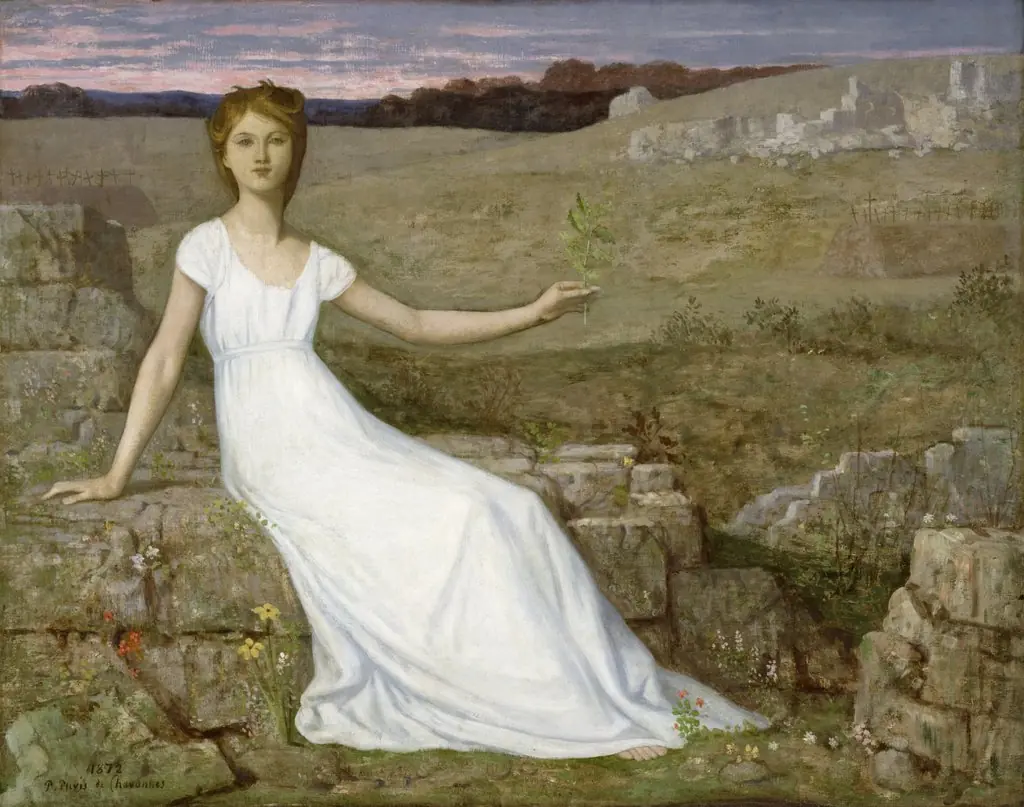
Own this work as a print
Artist & collection
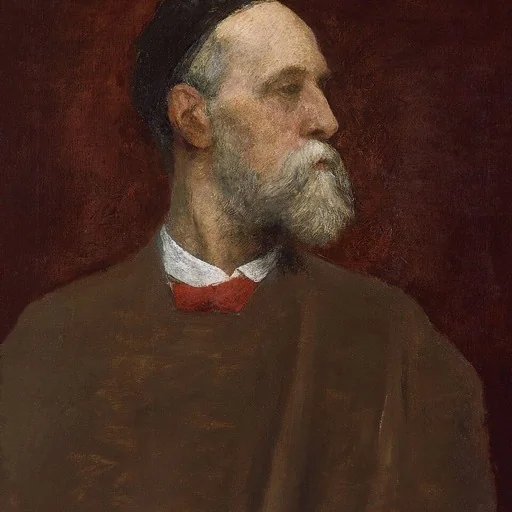
Artist
George Frederic Watts (23 February 1817 – 1 July 1904) was a British painter and sculptor associated with the Symbolist movement.

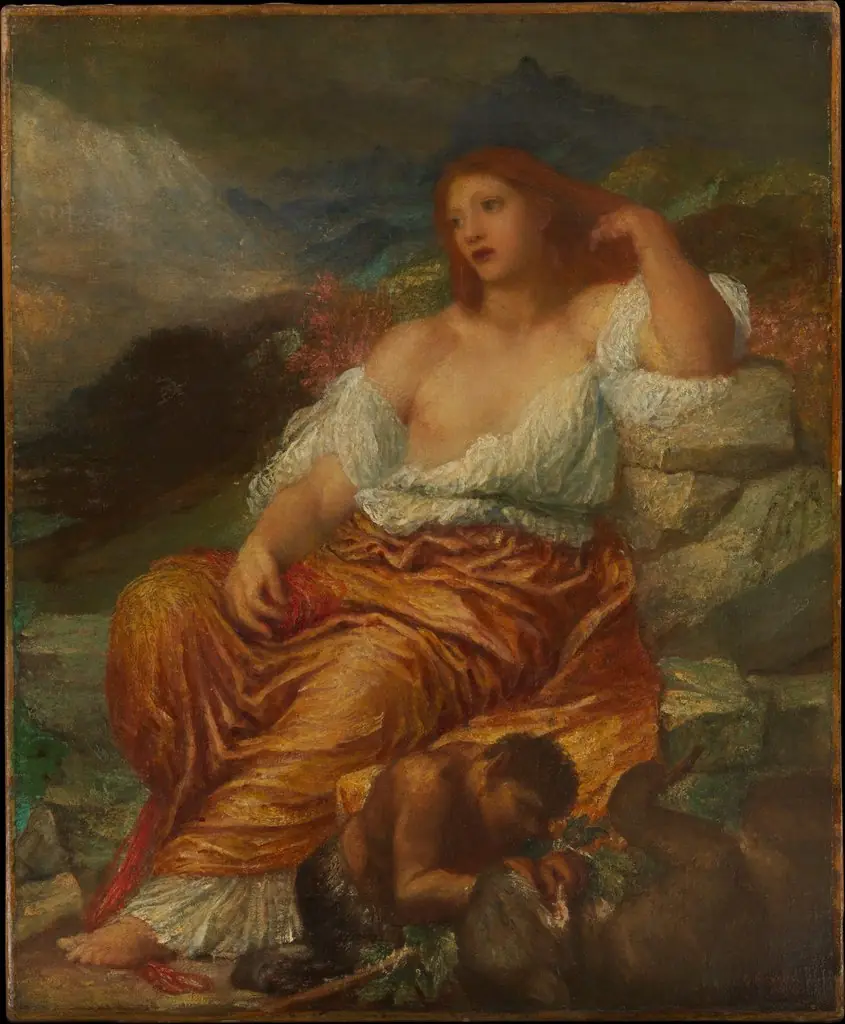 Ariadne
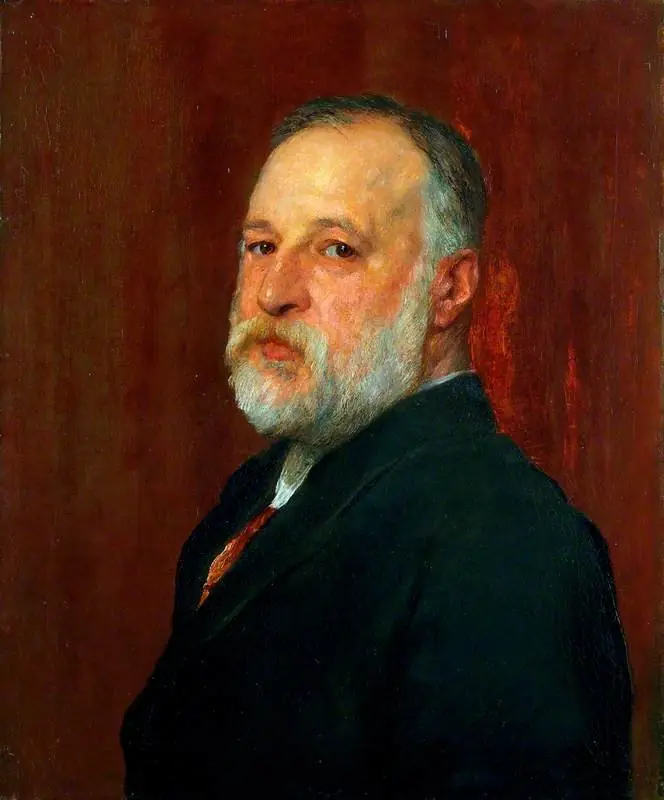 Constantine Alexander Ionides (1833–1900)
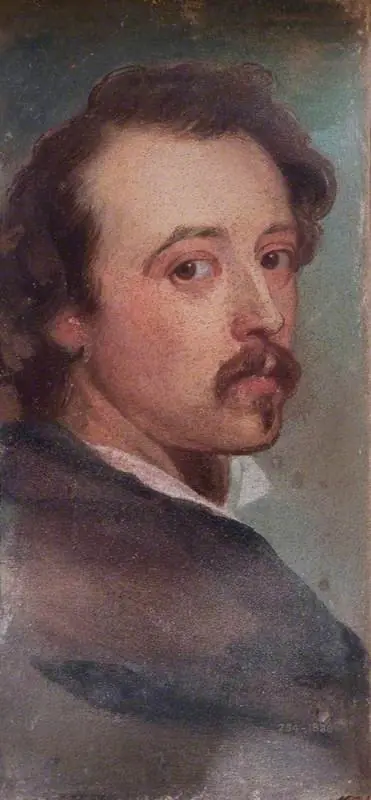 Portrait of a Man (sketch for a mural in the Villa Carreggi)
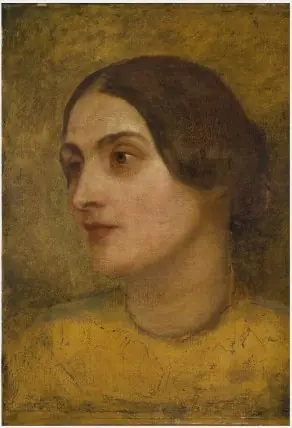 Portrait of Mrs Caroline Norton (née Sheridan), (1808-1877), Poet
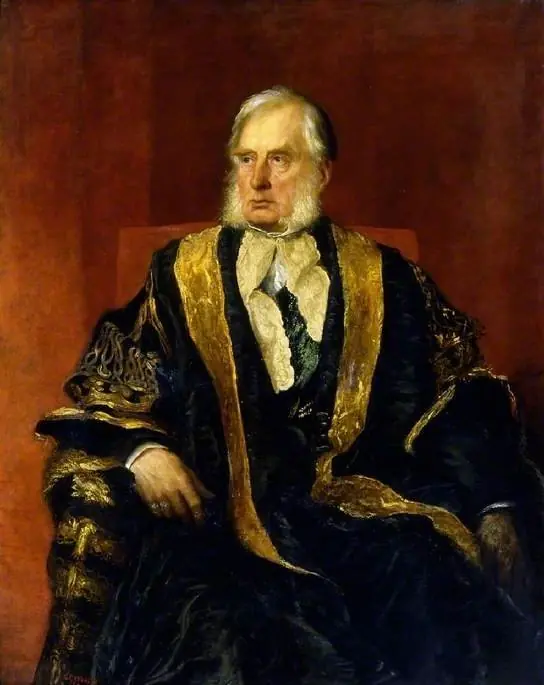 William Cavendish, 7th Duke of Devonshire
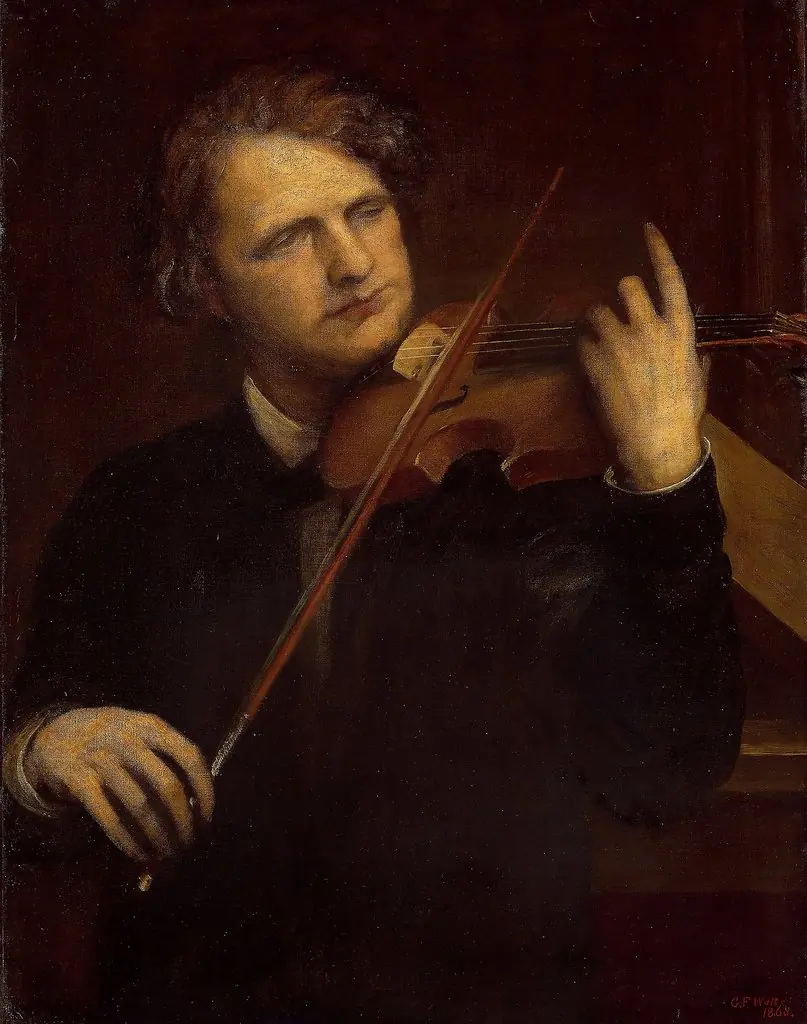 A Lamplight Study: Herr Joachim
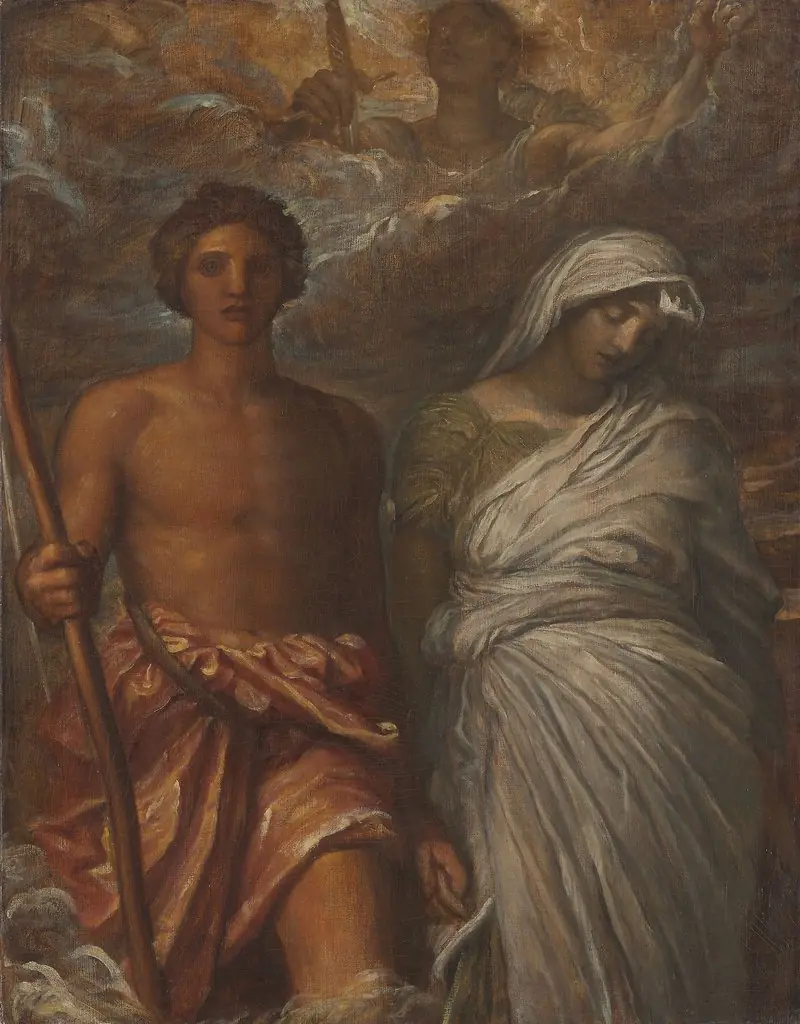 Time, Death and Judgment
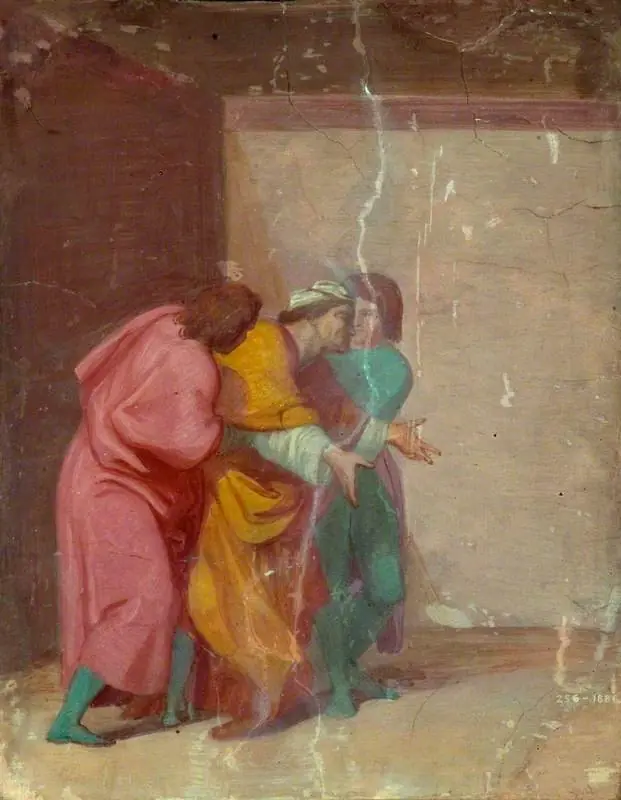 An Old Man Restrained by Two Youths (sketch for a mural in the Villa Carreggi)