Artwork
Sagot's Gallery
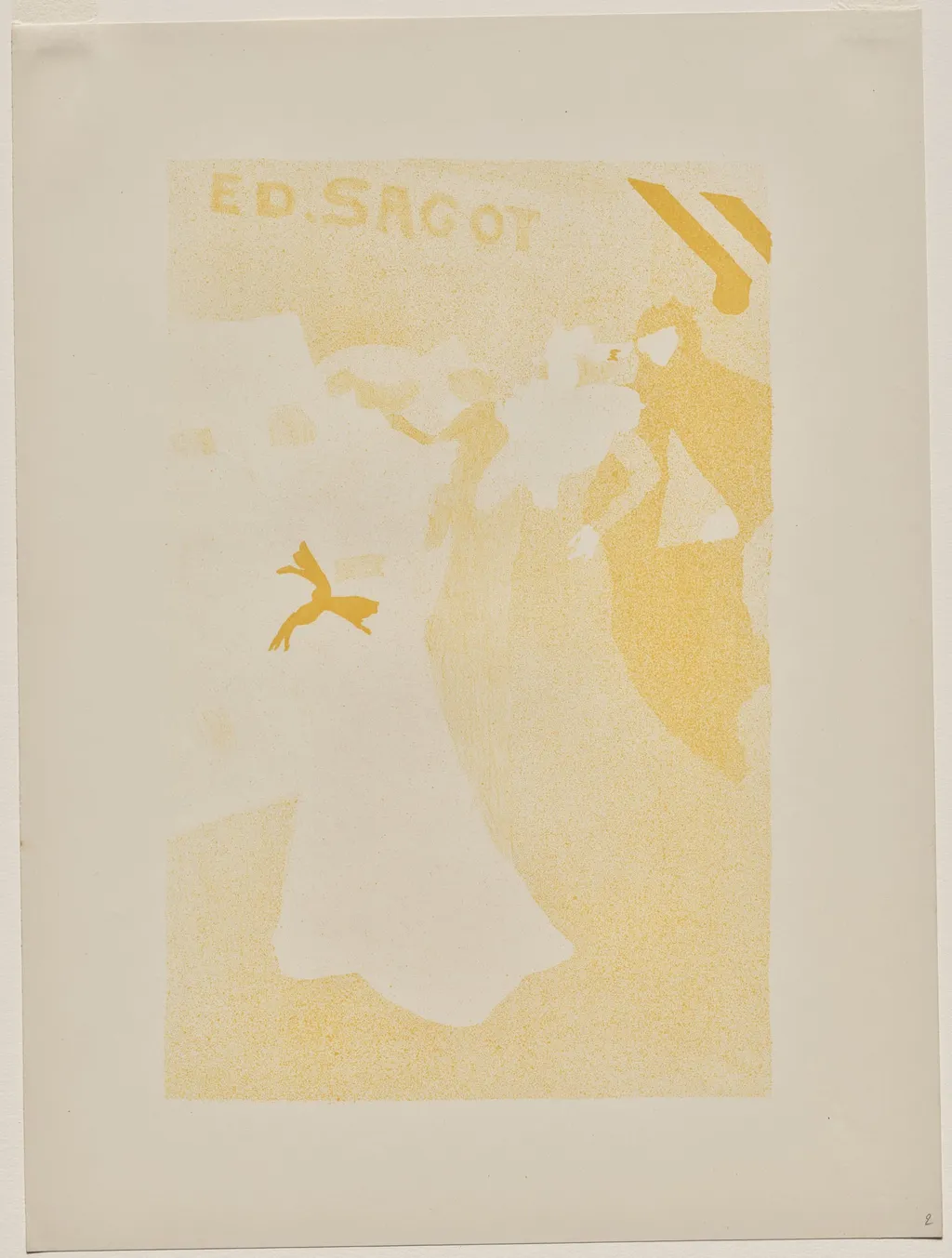
Sagot's Gallery is a print by the Impressionist artist Georges Alfred Bottini. It dates from 1898 and is held in the collection of the Cleveland Museum of Art. Georges Bottini’s 1890s color lithograph depicts the exterior of Edmond Sagot’s Parisian print shop, a hub for avant-garde graphic art.
- Accession no.
- 1998.42.1
- Credit line
- John L. Severance Fund
About this work
Overview
Georges Bottini’s 1890s color lithograph depicts the exterior of Edmond Sagot’s Parisian print shop, a hub for avant-garde graphic art. The scene captures a moment when lithography, once dismissed as purely commercial, was being reimagined by artists as a legitimate medium for creative expression. Bottini’s work documents this cultural shift through a quiet yet vivid street observation.
Subject & Meaning
The print centers on a group of elegantly dressed women gathered before Sagot’s windows, their attention fixed on the colorful posters displayed inside.
The print centers on a group of elegantly dressed women gathered before Sagot’s windows, their attention fixed on the colorful posters displayed inside. Their presence signals a new public engagement with fine art prints, transforming the shop into a cultural destination. The scene implies that color lithography had moved beyond advertising to become a subject of aesthetic curiosity and social interest among urban elites.
Technique & Style
Bottini employed the lithographic process to achieve flat planes of color and crisp outlines, characteristic of the medium’s revival in late 19th-century Paris. The composition is carefully balanced, with figures arranged to guide the eye toward the shop’s illuminated displays. The style avoids excessive detail, favoring suggestive forms that reflect the graphic sensibility of the posters within the scene.
History & Provenance
Edmond Sagot was a pivotal figure in promoting color lithography among artists, offering a space where works by Toulouse-Lautrec and others could be exhibited and sold. Bottini’s print, likely produced in the mid-to-late 1890s, serves as a contemporary record of Sagot’s influence. The work is held in the collection of The Cleveland Museum of Art, where it contributes to the study of print culture in fin-de-siècle France.
Context
In 1890s Paris, the rise of posters and graphic art coincided with urban modernization and the expansion of public leisure. Color lithography, enabled by new printing technologies, allowed artists to reach broader audiences. Sagot’s gallery became a nexus for this movement, bridging commercial demand and artistic innovation, while Bottini’s print captures its social resonance in everyday life.
Legacy
Bottini’s lithograph endures as a quiet testament to a transformative moment in print history. It documents not just a shop, but a shift in how art was consumed and valued, moving from private collections to public view. The work remains a valuable reference for understanding the intersection of commerce, aesthetics, and urban culture in late 19th-century France.
Own this work as a print
Artist & collection
Artist
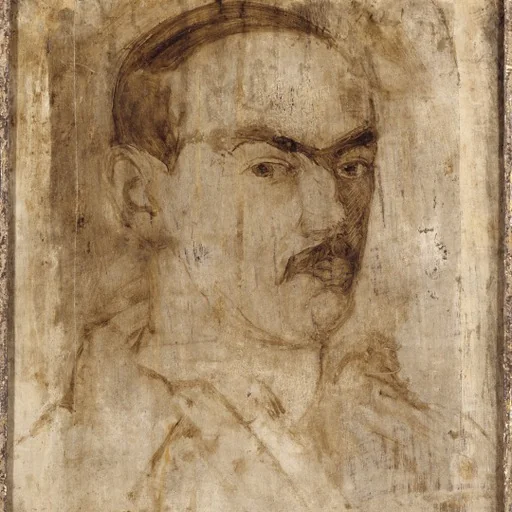
Georges Alfred Bottini (1874–1907) was a French artist, born in 9th arrondissement of Paris.

- La Vision
 L'intruse
 Untitled
 Untitled
 The Dressmaker
 Untitled
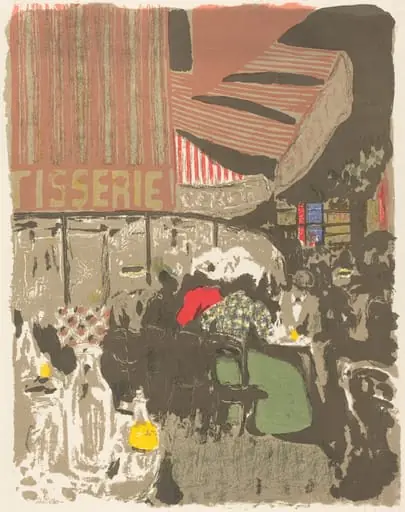 The Bakery (La patiserie)
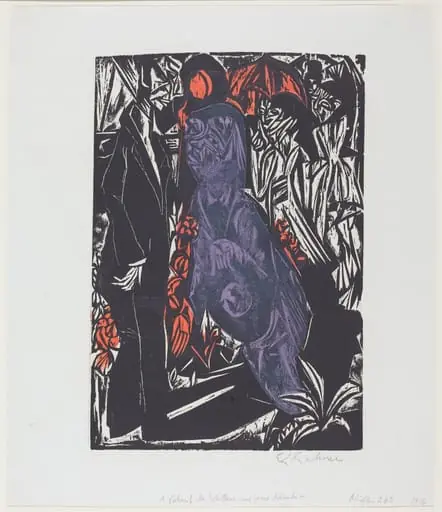 Peter Schlemihls wundersame Geschichte: Der Verkauf des Schattens (Peter Schlemihl's Wondrous Story: The Sale of His Shadow)
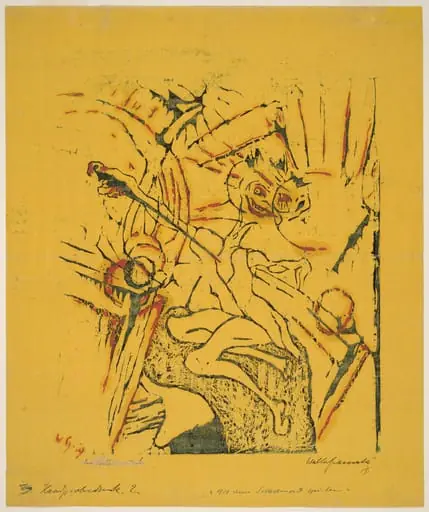 Mit dem Selbstmord Spielen (Playing with Suicide)
 Untitled
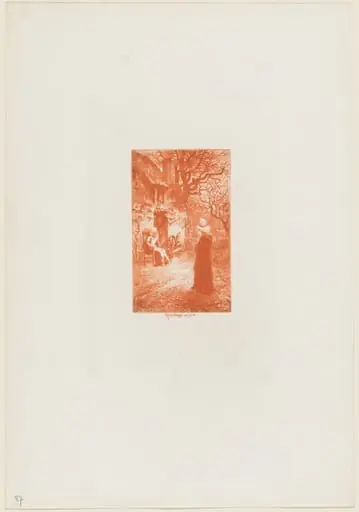 Elle venait lentement...
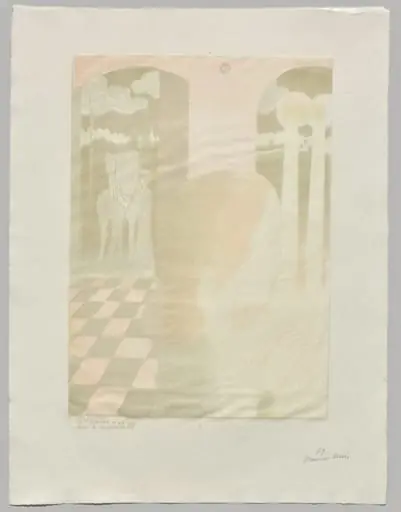 The Knight Did Not Die in the Crusade