Artwork
Untitled
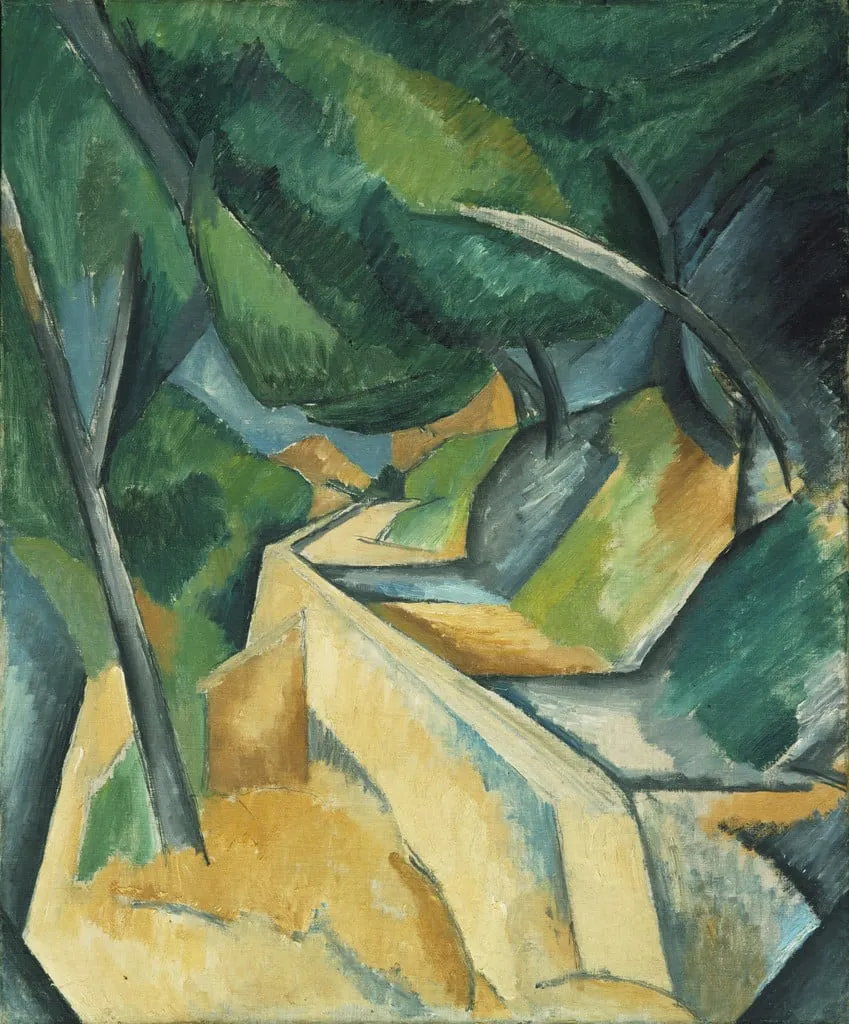
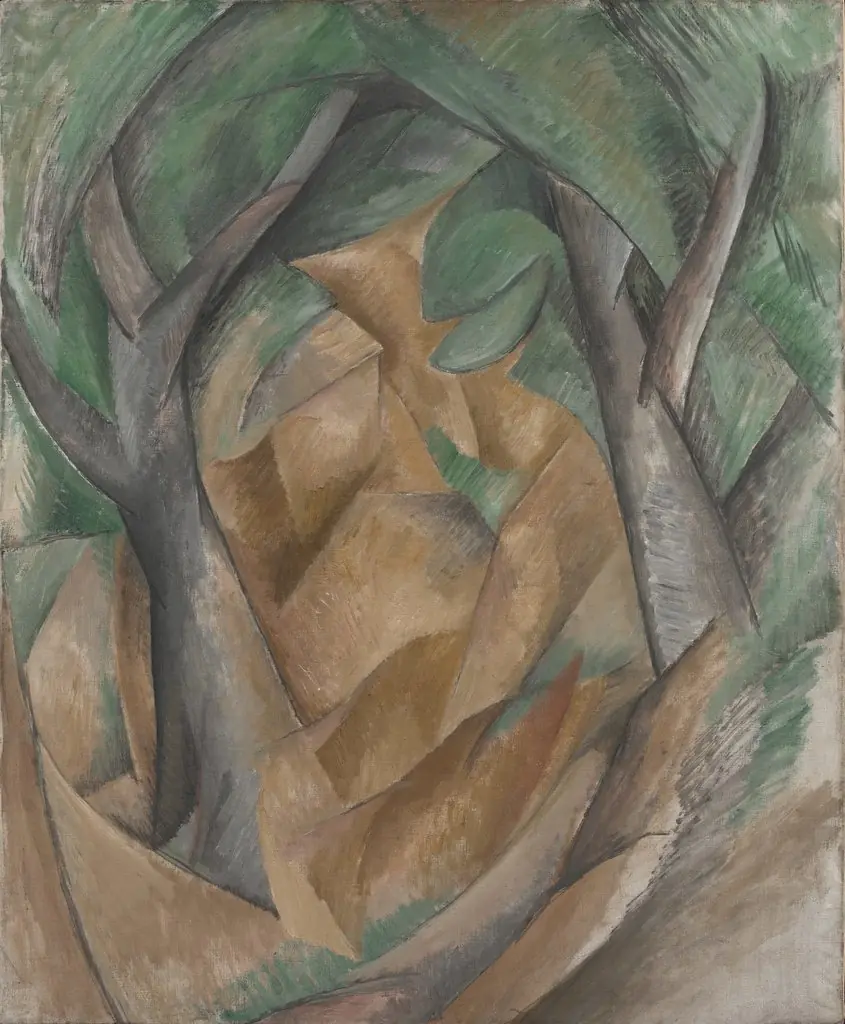
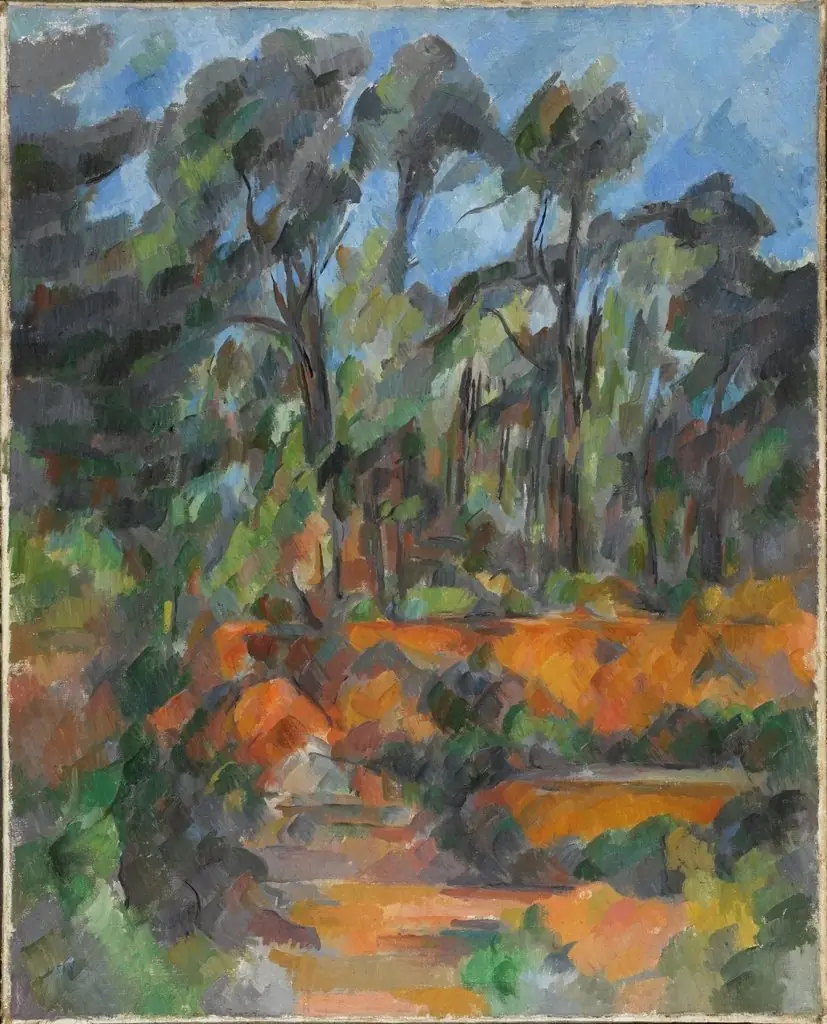
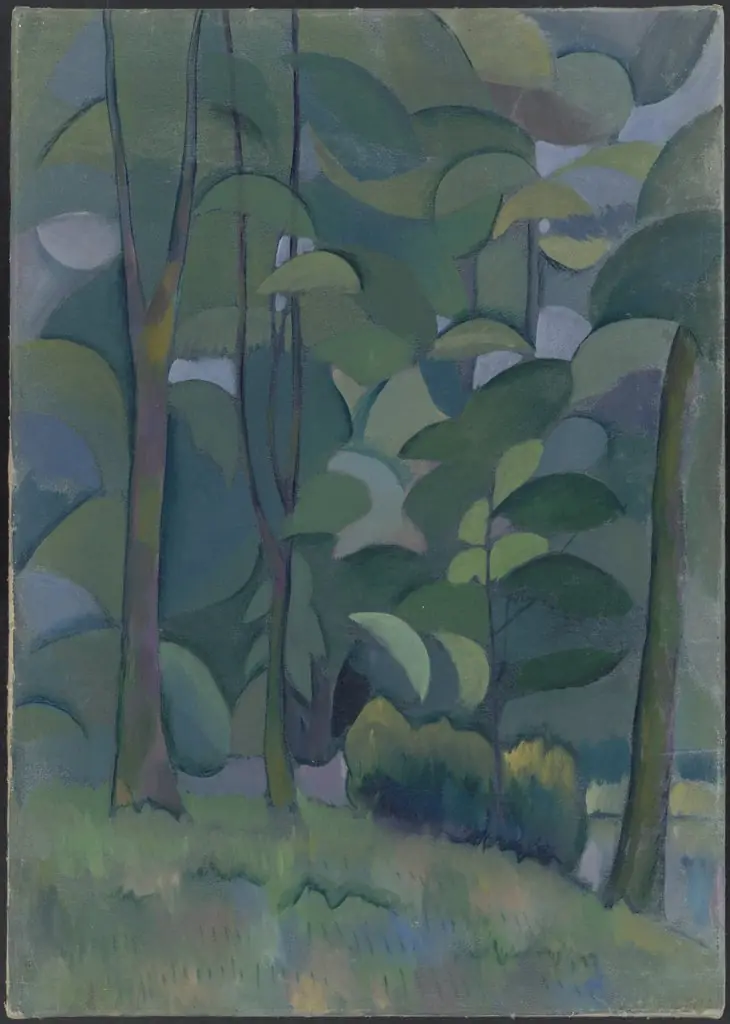
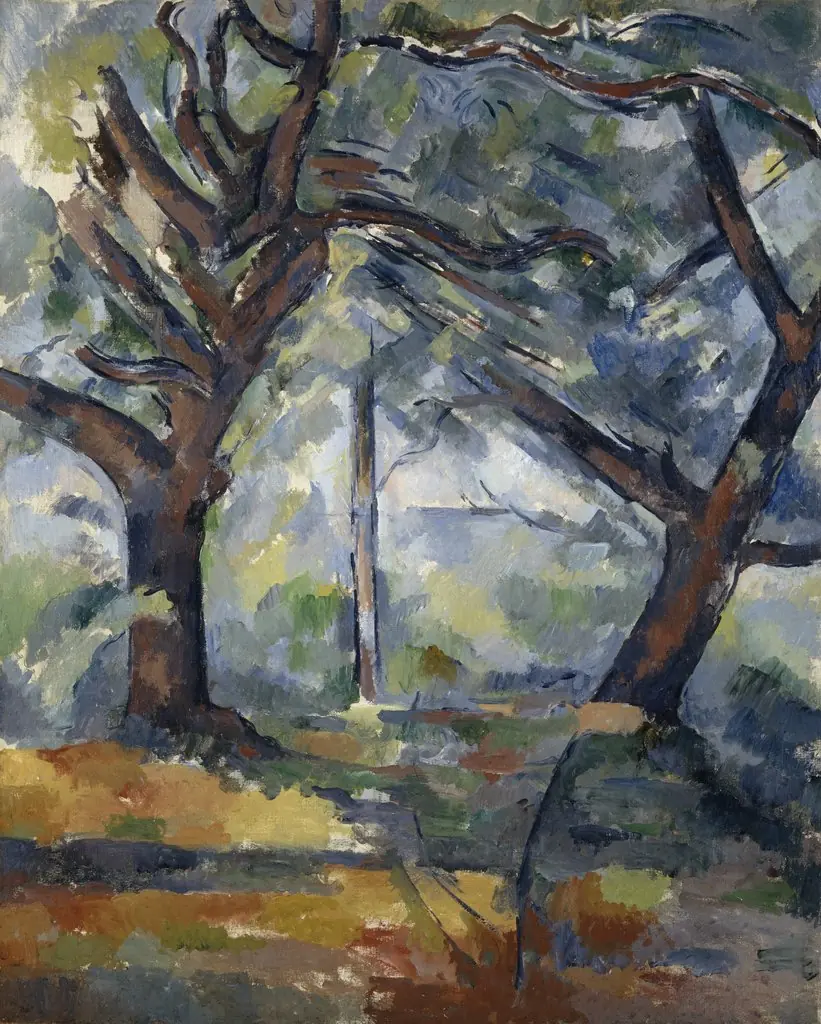
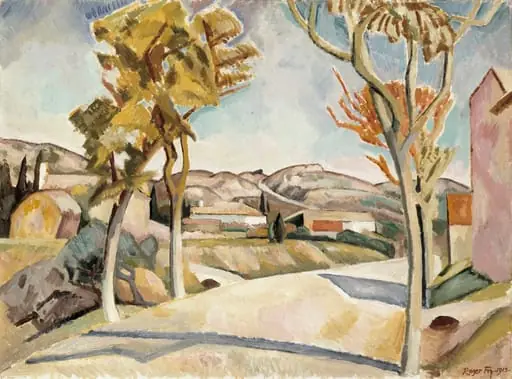
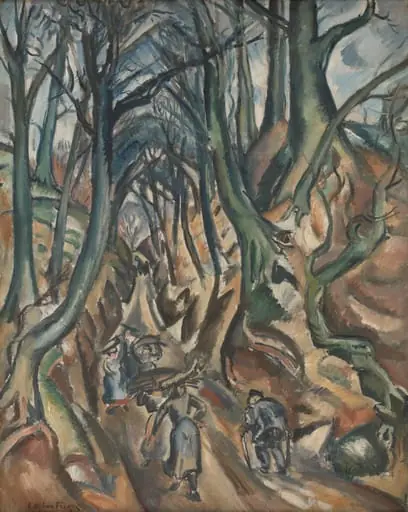
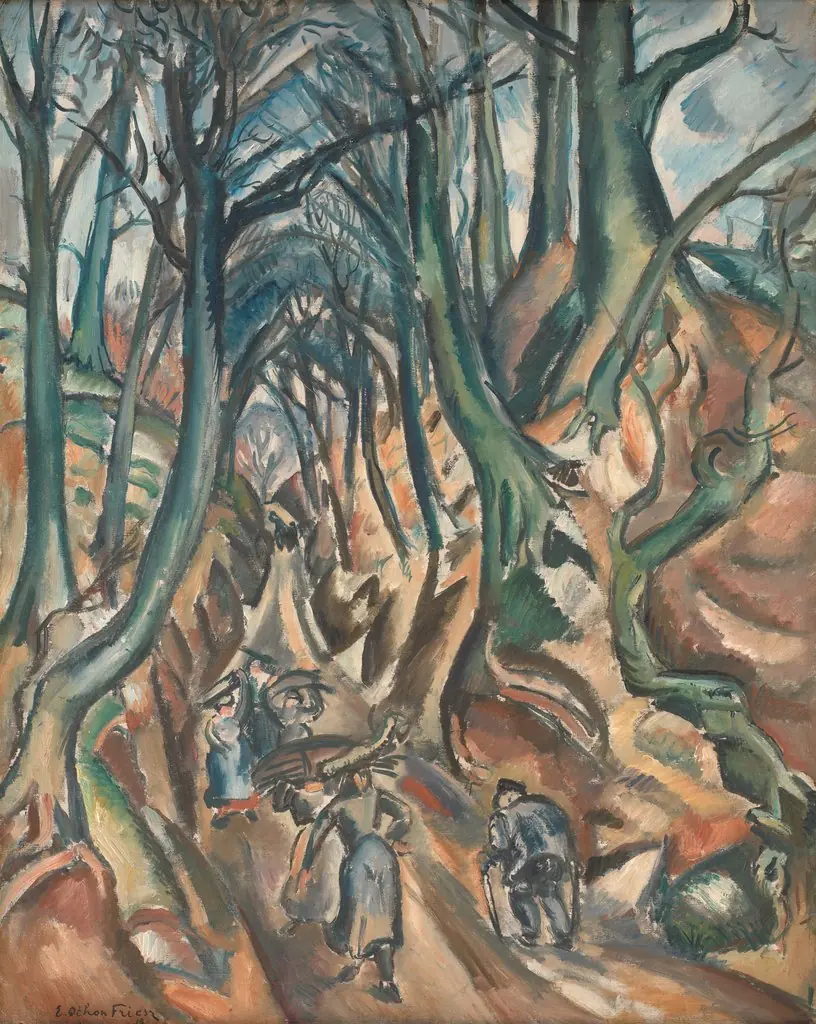
Untitled is an oil painting by the Cubism Analytic artist Georges Braque. It dates from 1908 and is held in the collection of the Museum of Modern Art.
About this work
Overview
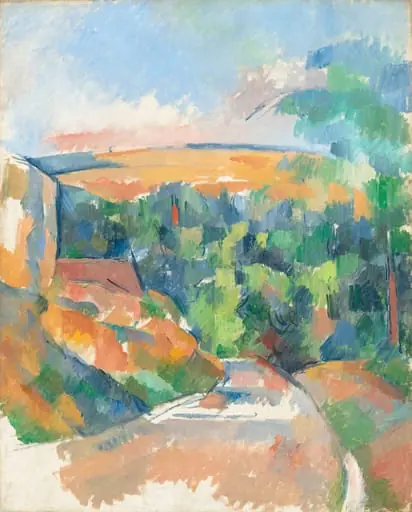
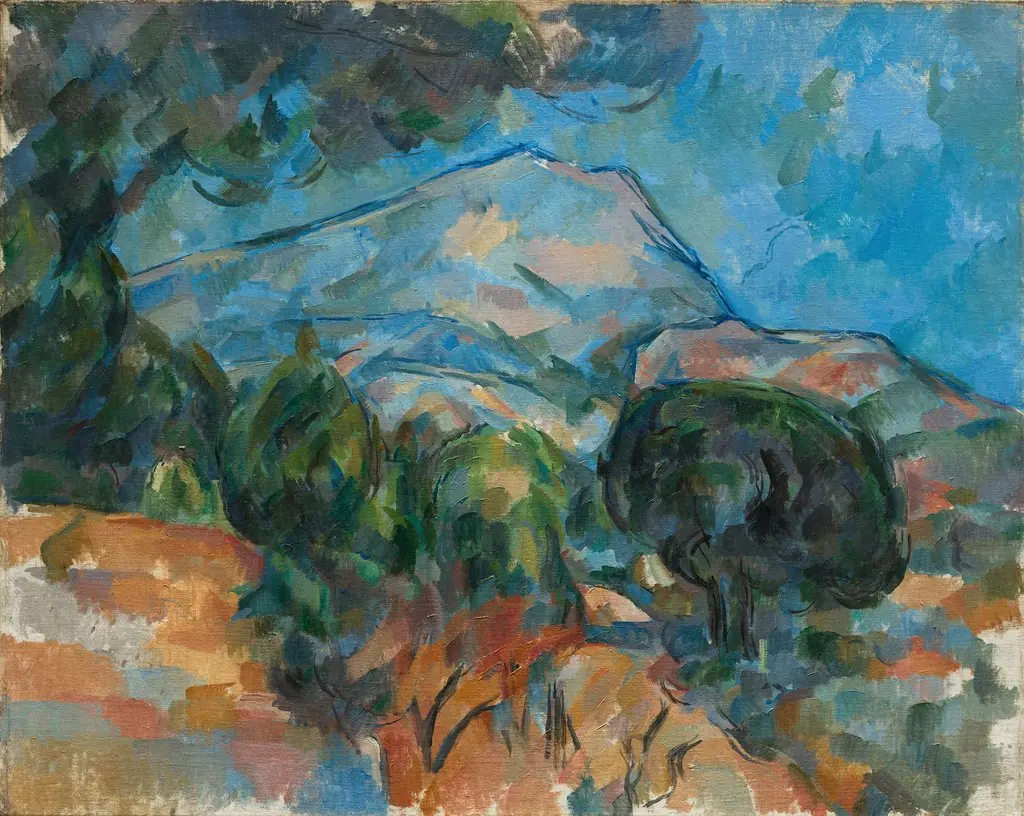
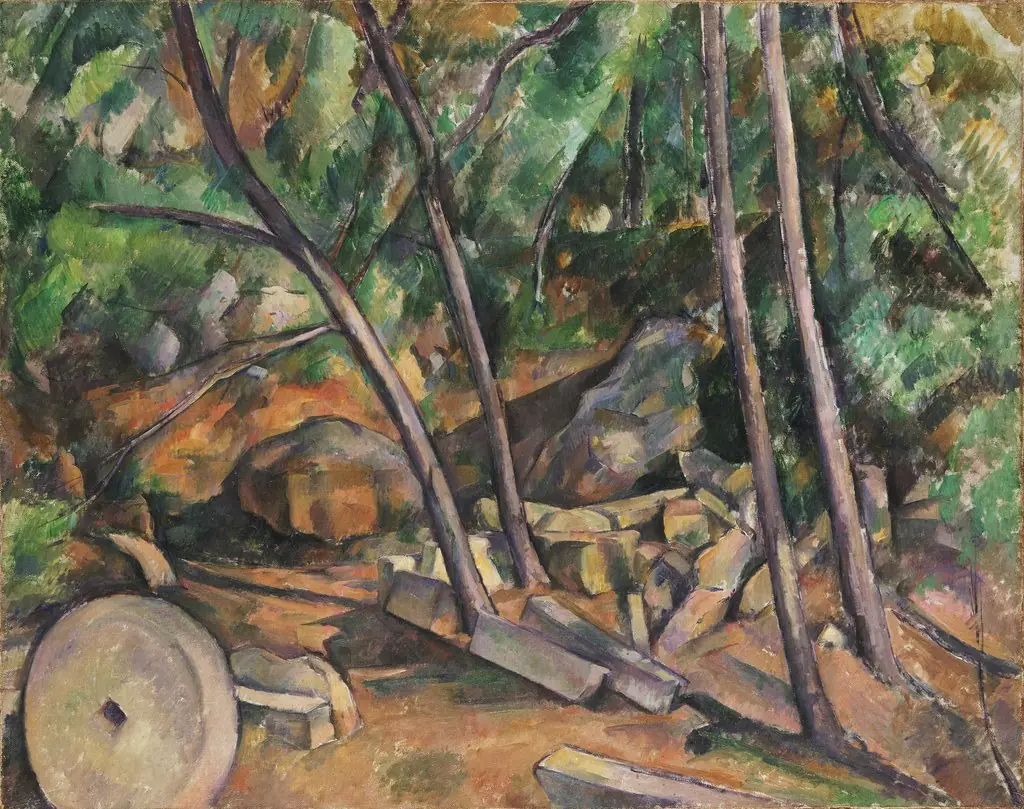
The painting presents a landscape stripped of traditional perspective, reducing natural forms to interlocking planes and muted color harmonies.
Georges Braque created this oil on canvas work in 1908, during the formative phase of Analytic Cubism. As a French artist central to the movement’s development, he was deeply engaged with Pablo Picasso in redefining pictorial space. The painting presents a landscape stripped of traditional perspective, reducing natural forms to interlocking planes and muted color harmonies. It is now part of The Museum of Modern Art’s permanent collection.
Subject & Meaning
The subject is a rural landscape featuring trees and a winding road, but these elements are not depicted realistically. Instead, Braque dissolves them into abstracted geometric volumes, emphasizing structure over representation. The scene suggests a quiet, observed moment in nature, yet its meaning lies in the act of deconstruction, challenging how perception and form can be translated onto canvas.
Technique & Style
Braque employed a restricted palette of earth tones, olive greens, grays, and pale yellows, accented by subtle contrasts to suggest volume. Brushwork is deliberate but not expressive; forms are built through layered planes rather than outlines. The fragmentation of trees and road into angular facets reflects the Analytic Cubist goal of representing multiple viewpoints simultaneously, dissolving the illusion of depth without abandoning spatial logic.
History & Provenance
Painted in 1908, this work emerged from Braque’s intense collaboration with Picasso in L’Estaque, where both artists were experimenting with radical new approaches to form. It entered The Museum of Modern Art’s collection in the 20th century, following the museum’s early commitment to acquiring pivotal Cubist works. Its provenance reflects its significance as a document of modernism’s foundational years.
Context
In 1908, Braque’s landscapes from L’Estaque were met with critical confusion, even by patrons like Gertrude Stein. The work emerged amid broader shifts in European art, as traditional representation was questioned by advances in photography, non-Western sculpture, and Einsteinian physics. This painting was part of a quiet revolution, rejecting harmony for analysis, and appearance for structure.
Legacy
This painting exemplifies the early phase of Cubism that reoriented modern art toward abstraction and conceptual representation. Though less celebrated than later works, it helped establish the visual language that influenced generations of artists. Its restrained palette and structural rigor became benchmarks for subsequent explorations of form, space, and perception in 20th-century painting.
Artist & collection

Artist
Georges Braque ( BRA(H)K; French:; 13 May 1882 – 31 August 1963) was a major 20th-century French painter, collagist, draughtsman, printmaker and sculptor.