
Movement
Cubism Analytic
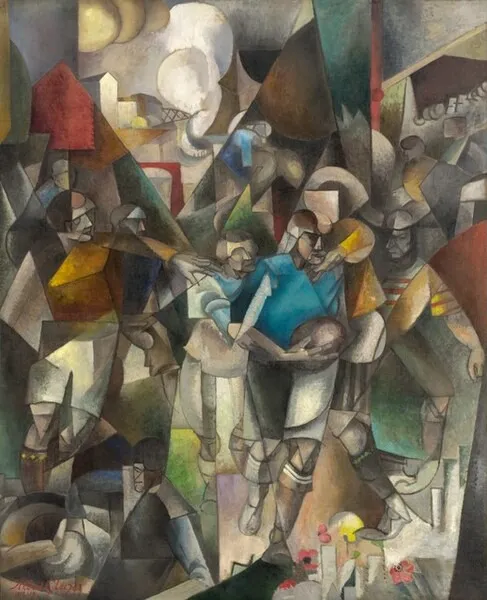
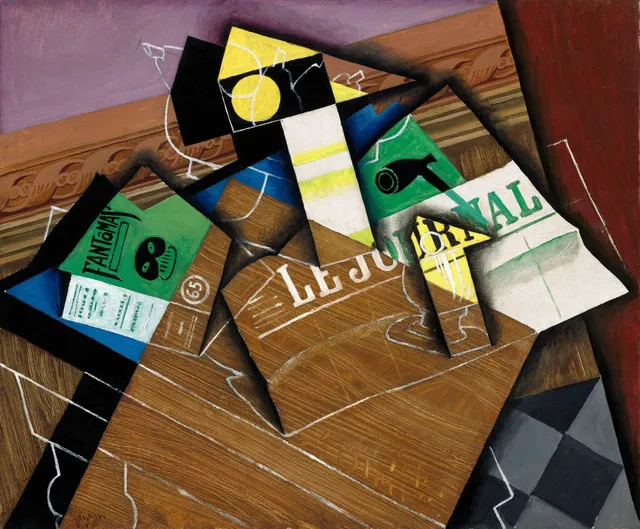
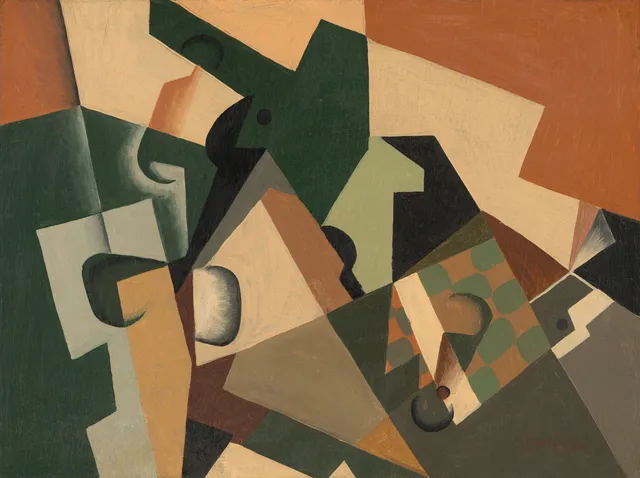
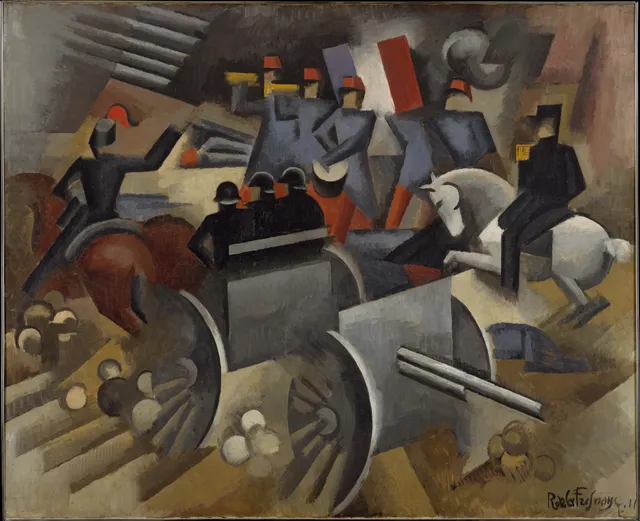
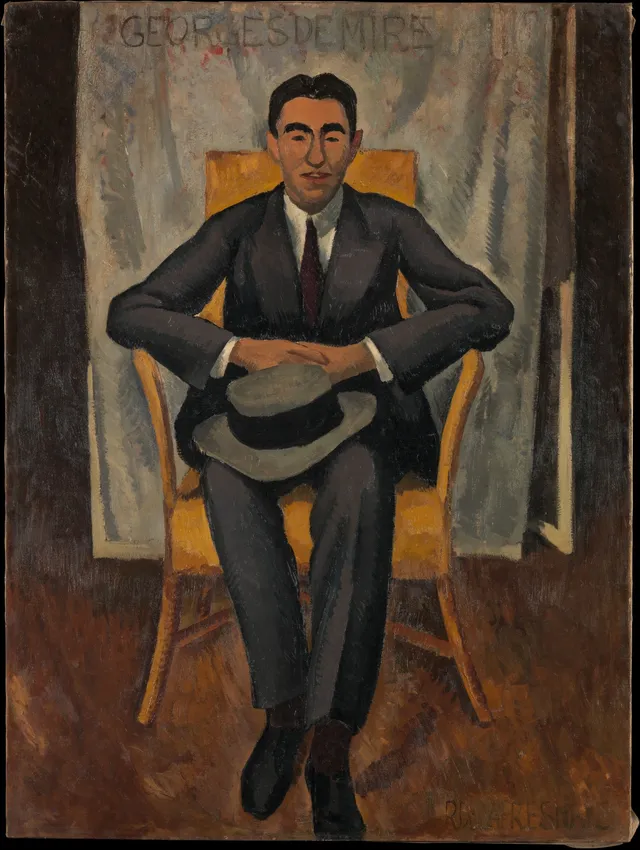
Cubism Analytic is an art movement of the 1900–1920 period. The gallery holds 44 works in this movement, including works by Juan Gris, Roger de La Fresnaye and Diego Rivera. Browse Cubism Analytic paintings, portraits, pictures and artworks from the world's public-domain museum collections.
Analytic Cubism is the first and most austere phase of Cubism, developed in Paris between roughly 1908 and 1912 by Pablo Picasso and Georges Braque. It grew directly out of Paul Cézanne's late landscapes—his counsel to treat nature in terms of geometric solids and his flattening of pictorial depth—and out of Picasso's confrontation with non-Western sculpture in Les Demoiselles d'Avignon (1907). The label itself was applied retrospectively by the dealer Daniel-Henry Kahnweiler, who championed both painters and in 1920 published Der Weg zum Kubismus (The Rise of Cubism). The term is apt: rather than depicting an object's surface appearance, the painters "analysed" its structure, dismantling it into facets seen from several vantage points at once and reassembling them on a shallow, near-frontal plane.
Visually the style is unmistakable. Picasso and Braque shattered figures, instruments, bottles and tabletops into interlocking planes that tilt and overlap, fusing object and surrounding space through a device known as passage, in which edges dissolve into one another. The palette was deliberately restrained—muted browns, ochres, grays and blacks—so that nothing distracted from the architecture of form, and compositions grew densest at the canvas's centre, fading toward the margins. Between about 1910 and 1912 this analysis became so radical that the work verged on illegibility, a sub-phase often called High Analytic or Hermetic Cubism. To anchor the dissolving image, the artists began stencilling letters, words and musical notation onto the surface.
The canonical works are concentrated in these few years: Braque's Houses at L'Estaque (1908), whose cube-like forms prompted the critic Louis Vauxcelles's mocking reference to "cubes"; Picasso's Portrait of Daniel-Henry Kahnweiler (1910), the sitter splintered into discontinuous surfaces; and the closely paired Ma Jolie (1911–12) by Picasso and The Portuguese (1911) by Braque. So intimate was the collaboration—Braque likened it to mountaineers roped together—that their canvases of these years are at times almost indistinguishable.
Cubism quickly outgrew its two inventors. At the 1911 Salon des Indépendants, the "Salon Cubists"—Albert Gleizes, Jean Metzinger, Fernand Léger, Robert Delaunay and Henri Le Fauconnier—exhibited together in the notorious Salle 41, and in 1912 Gleizes and Metzinger codified the movement in the treatise Du "Cubisme." Their wider circle drew in Juan Gris, Roger de La Fresnaye and others, while the language of faceted form rippled outward into Italian Futurism, Delaunay's Orphism, and the Russian avant-garde of Kazimir Malevich and Aleksandra Ekster. By 1912 the introduction of collage and papier collé turned the analytic method inside out, opening the second phase, Synthetic Cubism.
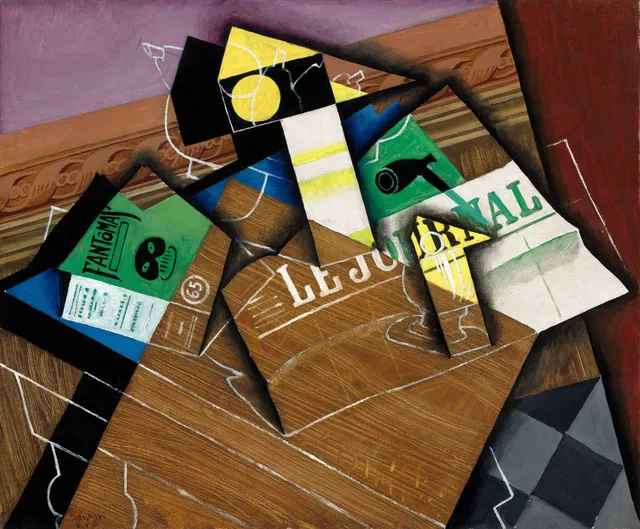
Key artists

Works
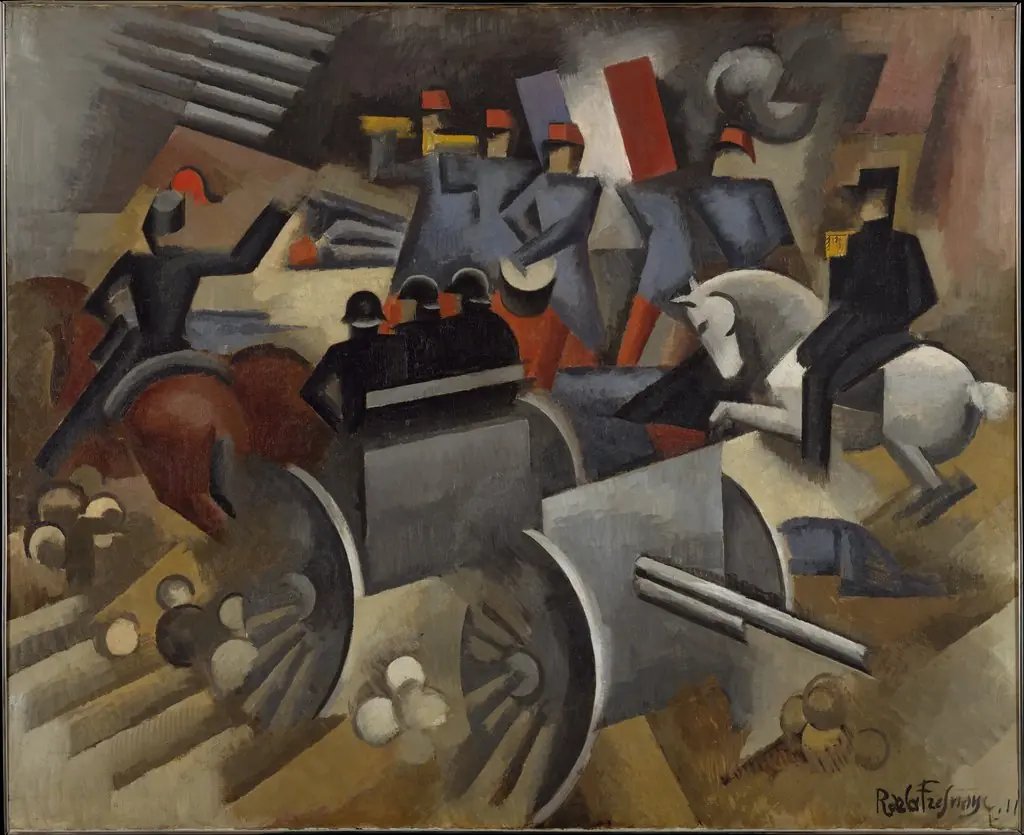 Artillery
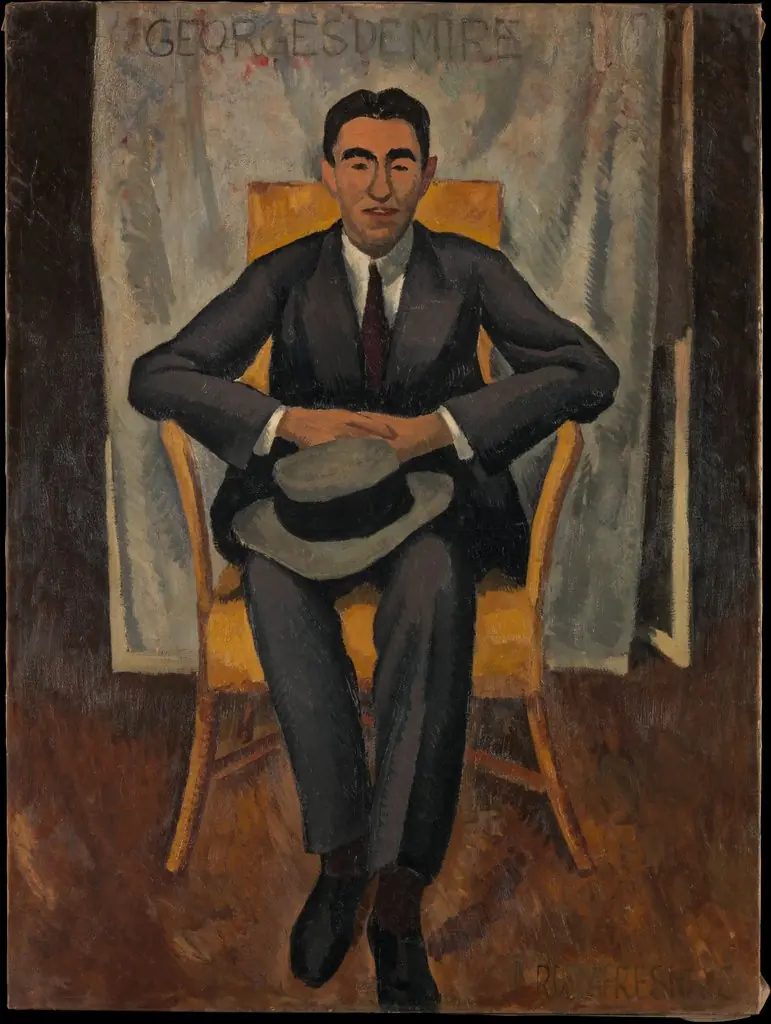 Georges de Miré
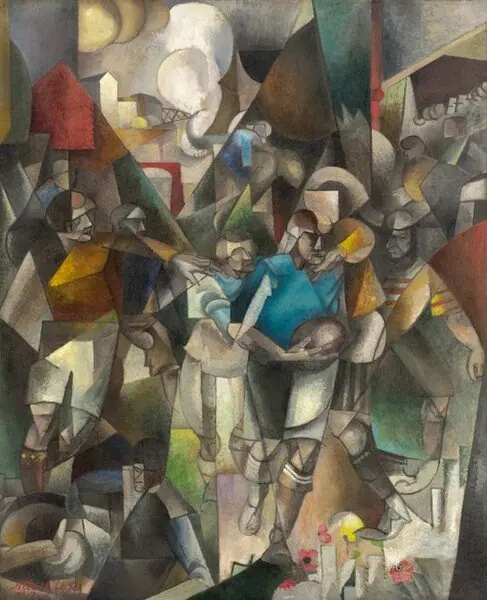 Football Players
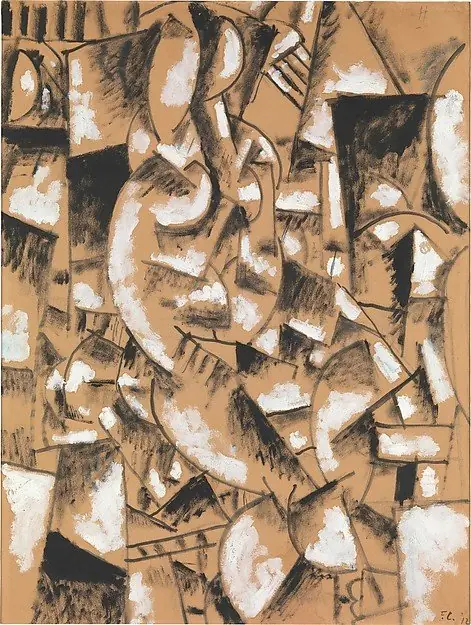 Composition (Study for "Nude Model in the Studio")
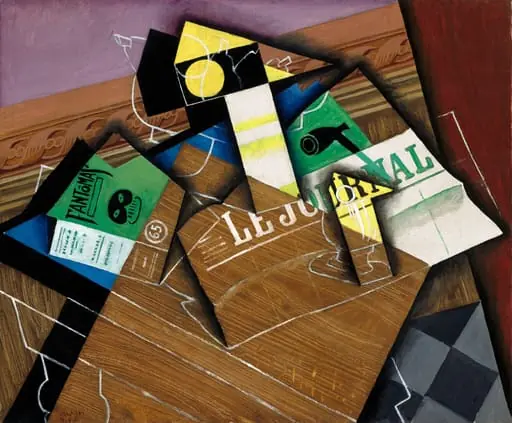 Fantômas
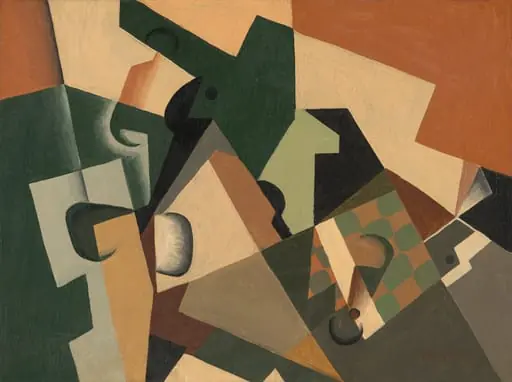 Glass and Checkerboard
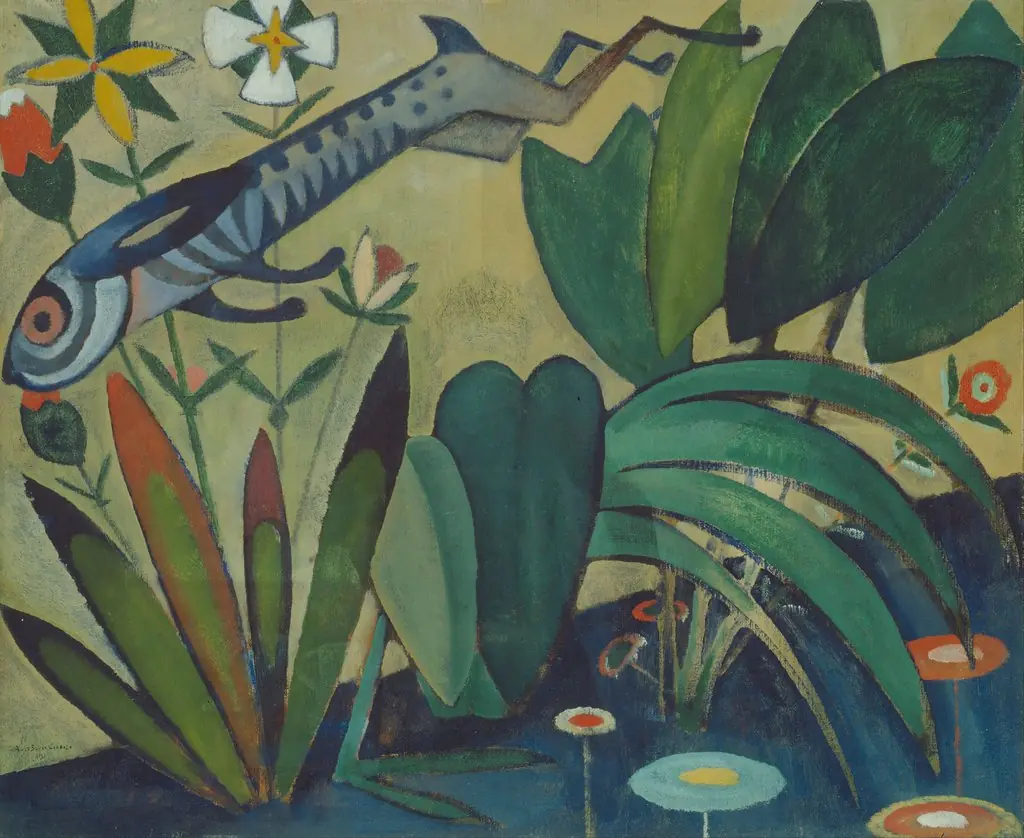 The Leap of the Rabbit
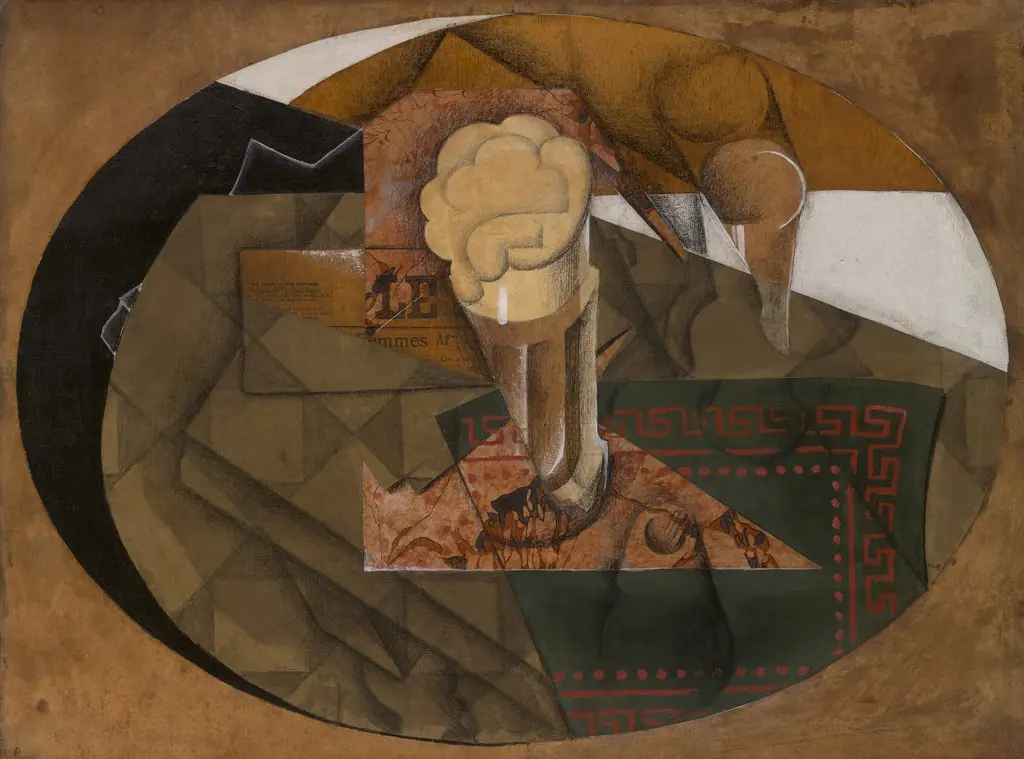 The Glass of Beer
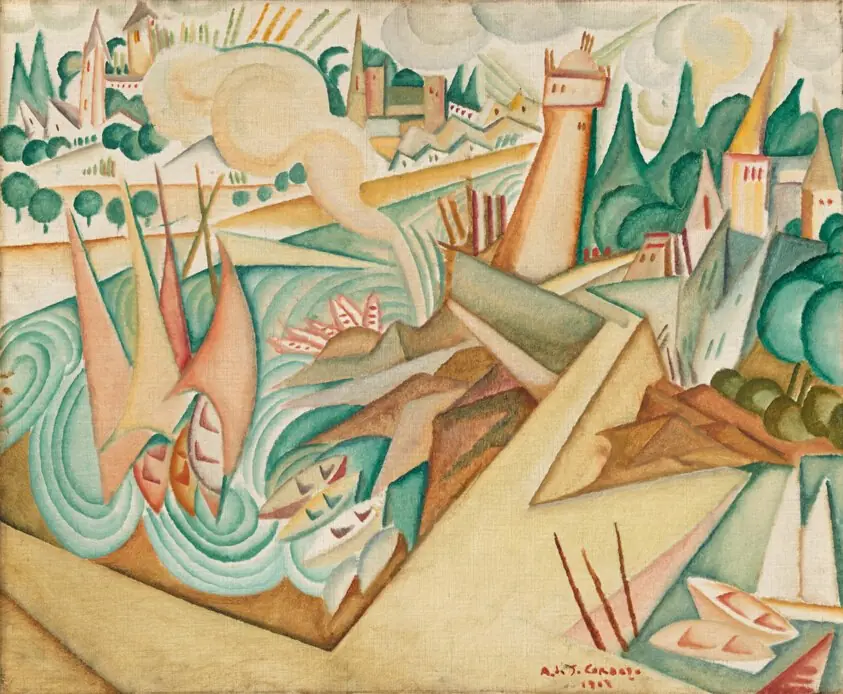 Landscape
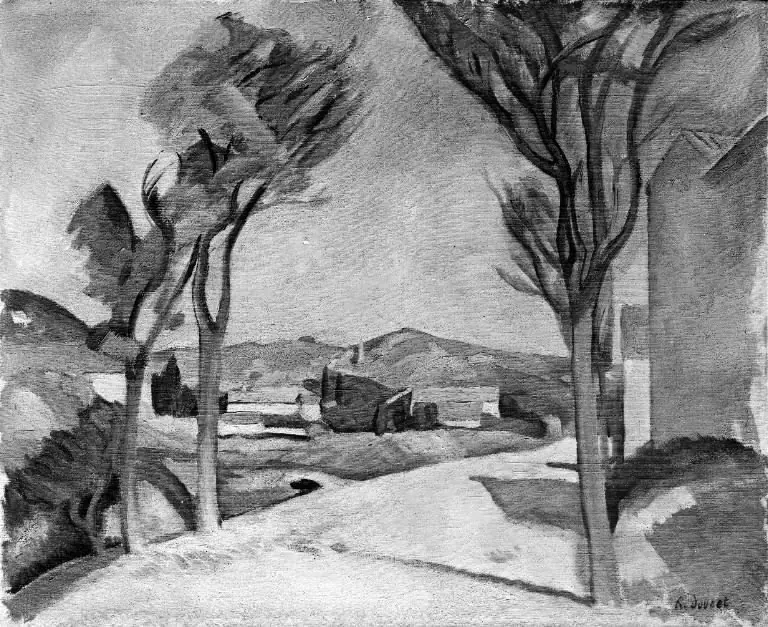 Road near Villeneuve-les-Avignon
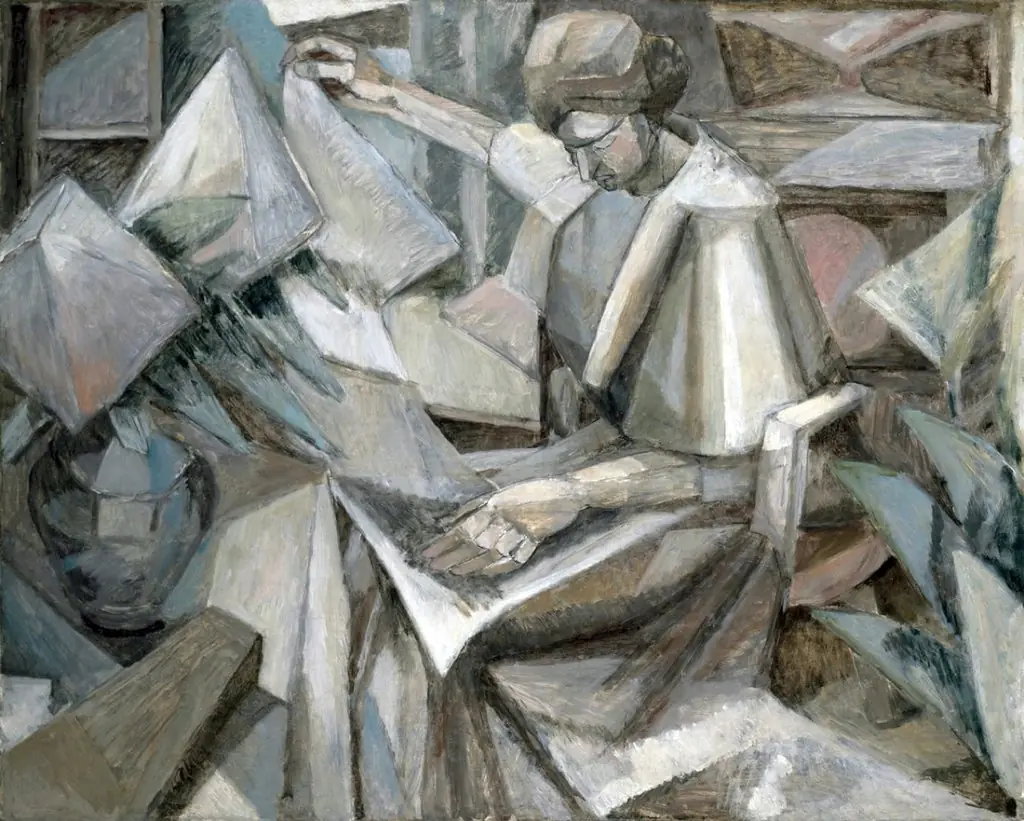 Woman with Phlox
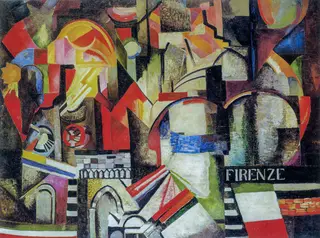 Florence
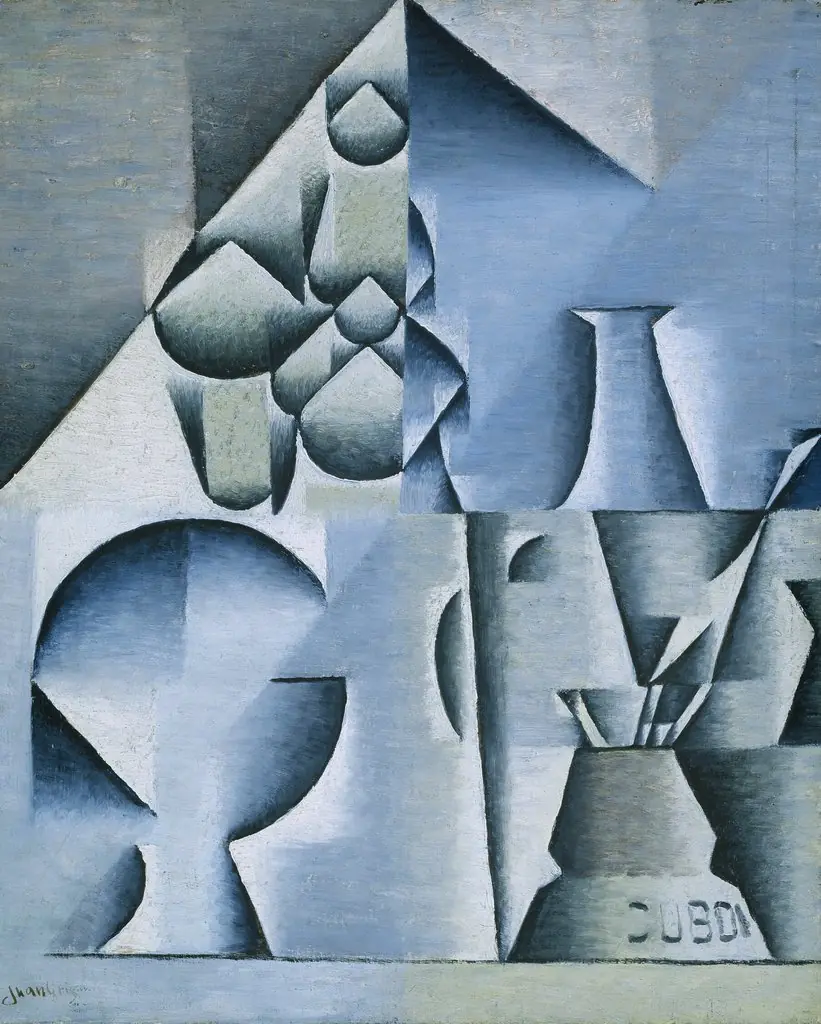 Table at a Café
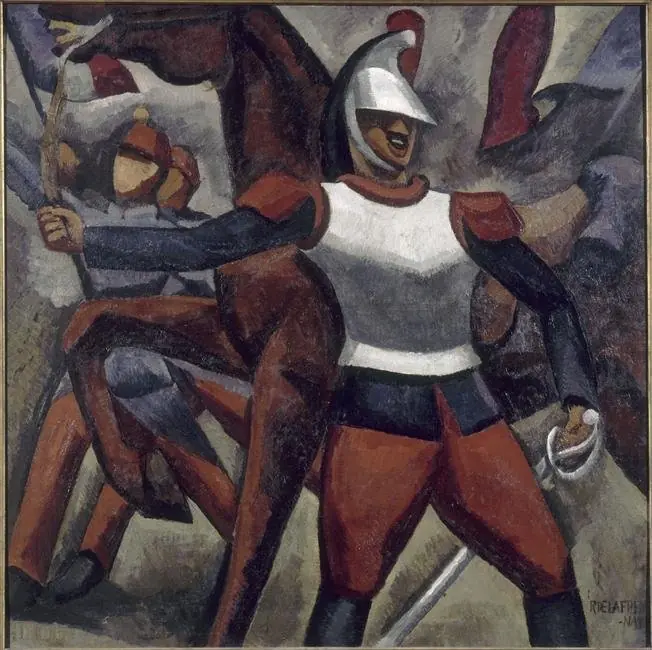 Cuirassier
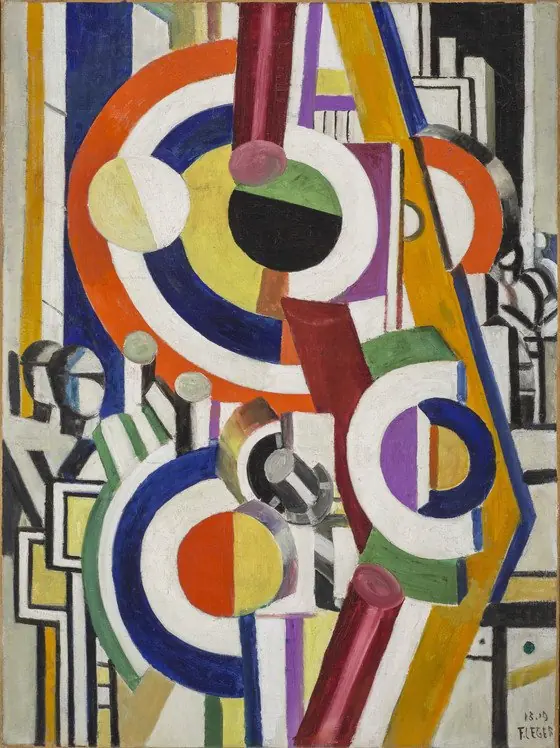 The Disks
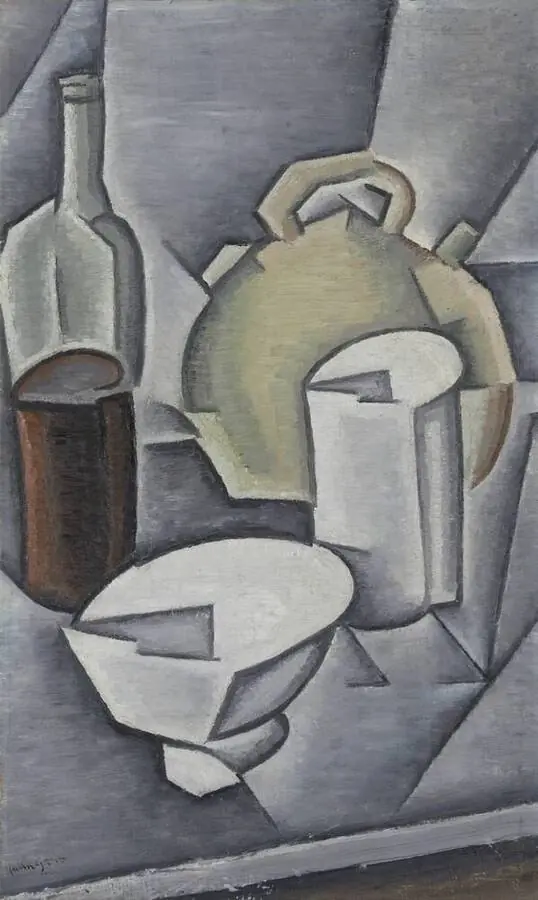 Bottle and Pitcher
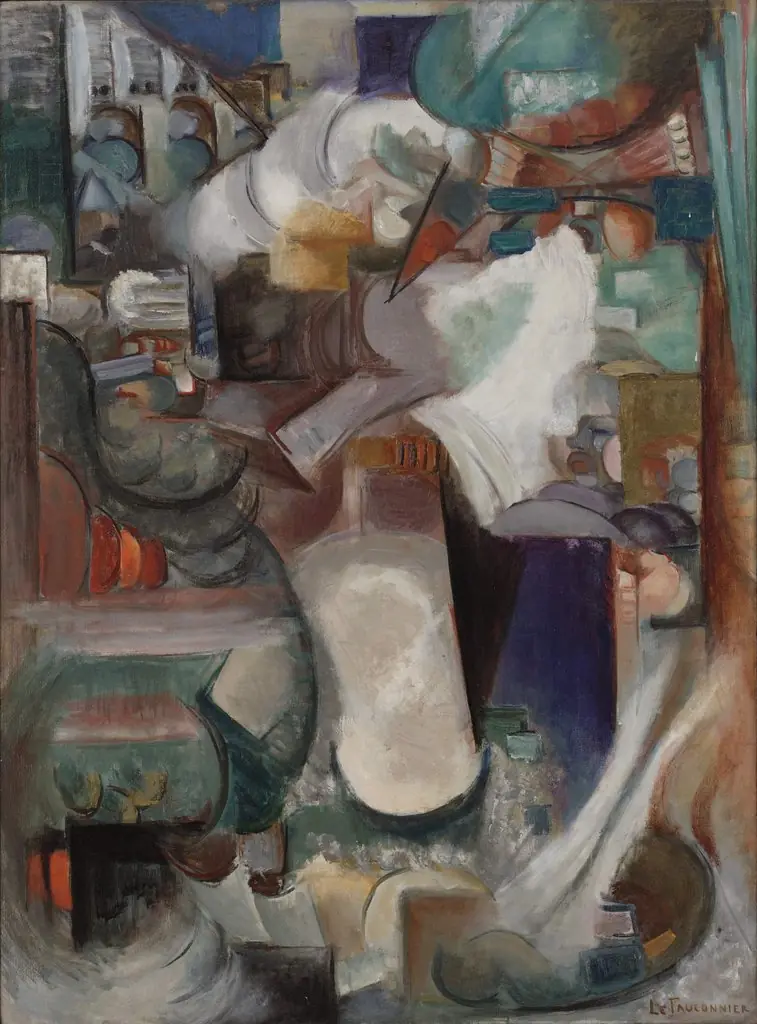 The Huntsman
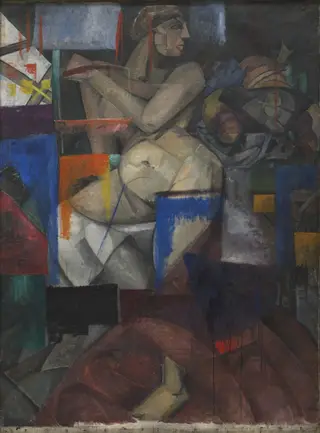 Cubist Nude
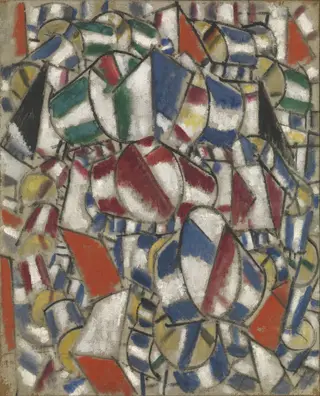 Contrast of Forms
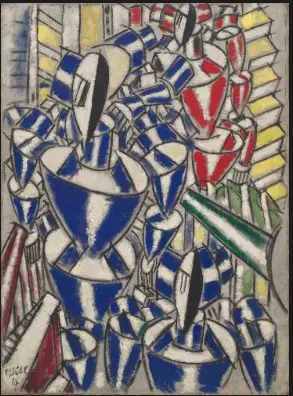 Exit the Ballets Russes
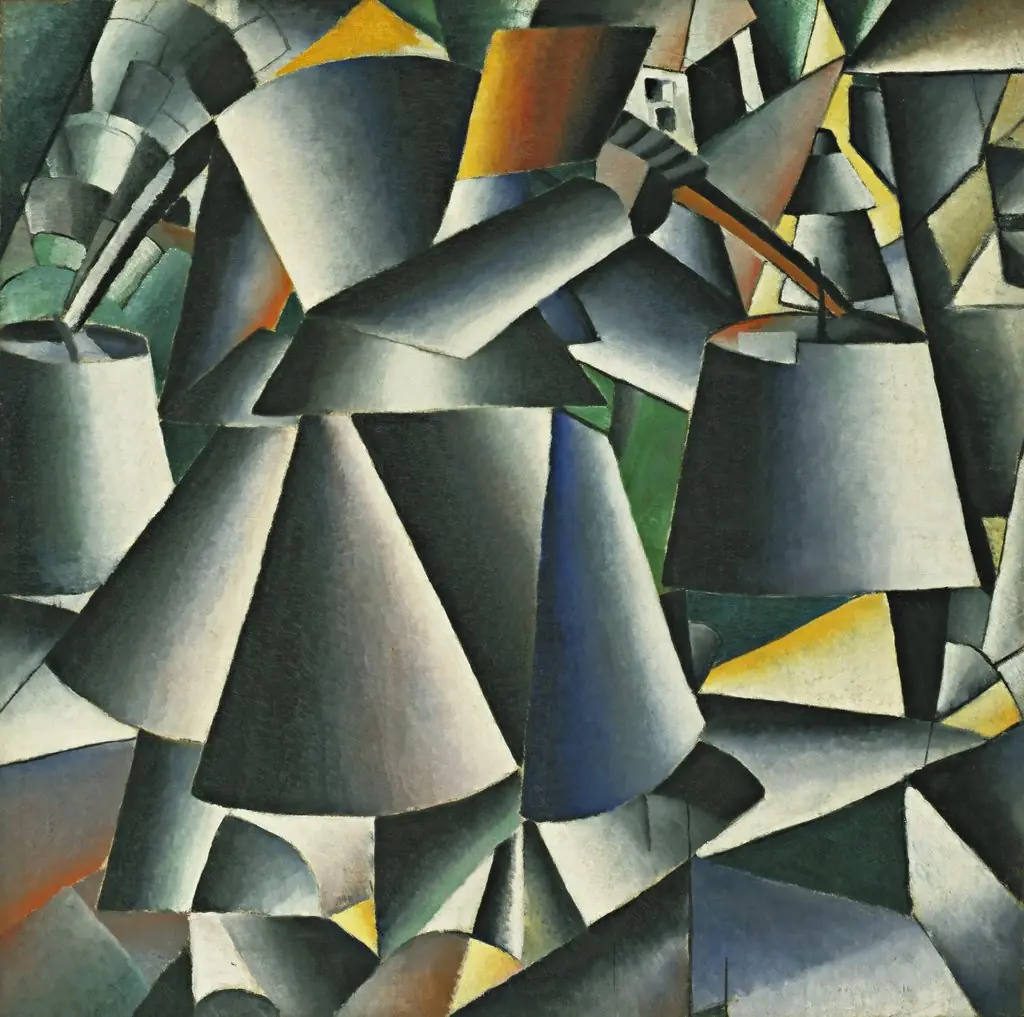 Woman with Pails: Dynamic Arrangement
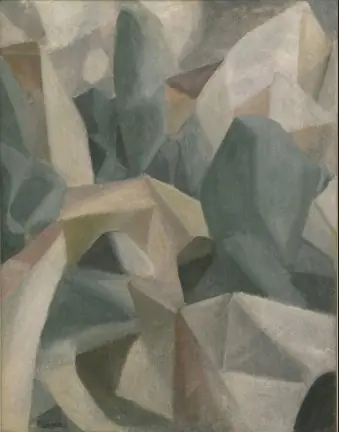 Bridge
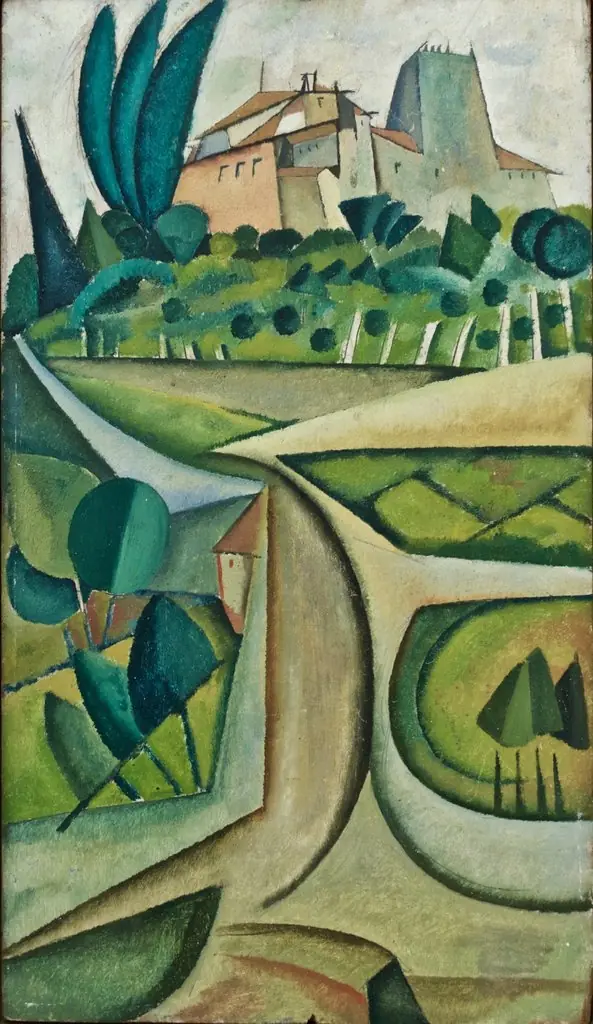 Manhufe Landscape
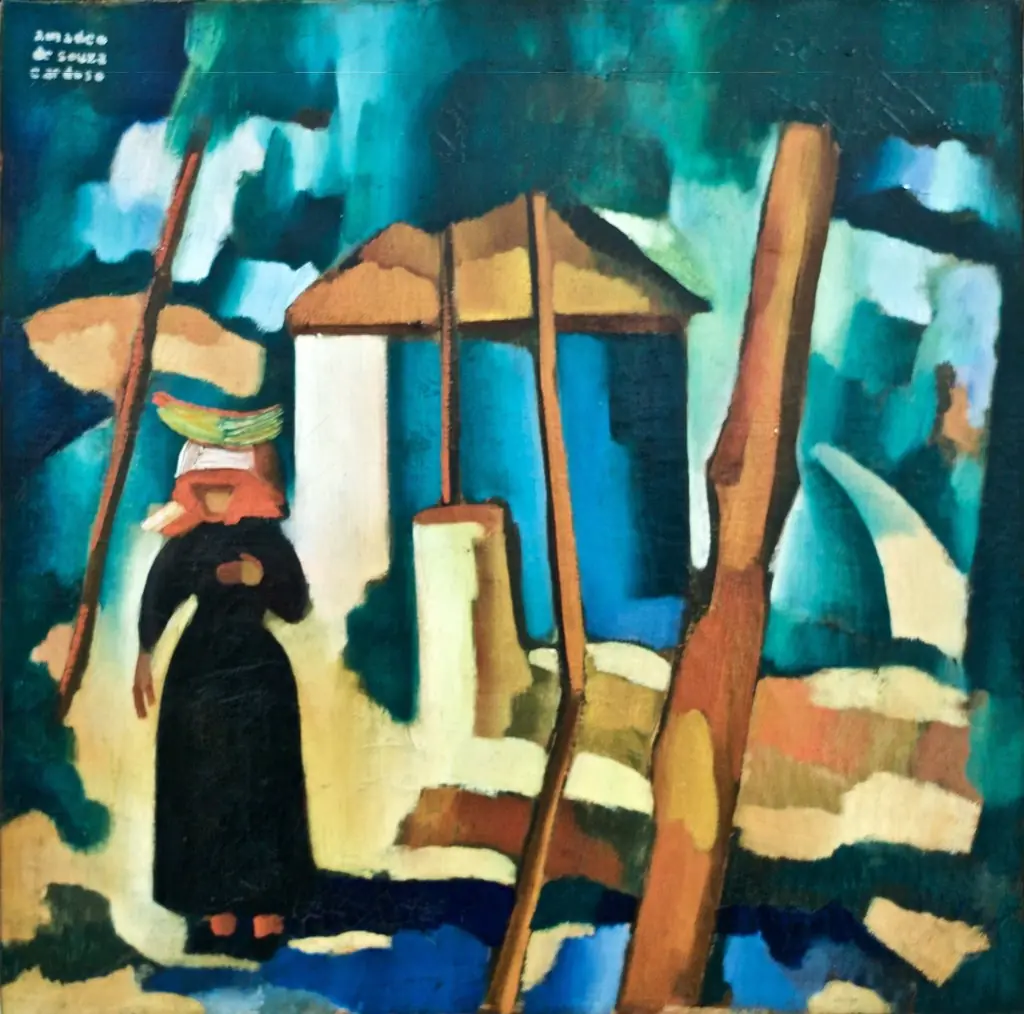 Landscape with black figure
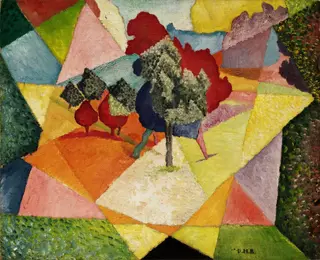 Cubist Landscape
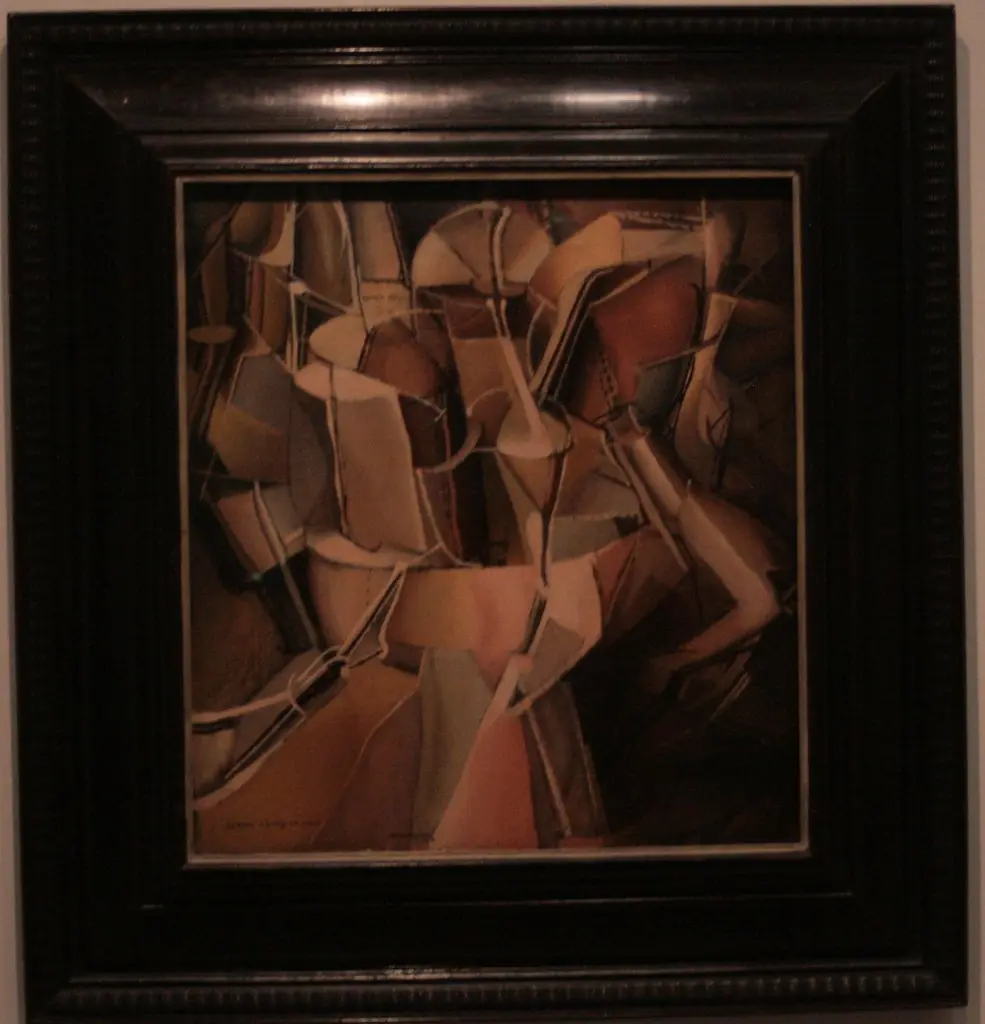 Passage from Virgin to Bride
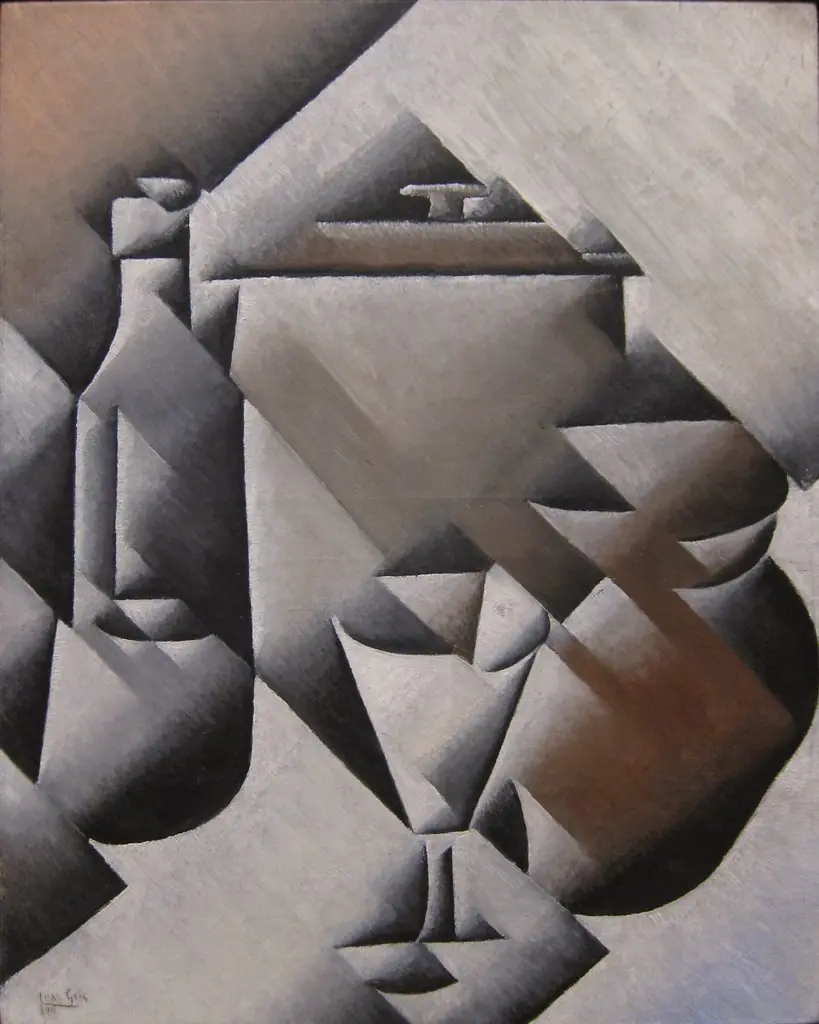 Jar, Bottle and Glass
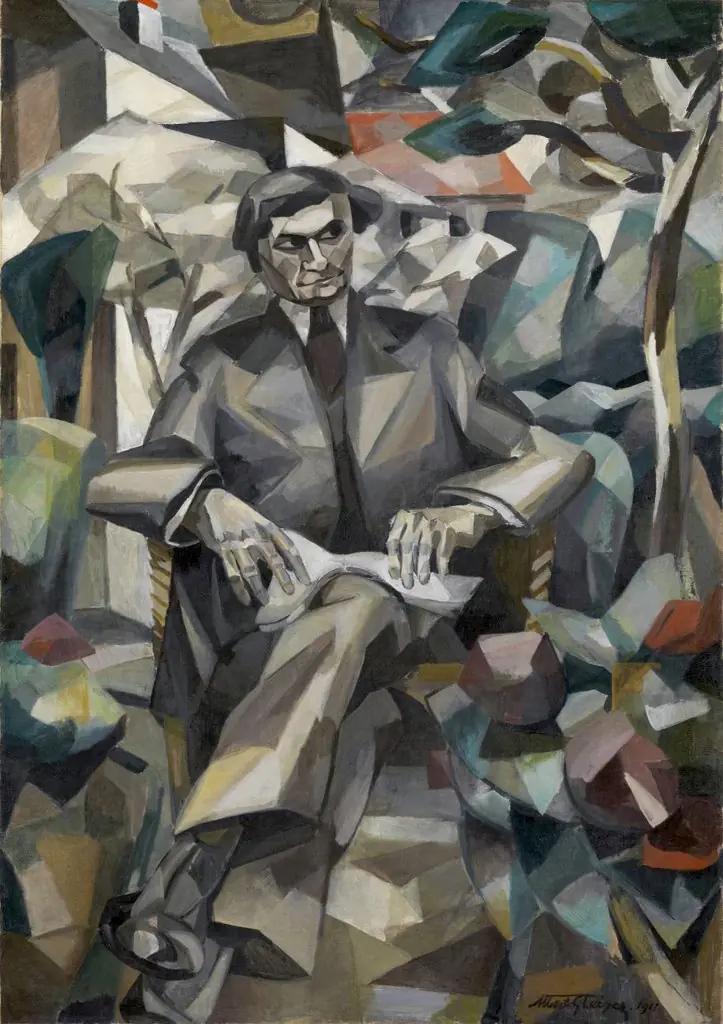 Portrait of Jacques Nayral
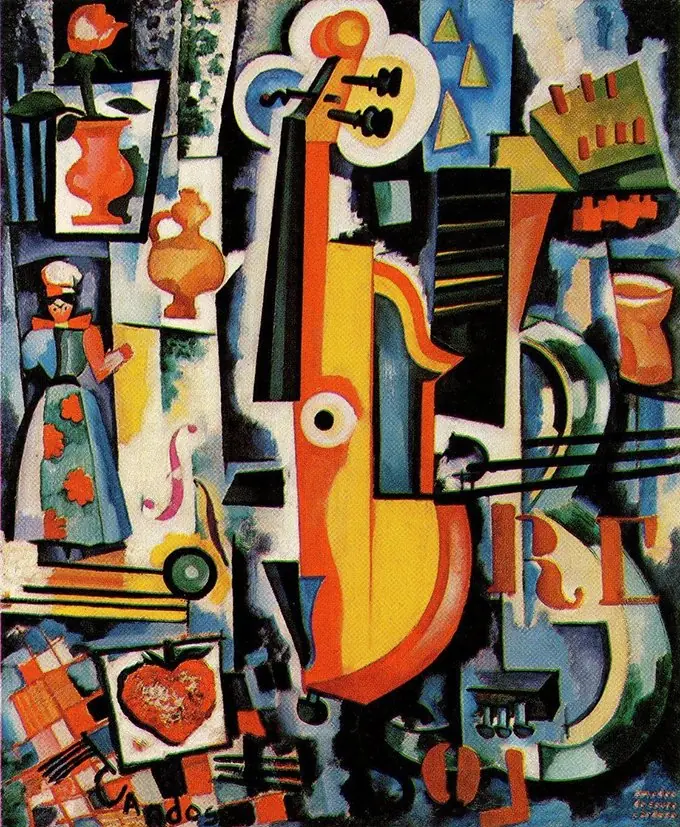 Trou de la serrure PARTO DA VIOLA Bon ménage Fraise avant garde
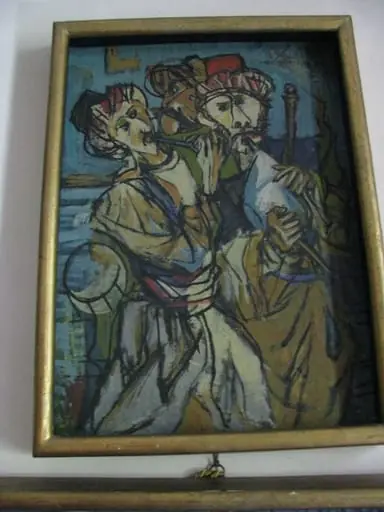 Muzicanți
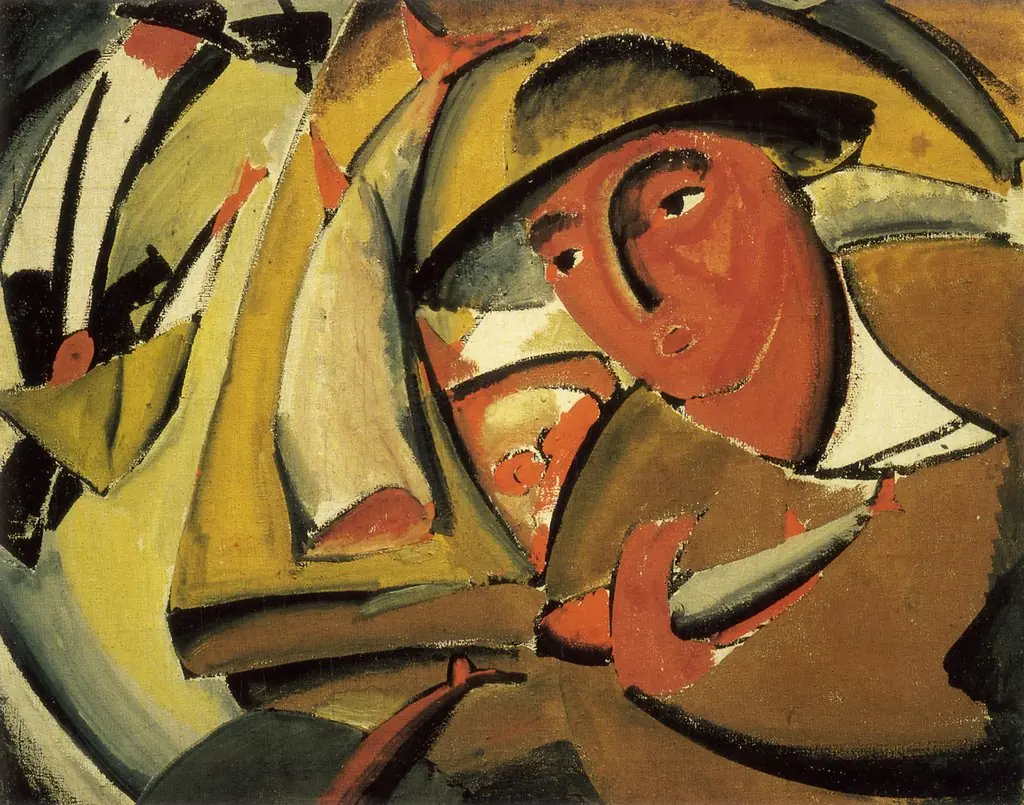 Fishmonger
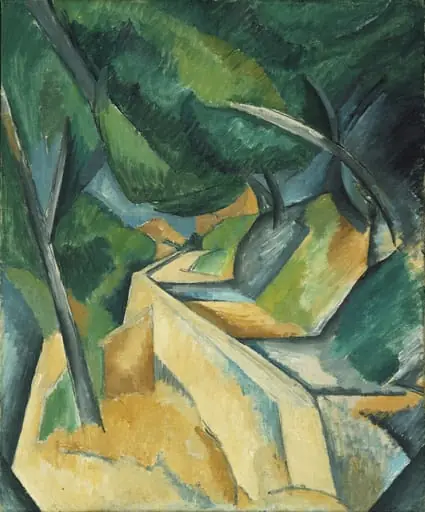 Untitled
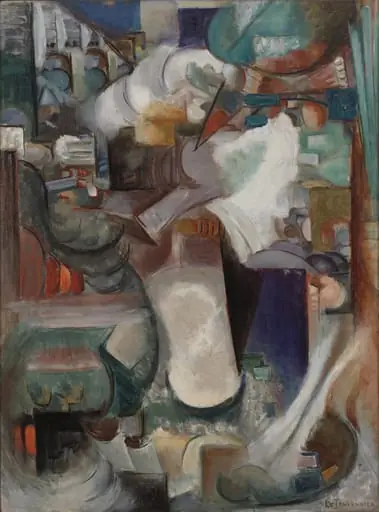 Untitled
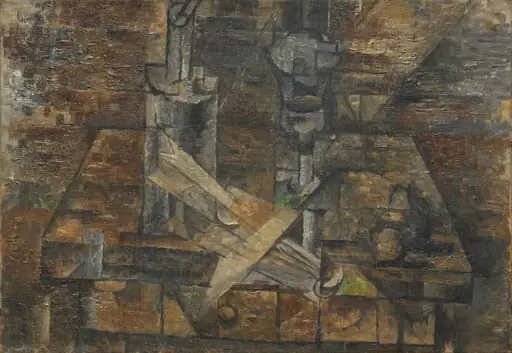 Untitled
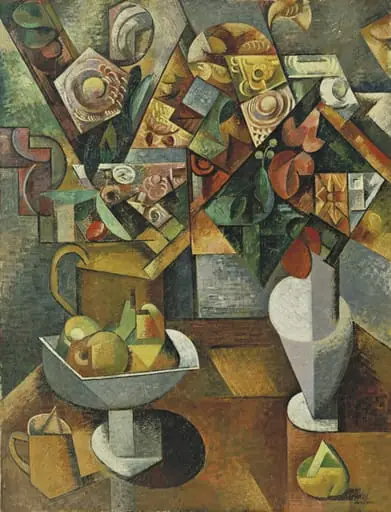 Untitled
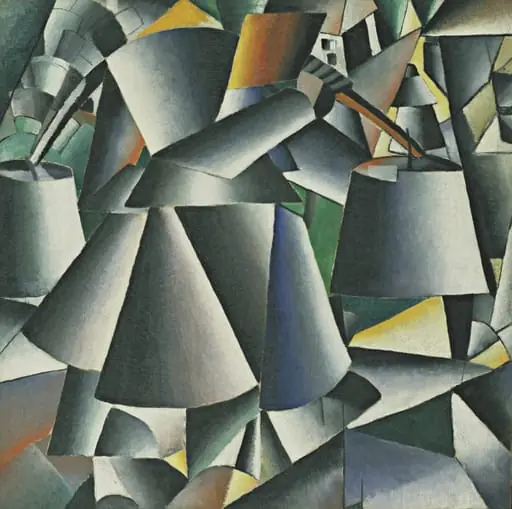 Untitled
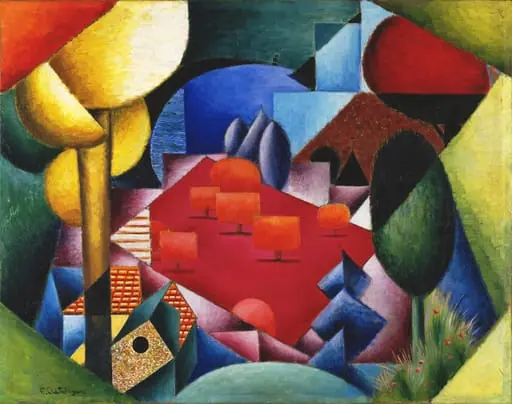 Untitled
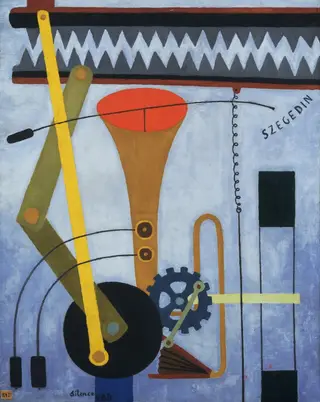 Untitled
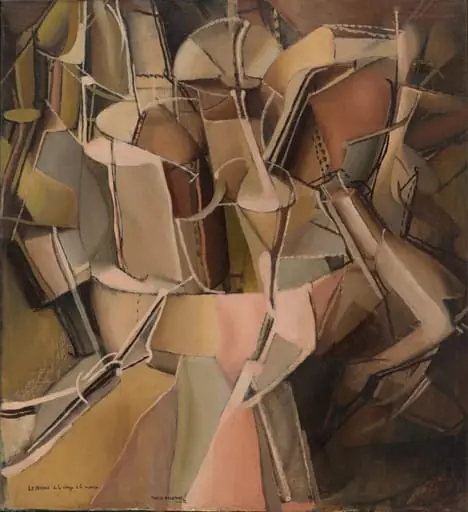 Untitled
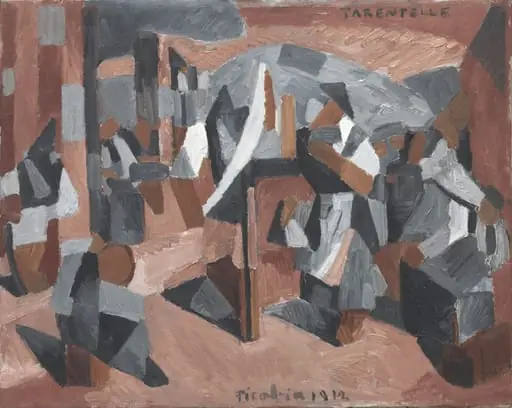 Untitled
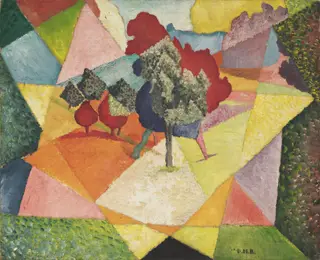 Untitled
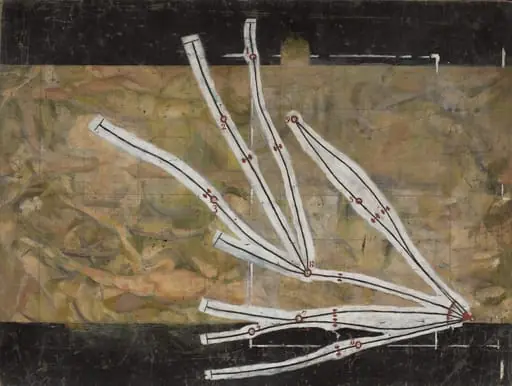 Untitled
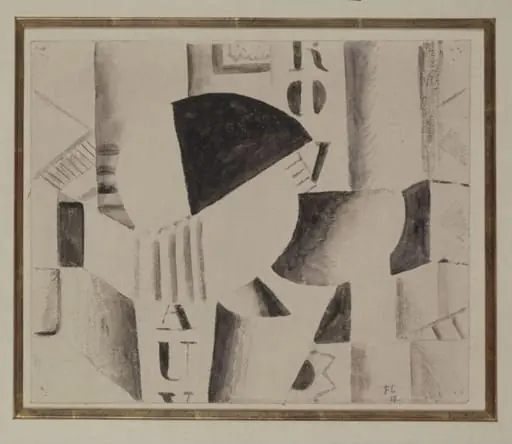 Etude pour le Remorqueur
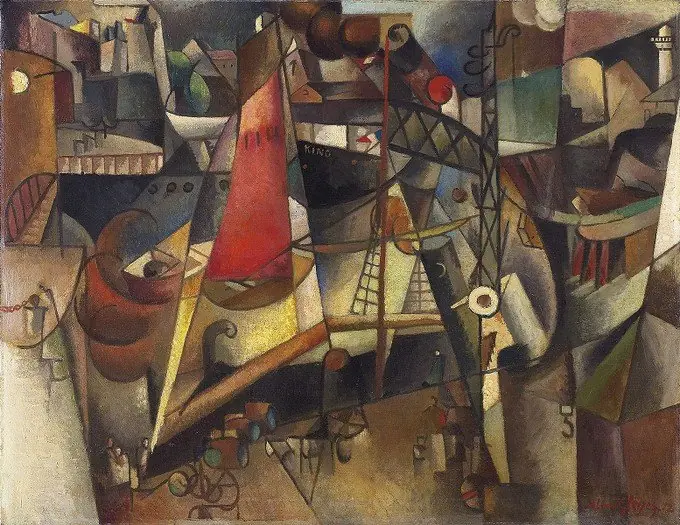 The Port (Marseille)
Frequently asked questions
What is Cubism Analytic?
Cubism Analytic is an art movement. The first, austere phase of Cubism (about 1908-1912), where Picasso and Braque shattered objects into faceted planes in muted browns and grays.
How many Cubism Analytic works does Artifact World Gallery have?
Artifact World Gallery holds 44 public-domain Cubism Analytic works, all free to view and download.
Who are the key Cubism Analytic artists?
Key Cubism Analytic artists in the collection include Juan Gris, Roger de La Fresnaye and Diego Rivera.
When did Cubism Analytic take place?
Cubism Analytic dates from 1900–1920.
Where can I see Cubism Analytic works?
Cubism Analytic works in the collection are held by Museum of Modern Art, Art Institute of Chicago and National Gallery of Art.