Artwork
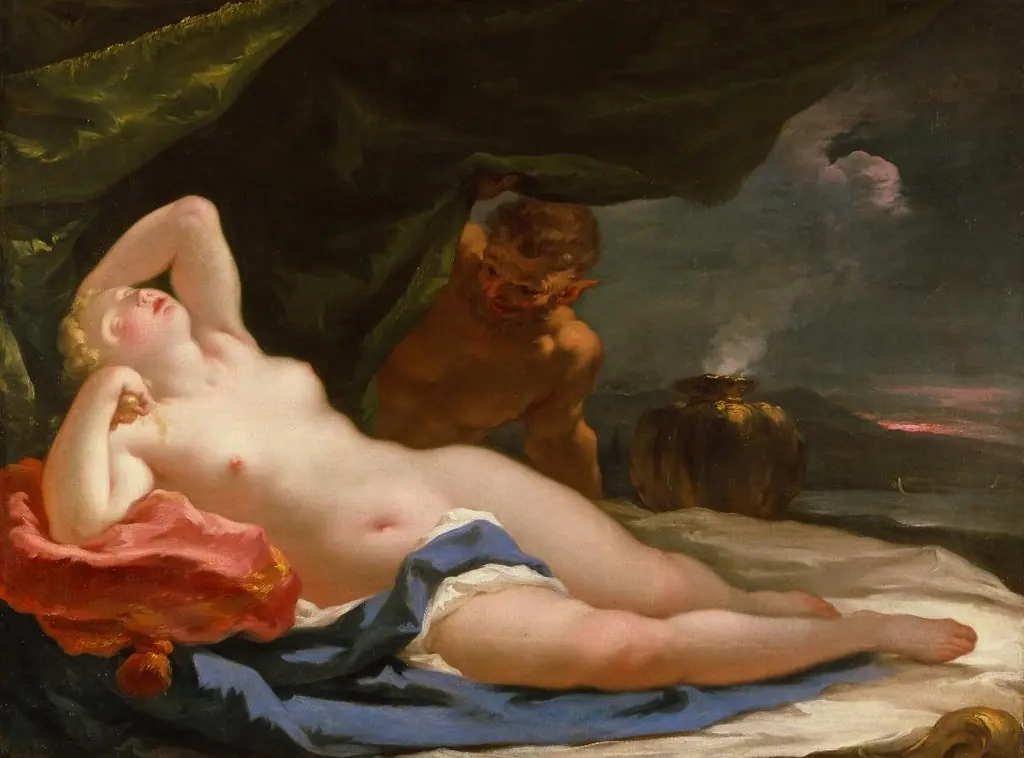
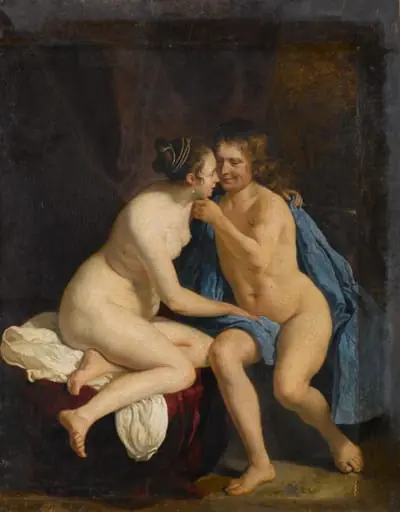
Satyr and Nymph
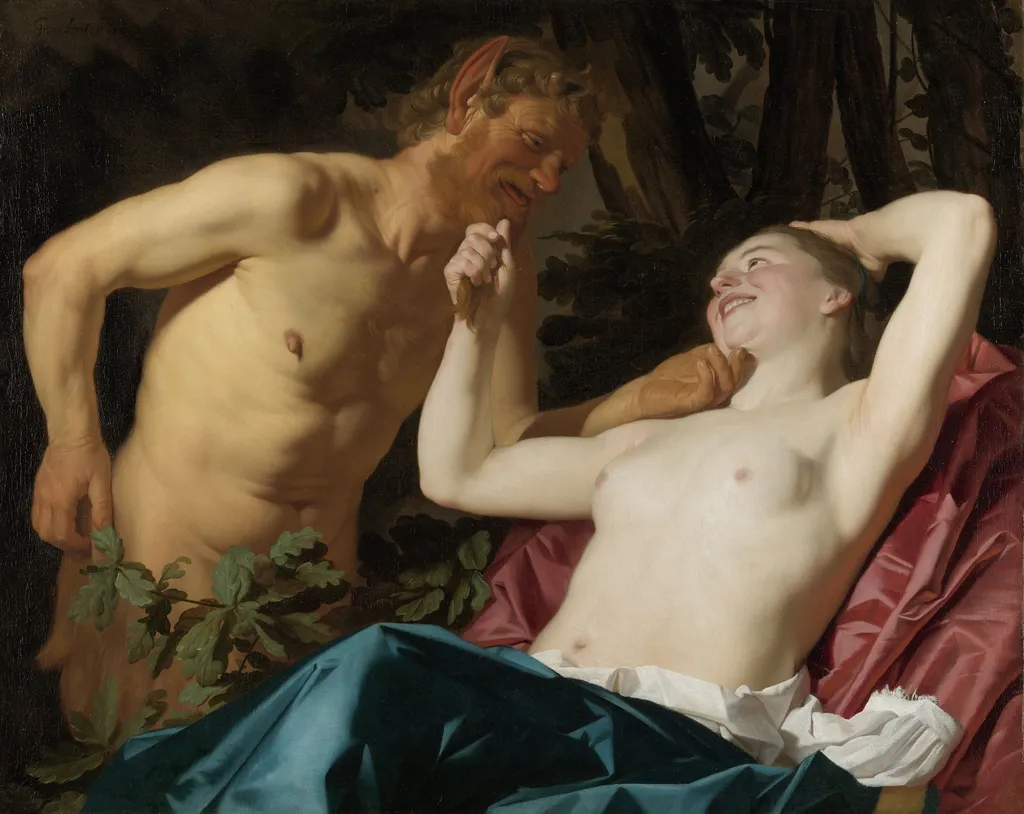
Satyr and Nymph is an oil painting by the Dutch Golden Age artist Gerard van Honthorst. It dates from 1623 and is held in the collection of the Schloss Weißenstein.
About this work
Subject & Meaning
The composition highlights the interaction between these two figures from classical antiquity, with the satyr specifically characterized by a prominent beard.
Gerard van Honthorst's 1623 oil painting depicts a mythological scene featuring a satyr and a nymph. The composition highlights the interaction between these two figures from classical antiquity, with the satyr specifically characterized by a prominent beard. As a work of mythological painting, the piece utilizes these traditional figures to represent themes associated with nature, fertility, and the untamed wild, which were common subjects in Dutch Golden Age art dealing with classical narratives.
Technique & Style
Executed in oil on canvas in 1623, the painting reflects Honthorst’s early Utrecht Caravaggist manner. As a mythological scene of a satyr and a nymph, it belongs to the genre of classical subjects produced by the Utrecht painters who absorbed Caravaggio’s influence during the 1610s and 1620s. No detailed record of the work’s handling or condition is provided in the available sources.
History & Provenance
The painting Satyr and Nymph was created by Gerard van Honthorst in 1623, as indicated by its documented inception date and the artist’s established chronology.
The work was recorded among the holdings associated with Lothar Franz von Schönborn at Schloss Weissenstein. It later passed to the Broere Charitable Foundation, and today it is held by the Rijksmuseum, Amsterdam, where it is inventoried as SK-C-1948.
It entered the museum’s collection in 1948 through the Broere Charitable Foundation. The work has not been recorded as part of any temporary exhibitions in the museum’s public records.
Overview
Satyr and Nymph is a 1623 oil painting by Dutch Golden Age artist Gerard van Honthorst, characterized by its use of chiaroscuro and depiction of a mythological scene in a forest setting.
Context
Painted after van Honthorst's return to the Netherlands, Satyr and Nymph blends Italianate lighting techniques with Dutch Golden Age sensibilities, marking a transitional phase in his career before he focused on portraiture.
Legacy
While not as widely recognized as some of van Honthorst's other works, Satyr and Nymph remains a notable example of the Caravaggisti style's impact on Dutch painting, highlighting the artist's mastery of light and shadow.
Own this work as a print
Artist & collection
Artist
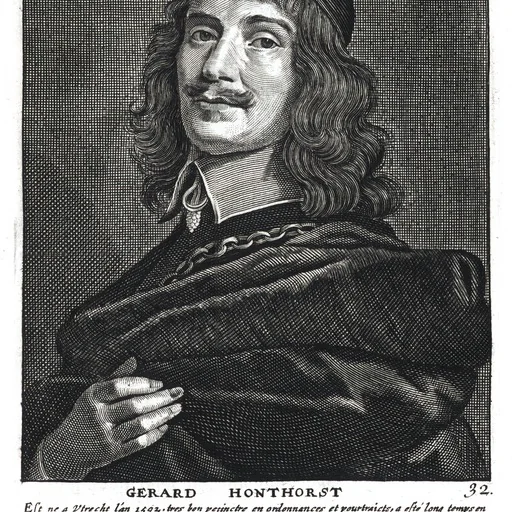
Gerard "Gerrit" van Honthorst (4 November 1592 – 27 April 1656) was a Dutch Golden Age painter who became known for his depiction of artificially lit scenes, eventually receiving the Italian nickname Gherardo delle Notti ("Gerard of the…

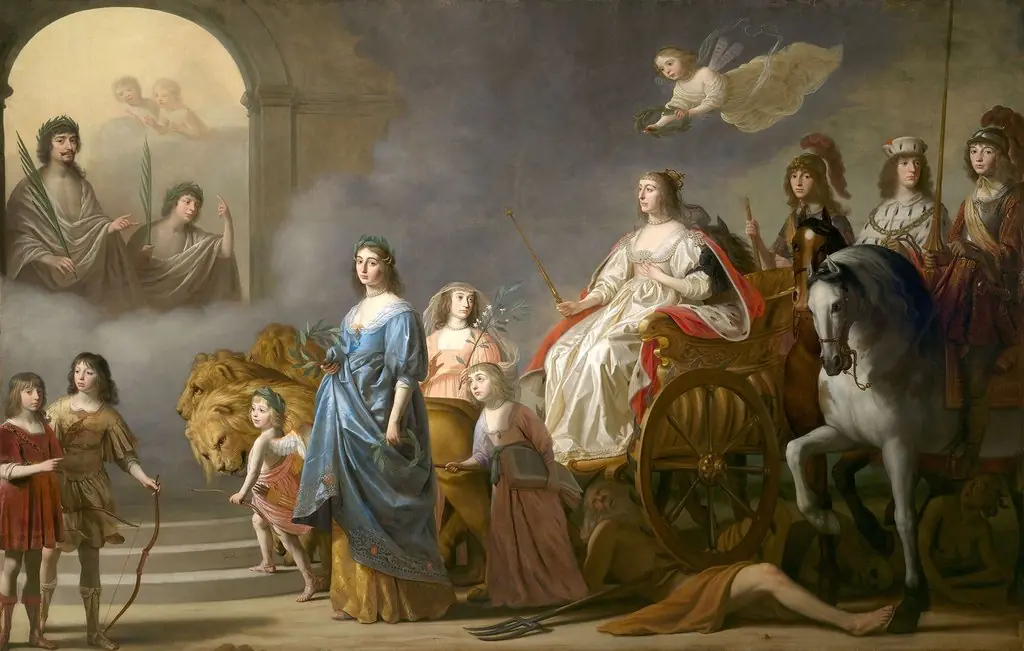 The Triumph of the Winter Queen: Allegory of the Just
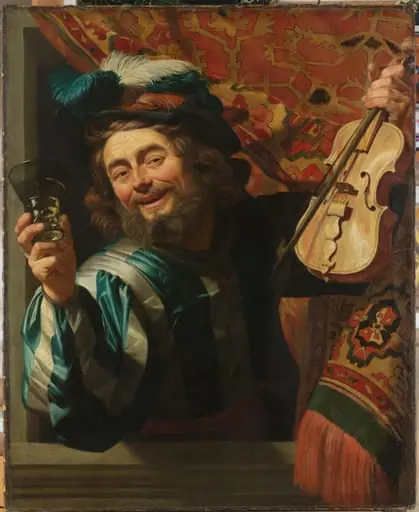 Een vrolijke vioolspeler
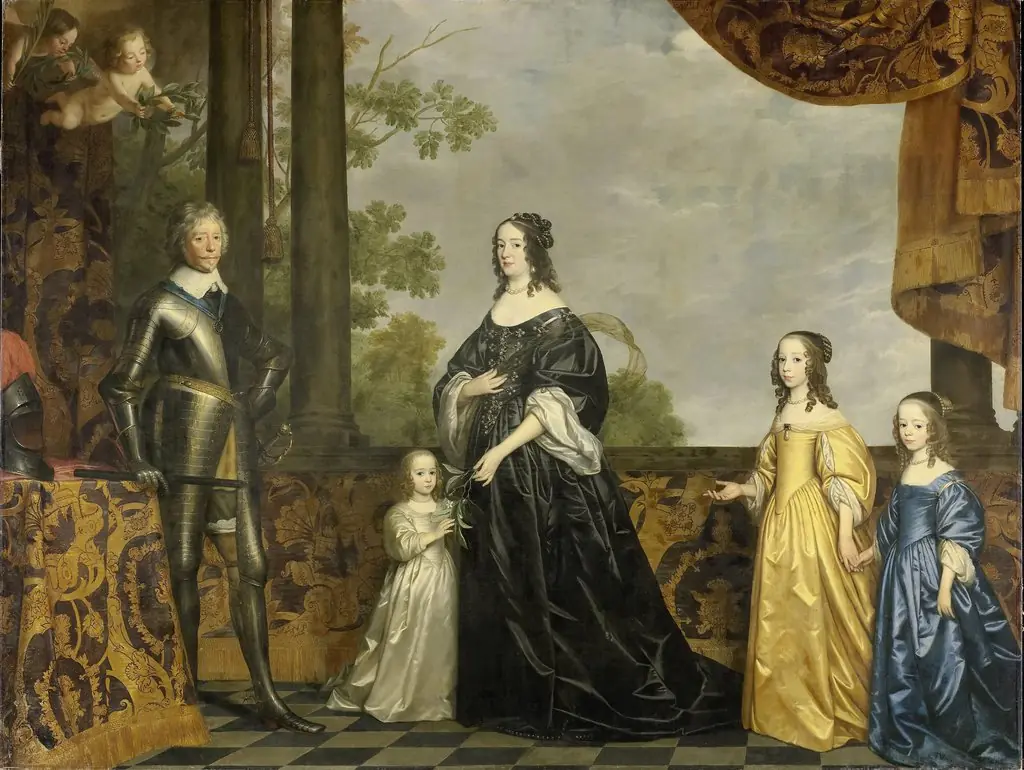 Frederik Hendrik (1584-1647), Prince of Orange, his wife Amalia van Solms (1602-75) and their three youngest daughters, Albertina Agnes (1634-96), Henrietta Catharina (1637-1708) and Maria (1642-88)
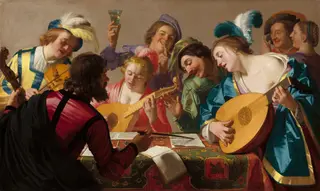 The Concert
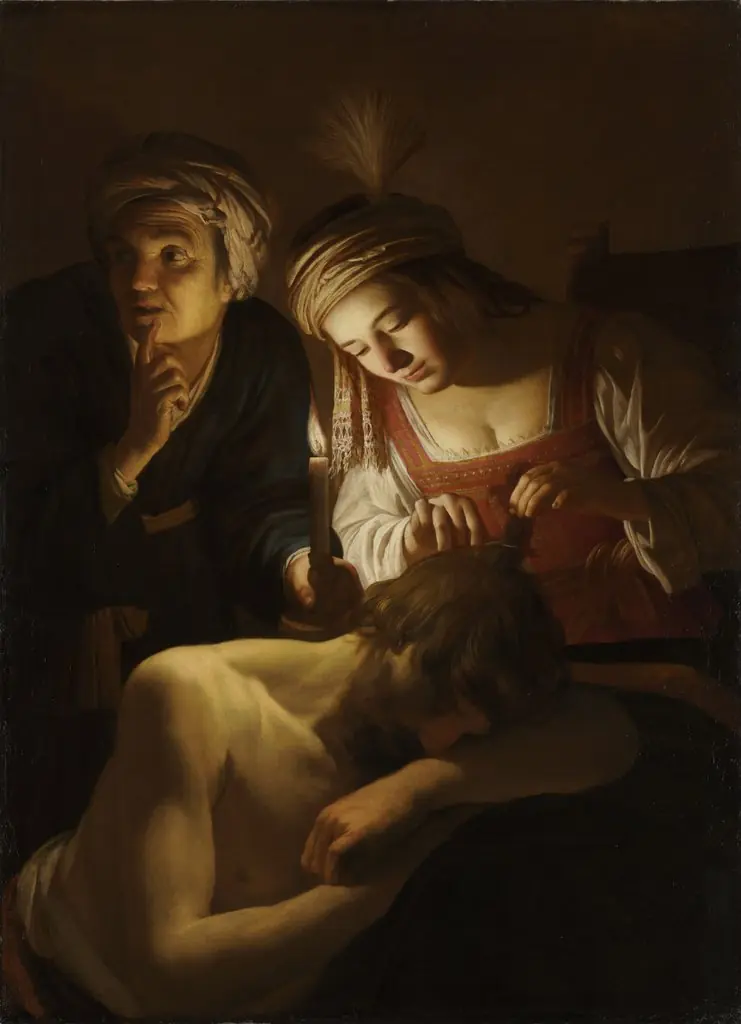 Samson and Delilah
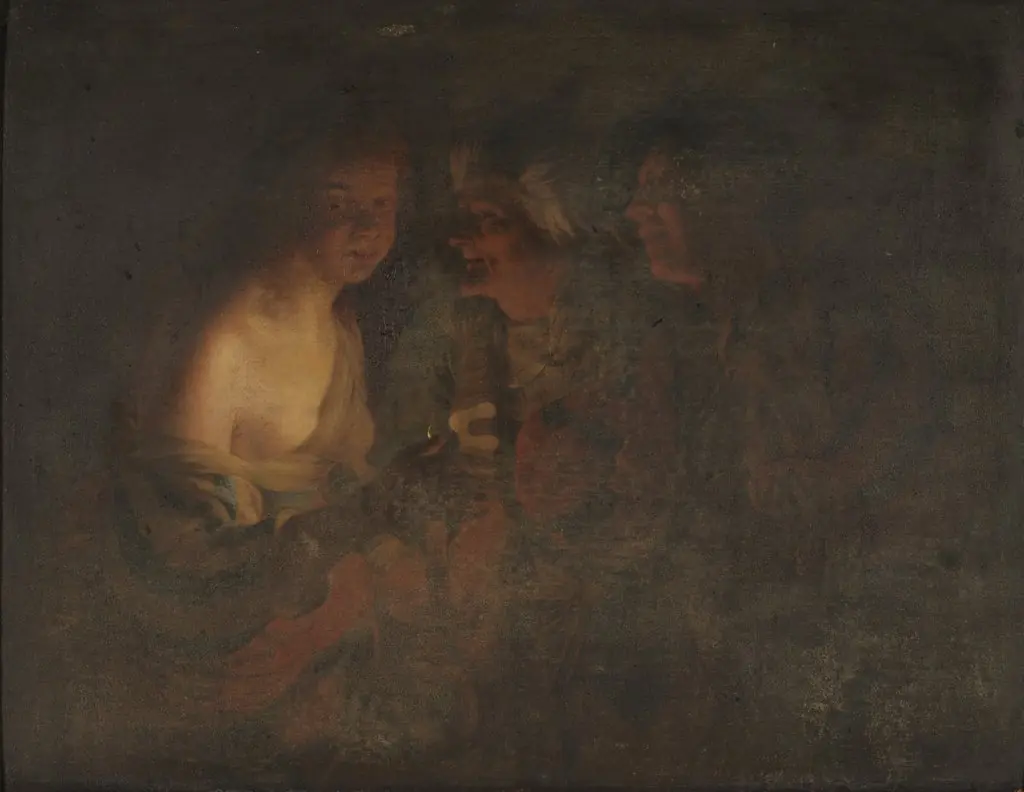 Young Woman with a Candlestick, Old Woman and a Violin Player
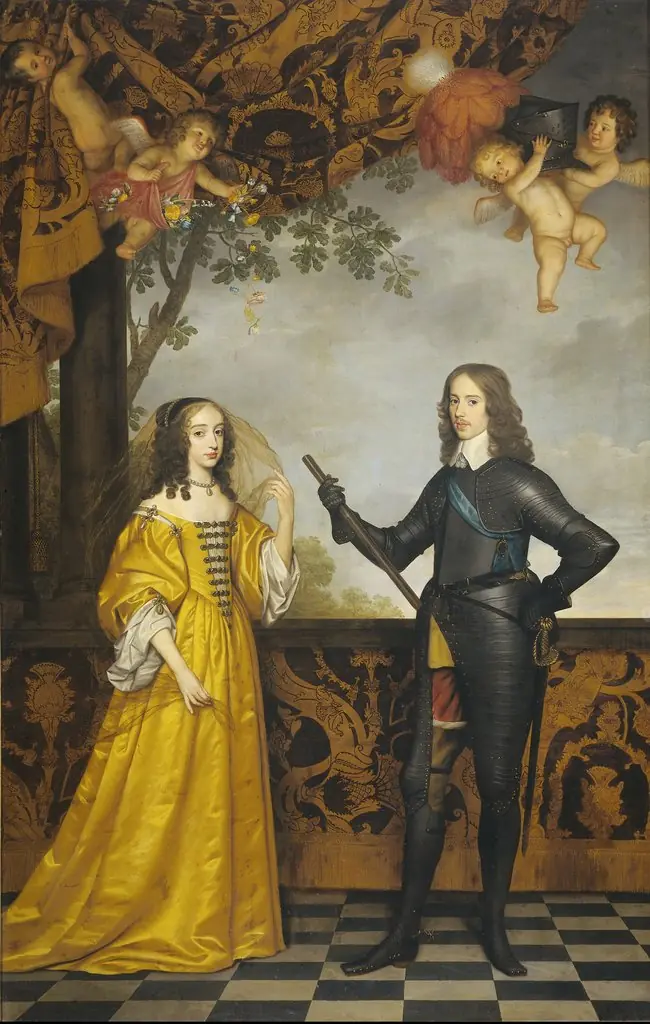 Willem II (1626-50), Prince of Orange, and his wife Maria Stuart (1631-60)
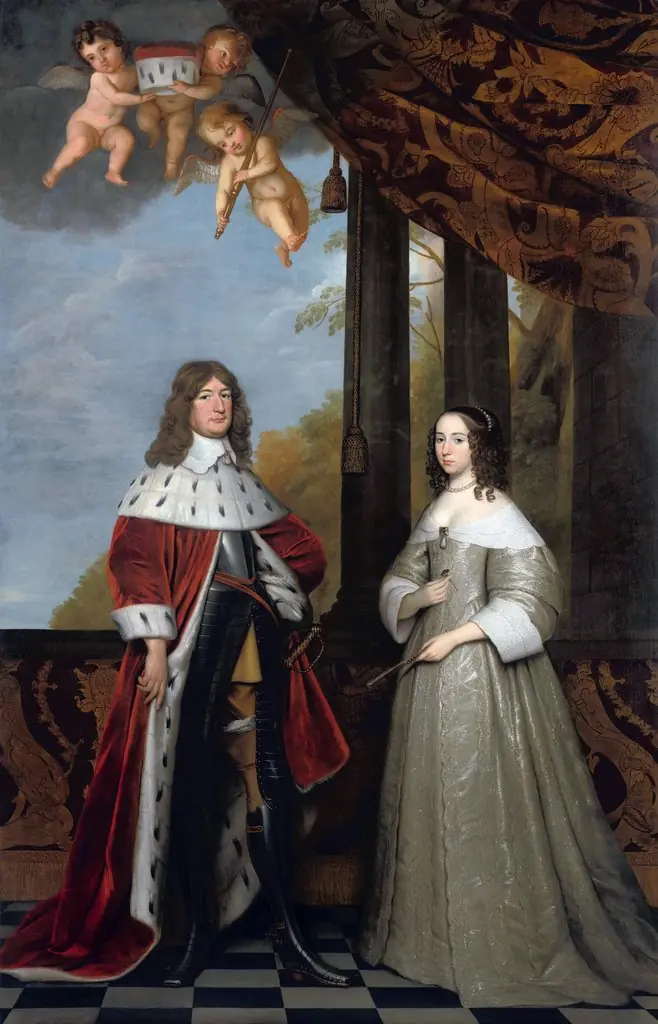 Friedrich Wilhelm (1620-88), Elector of Brandenburg, and his wife Louise Henriette (1627-67), Countess of Orange-Nassau