Subject
Canal
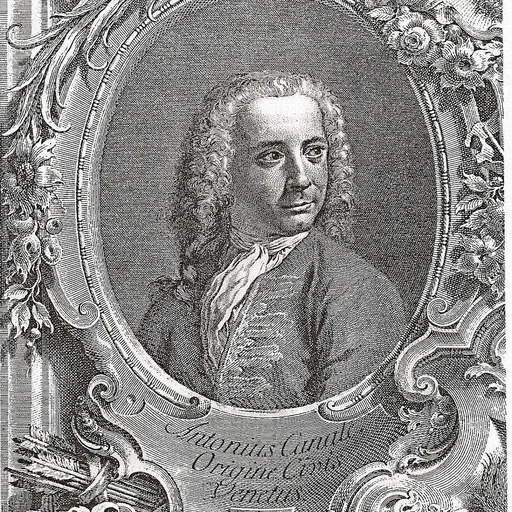
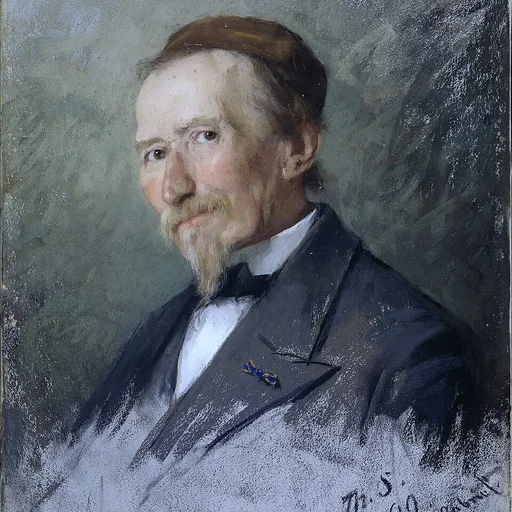
Canal is a subject in art. The gallery holds 60 works in this subject in art, including works by Alfred Sisley, Joseph Mallord William Turner and Canaletto.
Canals or artificial waterways are waterways or engineered channels built for drainage management (e.g. flood control and irrigation) or for conveyancing water transport vehicles (e.g. water taxi). They carry free, calm surface flow under atmospheric pressure, and can be thought of as artificial rivers.
Key artists
Overview
A canal is an artificial waterway, an engineered channel constructed for drainage management, flood control, irrigation, or the conveyance of water transport vehicles. Carrying free, calm surface flow under atmospheric pressure, canals function as artificial rivers and have served as critical infrastructure for commerce, urban development, and agricultural expansion across civilizations. In art, the canal emerges as a recurring subject that bridges natural landscape and human engineering, offering artists a motif that combines water's reflective and atmospheric qualities with the geometry of built environments. The subject appears in 63 works in the collection, ranging from European city views to Chinese scroll paintings, reflecting both the global prevalence of canal systems and their particular significance in regions where water transport shaped urban form and daily life.
Notable depictions
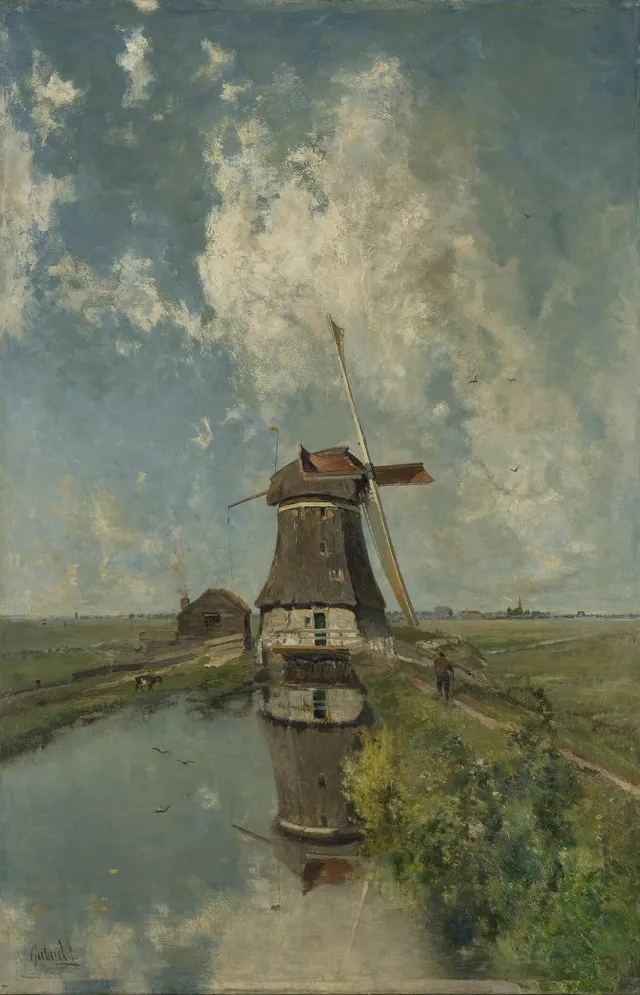
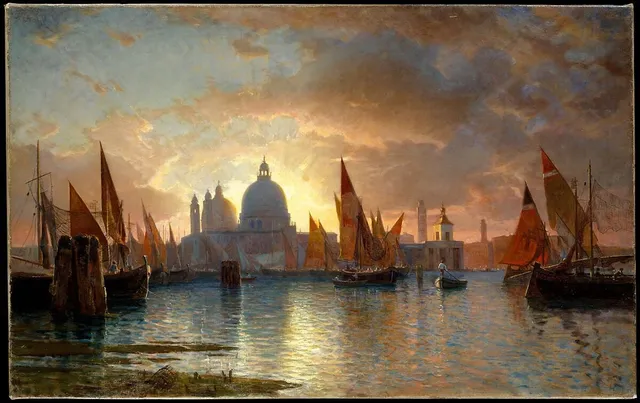
Among the collection's notable depictions, the Venetian scenes stand out for their sustained artistic attention. Works such as Venice: The Dogana and San Giorgio Maggiore and Santa Maria della Salute, Sunset represent the long tradition of vedute painting that made canal views a staple of European visual culture. A Windmill on a Polder Waterway, Known as 'In the Month of July' exemplifies the Dutch engagement with canal landscapes as expressions of national identity and technological adaptation. The Chinese works hold particular historical importance: the anonymous Map of the Grand Canal from Beijing to the Yangzi River and Xu Yang's The Qianlong Emperor's Southern Inspection Tour, Scroll Six: Entering Suzhou along the Grand Canal document the world's longest extant canal, which at 1,794 kilometres from Beijing to Hangzhou remains in heavy use. These works serve as both artistic achievements and historical records of imperial infrastructure. The Departure of the Gondola captures a specific Venetian ritual and mode of transport, while A Canal in Venice and The canal at 's-Graveland offer more intimate, everyday perspectives on canal life. View of The Hague from the Delftse Vaart in the 17th Century anchors the subject in a specific moment of Dutch urban and artistic development.
Legacy
The canal as an artistic subject retains significance even as the historical importance of canals for transport has declined. The replacement of canal shipping by railways beginning in the 1840s, and later by road transport, reduced the economic centrality of inland waterways, yet their visual and cultural afterlife persisted. In art, canals continue to signify particular urban identities, Venice and Amsterdam foremost among them, where the waterway remains integral to civic self-image. The collection's inclusion of both European and Chinese examples suggests the motif's cross-cultural persistence, even as the specific meanings attached to canals diverge between traditions. The Grand Canal in China, still in heavy use especially south of the Yellow River, maintains a living connection to the historical works that depicted it. For art historians, canal depictions offer valuable evidence of changing water levels, architectural forms, and vessel types over time. The aesthetic treatment of canals has influenced later photographic and cinematic approaches to urban waterways, while contemporary interest in sustainable transport and flood management has renewed attention to these engineered landscapes. The canal's afterlife in art thus extends beyond nostalgia, encompassing ongoing questions about human relationships with water, infrastructure, and urban form.
Works
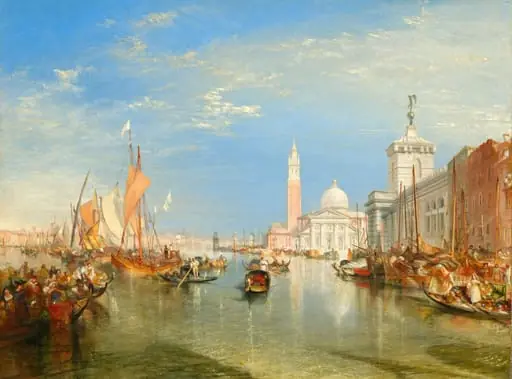 Venice: The Dogana and San Giorgio Maggiore
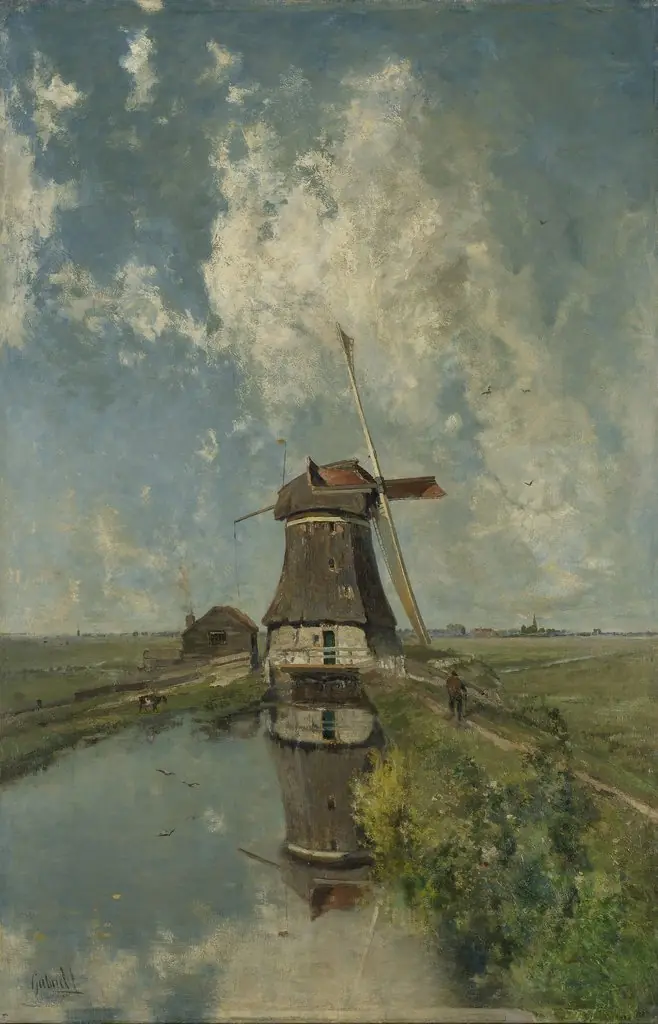 A Windmill on a Polder Waterway, Known as ‘In the Month of July’
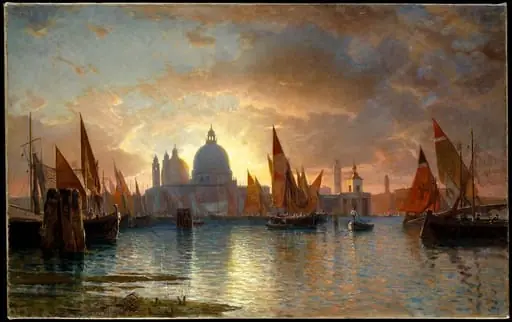 Santa Maria della Salute, Sunset
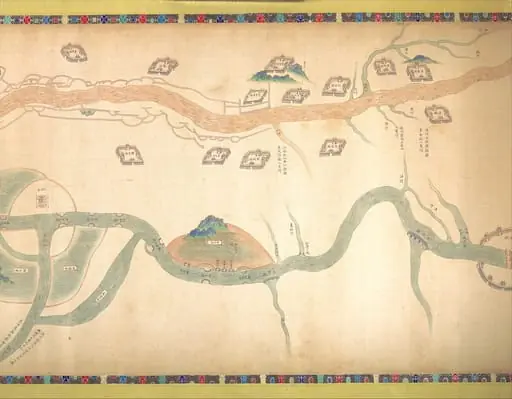 清 佚名 大運河地圖 (從北京至長江) 卷|Map of the Grand Canal from Beijing to the Yangzi River
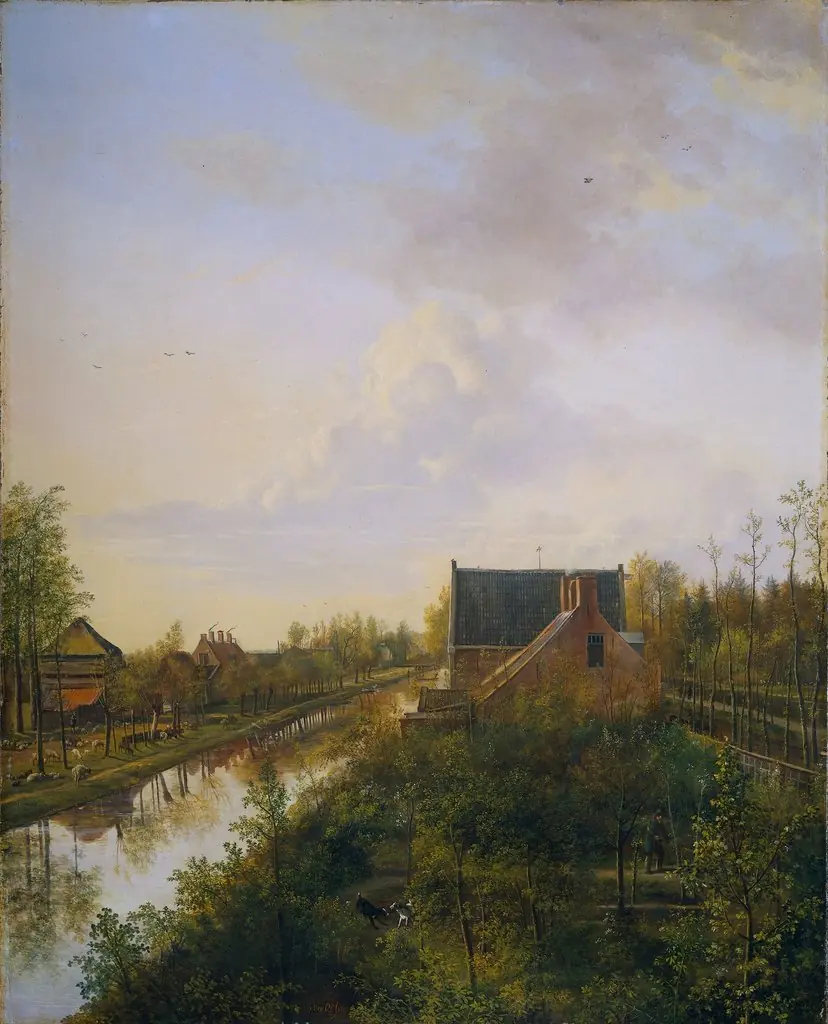 The canal at 's-Graveland
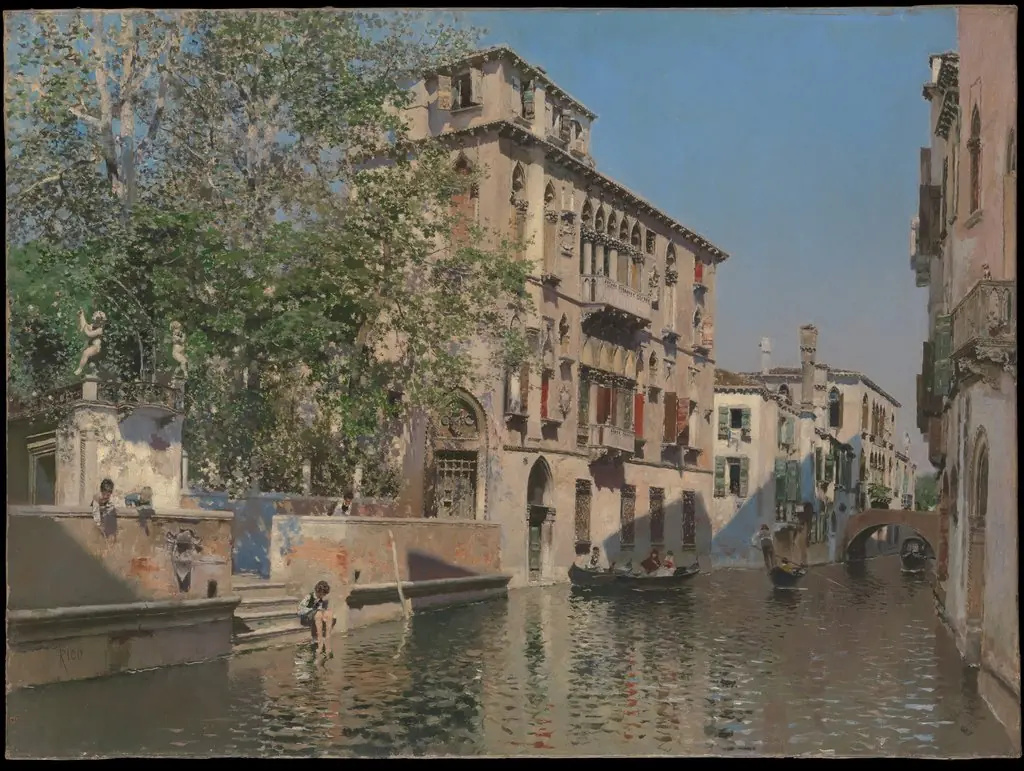 A Canal in Venice
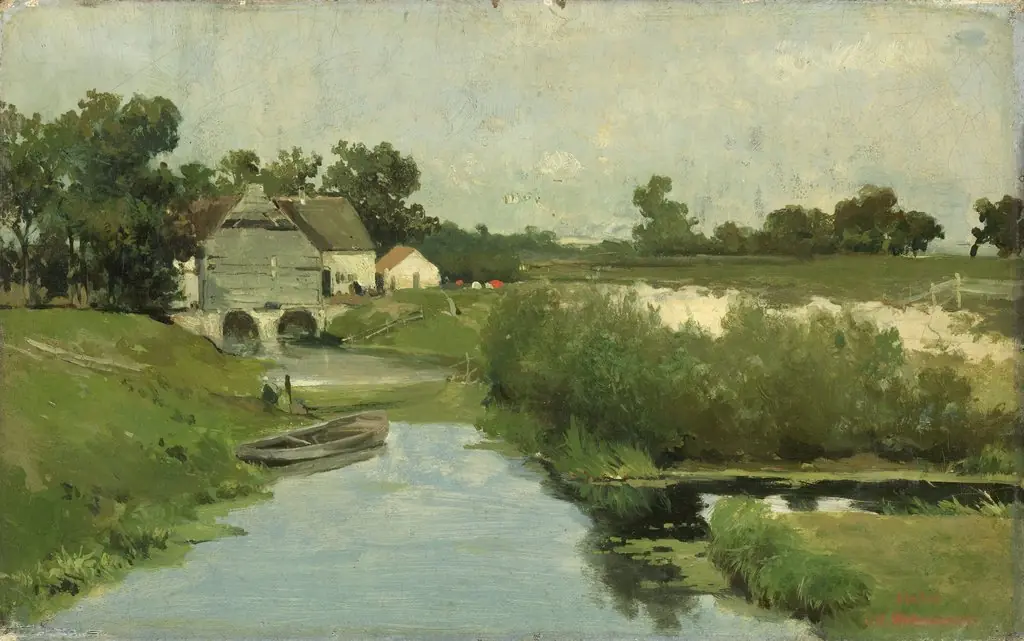 Summer Day
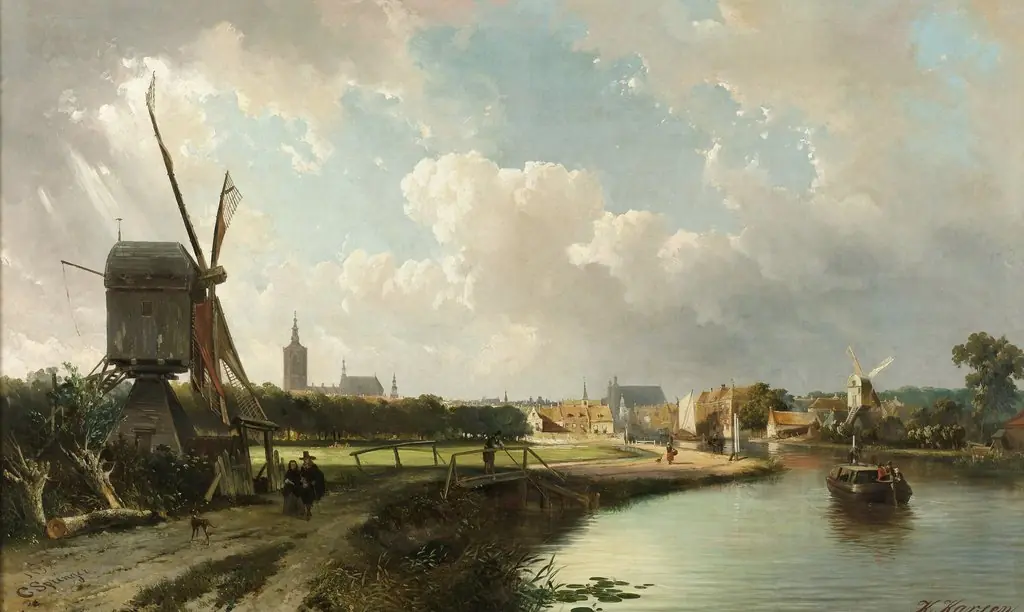 View of The Hague from the Delftse Vaart in the 17th Century
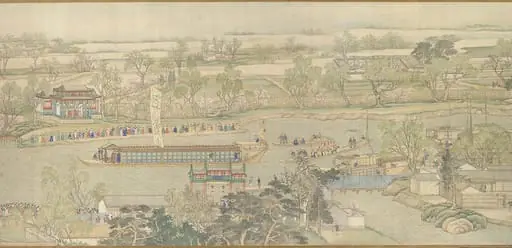 清 徐揚 等 乾隆南巡圖 (第六卷﹕大運河至蘇州) 卷|The Qianlong Emperor's Southern Inspection Tour, Scroll Six: Entering Suzhou along the Grand Canal
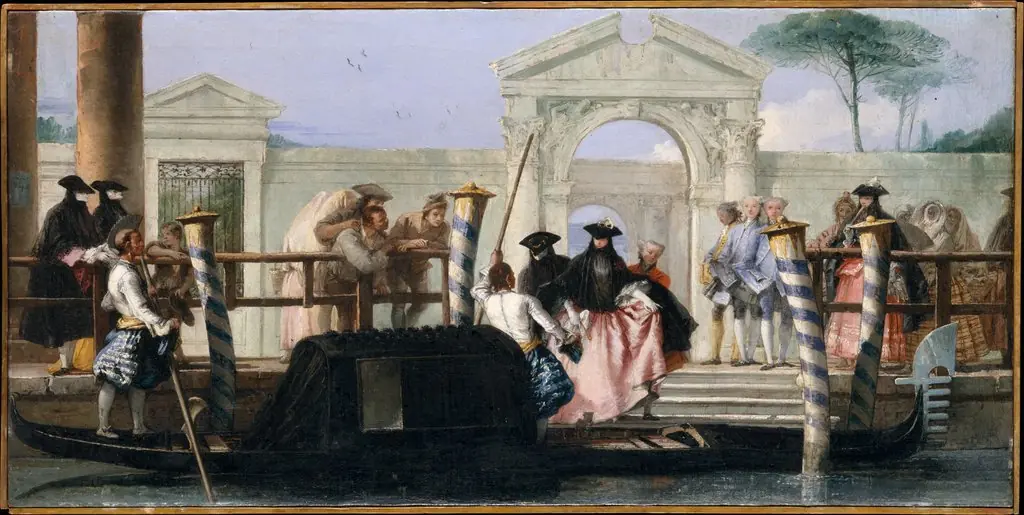 The Departure of the Gondola
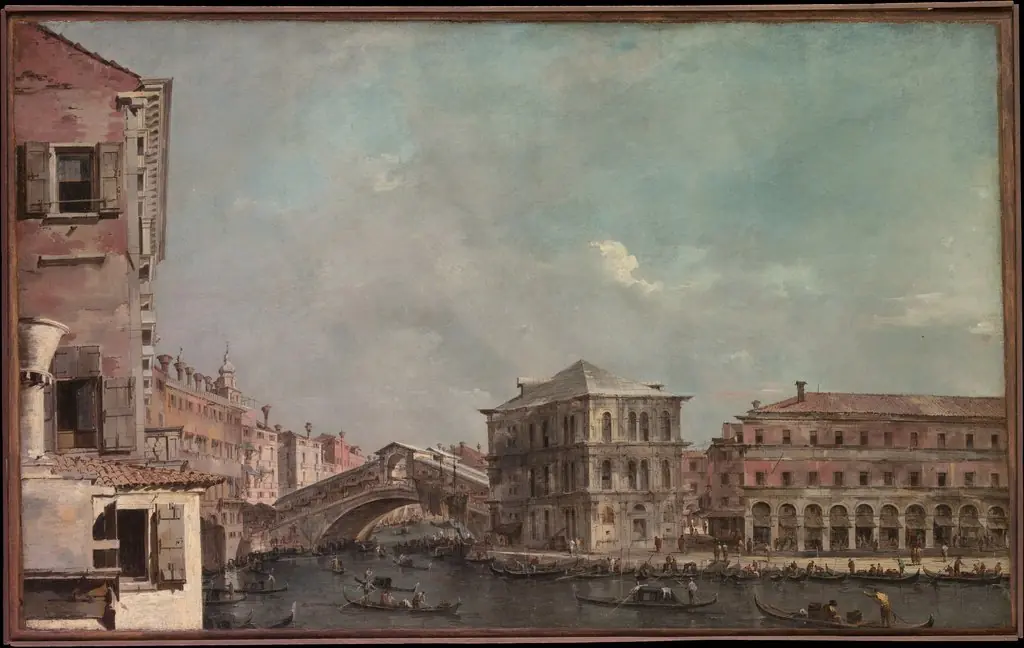 The Grand Canal above the Rialto
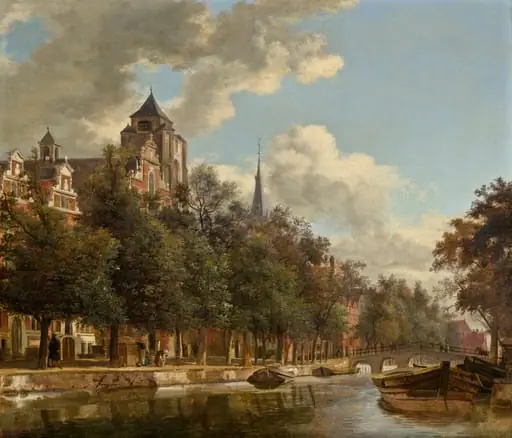 View Down a Dutch Canal
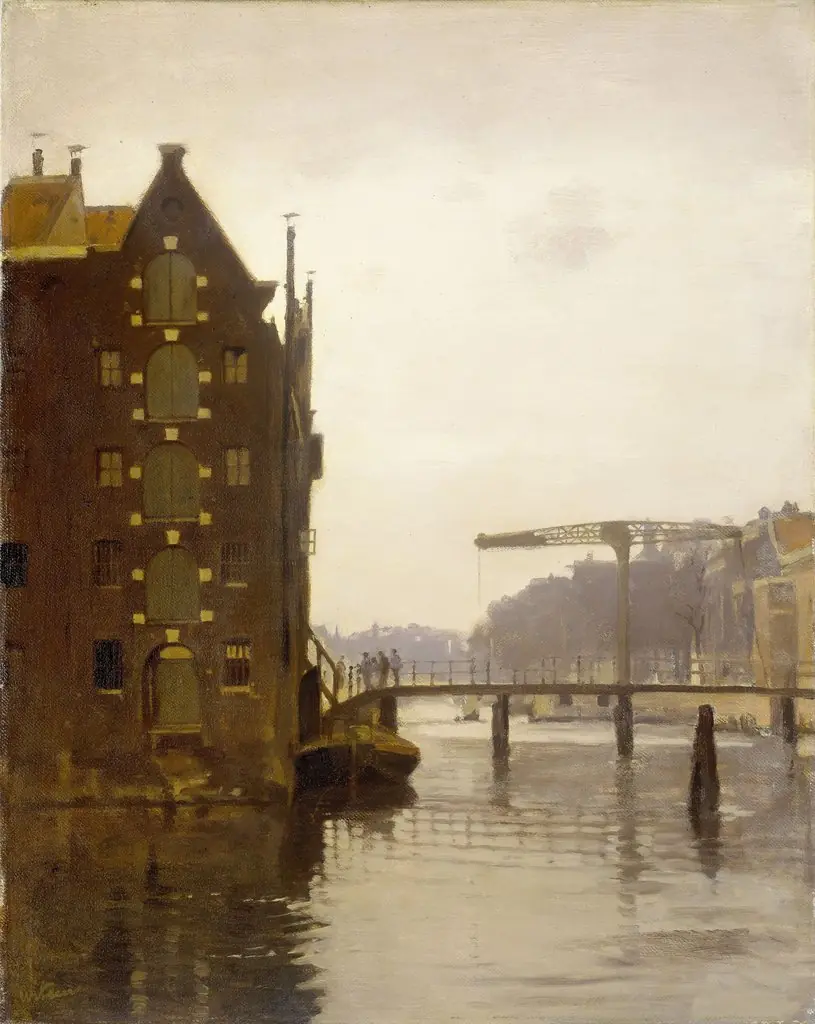 Pakhuizen aan een Amsterdamse gracht op Uilenburg
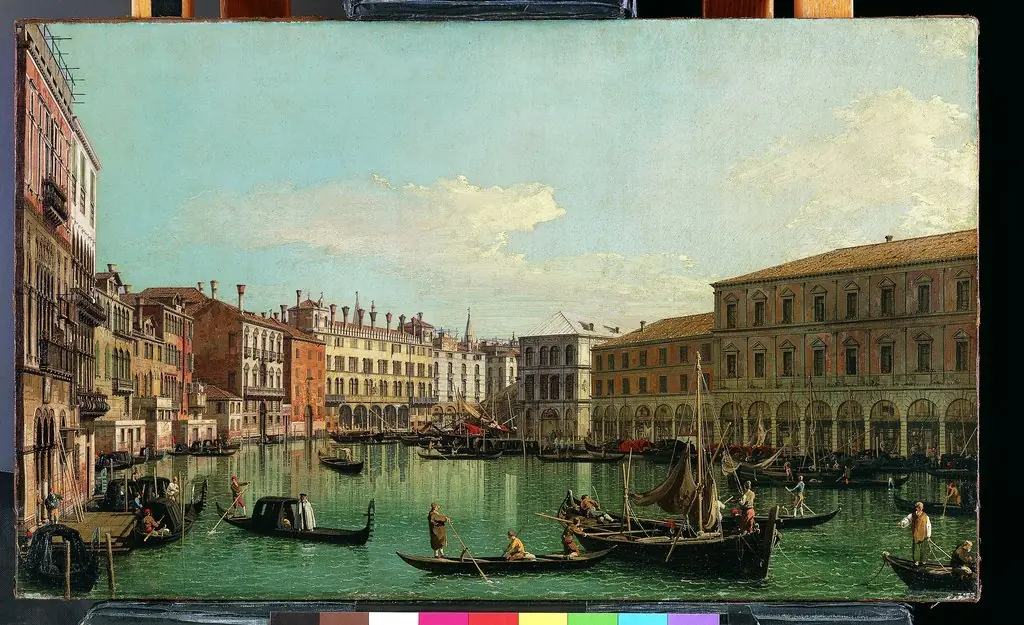 The Grand Canal, Venice, Looking South toward the Rialto Bridge
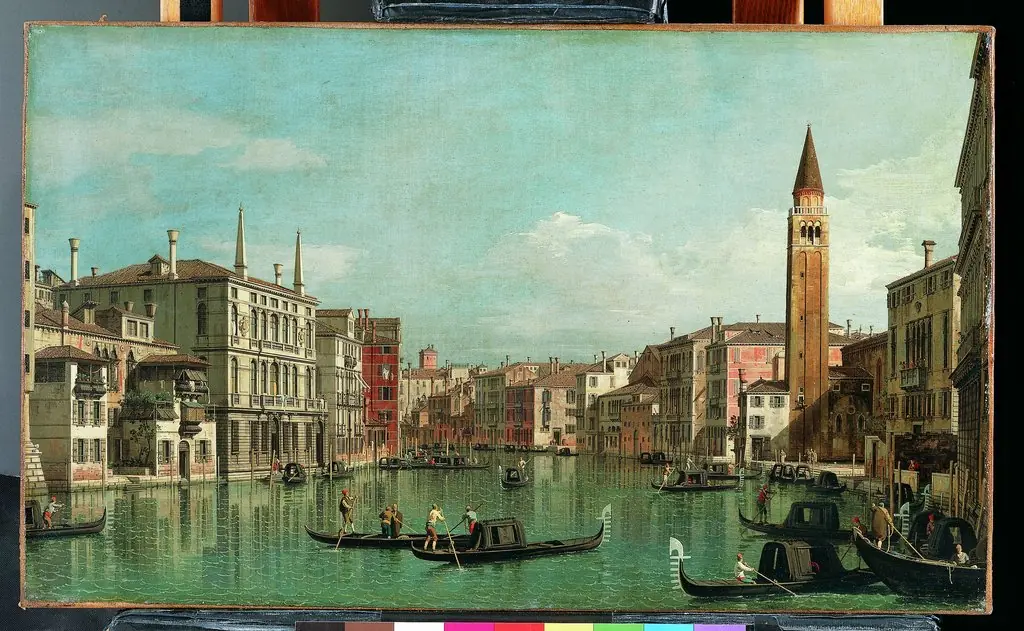 The Grand Canal, Venice, Looking Southeast, with the Campo della Carità to the Right
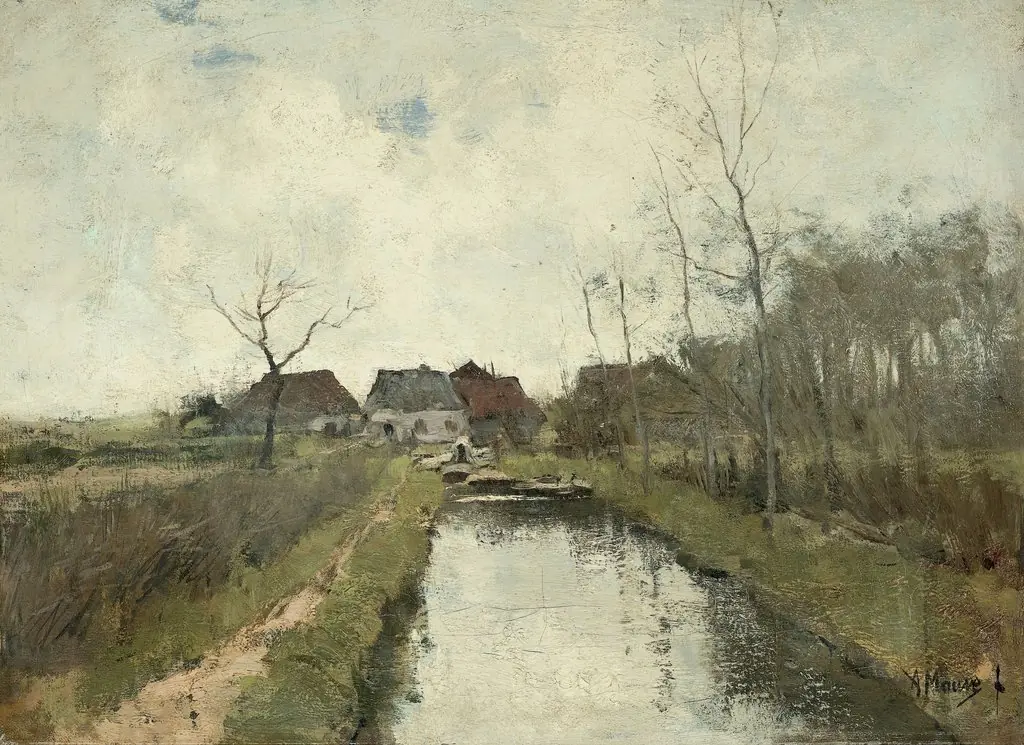 Cottages by a ditch
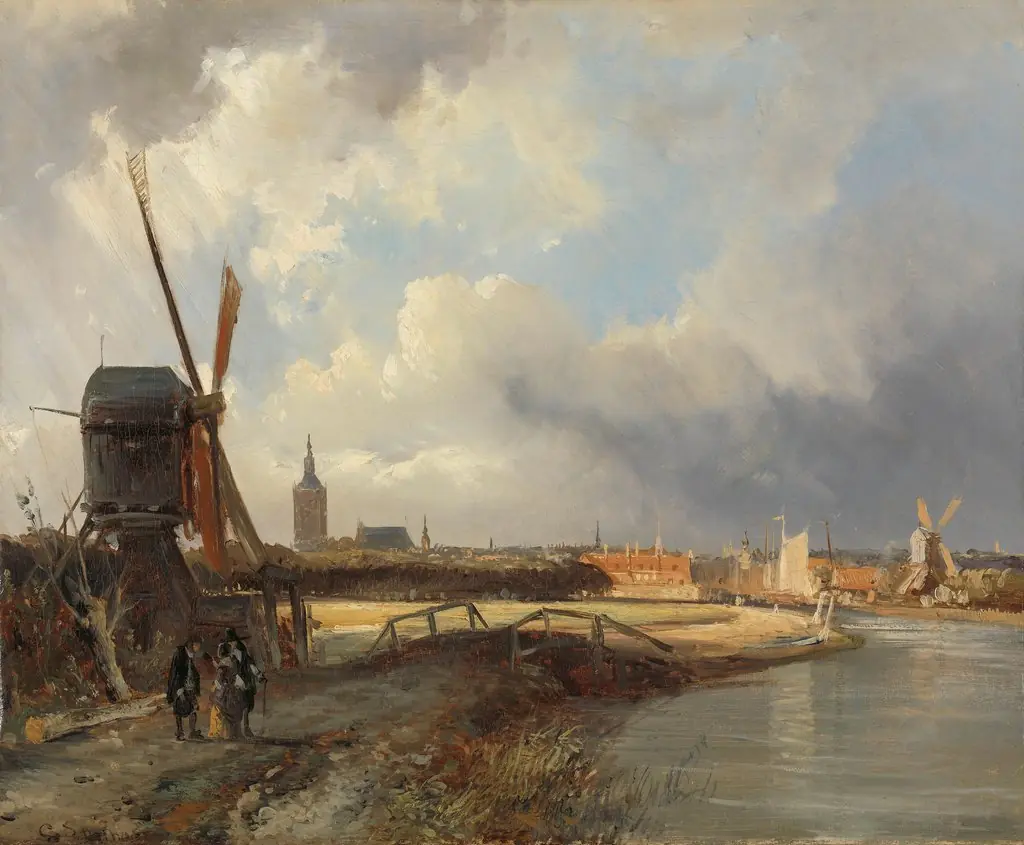 View of The Hague
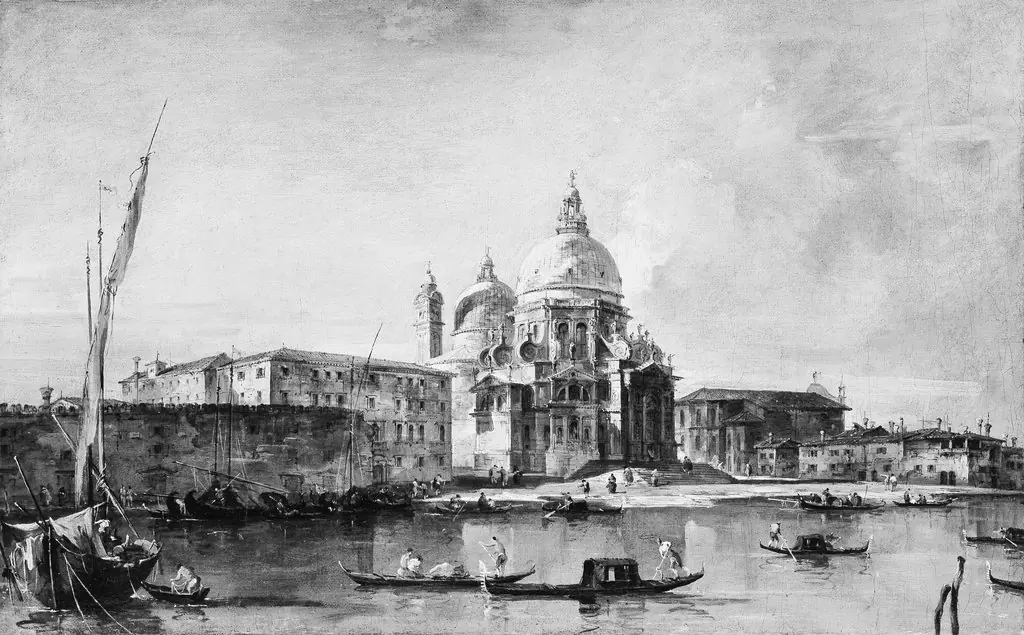 Santa Maria della Salute
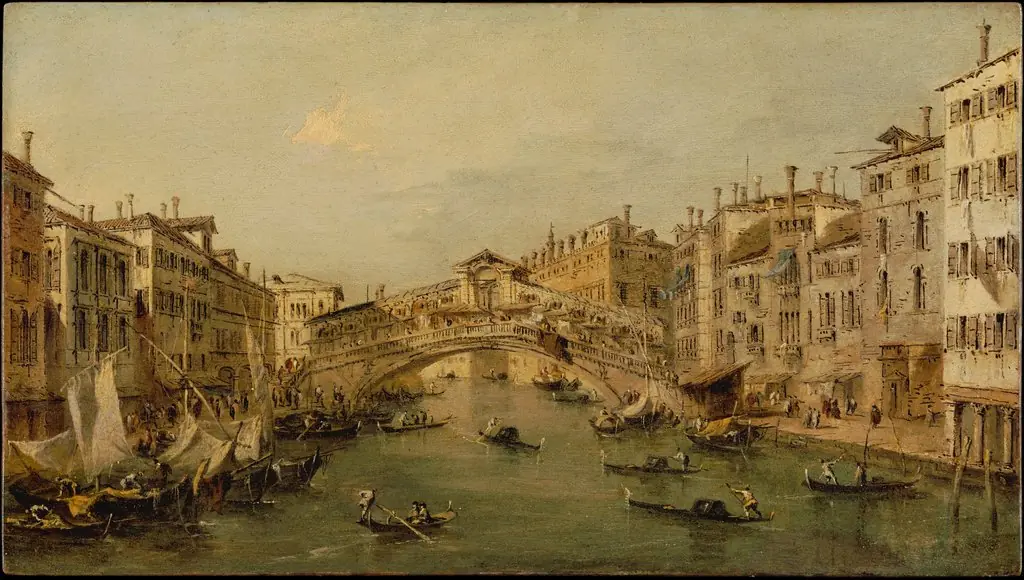 Venice: The Rialto
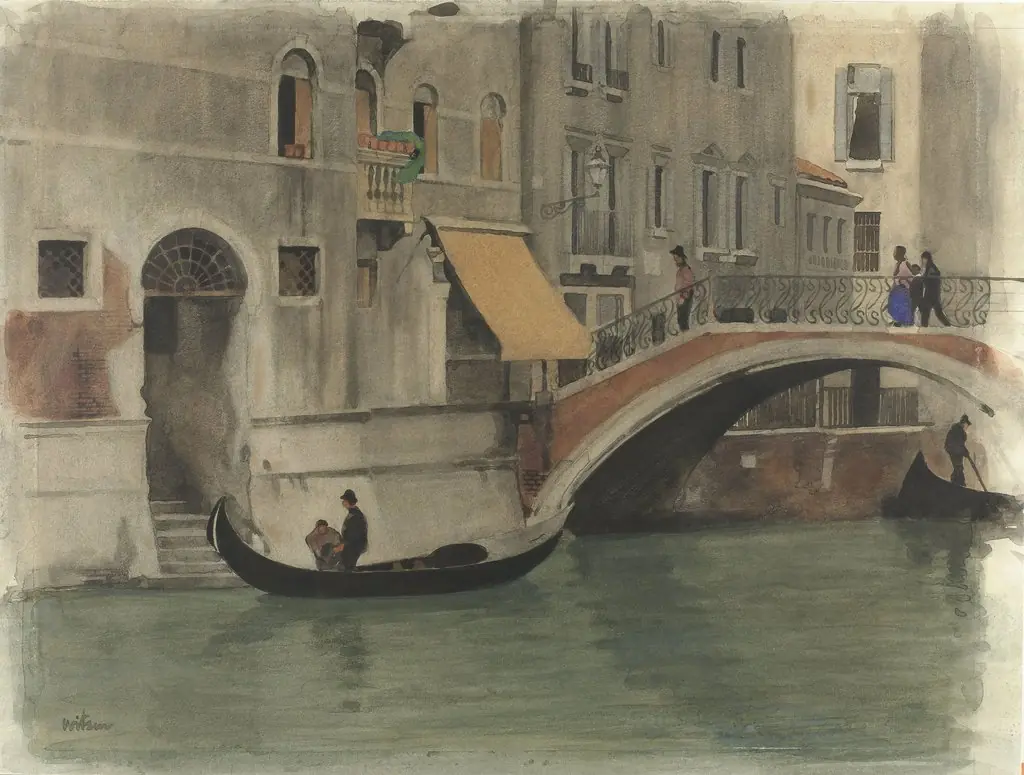 Bridge over a canal in Venice
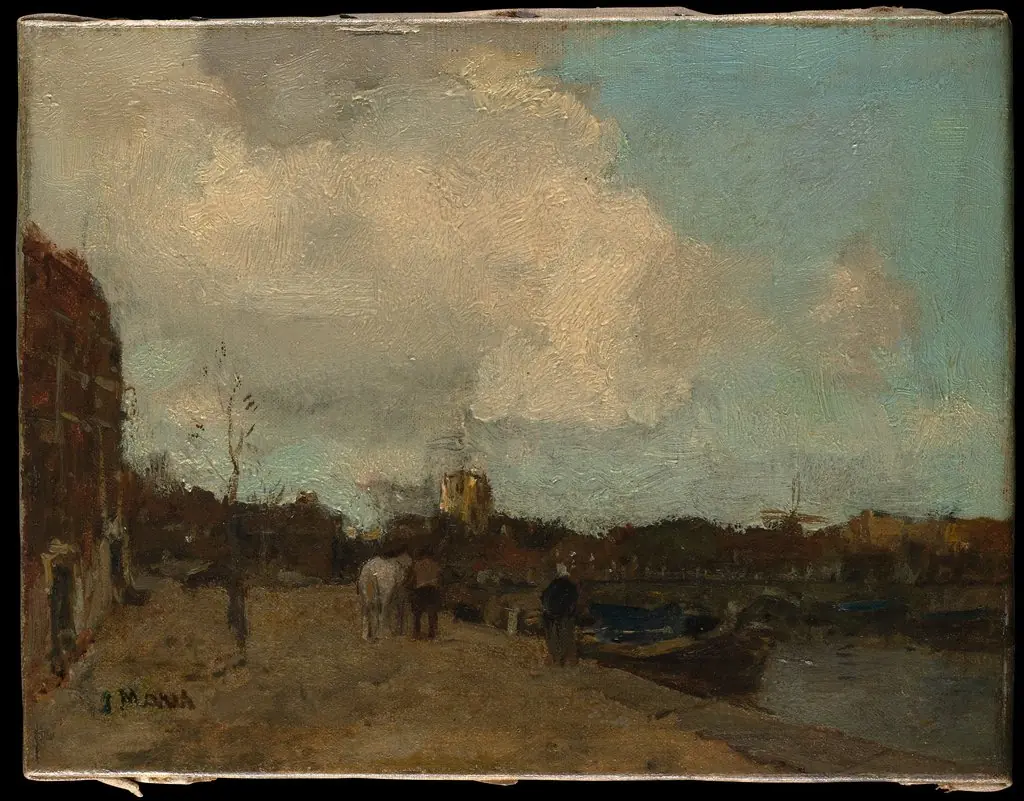 Canal Side
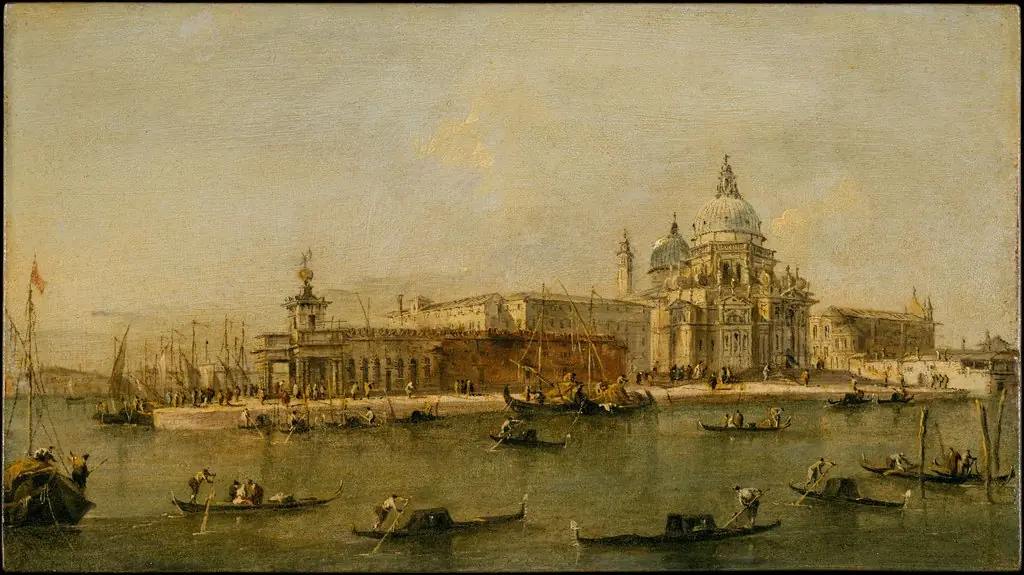 Venice: The Dogana and Santa Maria della Salute
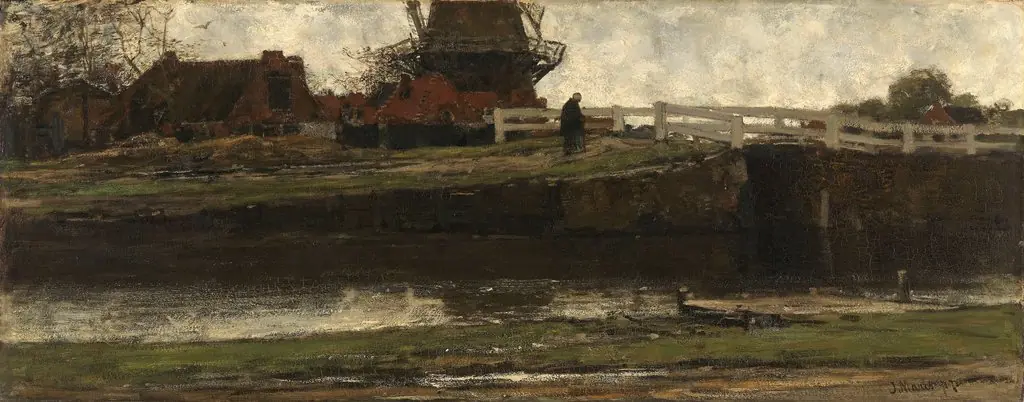 The Truncated Windmill
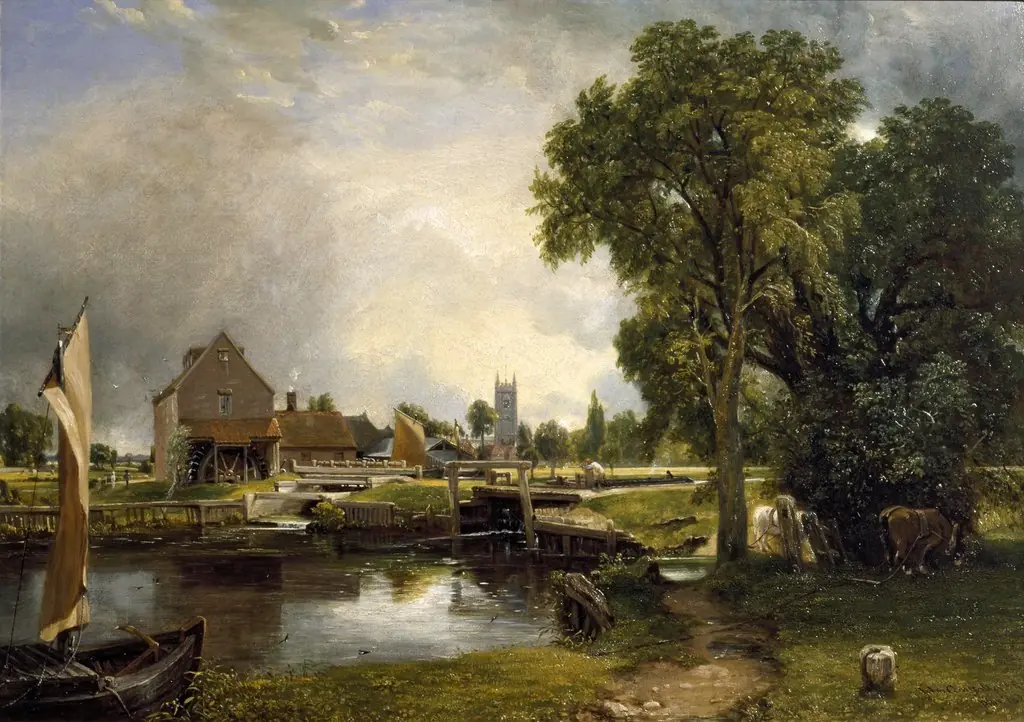 Dedham Lock and Mill
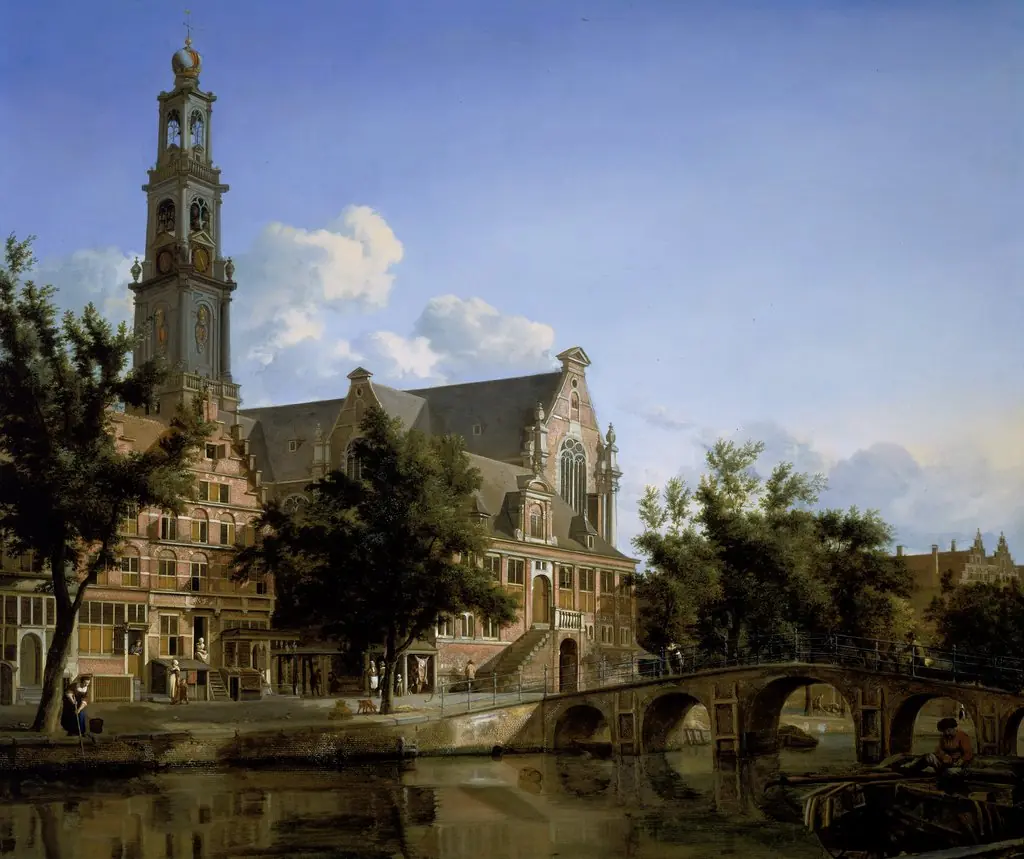 View of the Westerkerk, Amsterdam
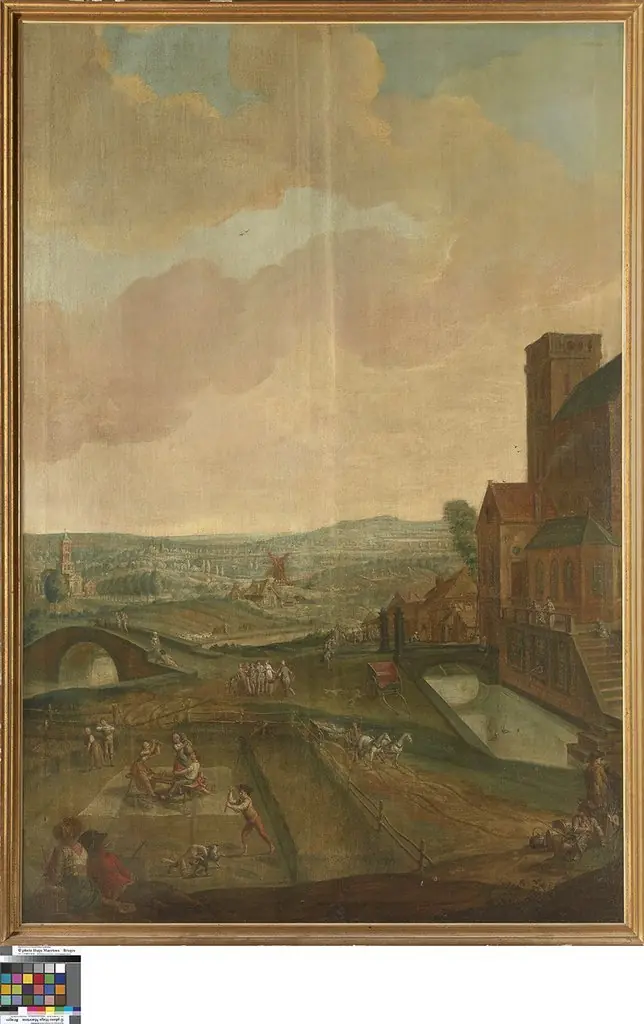 Vlasfeest
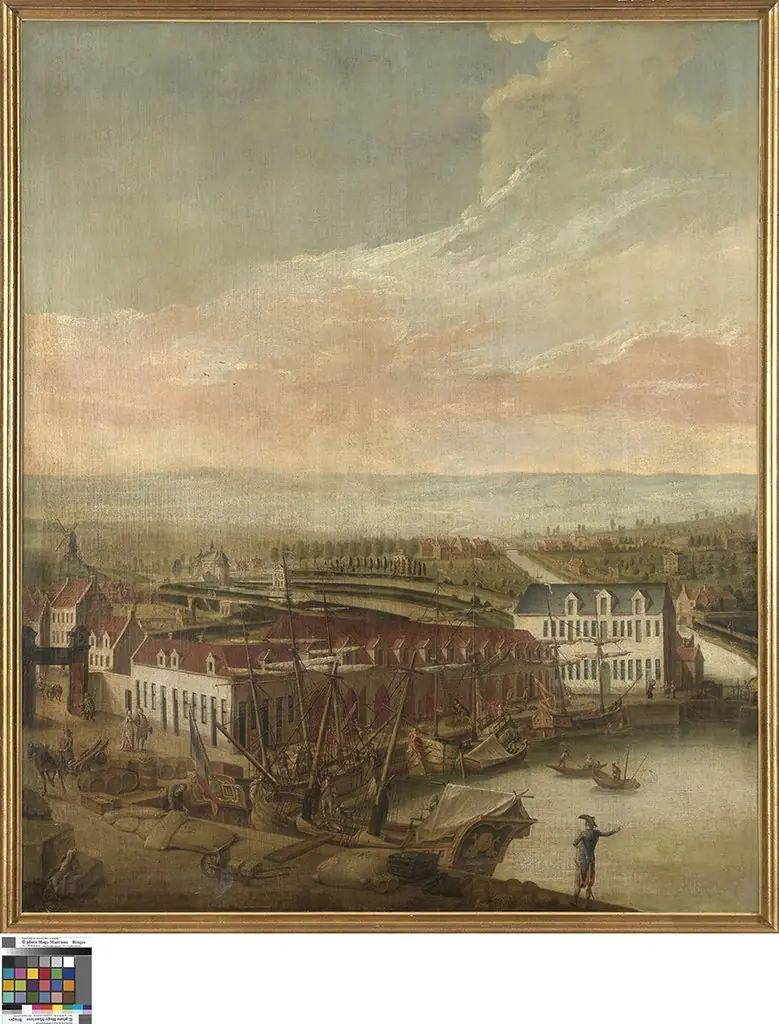 De Handelskom in Brugge
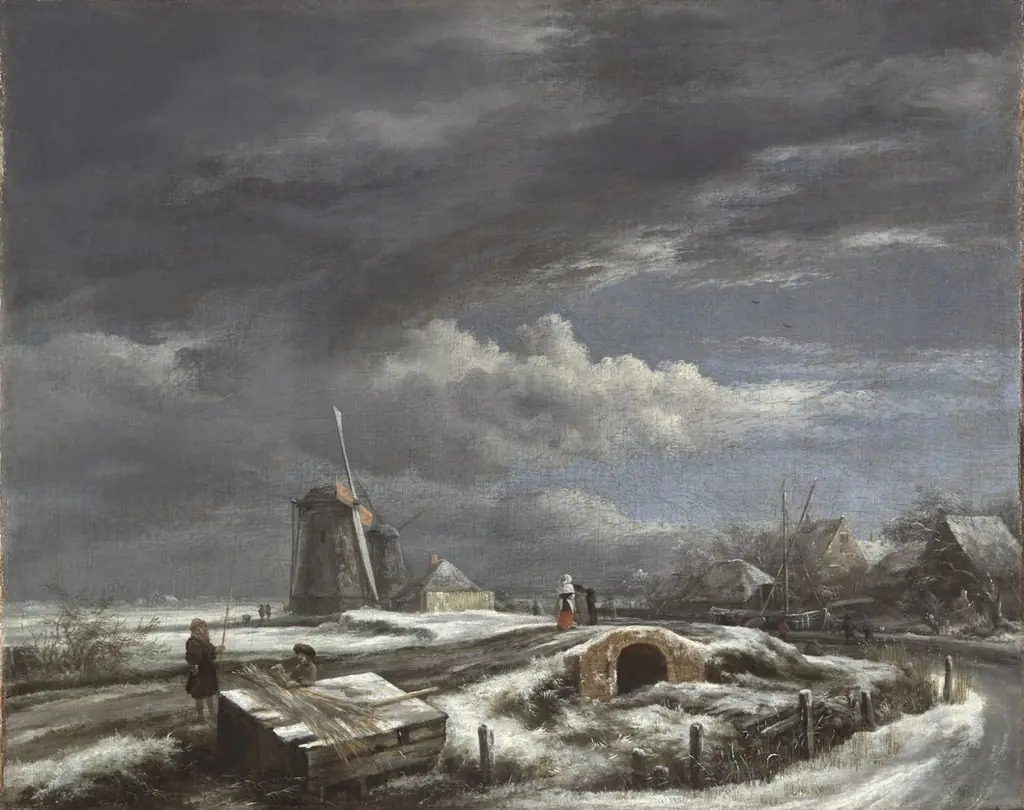 Winter Landscape
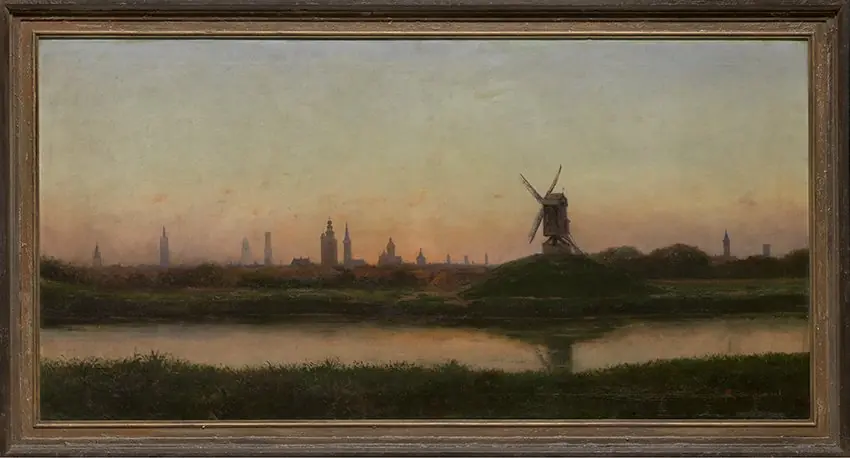 Gezicht op Brugge, Kruisvest
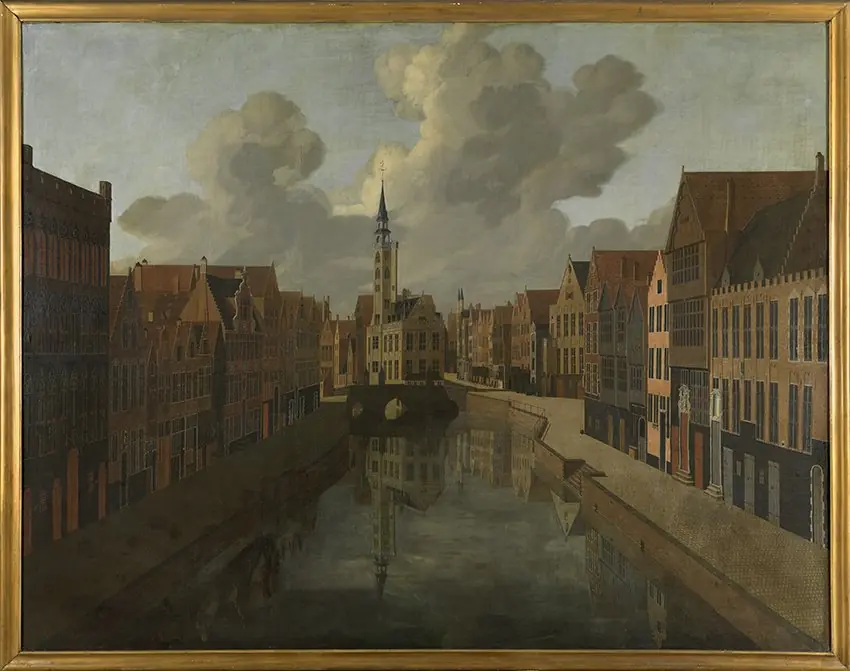 De Spiegelrei in Brugge
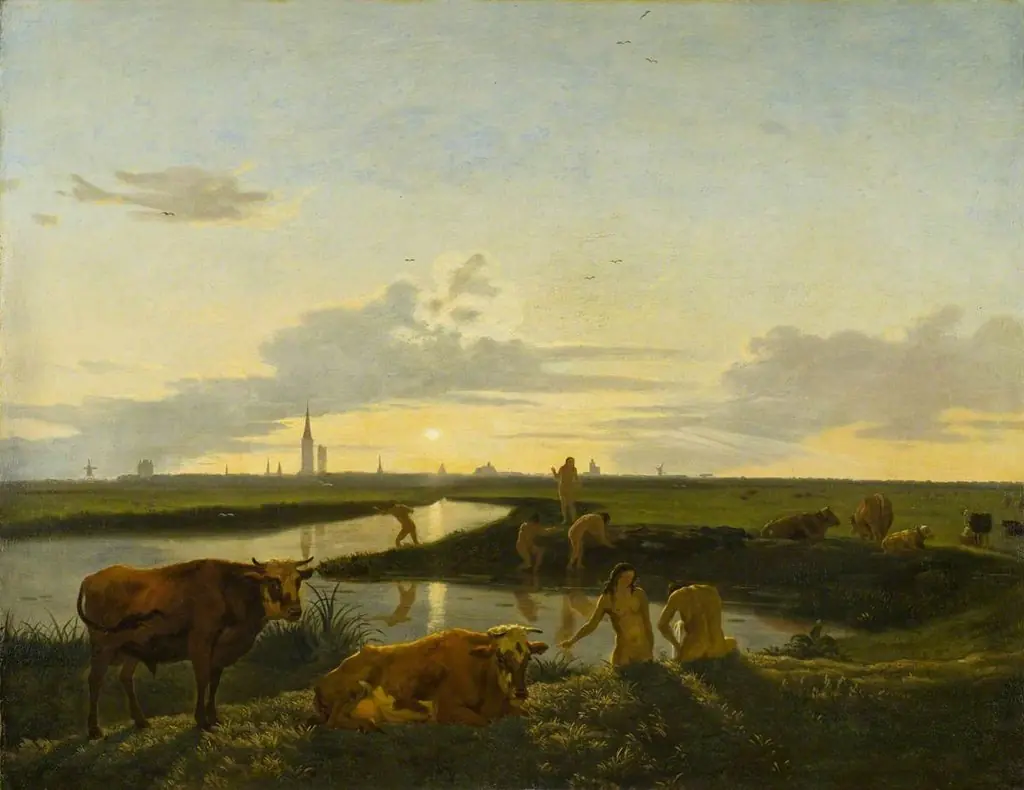 Canal Landscape with Figures Bathing
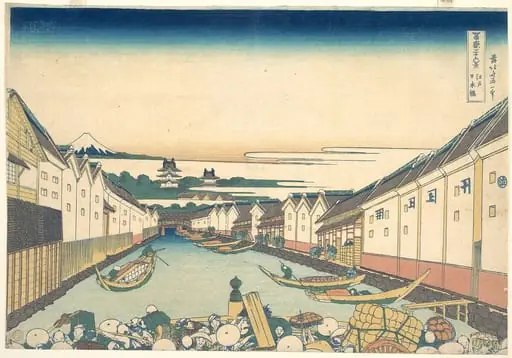 冨嶽三十六景 江戸日本橋|Nihonbashi in Edo (Edo Nihonbashi), from the series Thirty-six Views of Mount Fuji (Fugaku sanjūrokkei)
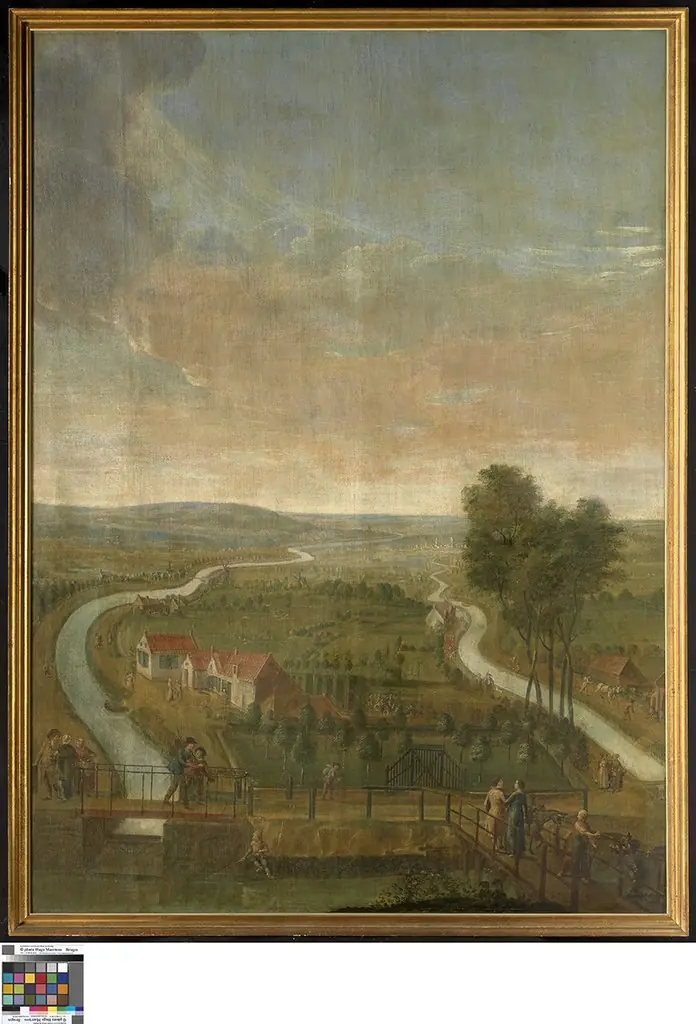 De Handelskom in Brugge
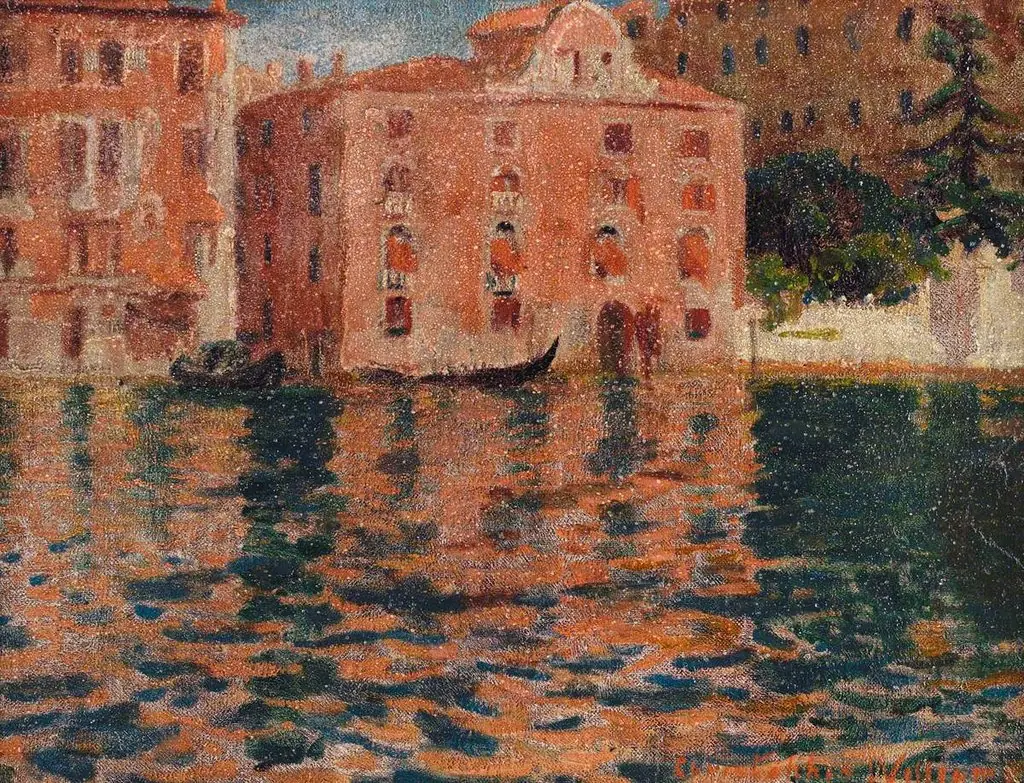 Reflections, Venice
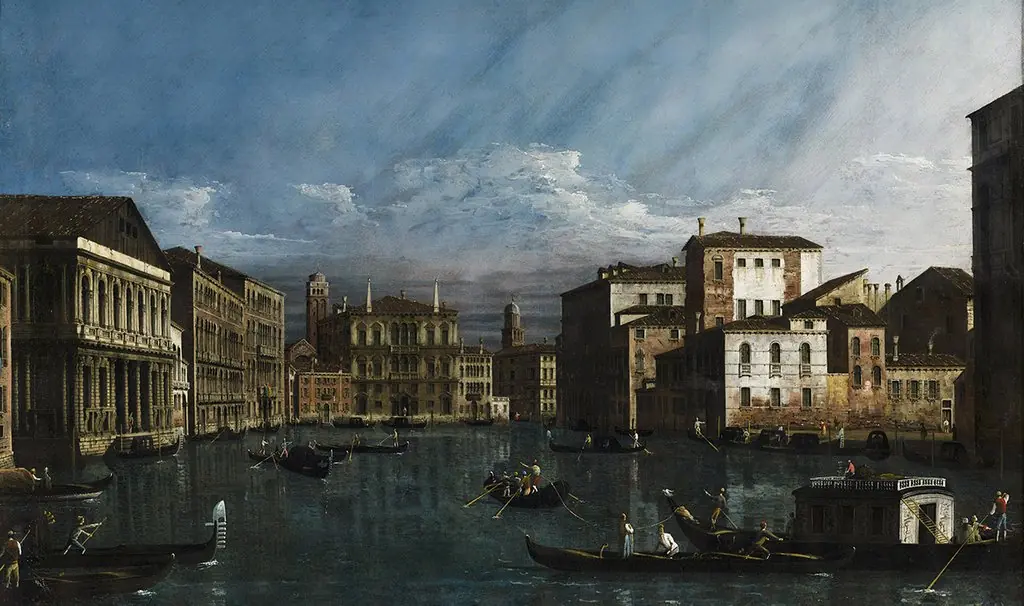 The Grand Canal in Venice
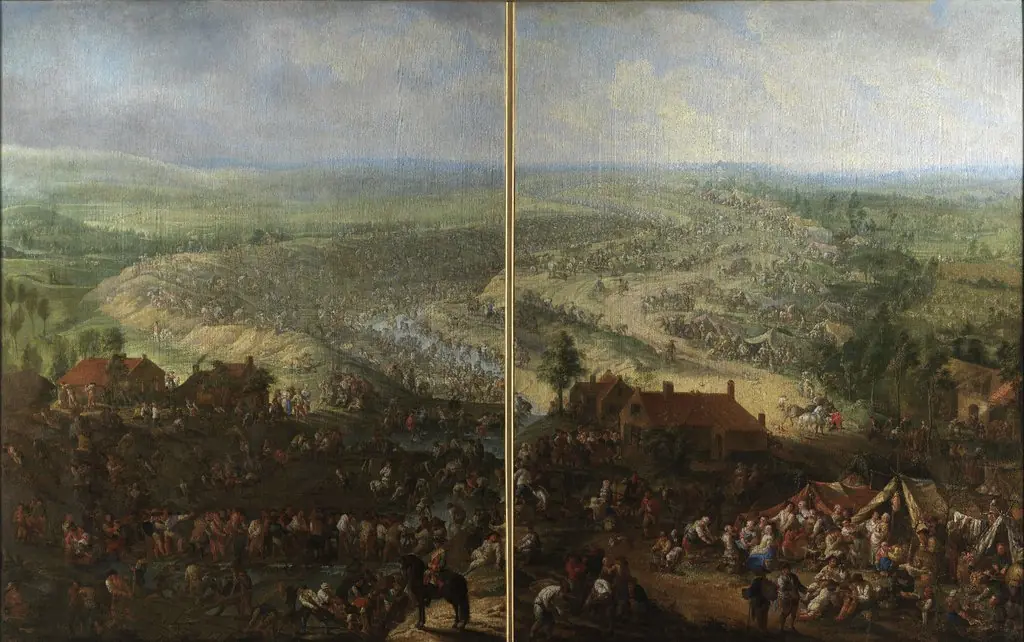 The Digging Out of the Ghent-Bruges Canal
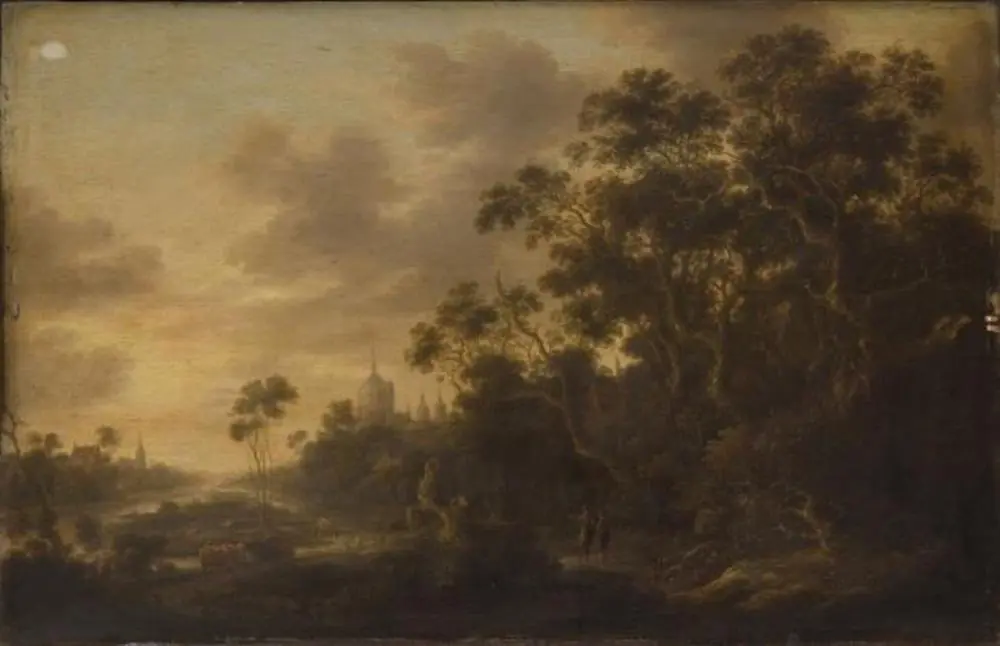 Woods beside a Canal
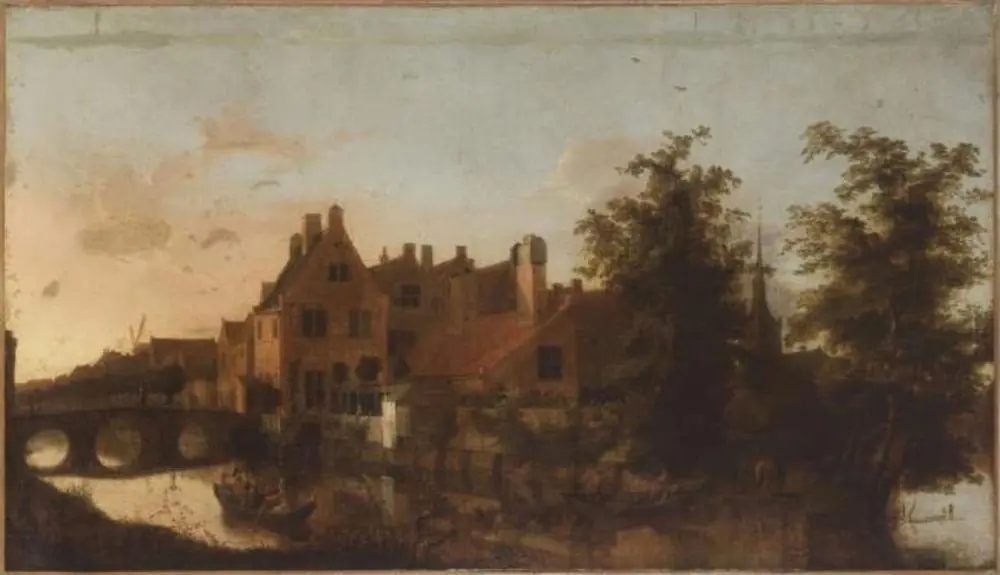 Houses beside a Canal
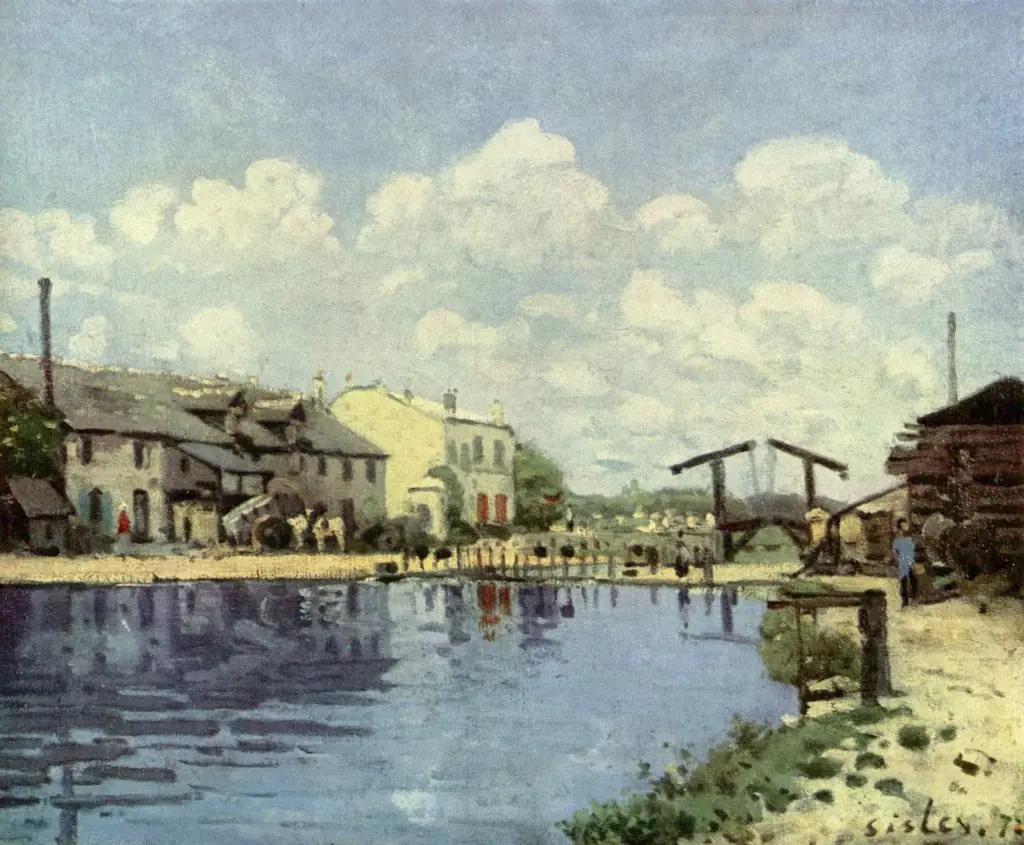 Le Canal Saint-Martin
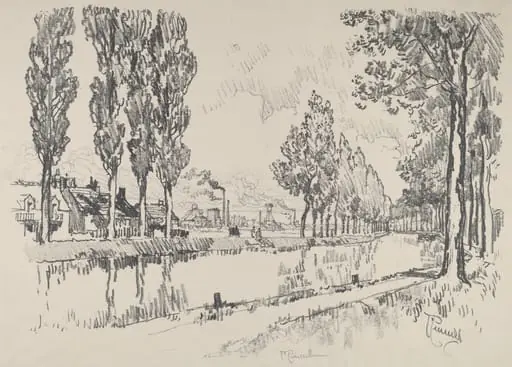 The Canal at Blanzy, France
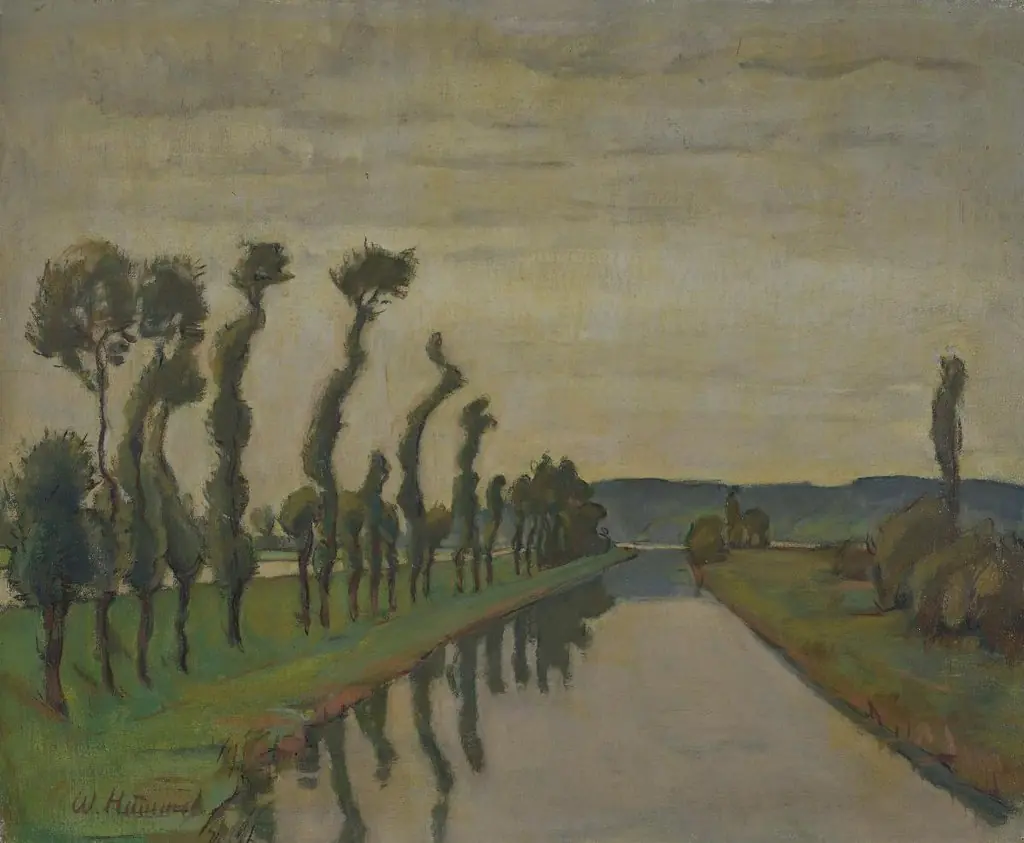 Am Linthkanal
 Întoarcerea de la pescuit
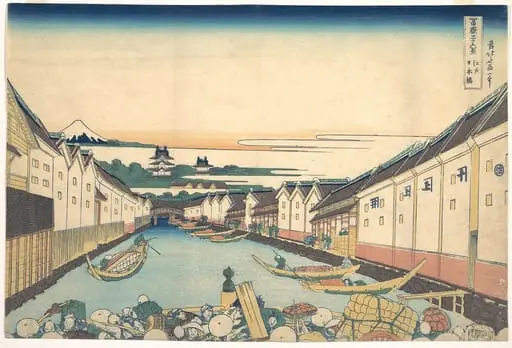 冨嶽三十六景 江戸日本橋|Nihonbashi in Edo (Edo Nihonbashi), from the series Thirty-six Views of Mount Fuji (Fugaku sanjūrokkei)
 Peisaj din deltă
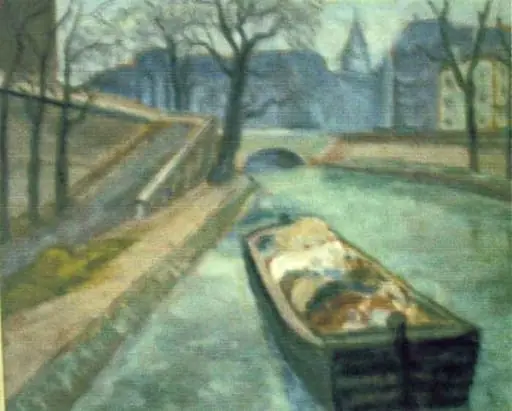 Pe malul Senei
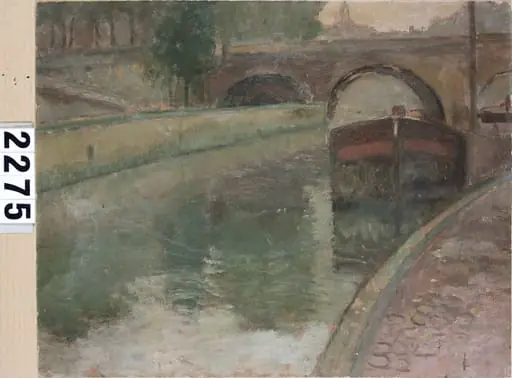 Peisaj pe Sena
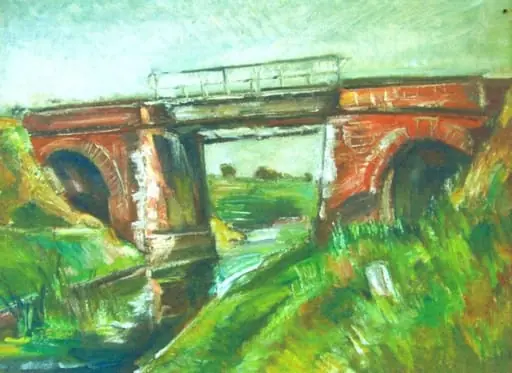 Pod la Băneasa
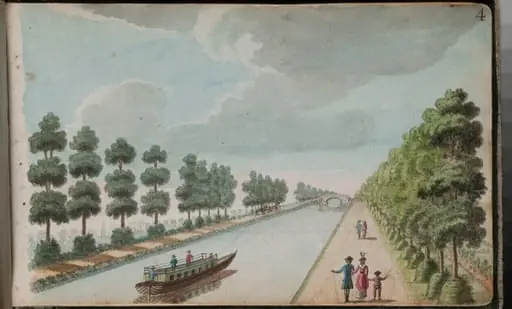 View of the Grand Canal, taken between the first bridge and the first lock looking towards Dublin
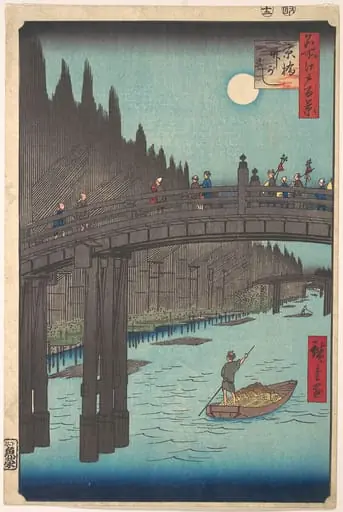 名所江戸百景 京橋竹がし|Full Moon Over Canal, with Bridge and Huge Stacks of Bamboo along the Bank
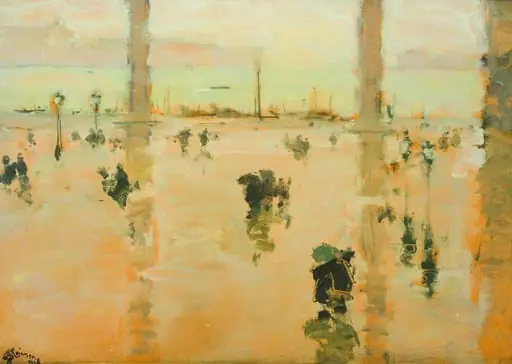 Piața San Marco
 Canal la Calica
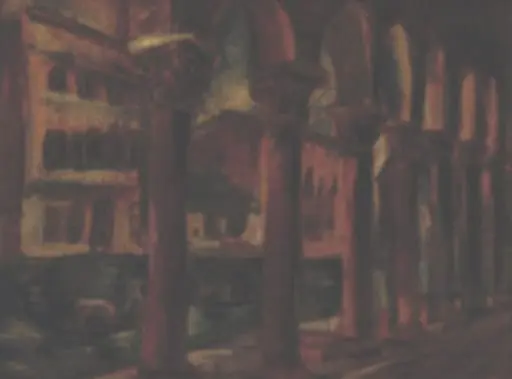 Veneția
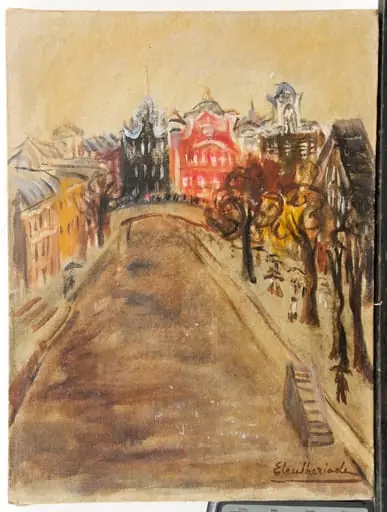 Canal la Amsterdam
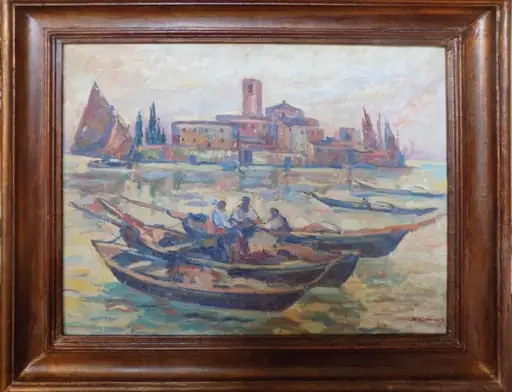 Veneția
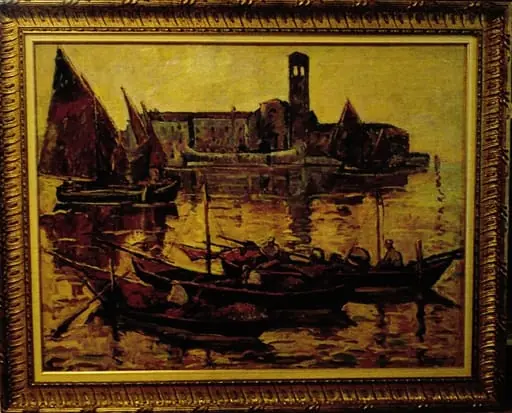 Veneția
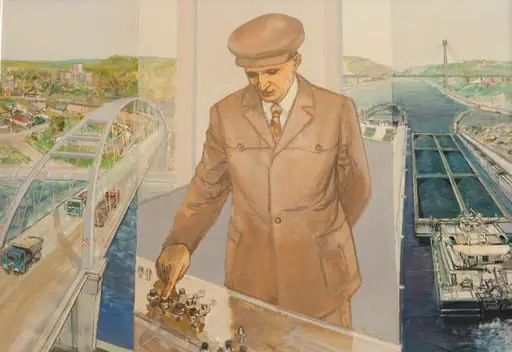 Tablou „Inaugurarea Canalului Dunăre Marea Neagră”, nesemnat și nedatat, atribuit lui Panait Stefanov. Tabloul îl prezintă pe Nicolae Ceaușescu în mijloc inaugurând Canalul prin deschiderea ecluzei. În stânga și în dreapta Canalul Dunăre - Marea Neagră. Comandat de Comitetul Județean de Partid Constanța (1984).
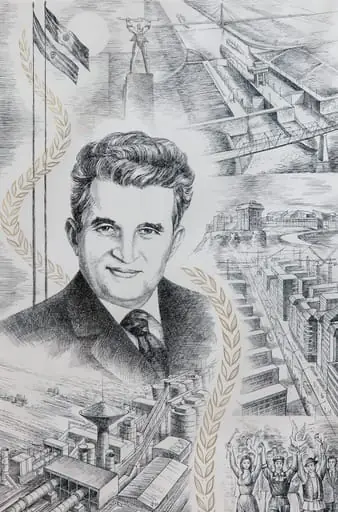 Tablou, tuș pe hârtie, „Ctitorul”, atribuit lui Levente Csutak. Tabloul îl prezintă pe Nicolae Ceaușescu și realizările sale - Canalul Dunăre Marea Neagră, Combinatul Petrochimic Midia Năvodari, Prometeu (statuia de la Barajul Vidraru), modernizarea orașelor - construcția de blocuri de locuințe pentru oamenii muncii. În partea dreaptă jos este reprezentat un grup de oameni entuziaști. Comandat și oferit de Comitetul Județean de Partid Brașov (1983).
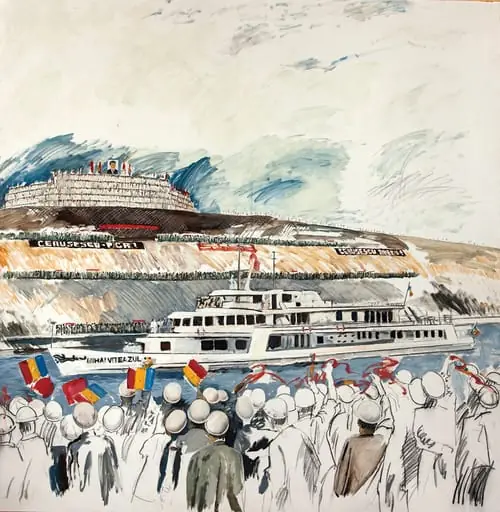 Tablou „Nava prezidențială la inaugurarea canalului Dunărea – Marea Neagră”, atribuit lui Ion Bitzan. Tabloul prezintă nava prezidențială traversând canalul Dunăre Marea Neagră pe malurile canalului oamenii muncii fluturând tricolorul. Comandat de Consiliul Culturii și Educației Socialiste (1984),
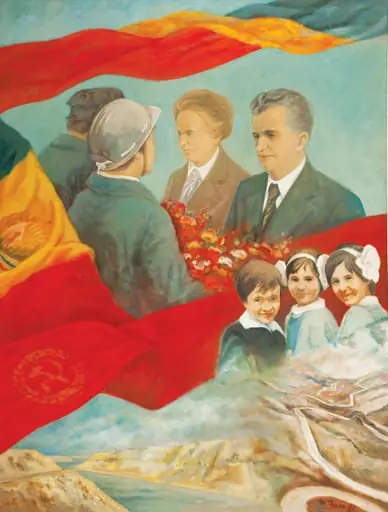 Tablou „Omagiul Președintelui Țării”, ulei pe pânză; semnat Gheorghe Pogan și datat în partea dreaptă jos. Tabloul îi prezintă pe soții Ceaușescu întâmpinați cu flori de două personaje masculine (un miner și un petrolist), învăluiți de tricolor și steagul PCR. În dreapta lui Nicolae Ceaușescu (dreapta tabloului) trei elevi. Partea de jos a tabloului este completată cu reprezentarea Transfăgărășanului și a Canalului Dunăre - Marea Neagră. Comandat și oferit de Comitetul Județean de Partid Hunedoara (1988).
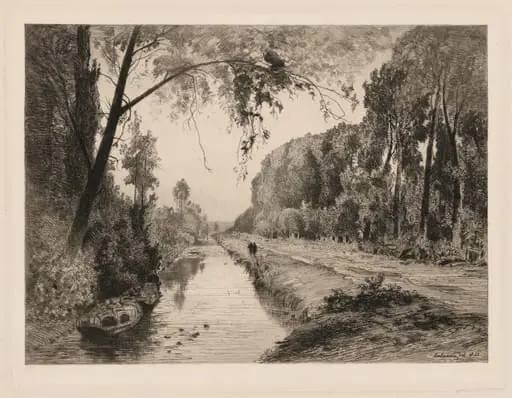 Le Canal à Pont-Saint-Maxence
Frequently asked questions
What is Canal?
Canals or artificial waterways are waterways or engineered channels built for drainage management (e.g.
How many Canal works does Artifact World Gallery have?
Artifact World Gallery holds 60 public-domain Canal works, all free to view and download.
Who are the key Canal artists?
Key Canal artists in the collection include Alfred Sisley, Joseph Mallord William Turner and Canaletto.
Where can I see Canal works?
Canal works in the collection are held by Metropolitan Museum of Art, Rijksmuseum and Groeningemuseum.