Artwork
The ‘Golden Bend’ in the Herengracht, Amsterdam, Seen from the East
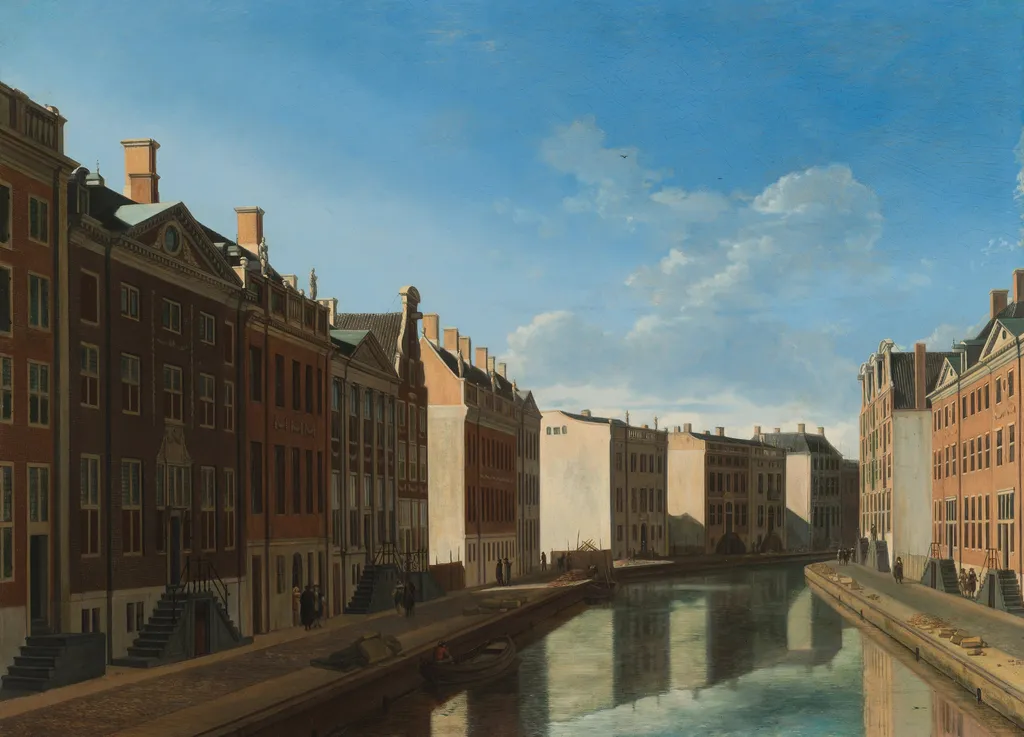
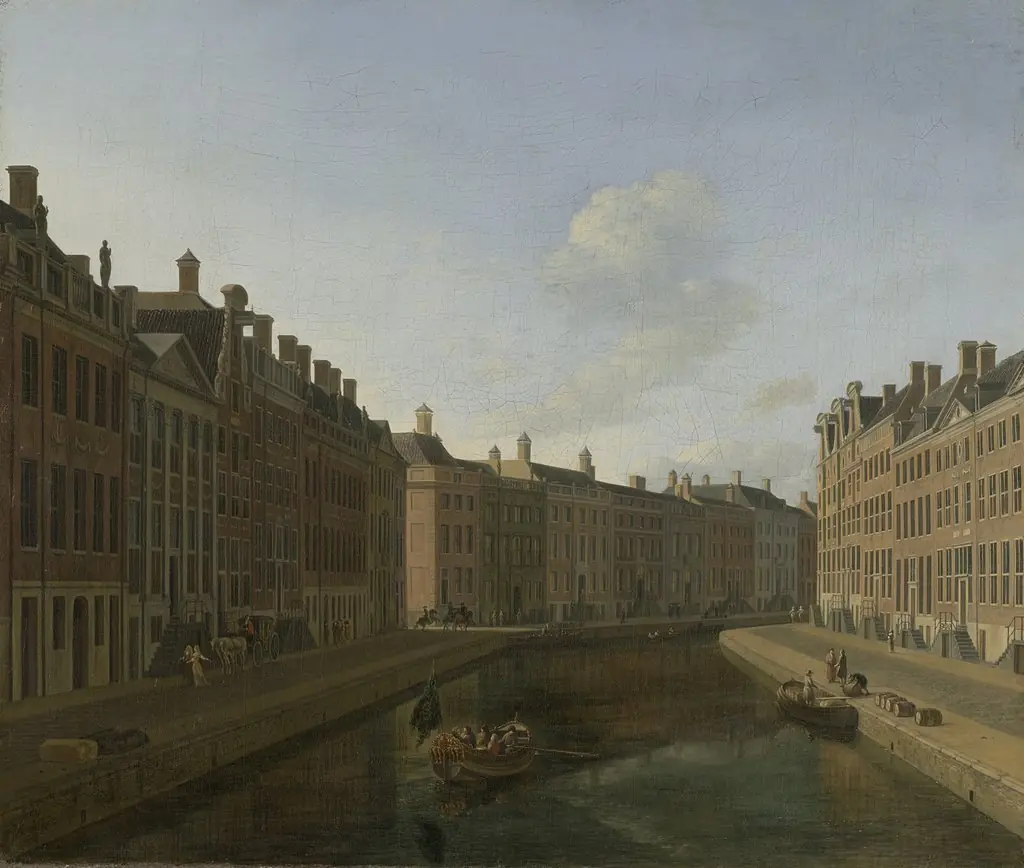
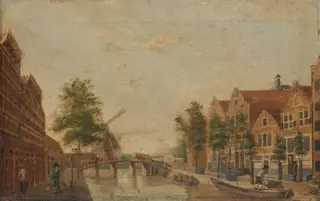
The ‘Golden Bend’ in the Herengracht, Amsterdam, Seen from the East is an oil painting by the Dutch Golden Age artist Gerrit Adriaenszoon Berckheyde. It dates from 1670 and is held in the collection of the Rijksmuseum.
About this work
Subject & Meaning
The painting depicts the so-called Gouden Bocht, or "Golden Bend," the prestigious curving stretch of the Herengracht in Amsterdam between the Leidsestraat and the Vijzelstraat, viewed from the bridge on the Vijzelstraat looking east. This section of the canal earned its name from the sharp bend it makes and the dense concentration of grand, often double-wide merchant houses lining its banks, which drew Amsterdam's elite to settle there on the unusually deep plots.
The work captures the canal during the final phase of the Fourth Uitleg, Amsterdam's great seventeenth-century expansion, when the Golden Bend largely took shape between 1667 and 1672. Berckheyde shows the street walls still unfinished, with six undeveloped parcels visible on either side and the trees that appear in his preparatory drawings deliberately omitted, emphasizing the neighborhood as a work in progress at the height of the Dutch Golden Age.
As a cityscape, the painting functions both as topographical record and as a celebration of Amsterdam's commercial prosperity and urban ambition, documenting the city's most fashionable canal address at the moment of its creation.
Technique & Style
Created between 1670 and 1672, this cityscape is executed in oil paint on a panel support.
Created between 1670 and 1672, this cityscape is executed in oil paint on a panel support. The work measures 42.5 cm in height and 57.9 cm in width. Stylistically, the painting documents a specific moment in the development of Amsterdam's Herengracht, depicting the canal section known as the Golden Bend during its construction phase.
The artist deliberately omitted trees and left several building plots vacant to accurately reflect the urban landscape circa 1671, distinguishing it from later versions in the series where the streetscapes appear fully developed. This precise documentation of the unfinished state of the canal houses, including specific unoccupied plots, characterizes the work's formal approach to the genre.
History & Provenance
Gerrit Adriaenszoon Berckheyde painted this cityscape in oil on panel around 1670 to 1672, depicting the Herengracht during Amsterdam's Fourth Expansion. Because the artwork shows six unbuilt lots, it is considered the earliest of Berckheyde's four painted versions of the scene. The work was likely once owned by English stockbroker and art collector Sir William Cuthbert Quilter, and by around 1966, his descendant John Quilter.
It subsequently passed to the London art dealership Gooden & Fox, who sold it to an unidentified UK collector. The collector's heirs auctioned the painting at Sotheby's in London on July 10, 2002, where Dutch investor Louis Reijtenbagh purchased it. Reijtenbagh offered the painting to the Rijksmuseum in October 2008, and the museum acquired it that same month with funding from Royal Dutch Shell and the Bankgiro Loterij.
In April 2009, JP Morgan Chase contested the acquisition, claiming the painting had been pledged as collateral for a $50 million loan on which Reijtenbagh had a $24 million payment arrears.
The painting has been held by the Rijksmuseum in Amsterdam since October 1980, joining the collection following a donation from Royal Dutch Shell to the Nationaal Fonds Kunstbezit and the Bankgiro Loterij. Prior to this, it was part of the Kunstverzameling Reijtenbagh, acquired by Louis Reijtenbagh at a Sotheby's auction in London on July 10, 2002.
Regarding its exhibition history, the work was included in a display at the National Gallery of Art in Washington. Its exhibition there in early April 2009 became notable when JP Morgan Chase contested the Rijksmuseum's acquisition, claiming the painting had been pledged as collateral by Reijtenbagh.
Context
The painting has been discussed in scholarly literature as a representative example of 17th-century Dutch cityscape, reflecting the urban expansion of Amsterdam during the mid-1600s,. Art historians note its detailed depiction of an unfinished Herengracht stretch, highlighting architectural development and social stratification in the Dutch Golden Age. The work is part of a broader series by Gerrit Adriaenszoon Berckheyde that documents Amsterdam’s evolving canal network, situating it within his oeuvre and the city’s artistic tradition.
Its provenance, including acquisition by the Rijksmuseum through the Reijtenbagh collection and subsequent legal challenges involving financial collaterals, underscores its significance in both art historical and collector contexts.
Overview
Gerrit Adriaenszoon Berckheyde painted this view of Amsterdam’s Herengracht in 1670. Executed in oil on canvas, the work captures the famed Gouden Bocht, the affluent stretch of the canal that was a hallmark of the city’s 17th‑century prosperity. The painting is part of the Rijksmuseum’s collection and exemplifies the Dutch Golden Age’s interest in precise urban representation.
Own this work as a print
Artist & collection
Artist
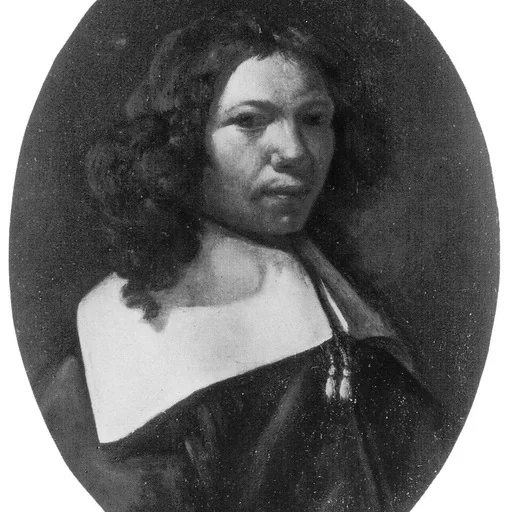
Gerrit Adriaenszoon Berckheyde
Gerrit Adriaenszoon Berckheyde (1638 – 10 June 1698) was a Dutch Golden Age painter, active in Haarlem, Amsterdam, and The Hague, who is best known today for his cityscapes.

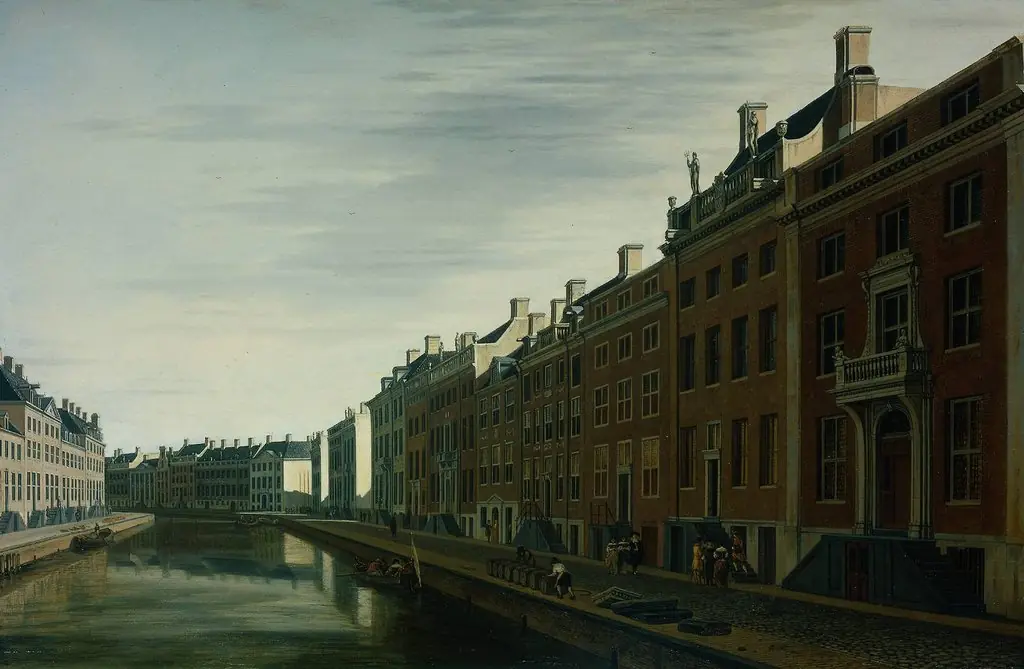
- The ‘Golden Bend’ in the Herengracht, Amsterdam, Seen from the West
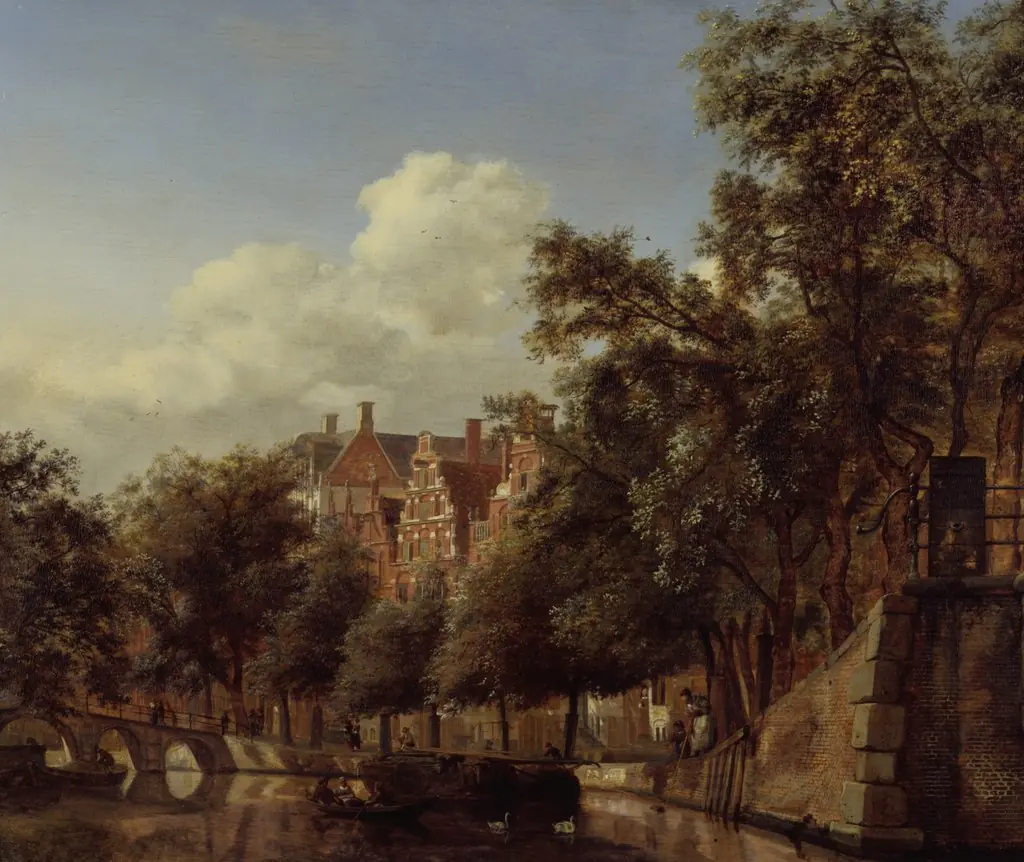 View of the Herengracht, Amsterdam, from the Leliegracht
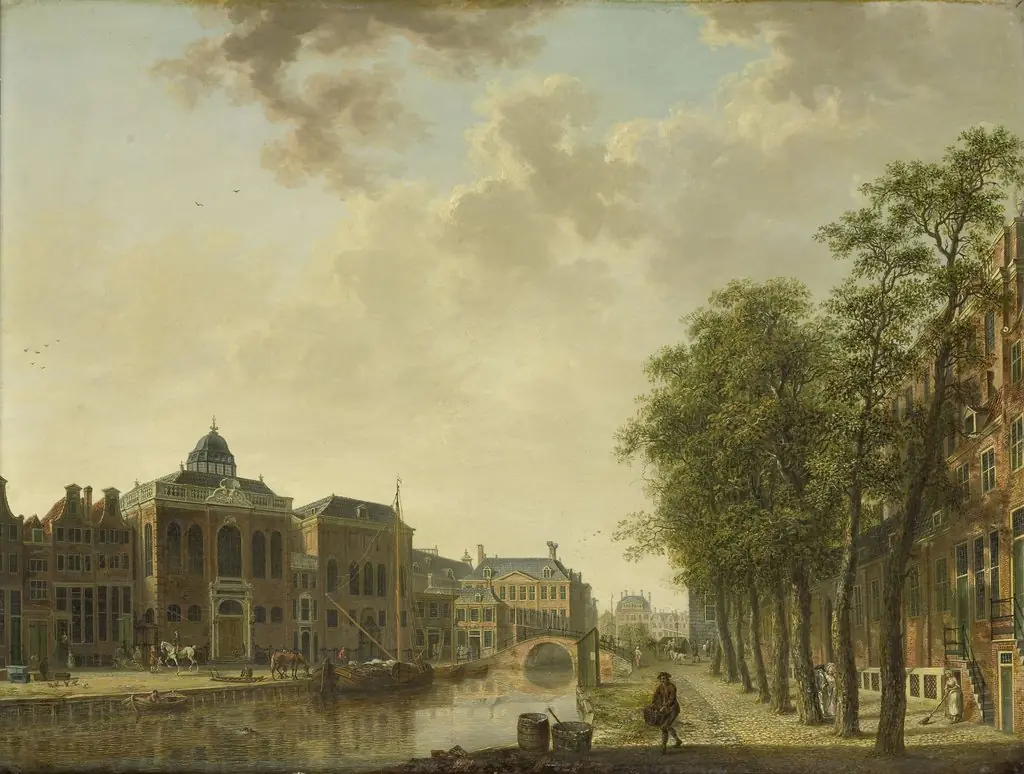 View of the Houtmarkt in Amsterdam
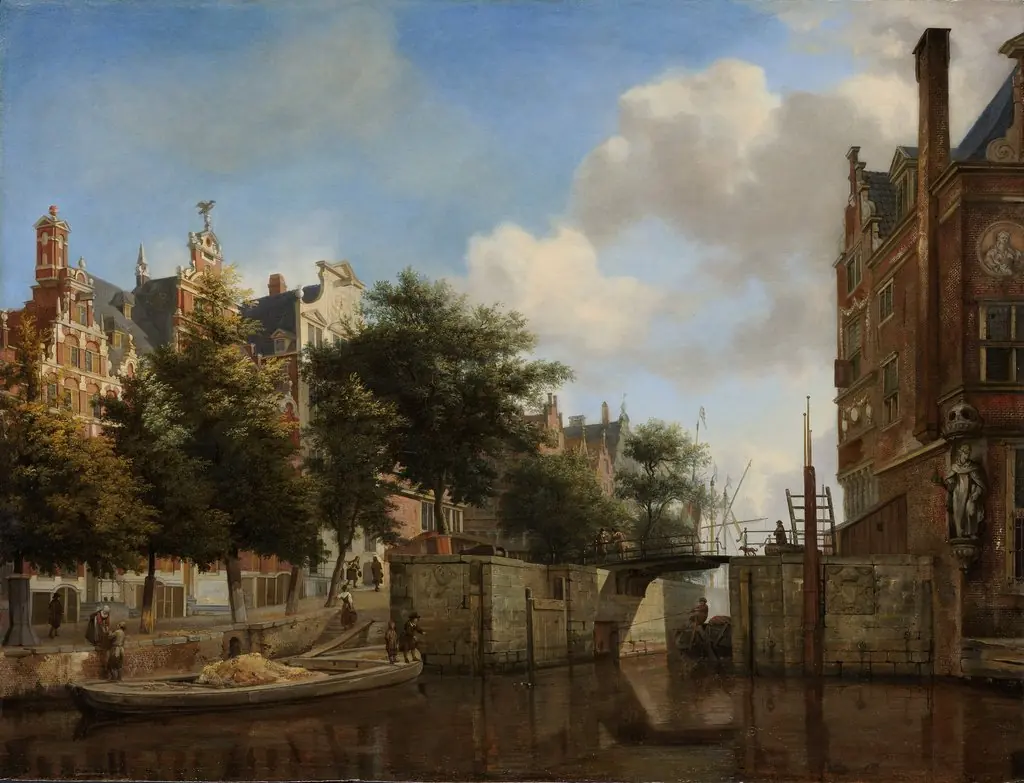 Amsterdam City View with Houses on the Herengracht and the old Haarlemmersluis
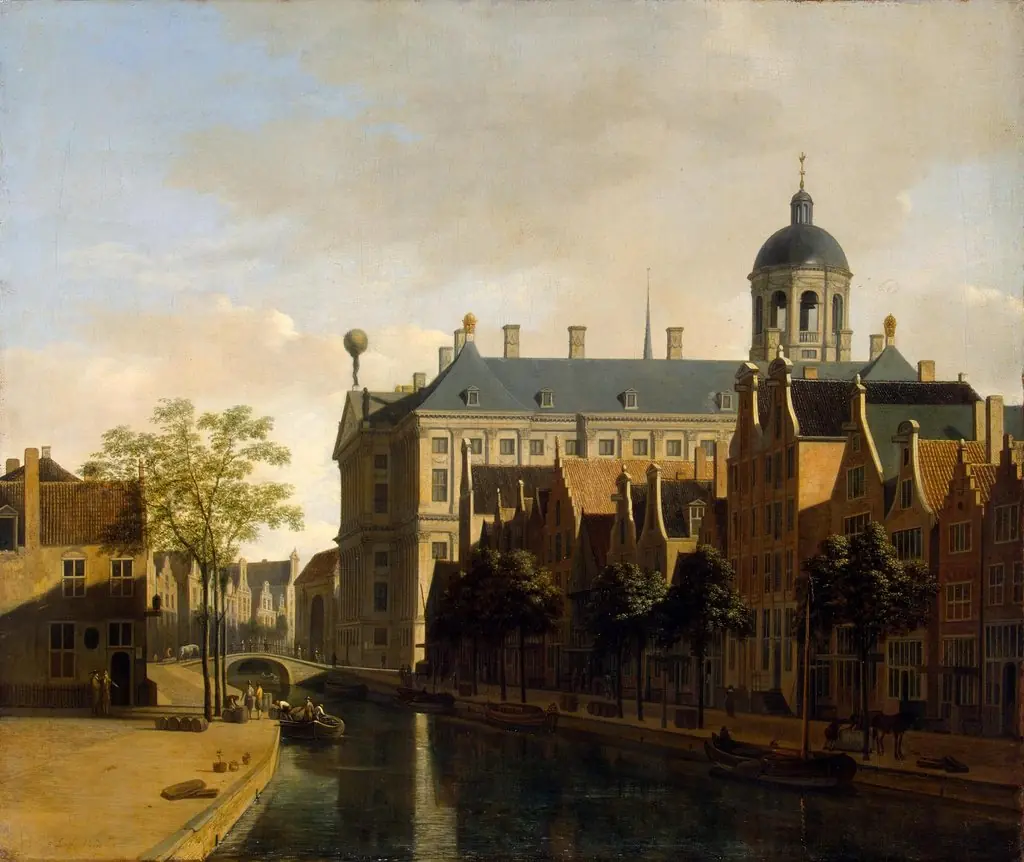 View of the Ratshuis in Amsterdam
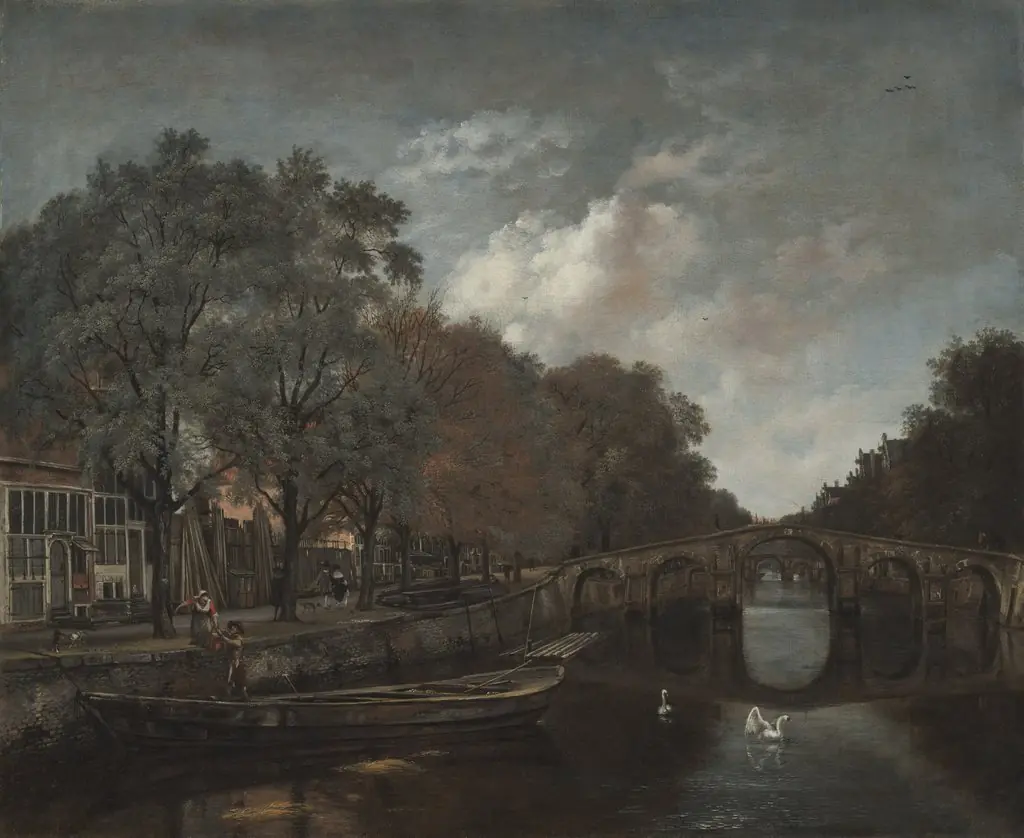 Herengracht, Amsterdam
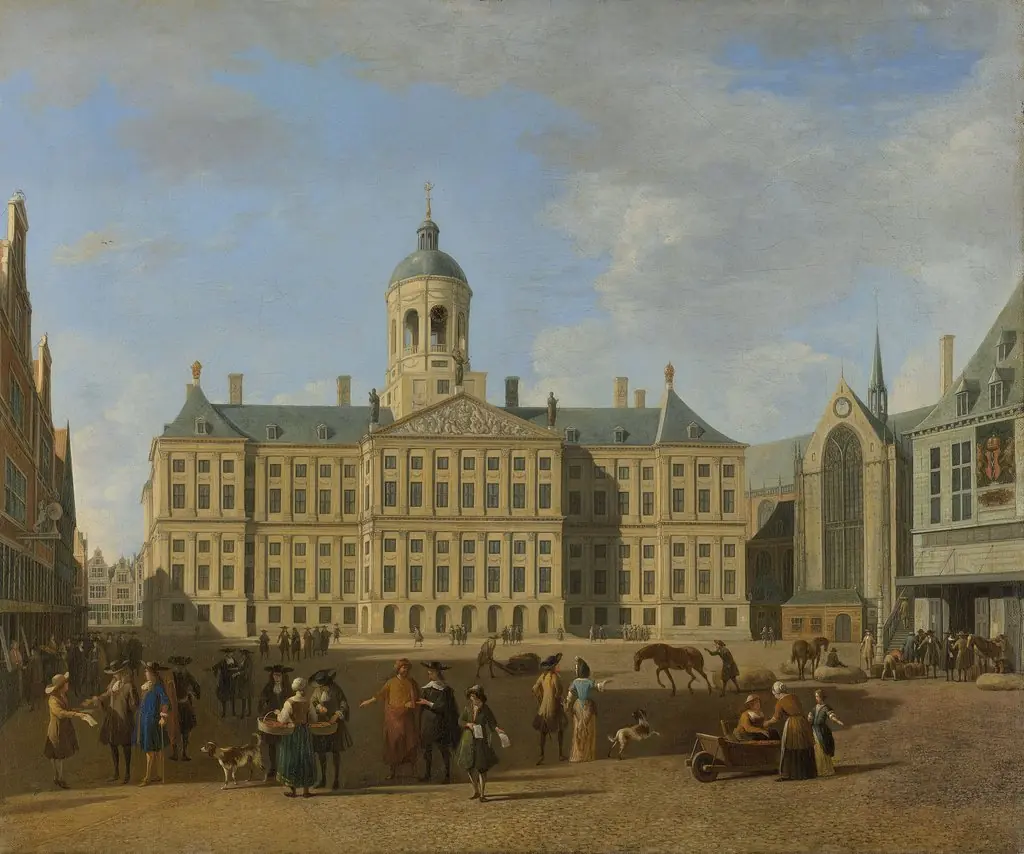
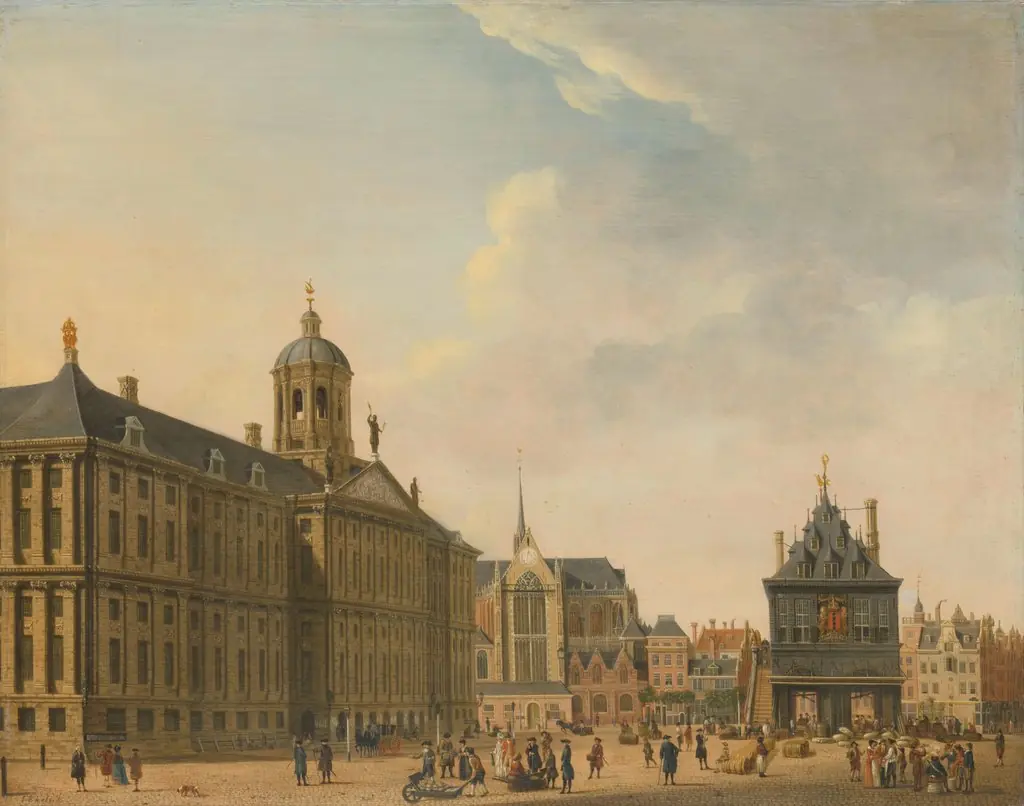 View of the Dam in Amsterdam
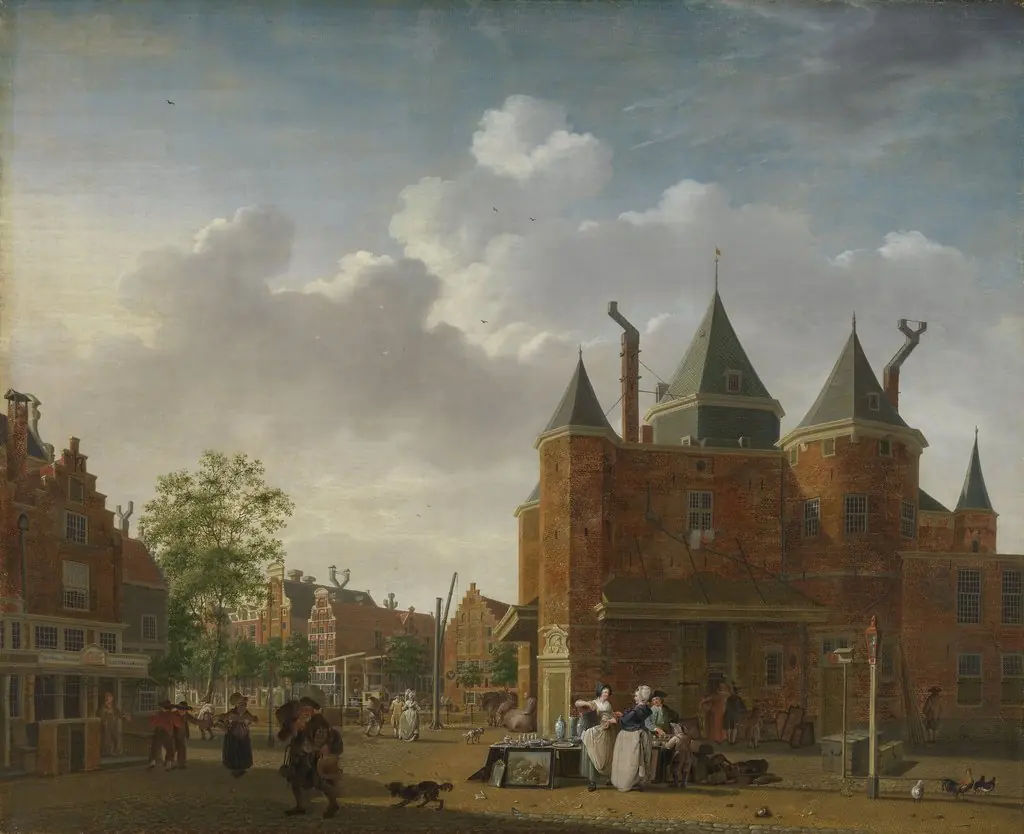 The Sint-Antoniuswaag in Amsterdam
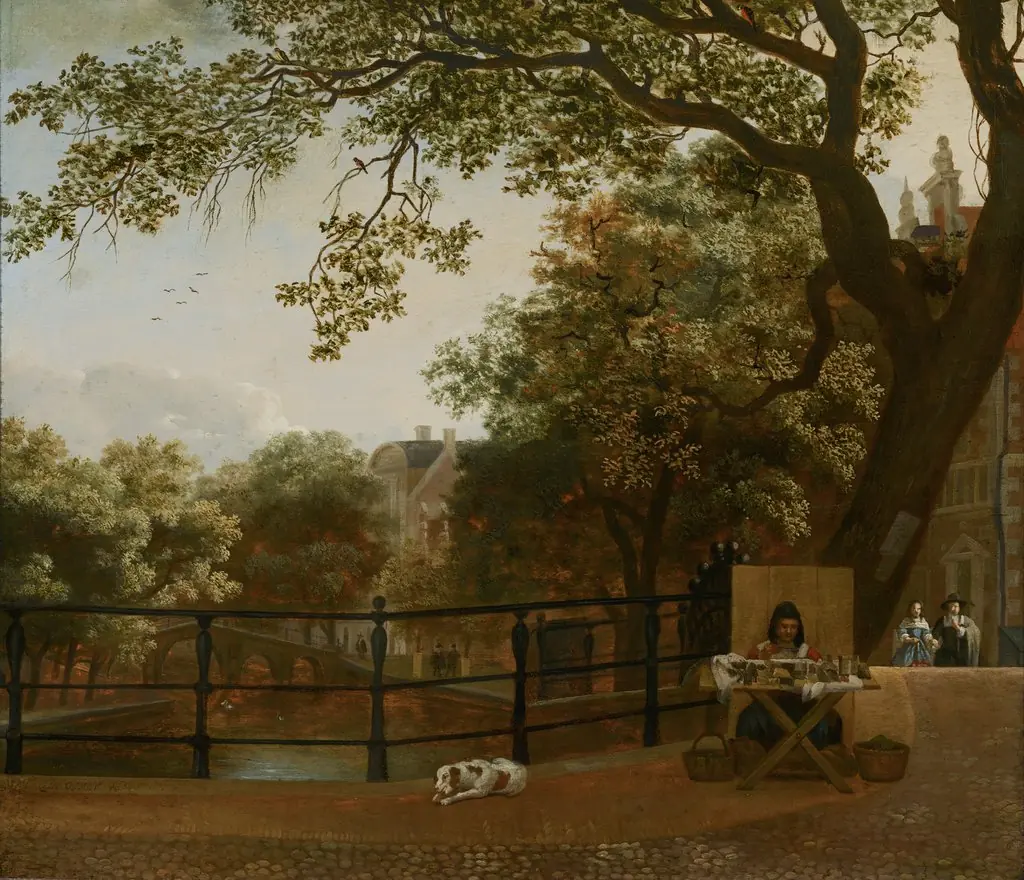 View of the Herengracht in Amsterdam
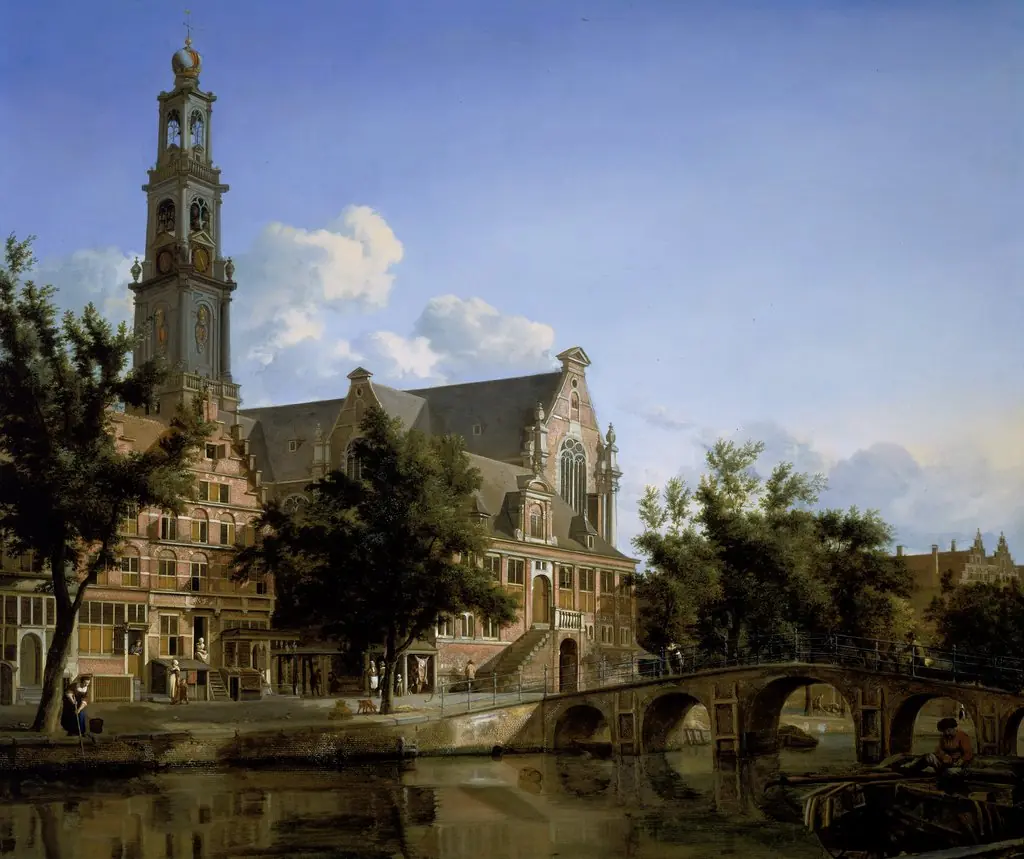 View of the Westerkerk, Amsterdam
 The Brouwersgracht in Amsterdam