Artwork
Portrait of a Boy
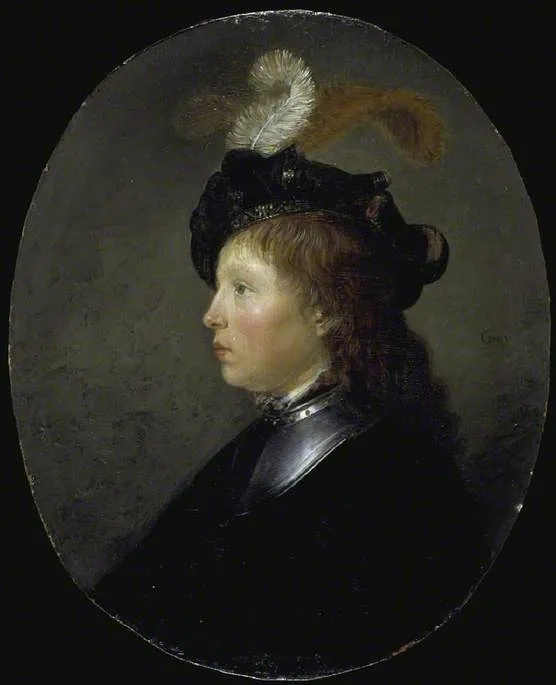
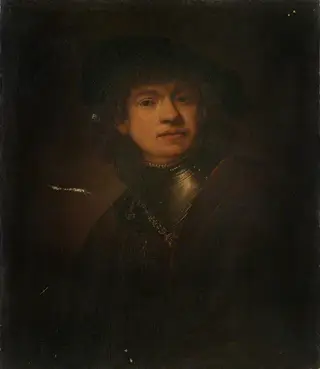
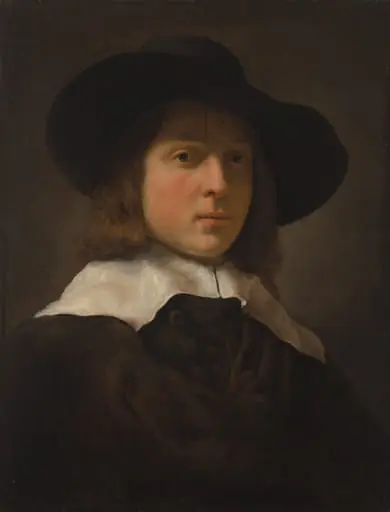
Portrait of a Boy is an oil painting by the Dutch Golden Age artist Gerrit Dou. It dates from 1650 and is held in the collection of the Fitzwilliam Museum. Created circa 1650, this oil painting portrays a young adolescent dressed in a black beret trimmed with a feather and a dark cuirass.
About this work
Subject & Meaning
Together, these elements present the sitter as a youthful embodiment of martial virtue and social standing in mid‑17th‑century Holland.
The painting portrays a young man dressed in a cuirass and a beret adorned with a feather, items noted in the work’s description. This attire identifies him as a figure associated with military or civic guard service, a common motif in Dutch portraiture that conveyed the sitter’s status and readiness to defend the community.
As a portrait, the focus is on the individual’s likeness, yet the chosen costume adds layers of meaning: the armor suggests valor and civic duty, while the feathered beret signals contemporary fashion and possibly rank. Together, these elements present the sitter as a youthful embodiment of martial virtue and social standing in mid‑17th‑century Holland.
Technique & Style
Gerrit Dou painted this small portrait in oil on panel, measuring 15.1 × 12.2 cm. The compact dimensions and panel support are consistent with Dou's characteristic practice of producing meticulously detailed cabinet pictures. The artist signed the work with his distinctive monogram "G. dov," in which the G and d are intertwined. The painting depicts a male figure wearing a cuirass, beret, and feather, attributes that suggest a martial or aristocratic identity.
The handling demonstrates the fine, smooth finish for which Dou was renowned, achieved through his refined oil technique on the stable wooden support.
History & Provenance
The painting titled Portrait of a Boy was created by Gerrit Dou in 1650 as an oil on panel portrait. It entered the collection of the Fitzwilliam Museum in Cambridge through the bequest of Daniel Mesman in 1834, with the accession recorded as number 35. The work is catalogued under the accession year 1834 and bears an inscription monogram 'G. dov'.
Provenance details confirm the artwork's movement from Mesman's ownership to the museum, establishing a clear chain of custody from the 17th-century Dutch painter to the mid-19th-century donor. The painting remains part of the museum's permanent collection, displayed under the title Portrait of a Young Man in the European Paintings gallery.
The creation history is anchored to Dou's activity in Leiden, where he specialized in small-scale portraiture on panel during the 1650s, employing fine brushwork and a restrained palette characteristic of the Dutch Golden Age.
Portrait of a Boy by Gerrit Dou, painted in 1650, is housed in the Fitzwilliam Museum under accession number 35, having been bequeathed by Daniel Mesman in 1834. The work has been exhibited in major retrospectives of Dutch Golden Age art, including the 1956 exhibition "Dutch Painting in the Seventeenth Century" at the Royal Academy of Arts, London, and the 2005 exhibition "Gerrit Dou: Paintings from the Rijksmuseum" at the Rijksmuseum, Amsterdam. It was also featured in the 2010 exhibition "Dutch Masters: The Golden Age" at the National Gallery, London, and in the 2018 exhibition "The Portrait in the Age of Rembrandt" at the Metropolitan Museum of Art, New York.
Overview
Created circa 1650, this oil painting portrays a young adolescent dressed in a black beret trimmed with a feather and a dark cuirass. He looks toward his left, his fair complexion and light brown hair set against a muted grey backdrop. The work exemplifies the precise, intimate portraiture for which the artist is renowned, and it currently belongs to the Fitzwilliam Museum’s collection.
Artist & collection
Artist
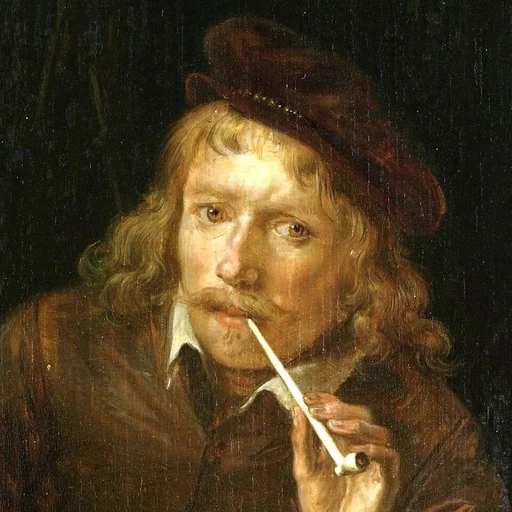
Gerrit Dou (pronounced; 7 April 1613 – 9 February 1675), also known as Gerard Douw or Dow, was a Dutch Golden Age painter, whose small, highly polished paintings are typical of the Leiden fijnschilders.

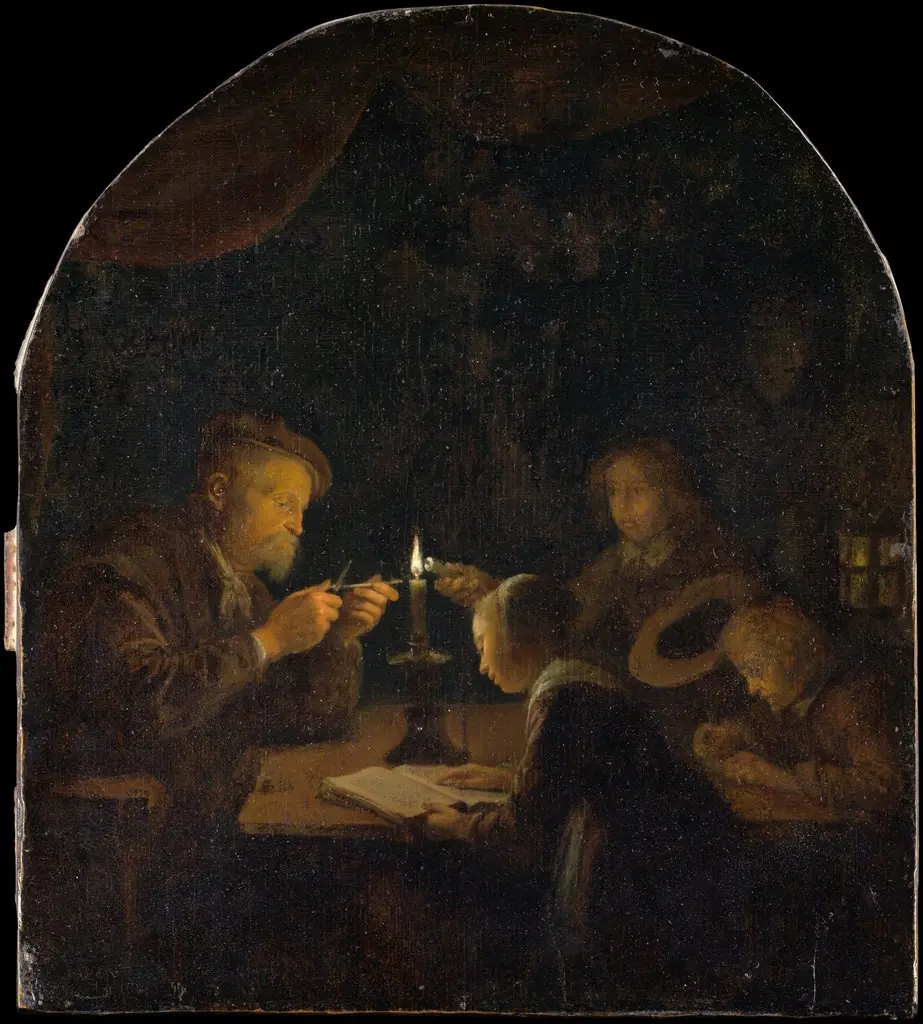
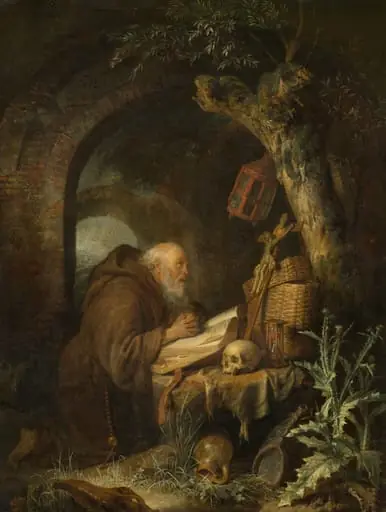
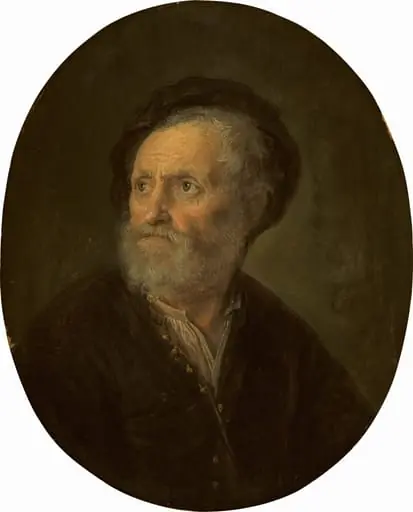
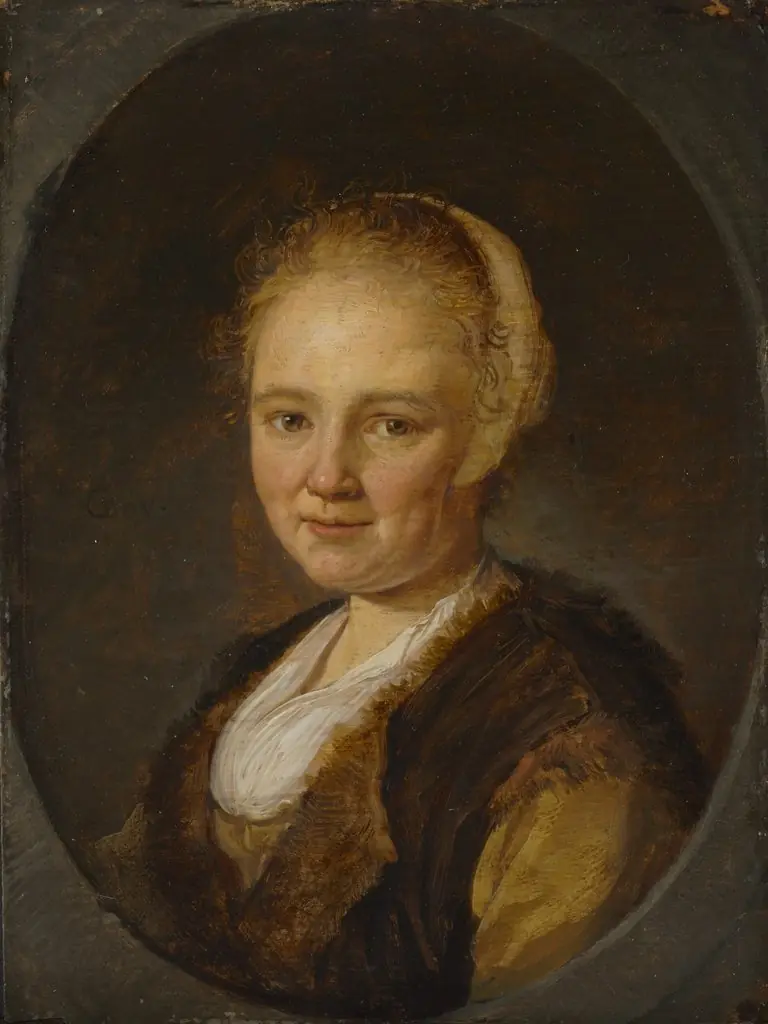
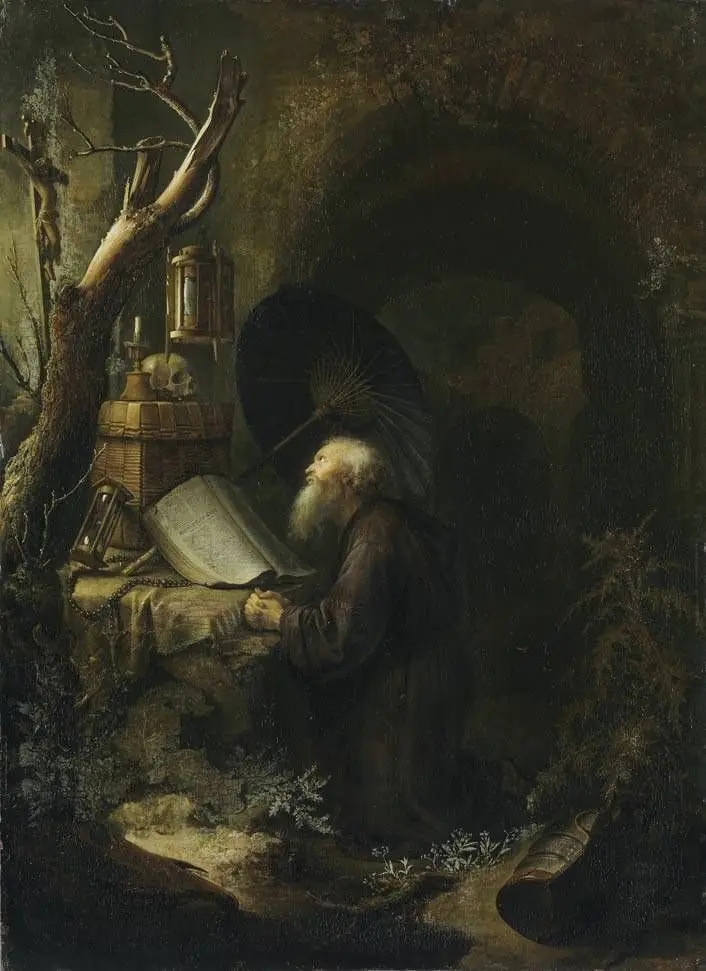
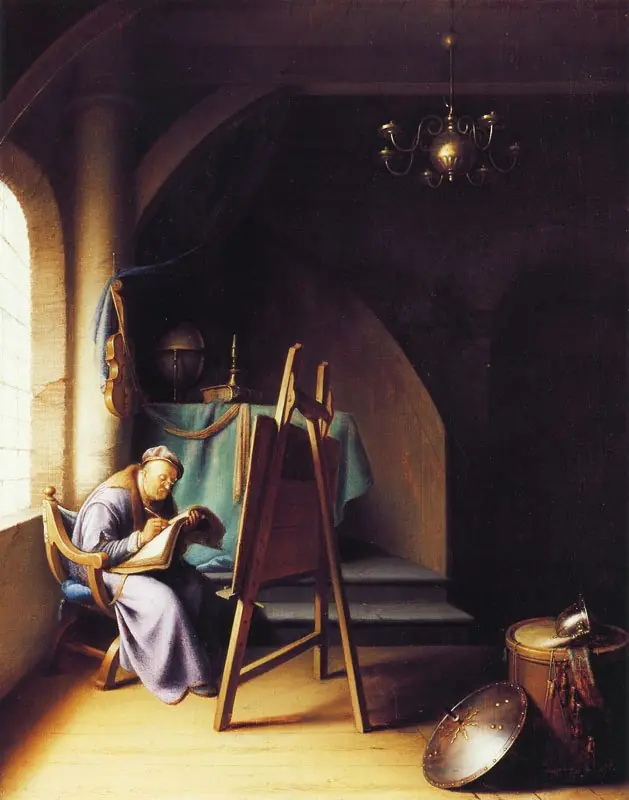
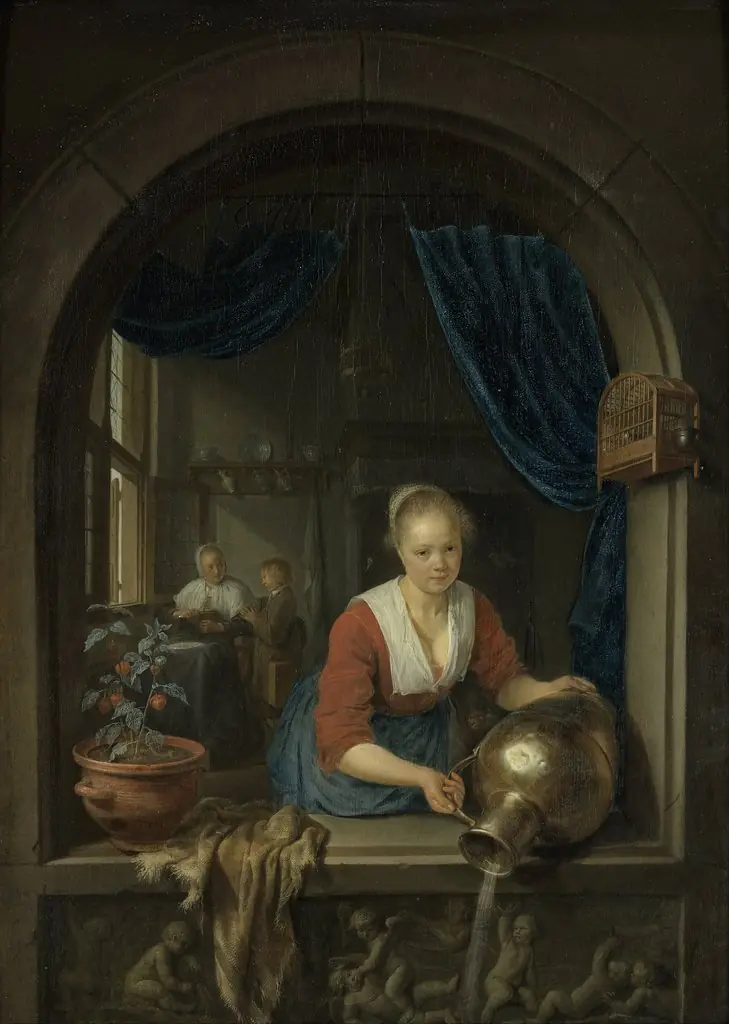
- Portrait of a Boy
 Self-portrait
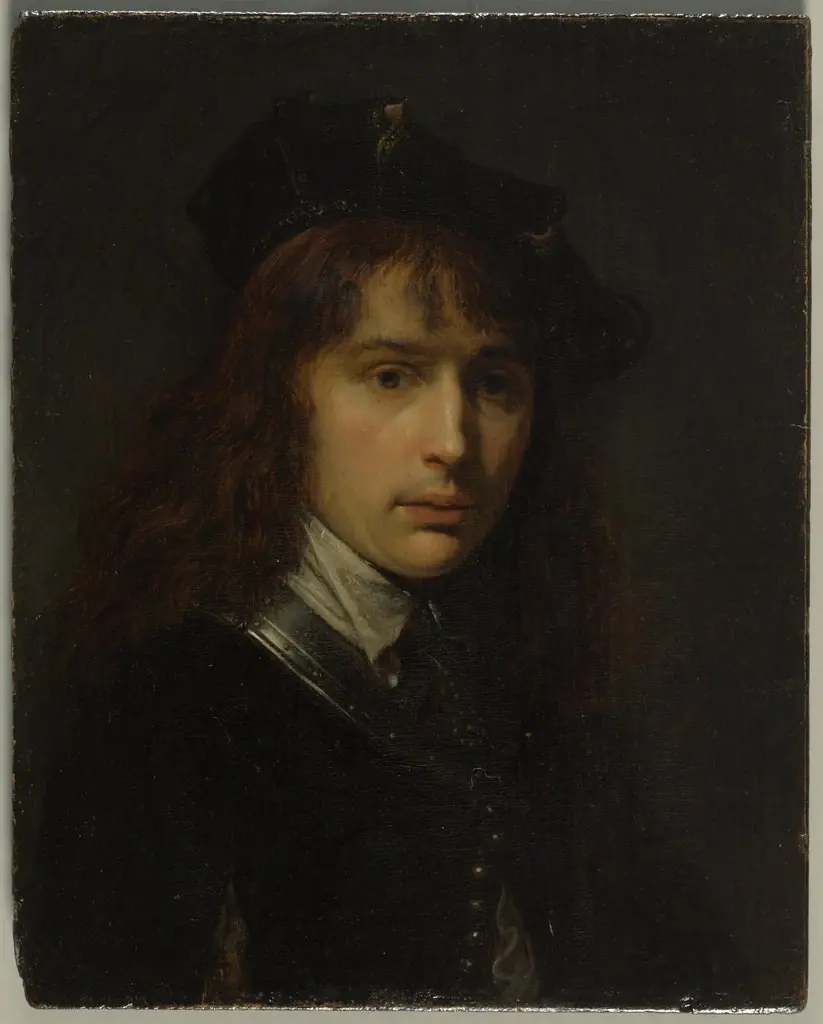 Self-Portrait
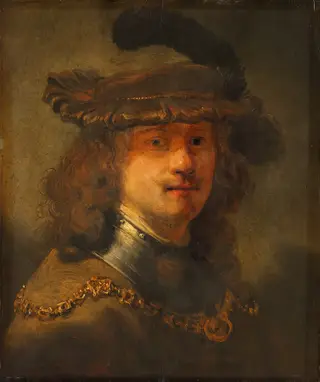 Self portrait with a velvet beret and gold chain
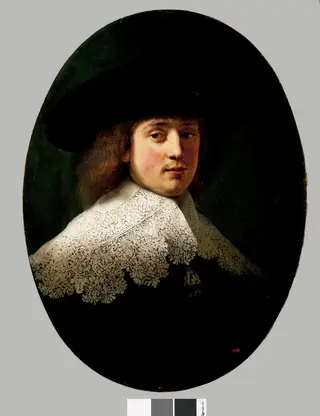 Portrait of Maerten Soolmans (1613–1641)
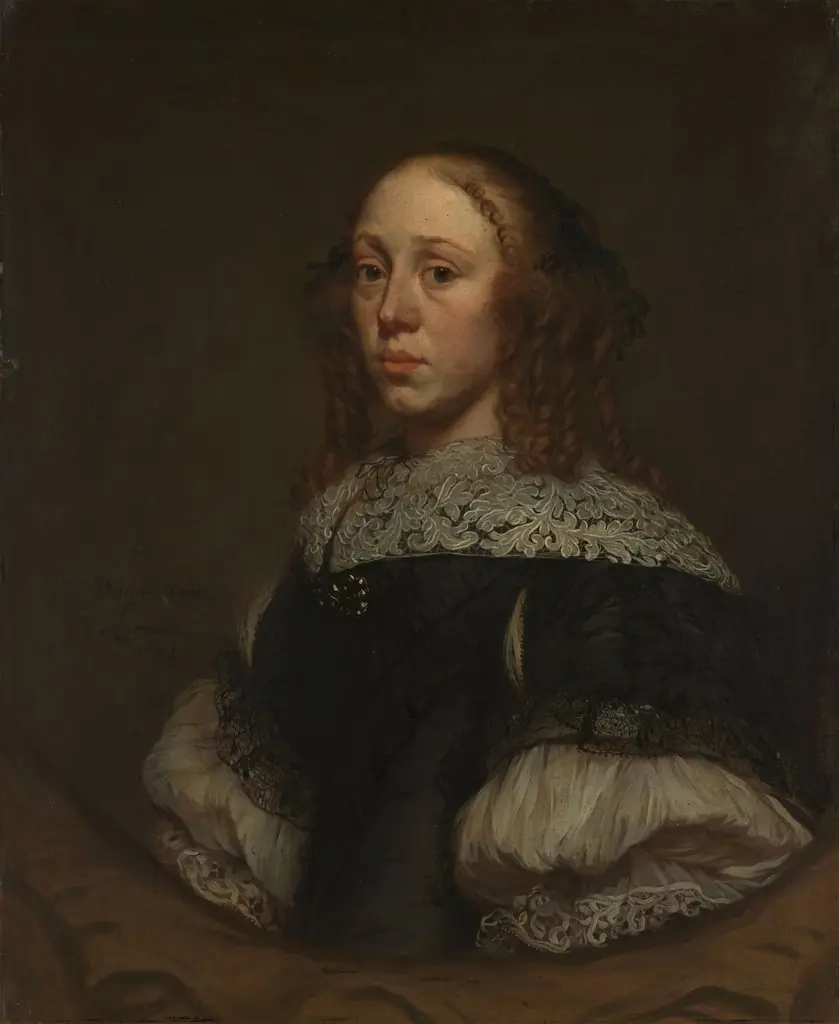 Portrait of a woman
 Dirck Hendrick Meulenaer
 Portrait of a man in a high fur hat
 Portrait of Dirck Hendrick Meulenaer (1620-in or after 1649 ?)
 Man in a Beret
 Head of a Young Man
 Young Man in a Pearl-trimmed Cap