Artwork
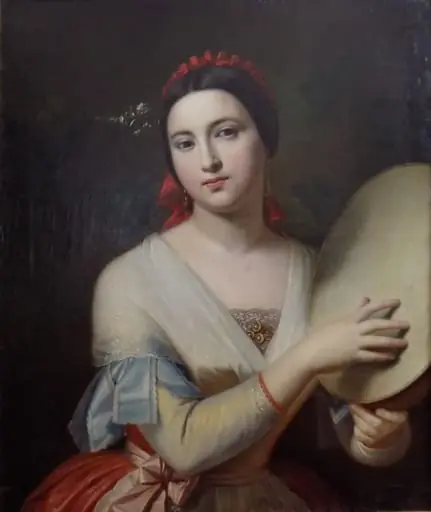
Țărancă din Vlașca
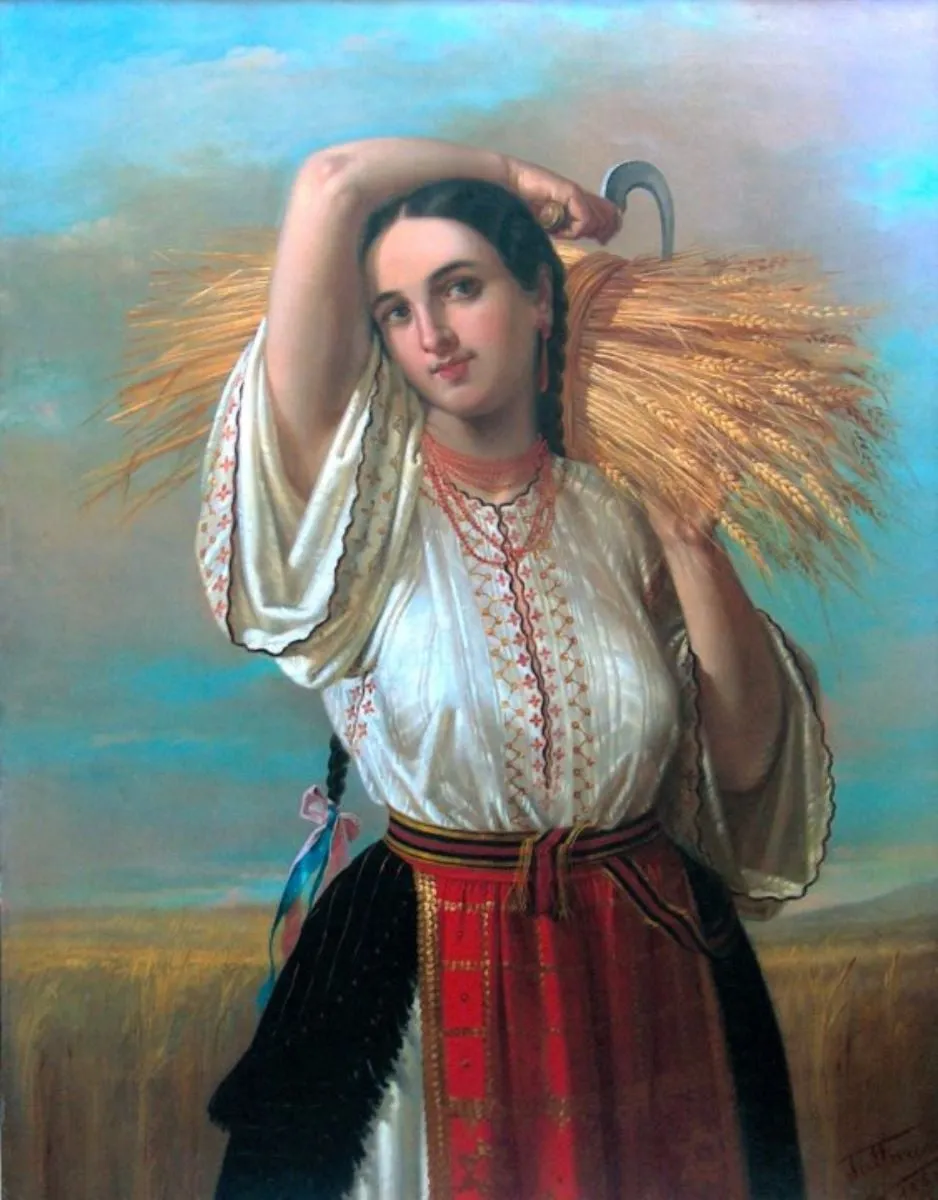
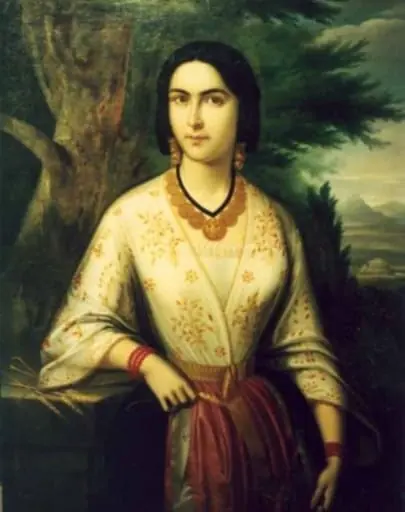
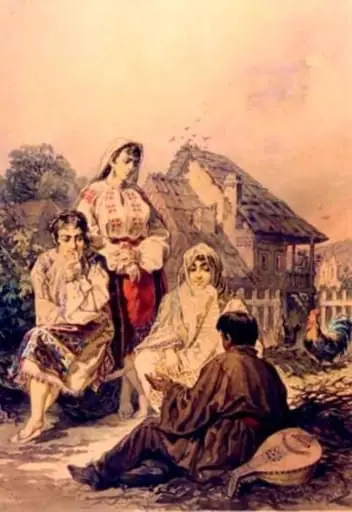
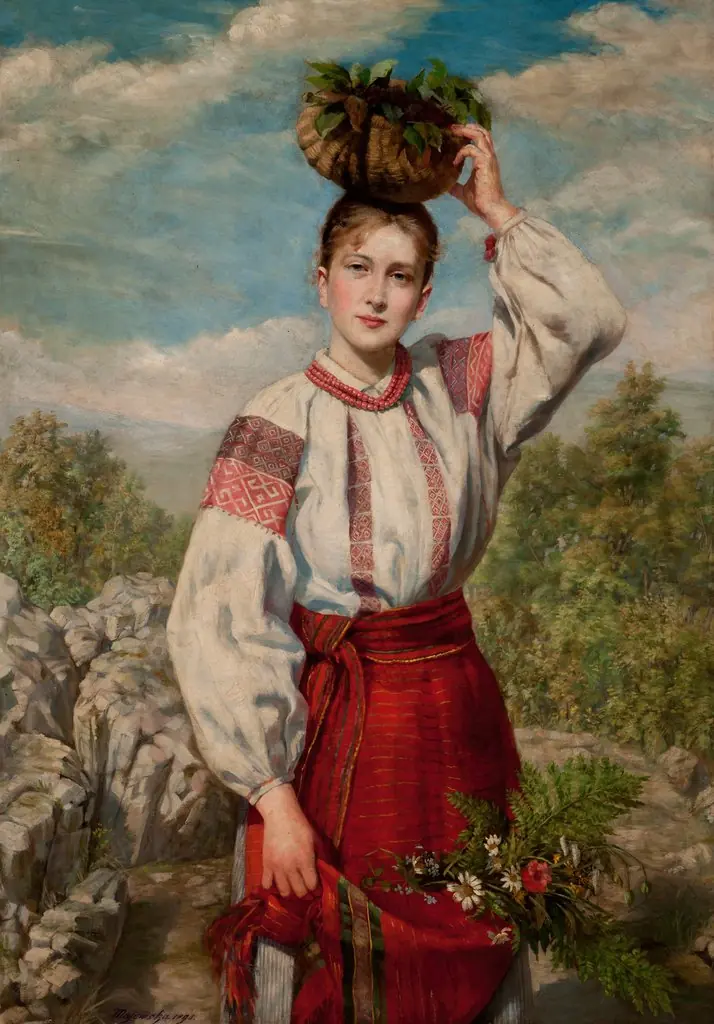
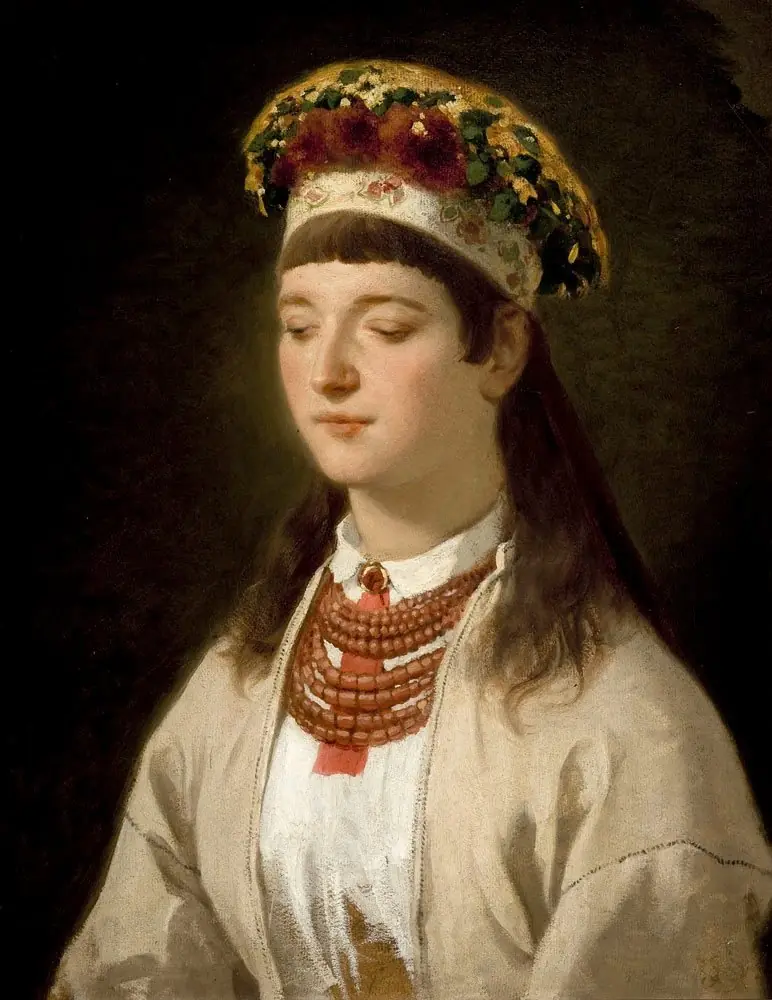
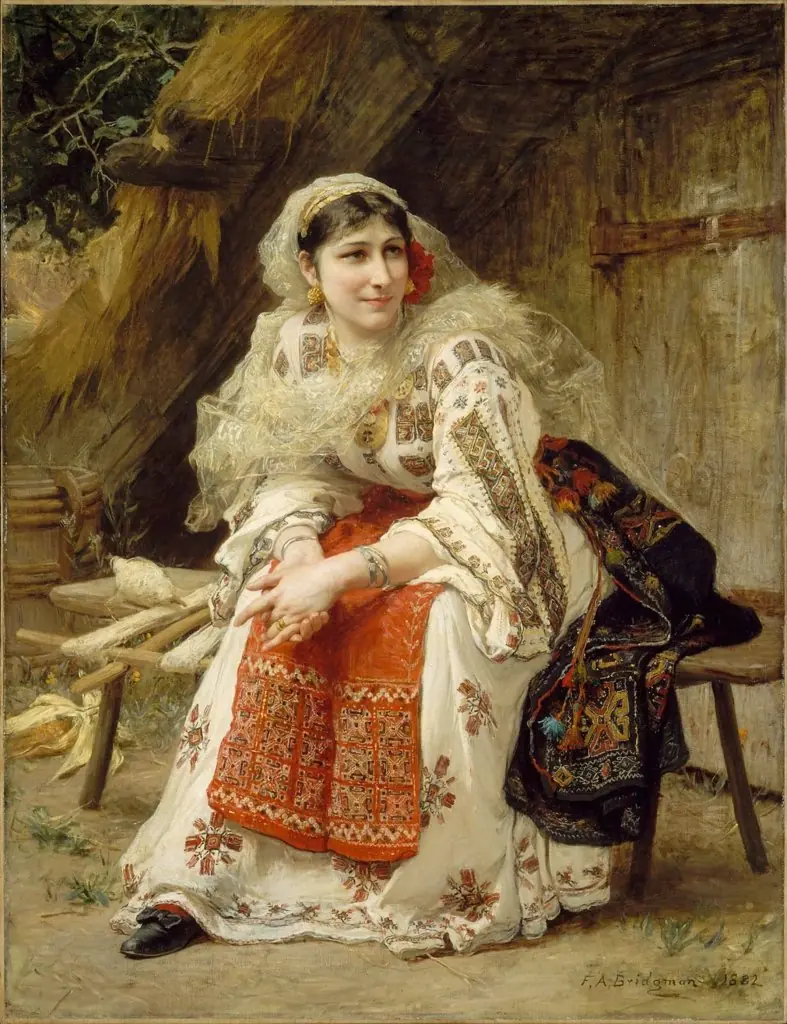
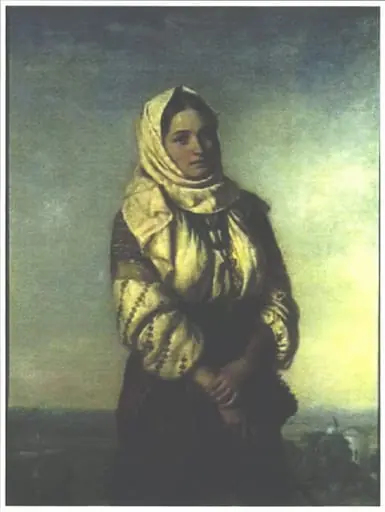
Țărancă din Vlașca is an unspecified painting by the Academic Art artist Gheorghe Tattarescu. It dates from 1868 and is held in the collection of the Iulian Antonescu Bacău Museum Complex.
About this work
Overview
It presents a quiet, unidealized portrait of peasant life during the late 19th century, emphasizing dignity in ordinary labor rather than dramatic narrative.
Painted in 1868 by Gheorghe Tattarescu, Țărancă din Vlașca depicts a rural woman from the Vlașca region of Romania. The work is part of the collection at the Museum of Ethnography in Bucharest. It presents a quiet, unidealized portrait of peasant life during the late 19th century, emphasizing dignity in ordinary labor rather than dramatic narrative. The composition avoids theatricality, focusing instead on stillness and presence.
Subject & Meaning
The subject is a woman standing in a wheat field, holding a sheaf of grain over her shoulder. Her posture and gaze suggest a moment of pause amid labor, not celebration or hardship. The absence of tools or other figures isolates her as a symbol of quiet endurance.
Her attire, embroidered blouse, dark skirt, red sash, reflects regional dress, grounding the image in local identity rather than universal archetype.
Technique & Style
Tattarescu employs soft, blended brushwork to render the field and light, creating a gentle atmosphere without sharp definition. The woman’s form is rendered with more clarity, drawing attention to her expression and clothing. The play of natural light on her face and the muted background suggest an interest in atmospheric realism, aligning with broader 19th-century trends that valued observational truth over idealization.
History & Provenance
Created in 1868, the painting entered the collection of the Museum of Ethnography in Bucharest, where it remains today. It was produced during a period of growing national consciousness in Romania, when artists increasingly turned to rural subjects to define cultural identity. Unlike academic works of the time, this piece avoids mythological or historical themes, focusing instead on contemporary peasant life.
Context
In mid-to-late 19th-century Romania, artists began shifting from European academic traditions toward depictions of local customs and labor. Tattarescu’s work reflects this transition, aligning with a broader movement to document folk life as part of national heritage. While not overtly political, the painting contributes to a cultural project of preserving regional identity through visual representation.
Legacy
Țărancă din Vlașca stands as an early example of Romanian realism in portraiture, influencing later artists who sought to portray rural life with empathy and precision. Its quiet composition and attention to detail helped establish a visual language for national identity rooted in everyday experience rather than grandeur. The work continues to be referenced in studies of Romanian art and ethnographic representation.
Artist & collection
Artist
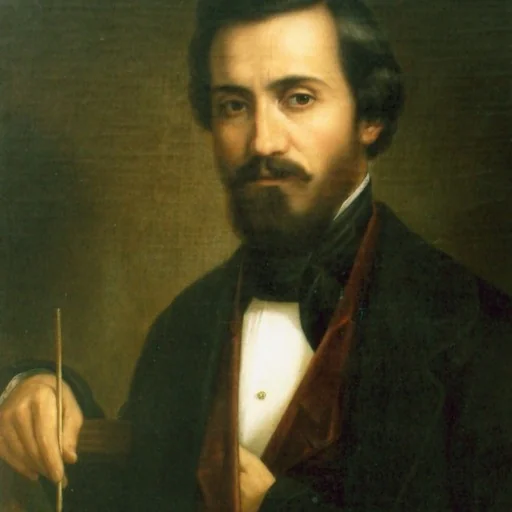
Gheorghe Tattarescu (Romanian pronunciation:; October 1818 – October 24, 1894) was a Romanian painter and a pioneer of neoclassicism in his country's modern painting.
Museum
Iulian Antonescu Bacău Museum Complex
Continue through works from the same source collection.