Artwork
Dido Founding Carthage
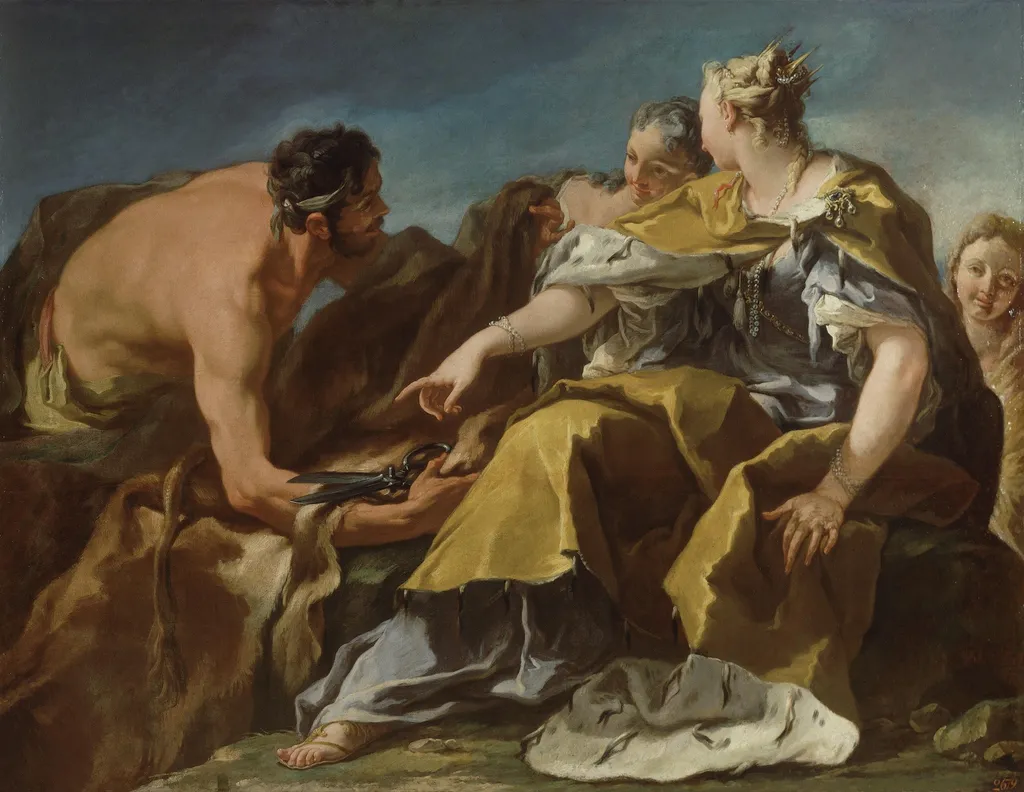
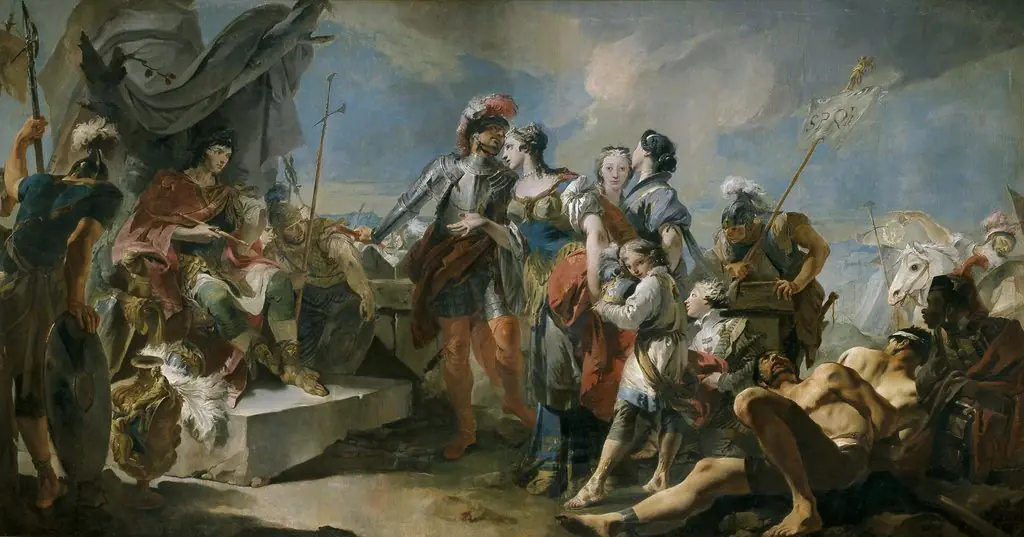
Dido Founding Carthage is an oil painting by the Rococo painting artist Giambattista Pittoni. It dates from 1721 and is held in the collection of the Hermitage Museum.
About this work
Subject & Meaning
The painting illustrates the legendary founding of Carthage by Dido, the queen who fled Phoenicia after the death of her husband Sychaeus.
The painting illustrates the legendary founding of Carthage by Dido, the queen who fled Phoenicia after the death of her husband Sychaeus. The subject is drawn directly from classical sources, most notably Virgil's Aeneid. At the center of the iconography, a servant presents Dido with a bovine hide and a pair of scissors, the instruments of the famous stratagem by which she secured the land for her new city.
According to the legend, upon arriving in Africa she petitioned the Numidian king Iarbas for as much territory as the hide could enclose; she then had the leather cut into extremely thin strips, enabling her to claim enough ground to begin building Carthage.
The work thus celebrates Dido's legendary cunning and the mythological origins of one of the ancient Mediterranean's greatest powers, transforming a textual episode from Virgil into a visual emblem of statecraft and foundational myth.
Technique & Style
Giambattista Pittoni executed this work as an oil painting on canvas. The composition measures 161 cm in height and 200 cm in width. Stylistically, the piece draws its subject matter explicitly from classical themes found in Virgil's Aeneid, depicting the legendary Queen Dido receiving a bovine hide and scissors from a servant.
This iconography illustrates the specific myth where Dido acquires land for Carthage by cutting the hide into thin strips. Physical inspection of the support reveals a pencil inscription detailing the dimensions and inventory number, alongside an official stamp from the State Hermitage Museum.
History & Provenance
Dido Founding Carthage is an oil-on-canvas painting created in 1721 by Giovanni Battista Pittoni, as recorded in the Hermitage Museum catalog and confirmed by multiple scholarly sources. The work entered the permanent collection of the Hermitage Museum in 1923, having previously been housed in the Reggia di Gatčina, a transfer noted for its cultural significance. It measures 161 cm by 200 cm and was executed in Italy, reflecting the artist’s mature classical style influenced by themes from Virgil’s Aeneid.
The painting’s provenance includes its acquisition by the Hermitage under the reign of Nicholas I, a move facilitated by earlier ownership at the Venetian palazzo of Gatčina. Scholarly documentation of its history appears in catalogues from exhibitions such as 'Pietroburgo e l'Italia 1750-1850' (2003) and in archival research by Artemieva and Androsov.
Context
Giambattista Pittoni’s Dido Founding Carthage (1721) exemplifies the grand historical narrative favored by 18th‑century Venetian painters, linking mythic antiquity to contemporary diplomatic interests. The canvas entered the Hermitage collection in 1923 after being transferred from the Gatčina estate, underscoring its recognized significance within Russian imperial patronage. Scholars have highlighted its role in the broader discourse of neoclassical mythological subjects, situating Pittoni within the network of artists who supplied Catherine the Great’s court with works that reinforced Enlightenment ideals of virtue and statecraft.
Contemporary reviews of the 2003 exhibition "Pietroburgo e l'Italia 1750-1850. Il genio italiano in Russia" emphasized the painting’s technical mastery and its capacity to mediate cultural dialogue between Italy and Russia.
Legacy
The painting Dido Founding Carthage by Giambattista Pittoni, completed around 1720 and now housed in the Hermitage Museum, has been recognized for its adherence to classical themes drawn from Virgil's Aeneid, particularly the legendary founding of Carthage by Dido after her escape from Phoenicia. According to the Hermitage's catalog, the work entered the museum's permanent collection in 1923 after being transferred from the Reggia di Gatčina for its cultural significance. Its composition includes symbolic elements such as a bull's hide and shears, referencing Dido's legendary method of securing land for Carthage by cutting the hide into strips.
The painting was featured in the 2003 exhibition 'Pietroburgo e l'Italia 1750-1850. Il genio italiano in Russia' in Rome, underscoring its role in the dialogue between Italian and Russian art. Scholarly attention to the work is documented in publications by Androsov and Zichichi (2007) and Artemieva (1994, 2003), which detail its acquisition history and artistic context within the Hermitage's collection of Venetian school works.
Overview
Giambattista Pittoni’s oil canvas Dido Founding Carthage was completed in 1721. Executed during the late Baroque‑Rococo transition, the work is part of the State Hermitage Museum’s collection. It portrays the legendary queen Dido in the act of establishing the city of Carthage, a subject drawn from classical mythology.
Own this work as a print
Artist & collection
Artist
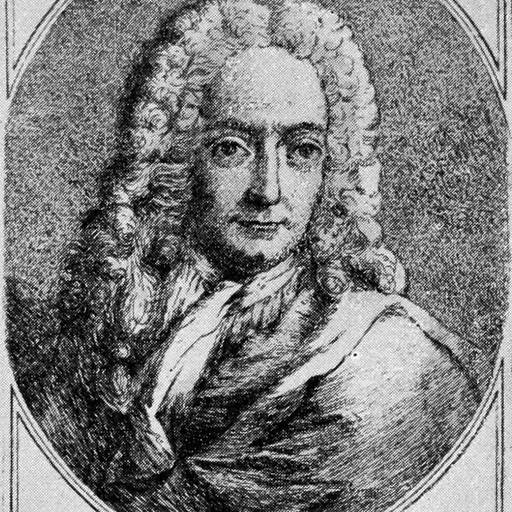
Giambattista Pittoni or Giovanni Battista Pittoni (6 June 1687 – 6 November 1767) was a Venetian painter of the late Baroque or Rococo period.


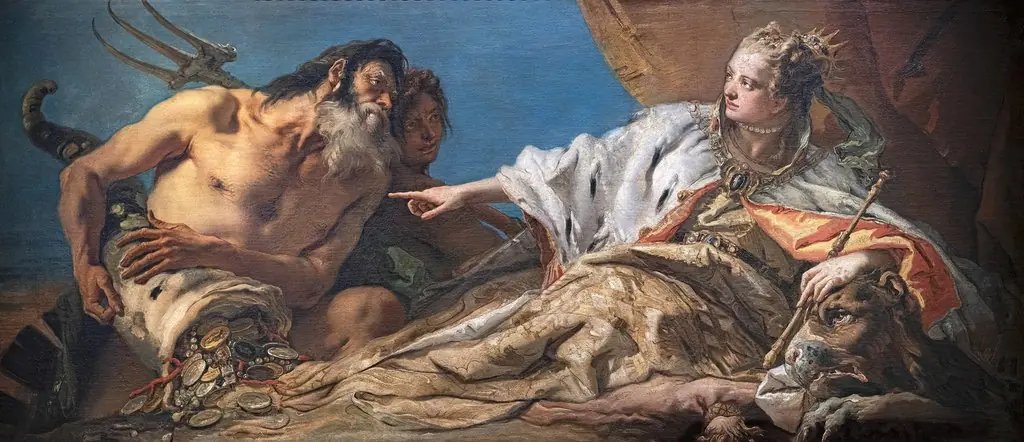 Neptune Offering Gifts to Venice
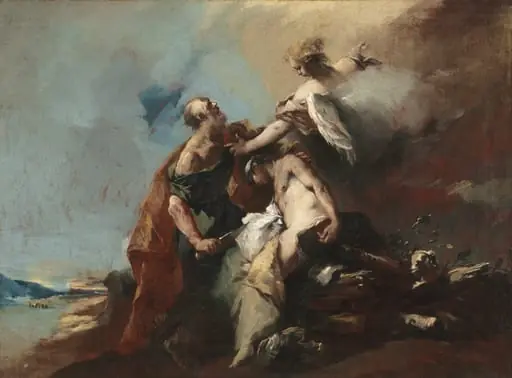 The Sacrifice of Isaac
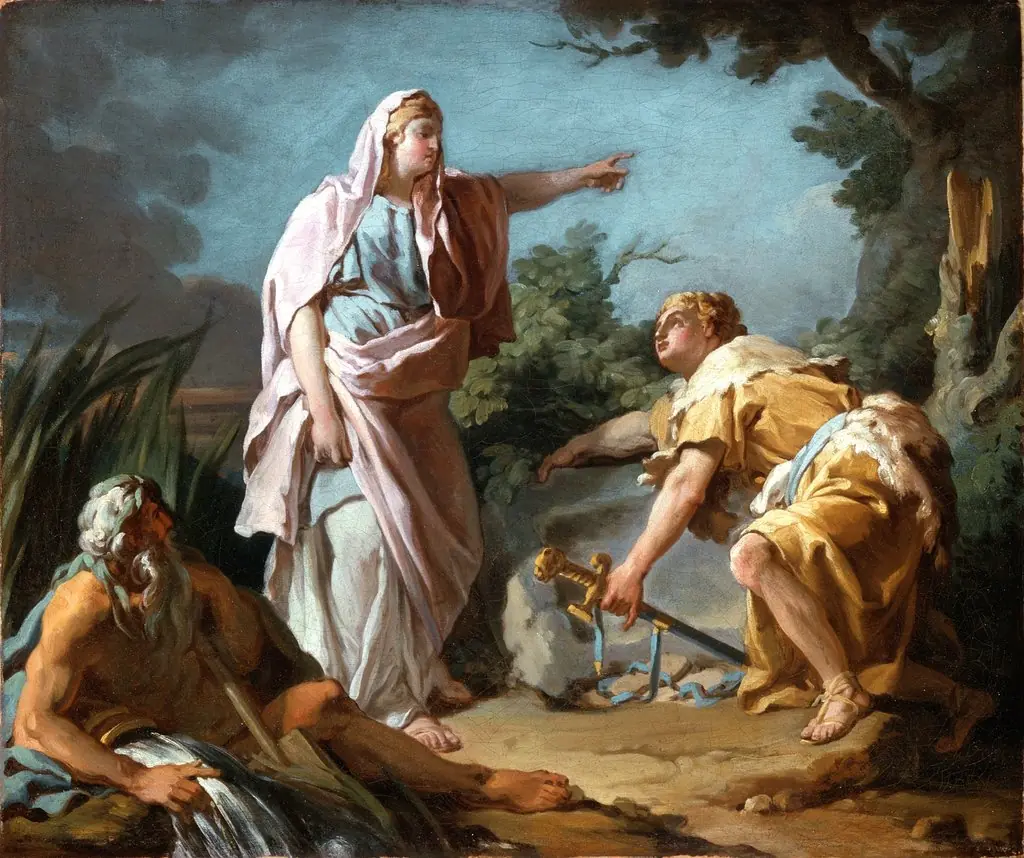 Aethra Showing her Son Theseus the Place Where his Father had Hidden his Arms
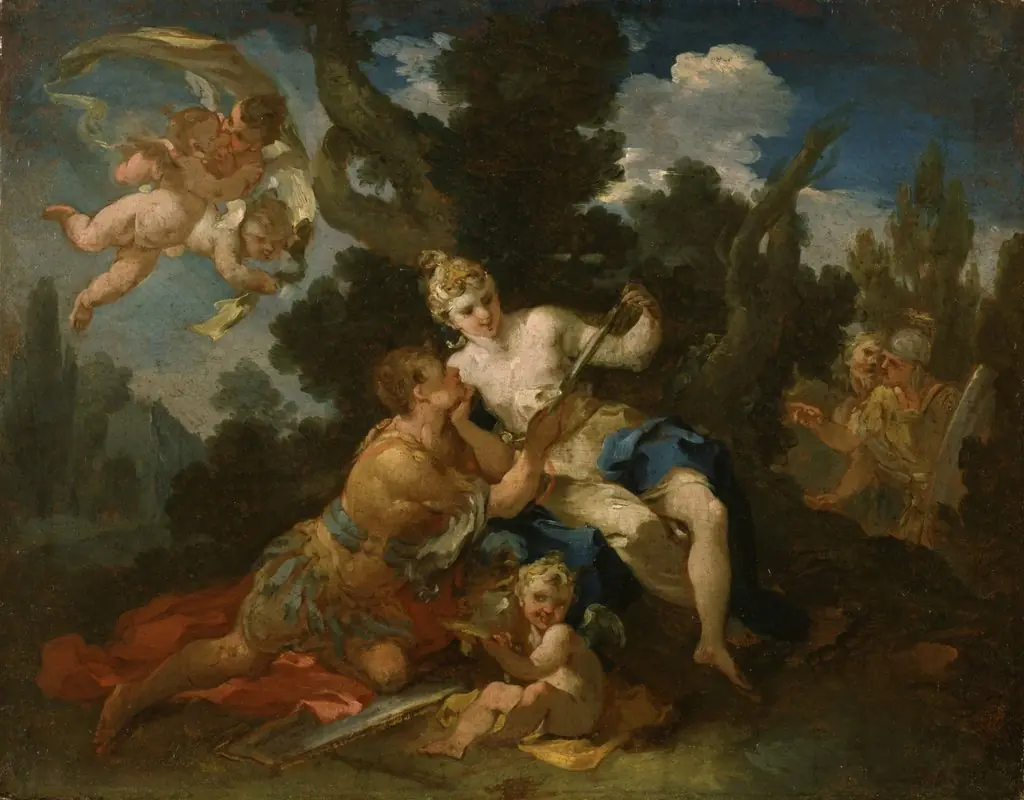 Rinaldo and Armida
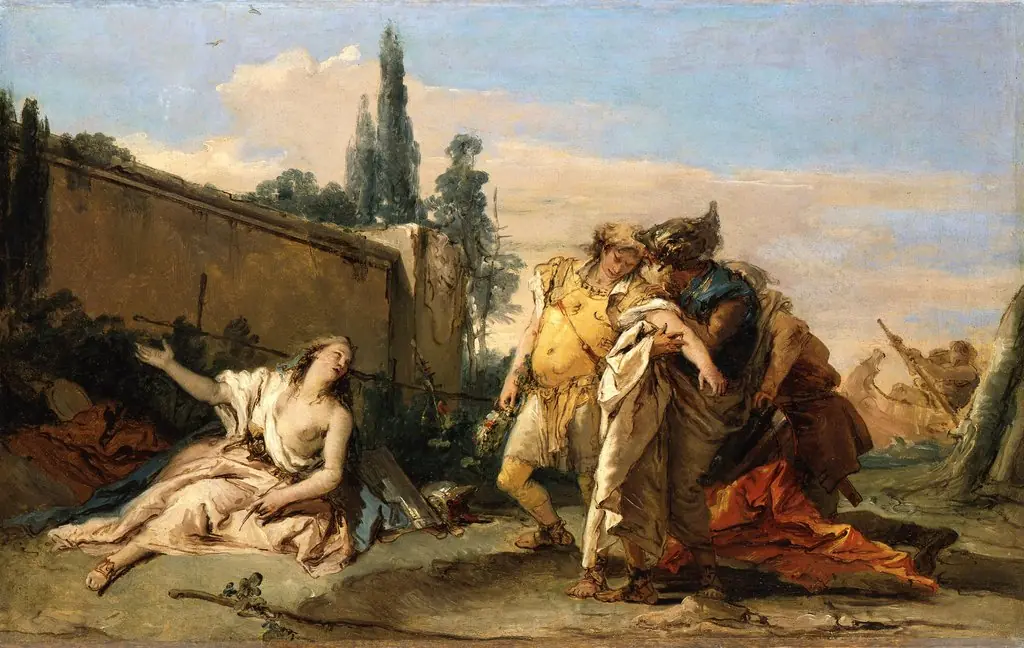 Rinaldos farewell from Armida
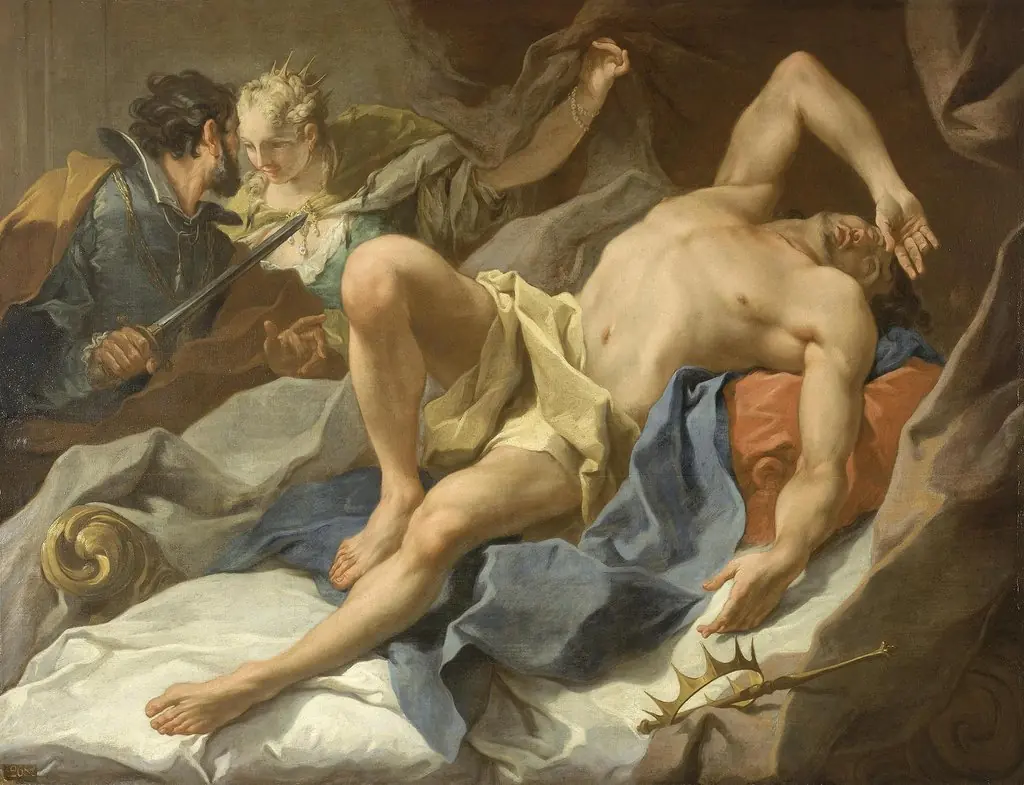 Death of King Candaules
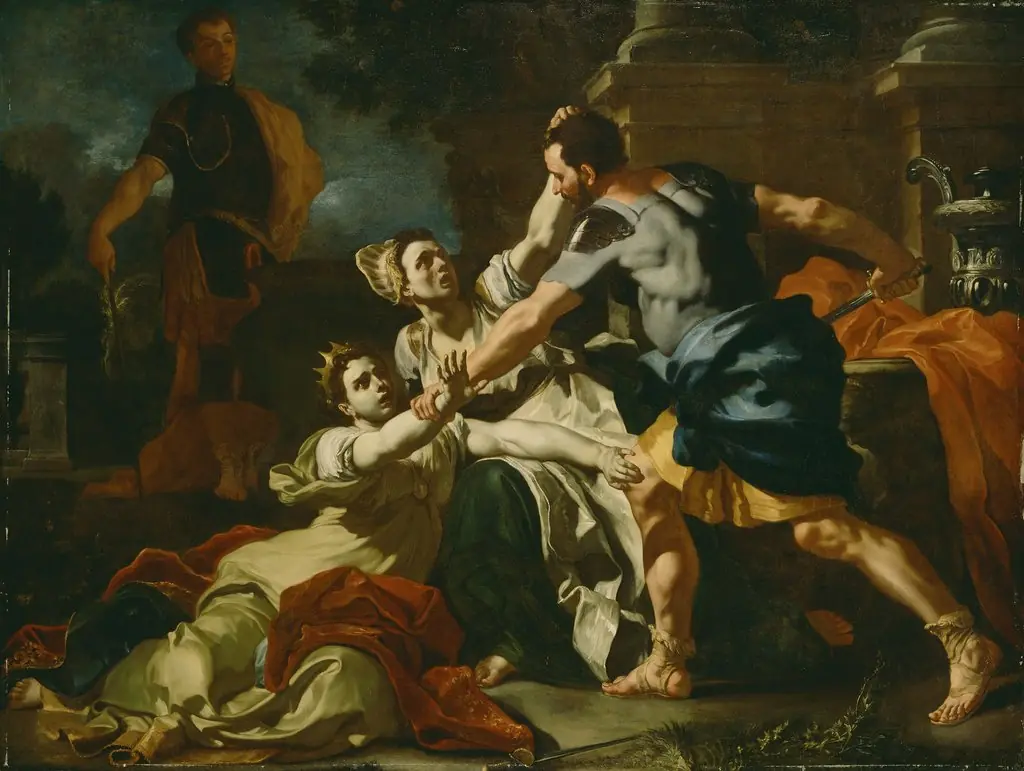 Death of Messalina
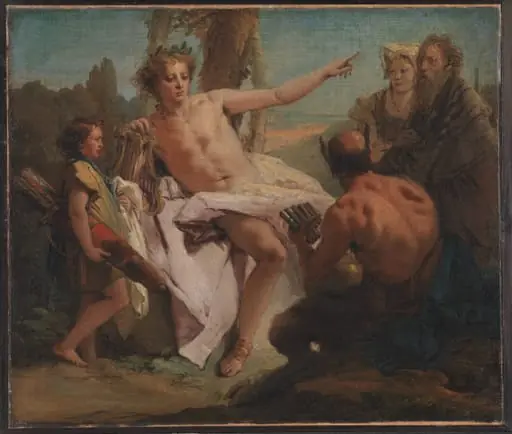 Apollo and Marsyas
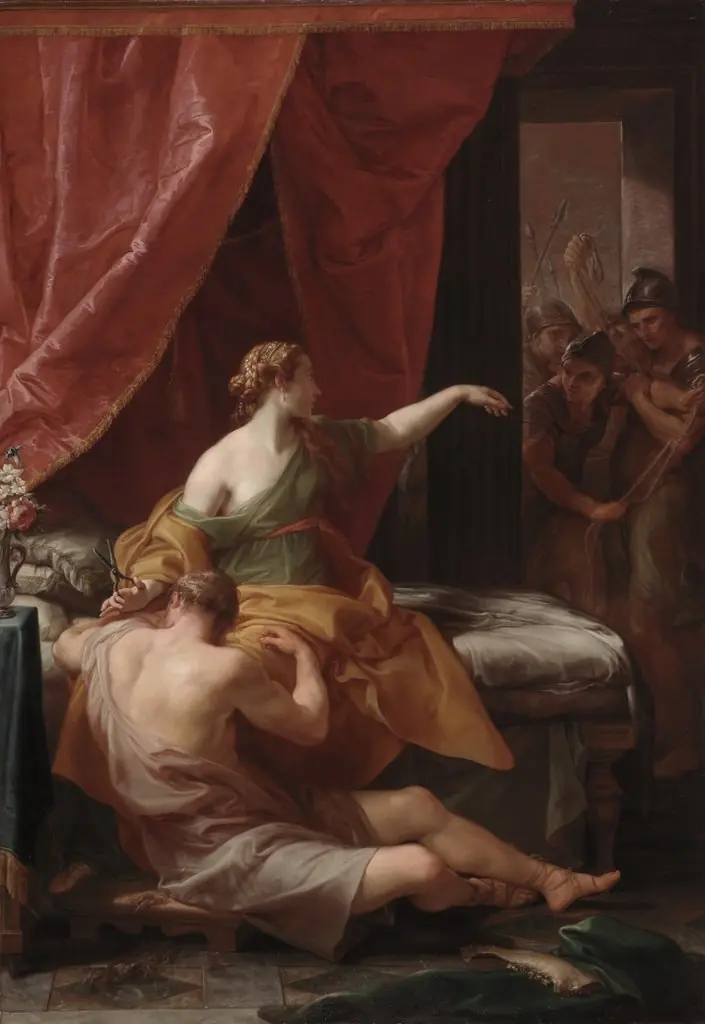 Samson and Delilah
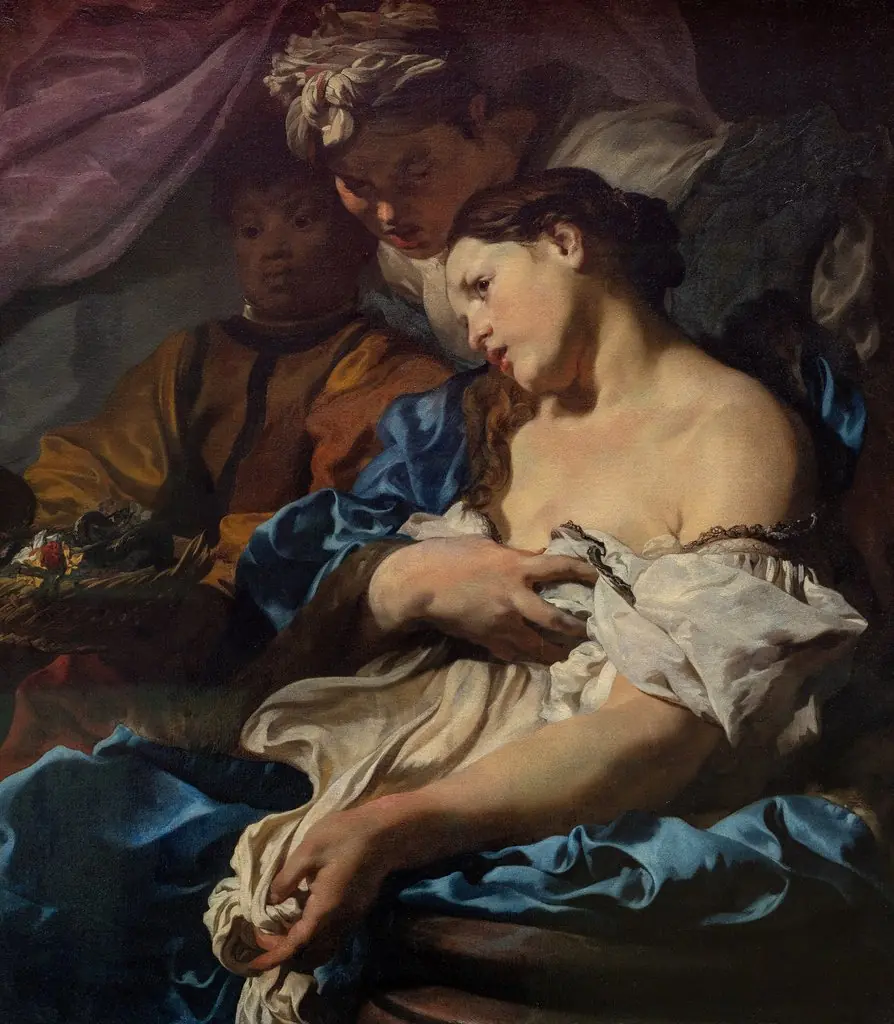 The Death of Cleopatra
 Queen Zenobia before the Emperor Aurelian
- Death of Dido