Artwork
Print Collection
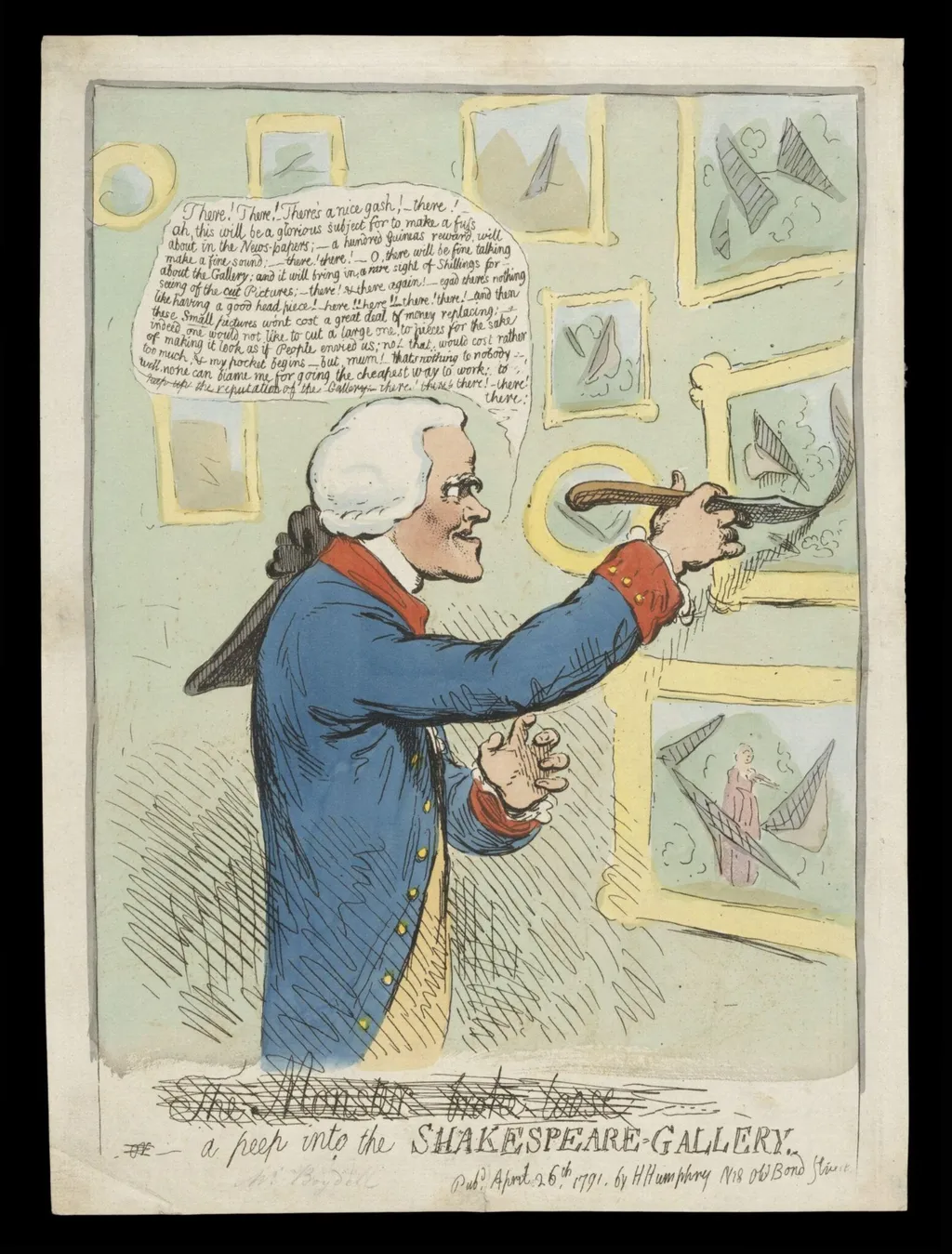
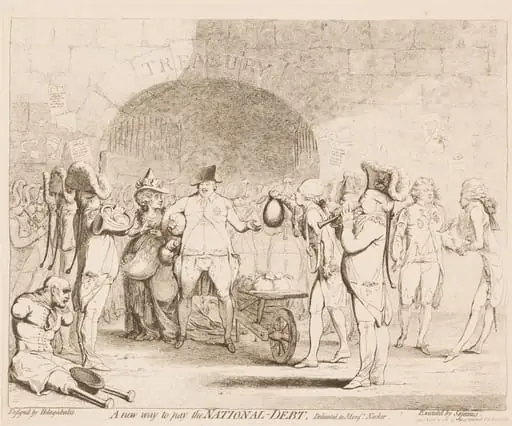
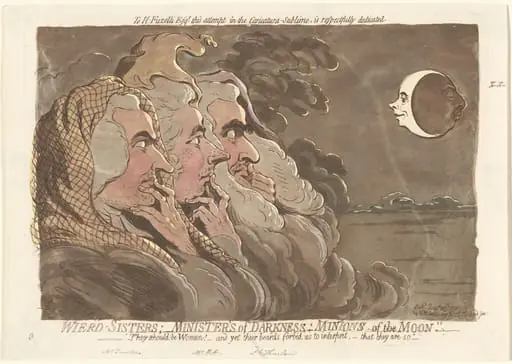
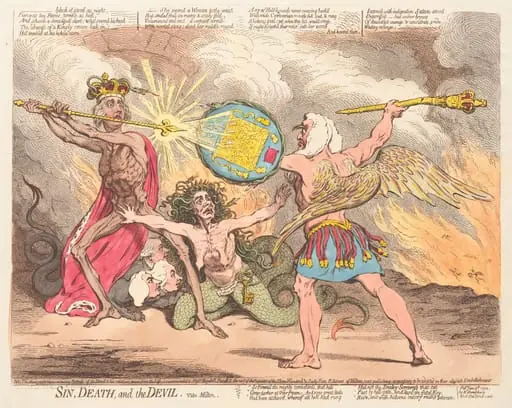
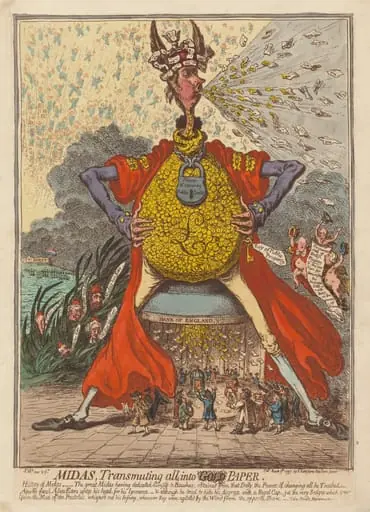
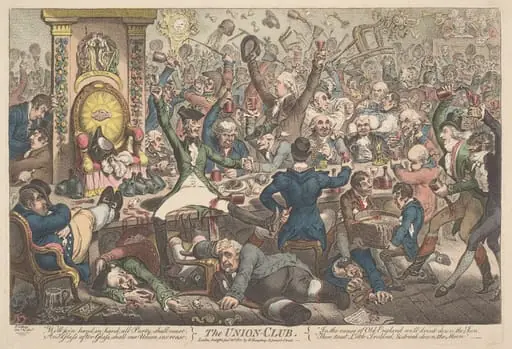
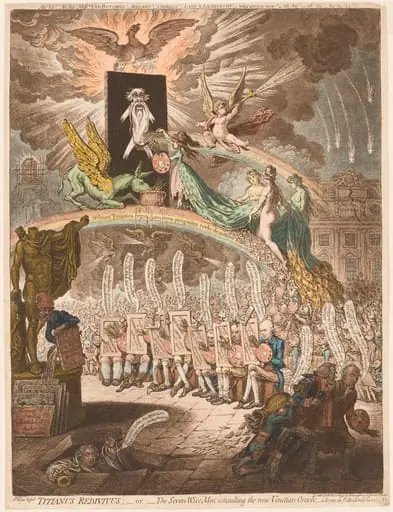
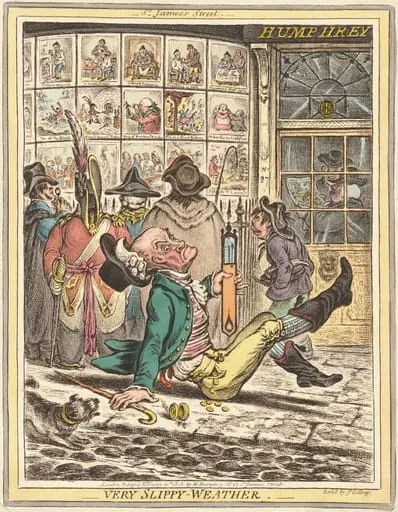
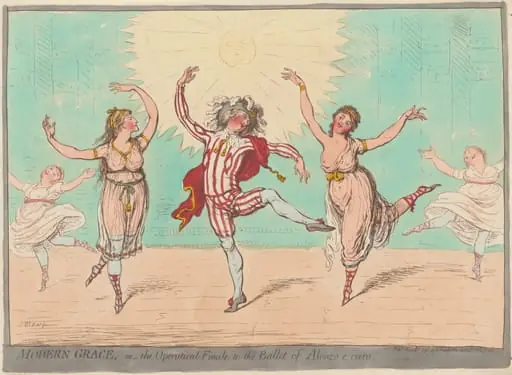
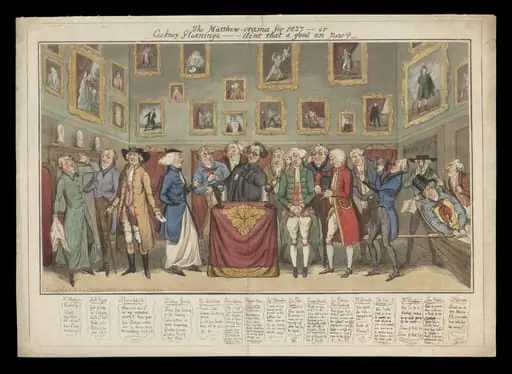
Print Collection is a print by the Romanticist artist James Gillray. It dates from 26 and is held in the collection of the Victoria and Albert Museum. This 1791 satirical print, published by H.
About this work
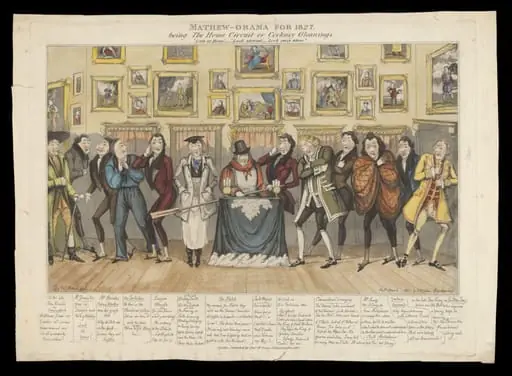
This print shows a chaotic scene with people running away from a monster. It's a satirical work, making fun of John Boydell, a publisher. The print was published by H. Humphrey in 1791, and it's a commentary on the art world of that time.
You can learn more about this style of satire by looking at the work of artist: Gillray, James.
Overview
The image portrays Boydell as a monstrous figure emerging from his gallery, causing panic among onlookers.
This 1791 satirical print, published by H. Humphrey, critiques John Boydell, a prominent publisher and promoter of Shakespearean art. The image portrays Boydell as a monstrous figure emerging from his gallery, causing panic among onlookers. It belongs to a tradition of political and cultural caricature common in late 18th-century Britain, using exaggeration to question the commercialization of high art.
Subject & Meaning
The print personifies Boydell’s Shakespeare Gallery as a terrifying creature, symbolizing the perceived excess and commercial greed behind his ambitious project. Figures flee in disorder, suggesting public unease with the commodification of literary culture. The monster’s form, drawn from the gallery’s own artworks, implies that Boydell’s enterprise had become a self-consuming spectacle rather than a cultural service.
Technique & Style
Executed in the line engraving tradition, the print employs sharp, detailed contours and dense cross-hatching to heighten dramatic tension. The composition is deliberately chaotic, with figures scattered in panic and the monstrous form looming centrally. This visual strategy aligns with the satirical style of James Gillray, emphasizing absurdity through exaggerated anatomy and crowded, dynamic space.
History & Provenance
Produced in 1791, the print emerged during public debate over Boydell’s Shakespeare Gallery, a venture that combined publishing, exhibition, and nationalistic art promotion. Though initially celebrated, the gallery faced criticism for its high costs and questionable artistic merit. This print was part of a wave of critical responses, circulating among London’s literate classes as a form of cultural commentary.
Context
In the 1790s, Britain saw rising tensions between emerging commercial art markets and traditional notions of artistic patronage. Boydell’s project, while ambitious, was seen by some as prioritizing profit over aesthetic integrity. Satirical prints like this one reflected broader anxieties about the influence of commerce on cultural institutions, a theme echoed in contemporary political cartoons.
Legacy
The print remains a document of public skepticism toward institutionalized art projects in the late 18th century. While Boydell’s gallery eventually declined, such satires contributed to a lasting discourse on the relationship between art, commerce, and public taste. It stands as an example of how visual satire could shape cultural critique in an era before mass media.
Own this work as a print
Artist & collection
Artist
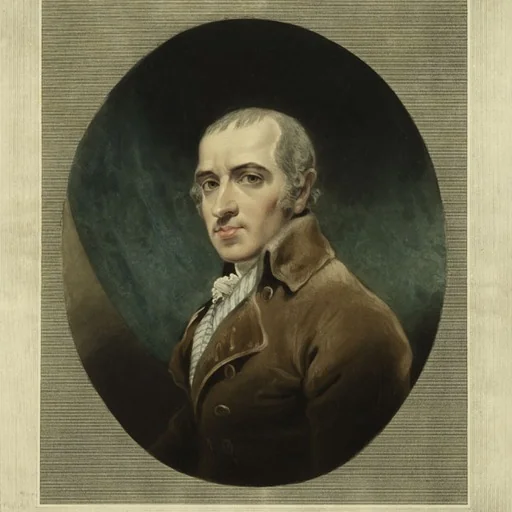
James Gillray (13 August 1756 – 1 June 1815) was an English caricaturist and printmaker famous for his etched political and social satires, mainly published between 1792 and 1810.