Artwork
Landscape
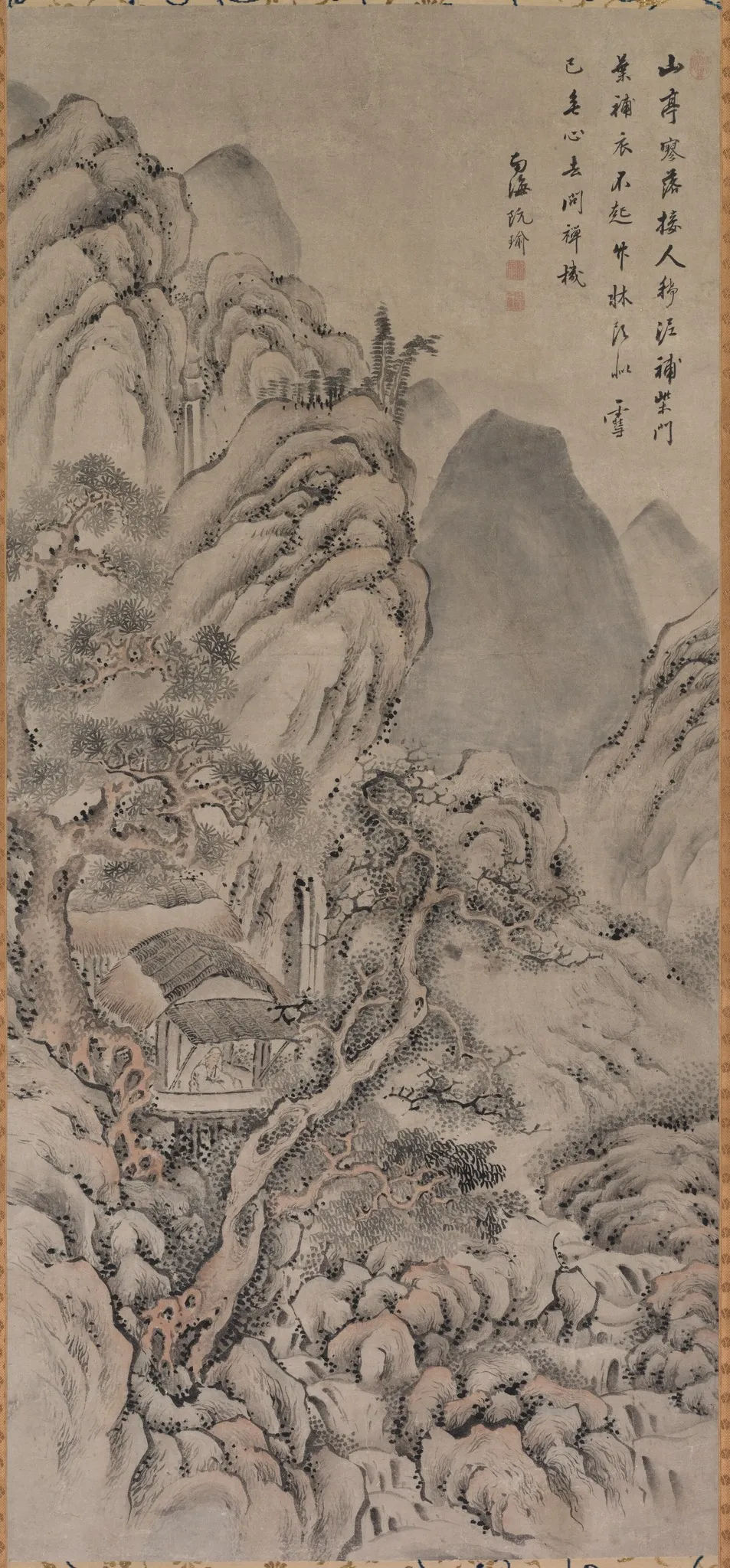
Landscape is an unspecified painting by the Ukiyo-e artist Gion Nankai. It dates from 1725 and is held in the collection of the Cleveland Museum of Art.
About this work
Subject & Meaning
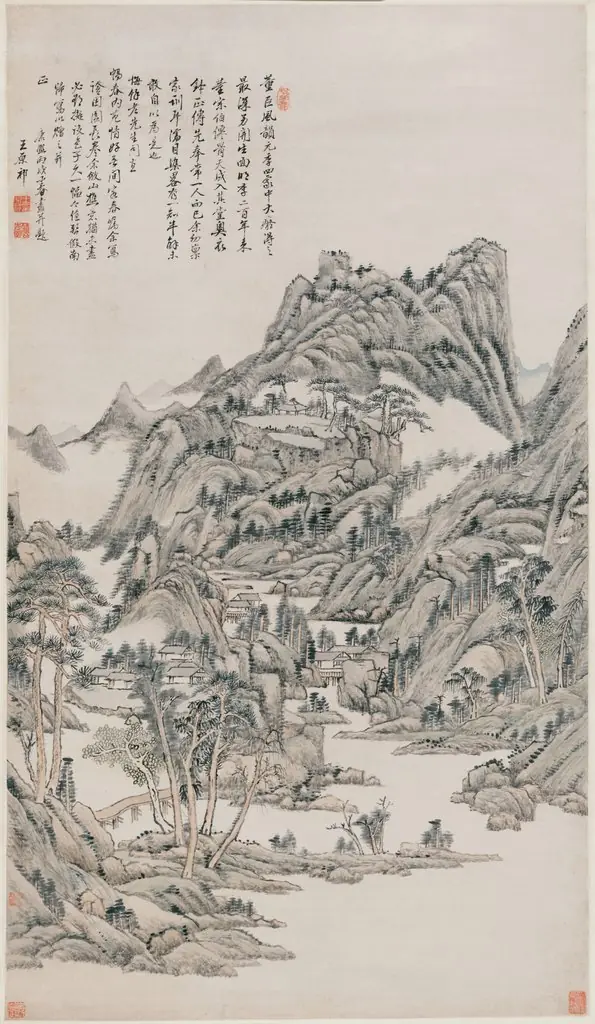
Gion Nankai's Landscape, created in 1725, is a Japanese painting that adheres to the landscape genre.
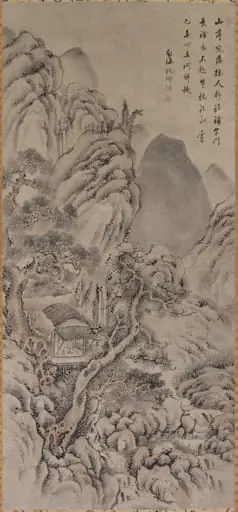
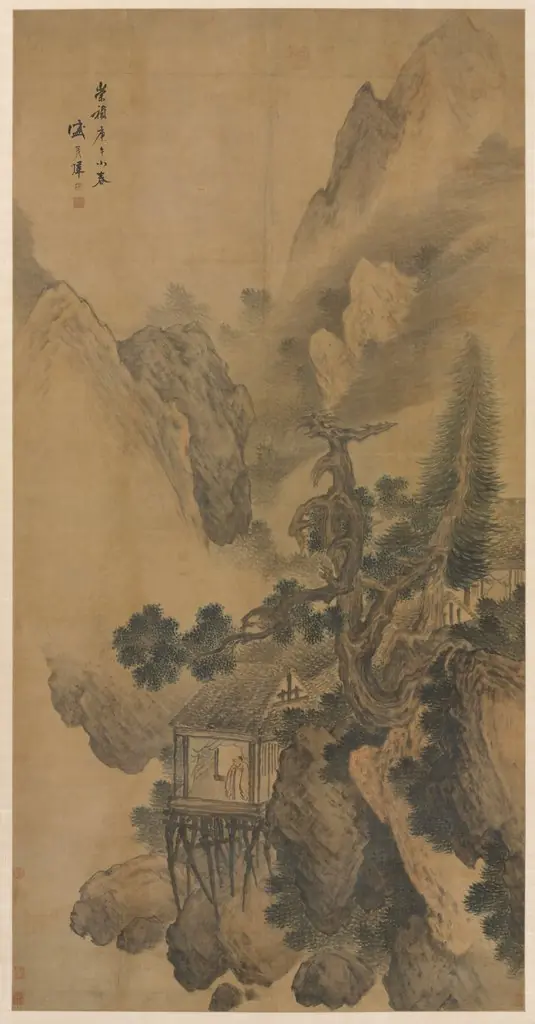
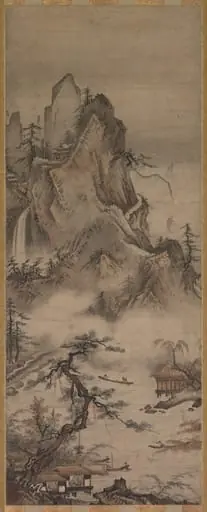
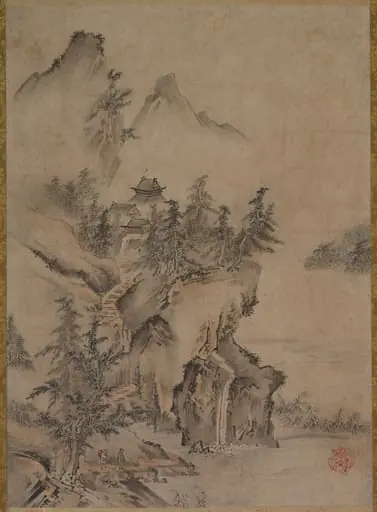
Gion Nankai's Landscape, created in 1725, is a Japanese painting that adheres to the landscape genre. The work depicts a natural scene, consistent with the conventions of landscape painting, though specific iconographic details, symbolic elements, or deeper representational meanings are not detailed in the available records. As a product of early 18th-century Japan, the piece reflects the artistic traditions of its time and place without further elaboration on specific narrative or allegorical content.
History & Provenance
The painting Landscape by Gion Nankai is dated to 1725, aligning with the artist’s mature period.
The work entered the collection of the Cleveland Museum of Art in 1980 as accession number 1980.81. It is recorded as a landscape painting created in Japan, consistent with Nankai’s documented activity during the Edo period.
The painting is held by the Cleveland Museum of Art, where it is recorded under accession number 1980.81.
It has been exhibited at the Cleveland Museum of Art as part of its permanent collection displays, with records indicating its presence in 1980 when it entered the museum’s holdings.
Overview
Gion Nankai's painting, titled Landscape, was created in 1725. This work is a significant example of the artist's approach to natural scenery. It is currently housed within the collection of The Cleveland Museum of Art, where it offers insight into 18th-century Japanese artistic traditions. The composition presents a tranquil vista, inviting contemplation of its natural elements.
Technique & Style
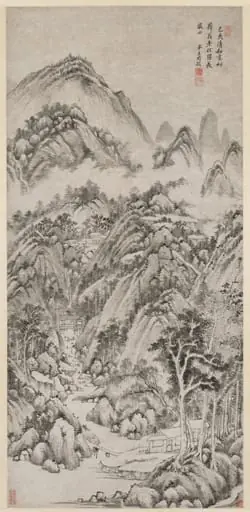
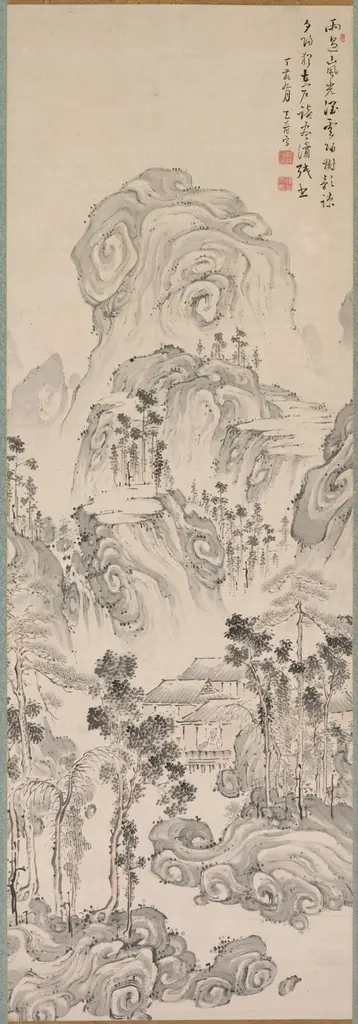
Nankai rendered the mountainous forms using a subtle palette of varying gray tones, which effectively defines their contours and suggests their scale. Trees and other foliage are integrated throughout the scene, adding texture and detail. A vertical inscription of Chinese characters is positioned in the upper right quadrant, a common element in East Asian painting that often includes poetry or commentary. This stylistic choice contributes to the work's contemplative mood.
Artist & collection