Artwork
Lonely Retreat Overlooking a Misty Valley
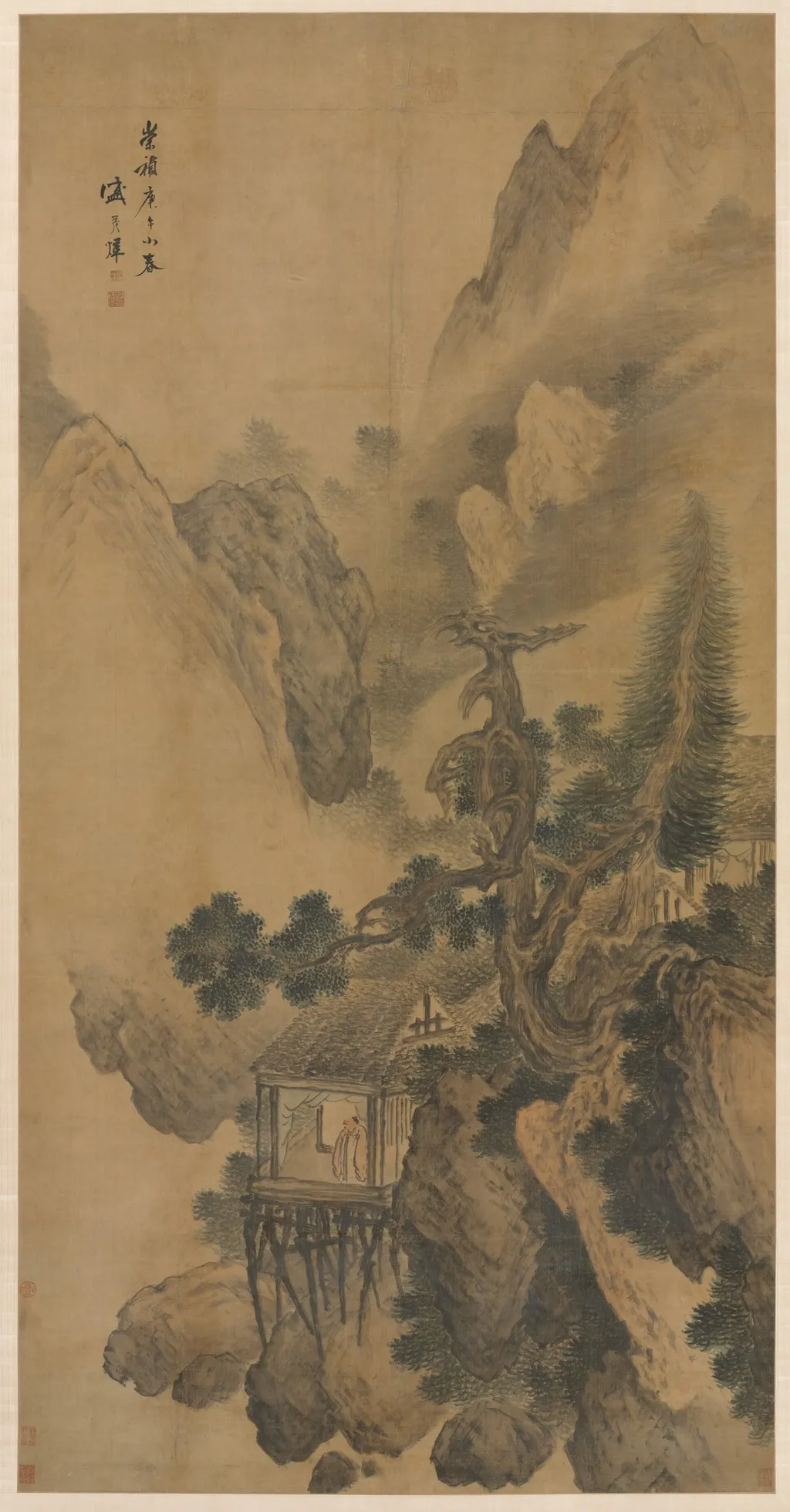
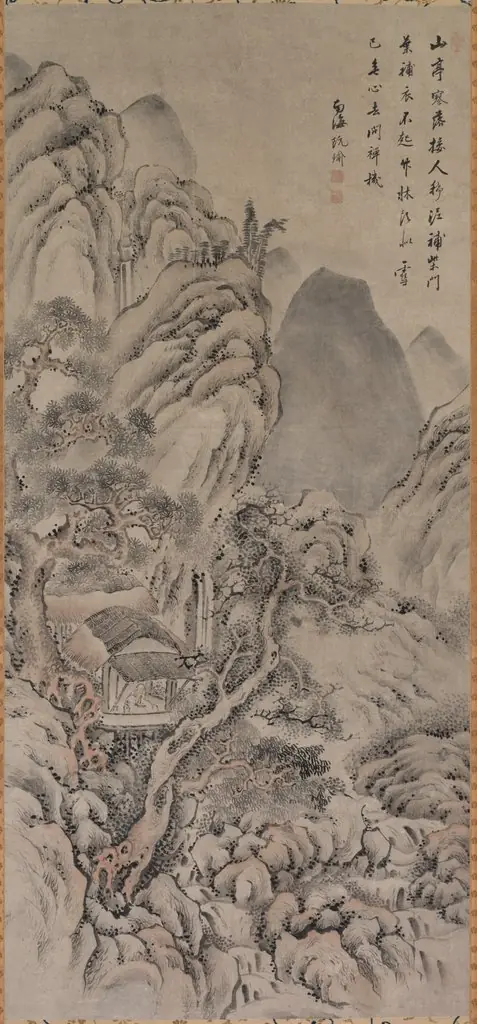
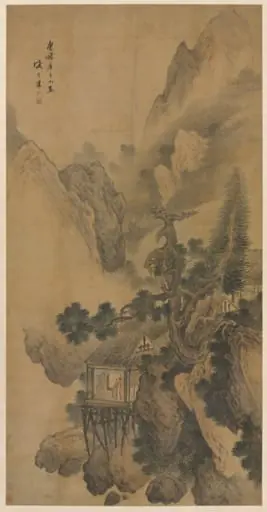
Lonely Retreat Overlooking a Misty Valley is an unspecified painting by the Ming dynasty painting artist Sheng Maoye. It dates from 1630 and is held in the collection of the Cleveland Museum of Art.
About this work
Technique & Style
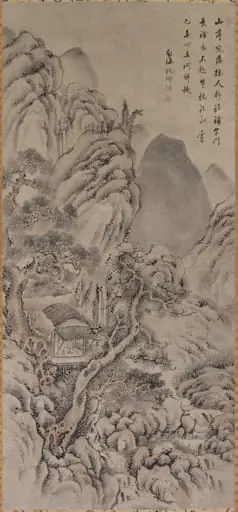
It depicts a solitary retreat set within a misty valley, employing a restrained palette and delicate atmospheric rendering to convey depth and quietude.
The work is an oil painting on canvas created by Sheng Maoye in 1630 in China. It depicts a solitary retreat set within a misty valley, employing a restrained palette and delicate atmospheric rendering to convey depth and quietude. The composition balances precise architectural detail with soft, diffused natural elements, reflecting a synthesis of Chinese landscape sensibilities and emerging Western techniques in light and space.
History & Provenance
The painting was created in China circa 1630 by Sheng Maoye, who was active in the early 1600s. It entered the collection of the Cleveland Museum of Art, where it remains on view.
The work was acquired by the museum in 1961 as part of its early acquisitions of Chinese painting.
Its provenance is documented through the museum's records, confirming its presence in the collection since 1961.
The dating of 1630 aligns with the artist's known activity period in the early 17th century.
The work's creation history is tied to its commissioning within the cultural context of 17th-century Chinese art.
The painting's classification as a work of the early 1600s reflects its stylistic and historical placement within Sheng Maoye's oeuvre.
Overview
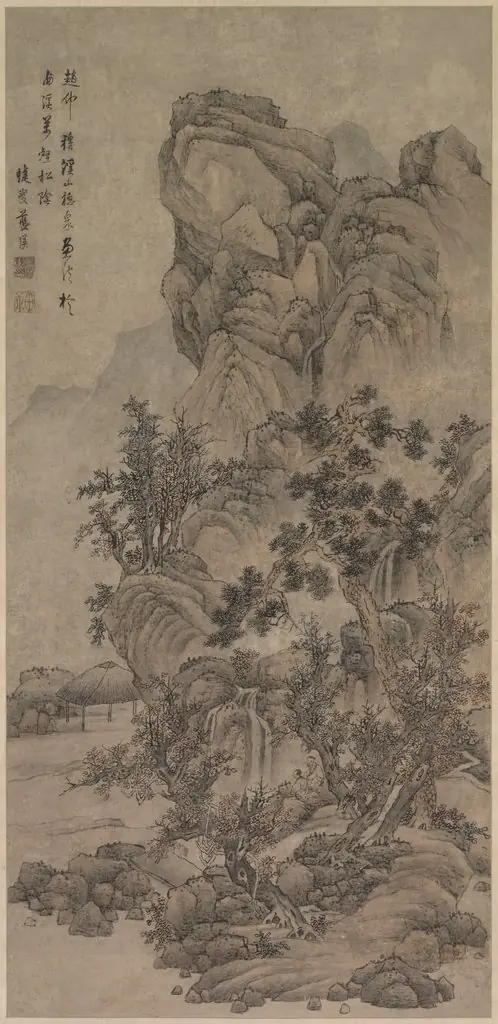
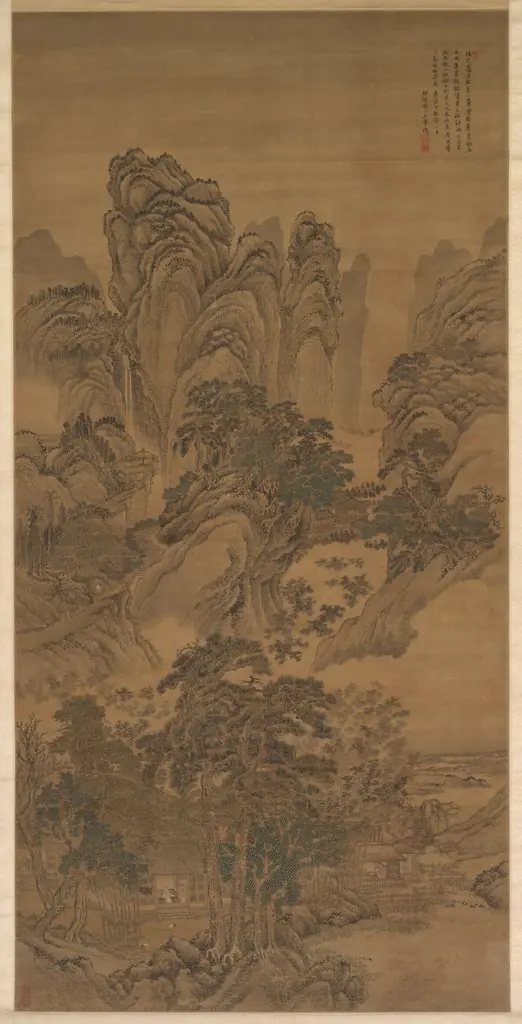
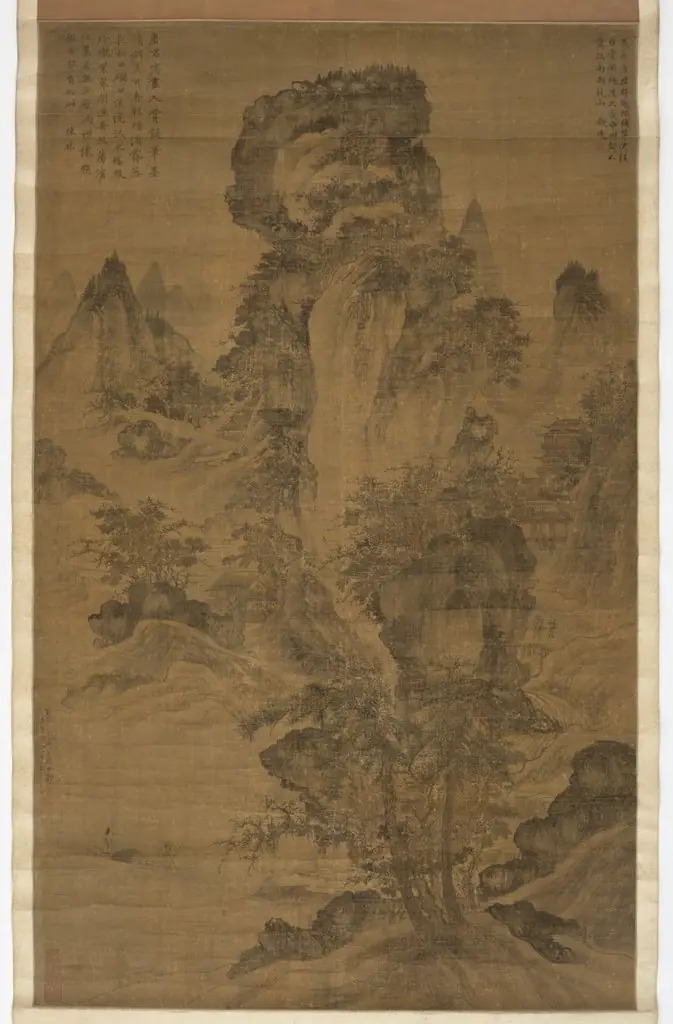
Lonely Retreat Overlooking a Misty Valley, painted by Sheng Maoye in 1630, is part of the collection at the Cleveland Museum of Art. The work presents a solitary mountain landscape dominated by craggy cliffs and gnarled trees, with a modest wooden pavilion perched on a ledge and barely discernible figures within.
Subject & Meaning
The composition centers on a secluded pavilion that appears half concealed by surrounding foliage, suggesting a place of quiet contemplation removed from the world. The faint silhouettes of two occupants near a window evoke a sense of introspection, while the enveloping mist and muted palette reinforce the theme of isolation within nature.
Context
Sheng Maoye worked during a time when Chinese literati painters often expressed personal sentiment through depictions of remote scenery. The work’s emphasis on solitude and the integration of architecture within a natural setting align with contemporary ideals of retreat and scholarly withdrawal from public life.
Artist & collection