Artwork
Jupiter and Antiope
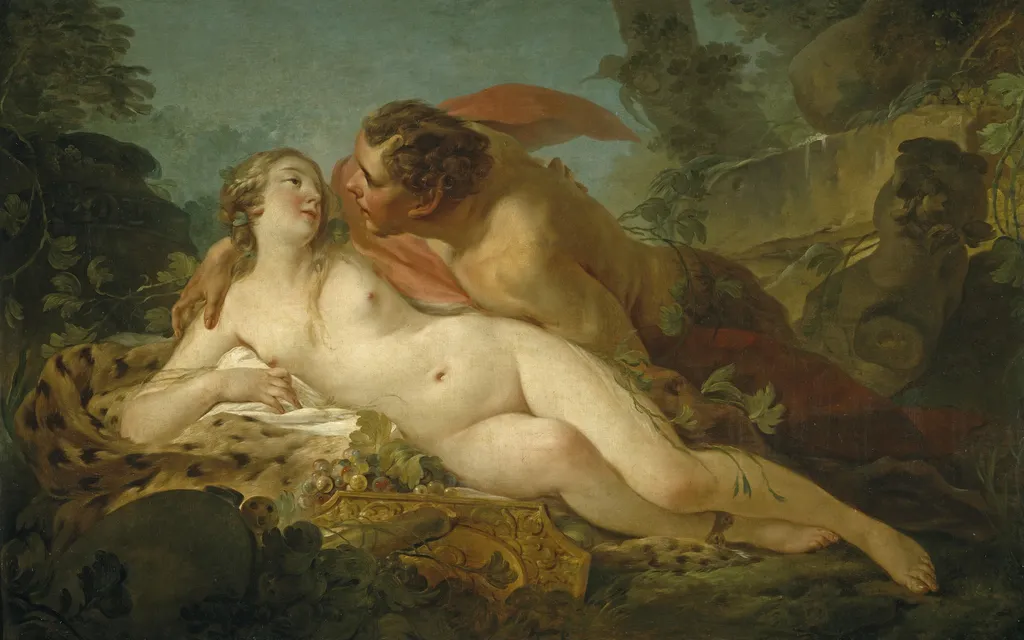
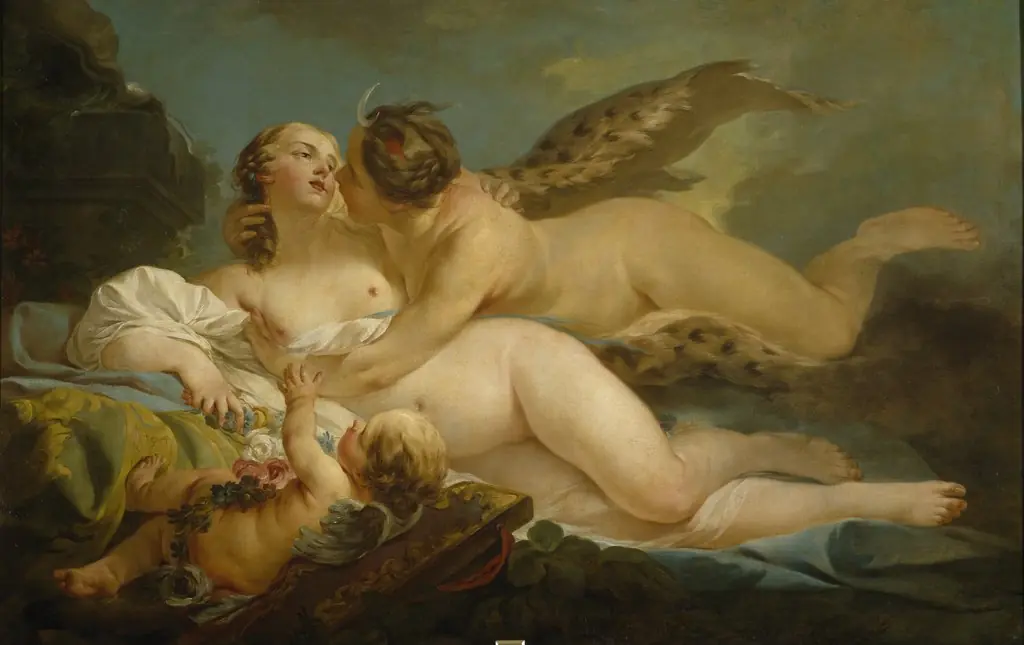
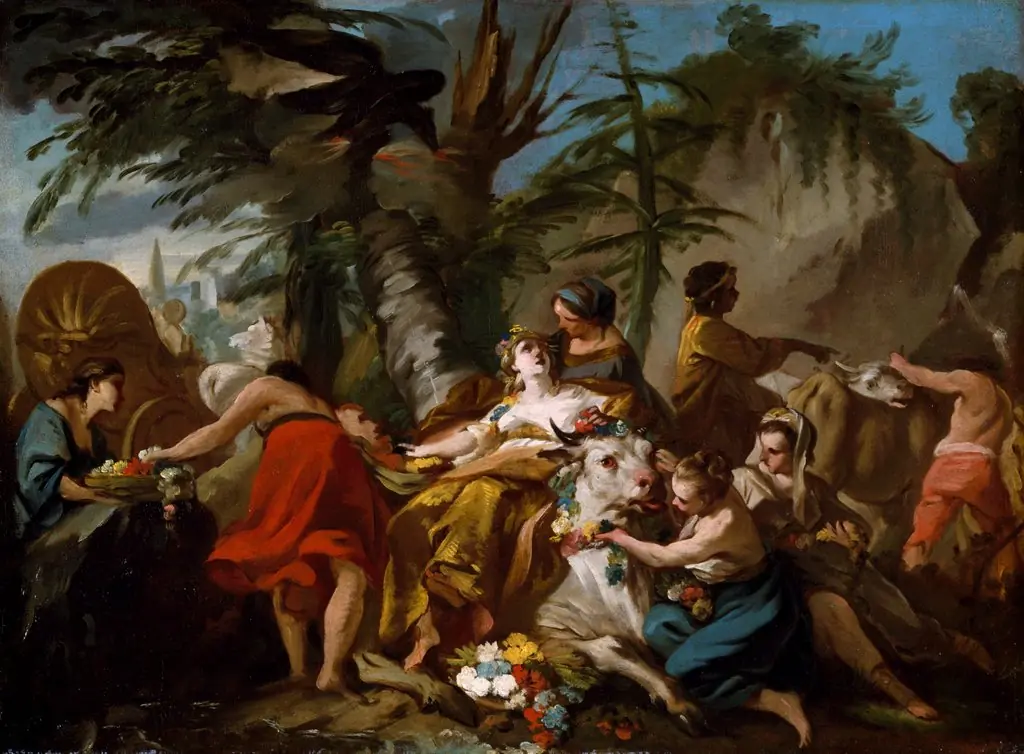
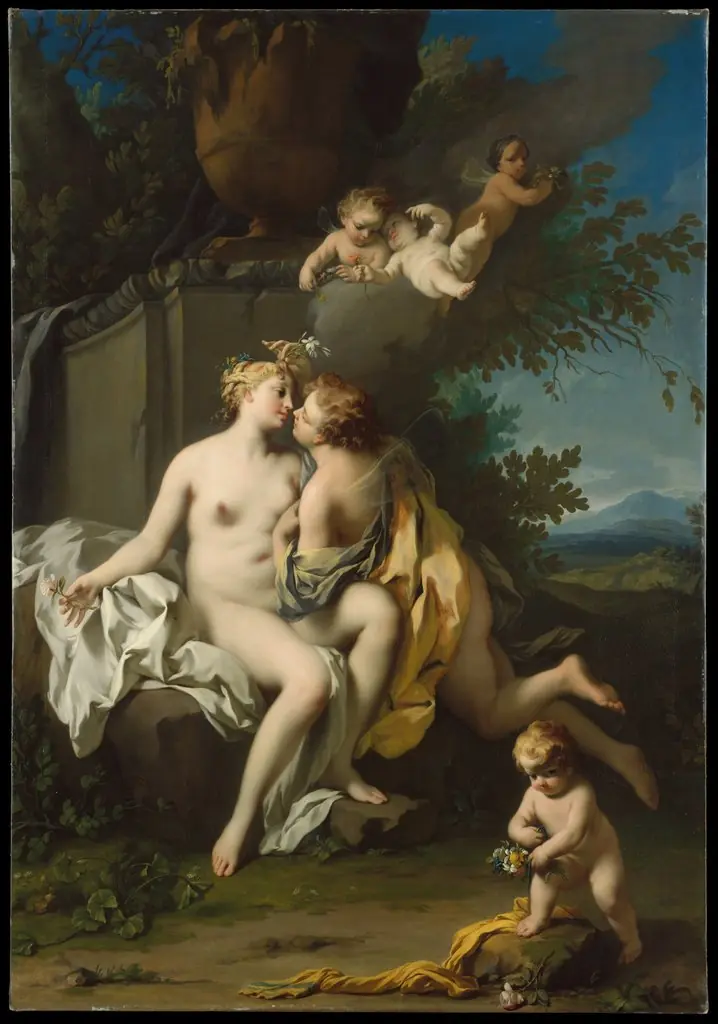
Jupiter and Antiope is an oil painting by the Rococo painting artist Jean-Baptiste Marie Pierre. It dates from 1745 and is held in the collection of the Museo del Prado.
About this work
Subject & Meaning
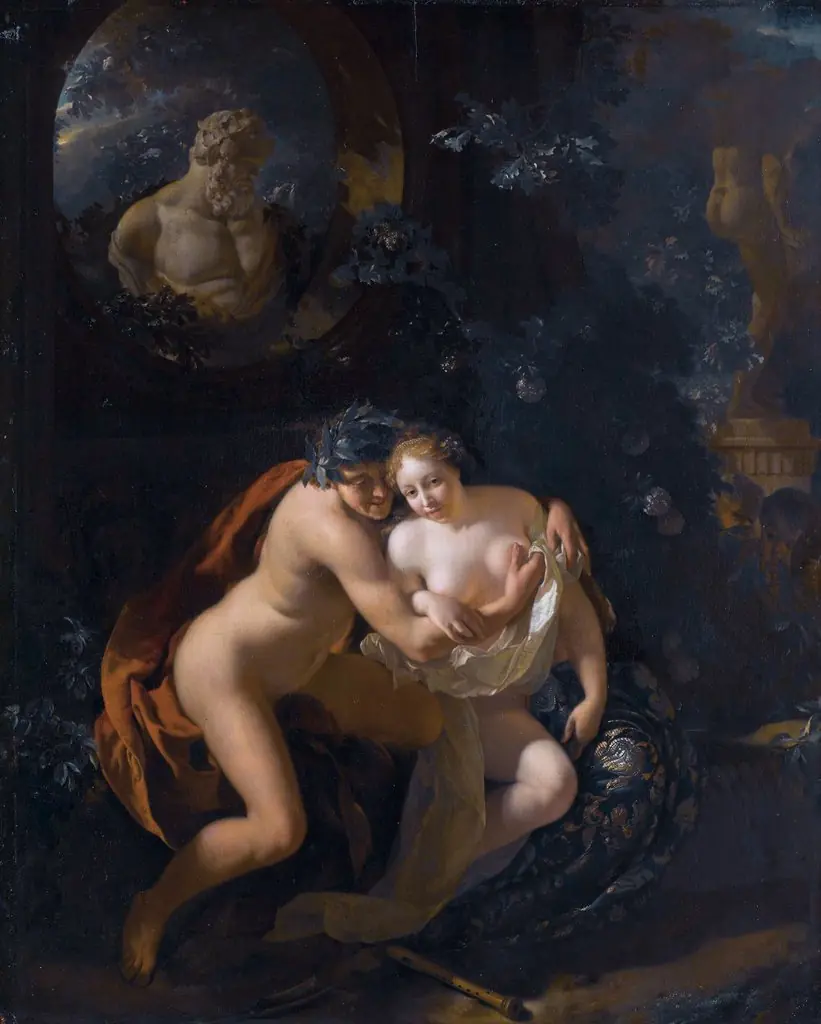
The mythological scene portrays the Olympian god Jupiter in the act of abducting the mortal woman Antiope, a moment drawn from classical mythology that underscores themes of divine power and erotic pursuit. The composition emphasizes the sensual and dramatic interaction between the celestial figure and his victim, reflecting 18th‑century French interpretations of mythic narratives. Executed in oil on canvas, the work measures 114 cm by 197 cm and belongs to the mythological painting genre, as recorded in its cataloguing at the Museo del Prado.
History & Provenance
The Prado’s entry confirms the painting’s dimensions (114 × 197 cm) and its classification as a mythological genre work.
The painting Jupiter and Antiope by Jean-Baptiste Marie Pierre is dated to 1745, as indicated by its internal documentation and the Wikidata record, which aligns the work’s inception with that year.
It entered the collection of the Museo del Prado, where it remains located. The Prado’s entry confirms the painting’s dimensions (114 × 197 cm) and its classification as a mythological genre work. No documented commission or early provenance details beyond its presence in the Prado are provided in the cited sources.
The work is held in the collection of the Museo del Prado, Madrid, where it is recorded as inventory number P001234.
It has been exhibited by the Prado on several occasions, including in the 2017–2018 exhibition "El siglo XVIII en el Prado" and in the 2021 display "De Rubens a Van Dyck: obras maestras del Museo del Prado".
Overview
Jean-Baptiste Marie Pierre’s oil on canvas, dated 1745, portrays a scene from classical mythology in which the god Jupiter encounters the mortal Antiope. The work is part of the collection at Madrid’s Museo del Prado and measures a modest size, allowing close inspection of its intimate composition.
Technique & Style
Pierre employs a restrained chiaroscuro, using soft transitions between light and shadow to model the figures’ pale flesh against a verdant, cloud‑filled backdrop. The delicate rendering of foliage and the subtle play of illumination across the bodies create a sense of depth while maintaining a calm, lyrical atmosphere.
Context
The work belongs to the Rococo period, a time when artists often favored graceful, sensual scenes drawn from antiquity. Pierre’s treatment aligns with contemporary French academic painting, emphasizing idealized anatomy and a polished finish typical of courtly commissions.
Own this work as a print
Artist & collection
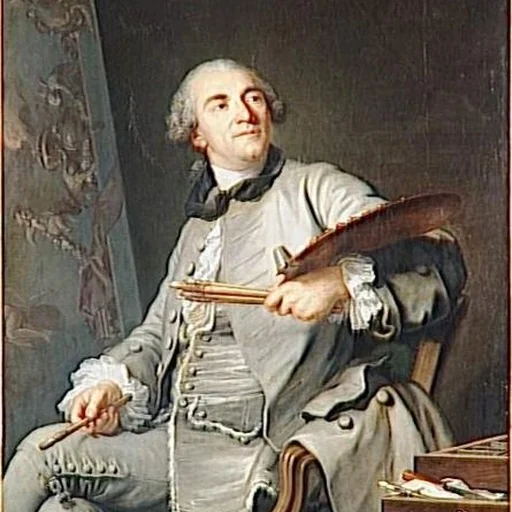
Artist
Jean-Baptiste Marie Pierre (1714–1789) was a French artist, born in Paris.