Artwork
Scenes from the Life of Christ
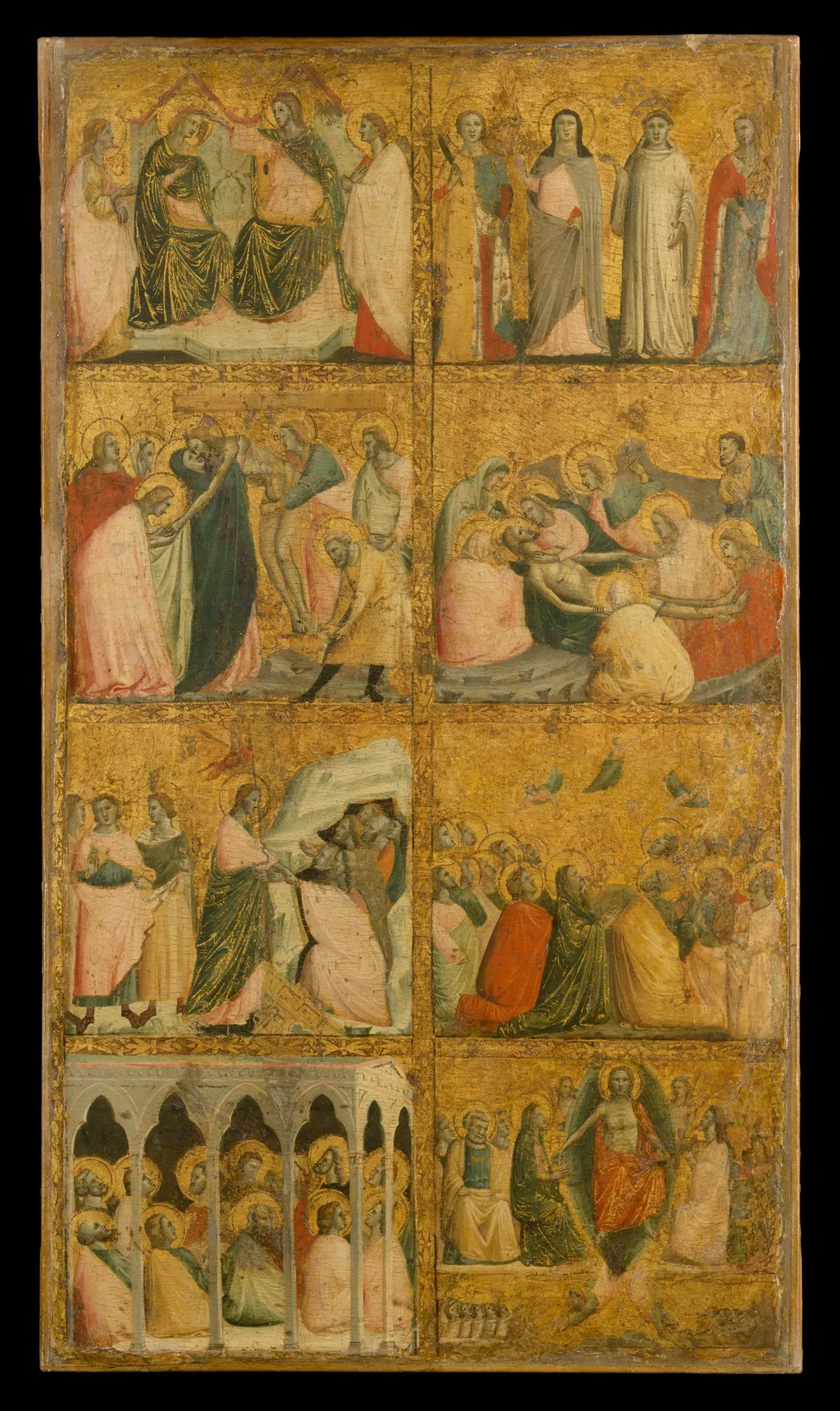
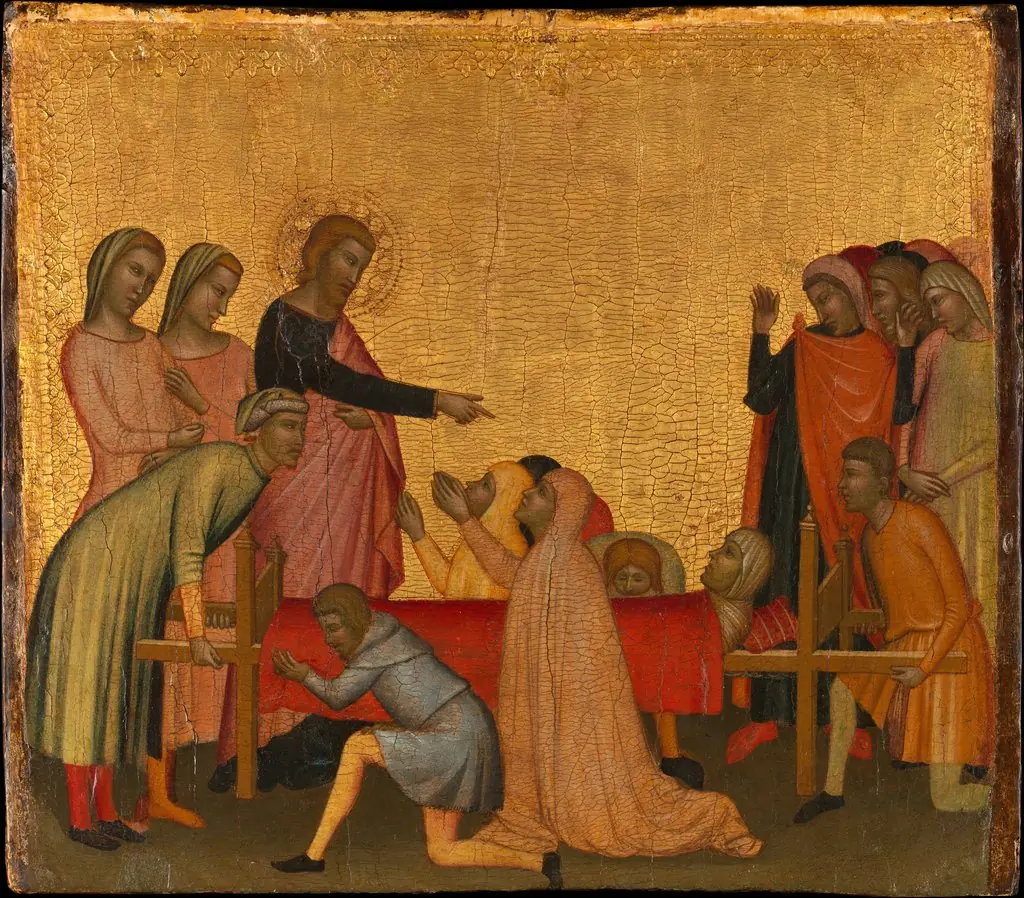
Scenes from the Life of Christ is an unspecified painting by the Byzantine icon painting artist Giovanni Baronzio. It dates from 1340 and is held in the collection of the Metropolitan Museum of Art.
About this work
Subject & Meaning
Giovanni Baronzio's 1340 painting, titled Scenes from the Life of Christ, functions as a work of religious art depicting biblical narratives centered on the life of Jesus. As a religious genre piece, the work represents sacred events, consistent with its classification and title. Created in the mid-fourteenth century, the composition reflects the devotional purposes typical of its era.
History & Provenance
No further details regarding the original ownership chain or specific historical commissioning documents are provided in the available sources.
The painting titled Scenes from the Life of Christ was created by the artist Giovanni Baronzio in 1340. Classified as a religious work, the piece is currently held in the collection of the Metropolitan Museum of Art. The physical dimensions of the panel are recorded as 66.7 centimeters in height and 38.1 centimeters in width.
No further details regarding the original ownership chain or specific historical commissioning documents are provided in the available sources.
Overview
Giovanni Baronzio, an Italian painter active in the Romagna and Marche regions during the second quarter of the 14th century, created Scenes from the Life of Christ around 1340. This panel painting, now housed at The Metropolitan Museum of Art, exemplifies the artistic trends of the Rimini school, blending local influences with a traditional Byzantine approach to religious narrative.
Technique & Style
Baronzio's artistic approach in this panel reflects the Byzantine tradition, characterized by its emphasis on symbolic representation over naturalism. Figures are depicted with a certain rigidity, lacking dynamic movement or a strong sense of three-dimensional space. The use of bright, unmodulated colors and the repetition of similar facial features across different characters further contribute to the work's distinct, stylized aesthetic, typical of early 14th-century Italian painting.
Context
Giovanni Baronzio was active in the Romagna and Marche regions during the second quarter of the 14th century, belonging to the second generation of the Rimini school. This regional artistic movement was significantly shaped by the presence and innovations of Giotto, whose work introduced new approaches to naturalism and spatial representation. Baronzio's painting, however, retains a strong connection to the older Byzantine iconographic conventions, even while operating within this evolving artistic environment.
Own this work as a print
Artist & collection
Artist
Giovanni Baronzio, also known as Giovanni da Rimini, (died before 1362), was an Italian painter who was active in Romagna and the Marche region during the second quarter of the 14th century.

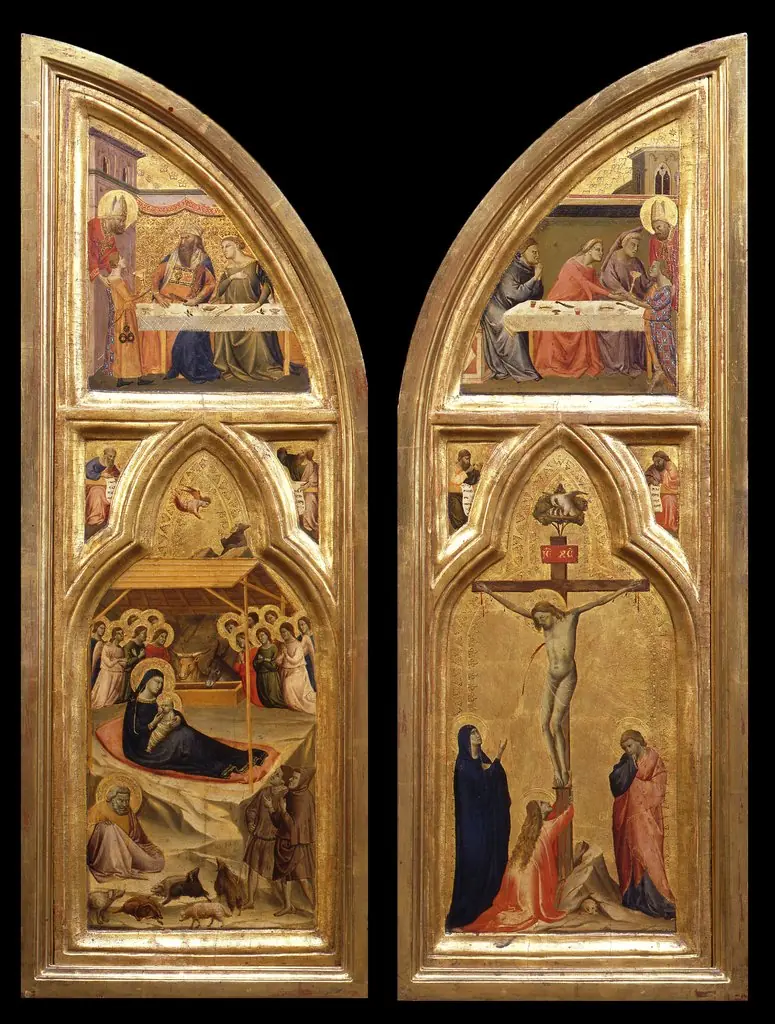 Interior view of wings of the triptych
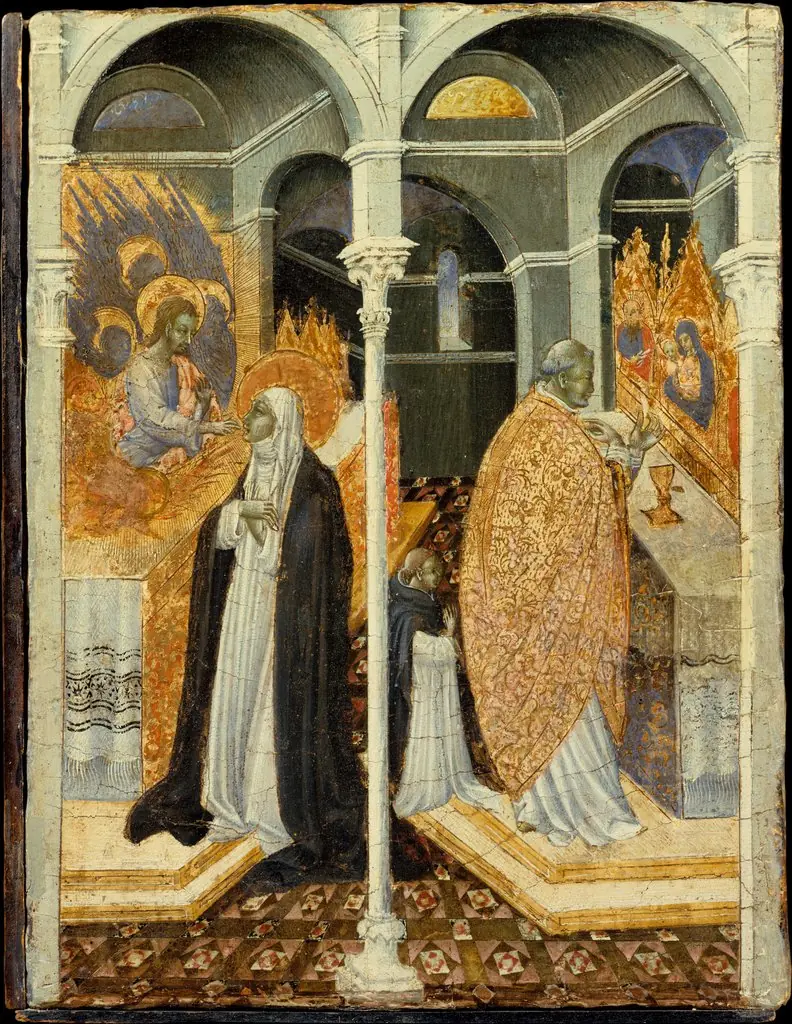 The Miraculous Communion of Saint Catherine of Siena
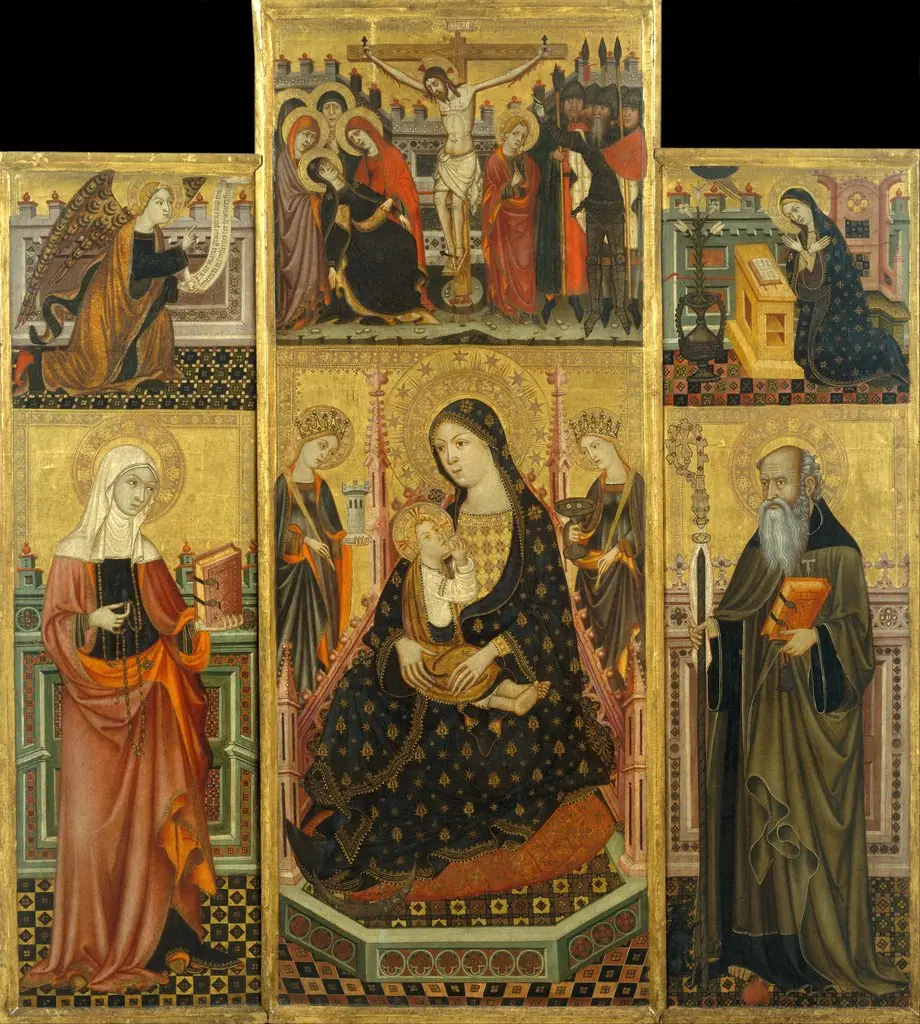 Altarpiece of the Virgin Suckling the Child, Saint Clare and Saint Anthony the Abbott
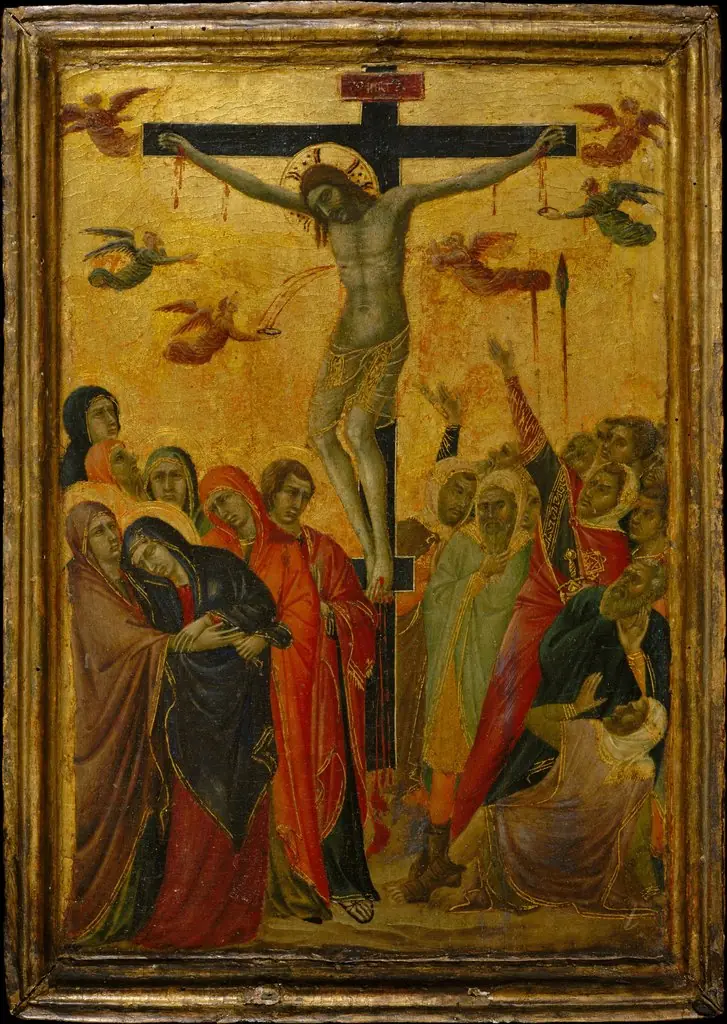 The Crucifixion
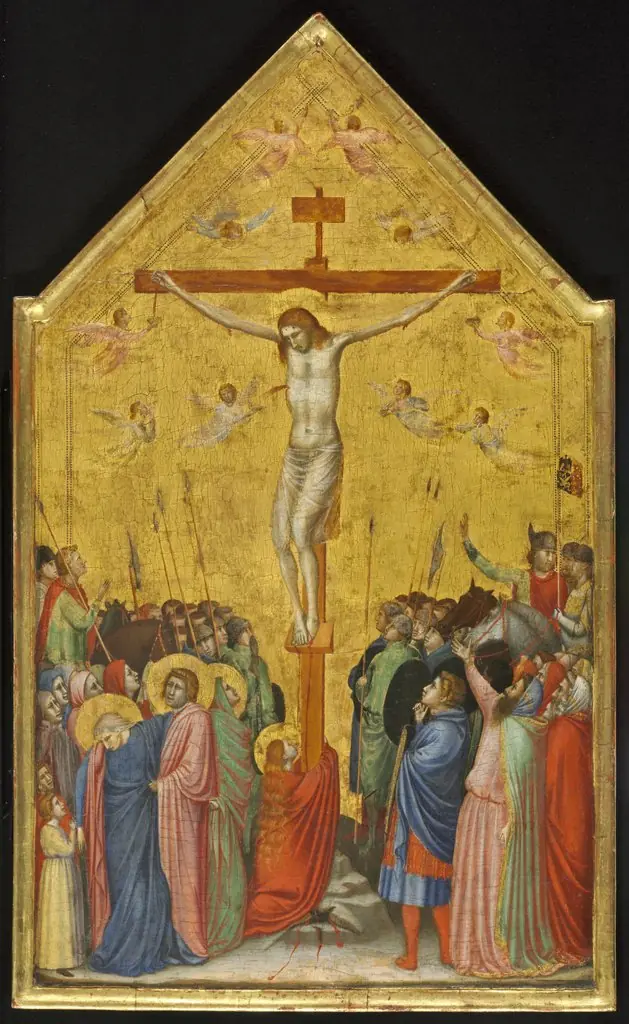 The Crucifixion of Christ
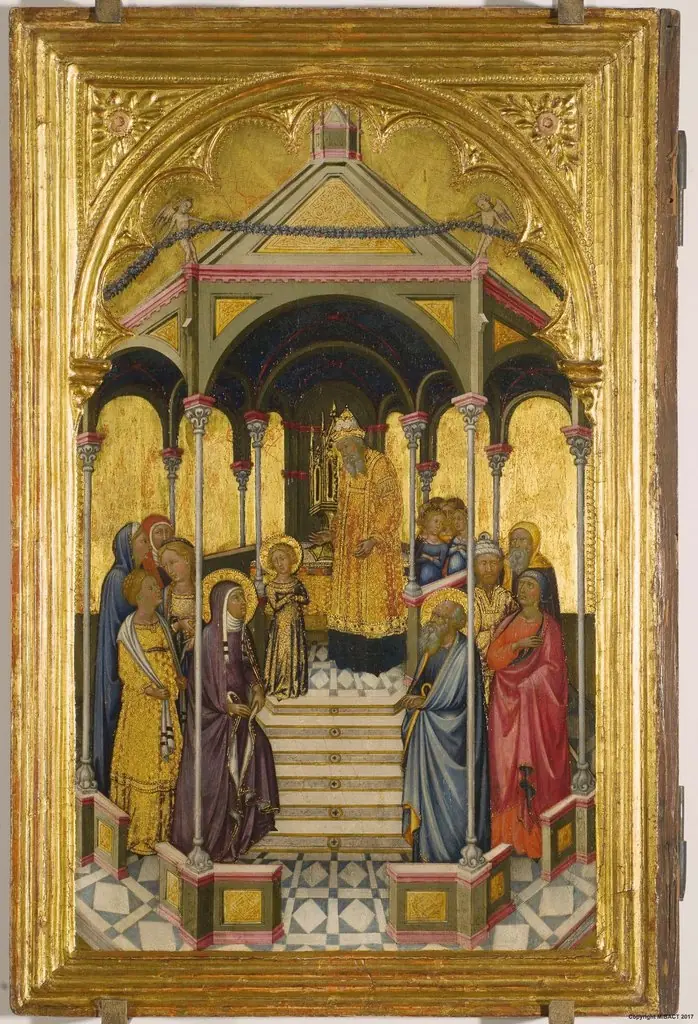 The Presentation of the Virgin at the Temple
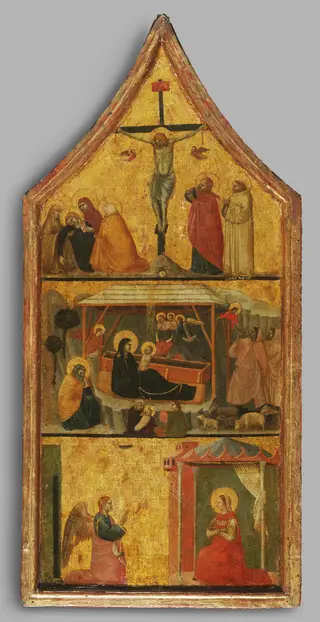 Crucifixion, Nativity, and Annunciation
 Saint John the Evangelist Raises Satheus to Life
 Nativity of Christ