Artwork
Maria mit Kind
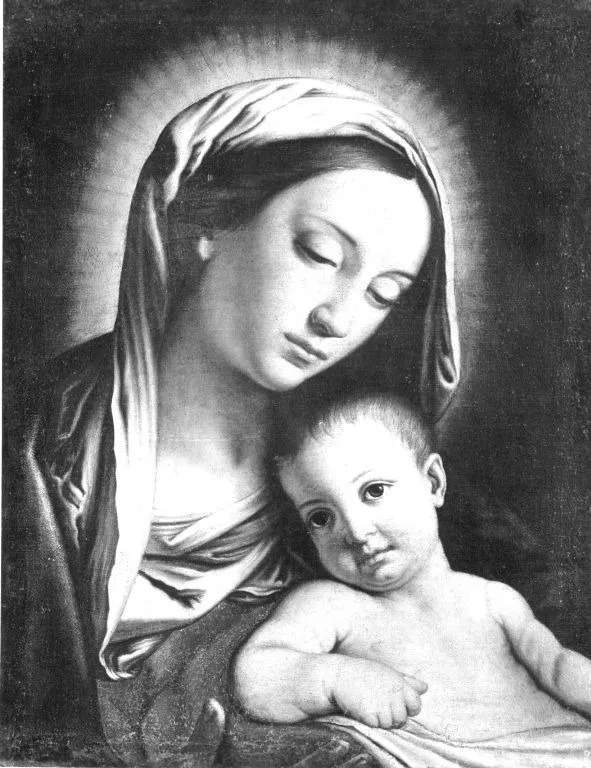
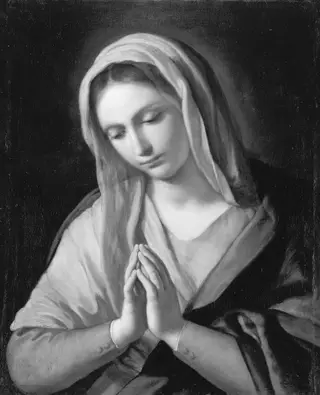
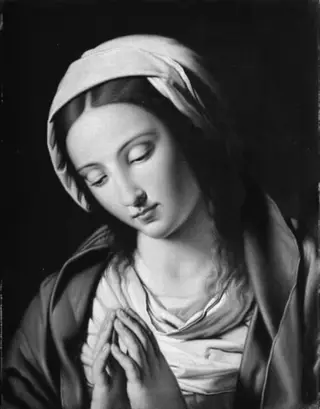
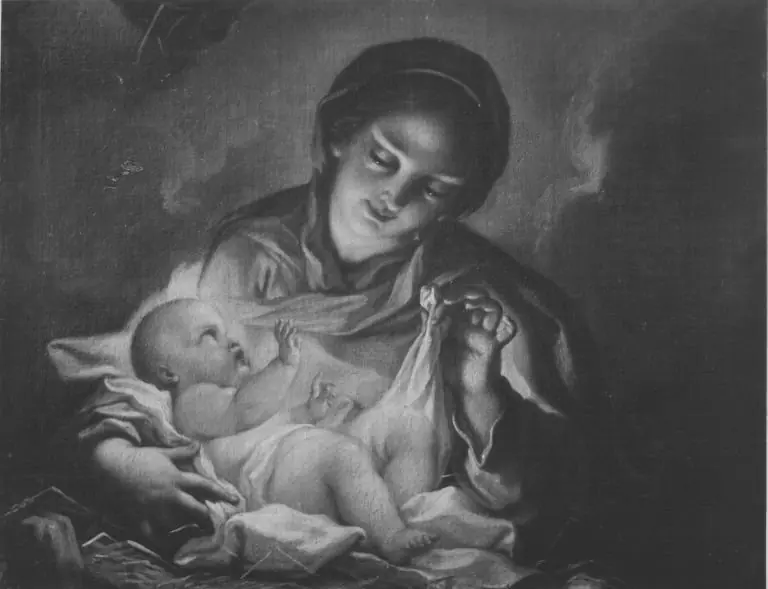
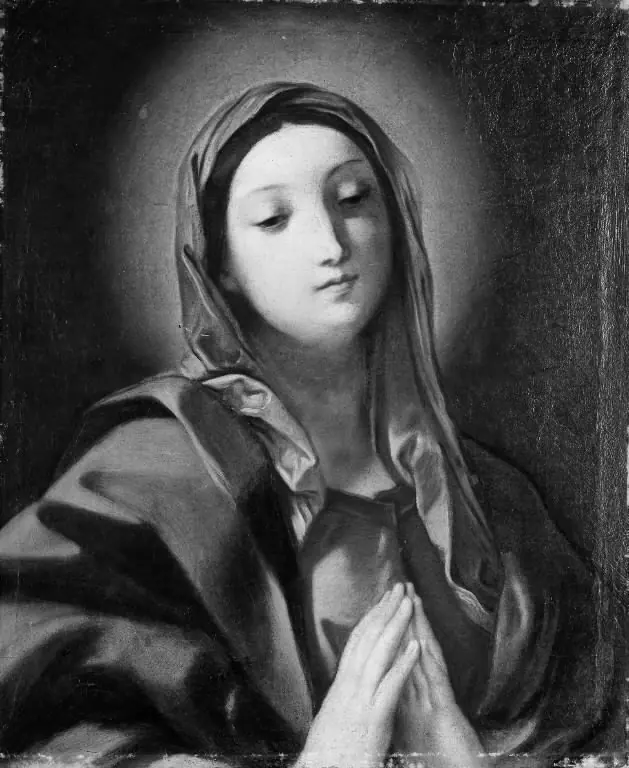
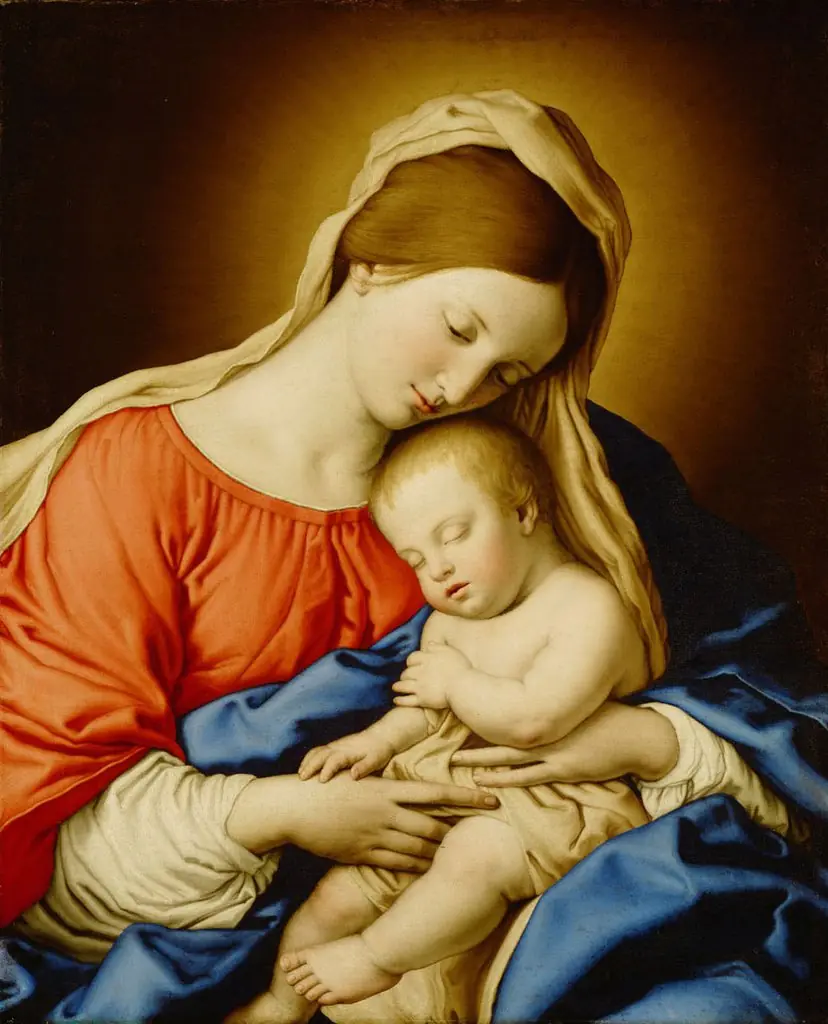
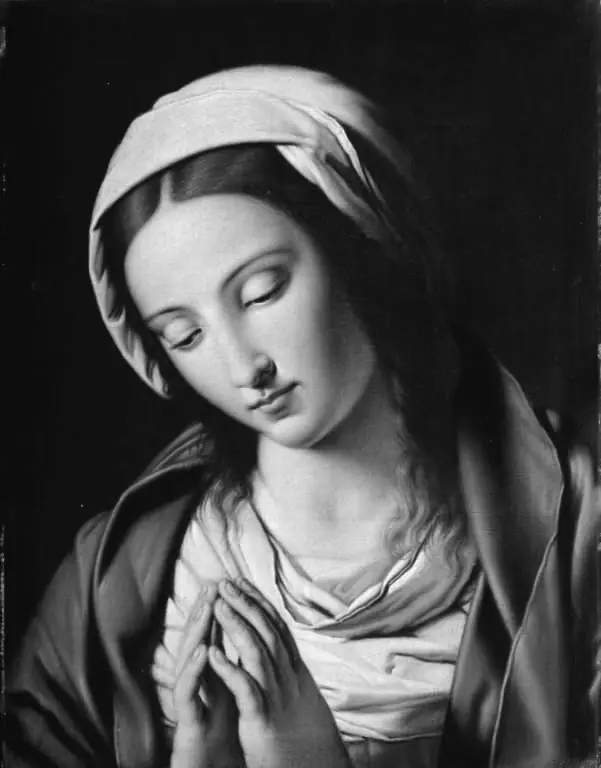
Maria mit Kind is an unspecified painting by the Early Baroque Italian artist Giovanni Battista Salvi da Sassoferrato. It dates from 1647 and is held in the collection of the Bavarian State Painting Collections. Created in 1647 by Giovanni Battista Salvi, known as Sassoferrato, this oil painting presents the Virgin Mary cradling the infant Jesus.
About this work
Subject & Meaning
The choice of this subject reflects the Counter-Reformation emphasis on intimate, tender images of the Virgin and Child designed to inspire personal piety.
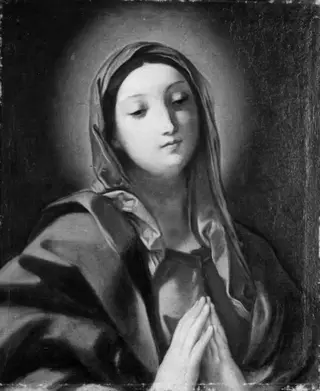
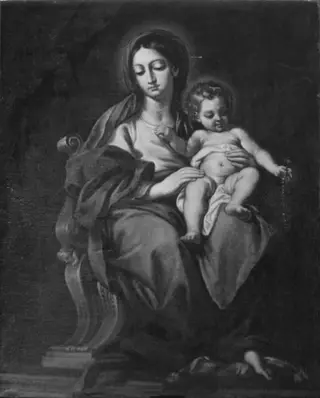
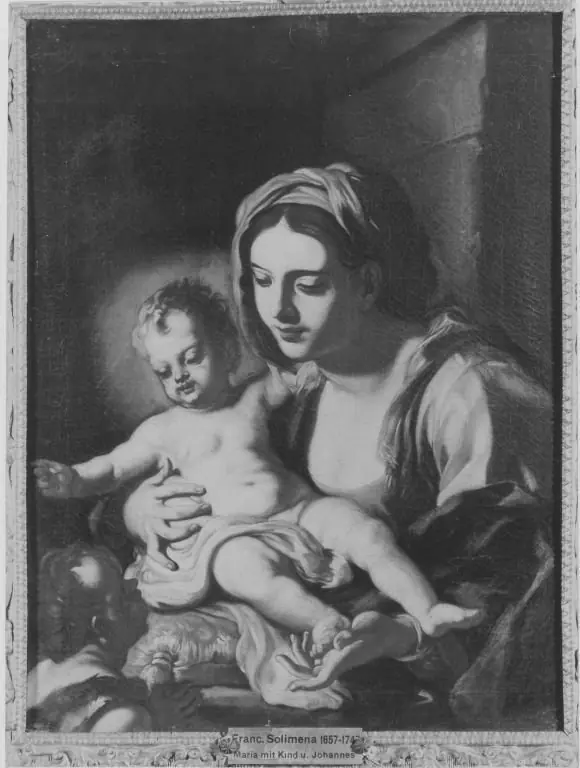
The painting depicts the Madonna and Child, a devotional subject central to Christian religious art. According to the cataloguing records, the work portrays Mary holding the Christ Child, rendered as a religious image intended for veneration. The main subject is identified as the Madonna and Child, a theme that Sassoferrato treated repeatedly throughout his career in idealized, devotional compositions.
The choice of this subject reflects the Counter-Reformation emphasis on intimate, tender images of the Virgin and Child designed to inspire personal piety. As a Madonna and Child painting housed in a major European collection, the work participates in a long iconographic tradition in which Mary is shown in a maternal pose with the infant Jesus, signifying both her humanity and her role as the Mother of God.
History & Provenance
The painting Maria mit Kind was created by Giovanni Battista Salvi da Sassoferrato in 1647. It is a religious work depicting the Virgin Mary and the Christ Child. The artwork is currently held by the Bavarian State Painting Collections at the Alte Pinakothek in Munich.
No further details regarding its original commission, specific patron, or the chain of ownership prior to its current location are provided in the available sources.
The painting Maria mit Kind is held in the collection of the Bavarian State Painting Collections and is located at the Alte Pinakothek. Created in 1647, the work depicts the Madonna and Child.
No specific inventory number or exhibition history for this artwork is provided in the available sources.
Legacy
The painting's legacy is anchored in its enduring presence within the Alte Pinakothek's collection, where it has been part of the Bavarian State Painting Collections since its creation, ensuring continued scholarly attention to Salvi's devotional works. Its influence is reflected in sustained academic discussion of Sassoferato's role in 17th-century religious art, particularly regarding the Madonna and Child motif, though specific later owners or exhibition histories are not documented in the provided sources. The work's canonical dimensions of 48.2 cm by 36.7 cm remain a reference point for studies of Sassoferato's technical approach within the religious art genre.
Overview
Created in 1647 by Giovanni Battista Salvi, known as Sassoferrato, this oil painting presents the Virgin Mary cradling the infant Jesus. The work is part of the collection of the Alte Pinakothek in Munich and exemplifies the devotional imagery typical of early Baroque religious art.
Technique & Style
Salvi employs a restrained chiaroscuro, allowing a focused beam of light to illuminate the faces and shoulders of the pair against a darkened backdrop. The precise modeling of flesh and the calm, smooth rendering of forms reflect his continued reliance on High Renaissance ideals, especially those of Raphael, within a Baroque context.
Context
In mid‑17th‑century Italy, religious commissions often favored serene, contemplative images of the Madonna and Child. Salvi’s approach aligns with this tradition, offering a calm alternative to the dramatic vigor seen in the works of Caravaggio and his followers, thereby situating the piece within the broader spectrum of Counter‑Reformation art.
Artist & collection
Artist
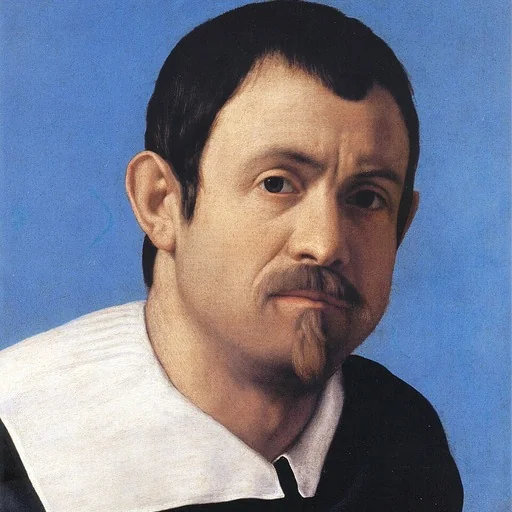
Giovanni Battista Salvi da Sassoferrato
Giovanni Battista Salvi da Sassoferrato (25 August 1609 – 8 August 1685), also known as Giovanni Battista Salvi, was an Italian Baroque painter, known for his archaizing commitment to Raphael's style.