Artwork
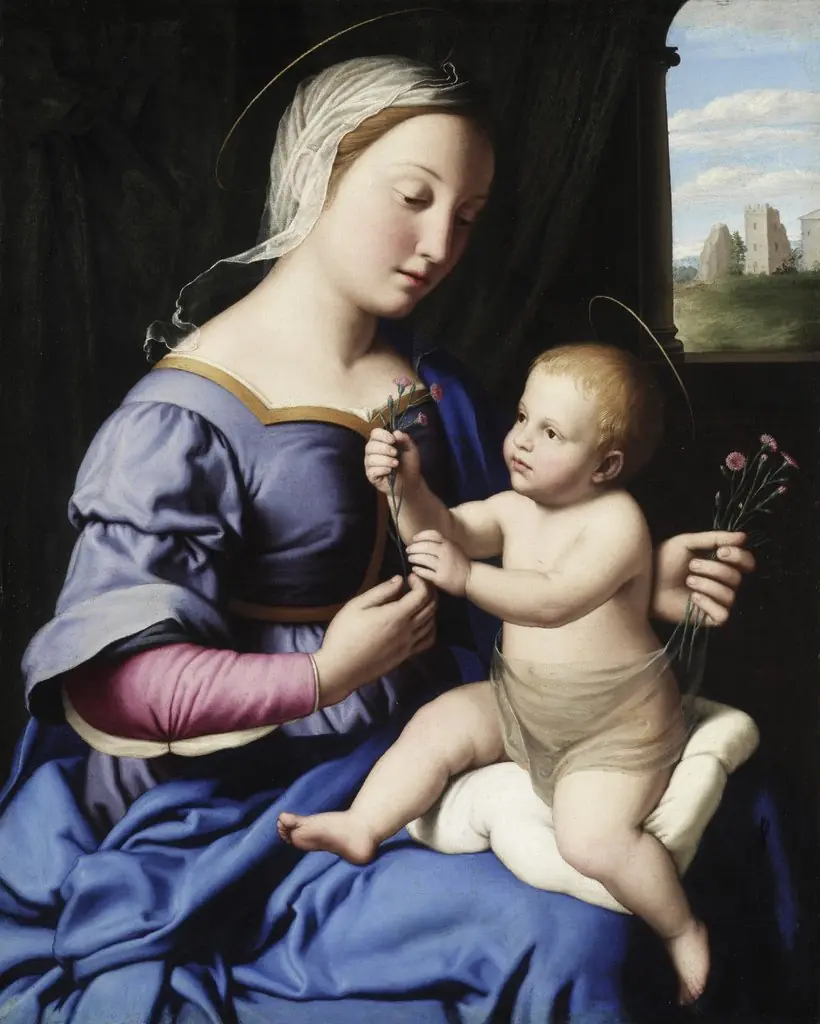
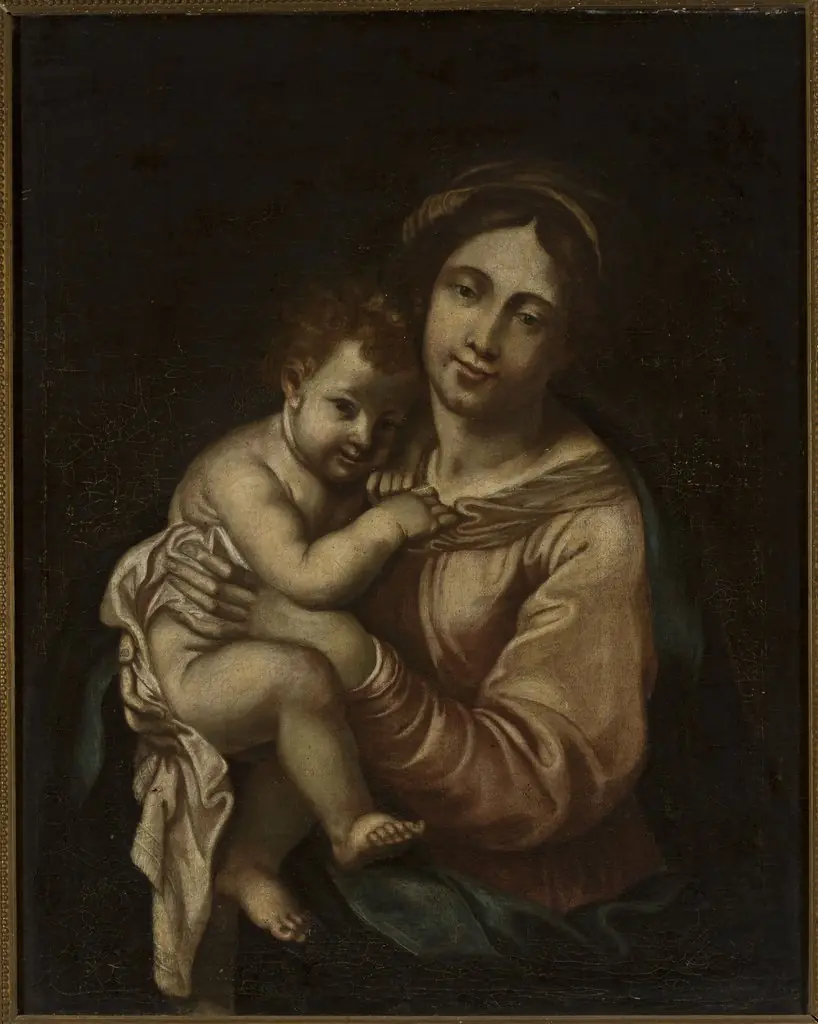
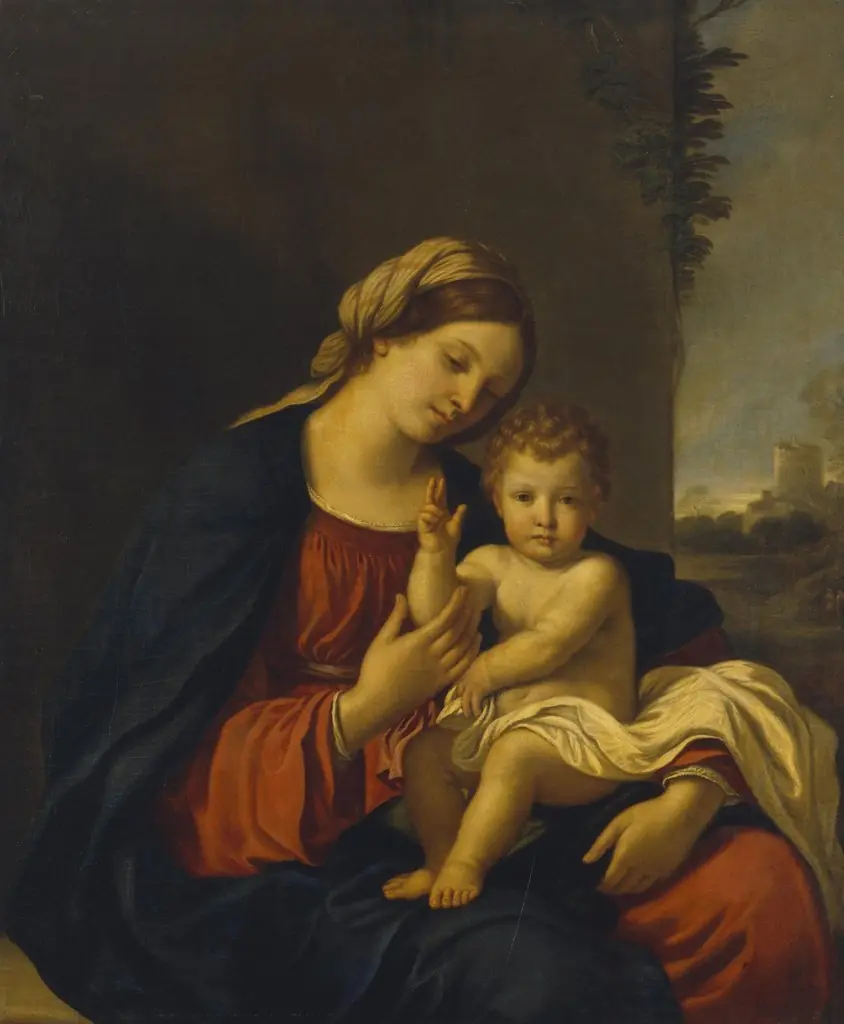
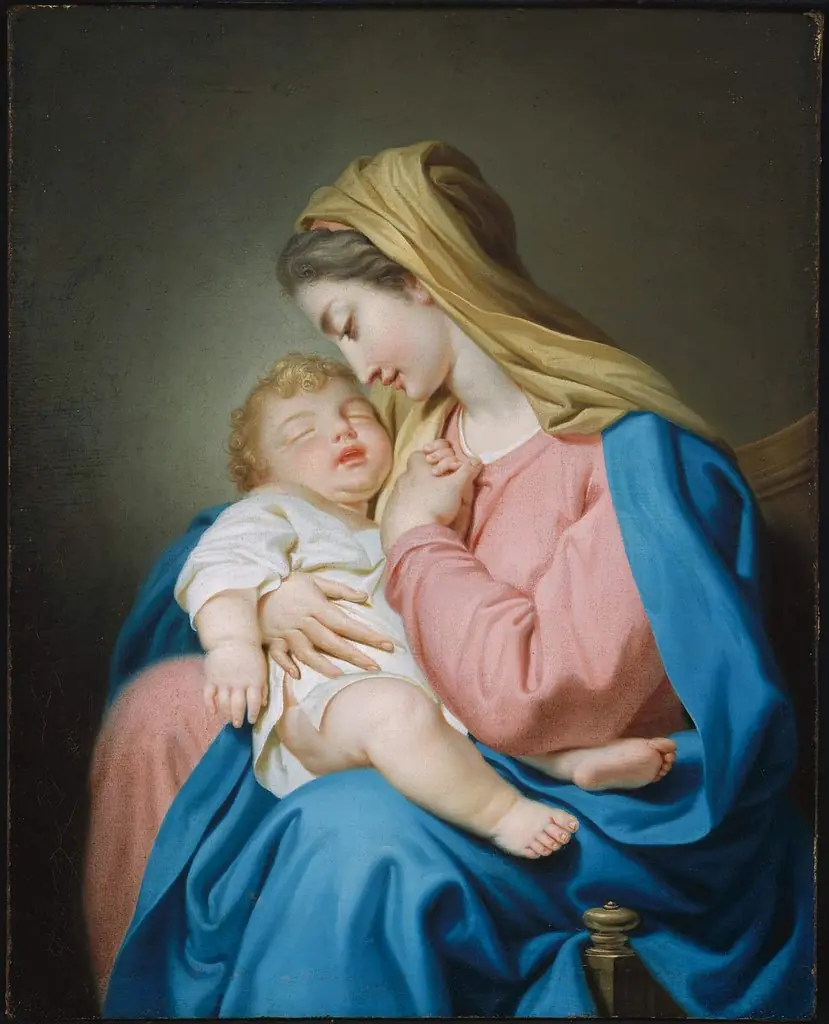
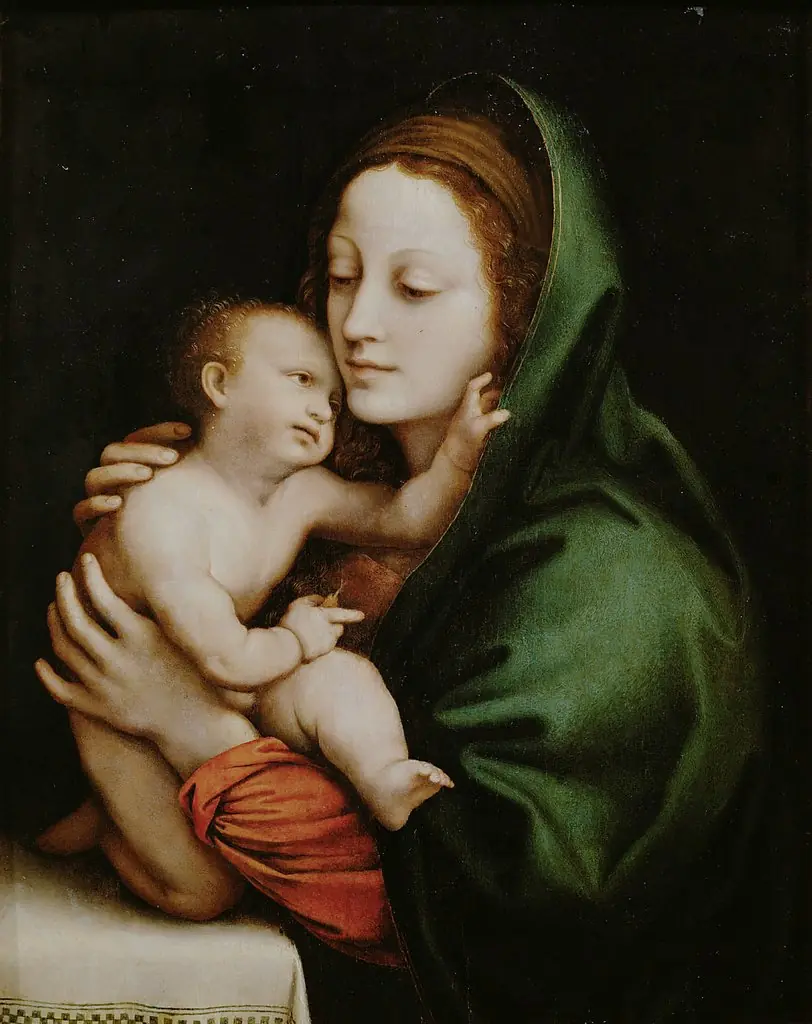
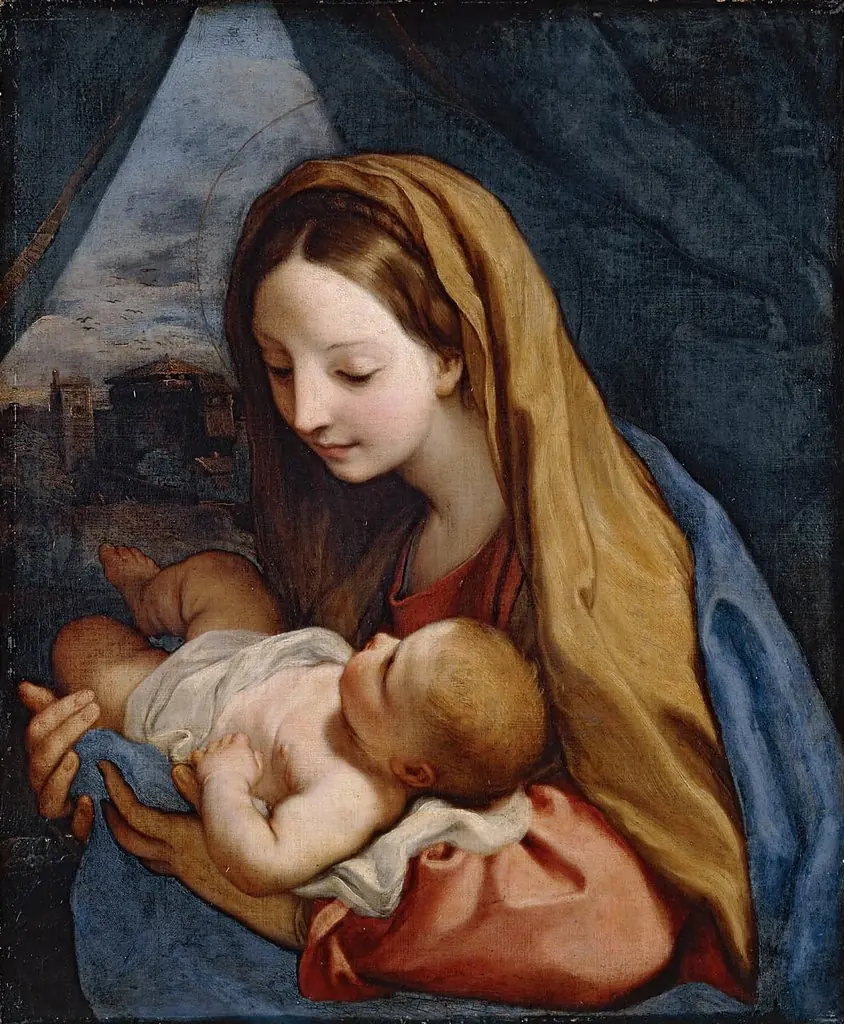
Maria mit Kind
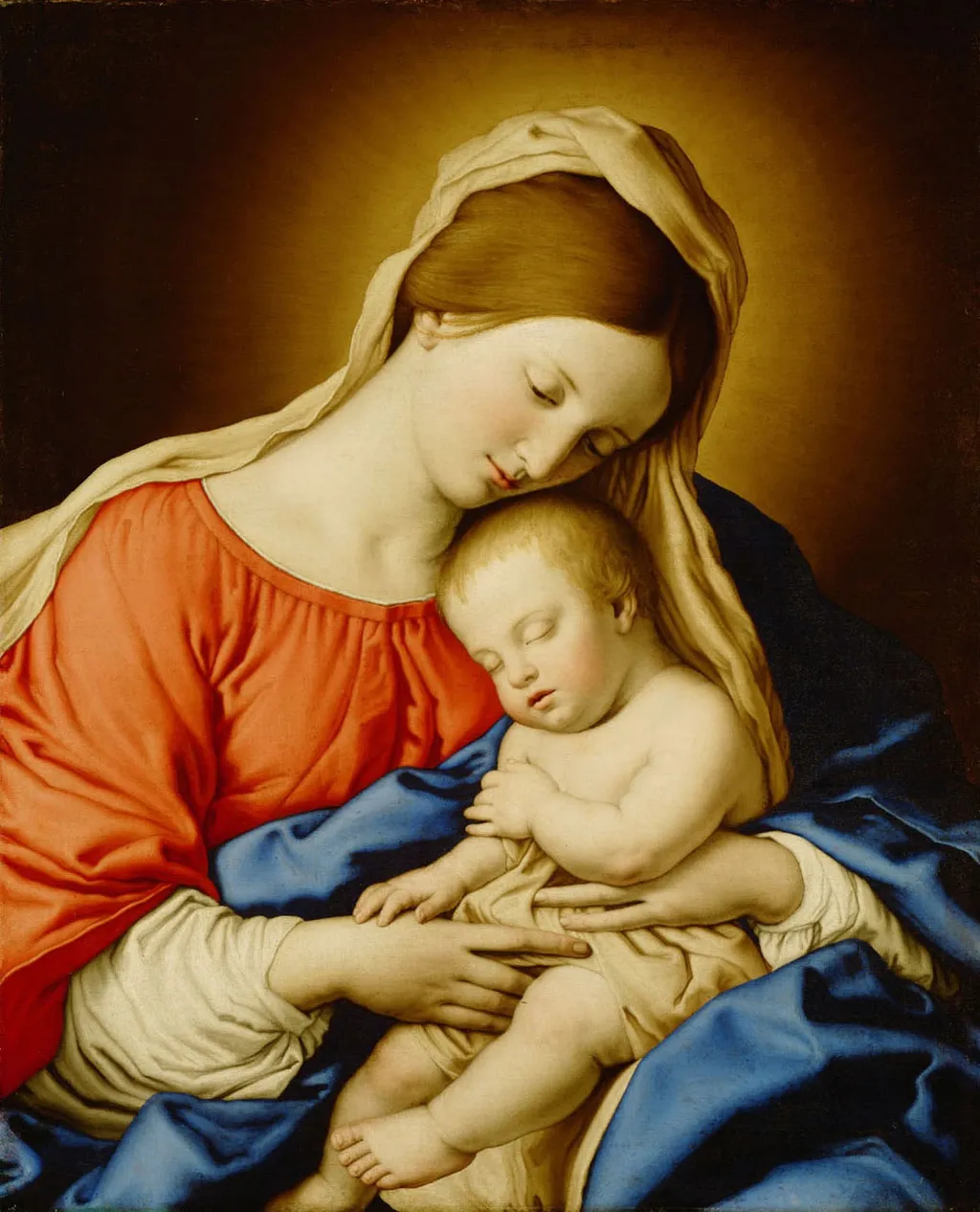
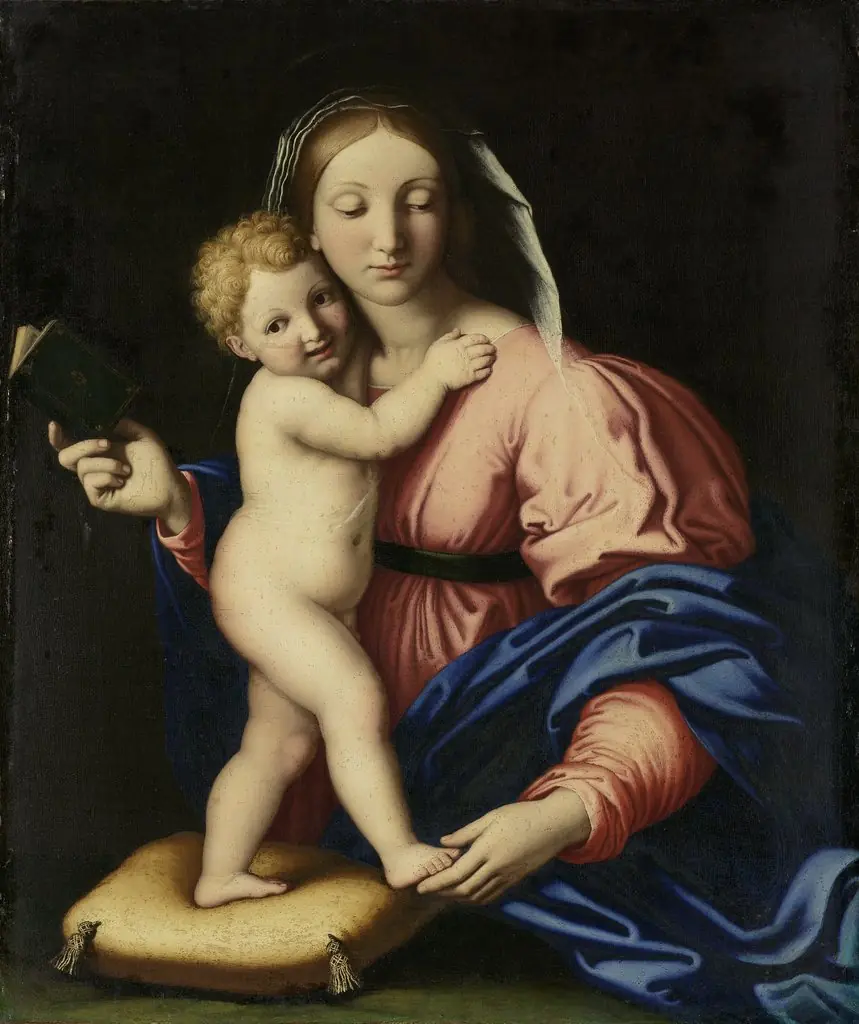
Maria mit Kind is an unspecified painting by the Early Baroque Italian artist Giovanni Battista Salvi da Sassoferrato. It dates from 1650 and is held in the collection of the Kunsthistorisches Museum.
About this work
Subject & Meaning
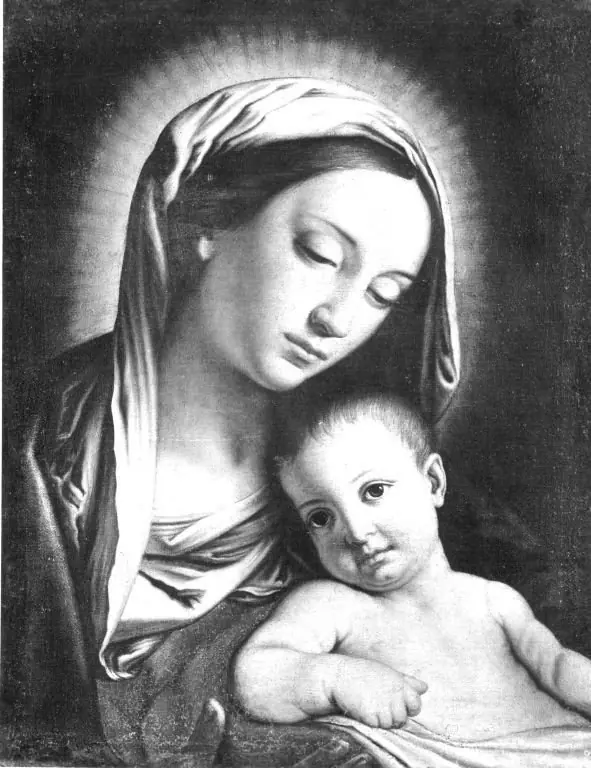
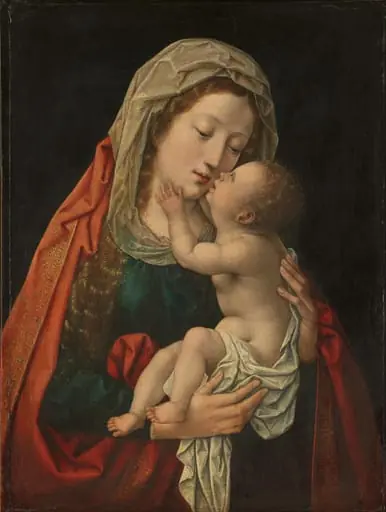
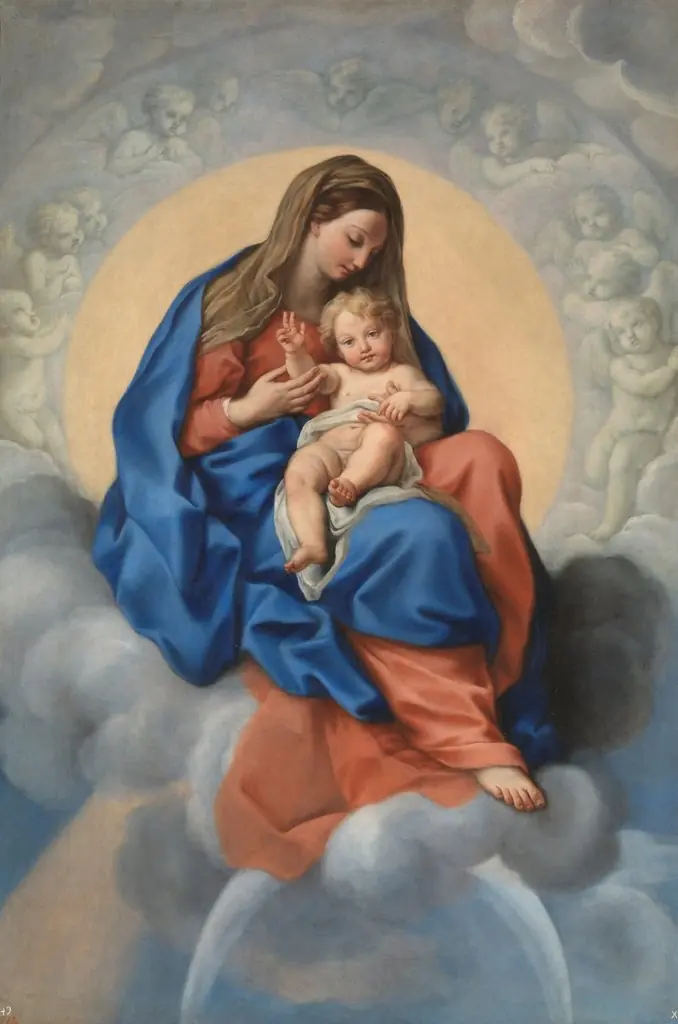
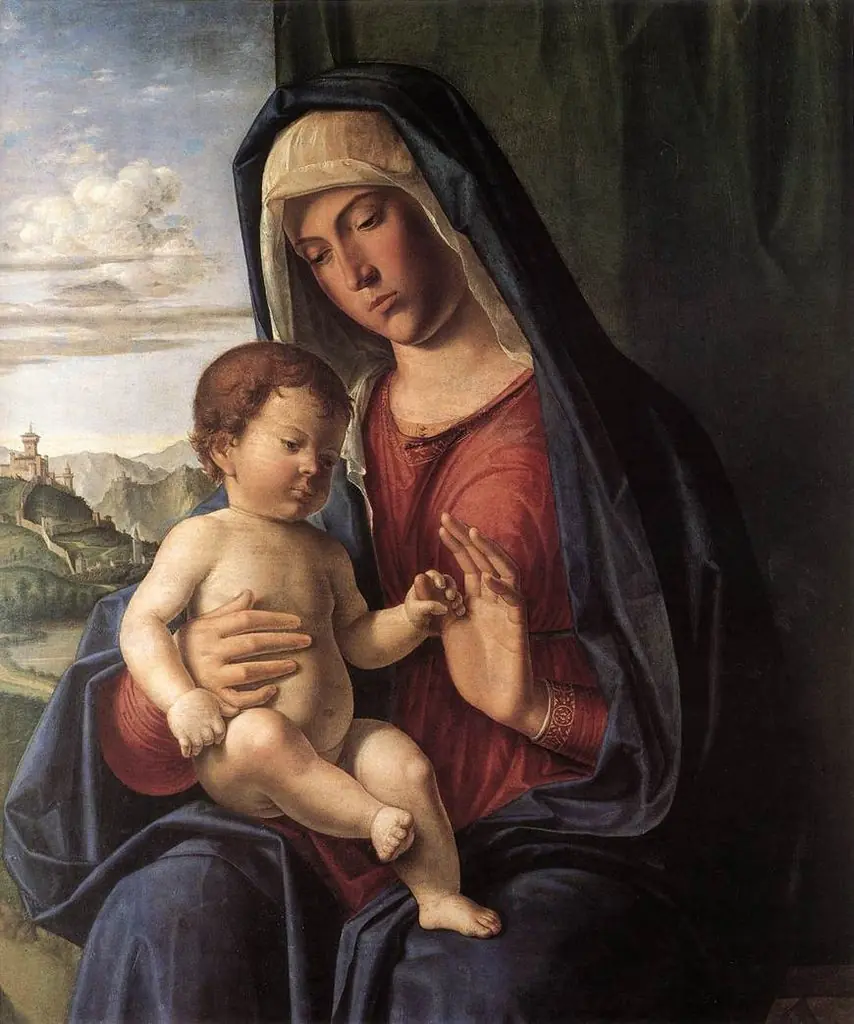
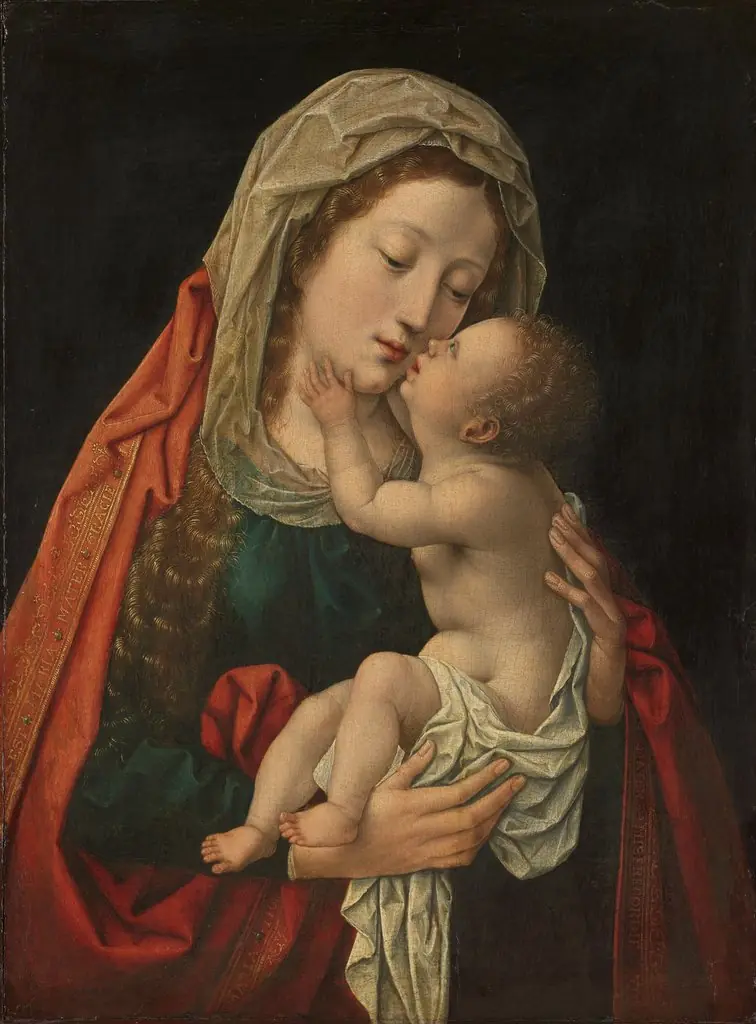
The painting portrays the Virgin Mary cradling the infant Jesus, embodying the traditional Madonna and Child motif central to Catholic devotional art.
The painting portrays the Virgin Mary cradling the infant Jesus, embodying the traditional Madonna and Child motif central to Catholic devotional art. Its iconography emphasizes maternal tenderness and divine protection, reflecting Counter-Reformation ideals of personal piety and spiritual comfort. The work functions as both a devotional object and a statement of religious identity within the Baroque tradition.
The composition draws on established Marian symbolism, where the Virgin's blue mantle signifies heaven and the Child's gesture of blessing conveys sacred authority. This iconographic program reinforces theological themes of intercession and the Incarnation, resonating with contemporary worship practices.
History & Provenance
Maria mit Kind is a religious painting by Giovanni Battista Salvi da Sassoferrato, dated to 1650. The work forms part of the collection of the Kunsthistorisches Museum, where it is currently held. Beyond its creation date and present institutional home, the sources do not document an earlier ownership chain, a specific commission, or further details of its creation history.
Overview
Created circa 1650, Maria mit Kind is an oil painting by Giovanni Battista Salvi, known as Sassoferrato. The work presents the Virgin Mary holding the infant Jesus, rendered in a serene composition typical of mid‑Seventeenth‑century Italian devotional art. It is part of the collection of the Kunsthistorisches Museum in Vienna.
Technique & Style
Sassoferrato employs a restrained chiaroscuro, allowing the luminous skin tones of mother and child to emerge against a dark backdrop. The delicate handling of drapery, the soft modeling of faces, and the subtle gradations of light echo Raphael’s graceful classicism, a hallmark of the artist’s adherence to High Renaissance ideals within a Baroque context.
Context
During the early Baroque period, Italian artists produced numerous Marian images for private devotion and church settings. Sassoferrato’s work aligns with this trend, offering a quiet, intimate alternative to the more dramatic, theatrical Baroque narratives, and reinforcing the era’s emphasis on accessible, emotionally resonant religious imagery.
Artist & collection
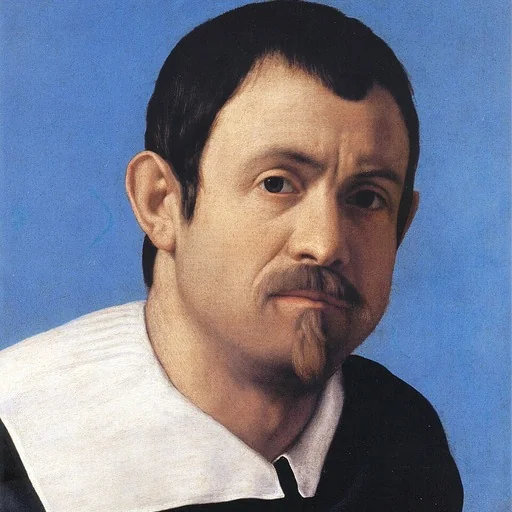
Artist
Giovanni Battista Salvi da Sassoferrato
Giovanni Battista Salvi da Sassoferrato (25 August 1609 – 8 August 1685), also known as Giovanni Battista Salvi, was an Italian Baroque painter, known for his archaizing commitment to Raphael's style.