Artwork
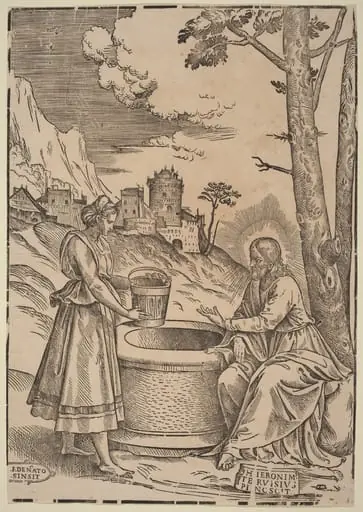
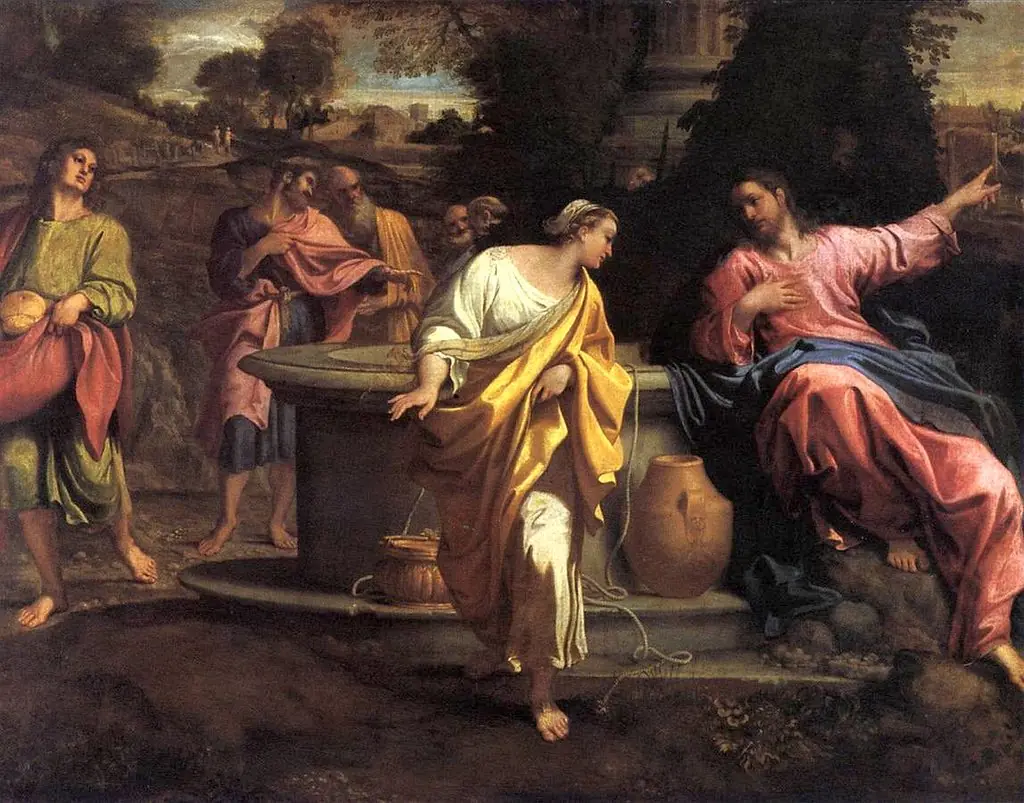
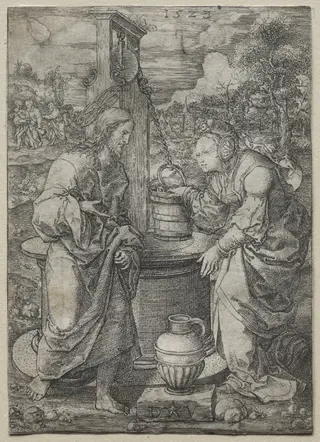
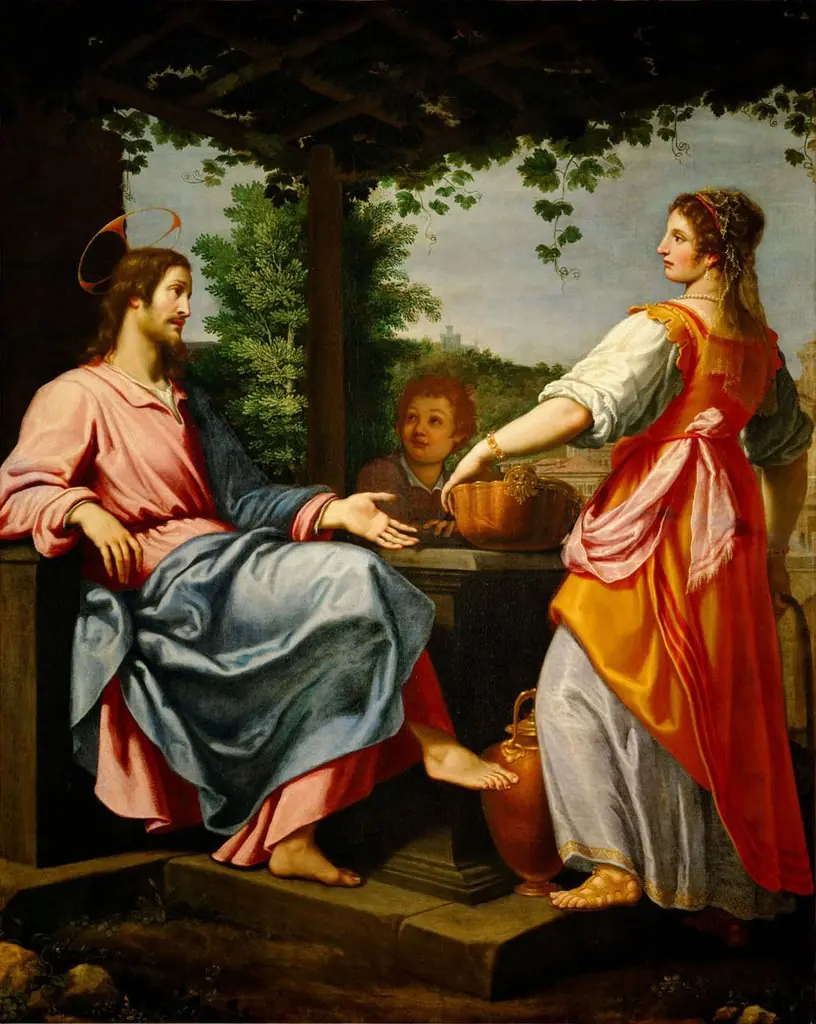
Christ and the Woman of Samaria
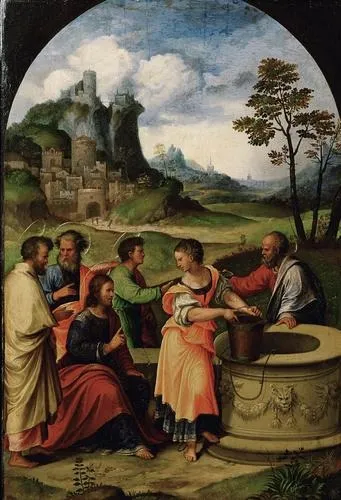
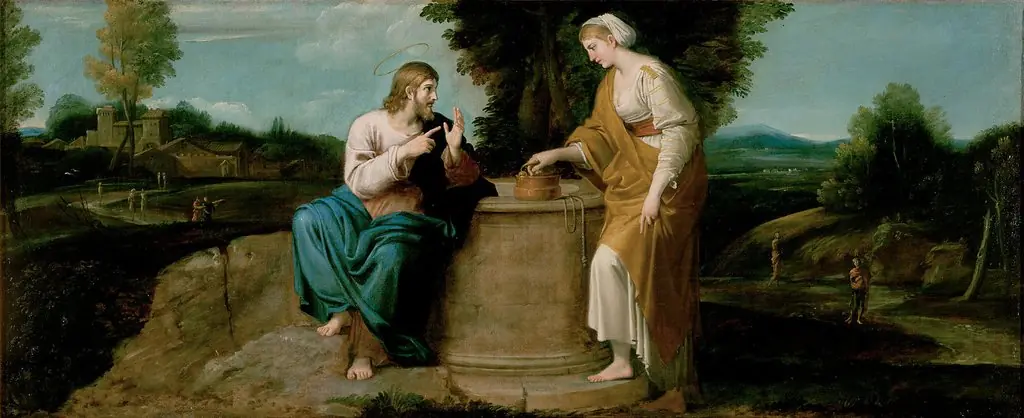
Christ and the Woman of Samaria is an oil painting by the Mannerist artist Girolamo da Treviso the Younger. It dates from 1525 and is held in the collection of the Kunsthistorisches Museum.
About this work
Subject & Meaning
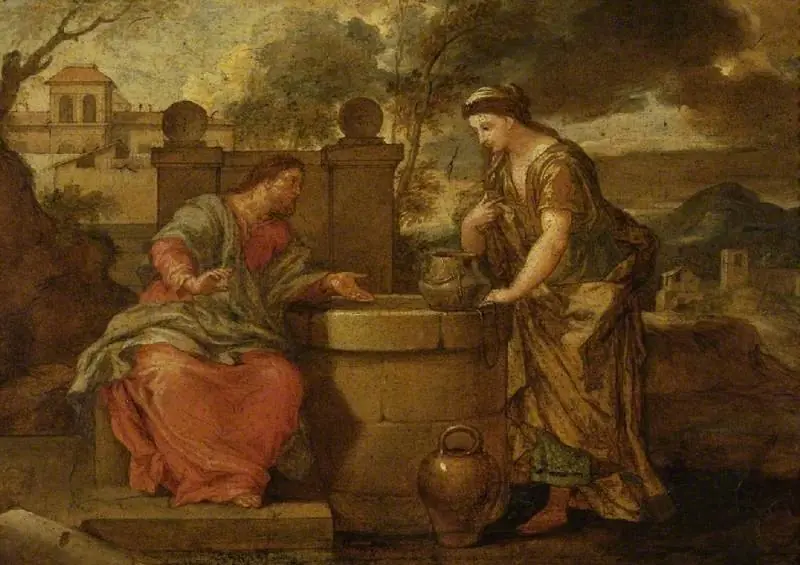
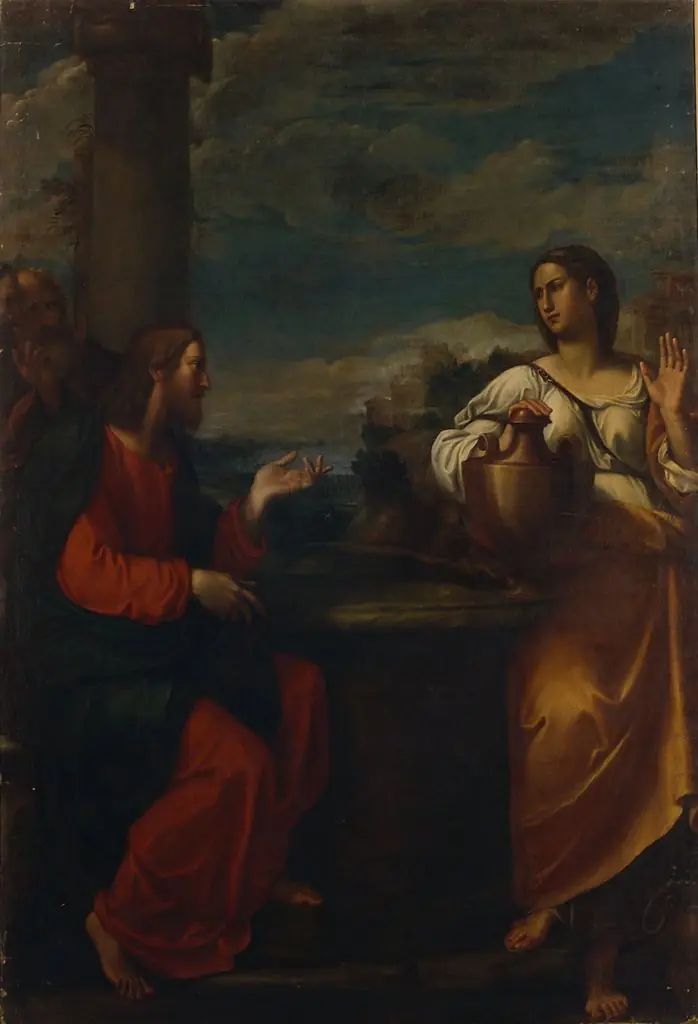
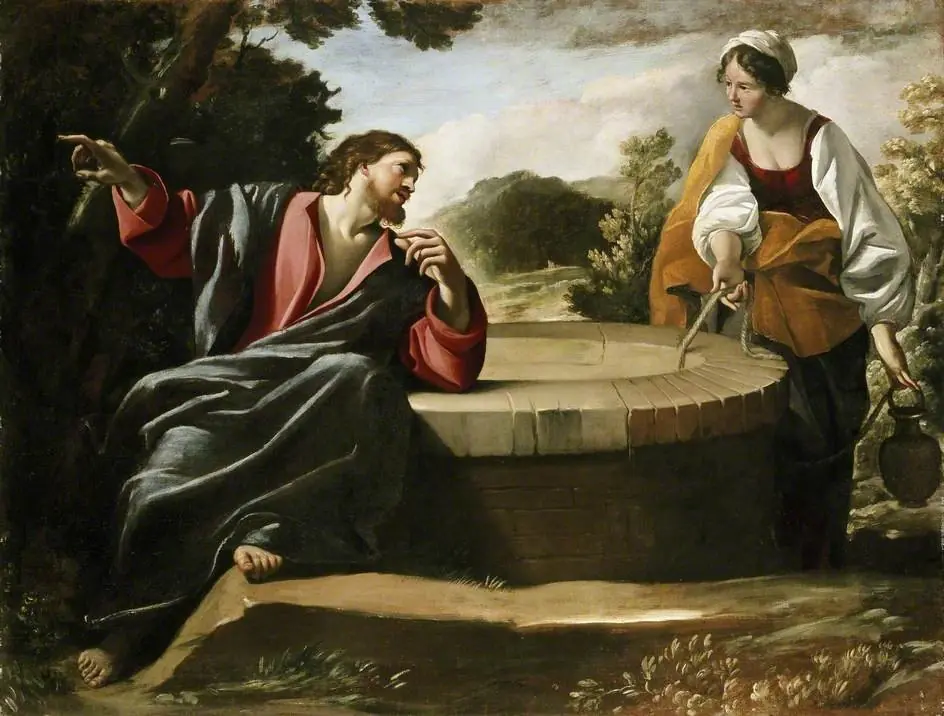
The painting presents a biblical narrative from the Gospel of John in which Jesus engages a Samaritan woman at a well, a scene that underscores themes of spiritual revelation and the breaking of social boundaries. Girolamo da Treviso the Younger renders the encounter with a focus on the symbolic dialogue between divine authority and marginalized humanity, emphasizing Christ's role as a teacher who transcends cultural divisions. The work belongs to the religious art genre of the early 16th century and is housed in the Kunsthistorisches Museum, where it was once part of Archduke Leopold Wilhelm of Austria's collection.
History & Provenance
Christ and the Woman of Samaria is held at the Kunsthistorisches Museum in Vienna, where it is listed under inventory number 2008/999.
Christ and the Woman of Samaria was created in 1525 by Girolamo da Treviso the Younger, executed in oil paint. The painting entered the collection of Archduke Leopold Wilhelm of Austria before passing into the holdings of the Kunsthistorisksches Museum, where it is currently held. No details of a specific commission or intermediate ownership transfers are documented in the available sources.
Christ and the Woman of Samaria is held at the Kunsthistorisches Museum in Vienna, where it is listed under inventory number 2008/999. The work entered the museum's collection through the bequest of Archduke Leopold Wilhelm of Austria, a former owner of the painting. It has been featured in exhibitions focusing on Venetian Renaissance art and on religious subjects within the museum's programming.
Overview
Christ and the Woman of Samaria, painted in 1525 by Girolamo da Treviso the Younger, is an oil painting depicting a pivotal religious encounter. Executed during the Italian Renaissance, the work is characteristic of the Mannerist style.
Technique & Style
While specific artistic techniques are not detailed here, the composition reflects Mannerist tendencies through its use of contrasting colors (notably the woman’s red dress and Christ’s red cloak against white attire) and the blend of everyday life with religious narrative set against a harmonious, if somewhat subdued, landscape.
Context
Commissioned during Henry VIII’s reign, the work reflects the religious and artistic cross-currents of the early 16th century in Europe, blending Italian Renaissance influences with the religious themes relevant to the English court.
Legacy
As a Mannerist piece from a lesser-known artist of the Renaissance, its legacy lies more in its representation of the style and era rather than groundbreaking influence on subsequent art movements.
Artist & collection
Artist
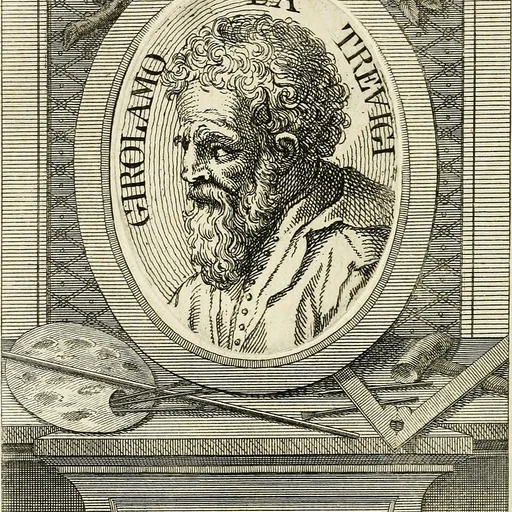
Girolamo da Treviso the Younger
Girolamo da Treviso (Treviso, 1498 – Boulogne-sur-Mer, September 10, 1544), also known as Girolamo di Tommaso da Treviso the Younger and Girolamo Trevigi, was an Italian Renaissance sculptor and painter in Henry VIII's court in England.