Artwork
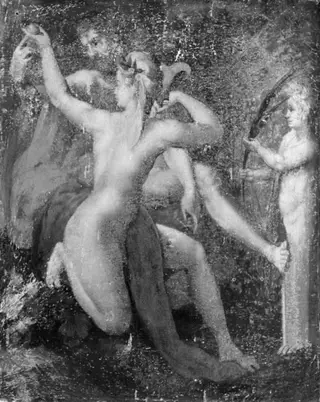
Vertumnus and Pomona
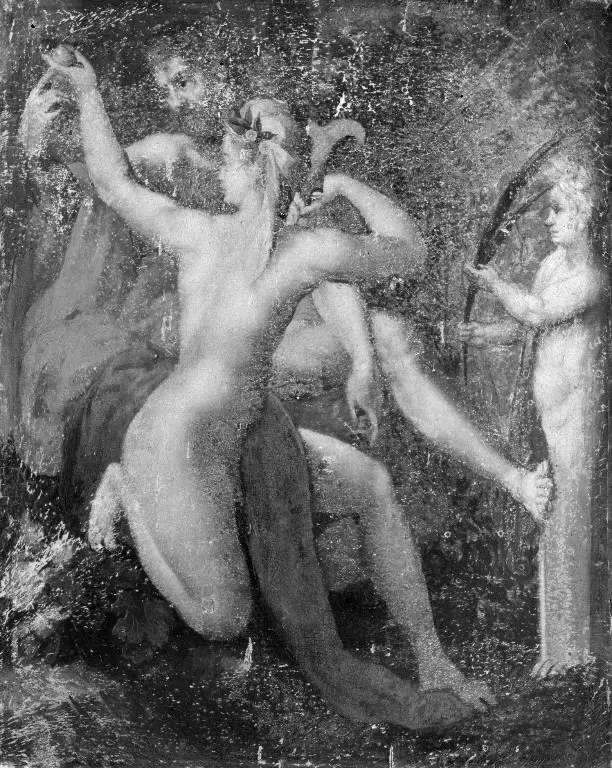
Vertumnus and Pomona is an unspecified painting by the Mannerist artist Giulio Romano. It dates from 1530 and is held in the collection of the Statens Museum for Kunst.
About this work
Subject & Meaning
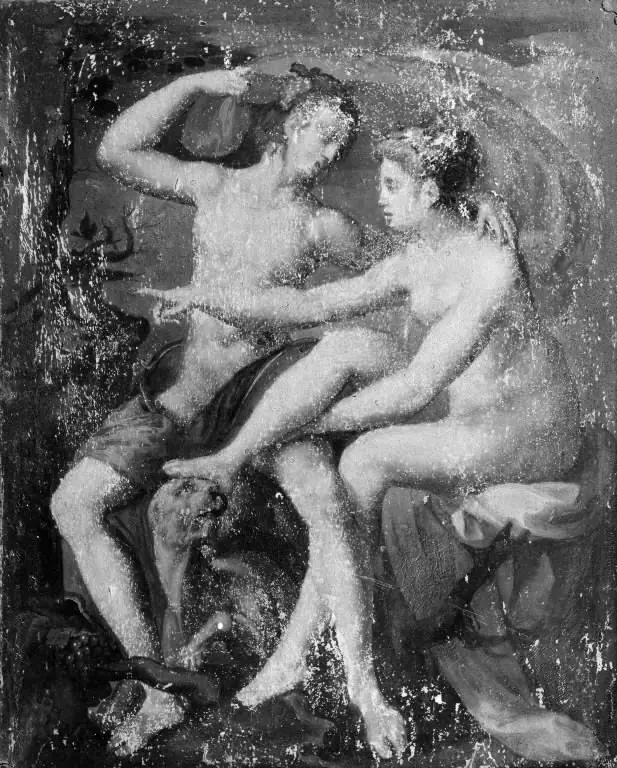
The scene centers on Vertumnus revealing his true form to Pomona, illustrating Ovid’s narrative of persistence rewarded by reciprocity.
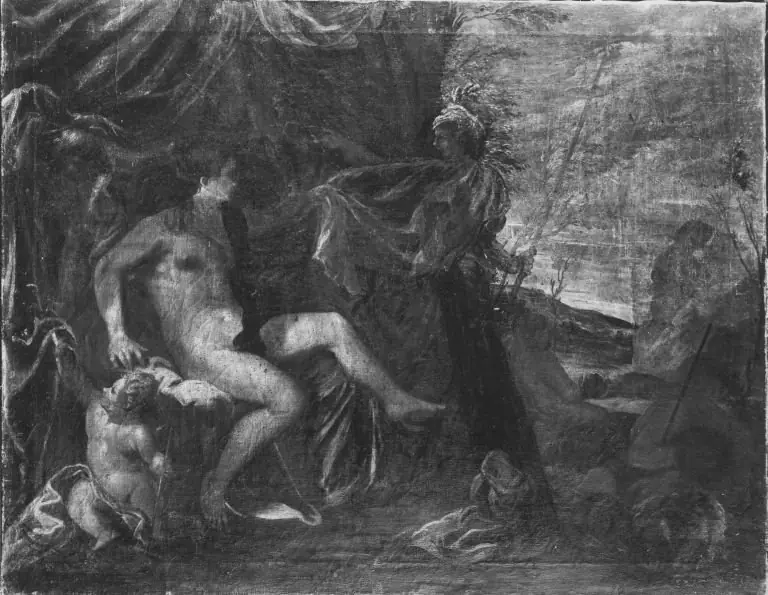
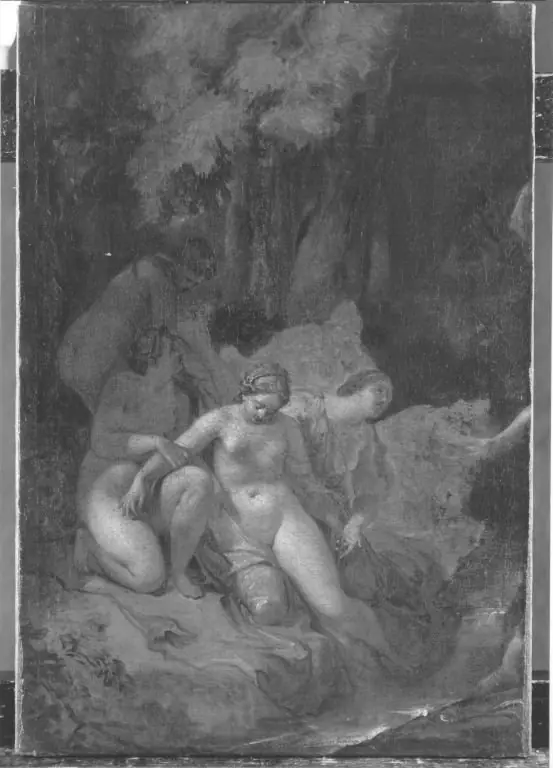
The painting depicts the Roman myth of Vertumnus and Pomona, in which the god Vertumnus, disguised as an old woman, persuades Pomona, a nymph devoted to horticulture, to accept his love. The scene centers on Vertumnus revealing his true form to Pomona, illustrating Ovid’s narrative of persistence rewarded by reciprocity. The work emphasizes themes of transformation and the eventual union of opposites, aligning with Renaissance interpretations of classical myths as allegories of moral or philosophical truths. The composition centers the moment of revelation, underscoring the narrative’s climax and the resolution of Pomona’s resistance.
History & Provenance
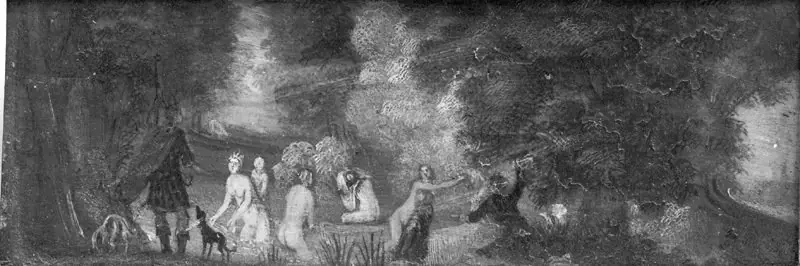
The mythological painting Vertumnus and Pomona was created by the Italian artist Giulio Romano in 1530. The work depicts the classical figures Vertumnus and Pomona within a narrative scene. Today, the artwork is held in the collection of the Statens Museum for Kunst, where it remains located.
The painting measures 280 cm in height and 220 cm in width. No specific details regarding the original commission or the intermediate ownership chain prior to its acquisition by the museum are provided in the available records.
Giulio Romano's Vertumnus and Pomona is held in the collection of the Statens Museum for Kunst. The work, a mythological painting created in 1530, depicts the figures Vertumnus and Pomona. The source provides no specific inventory or accession number for the piece, nor does it list any exhibition history or past display locations.
Overview
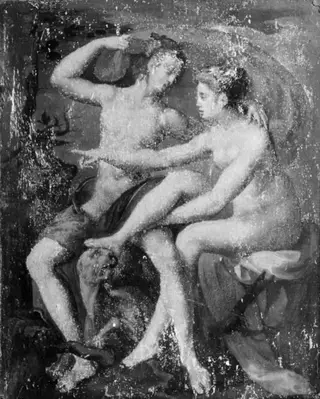
Executed around 1530 by Giulio Romano, a leading disciple of Raphael, this canvas exemplifies the Mannerist turn away from the balanced classicism of the High Renaissance. The painting presents a dramatic encounter between two nude mythological figures set against a stark, craggy landscape, rendered with pronounced contrasts of light and dark that heighten the sense of immediacy.
Technique & Style
Romano employs a vigorous chiaroscuro, allowing bright highlights to sculpt the flesh while deep shadows recede the rocky backdrop. The figures are rendered with elongated proportions and exaggerated poses, hallmarks of Mannerism that convey tension and movement. The textured stone surface and stark lighting amplify the theatrical atmosphere.
Context
Created during a period when artists explored complex compositions and emotional intensity, the canvas reflects the broader Mannerist fascination with mythological subjects and artificial elegance. The widespread circulation of Romano’s drawings, especially via Raimondi’s engravings, contributed to the diffusion of Mannerist aesthetics throughout sixteenth‑century European painting.
Artist & collection
Artist
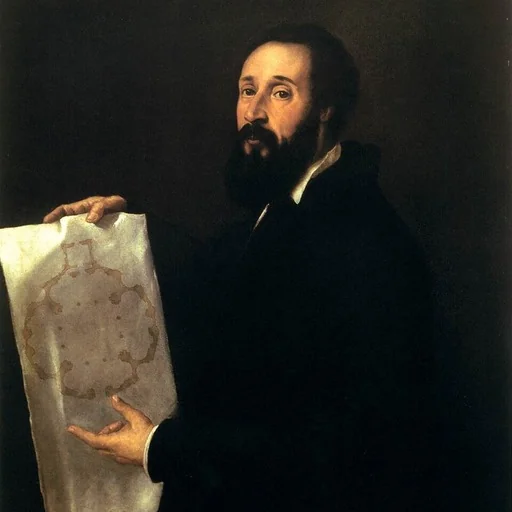
Giulio Pippi (c. 1499 – 1 November 1546), known as Giulio Romano (US: JOOL-yoh rə-MAH-noh( Italian: ) and sometimes known in French as Jules Romain, was an Italian painter and architect. He was a pupil of Raphael, and…