Artwork
Diana und Callisto
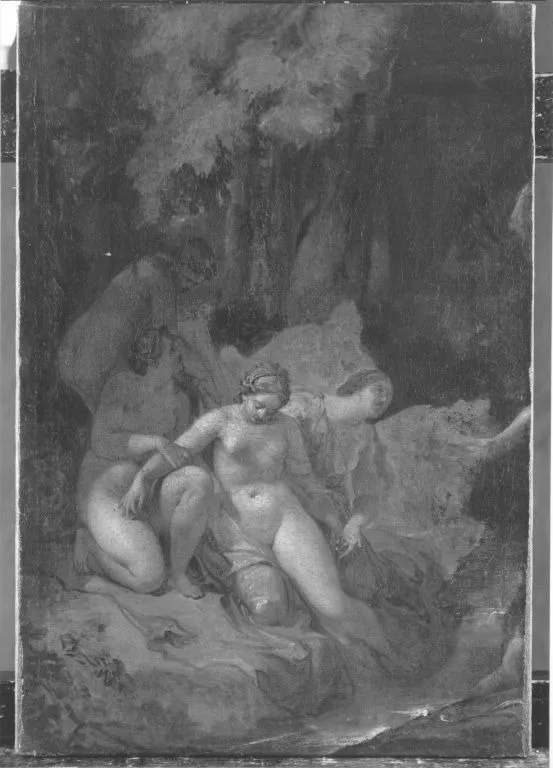
Diana und Callisto is an unspecified painting by the Dutch Golden Age artist Adriaen van der Werff. It dates from 1696 and is held in the collection of the Bavarian State Painting Collections.
About this work
Subject & Meaning
The work is classified as a mythological painting and depicts Diana as its primary figure, with the narrative of Callisto forming the principal subject.
The painting illustrates the Ovidian myth of Diana and Callisto, in which the nymph Callisto, a follower of the goddess Diana, is exposed as having been seduced by Jupiter and is punished for the transgression. The work is classified as a mythological painting and depicts Diana as its primary figure, with the narrative of Callisto forming the principal subject.
In keeping with the late seventeenth-century Dutch classicism practiced by Adriaen van der Werff, the subject is treated with refined eroticism and moralizing undertones: the viewer is invited to weigh divine chastity against illicit desire, while the small, jewel-like format (40.5 × 27.5 cm) lends the encounter an intimate, cabinet-picture quality suited to private contemplation of mythological lore.
History & Provenance
The painting Diana und Callisto by Adriaen van der Werff dates to 1690, as indicated by its documented inception year in institutional records.
The work entered the Bavarian State Painting Collections, where it is held at the Alte Pinakothek. This aligns with the institution’s documented holdings of van der Werff’s mythological compositions, with the painting’s dimensions recorded at 40.5 cm in height and 27.5 cm in width.
The painting Diana und Callisto by Adriaen van der Werff is held in the collection of the Bavarian State Painting Collections. It is located at the Alte Pinakothek in Munich. The work, which depicts the mythological subjects Diana and Callisto, was created in 1690.
No specific inventory number or details regarding its exhibition history are provided in the available sources.
Context
Critical reception of Adriaen van der Werff's Diana und Callisto has generally highlighted its refined composition and delicate treatment of mythological narrative within Dutch Golden Age painting, though specific contemporary reviews are sparsely documented. Scholarly attention focuses on the work's place within van der Werff's oeuvre as a leading Delft painter of the late 17th century, emphasizing his synthesis of Dutch realism with classical subject matter and his influence on later mythological painters. The painting exemplifies the period's fascination with mythological themes rendered with increasing psychological depth and compositional sophistication, situating it within broader trends of Dutch classicizing art that bridged Baroque dynamism and Enlightenment restraint.
Its inclusion in the Bavarian State Painting Collections at the Alte Pinakothek since the 19th century reflects early recognition of its artistic significance within German museum collections.
Overview
Diana und Callisto is a 1696 painting by Adriaen van der Werff, a Dutch artist who worked during the late seventeenth and early eighteenth centuries. The work belongs to the Dutch Golden Age tradition and is now housed in the Alte Pinakothek. Van der Werff's oeuvre encompassed mythological narratives, devotional imagery, erotic subjects, and portraiture, and he counted the Medici family among his patrons.
Technique & Style
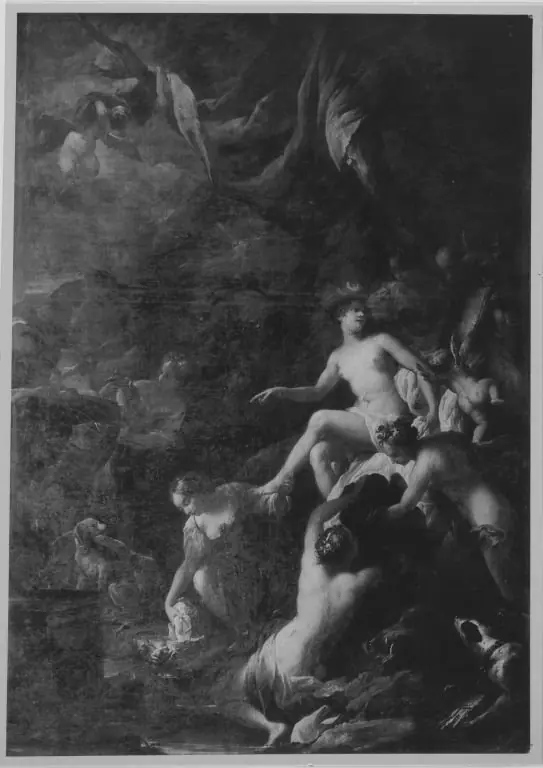
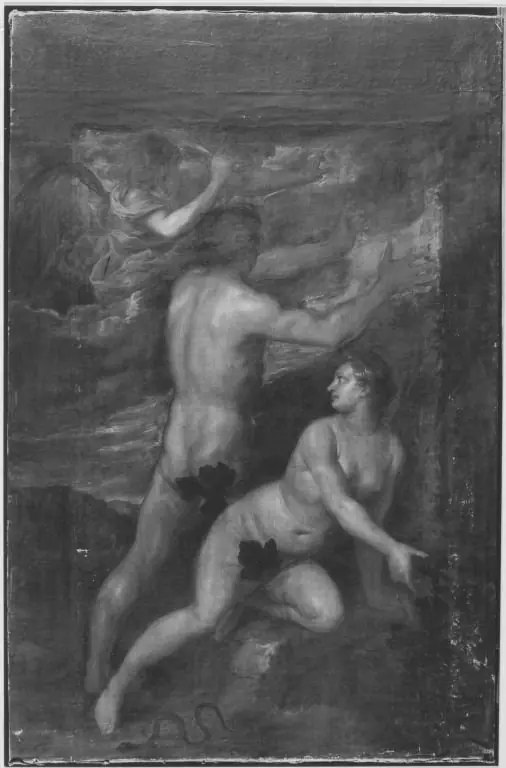
Van der Werff employs pronounced chiaroscuro to model the figures and their surroundings. Light strikes the skin and rocky surfaces, creating luminous passages that emerge from deep shadow. This dramatic interplay of illumination and darkness structures the pictorial space while emphasizing the physical presence of the bodies against the turbulent, indistinct background of clouds and cliff-like formations.
Artist & collection
Artist
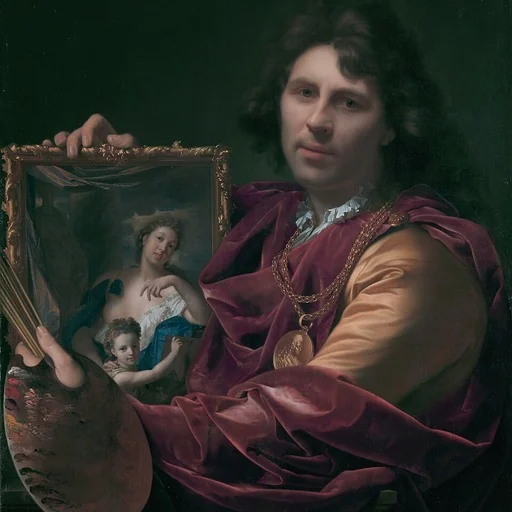
Adriaen van der Werff (21 January 1659 – 12 November 1722) was a Dutch painter of portraits and erotic, devotional and mythological scenes.

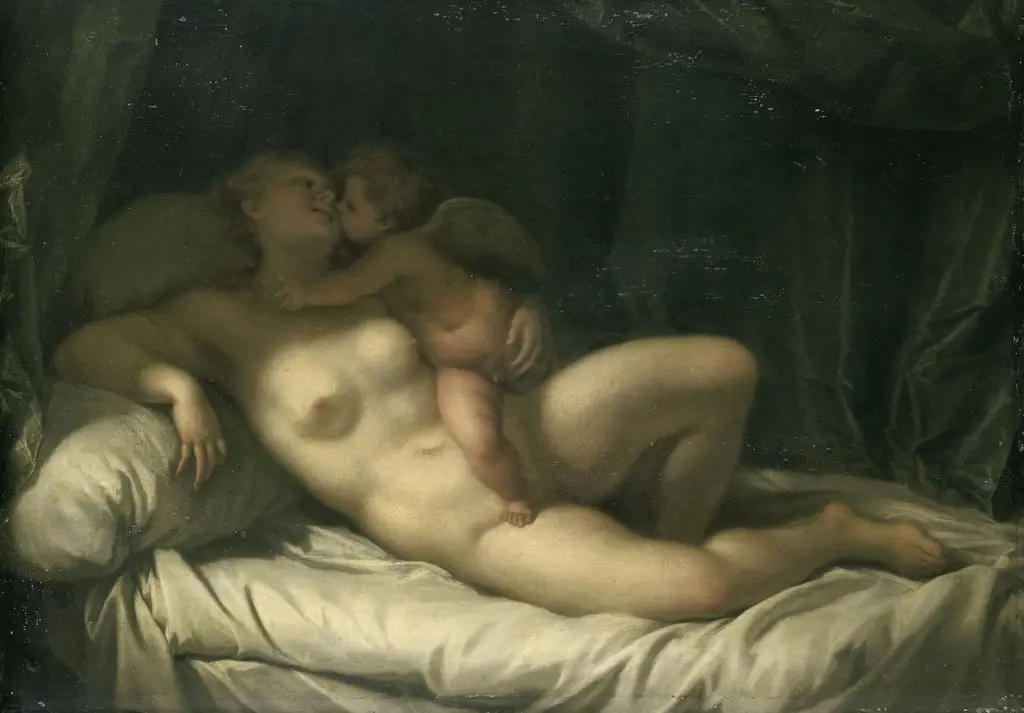 Cupid Kissing Venus (Venus Kissed by Amor)
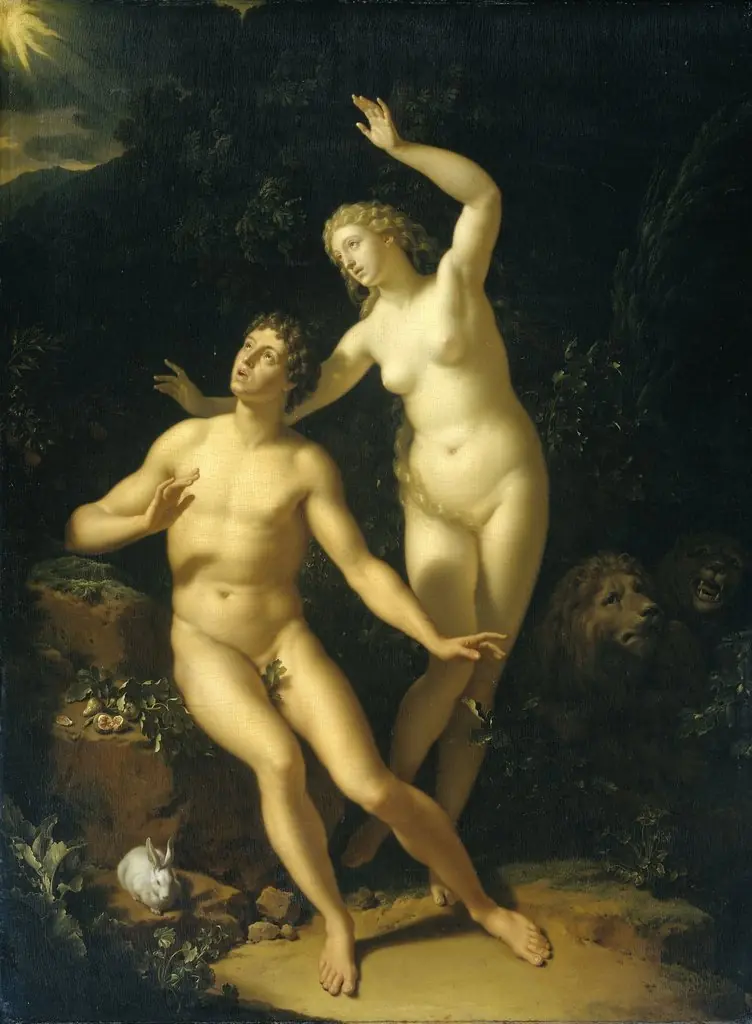 God Holds Adam and Eve Responsible
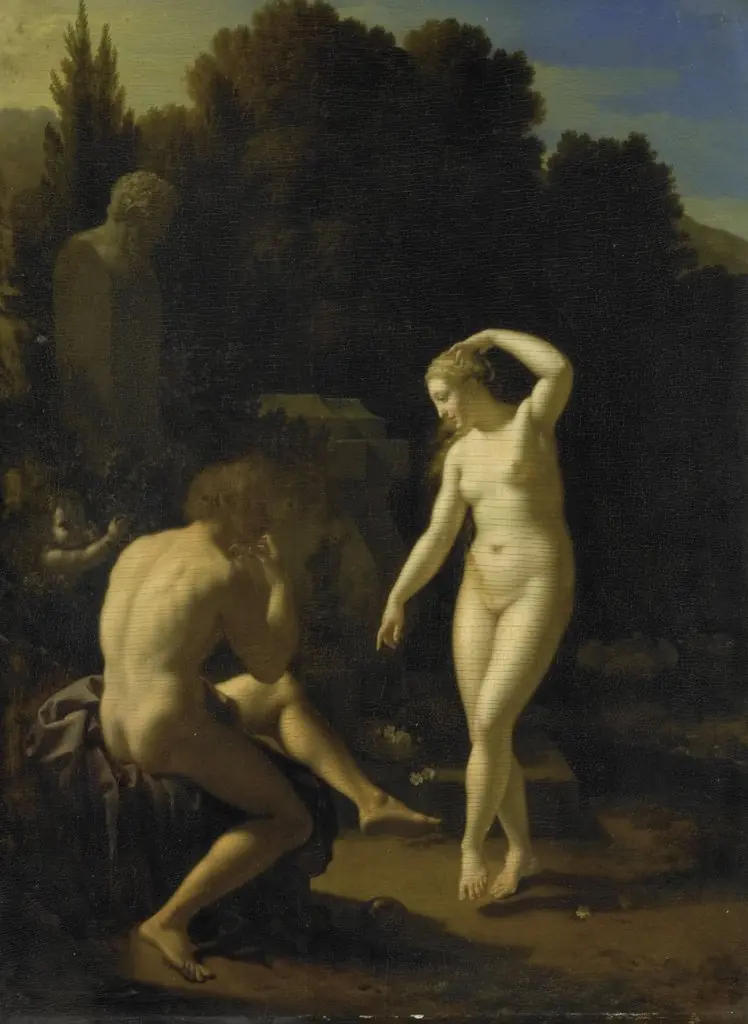 A Nymph Dancing to a Shepherd's Flute-Playing
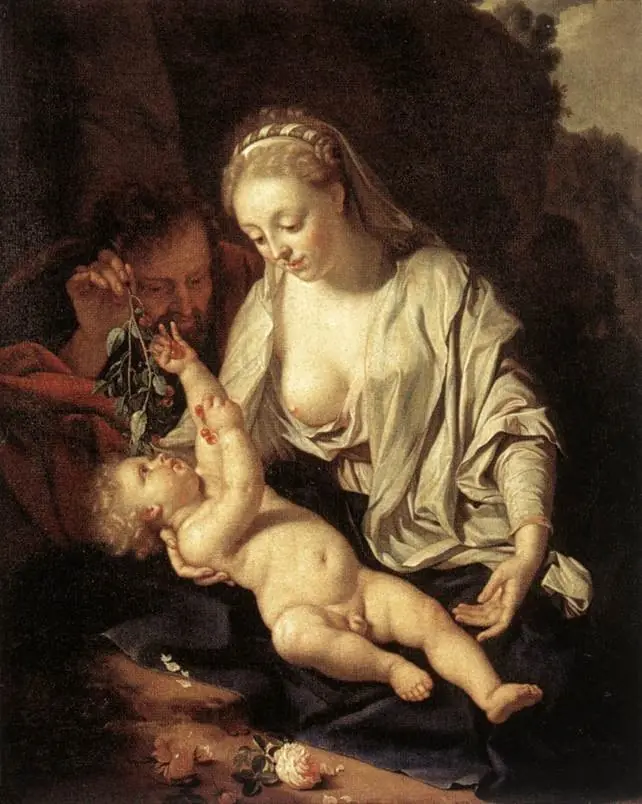 The Holy Family
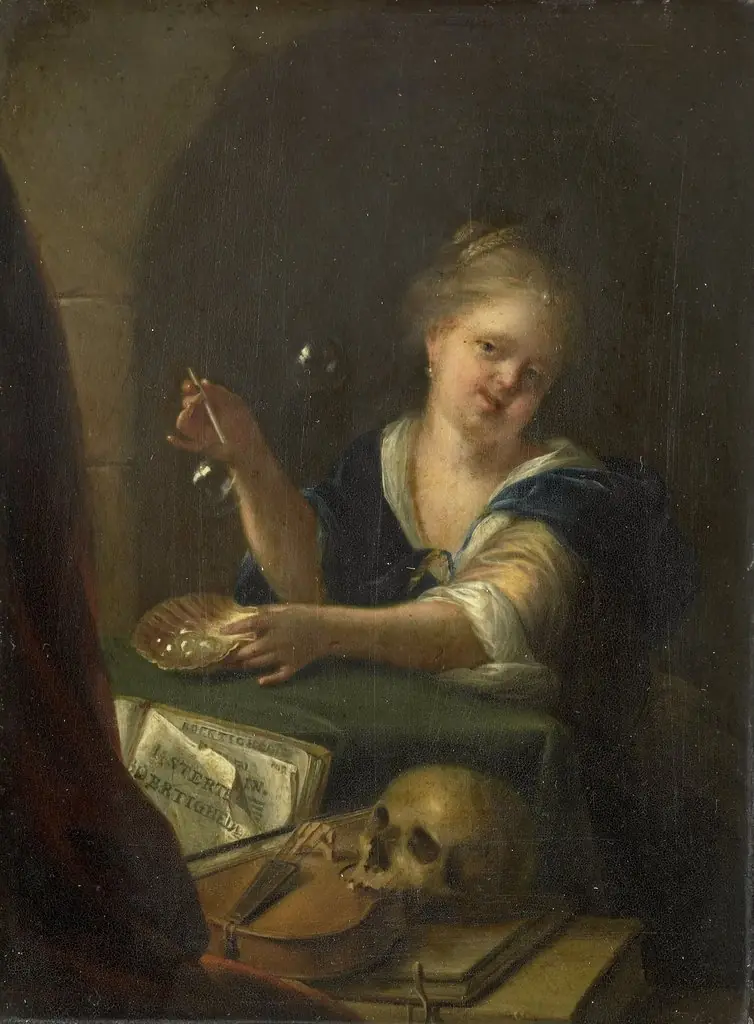 Bubble-blowing Girl with a Vanitas Still Life
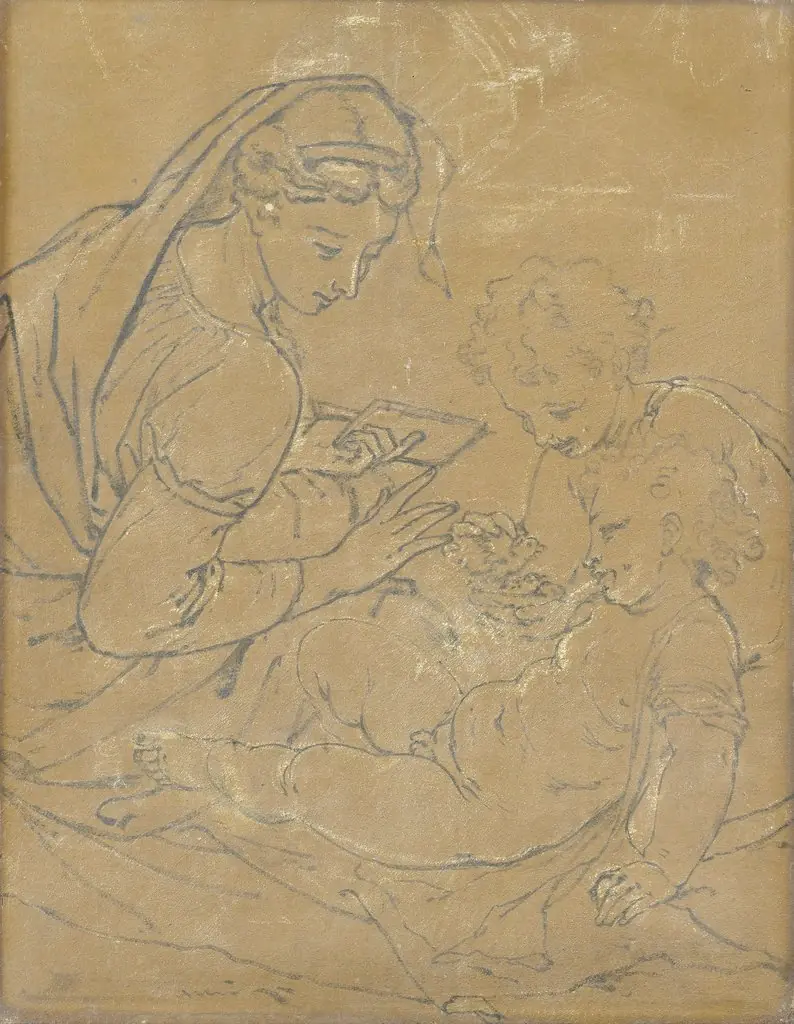 Virgin and Child with Saint John (chalk sketch)
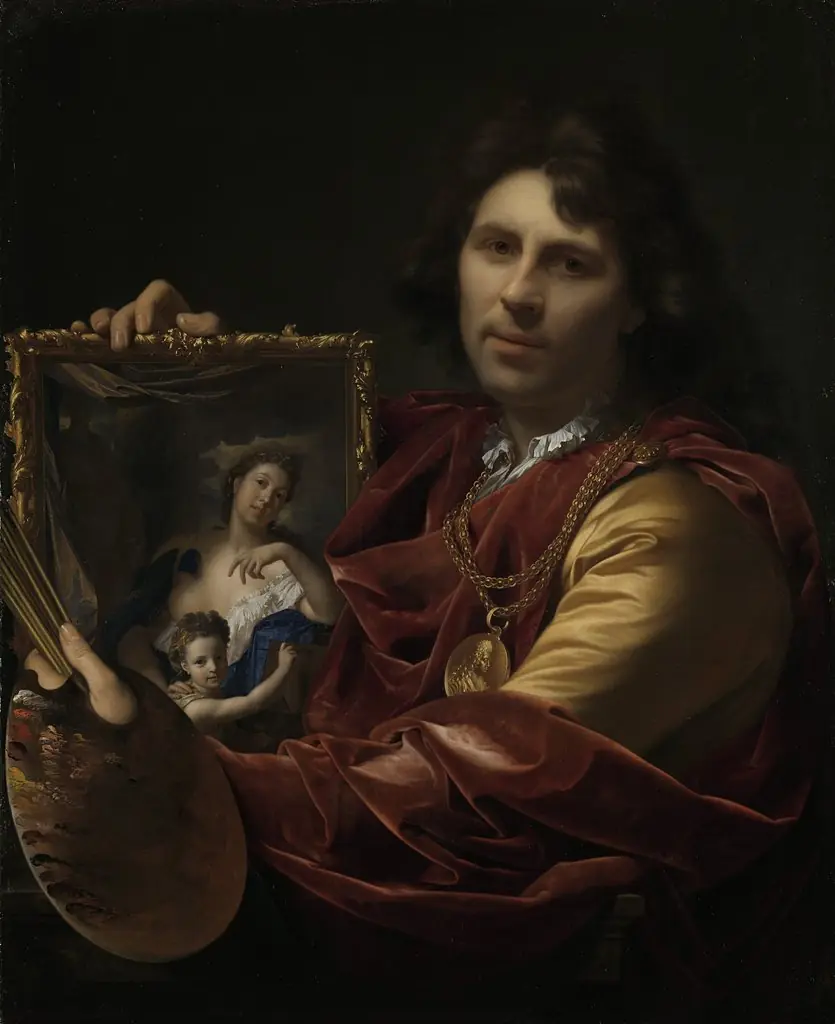 Self-portrait with the Portrait of his Wife, Margaretha van Rees, and their Daughter Maria
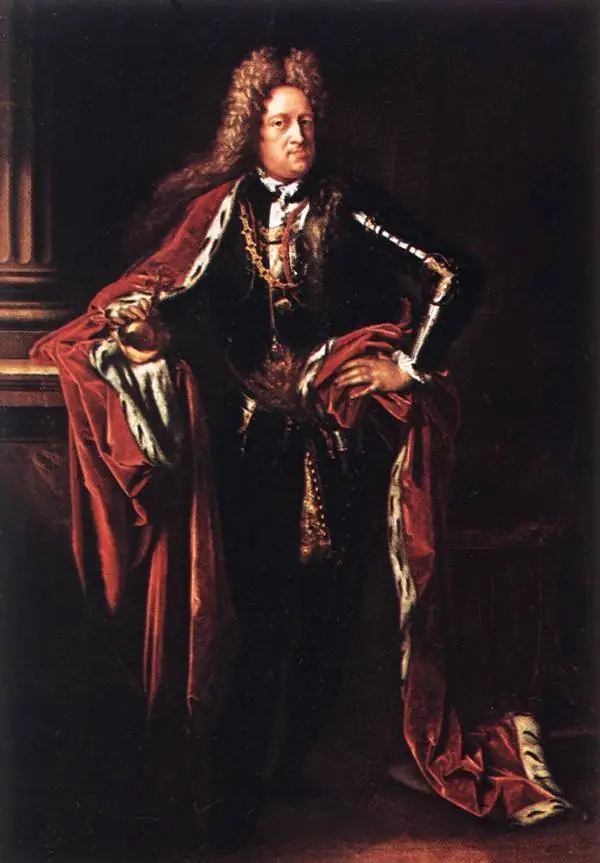 Portrait of Johann Wilhelm Elector of Palatine (1658-1716)
- Venus und Adonis (zugeschrieben)
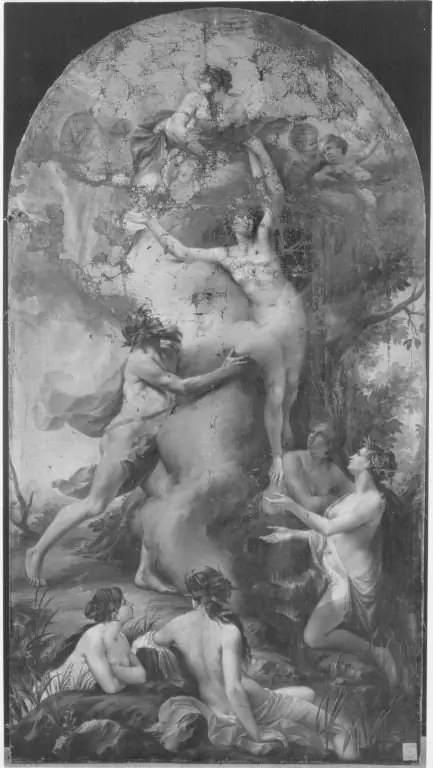 Alpheus und Arethusa
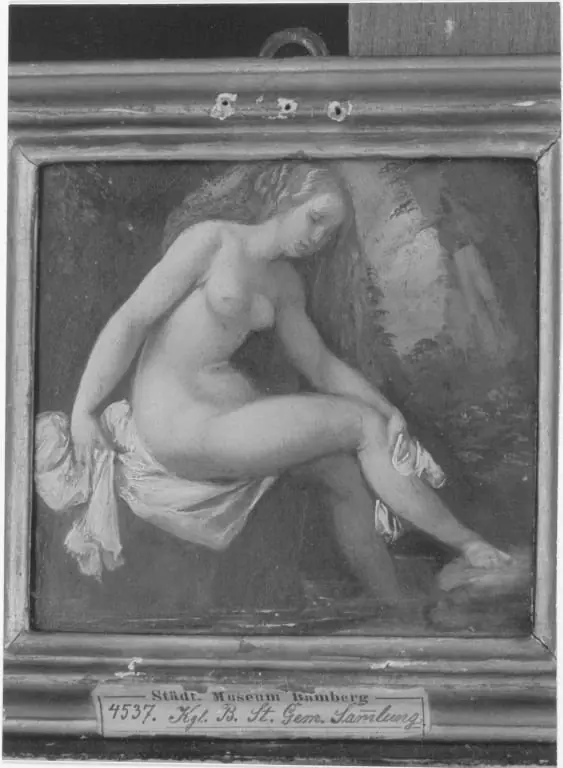 Badendes Mädchen
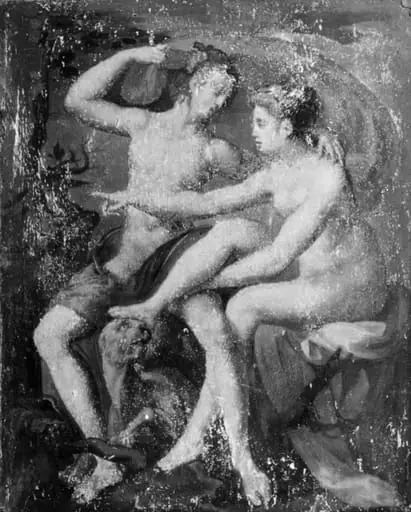 Bacchus and Ariadne
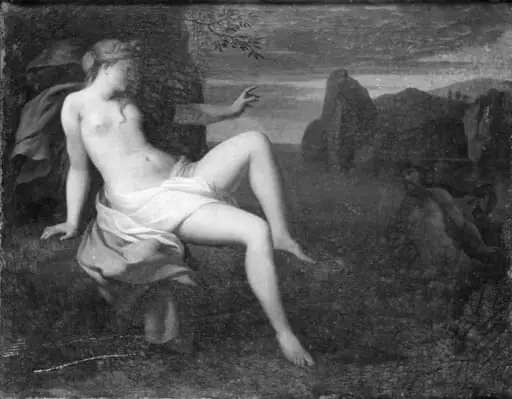 Glaucus and Scylla
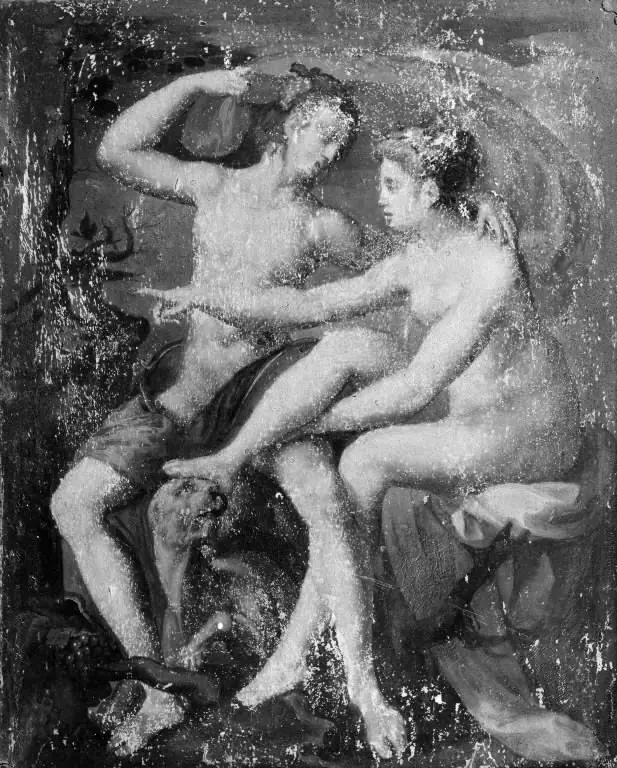 Bacchus and Ariadne
 Das Bad der Diana
 Glaucus and Scylla
 Allegorie der Fruchtbarkeit (Huldigung an Pomona) (Kopie nach)
 Diana, omgivet af sine nymfer
 Austreibung aus dem Paradies (?)
 Vertumnus and Pomona