Artwork
An Allegory of the Arts
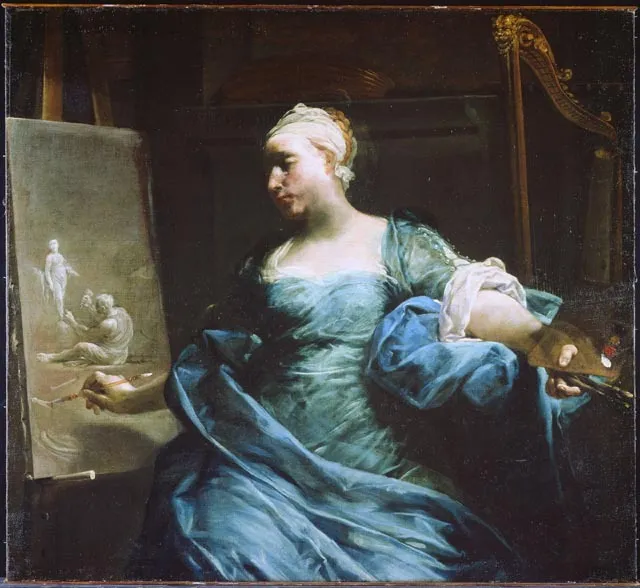
An Allegory of the Arts is an unspecified painting by the Rococo painting artist Giuseppe Maria Crespi. It dates from 1730 and is held in the collection of the National Gallery of Canada.
About this work
Overview
Painted in 1730 by Giuseppe Maria Crespi, this work presents a solitary female figure engaged in the act of painting. It is an allegorical representation of artistic creation, not a portrait of a specific individual. The painting resides in the National Gallery of Canada, where it is recognized for its quiet introspection and subtle use of light and shadow to convey focus and concentration.
Subject & Meaning
The partially rendered sketch on the canvas, showing two figures, implies the ongoing nature of creation, emphasizing process over finished product.
The central figure embodies the concept of artistic labor, depicted not as a mythological muse but as a working artist. Her attire, a blue dress and white headscarf, suggests modesty and practicality, reinforcing the idea of art as a disciplined craft. The partially rendered sketch on the canvas, showing two figures, implies the ongoing nature of creation, emphasizing process over finished product.
Technique & Style
Crespi employs chiaroscuro to model the figure’s form and direct attention to her hands and the canvas. The lighting isolates her from the dim background, heightening the sense of inward focus. Brushwork is restrained yet precise, capturing the texture of fabric and the matte surface of the palette. The composition is intimate, avoiding grandeur in favor of quiet realism, typical of Crespi’s later style.
History & Provenance
The painting was completed in Bologna around 1730, during Crespi’s mature period. It entered the National Gallery of Canada’s collection in the 20th century, likely through a private acquisition or donation. Its journey from an Italian studio to a Canadian public institution reflects broader patterns of art migration in the modern era, though its specific provenance prior to the 1900s remains undocumented.
Context
In early 18th-century Italy, allegories of the arts were common, but Crespi’s approach diverged from idealized depictions. Rather than invoking classical figures, he portrayed a contemporary woman in a domestic setting, aligning with Bolognese traditions of genre painting. This shift reflected growing interest in the dignity of everyday labor, including artistic work, within Enlightenment-era thought.
Legacy
The painting stands as a quiet testament to the evolving perception of the artist’s role in society. Unlike grand historical allegories, it elevates the solitary act of creation without ornamentation. Crespi’s choice to depict a female artist, though not unique, remains rare in the period, contributing to broader discussions about gender and artistic identity in early modern Europe.
Artist & collection

Artist
Giuseppe Maria Crespi (14 March 1665 – 16 July 1747), nicknamed Lo Spagnuolo ('The Spaniard'), was an Italian late Baroque painter of the Bolognese School.

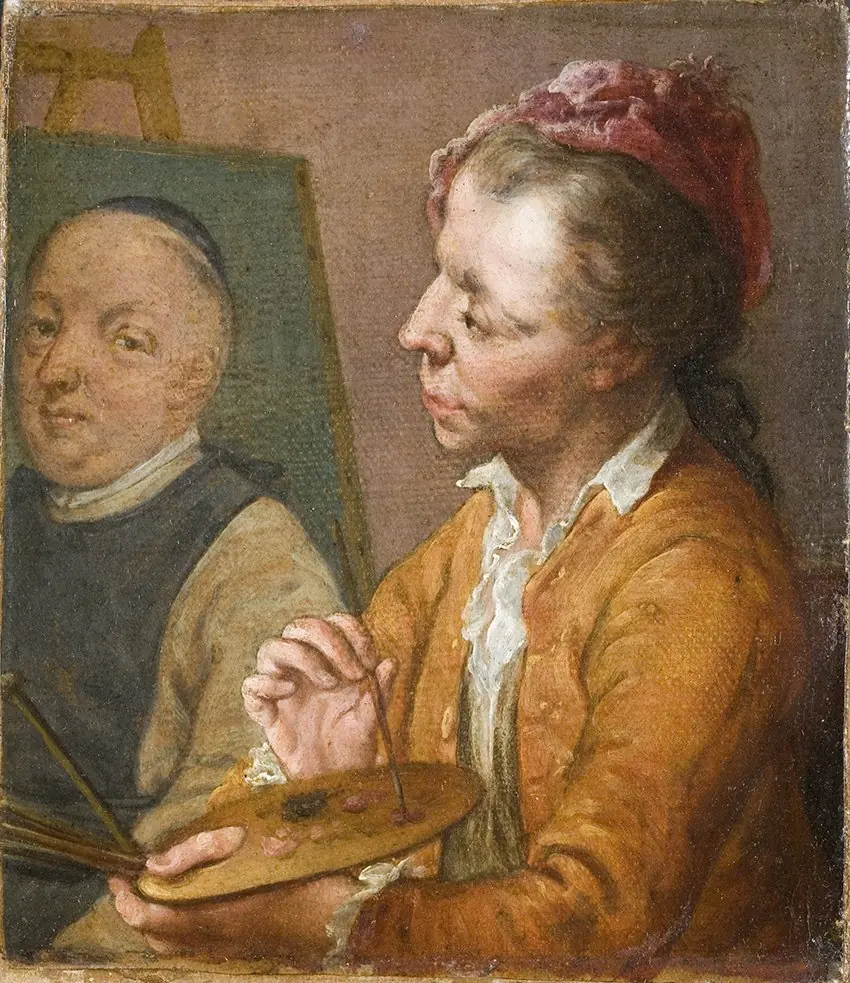 Een schilder aan het werk
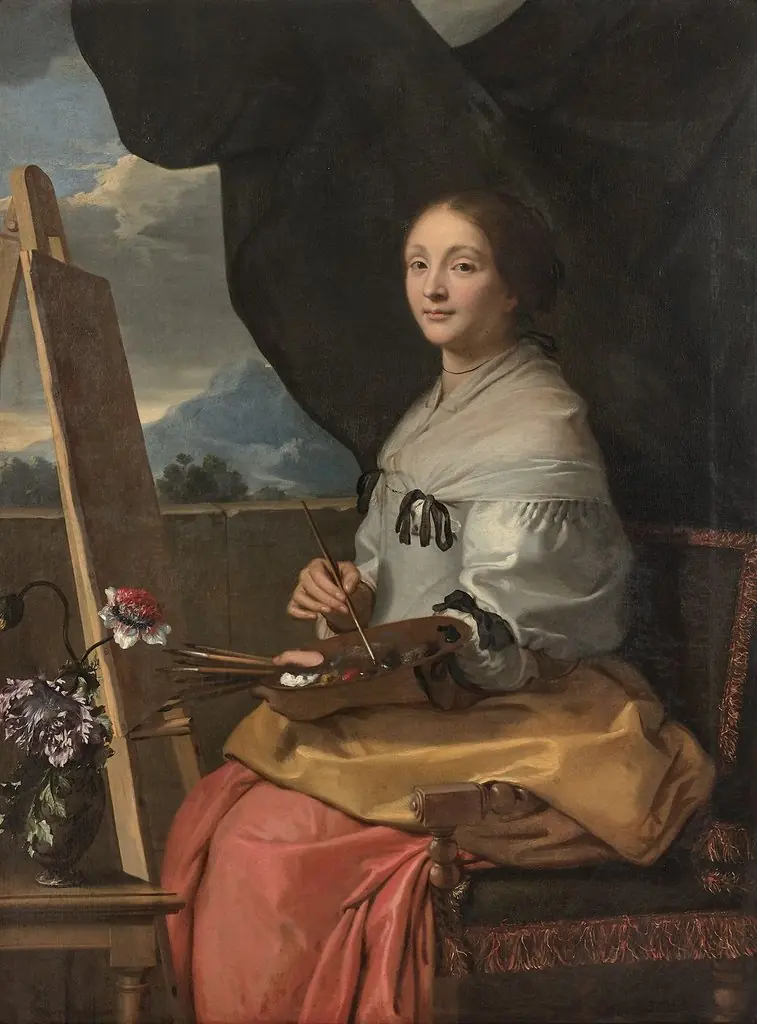 Portrait of Catherine Duchemin
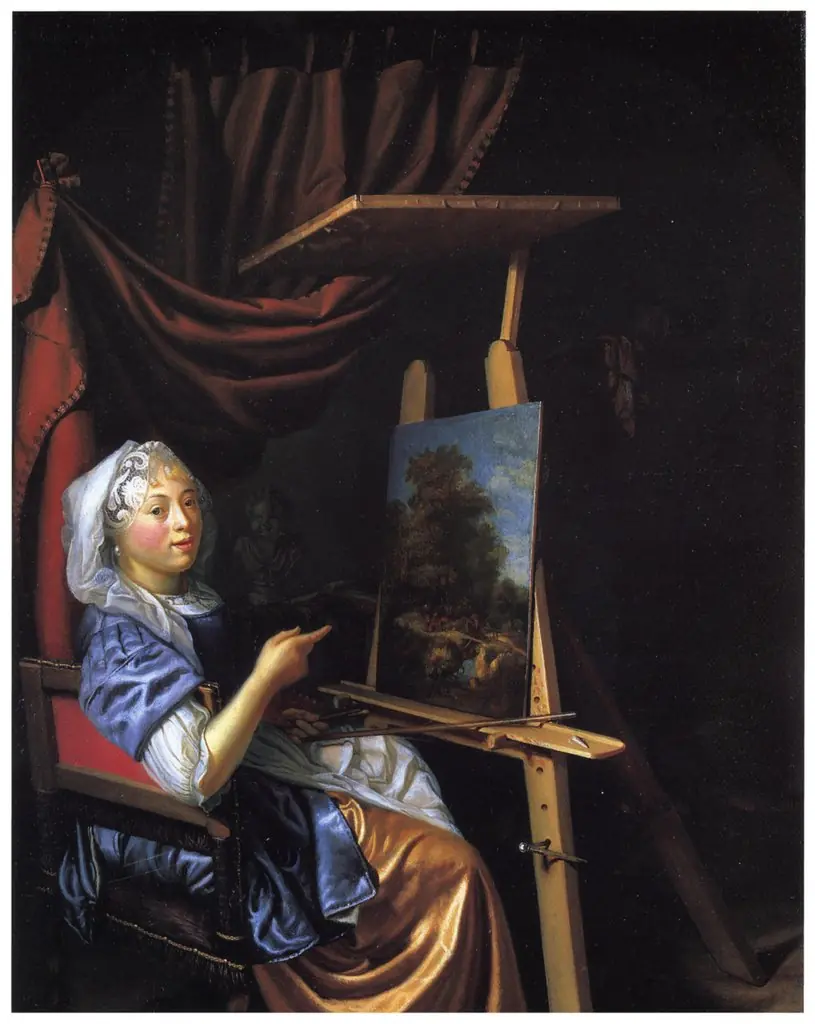 Self-Portrait at Her Easel
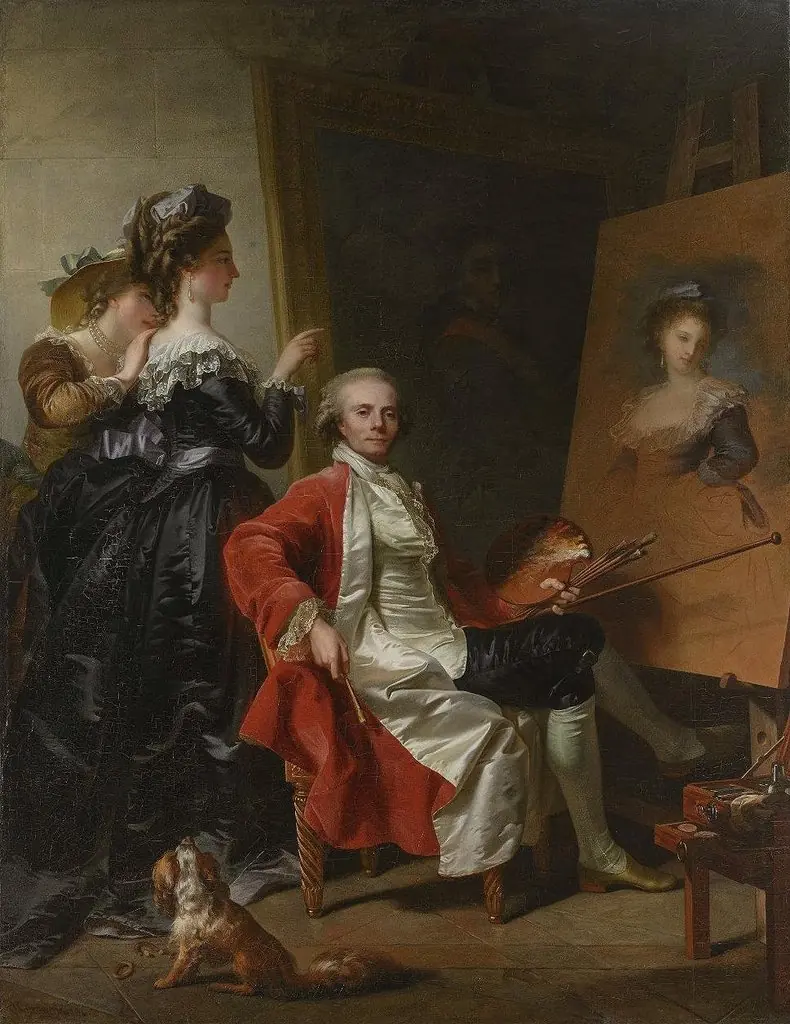 Self-Portrait with His Daughters
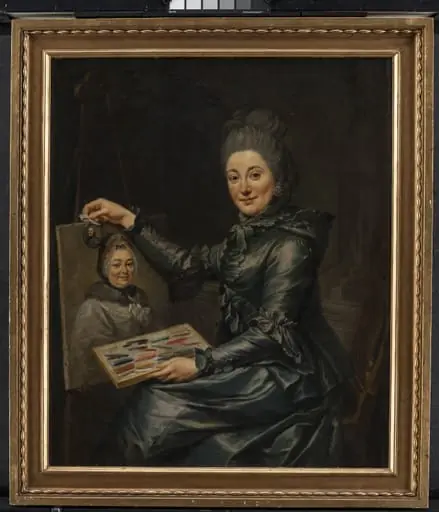 Portrait of the Artist's Daughter Elisabeth, Married Lampe
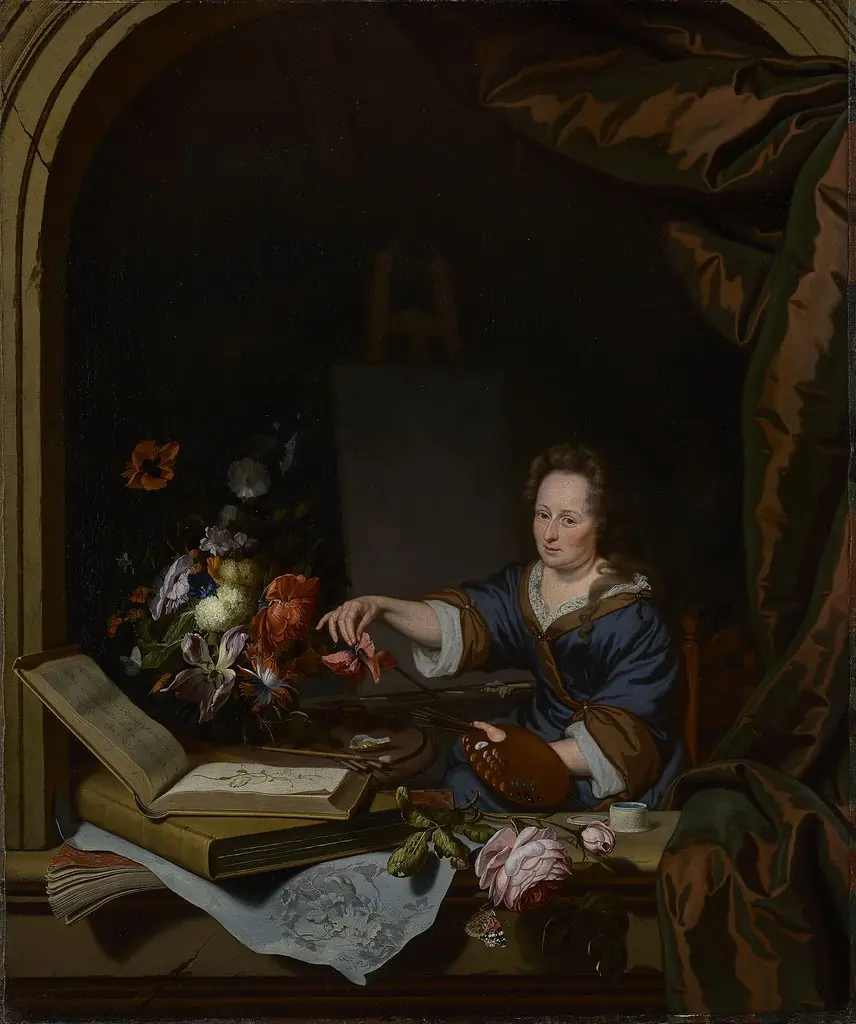 Rachel Ruysch in her studio
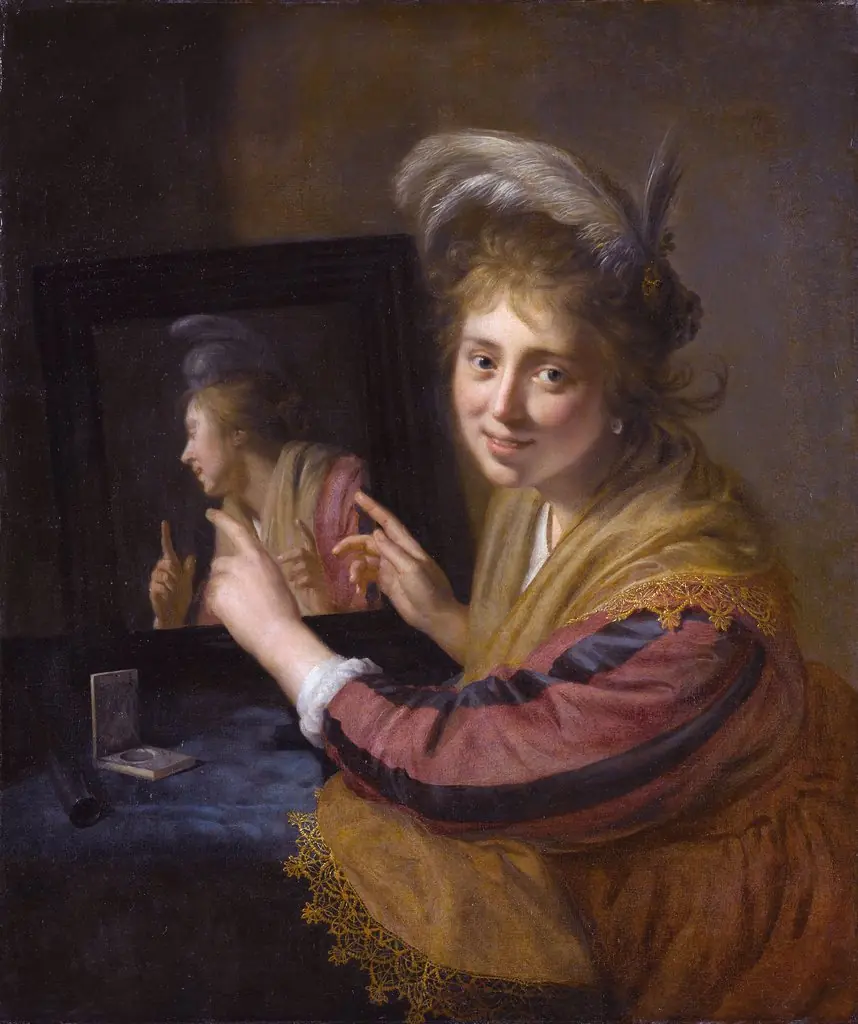 Girl at the mirror
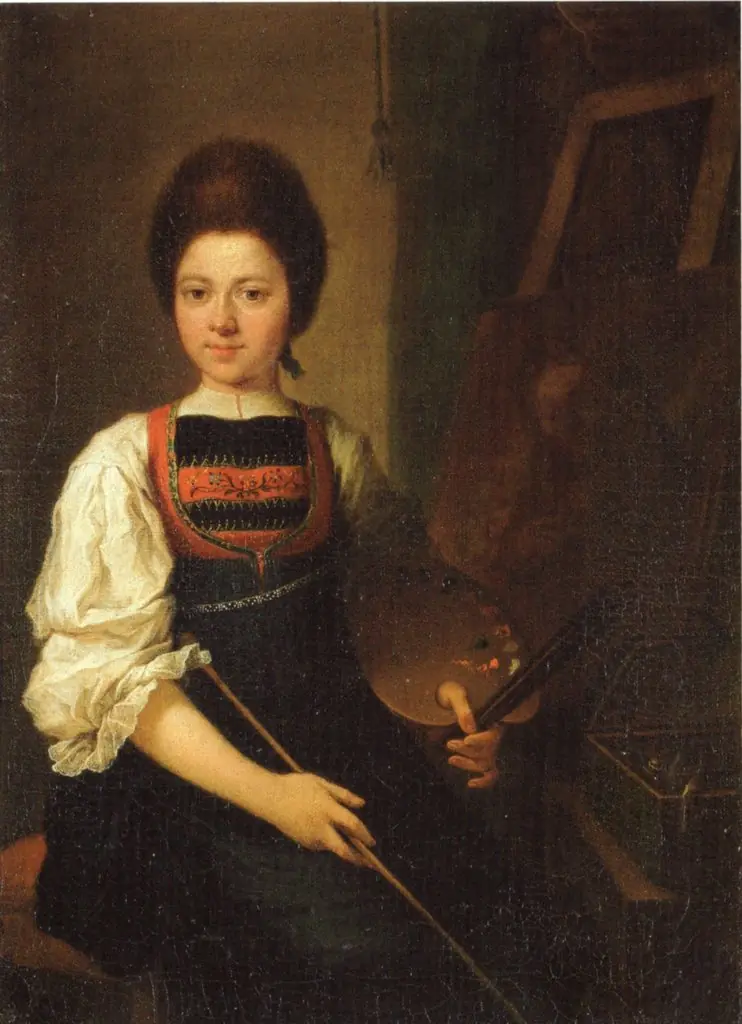 Self-Portrait in the Traditional Costume of the Bregenz Forest, Seated at her Easel
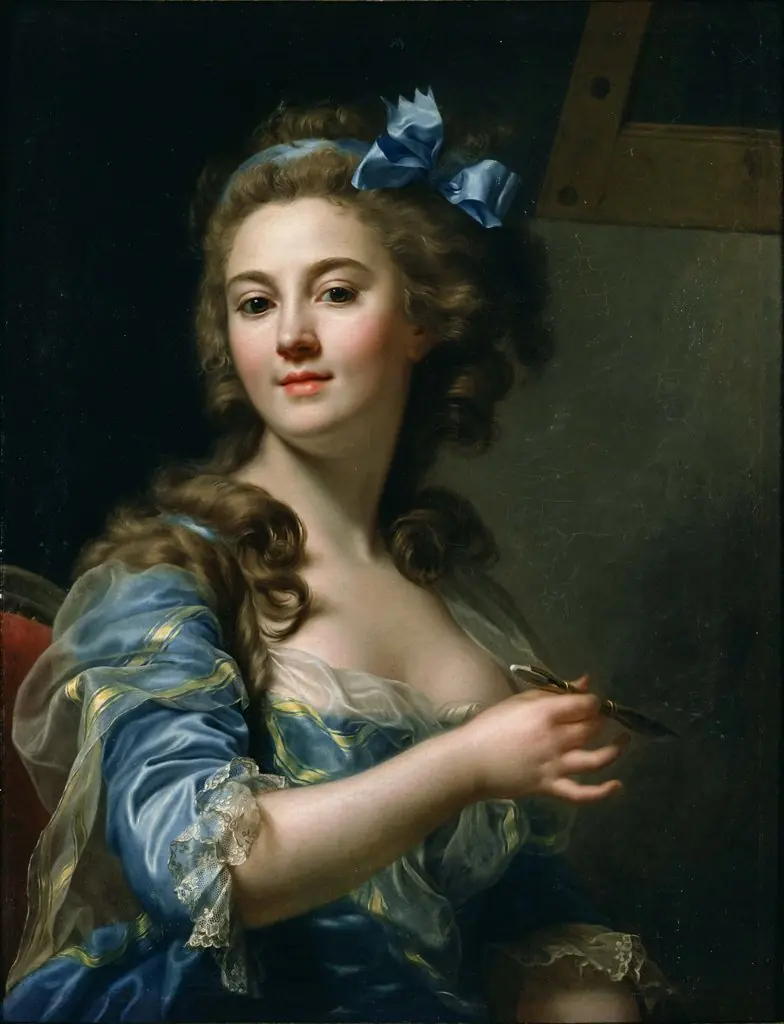 Self-portrait