Artwork
Cupids Disarming Sleeping Nymphs
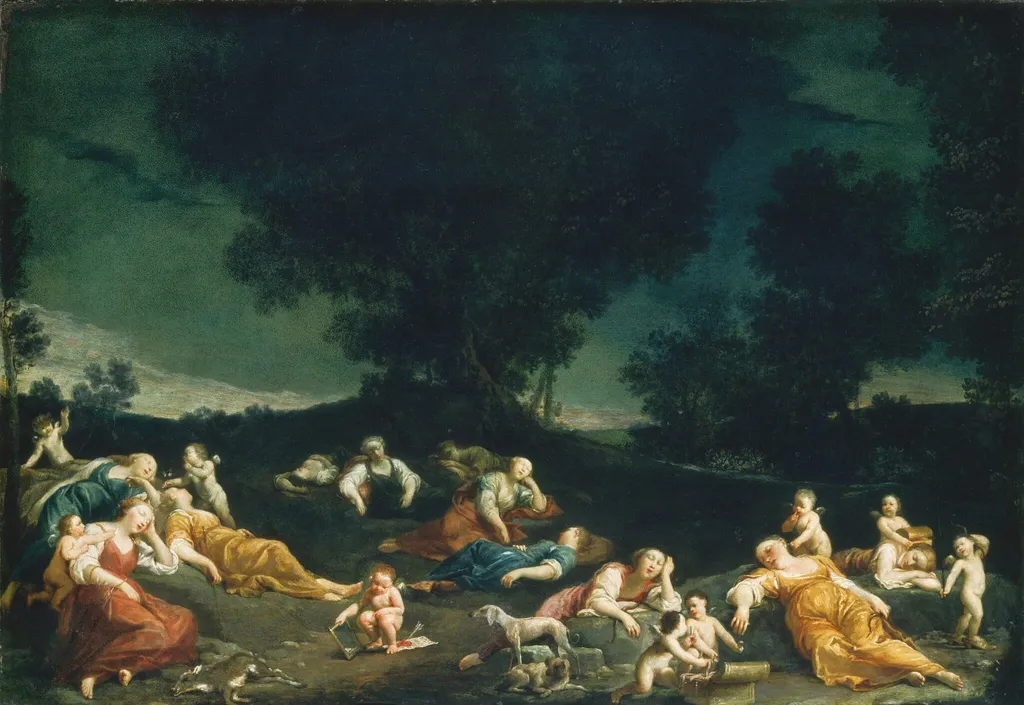
Cupids Disarming Sleeping Nymphs is an oil painting by the Baroque artist Giuseppe Maria Crespi. It dates from 1698 and is held in the collection of the National Gallery of Art.
About this work
Technique & Style
The surface is prepared with a ground suitable for oil, and the paint layer consists of oil pigments applied directly to the metal.
The work titled Cupids Disarming Sleeping Nymphs is an oil painting executed on a copper support, dating to circa 1690. Measuring roughly 52.4 × 75.5 cm, it belongs to the mythological genre and portrays infant cupids in the act of disarming sleeping nymphs. It is part of the National Gallery of Art's Kress Collection.
The surface is prepared with a ground suitable for oil, and the paint layer consists of oil pigments applied directly to the metal.
History & Provenance
Cupids Disarming Sleeping Nymphs was painted by Giuseppe Maria Crespi circa 1690, executed in oil on copper. The earliest documented owner is Count Alessandro Contini Bonacossi in Rome, with the work recorded in his collection by 1928, when it was illustrated by Victor Lasareff in Art in America. On 30 September 1930, Contini Bonacossi sold the painting to the Samuel H. Kress Foundation in New York; the bill of sale described it as a "Hunting Scene by G.B. Crespi."
The foundation briefly returned the work to Contini Bonacossi on 13 September 1931 before repurchasing it in 1932. In 1939, the Kress Foundation gave the painting to the National Gallery of Art in Washington, D.C., where it remains as part of the Samuel H. Kress Collection, accessioned as object 1939.1.250.
Overview
Giuseppe Maria Crespi, known as Lo Spagnuolo, created Cupids Disarming Sleeping Nymphs around 1698. This oil on copper painting exemplifies the Bolognese School's late Baroque style while also incorporating elements of the emerging Rococo movement. The work presents a mythological narrative, characteristic of Crespi's diverse output, which spanned religious subjects, portraits, and scenes of everyday life.
Subject & Meaning
The painting portrays a mythological moment where two corpulent cupids delicately remove arrows from the hand of a slumbering nymph. She rests upon soft, pink clouds, bathed in a warm, subdued light that highlights her form. While the cupids appear playful in their actions, the small wings of these figures cast distinct, sharp shadows, introducing a subtle contrast to the otherwise serene scene.
Own this work as a print
Artist & collection

Artist
Giuseppe Maria Crespi (14 March 1665 – 16 July 1747), nicknamed Lo Spagnuolo ('The Spaniard'), was an Italian late Baroque painter of the Bolognese School.

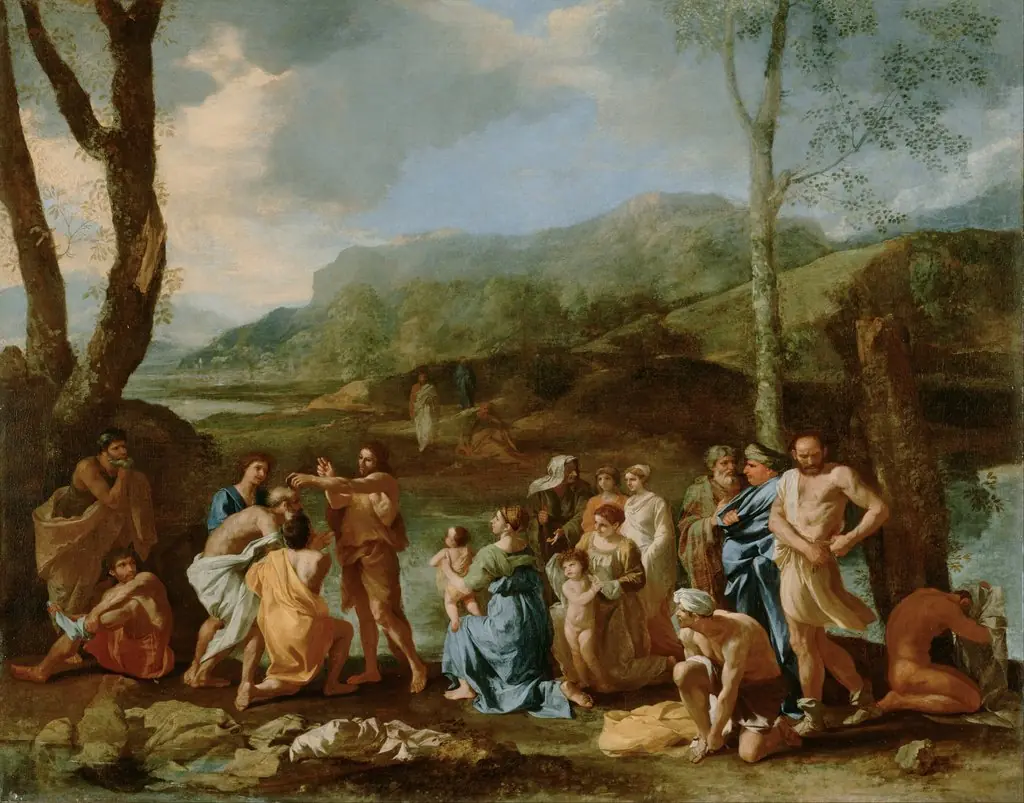
- Saint John Baptizing in the River Jordan
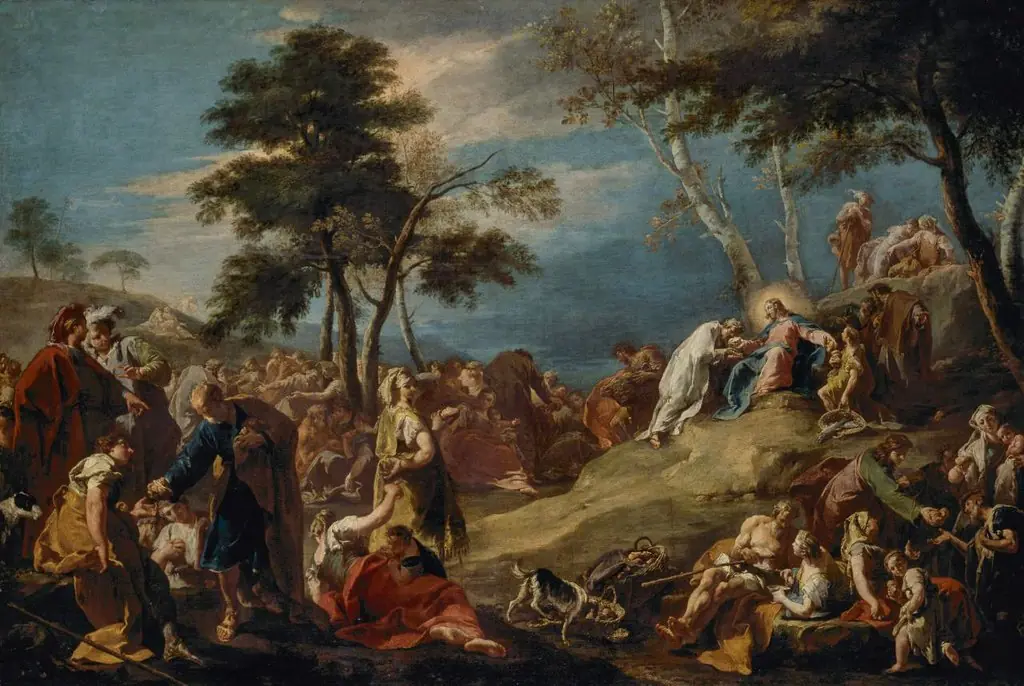 The miracle of the loaves and fishes
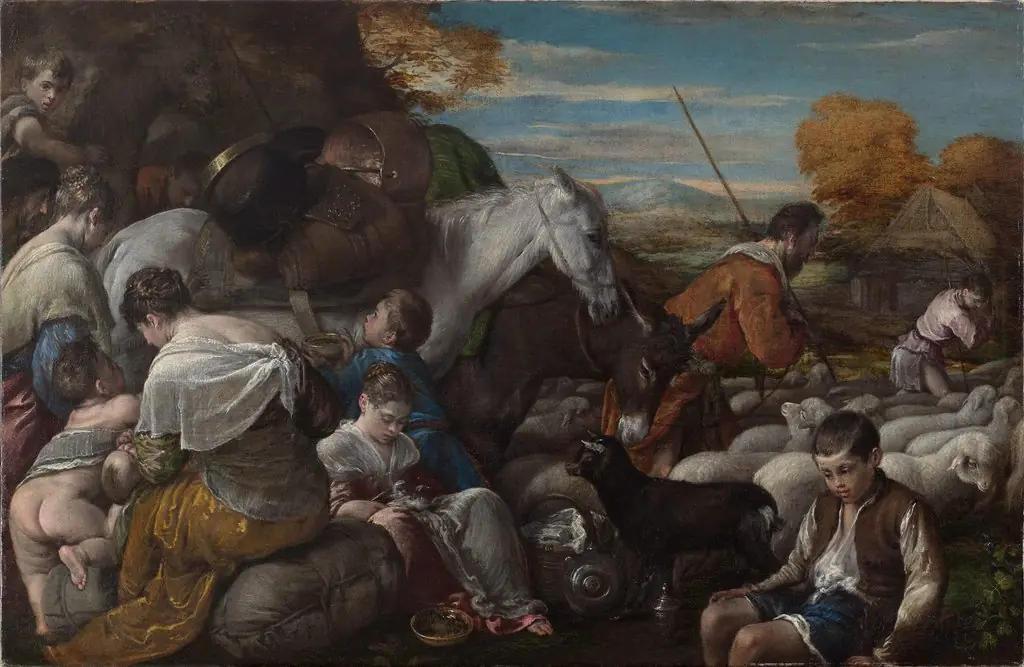 Jacob’s Journey
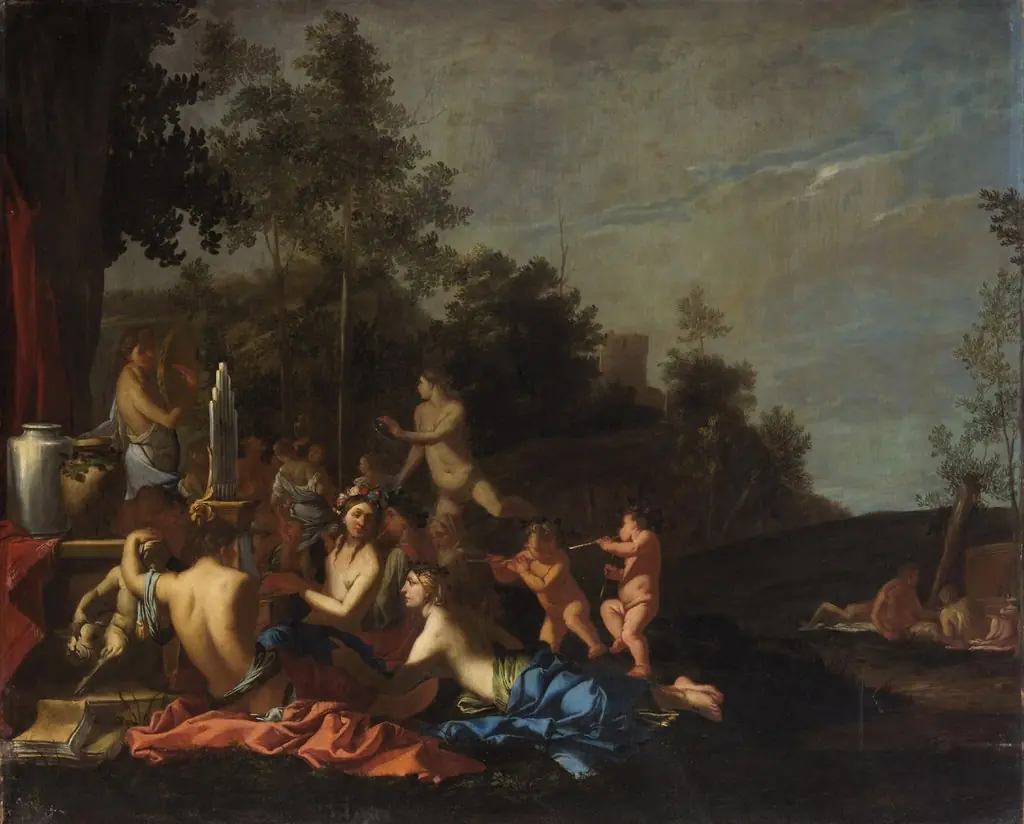 Musizierende Nymphen und Putti
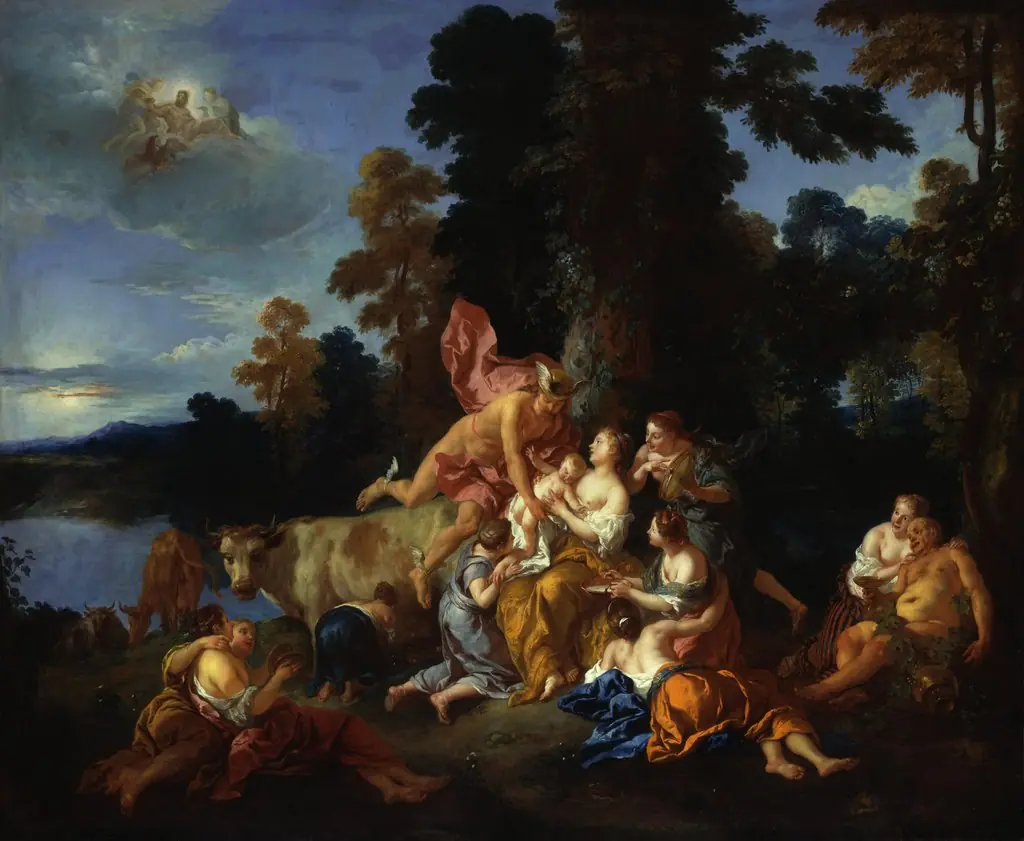 The Rearing of Bacchus
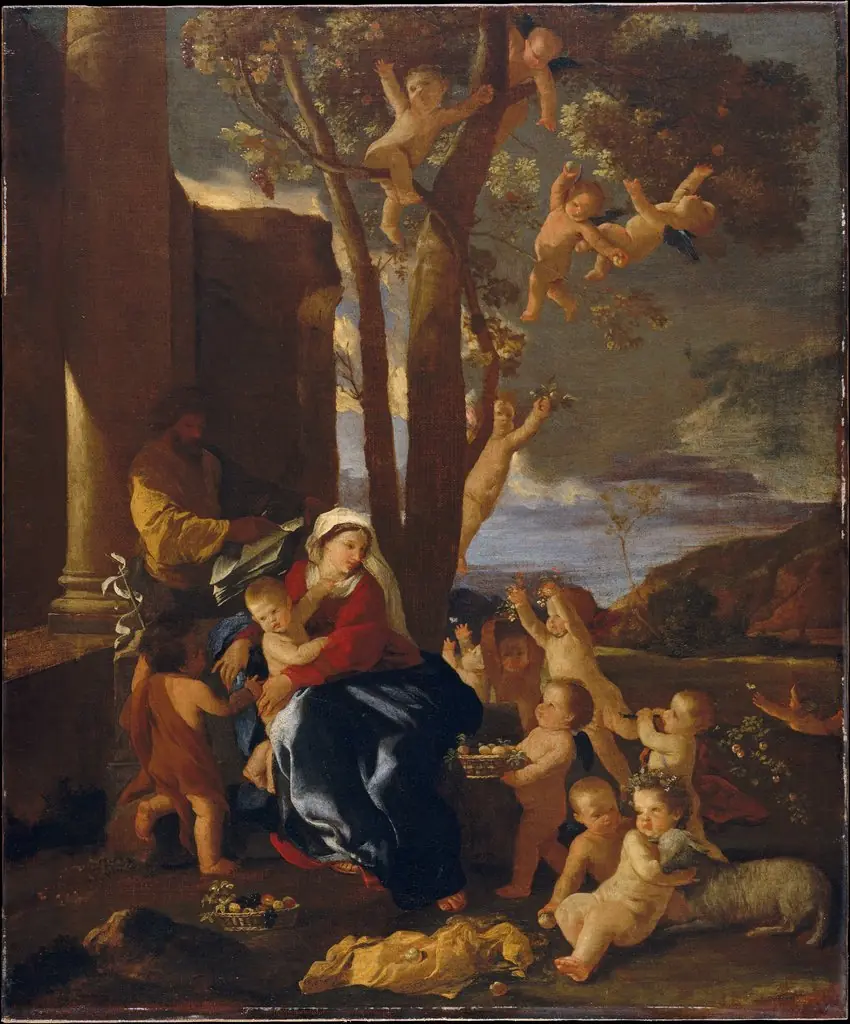 The Rest on the Flight into Egypt
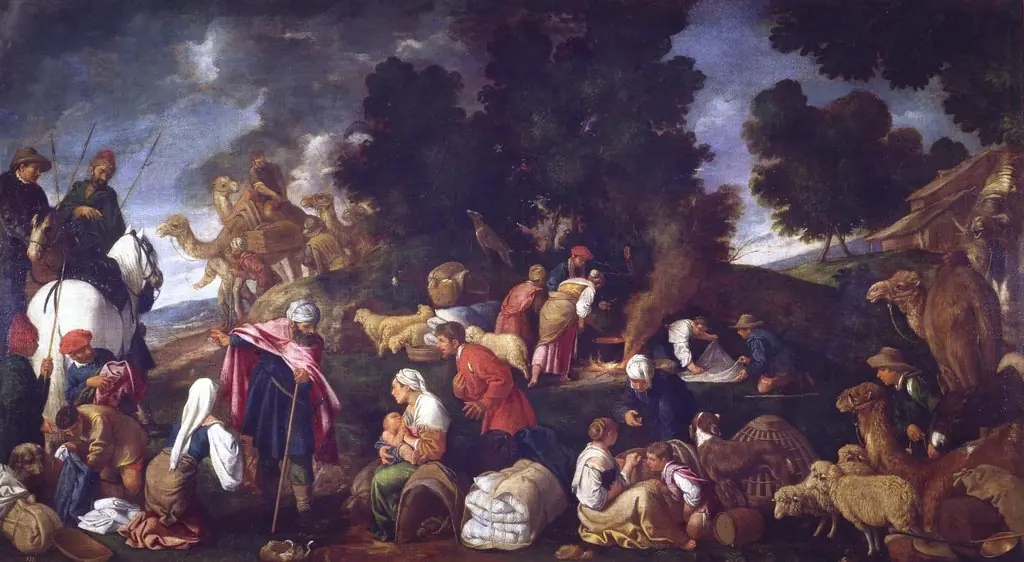 Labán busca los ídolos
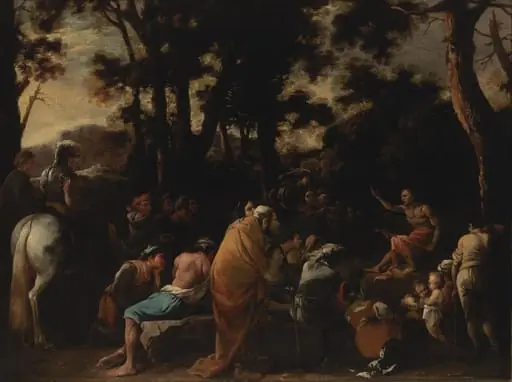 Johannes Kastaja saarnaa
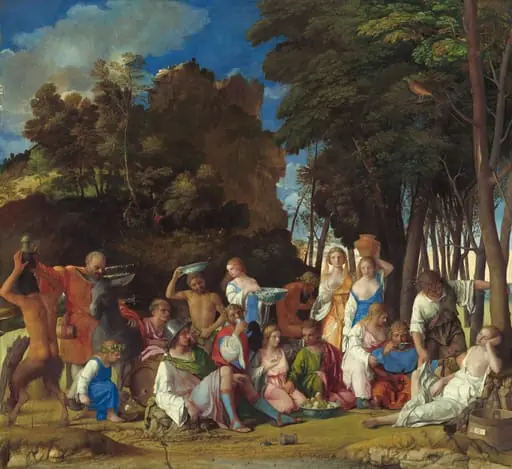 The Feast of the Gods
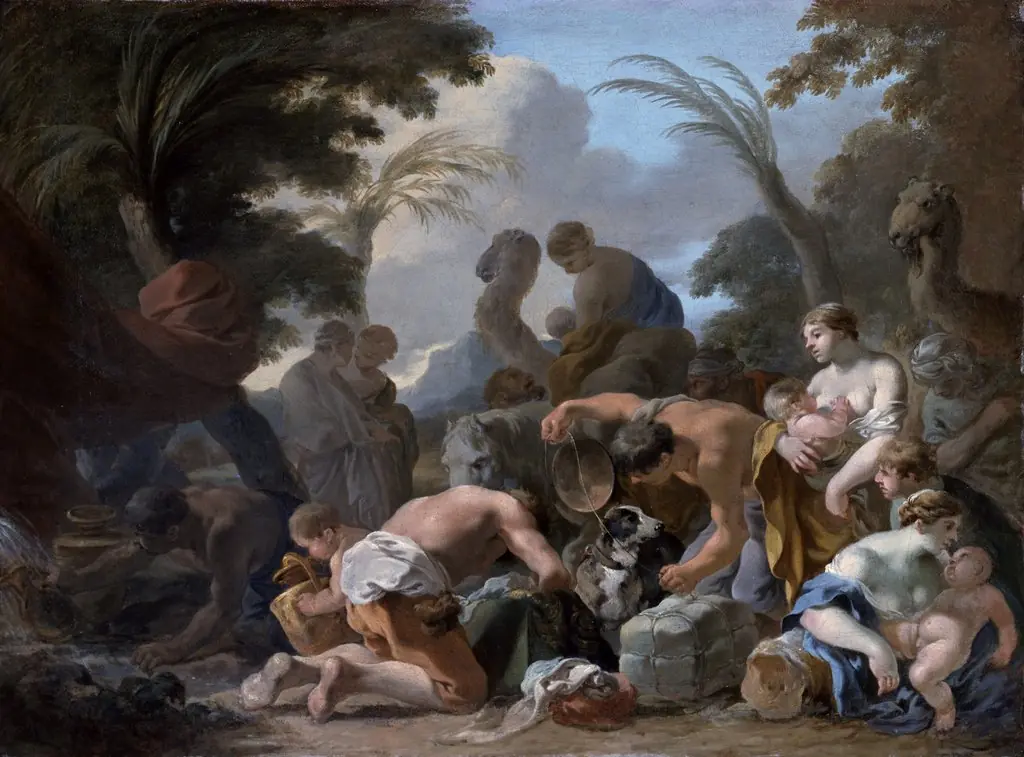 Laban Searching the Belongings of Jacob
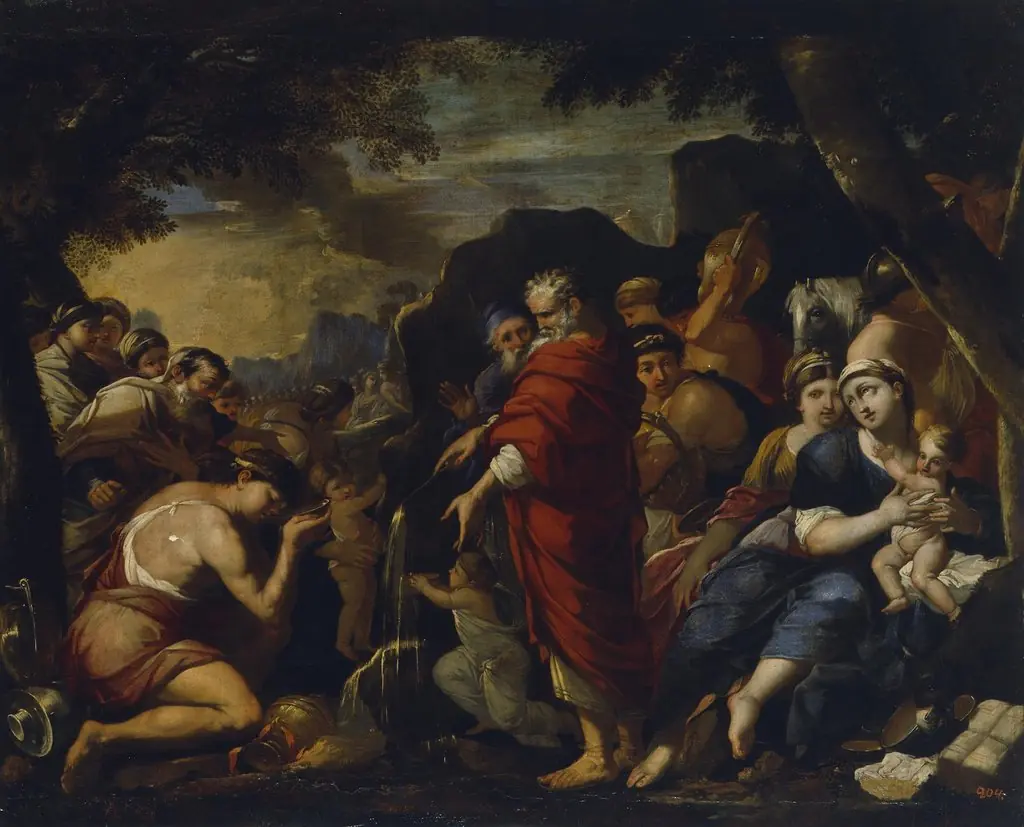 Moses Striking the Rock
 Autumn