Artwork
Leonide Massine waiting for his cue to go on stage in 'On With the Dance'
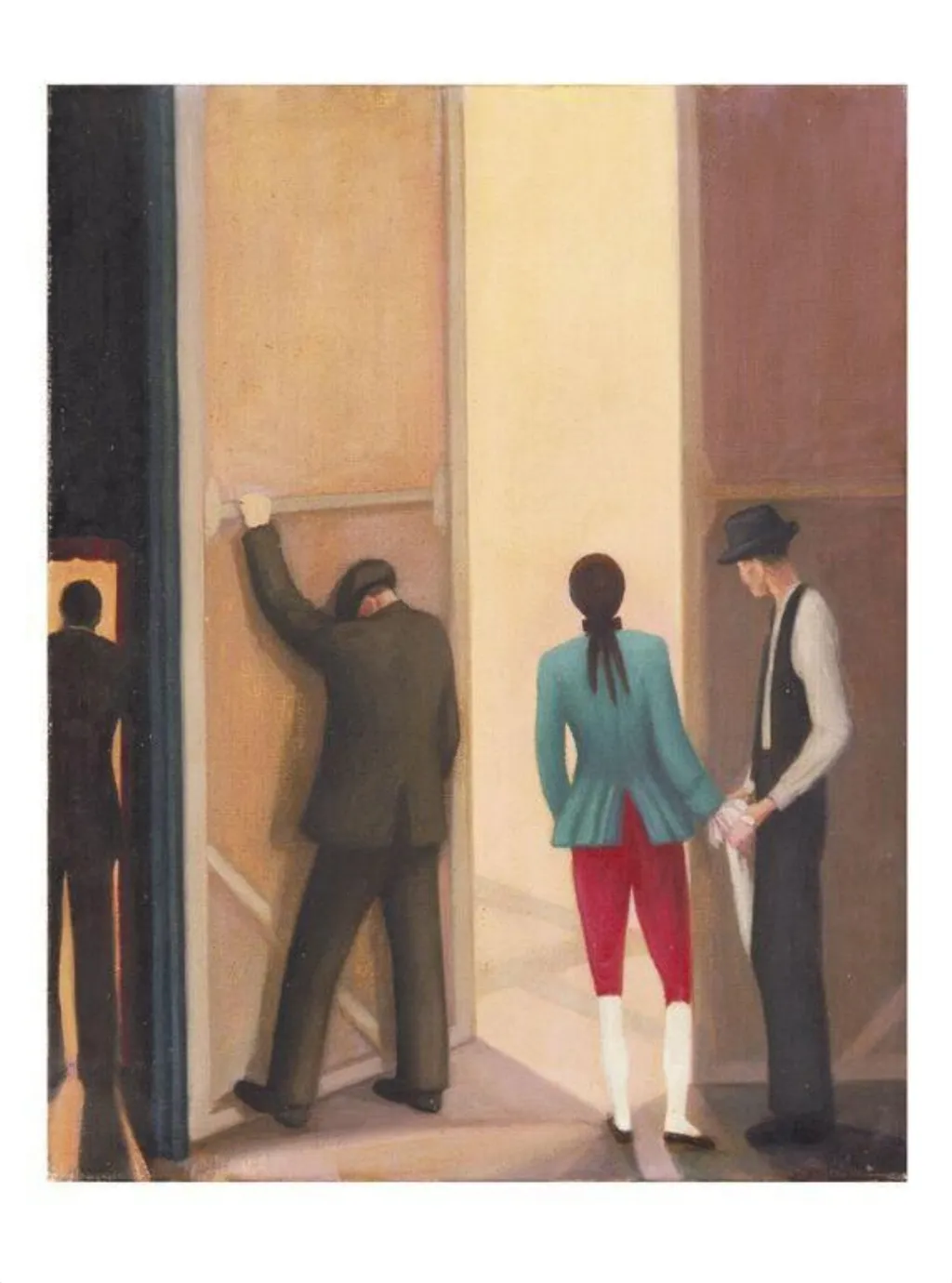
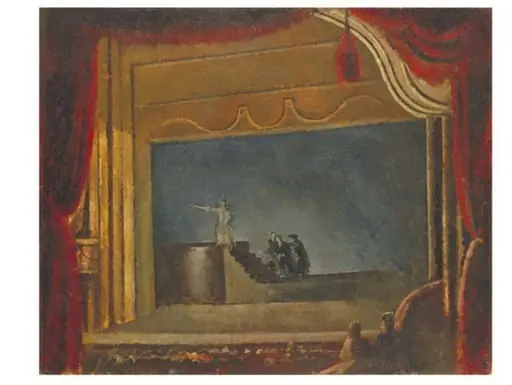
Leonide Massine waiting for his cue to go on stage in 'On With the Dance' is a paint painting by the Post-Impressionist artist Gluck. It is held in the collection of the Victoria and Albert Museum.
About this work
This is Leonide Massine, a famous dancer, waiting to perform in a 1925 London show.
You see a man in a dark suit, leaning against a wall backstage. His face is lit by a single bulb. The rest of the room fades into shadow.
This is Leonide Massine, a famous dancer, waiting to perform in a 1925 London show. The artist, Gluck, painted it quickly, almost like a snapshot. It feels private, like you’re peeking behind the curtain before the magic starts.
If you like this quiet, intimate style, look up the artist Gluck.
Overview
This 1925 painting captures Leonide Massine backstage at the London Pavilion, moments before his performance in the revue 'On With the Dance.' Executed by the artist Gluck, the work is a quiet study of anticipation, set in the dim, unadorned space behind the stage. The composition isolates Massine in a pool of artificial light, contrasting with the surrounding shadows, and reflects Gluck’s preference for intimate, unembellished portraiture.
Subject & Meaning
Massine, a celebrated choreographer and dancer, is depicted not in performance but in stillness, waiting. The scene references his role in 'The Rake,' a dance sequence inspired by William Hogarth’s narrative series, yet the painting focuses on the human moment before spectacle. Gluck’s choice to portray the dancer in repose, rather than motion, shifts attention from theatricality to vulnerability, emphasizing the private discipline behind public art.
Technique & Style
Gluck rendered the scene with swift, deliberate brushwork that suggests immediacy, as if capturing a fleeting glance. The lighting is stark and directional, isolating Massine’s face and upper body while the rest of the space dissolves into near-absolute shadow. The restrained palette and lack of decorative detail align with Gluck’s broader aesthetic: clarity over ornament, presence over theatrics, and emotional resonance over narrative exposition.
History & Provenance
Painted during the run of 'On With the Dance' in 1925, the work was created as a portrait of a performer within a specific theatrical context. Gluck, known for avoiding group exhibitions and institutional frameworks, likely produced this piece independently, possibly commissioned or inspired by personal connection to the production. It remains part of Gluck’s private body of work, never widely reproduced or publicly displayed beyond solo shows.
Context
In 1920s London, revues like 'On With the Dance' blended music, dance, and satire, appealing to a cosmopolitan audience. Gluck, who rejected gendered norms and artistic categorization, moved among theater circles and cultivated relationships with performers. This painting reflects a cultural moment where elite and popular art intersected, and where identity, both personal and professional, was carefully constructed beyond public perception.
Legacy
Gluck’s portrait of Massine endures as an example of their distinctive approach to portraiture: unidealized, psychologically attuned, and spatially integrated. The work exemplifies their rejection of conventional display methods, as it was originally framed in their patented architectural frame, designed to dissolve the boundary between painting and wall. This piece contributes to a broader reevaluation of Gluck’s role in early 20th-century British art beyond their reputation as a portraitist.
Own this work as a print
Artist & collection
Artist
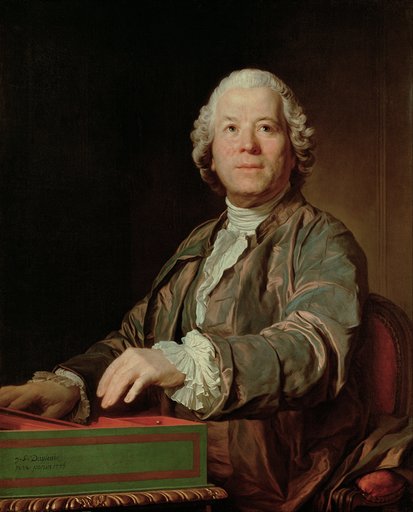
Christoph Willibald Ritter von Gluck was a composer of Italian and French opera in the early classical period.