Subject
Wall
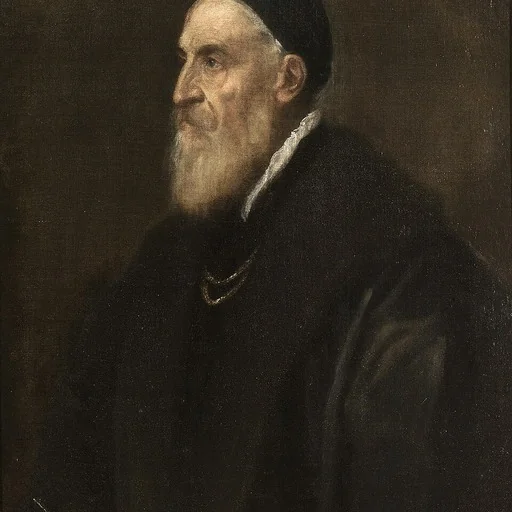
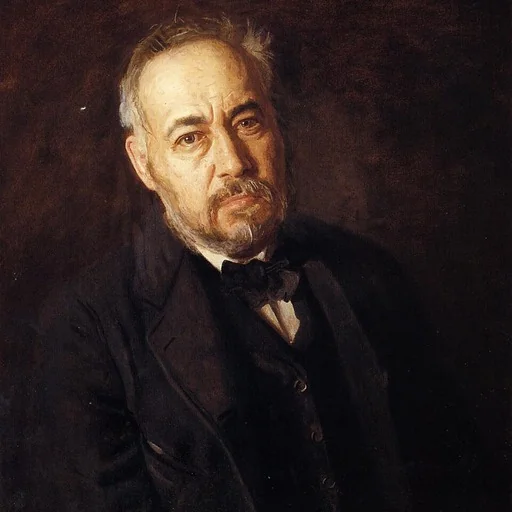
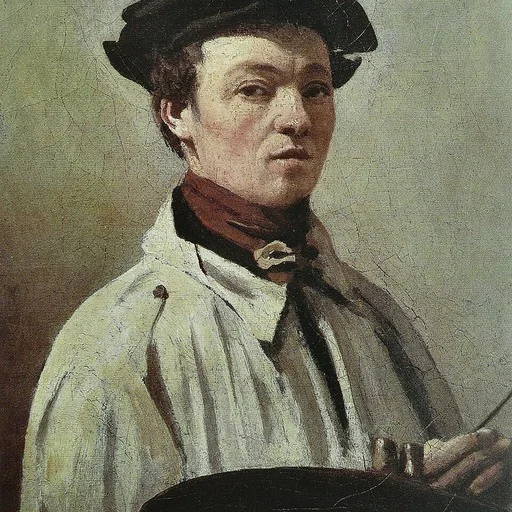
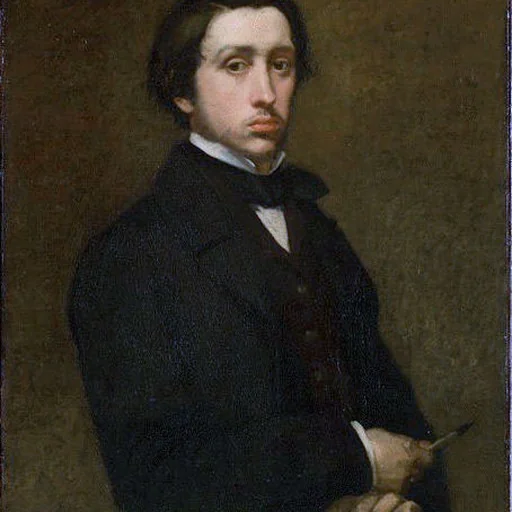
Wall is a subject in art. The gallery holds 84 works in this subject in art, including works by Titian, Thomas Eakins and Jean Baptiste Camille Corot.
The wall is among the oldest of all artistic supports, and across millennia it has also become a subject in its own right. Long before the easel picture, the wall was where image-making began: in the painted caves of Lascaux (c. 17,000 BCE) artists worked pigment into damp limestone, while the tomb painters of ancient Egypt favoured the *fresco secco* method, applying color to dry plaster. The Romans elevated wall painting to an art of illusion. At Pompeii and Herculaneum, frescoes preserved under volcanic ash reveal that householders had their walls dissolved into painted vistas—architectural fantasies, gardens, and false windows that relieved the claustrophobia of windowless stone rooms.
This impulse to negate the wall's solidity matured during the Renaissance into a sophisticated art of perspective. Masaccio's *Holy Trinity* (c. 1427) in Santa Maria Novella, Florence, used the new linear perspective to open an illusory chapel within a flat surface, and Andrea Mantegna's ceiling for the Camera degli Sposi in Mantua (completed 1474) appears to pierce the room with an open sky. From these experiments grew the formal tradition of *trompe-l'œil*, the wall painted so as to deceive the eye, which survives in modern city murals—the American Richard Haas covered blank urban façades with painted architecture from the 1960s onward, and Lyon's *Mur des Canuts*, at roughly 1,200 square metres, ranks among the largest such frescoes in Europe.
The wall has also carried public and political meaning. After the Mexican Revolution, Diego Rivera and his contemporaries revived true fresco to turn government walls into instruments of mass education, fusing Italian technique with pre-Columbian imagery in cycles such as the *Detroit Industry* murals (1932–33). In the twentieth century the wall became a contested surface itself: along the Berlin Wall, French painter Thierry Noir began working on the western side in 1984, and after 1989 more than a hundred artists from some twenty-one countries created the East Side Gallery—home to Dmitri Vrubel's *My God, Help Me to Survive This Deadly Love*.
From prehistoric caves to the spray-painted barriers of the Cold War and today's street art, the wall thus links some of art's most enduring concerns: permanence, illusion, public address, and the boundary between image and architecture.
Key artists
Works
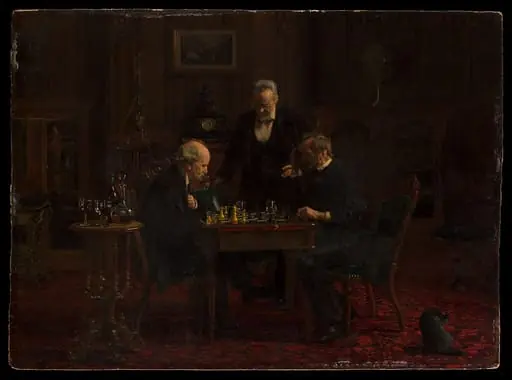 The Chess Players
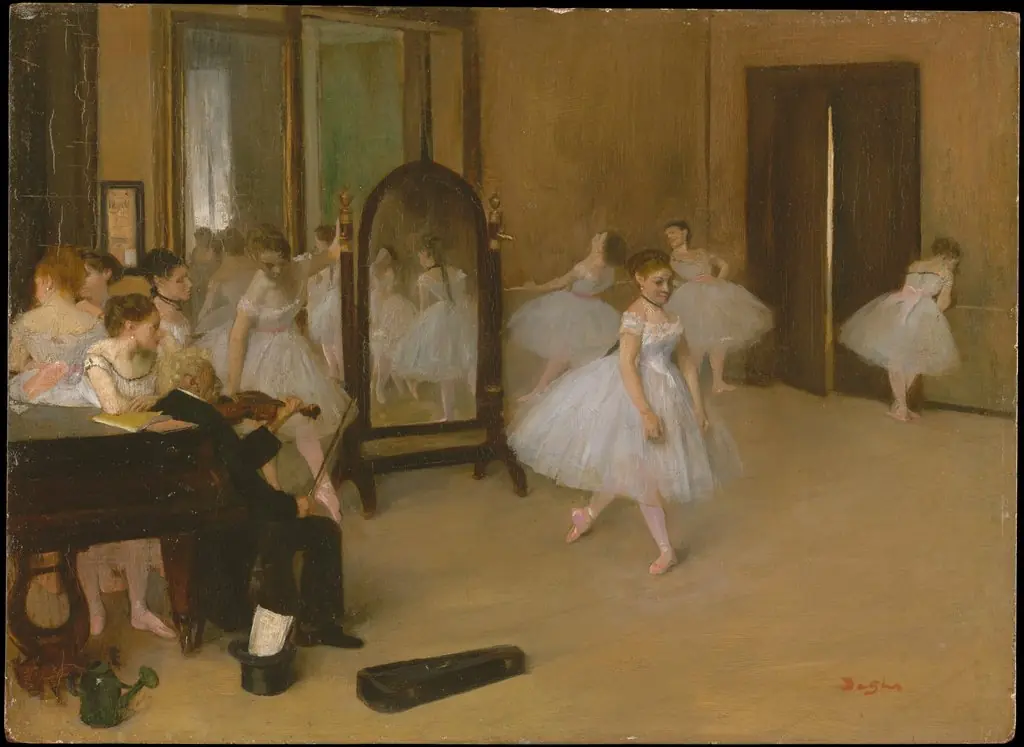 The Dancing Class
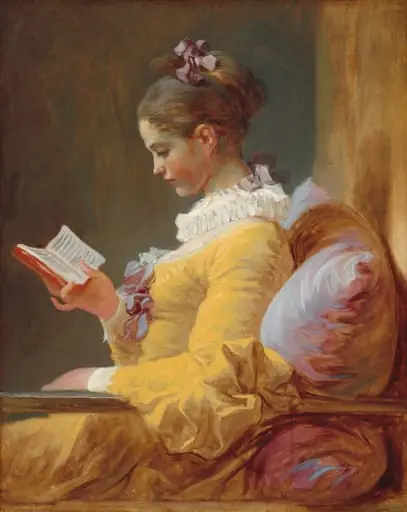 Young Girl Reading
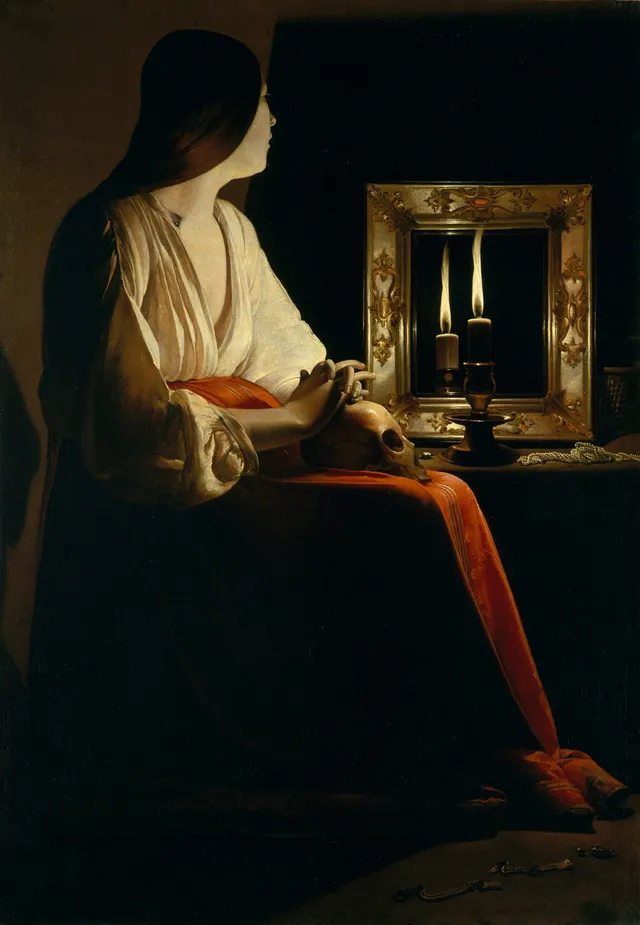
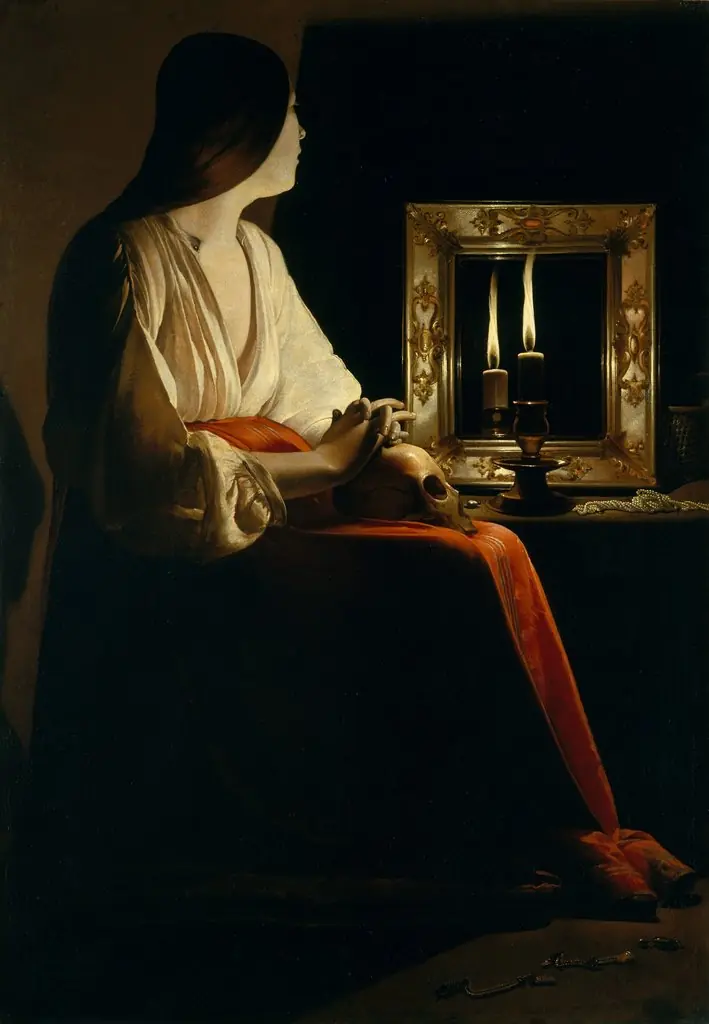 The Penitent Magdalen
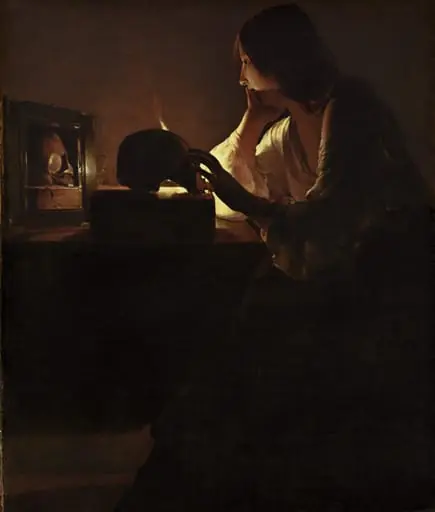 The Repentant Magdalen
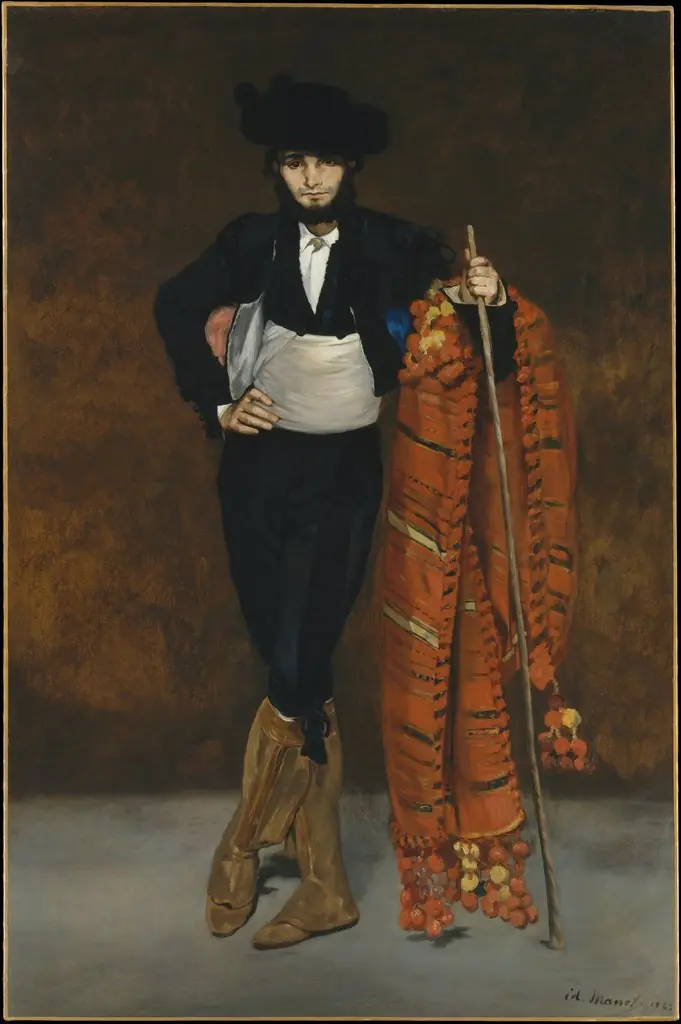 Young man in Mayo costume
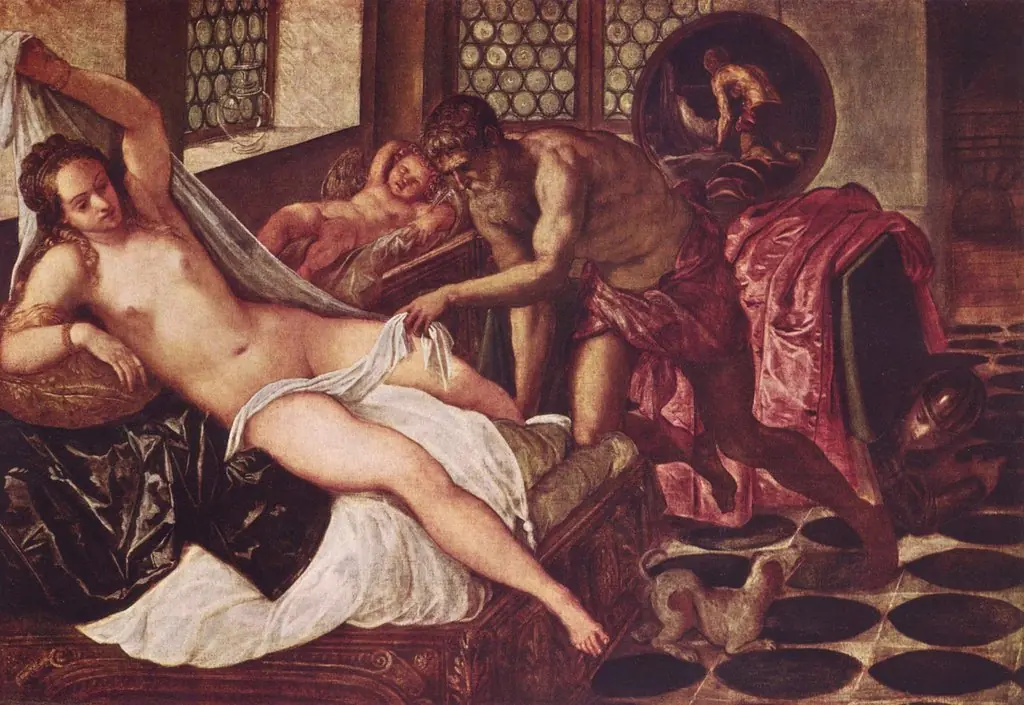 Venus and Mars Surprised by Vulcan
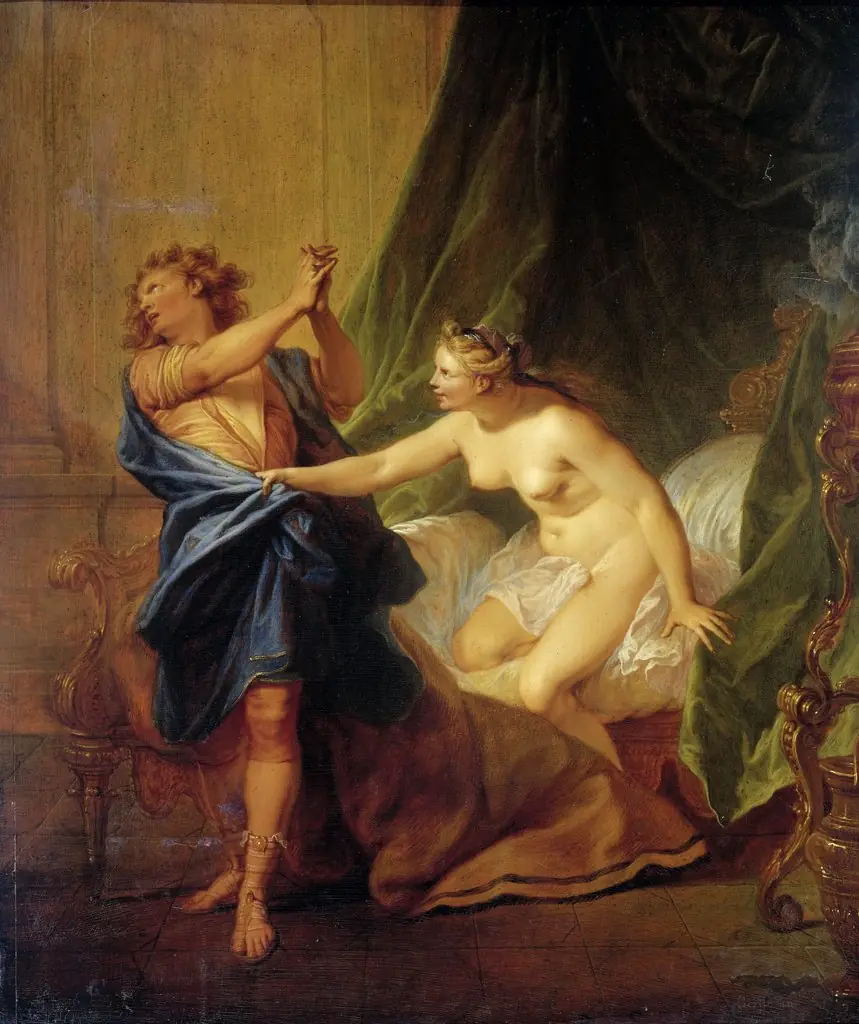 Joseph and Potiphar's Wife
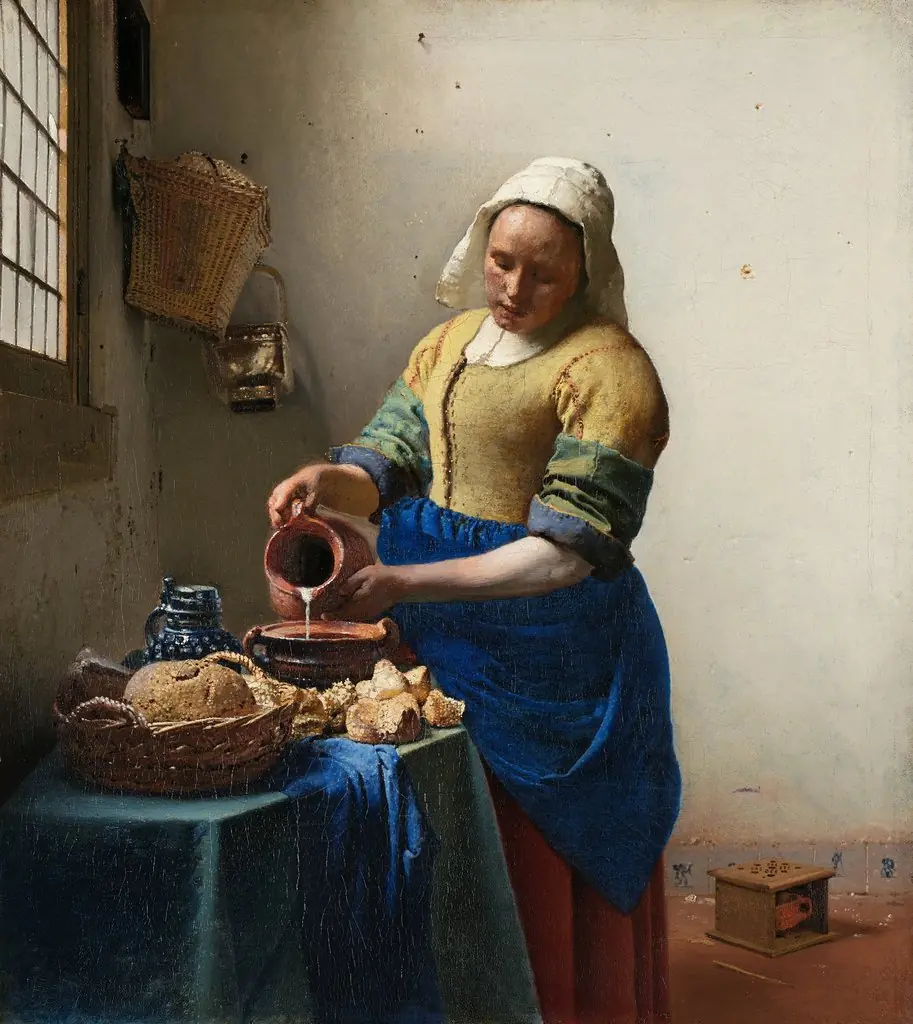 The Milkmaid
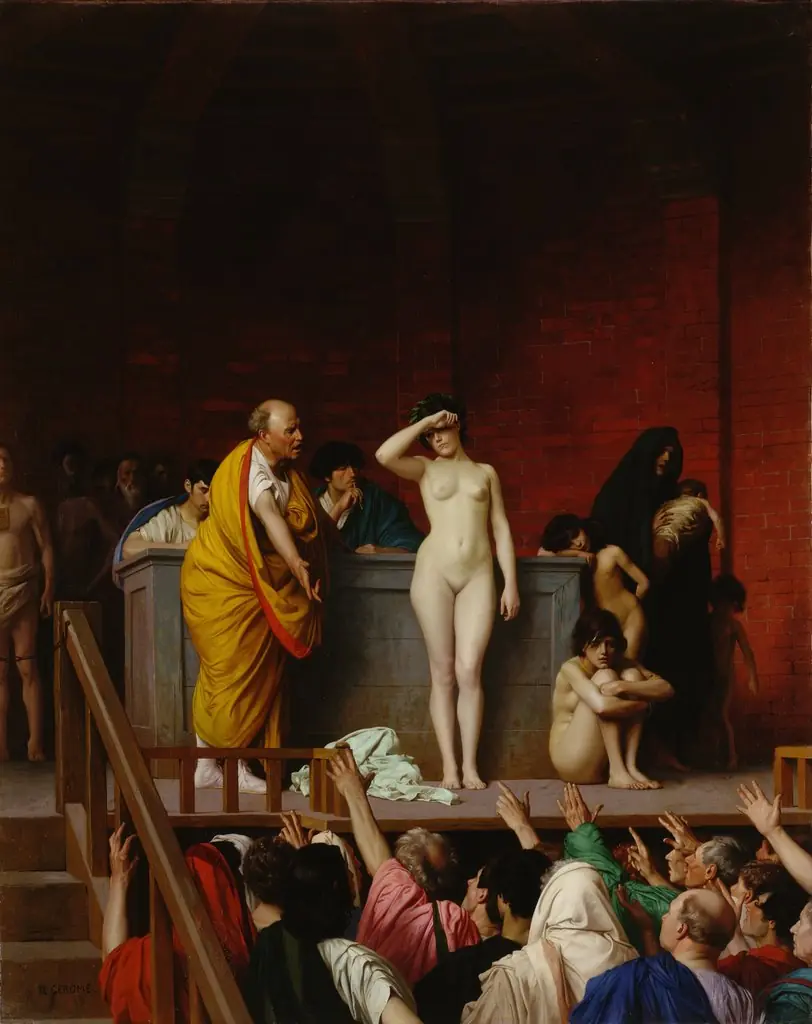 Slave Market in Rome
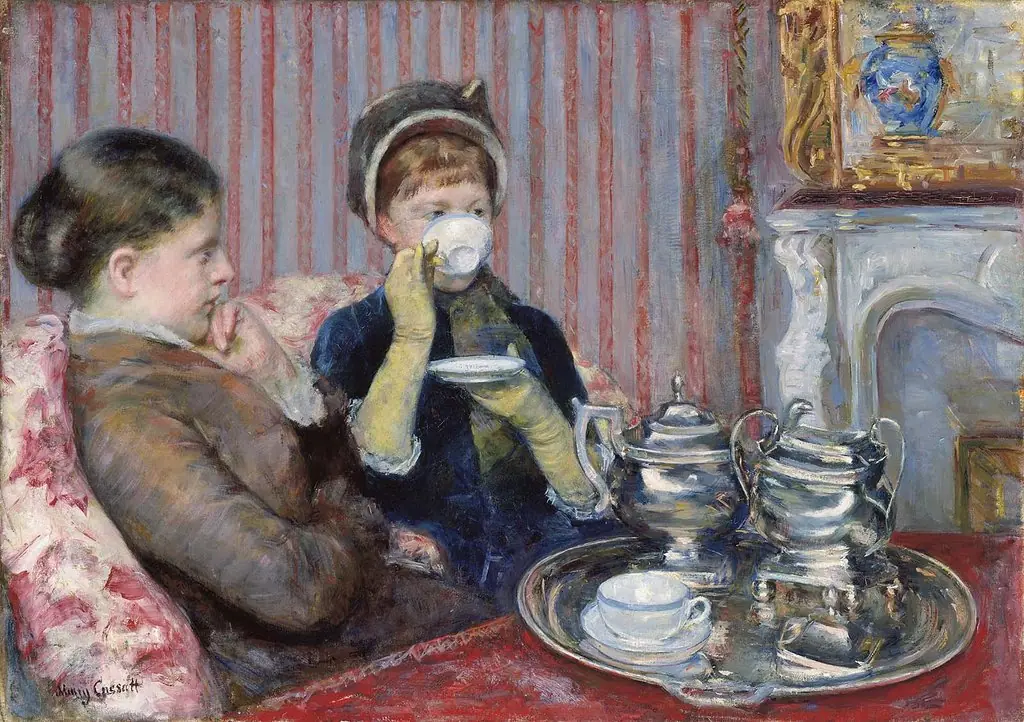 Five O'Clock Tea
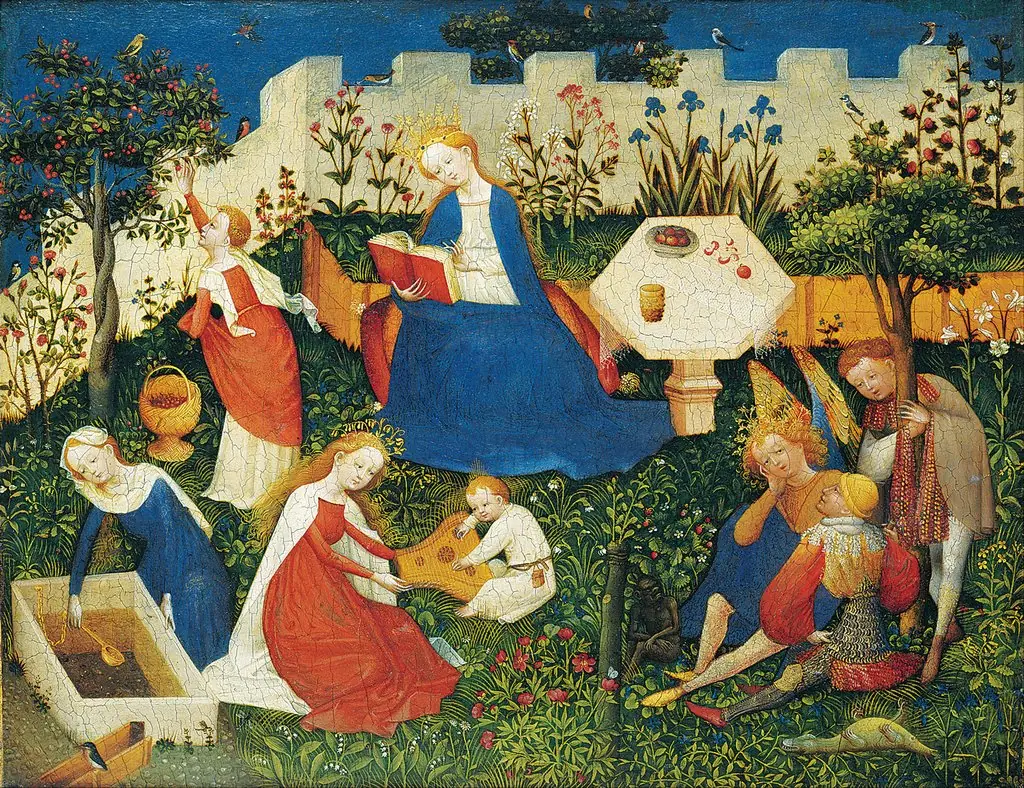 Paradiesgärtlein
 A General and His Aide-de-camp
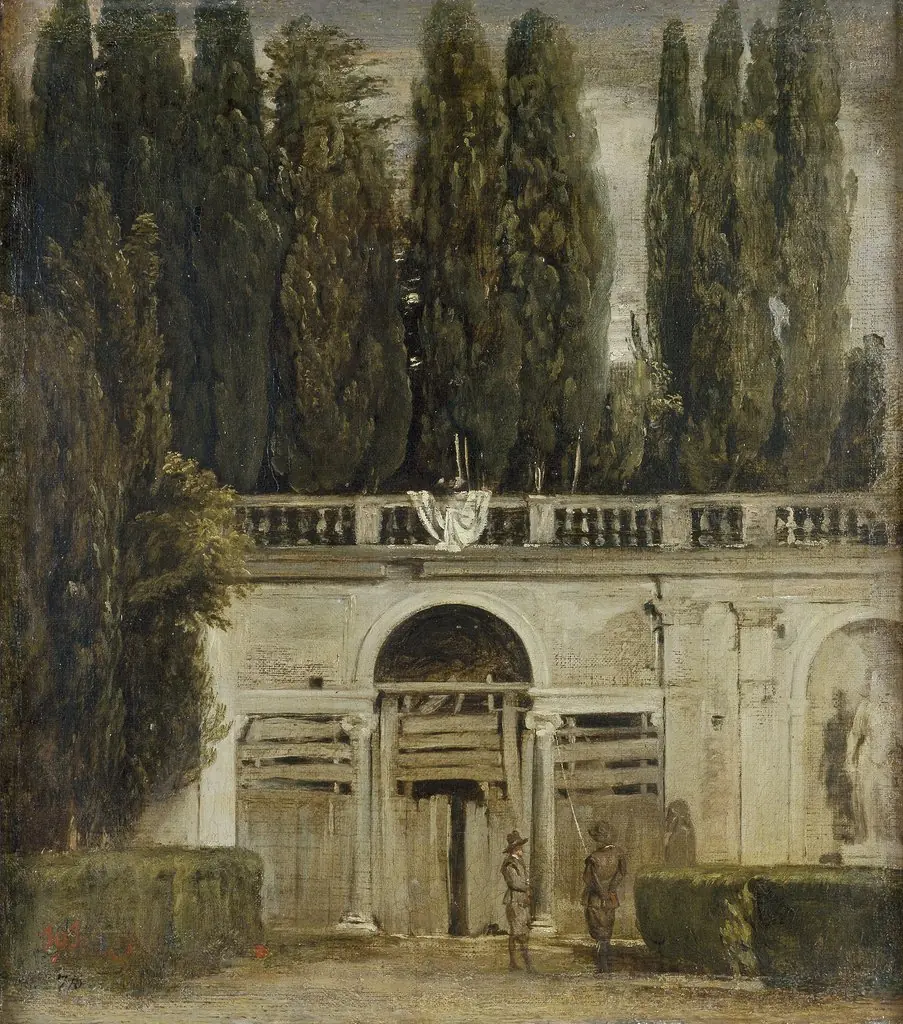 View of the Garden of the Villa Medici
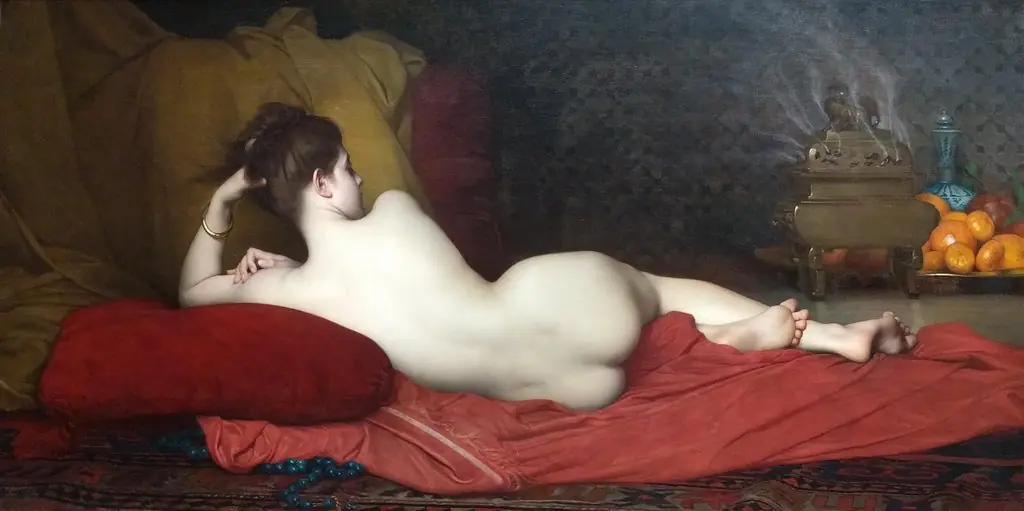 Odalisque
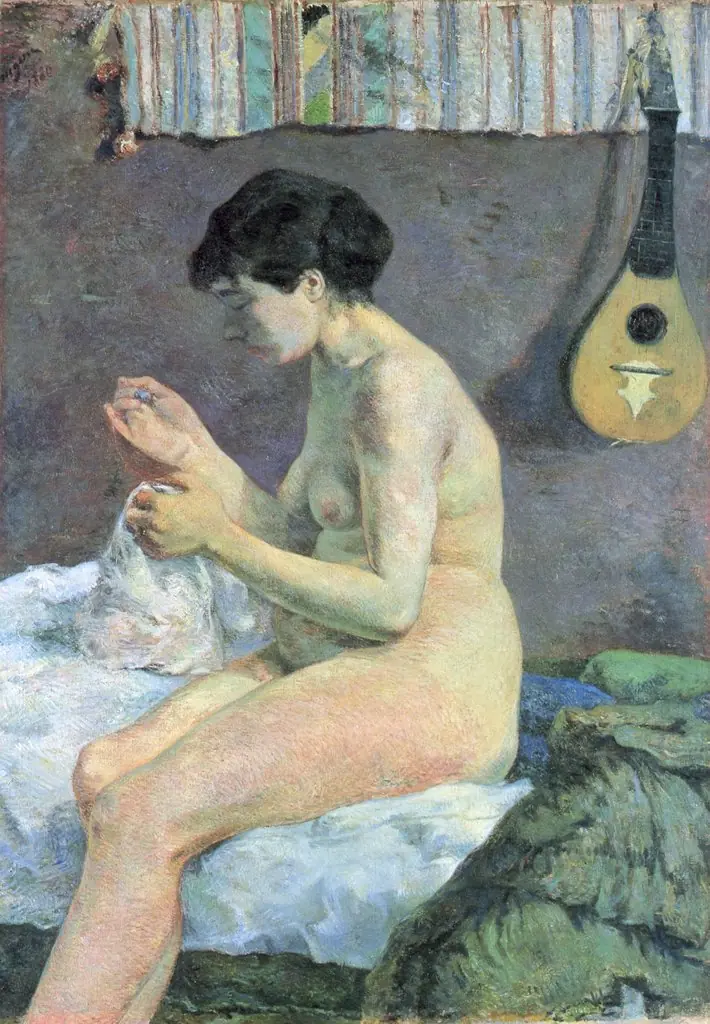 Study of a Nude
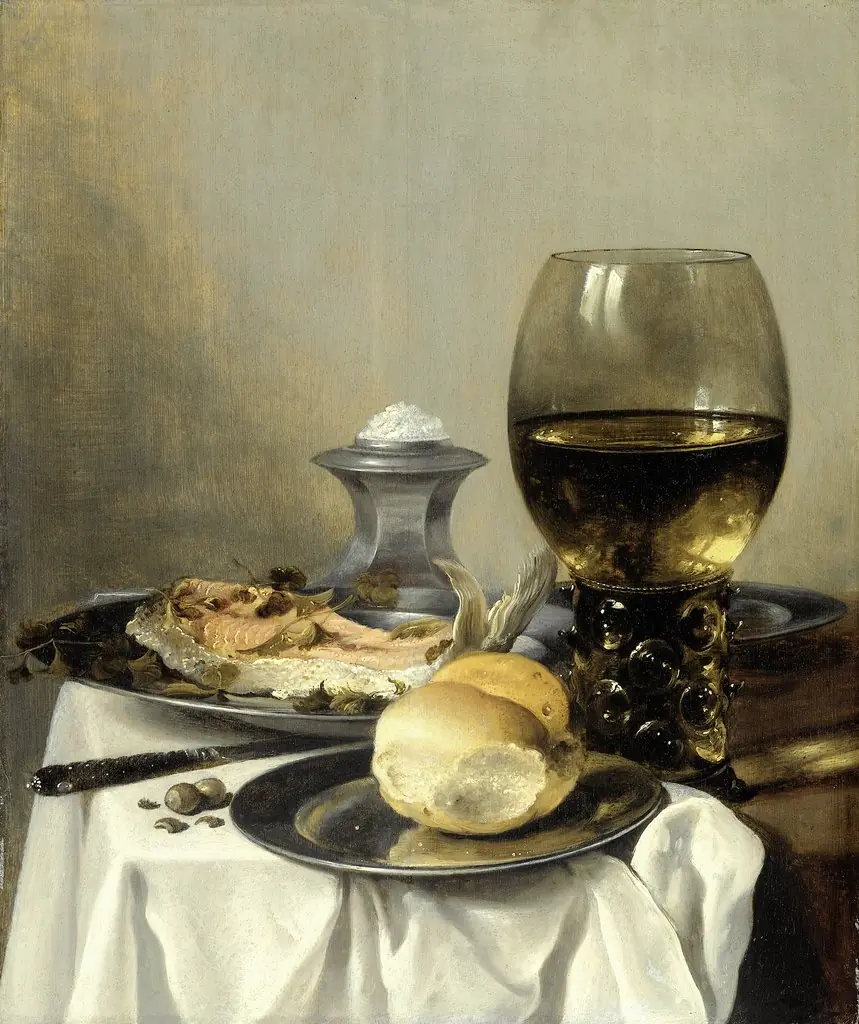 Still life with a salt cellar
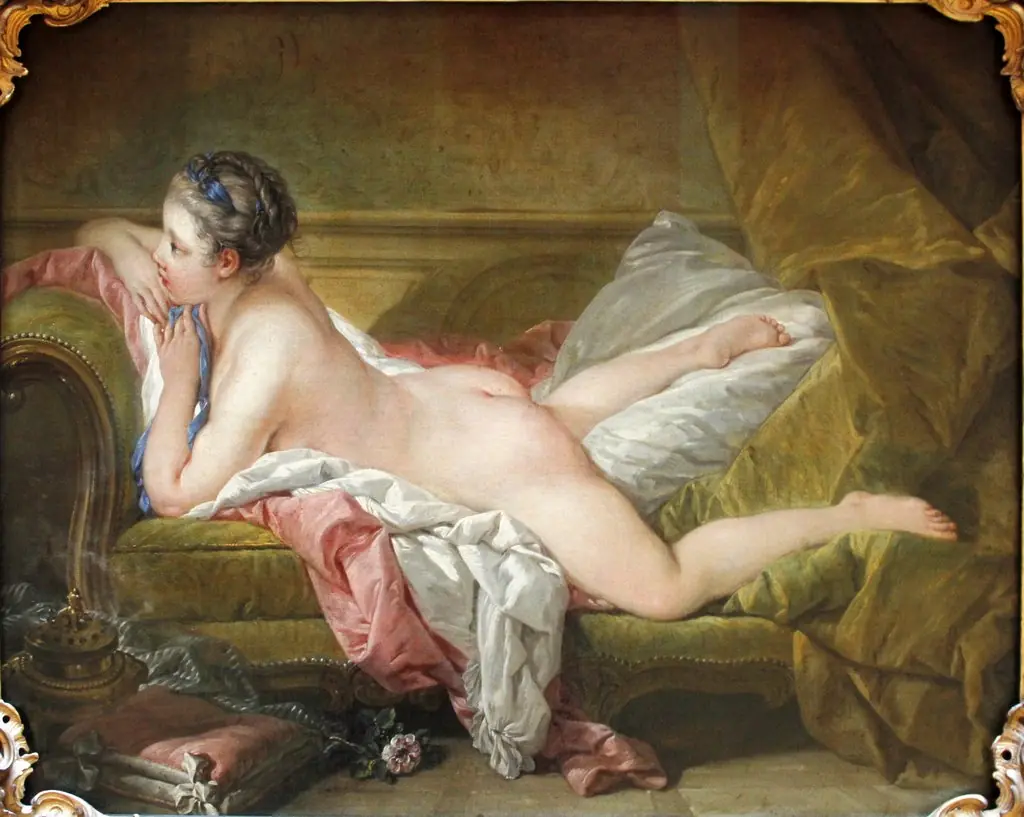 Reclining Girl
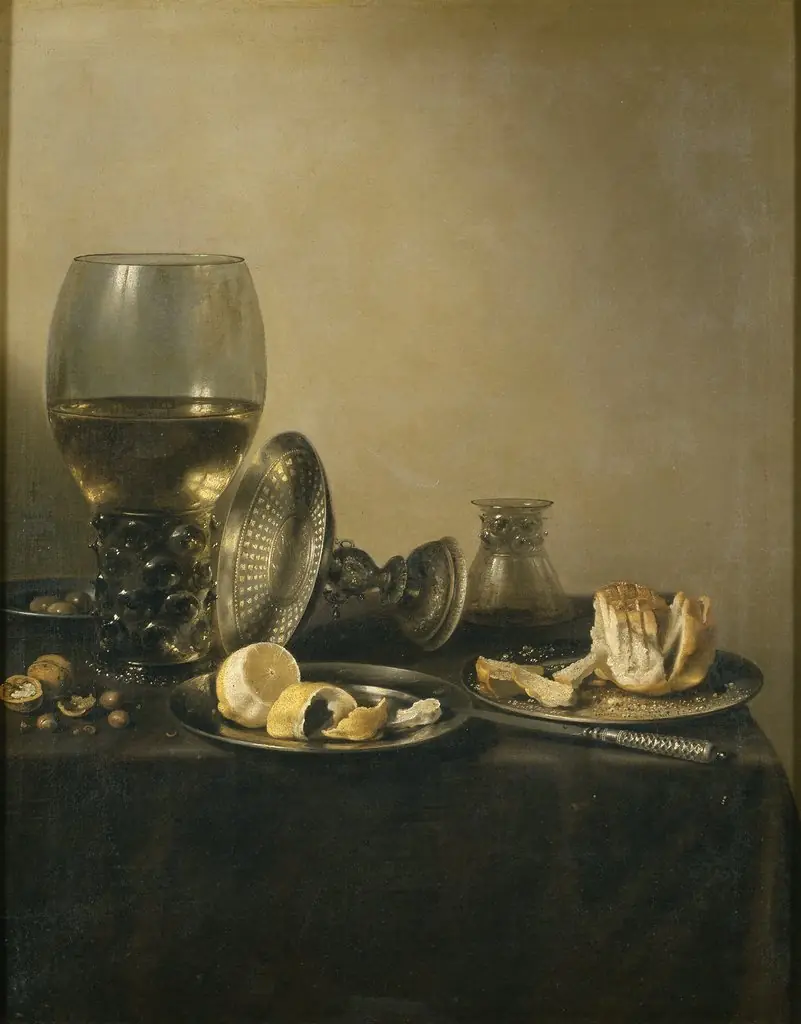 Still Life
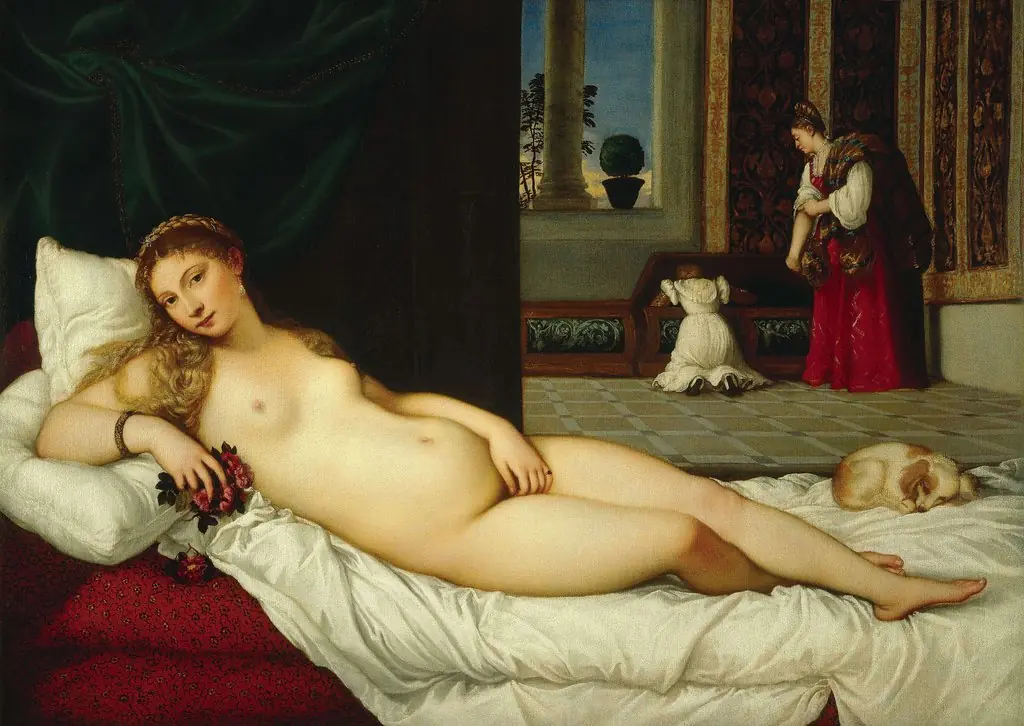 Venus of Urbino
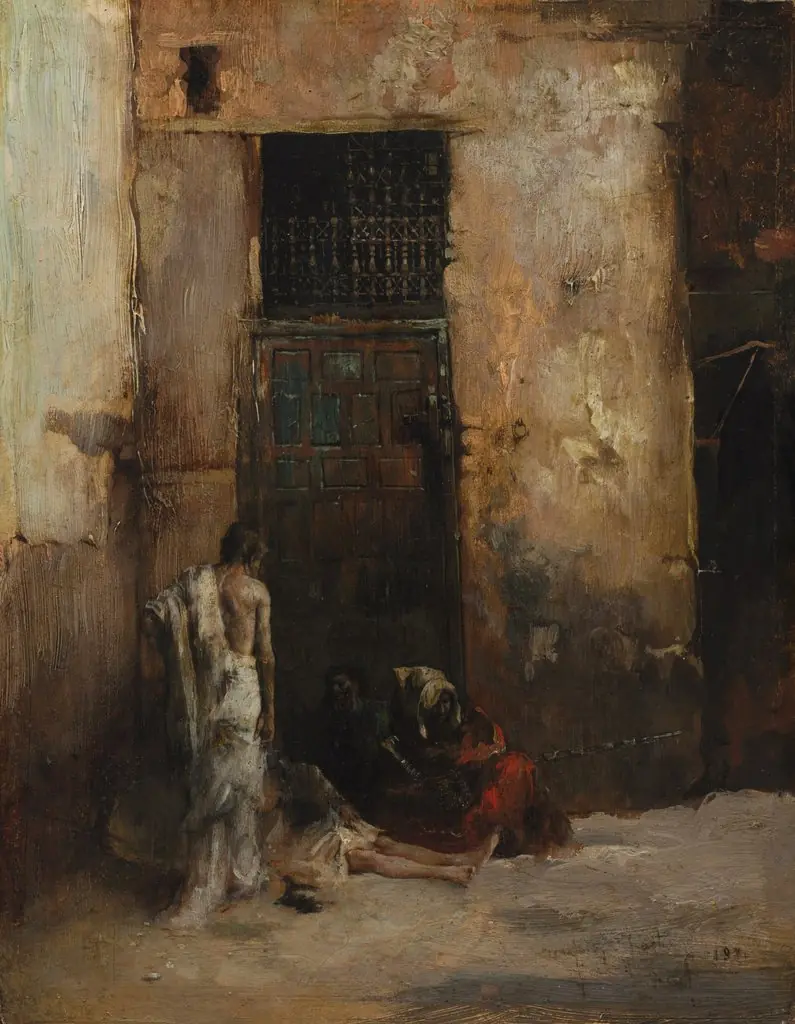 Beggars by a Door
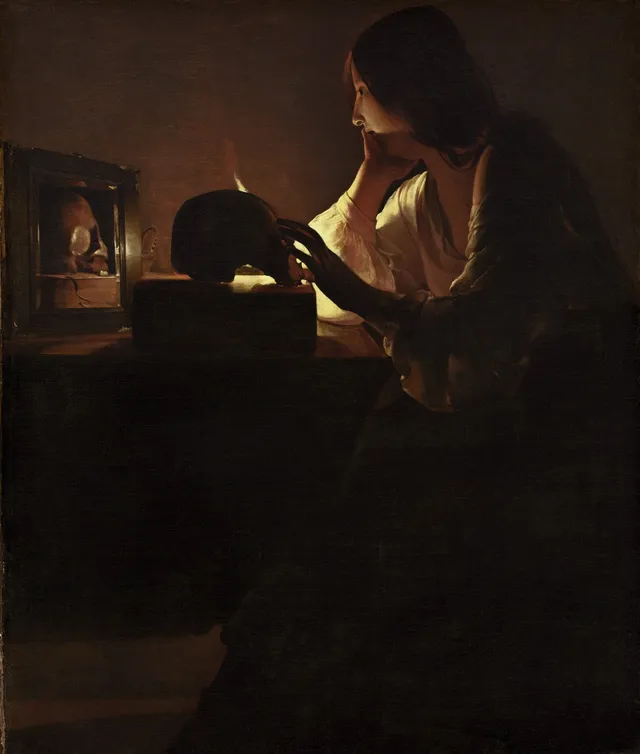
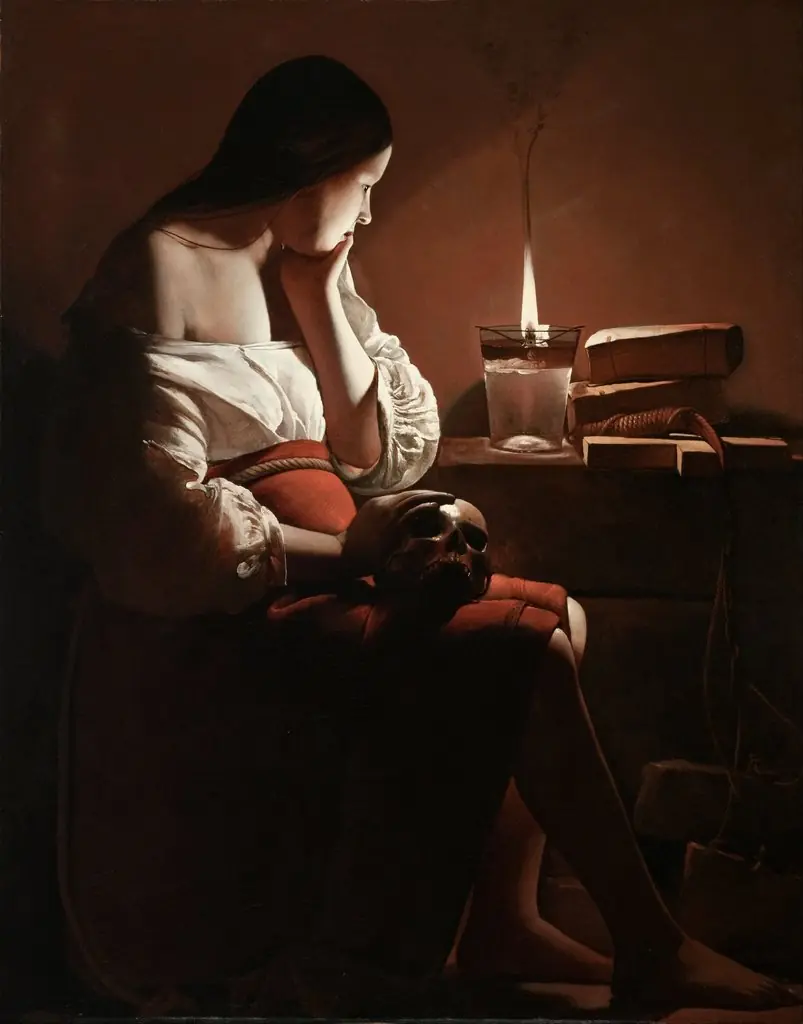 Magdalen with the Smoking Flame
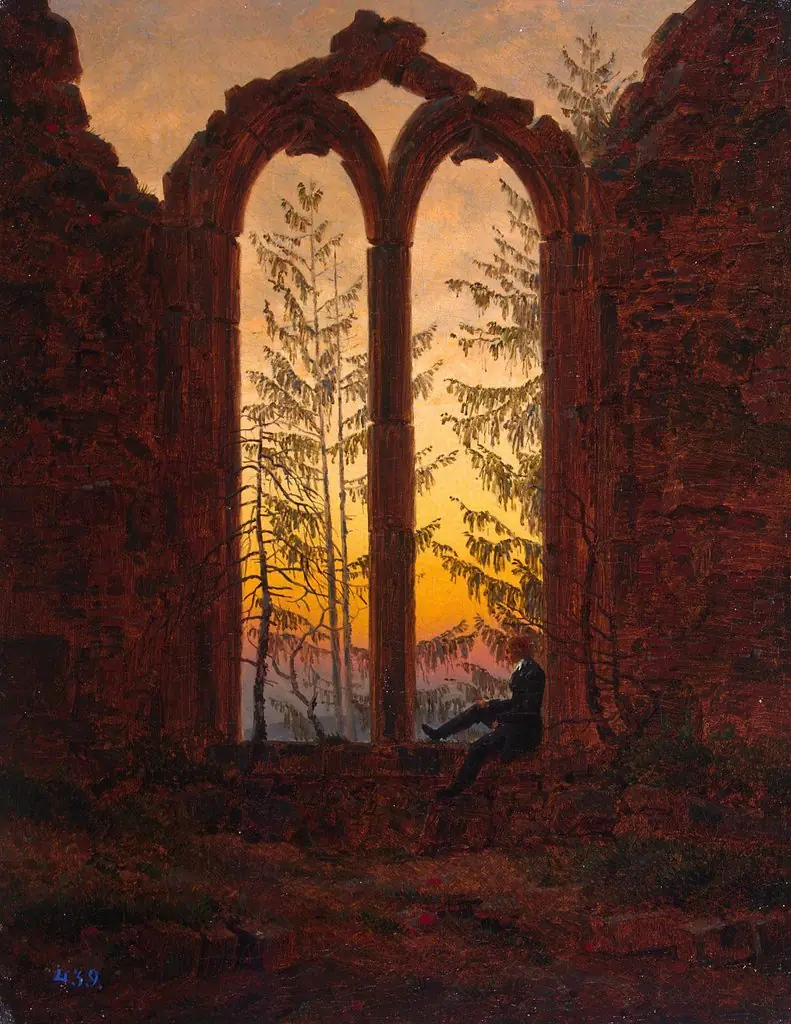 Ruins of the Oybin
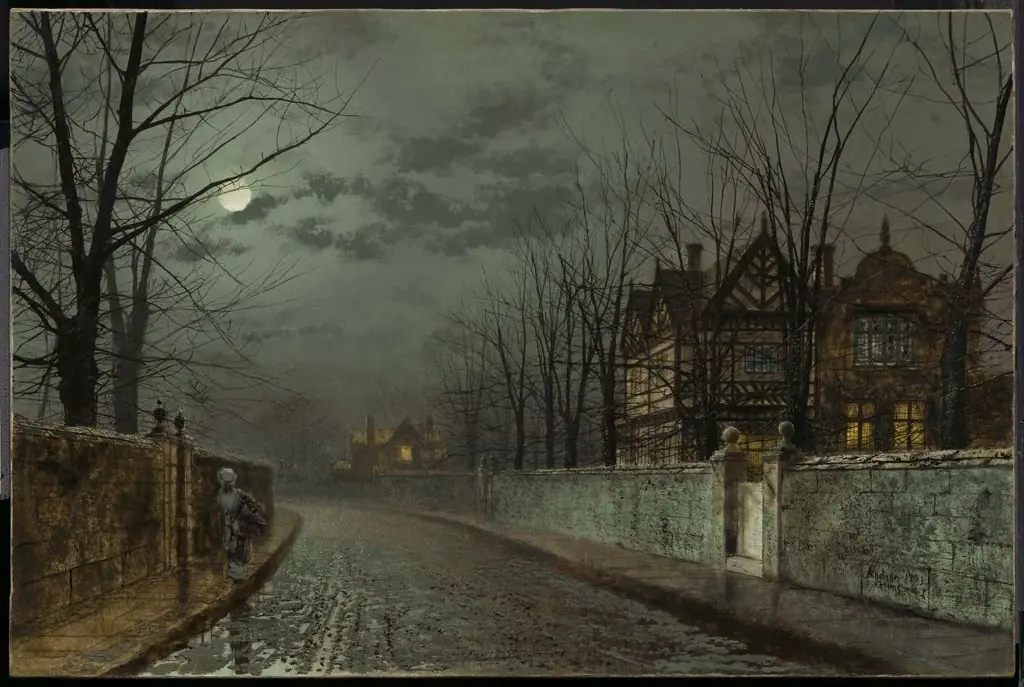 Old English House by Moonlight
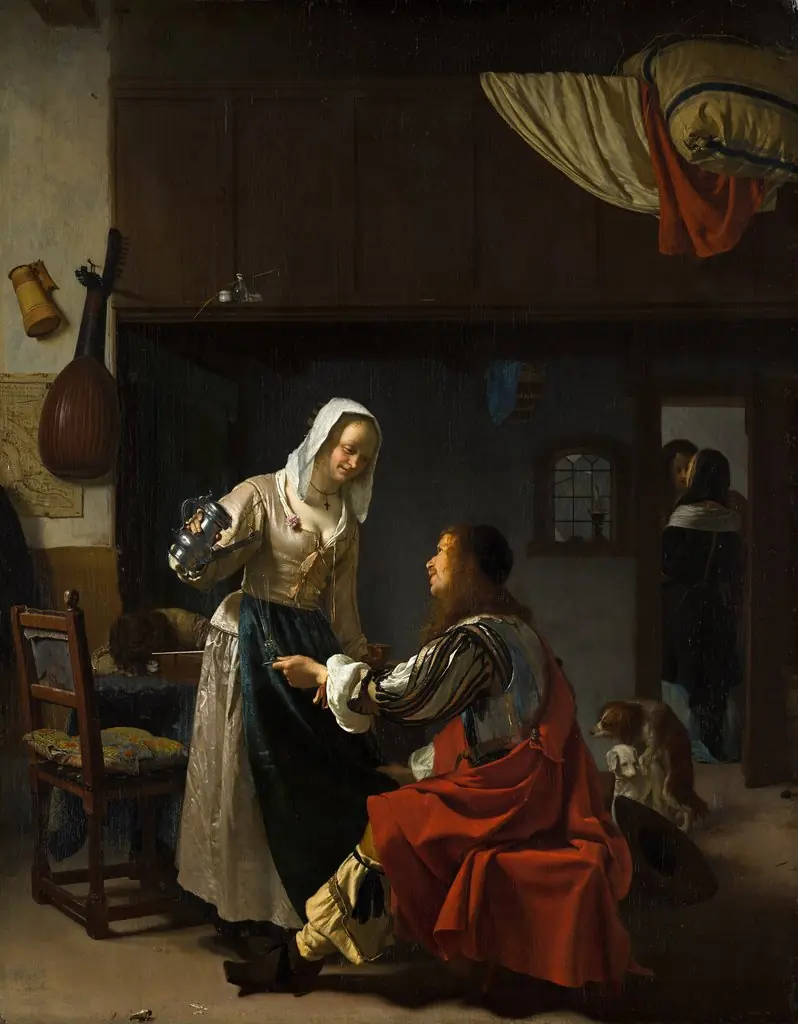 Brothel Scene
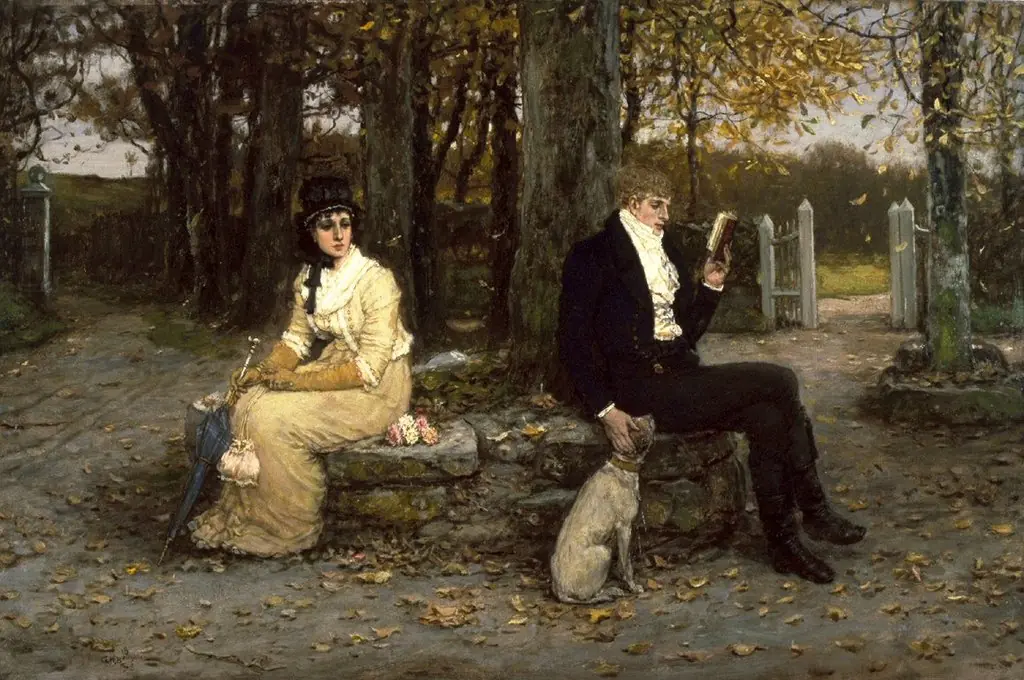 The Waning Honeymoon
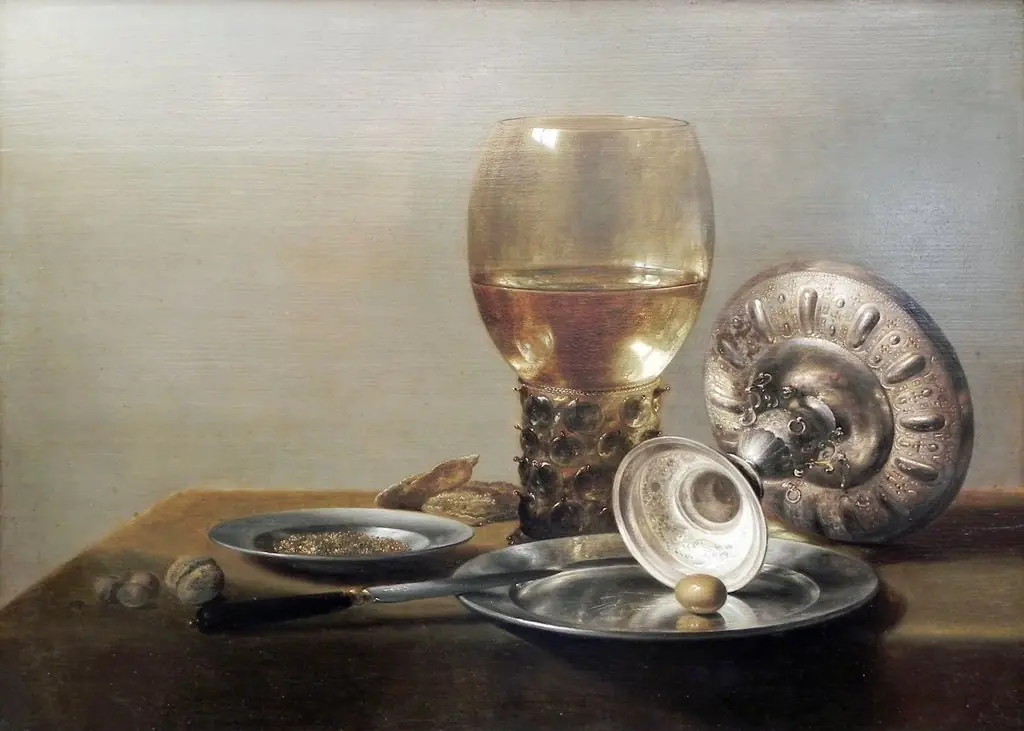 Still-life with Wine Glass and Silver Bowl
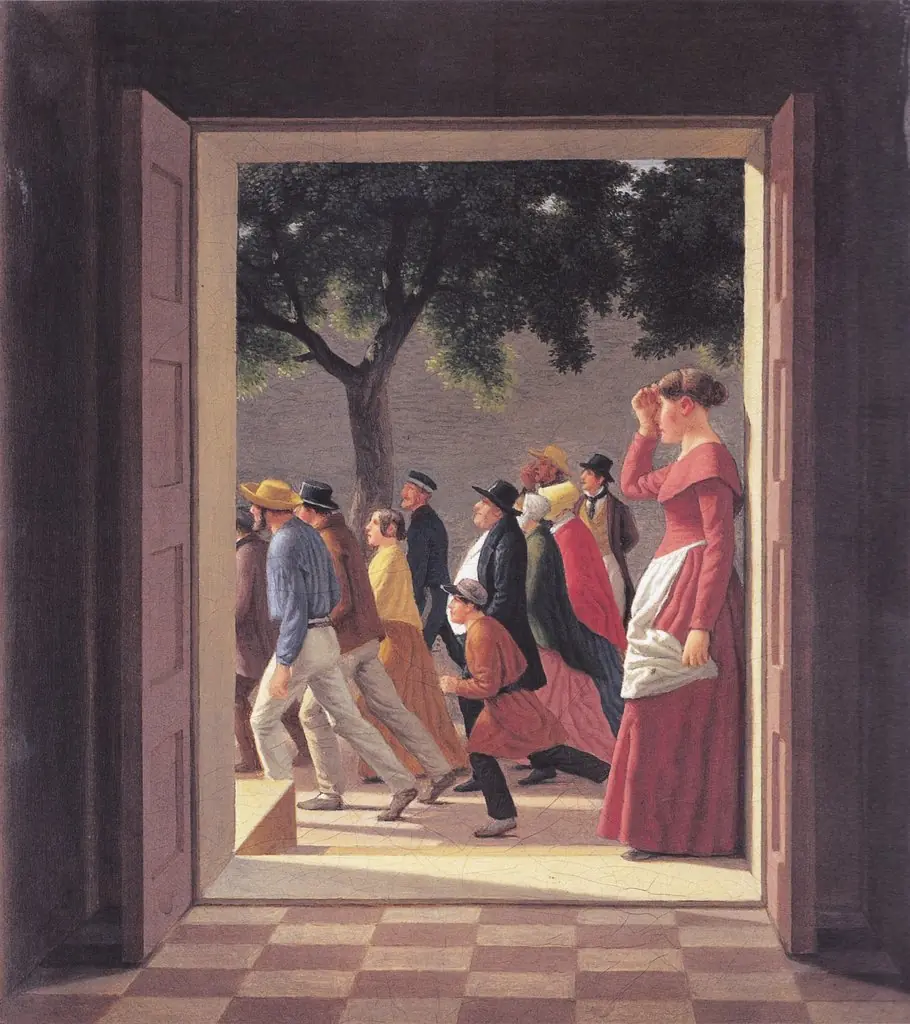 View through a Door to Running Figures
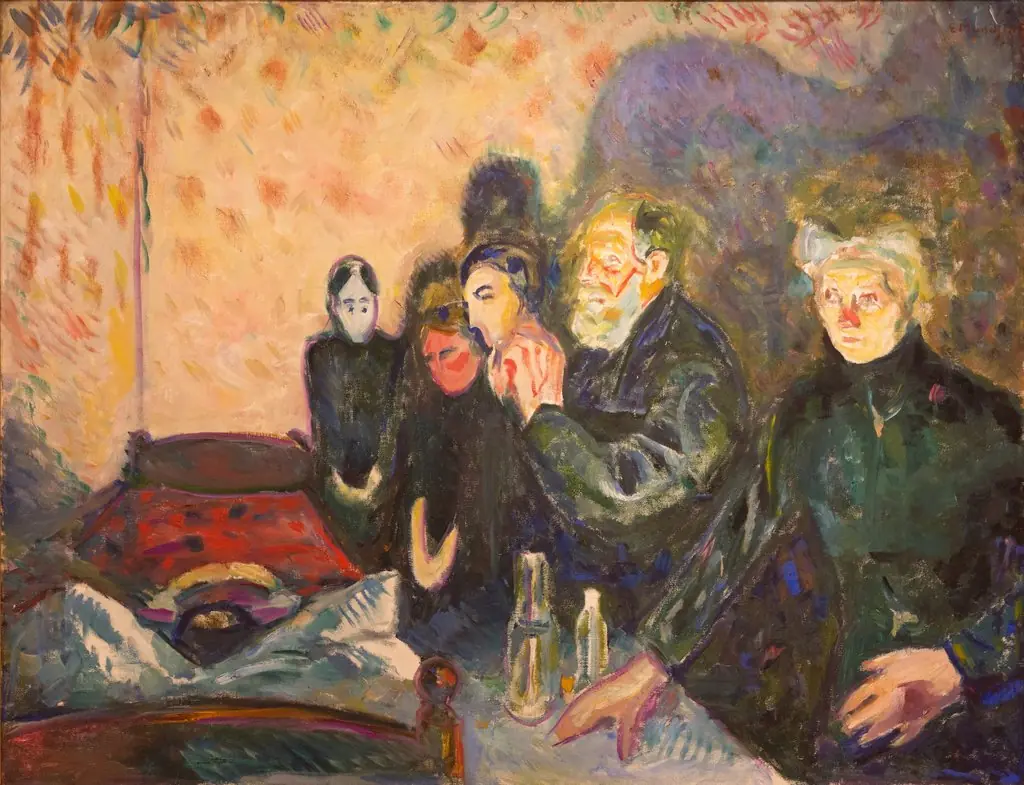 Death Struggle
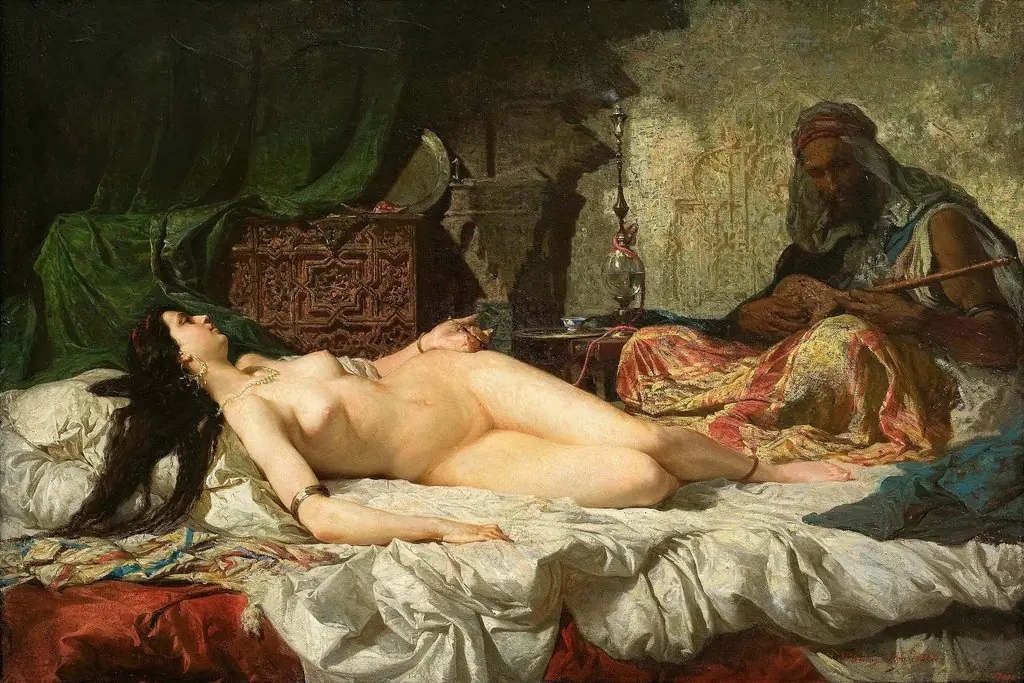 The Odalisque
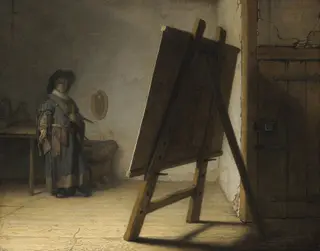 Artist in his studio
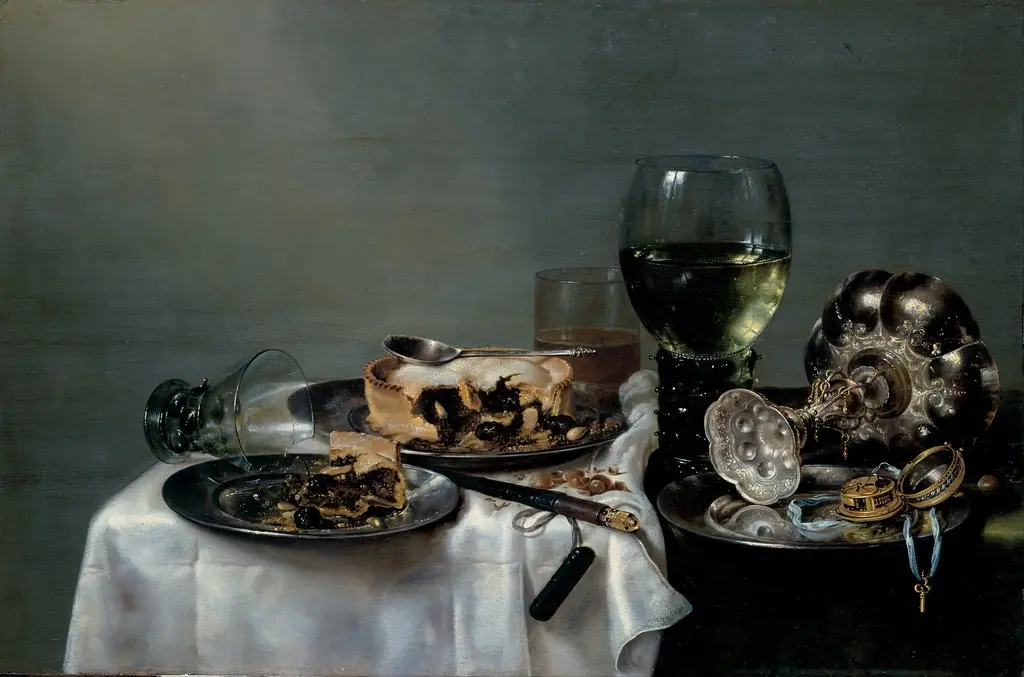 Breakfast Table with Blackberry Pie
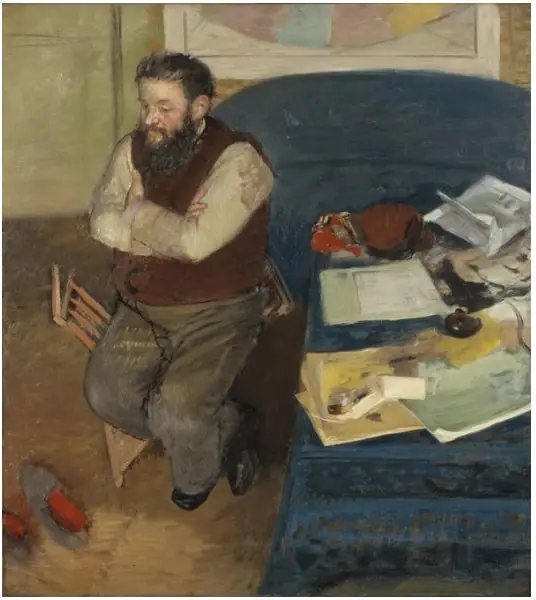 Portrait of Diego Martelli
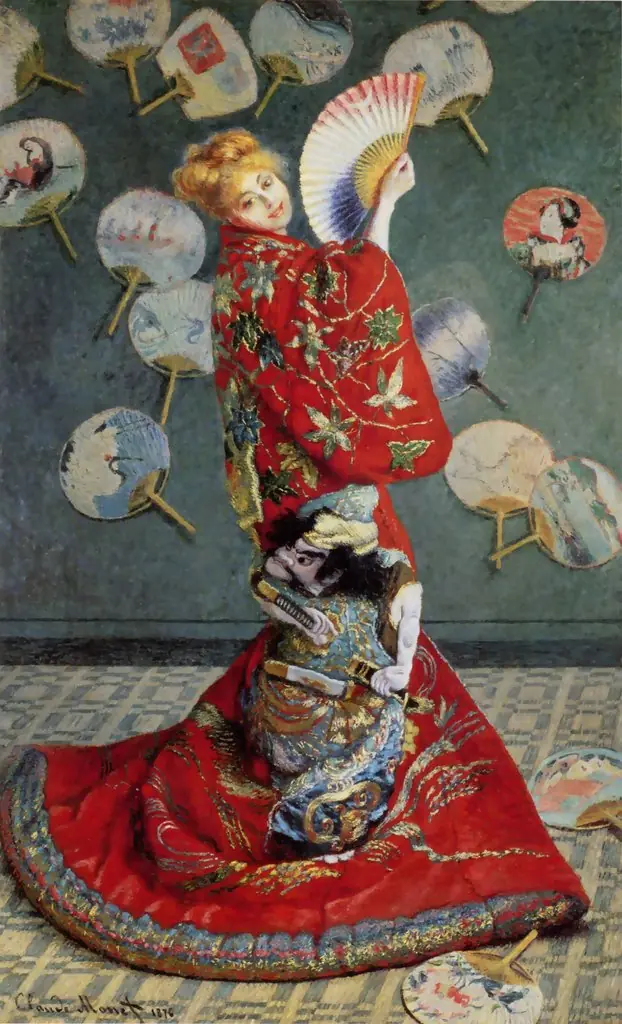 Madame Monet wearing a kimono
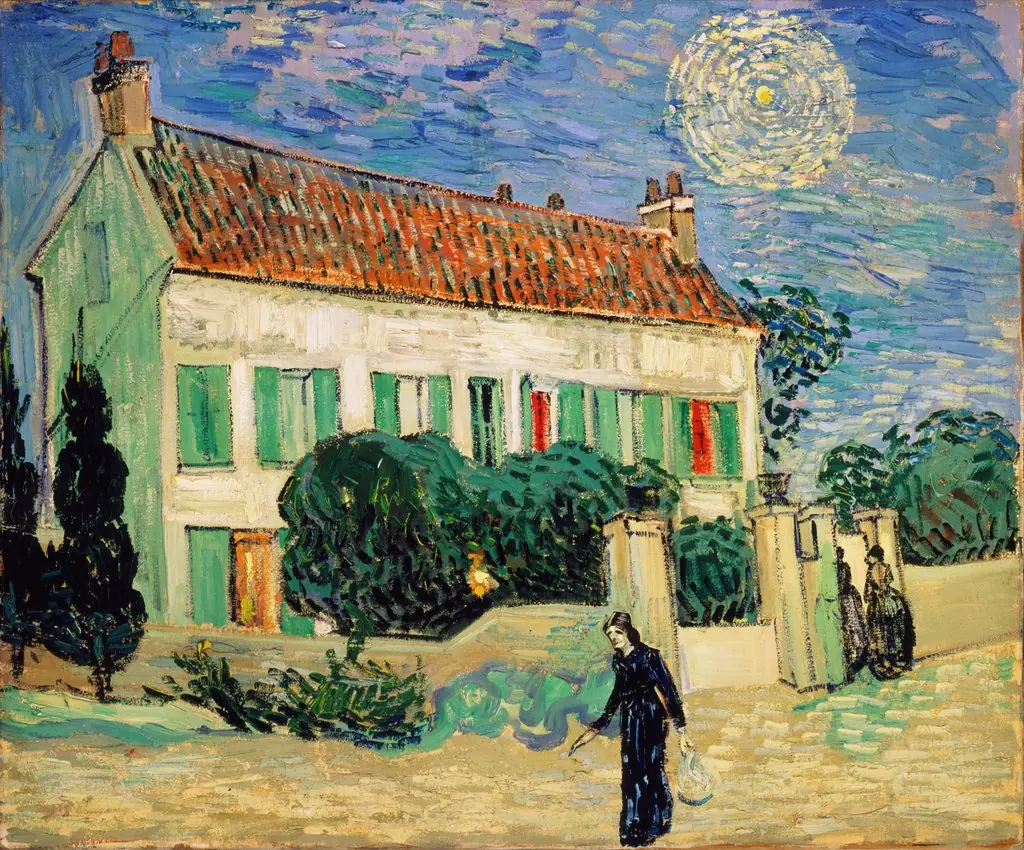 White House at Night
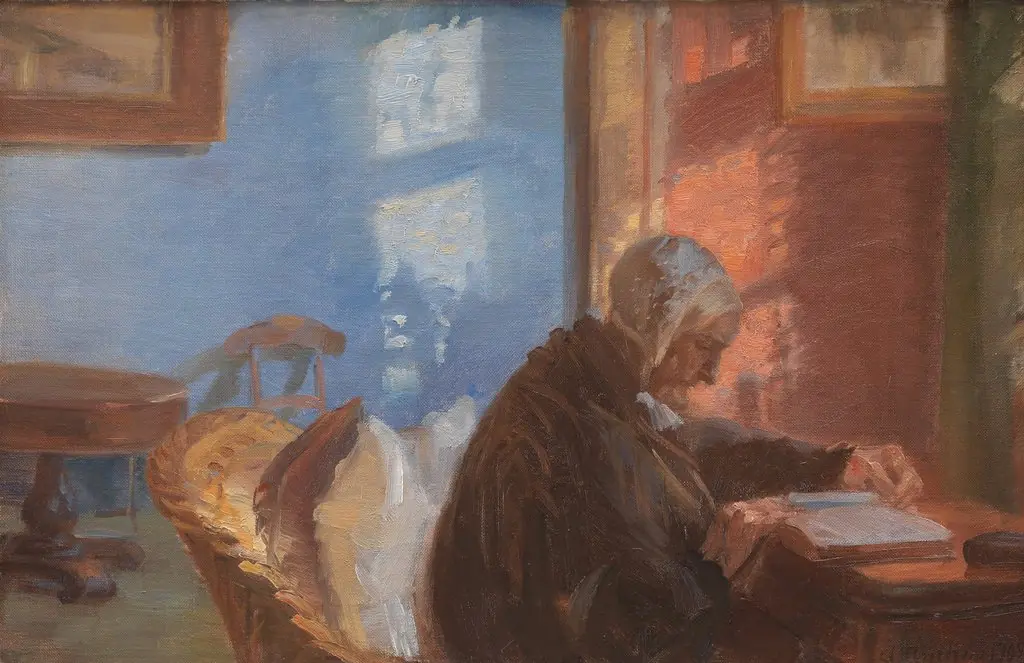 The Artist's Mother Ane Hedvig Brøndum in the Red Room
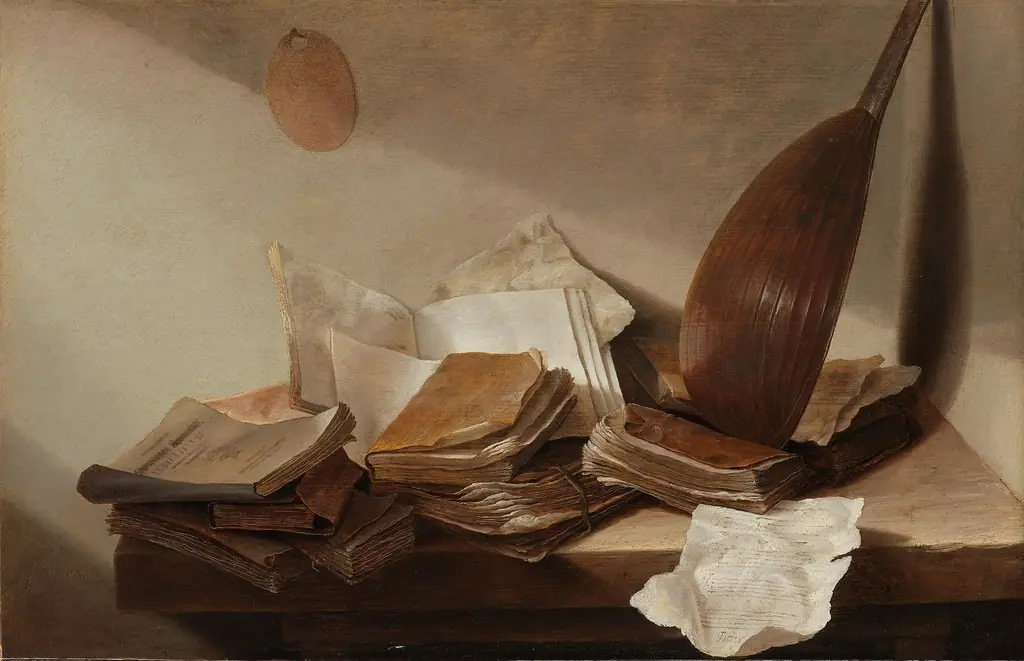 Still Life with Books
 Cat fight
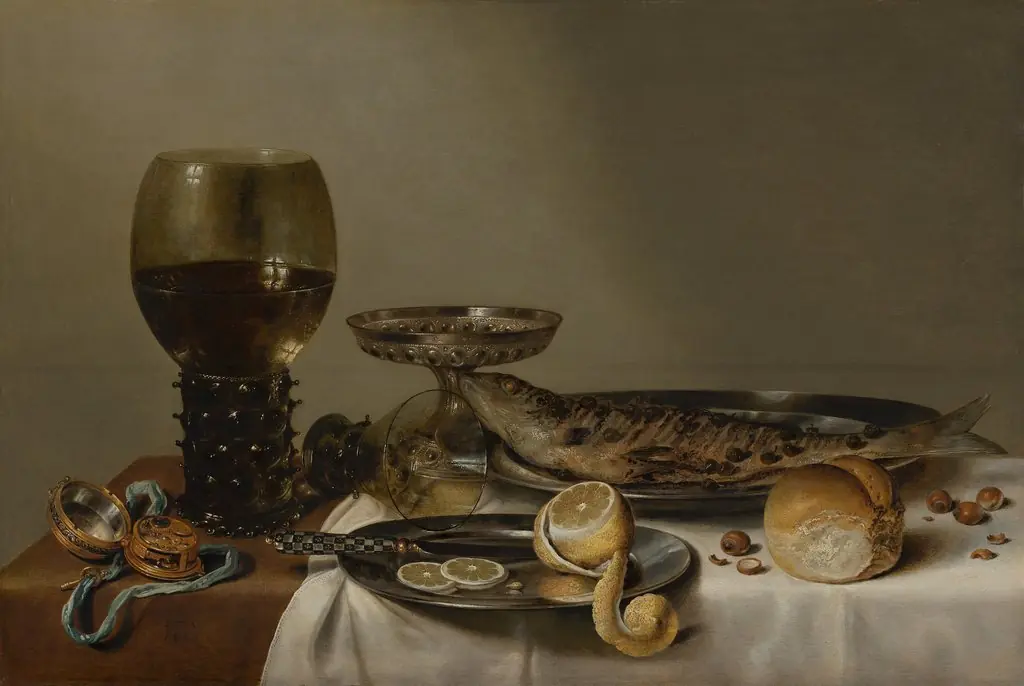 Still Life with a Roemer and a Watch
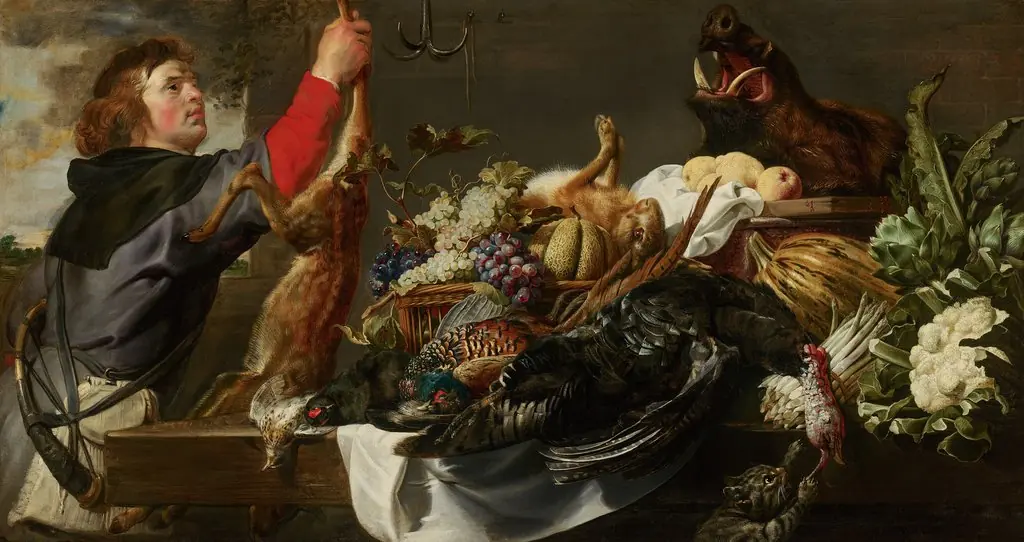 Still Life with Huntsman
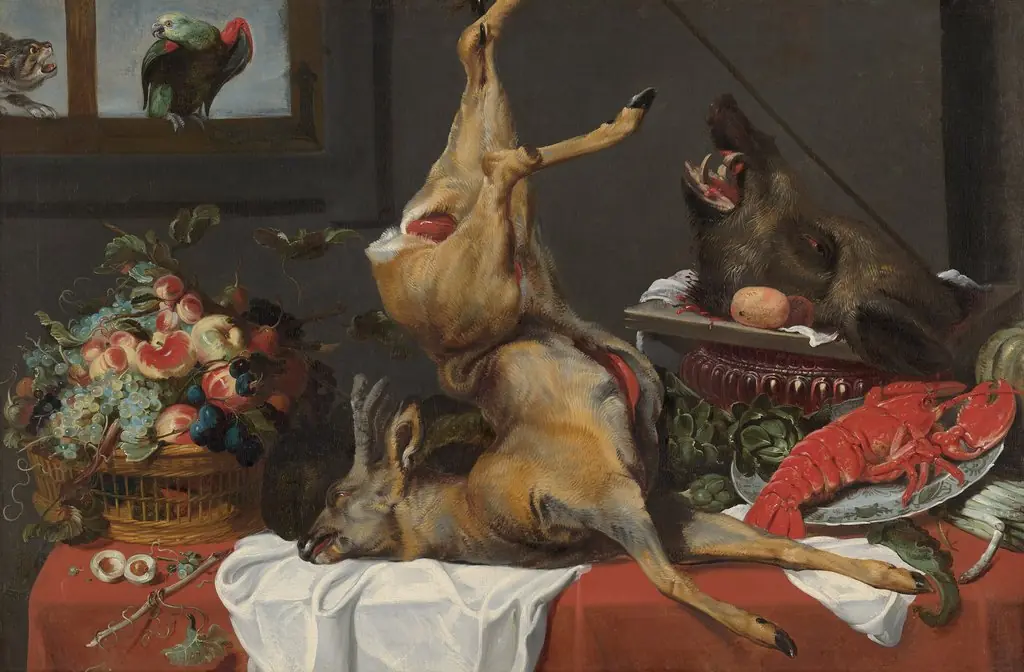 Still Life with a Dead Stag
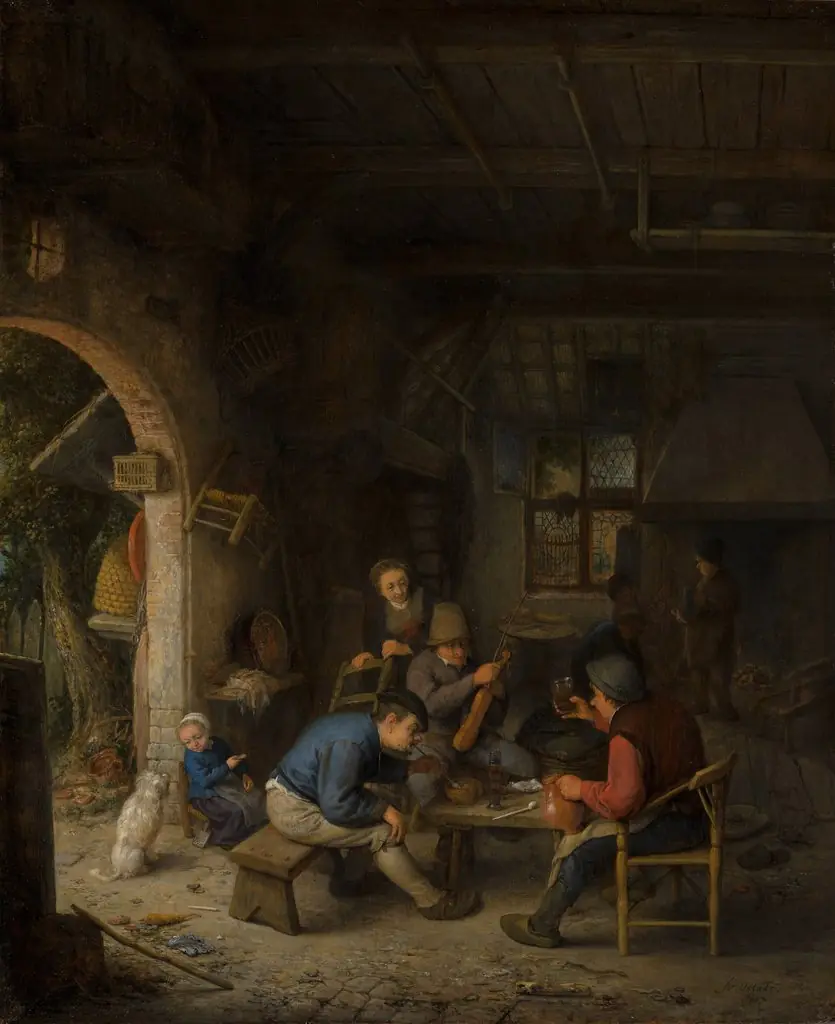 Peasants in an inn
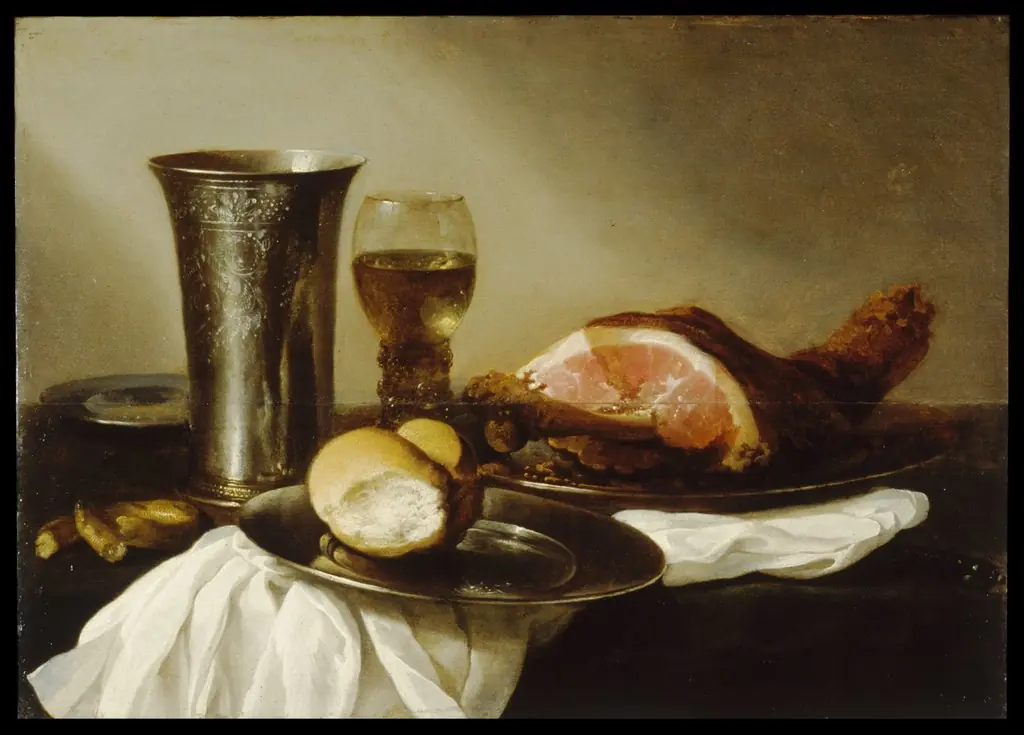 Breakfast Piece
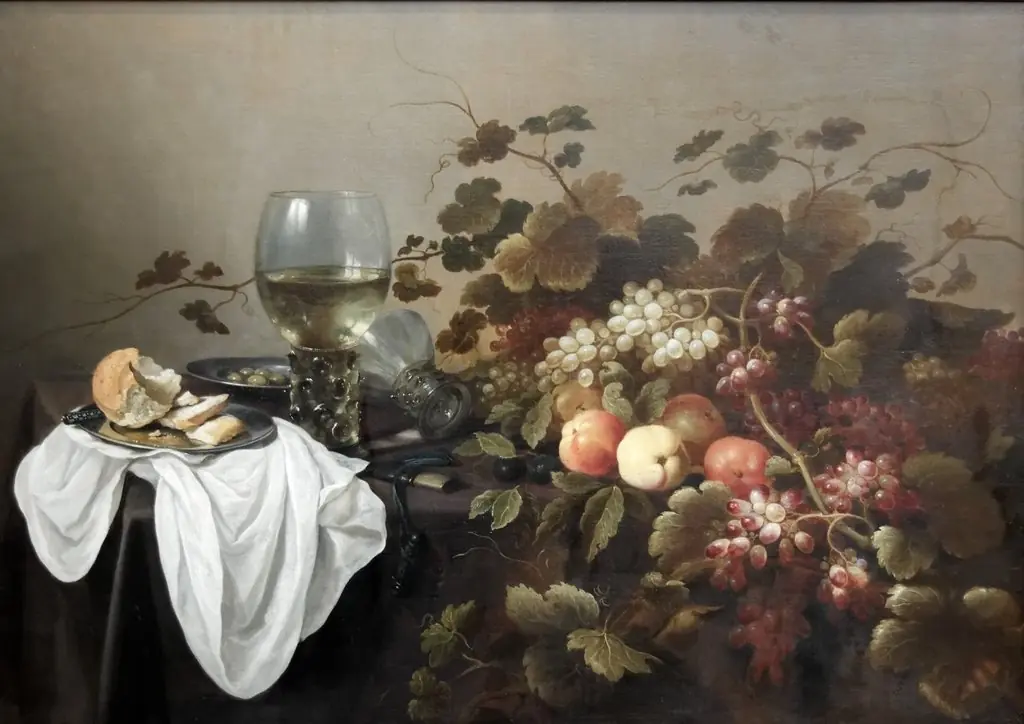 Still life with fruits and Roemer
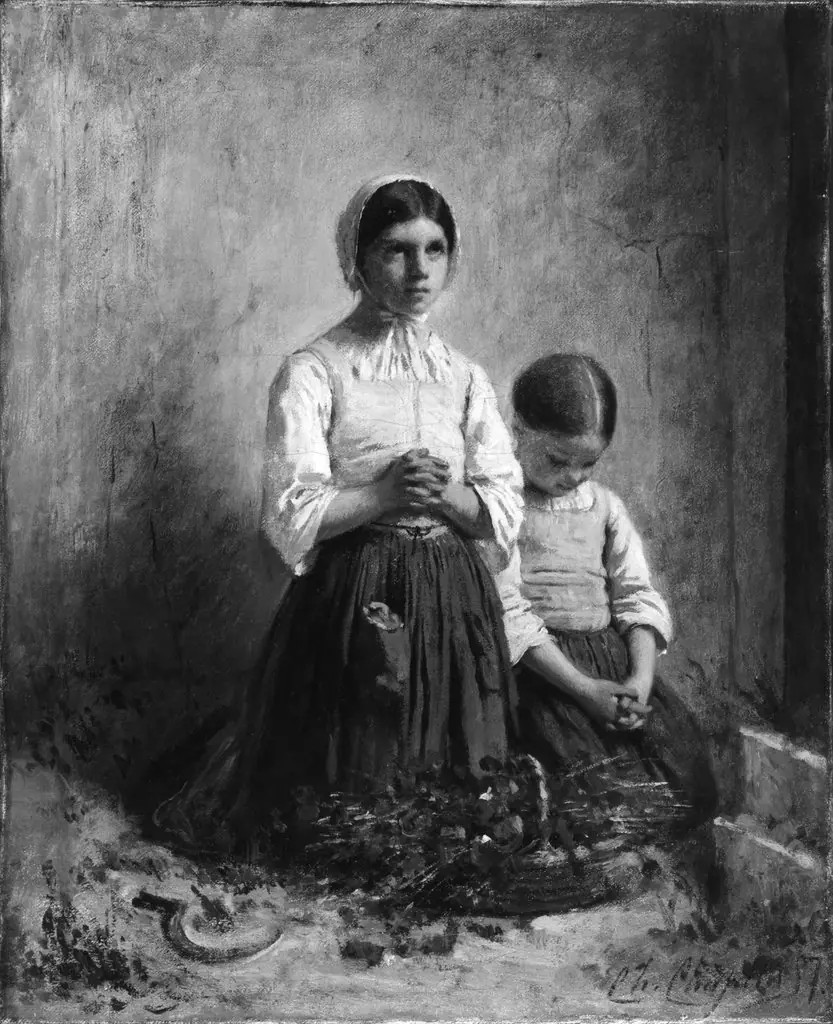 Devotion
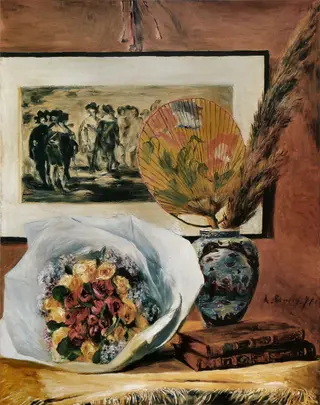 Still Life with Bouquet and Fan
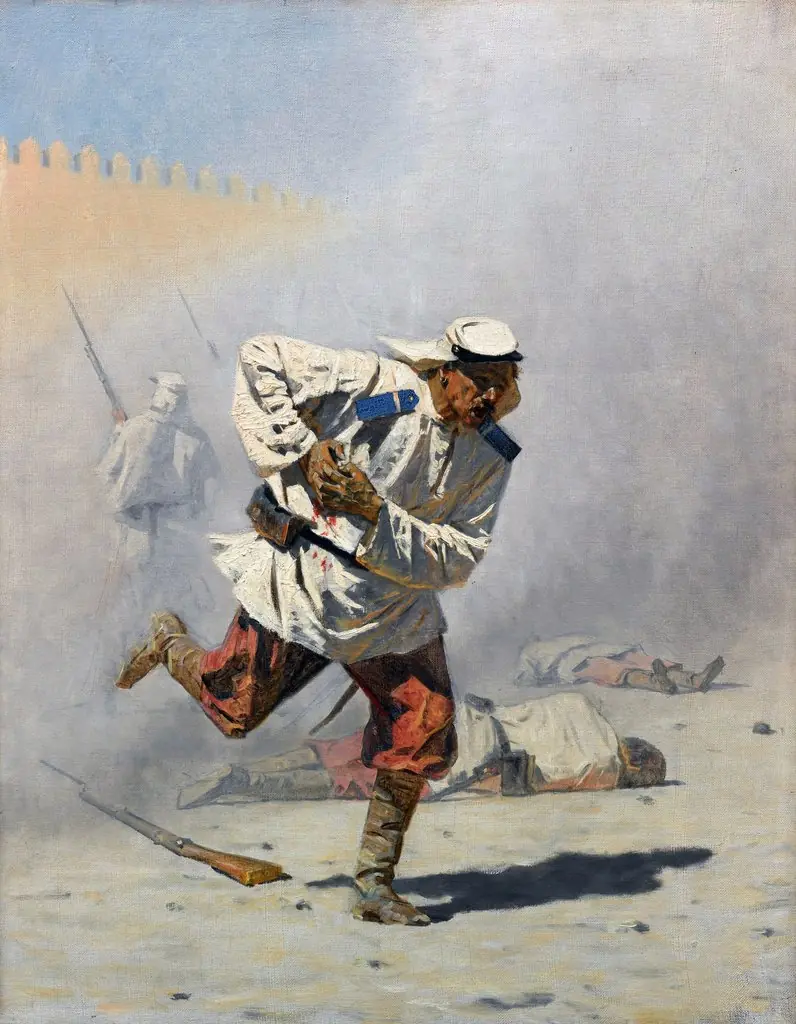 Mortally wounded
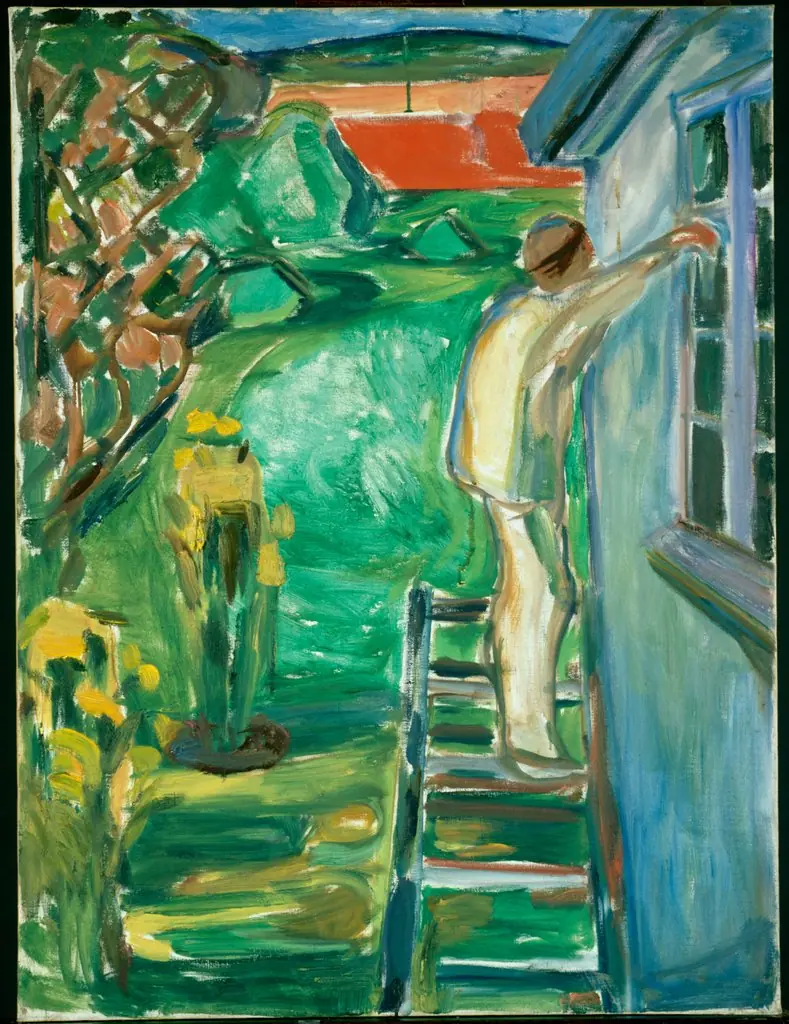 Painter by the Wall
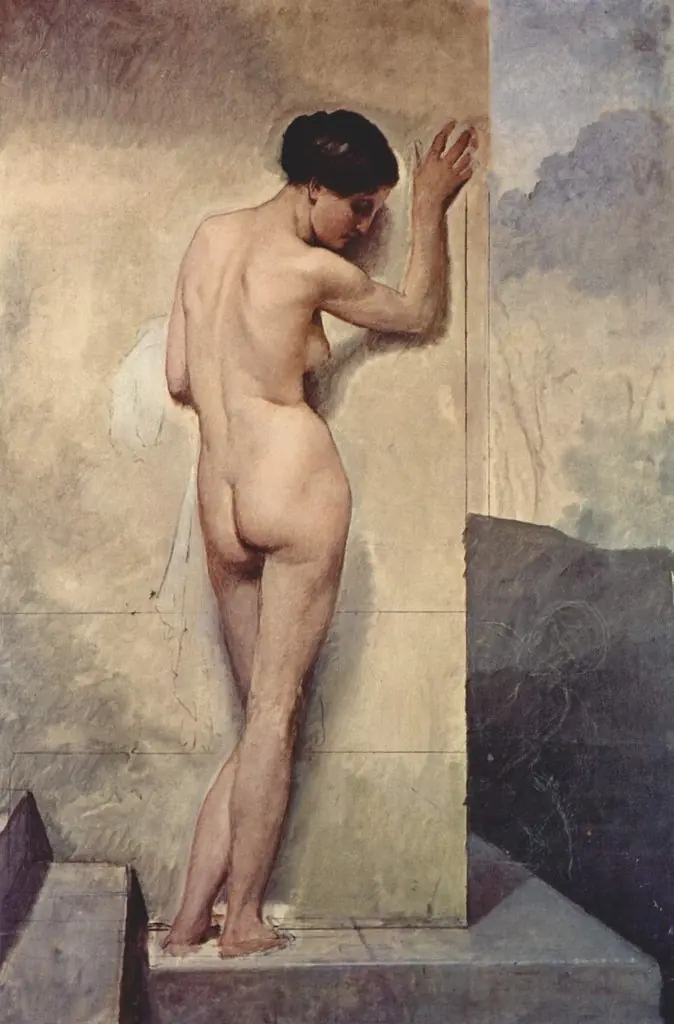 Female Nude
 Chickens
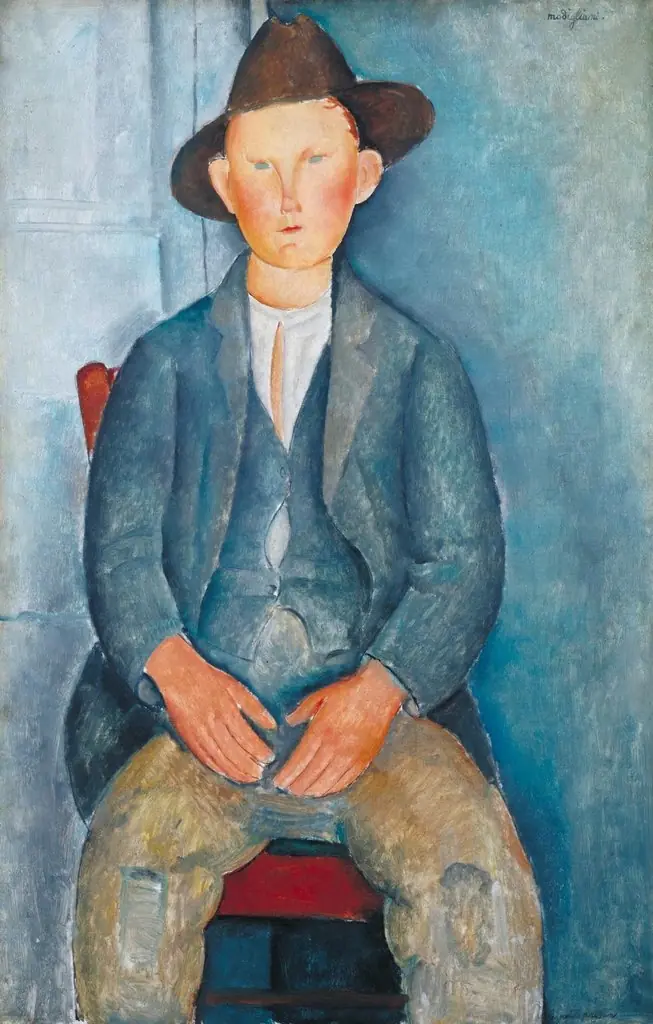 The Little Peasant
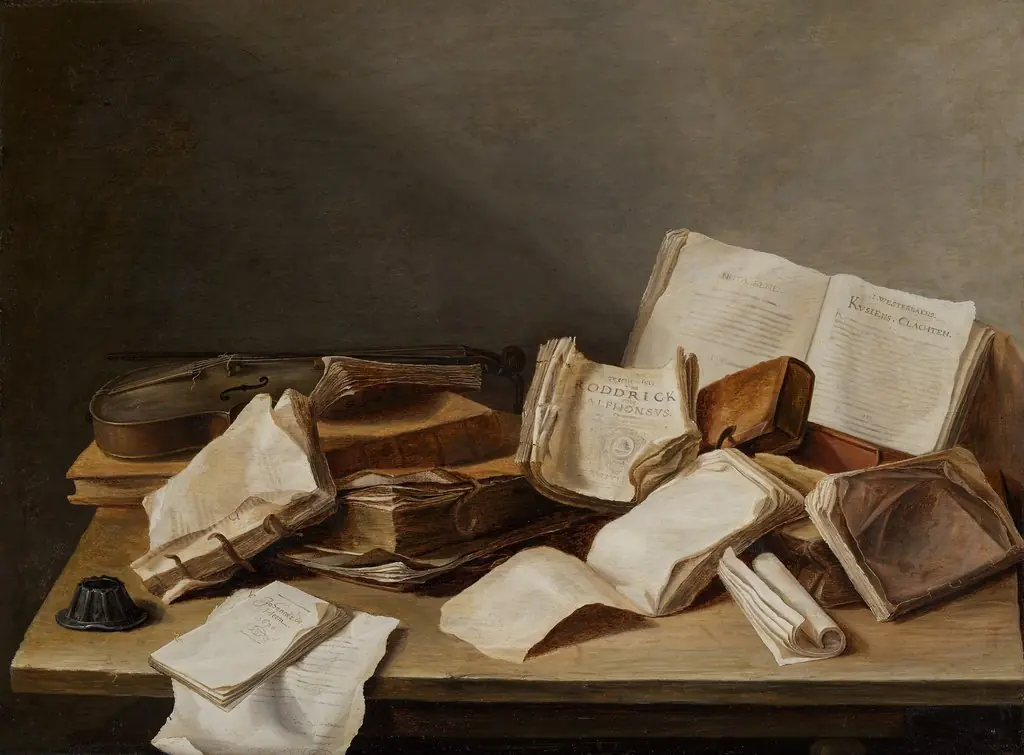 Still-Life of Books
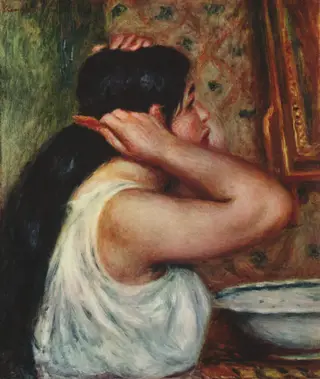 La Toilette
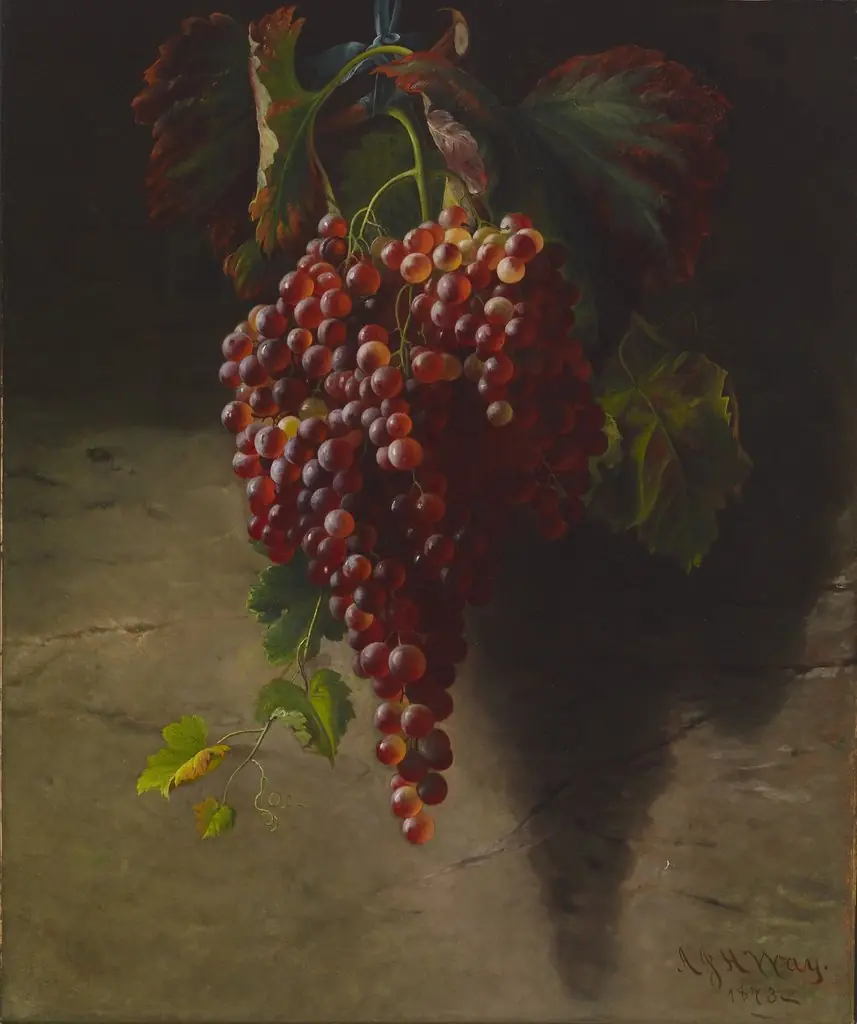 Bunch of Grapes
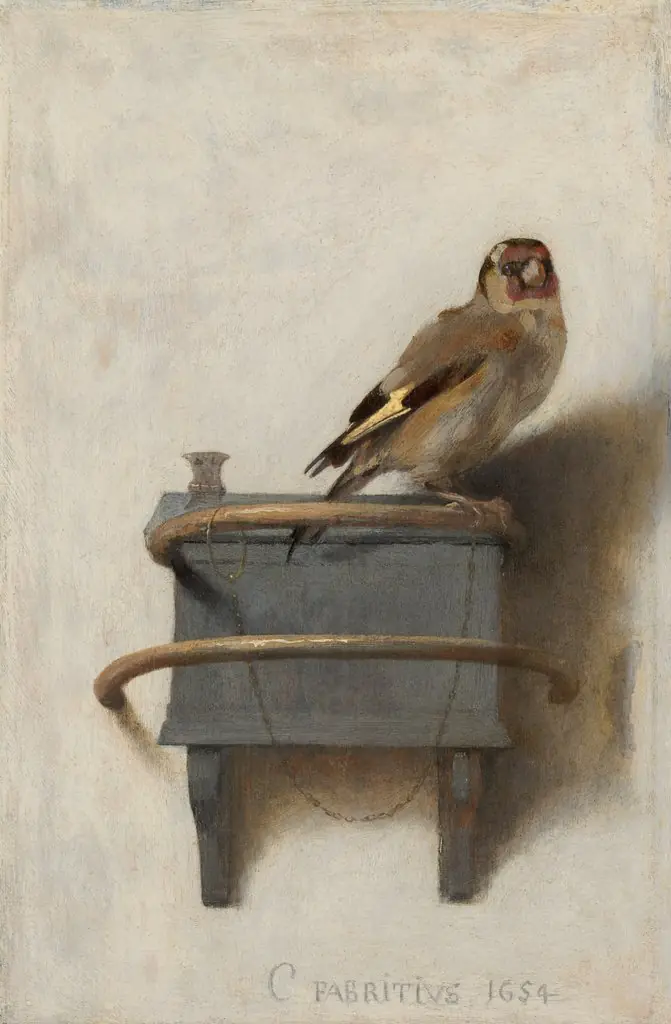 The Goldfinch
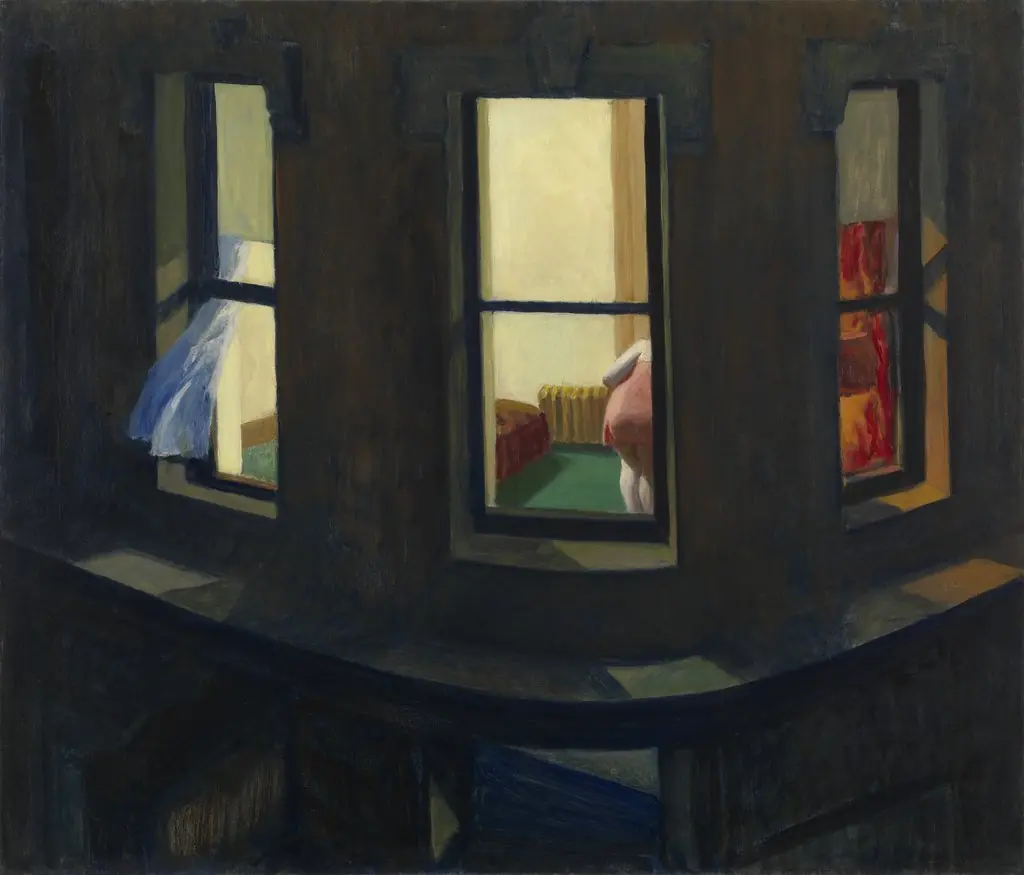 Night Windows
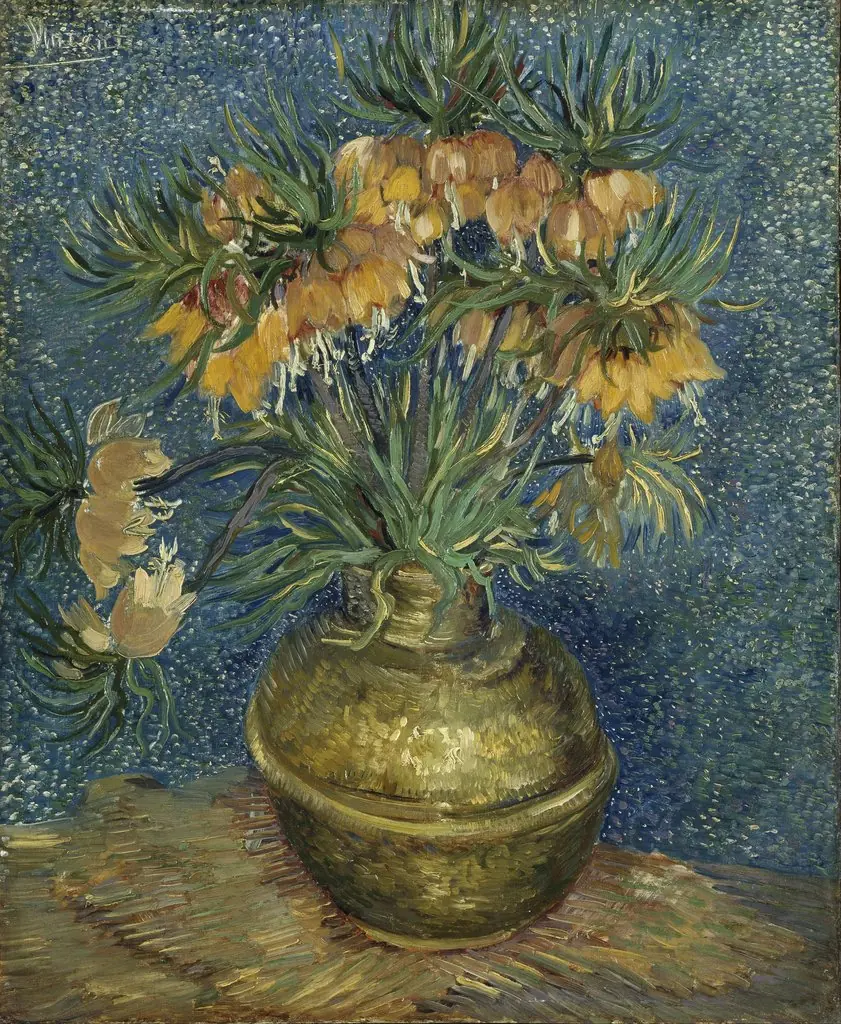 Fritillaries in a Copper Vase
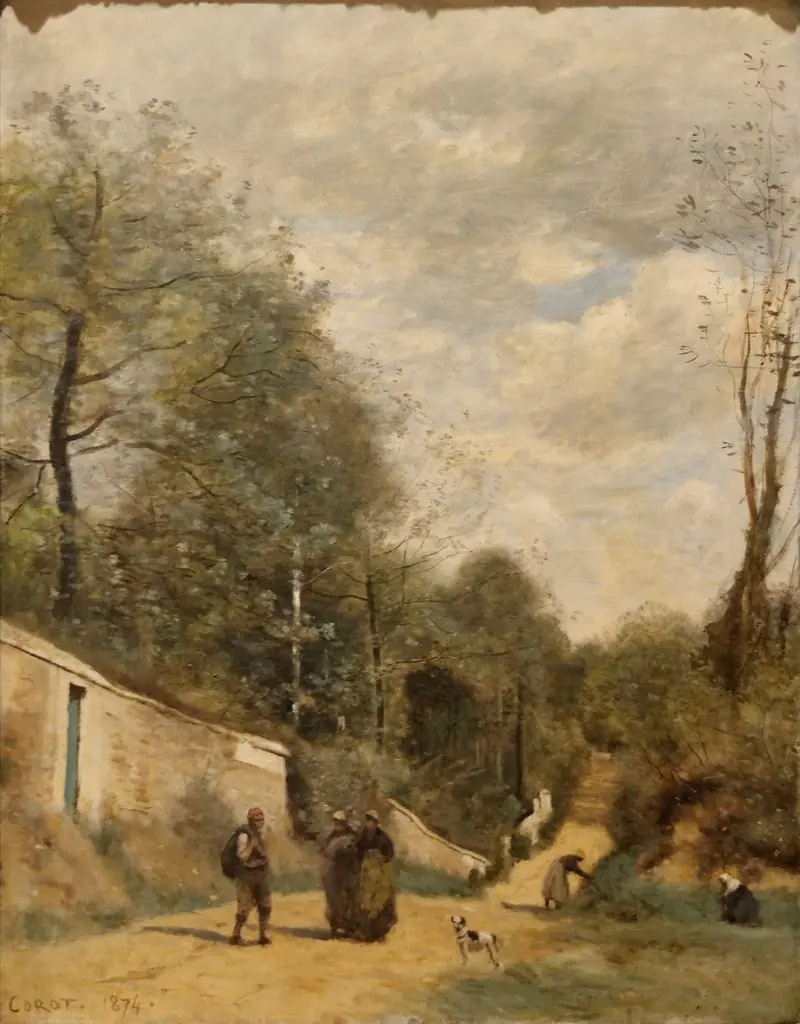 Ville-d'Avray. - Le chemin de la gare
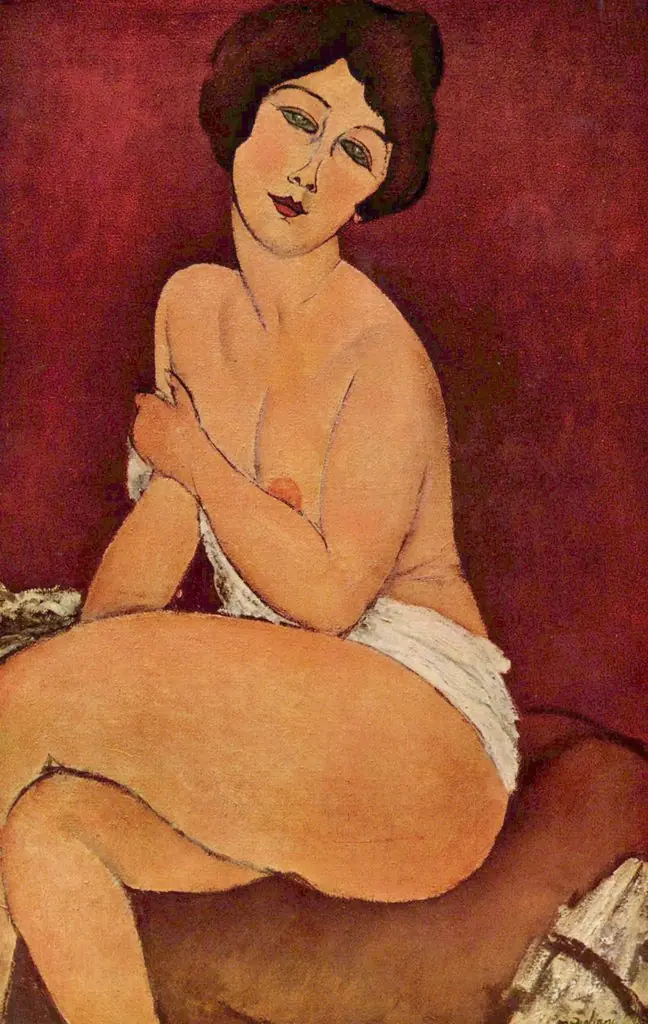 Nude Sitting on a Divan
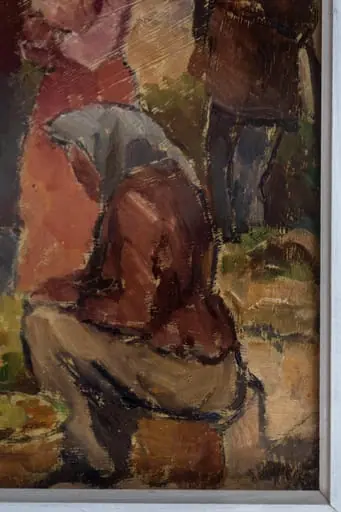 Schiță de compoziție
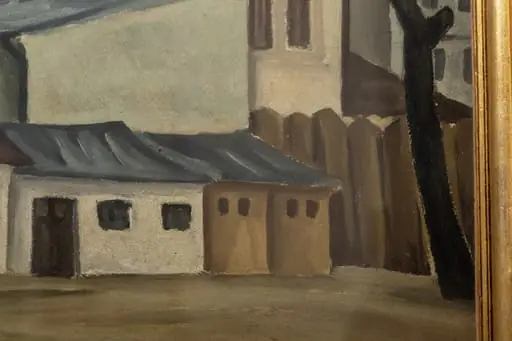 Peisaj urban
 Șcheii Brașovului - strada Cocova de Jos
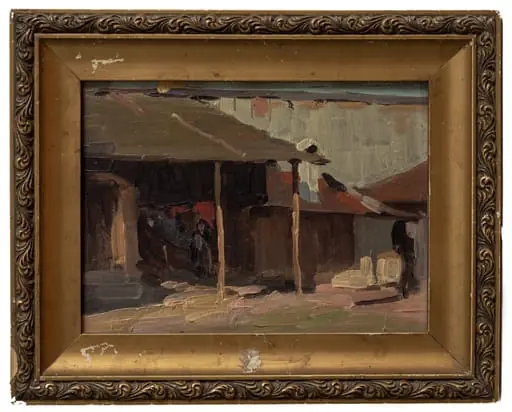 Case la mahala
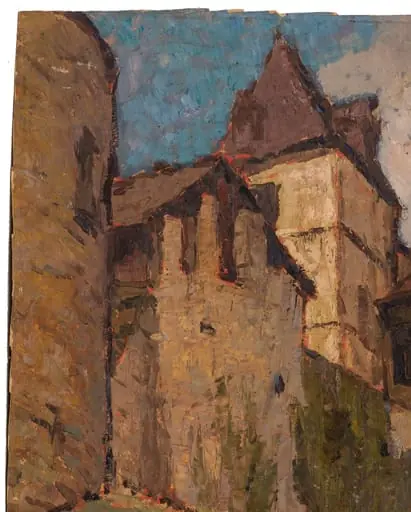 Peisaj
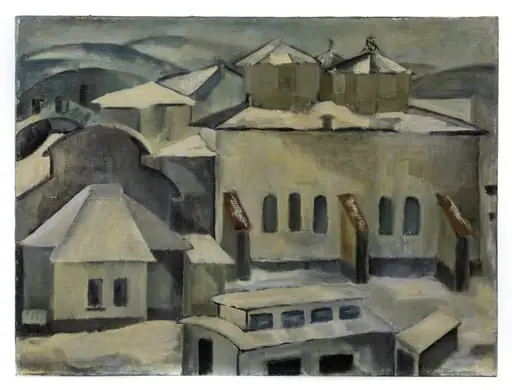 Veche ctitorie Sf. Sava
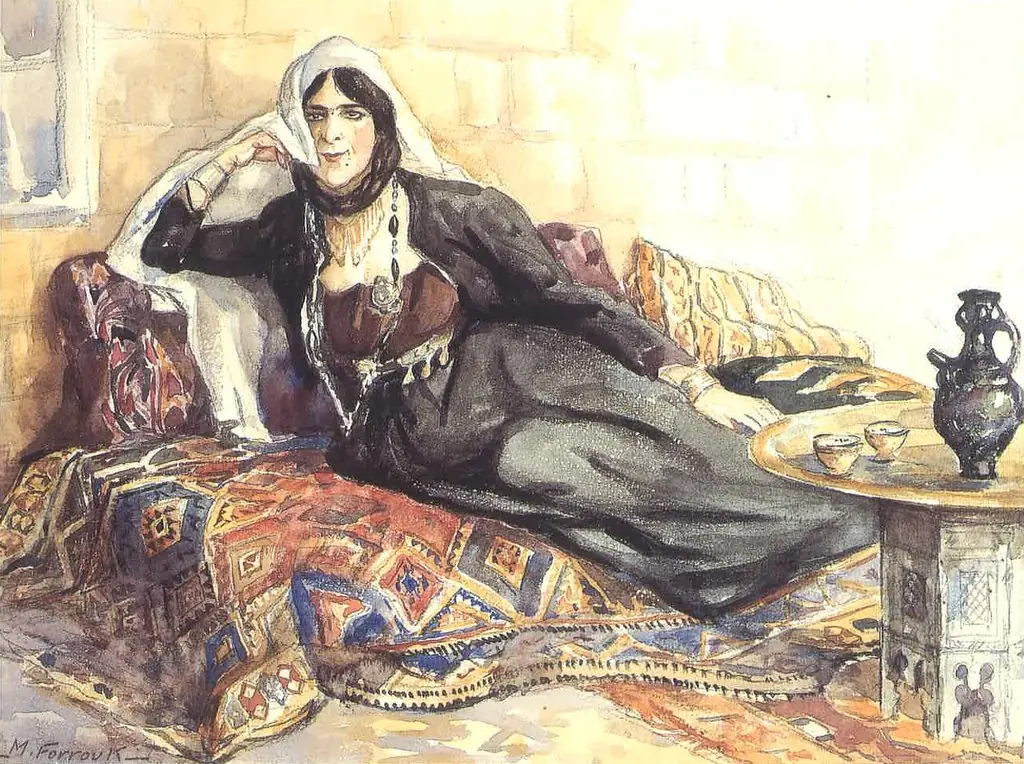 A Lady From the Mountain
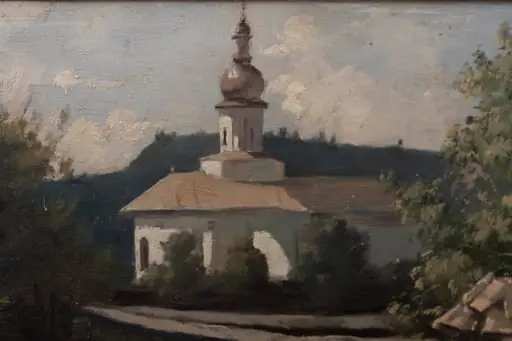 Mănăstirea Neamț
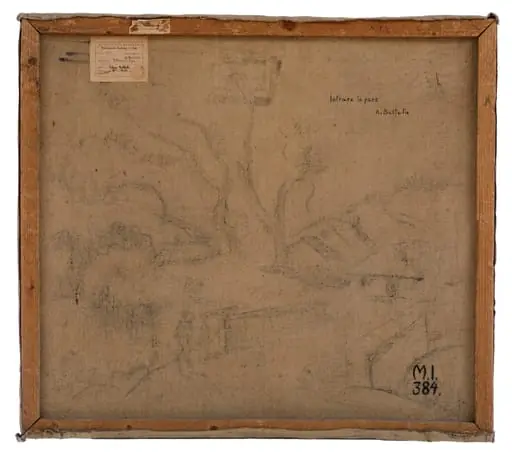 În parc
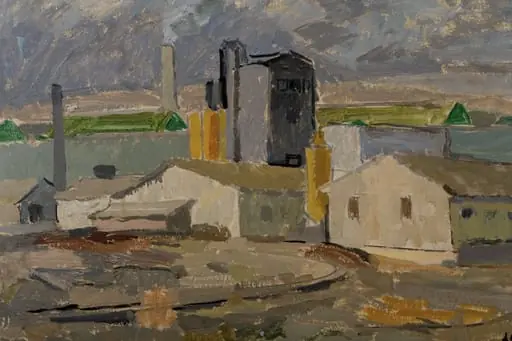 Șantier metalurgic Iași
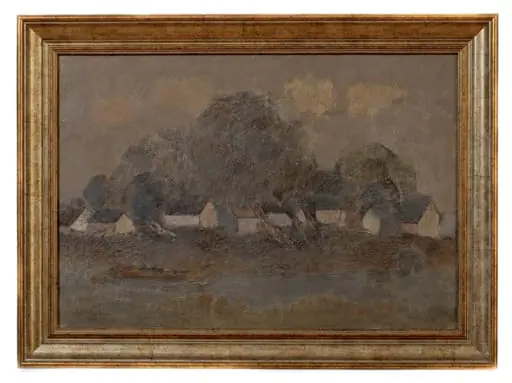 Sat de pescari
 Din catedrala Brașov
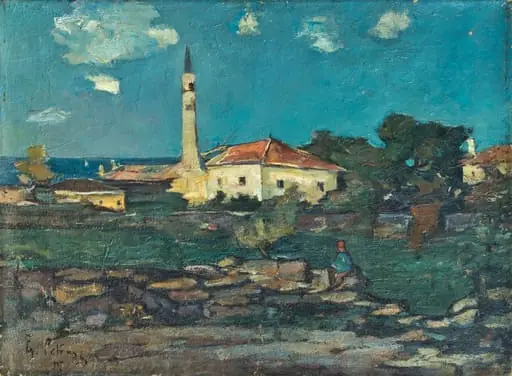 Peisaj cu moschee (Esmahan Sultan, Mangalia)
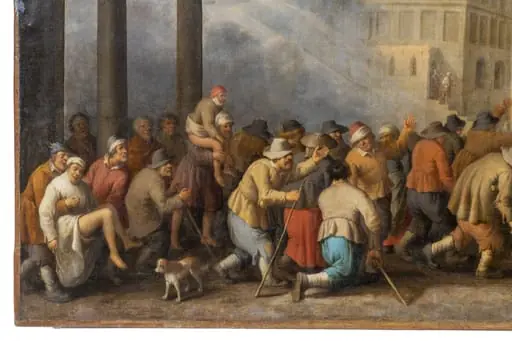 Apa Bethesdei
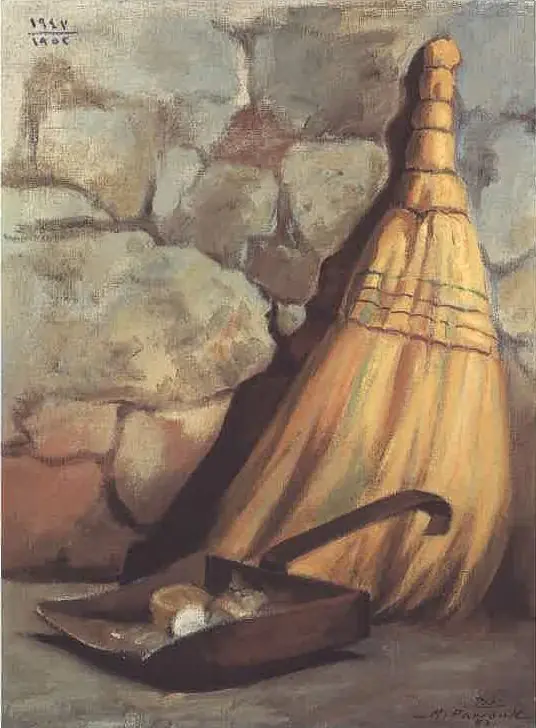 Composition
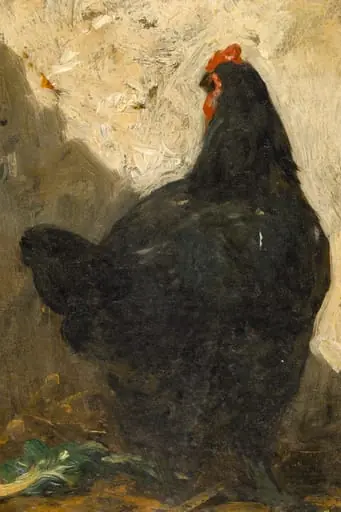 Găină
Găină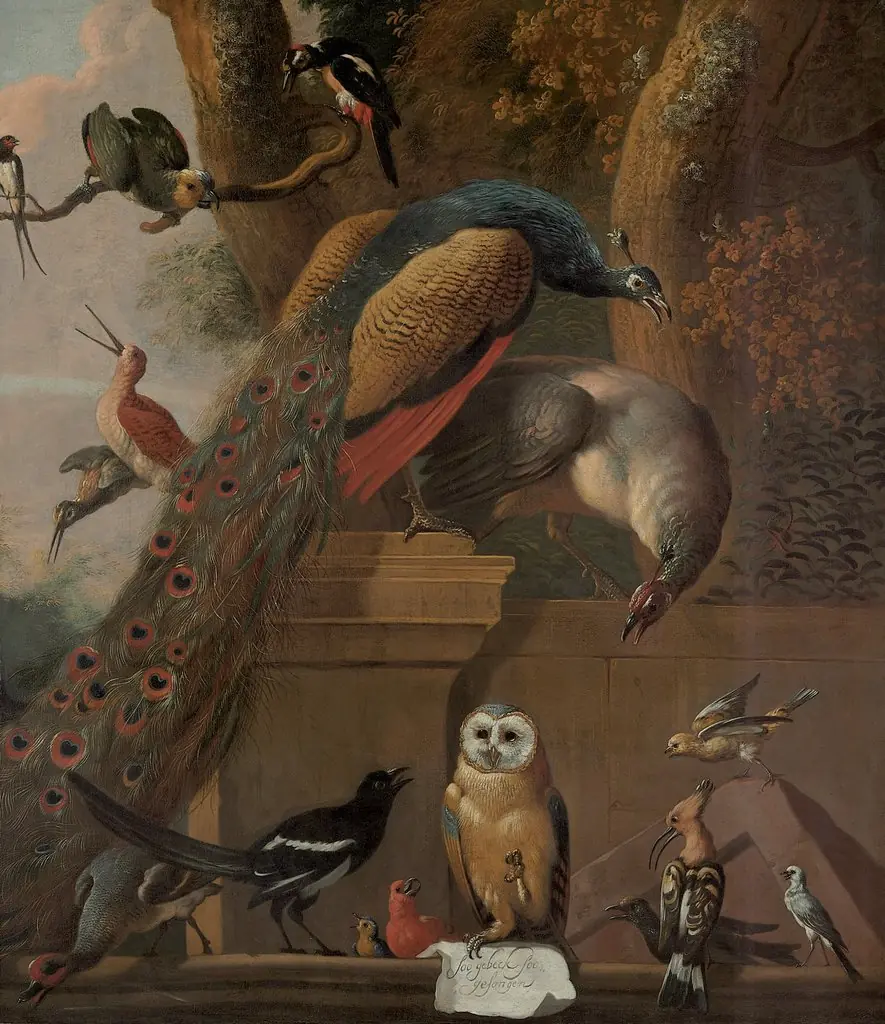 Bird Concert
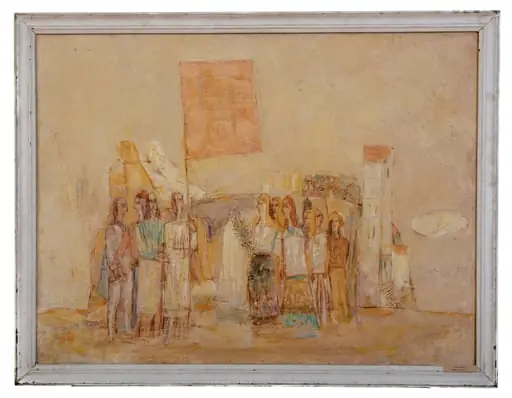 Moment istoric
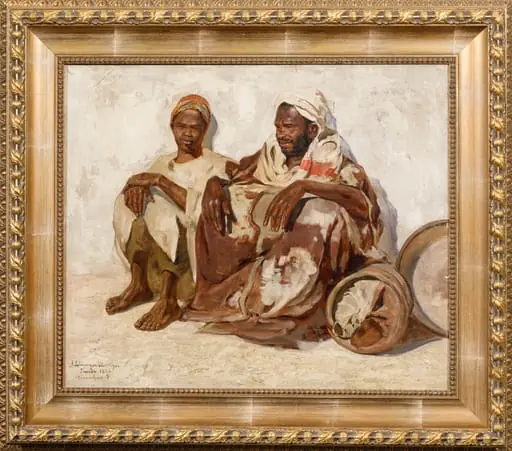 Îmblânzitori de șerpi
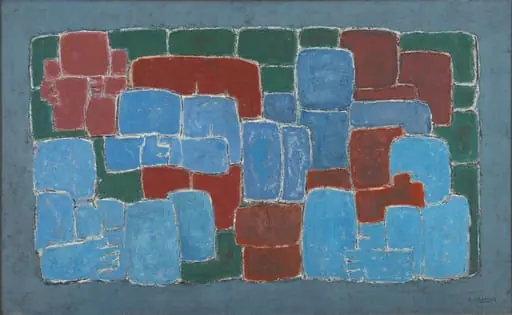 Ο τοίχος της ζωής
 Mănăstirea Cozia
 Șaretă la Tulcea
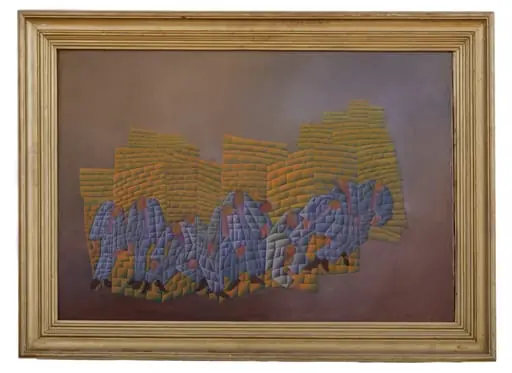 Memoria zidului
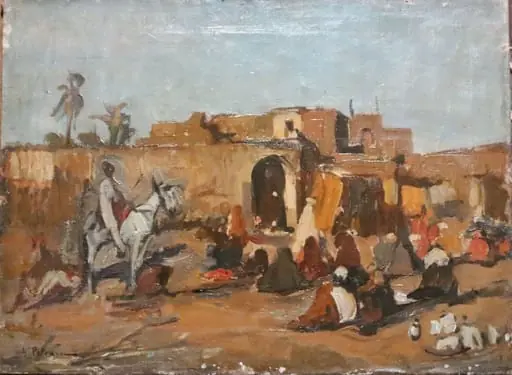 Peisaj la Assuan
 S 21 - Pervaz cu flori la Sulina
Frequently asked questions
What is Wall?
Wall is a predominantly English surname.
How many Wall works does Artifact World Gallery have?
Artifact World Gallery holds 84 public-domain Wall works, all free to view and download.
Who are the key Wall artists?
Key Wall artists in the collection include Titian, Thomas Eakins and Jean Baptiste Camille Corot.
Where can I see Wall works?
Wall works in the collection are held by Moldova National Museum Complex, Mauritshuis and Walters Art Museum.