Artwork
The Great Hercules
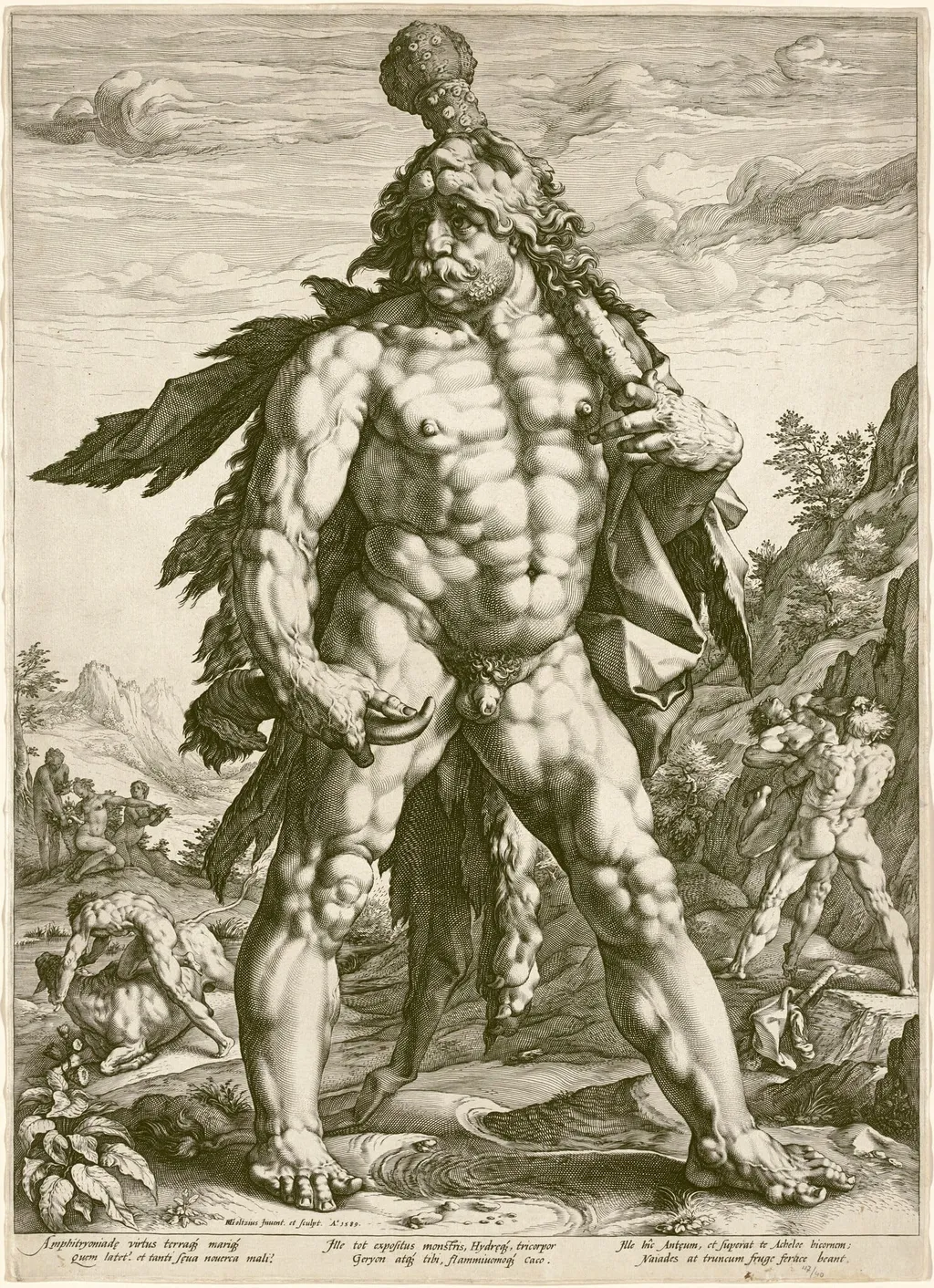
The Great Hercules is an ink print by the Renaissance artist Hendrick Goltzius. It dates from 1589 and is held in the collection of the National Gallery of Art.
- Inscription
- Inscribed:lower left, in plate within frame: HGoltzius Inuent. et Sculpt. Ao.1589.; below image, in plate: Amphitryoniadae virtus terraque marique / Quem latet? et tanti saeva noverca mali? / Ille tot expositus mostris, Hydraeque, tricorpor / Geryon atque tibi, flammivomoque Caco. / Ille hic Antaeum, et superat te Acheloe bicornem; / Naiades at truncum fruge ferace beant. (Is there anyone who does not know of Hercules's courage on land and at sea, and the cruel stepmother who did him so much harm? He was exposed to many monsters, the Hydra and to you, Geryoneus with your three bodies, and to the firebreathing Cacus. Here he defeats Anteus and you, two-horned Achelous; but the Naiads enrich the branch with abundant fruits. [Latin translation from Leeflang, Huigen, and Ger Luijten. _Hendrick Goltzius (1558-1617): Drawings, Prints and Paintings._ Amsterdam: Rijksmuseum, 2003, p. 106.]); in later hand, lower right in graphite: 117/40; various dealer notations in graphite on verso.
About this work
Overview
Hendrick Goltzius’s The Great Hercules is an engraving executed on laid paper in 1589. The print presents the mythic hero in a poised stance, club in hand, his muscular form and draped garments rendered with fine, intersecting lines that convey texture and volume.
Subject & Meaning
The image centers on Hercules, the classical figure celebrated for his strength and labors. By portraying the hero in a balanced, almost statuesque pose, Goltzius emphasizes the ideal of physical power tempered by compositional harmony, reflecting the artist’s interest in antiquity and its moral exemplars.
Technique & Style
Goltzius employed the intricate engraving process, incising delicate lines into a copper plate before transferring the image onto laid paper. The technique allows for precise rendering of muscle definition, fabric folds, and subtle shading, characteristic of the Northern Mannerist style that favored elaborate, dynamic compositions.
History & Provenance
Created in the late sixteenth century, the print emerged during Goltzius’s rise as the foremost Dutch engraver of the early Baroque. While specific ownership records are scarce, the work circulated among collectors of prints and contributed to the artist’s reputation across Europe.
Context
The Great Hercules exemplifies the period’s revival of classical motifs within a Northern European aesthetic. Goltzius’s mastery of line and form influenced subsequent generations of printmakers, cementing his role in the transition from Mannerism to the Baroque sensibility in Dutch art.
Own this work as a print
Artist & collection
Artist
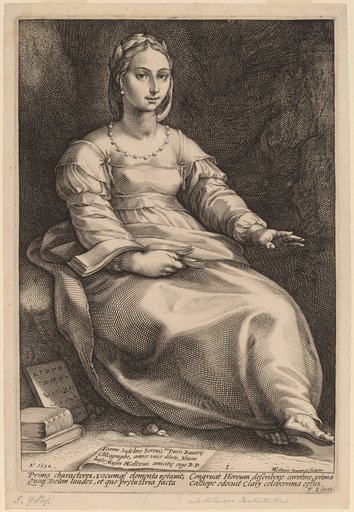
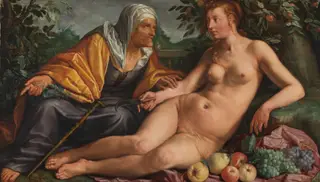
Hendrick Goltzius (German: , Dutch: ; né Goltz; January or February 1558 – 1 January 1617) was a German-born Dutch printmaker, draftsman, and painter.

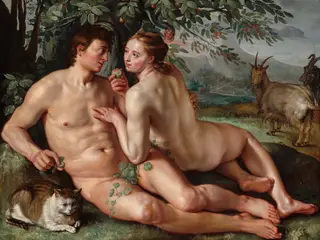
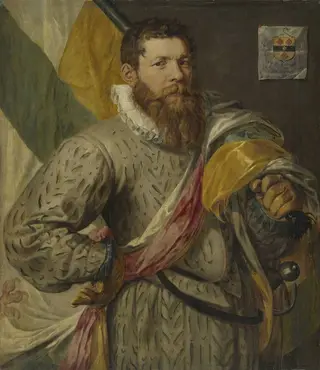
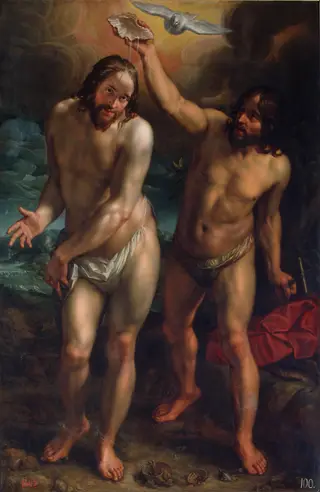
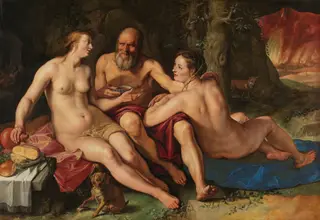
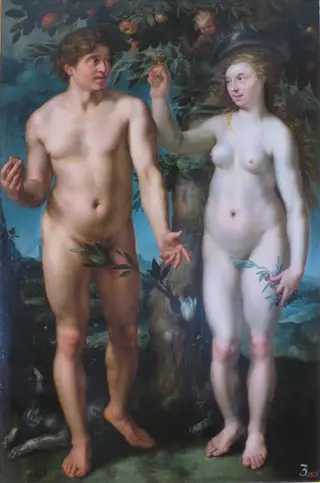
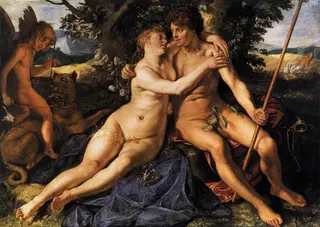
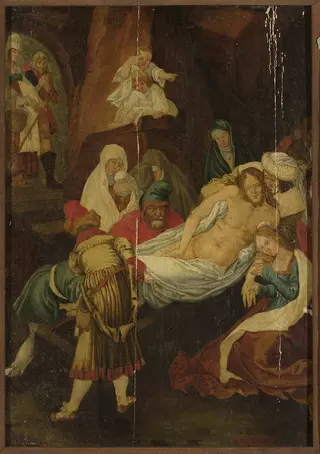
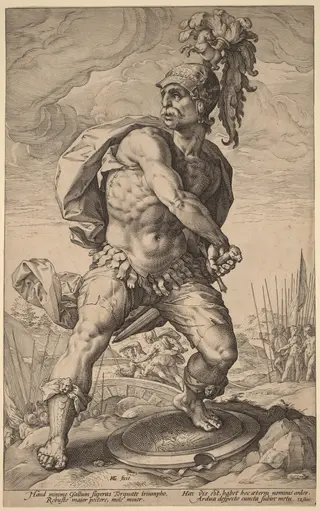
- Titus Manlius Torquatus
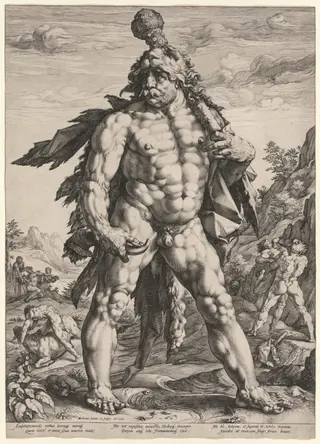 The Great Hercules or 'Knollenman'
![The Farnese Hercules, three-quarter view turned to left [plate 3], by François Perrier](https://artifactworldgallery.com/img/francois-perrier--the-farnese-hercules-three-quarter-view-turned-to-left-plate--b0564bebaad016fa-w320.webp) The Farnese Hercules, three-quarter view turned to left [plate 3]
The Farnese Hercules, three-quarter view turned to left [plate 3]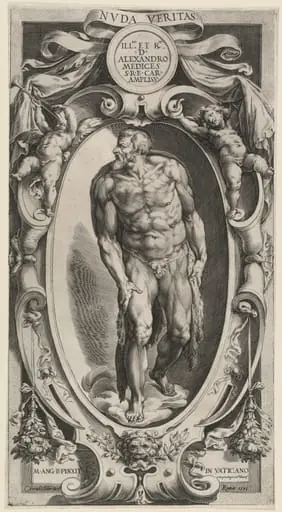 Saint John the Baptist
![The Farnese Hercules, front view [plate 2], by François Perrier](https://artifactworldgallery.com/img/francois-perrier--the-farnese-hercules-front-view-plate-2--cedb2cb031c3391b-w320.webp) The Farnese Hercules, front view [plate 2]
The Farnese Hercules, front view [plate 2]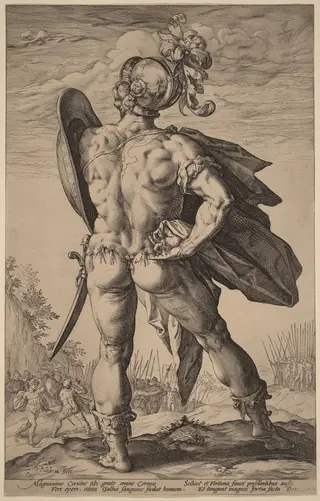 Marcus Valerius Corvus
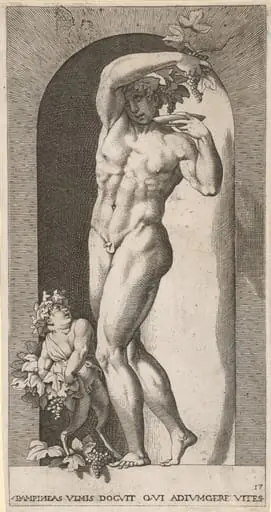 Bacchus in a Niche
![The Borghese Gladiator, back view [plate 29], by François Perrier](https://artifactworldgallery.com/img/francois-perrier--the-borghese-gladiator-back-view-plate-29--e76fdd1927ce2d52-w320.webp) The Borghese Gladiator, back view [plate 29]
The Borghese Gladiator, back view [plate 29]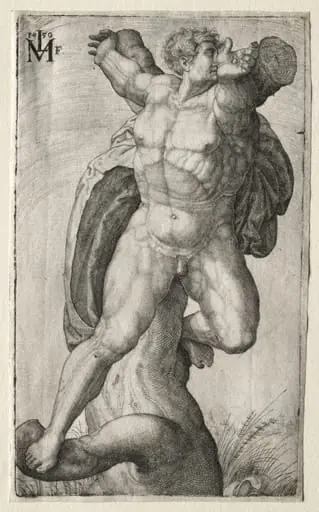 Crucified Man
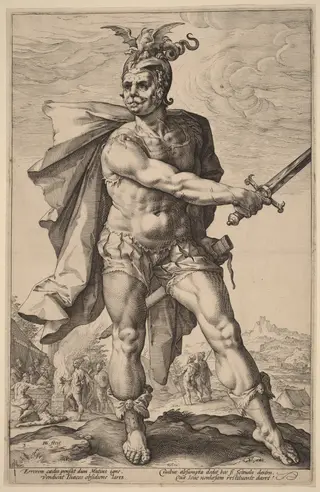 Mucius Scaevola
![A Nude Fighting Man, side view, turned to left [plate 27], by François Perrier](https://artifactworldgallery.com/img/francois-perrier--a-nude-fighting-man-side-view-turned-to-left-plate-27--39122f796b85b2fb-w320.webp) A Nude Fighting Man, side view, turned to left [plate 27]
A Nude Fighting Man, side view, turned to left [plate 27]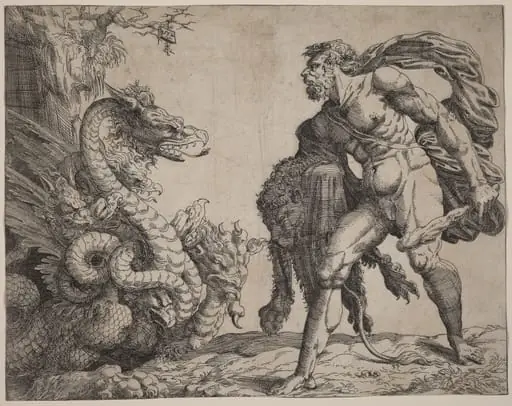 Hercules and the Hydra