Artwork
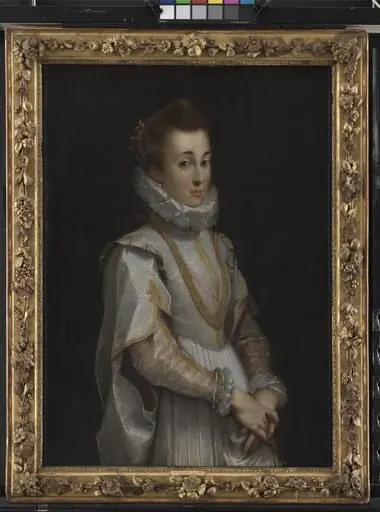
A Sister (b. 1600) of Catharina Fourmenois
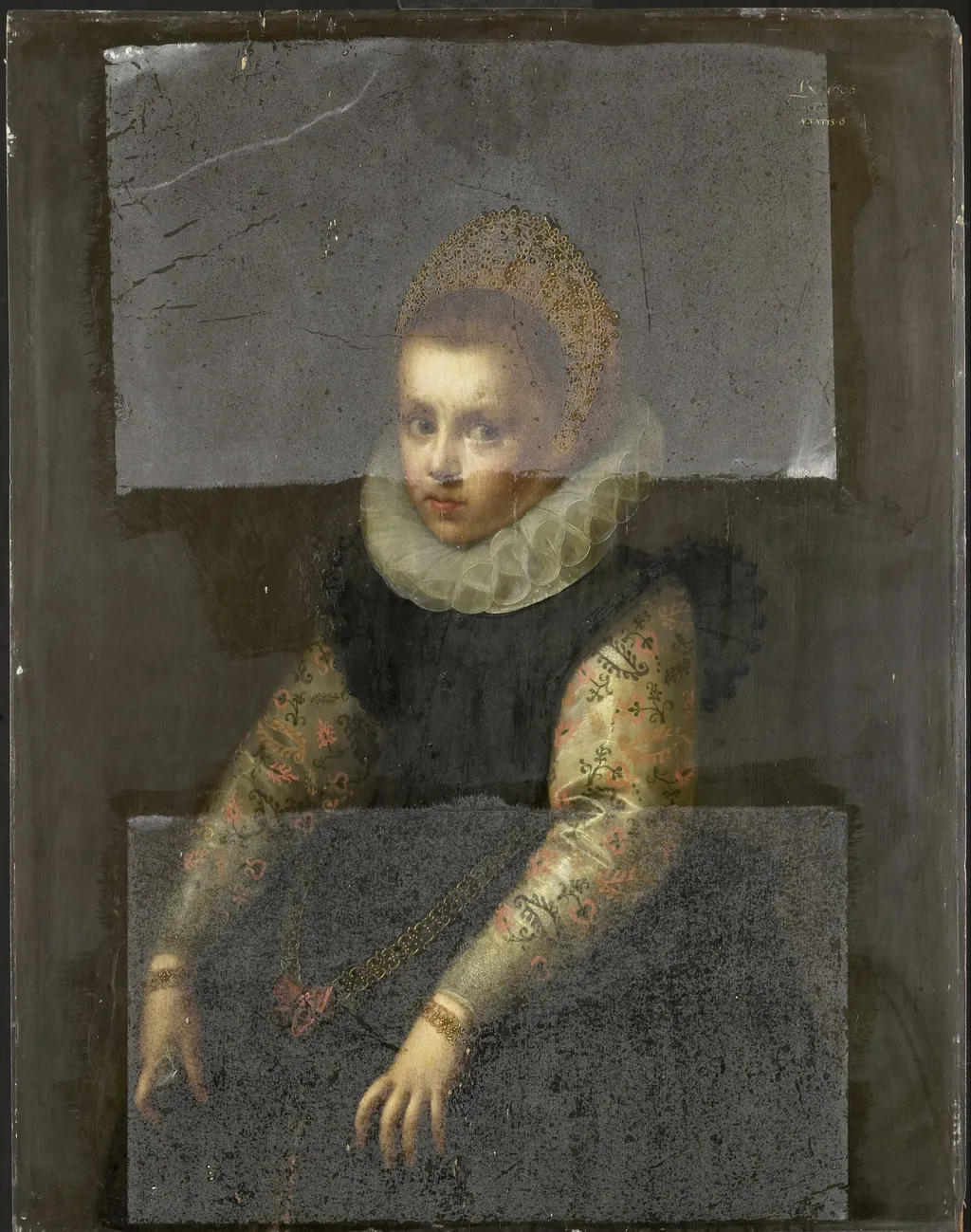
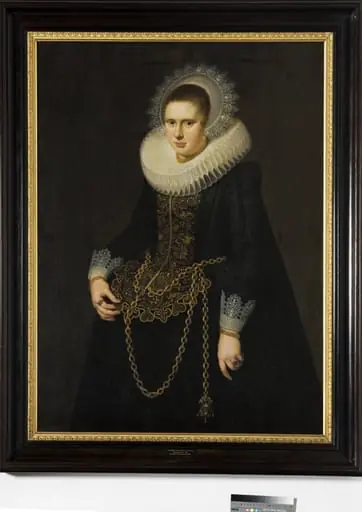
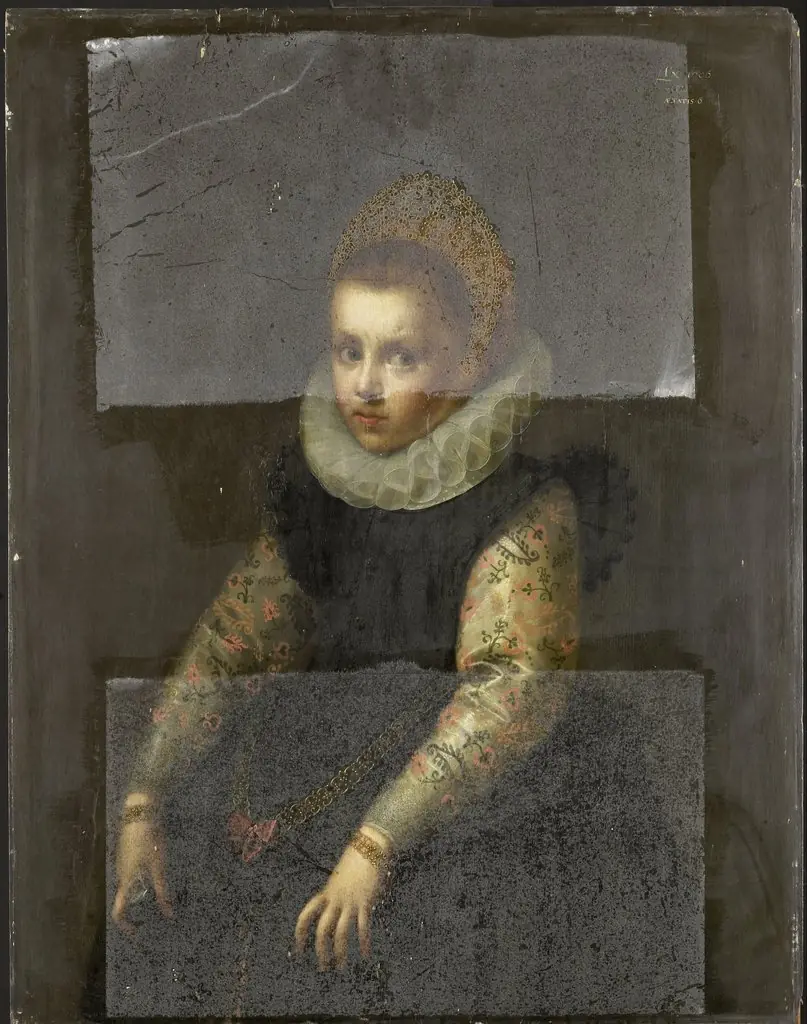
A Sister (b. 1600) of Catharina Fourmenois is an unspecified painting by the Dutch Golden Age artist Geldorp Gortzius. It dates from 1606 and is held in the collection of the Rijksmuseum. This 1606 portrait depicts a woman standing in a dark dress with a gold chain tied around her waist.
About this work
On the back, someone later wrote her sister’s name, a family crest, and the number 33, maybe her age.
You see a woman in a dark dress standing straight. A thin gold chain loops twice around her waist and ties in a bow. Her hands rest at her sides, fingers lightly curled.
The painting was made in 1606, but the artist’s name is lost. On the back, someone later wrote her sister’s name, a family crest, and the number 33, maybe her age. The chain looks simple, yet it’s painted with tiny brushstrokes that catch the light.
To see more quiet portraits like this, visit the Rijksmuseum.
Technique & Style
The painting is classified as a portrait executed in oil, consistent with Geldorp's standard practice of working on panel. Surviving works from his oeuvre are mostly painted on wood, with documented examples specifying oak panel as the support. The artist was known for a brilliant and powerful palette dominated by brown tones. His later works are characterized by soft transitions and a bluish tone in the wrists and necks of his subjects. Around 70 of his portraits, chiefly on wood, were recorded as extant.
Context
Gortzius Geldorp (1553-1618) was a Flemish Renaissance artist who built his reputation primarily as a portrait painter working in Cologne, where he served aristocratic and patrician patrons. Trained first under Frans Francken I and later under Frans Pourbus the Elder, both pupils of the leading Antwerp Renaissance master Frans Floris, Geldorp belonged to a lineage that helped transmit Netherlandish portrait traditions into the German-speaking world. He accompanied the Duke of Terranuova, Carlo d'Aragona Tagliavia, on diplomatic missions, including the 1579 peace negotiations in Cologne, and in 1610 succeeded Bartholomäus Bruyn the Younger on the Cologne city council. His oeuvre of roughly 70 known works, mostly on panel, was discussed by Karel van Mander in the Schilder-Boeck (1604), the earliest sustained scholarly treatment of his career. Later reference works by Schmidt (1878), Peltzer (1920), Merlo (1850, 1895), and entries in the Allgemeine Deutsche Biographie and Deutsche Biographische Enzyklopädie consolidated his position within Flemish émigré circles. His paintings were disseminated further through engravings by Crispijn van de Passe and Peter Isselburg, though attributions have occasionally been confused with those of Hans von Aachen.
Own this work as a print
Artist & collection
Artist
Gortzius Geldorp (1553–1618) was a Flemish Renaissance artist who was active in Germany where he distinguished himself through his portrait paintings.

- Portrait of a Sister of Catharina Fourmenois
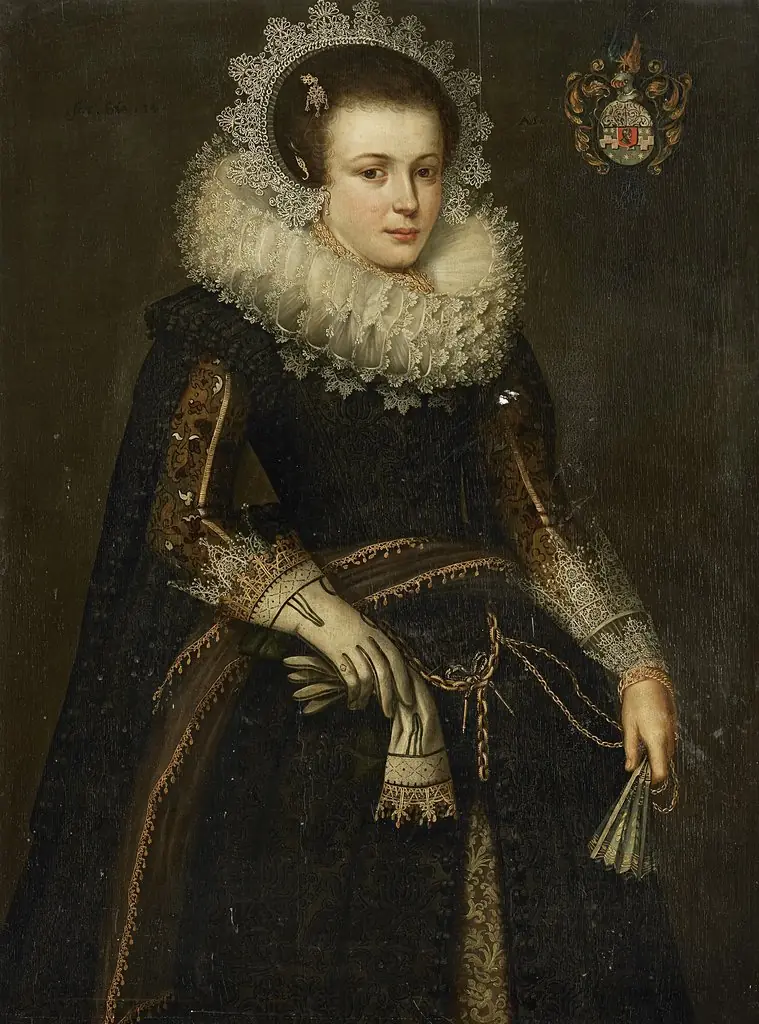
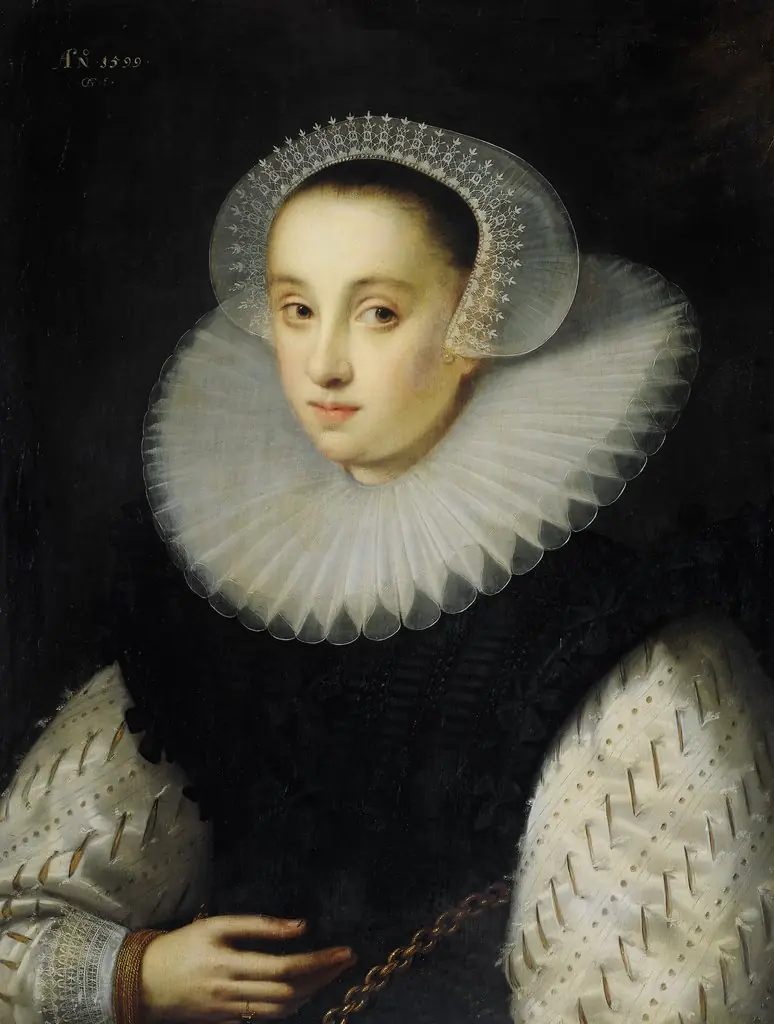 Portrait of Hortensia del Prado (died 1627)
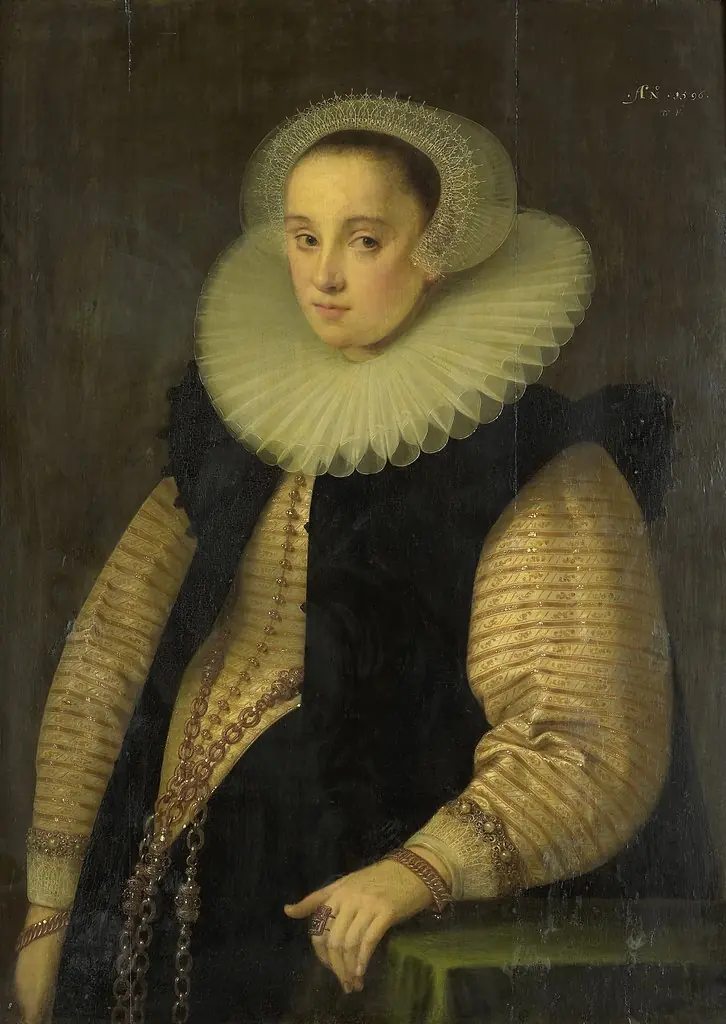 Portrait of Hortensia del Prado (died 1627), Wife of Jean Fourmenois
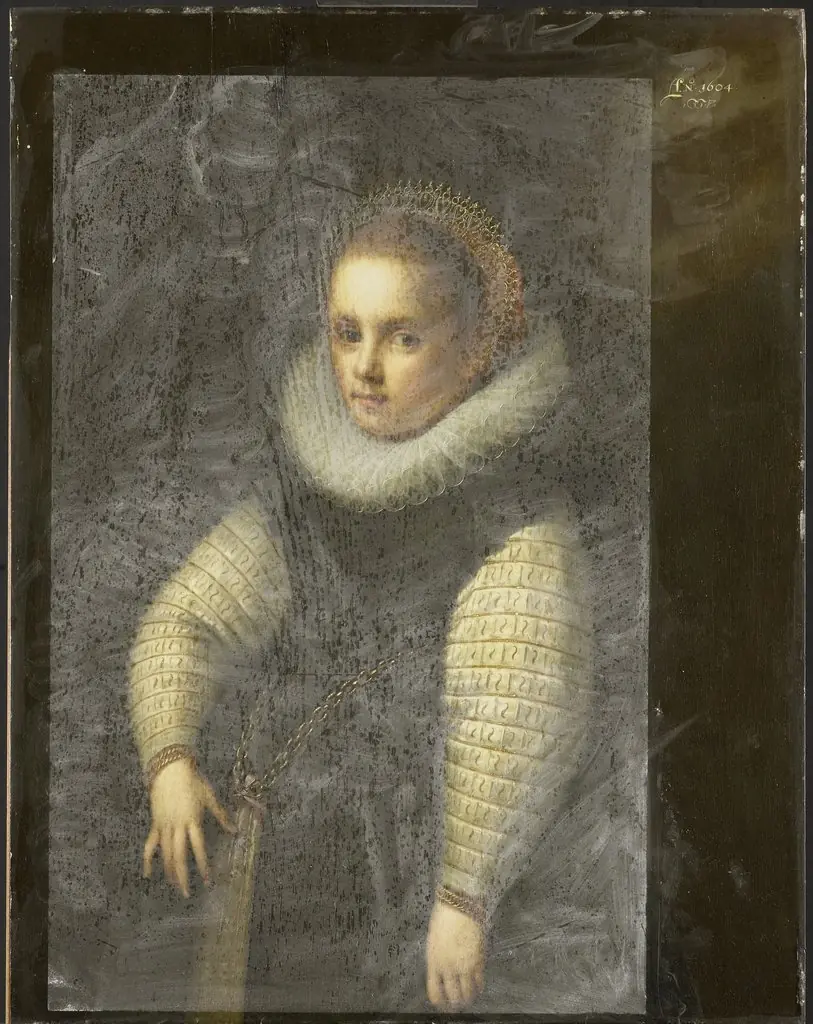 Portrait of Catharina Fourmenois as a Child, later Wife of Pieter Boudaen Courten
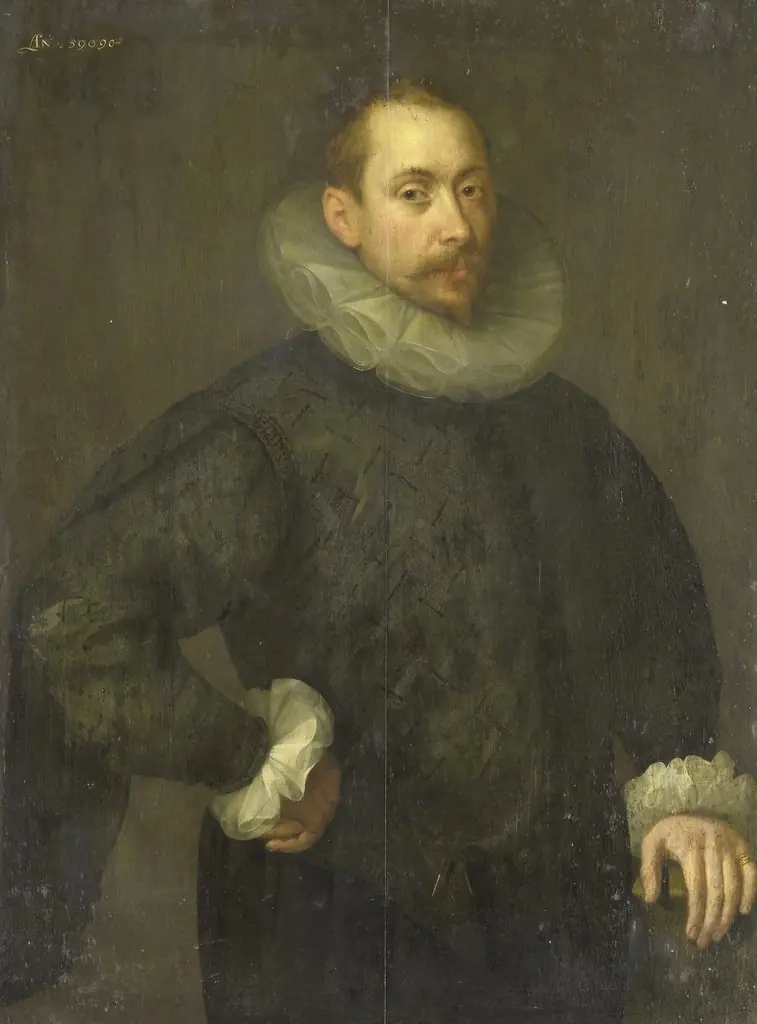 Portrait of Jean Fourmenois
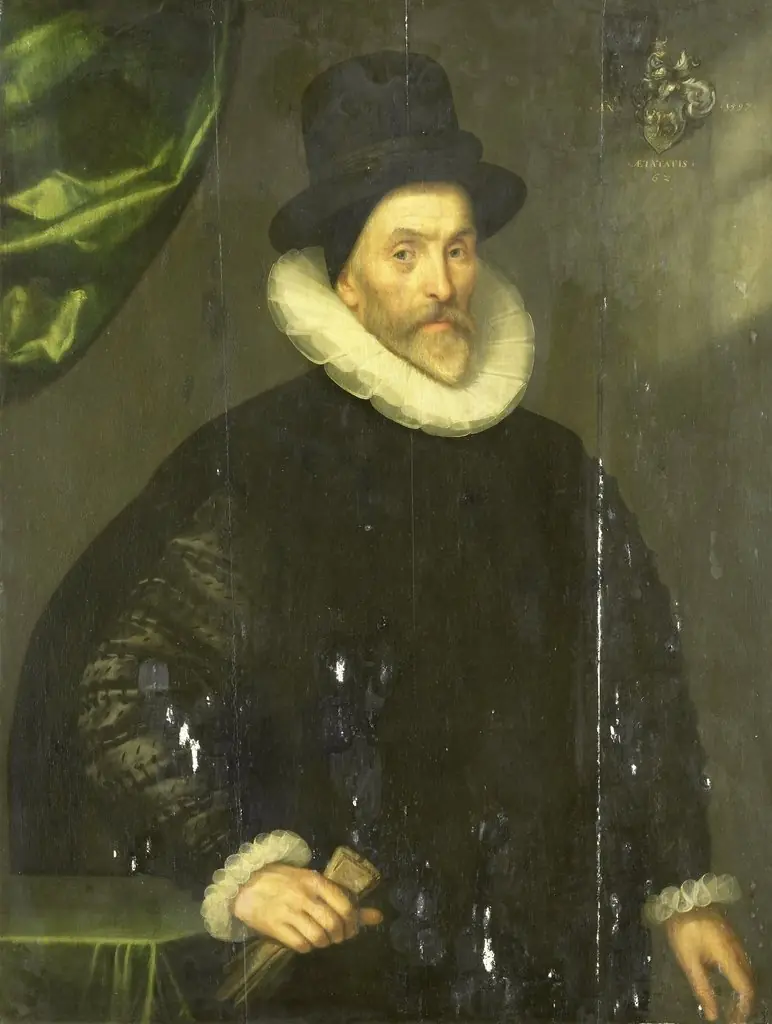 Portrait of Gualtero del Prado
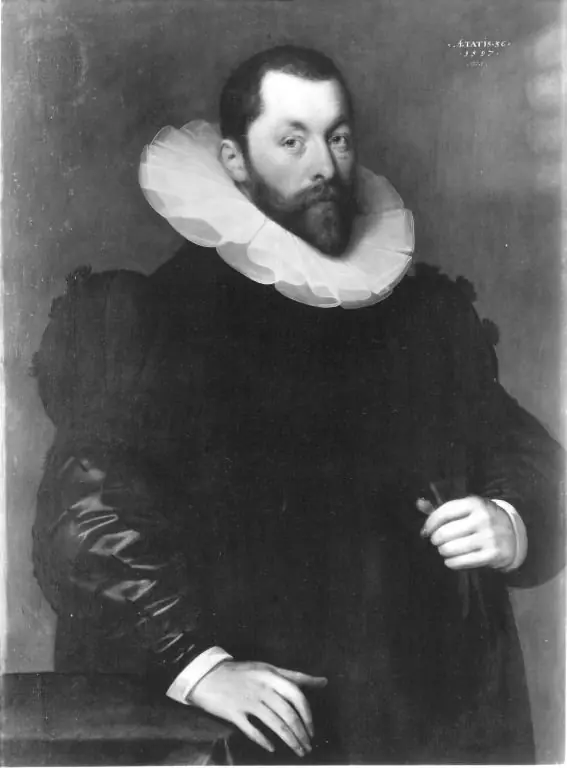 Bildnis eines Mannes
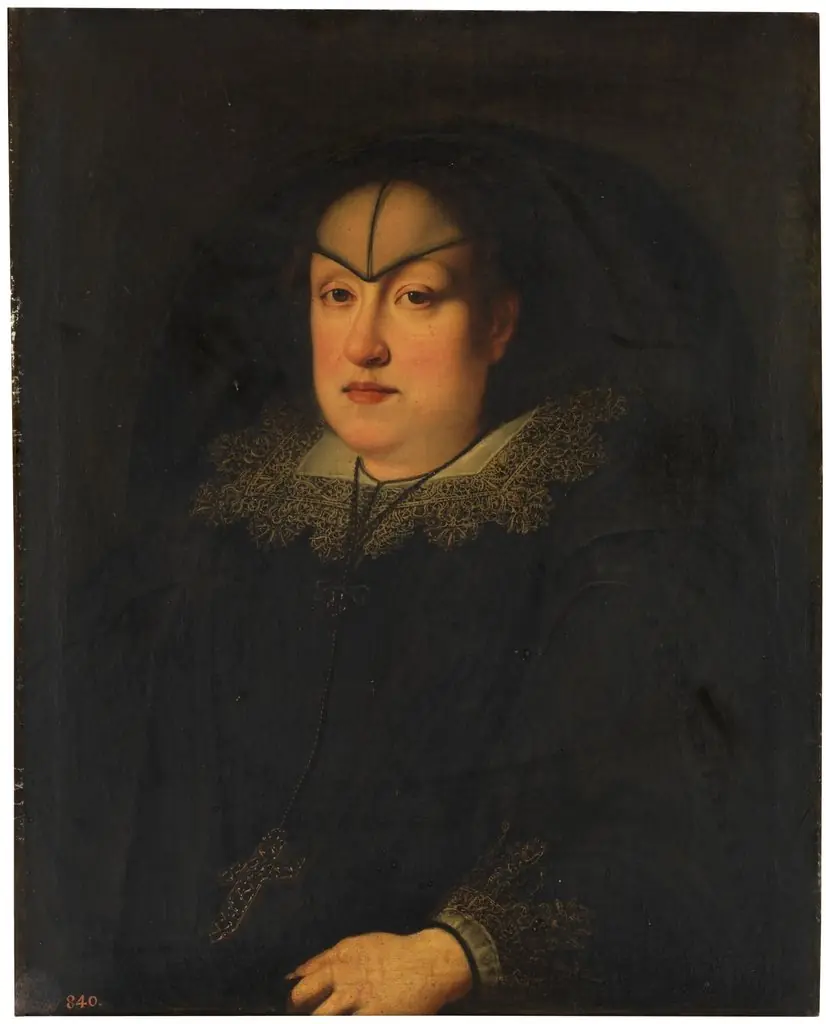
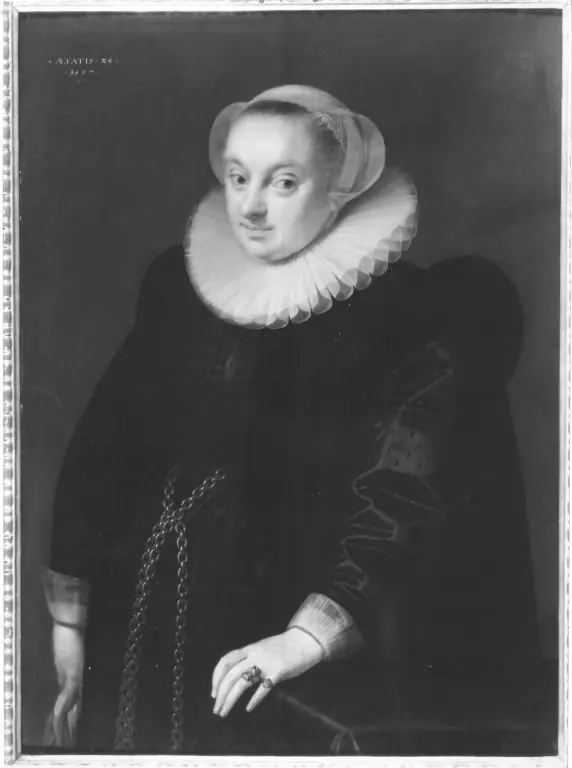 Portrait of a woman