Artwork
Harlequin
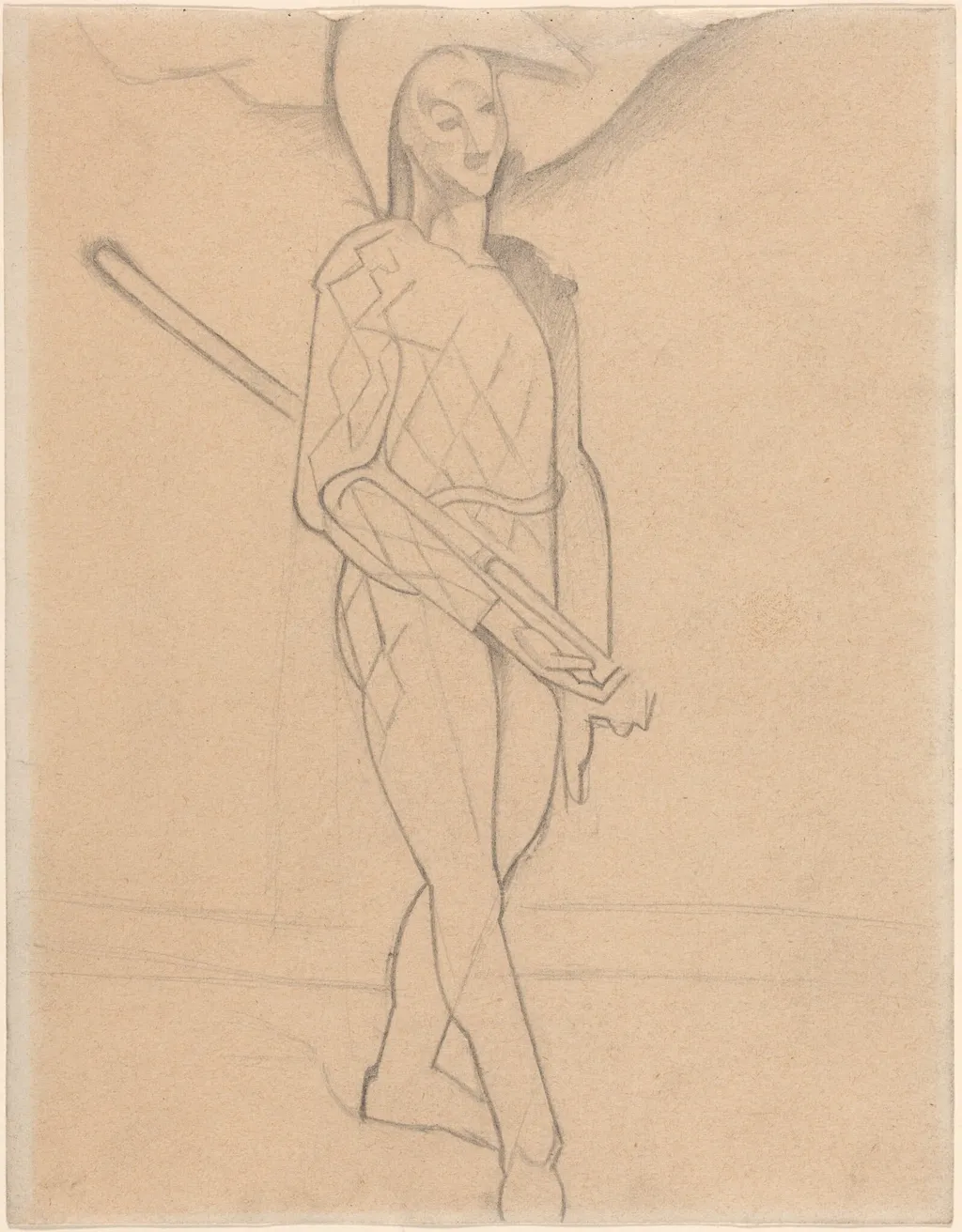
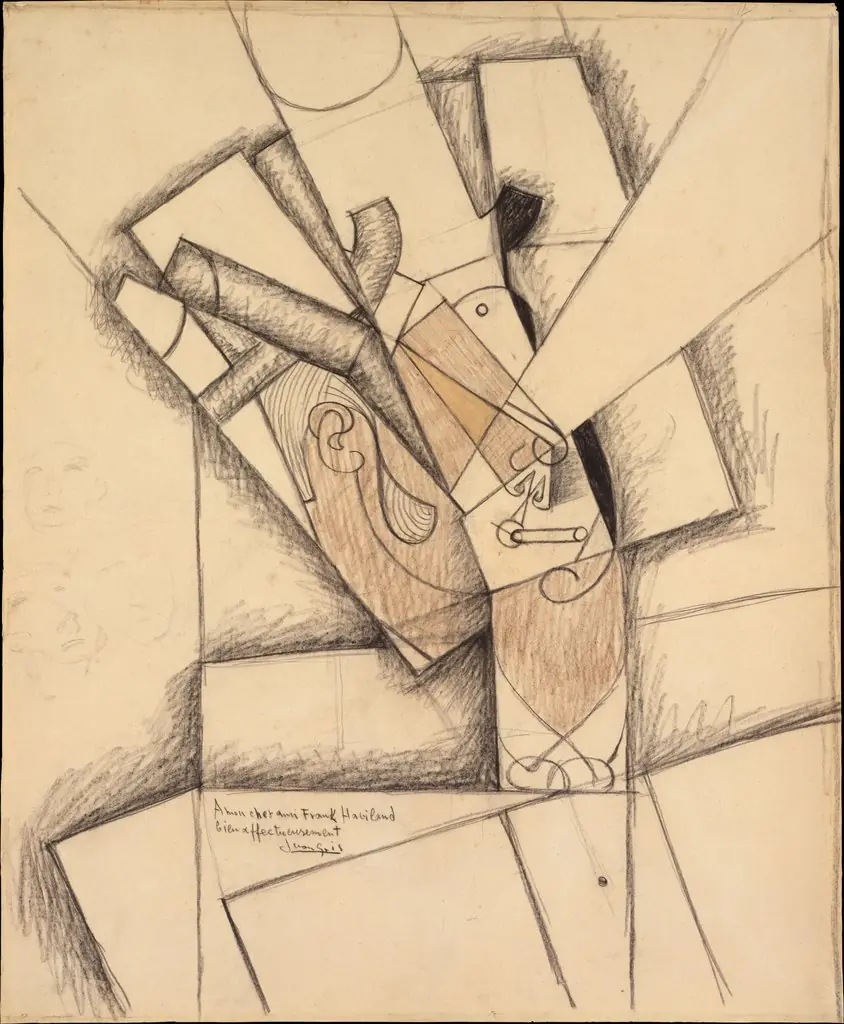
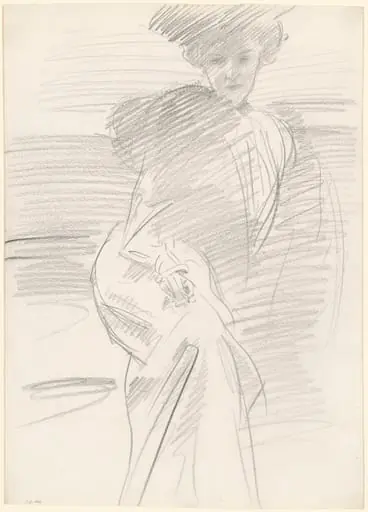
Harlequin is a graphite drawing by Juan Gris. It dates from 1916 and is held in the collection of the National Gallery of Art.
- Inscription
- Inscribed:by later hands, upper left verso in graphite: 11029 / 014561. / Verso 5997; by later hand, lower right verso in graphite: 32
About this work
Overview
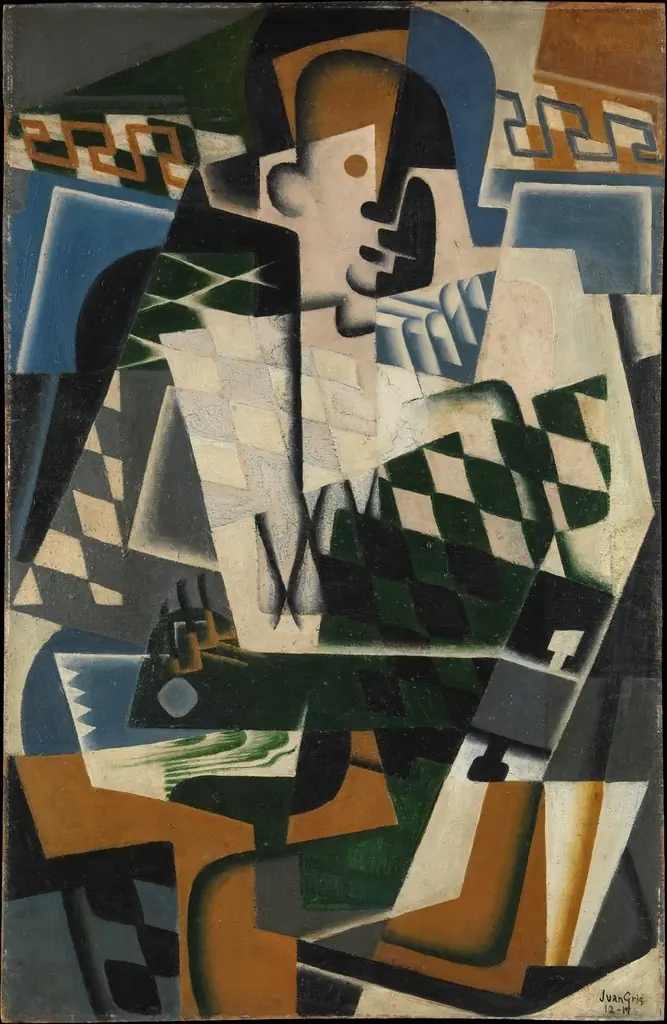
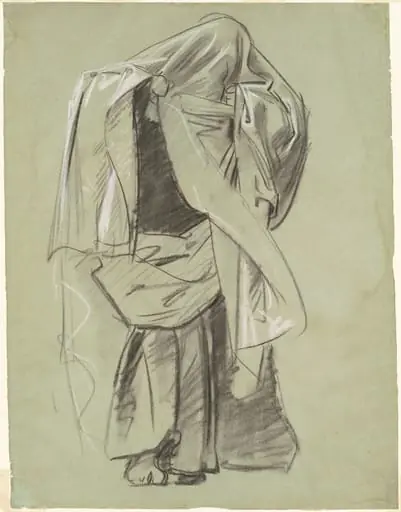
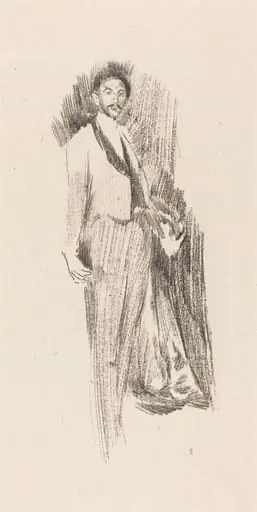
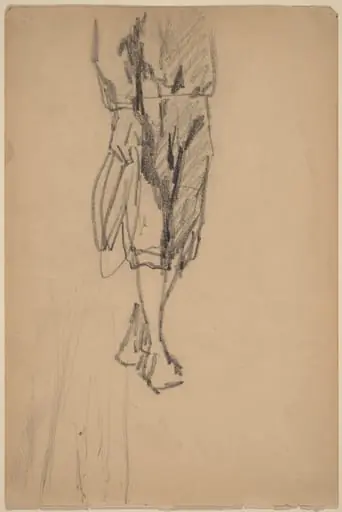
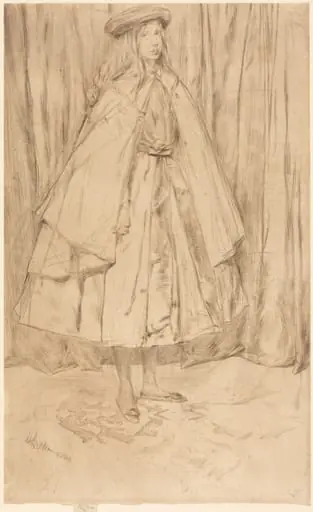
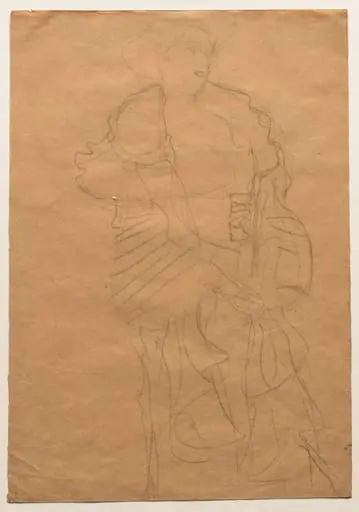
Harlequin is a 1916 drawing by Juan Gris, executed in graphite on wove paper. The work presents a solitary figure dressed in the traditional diamond‑patterned costume of a harlequin, complete with a wide‑brimmed hat. The composition is set against a muted, light‑brown background, emphasizing the figure’s quiet posture and contemplative gaze.
Subject & Meaning
The drawing captures a harlequin in a moment of introspection: the right hand holds a slender object, while the left elbow bends and the hand rests on the hip. The figure’s head tilts slightly to the right and the eyes look downward, suggesting a pause for thought rather than theatrical performance.
Technique & Style
Gris employs graphite to render the costume’s geometric diamond motif and the subtle shading of the figure’s features. The use of wove paper provides a smooth surface that allows fine line work and precise tonal gradations, reflecting the artist’s Cubist interest in breaking forms into structured, planar elements.
History & Provenance
Born José Victoriano González‑Pérez in Madrid, the artist adopted the name Juan Gris after moving to France, where he became a prominent participant in the Cubist movement. Harlequin, created during his mature period, illustrates his continued exploration of geometric abstraction within a single‑figure drawing.
Own this work as a print
Artist & collection

Artist
José Victoriano González-Pérez, better known as Juan Gris, was a Spanish painter born in Madrid who lived and worked in France for most of his active period.