Artwork
Harlequin with a Guitar
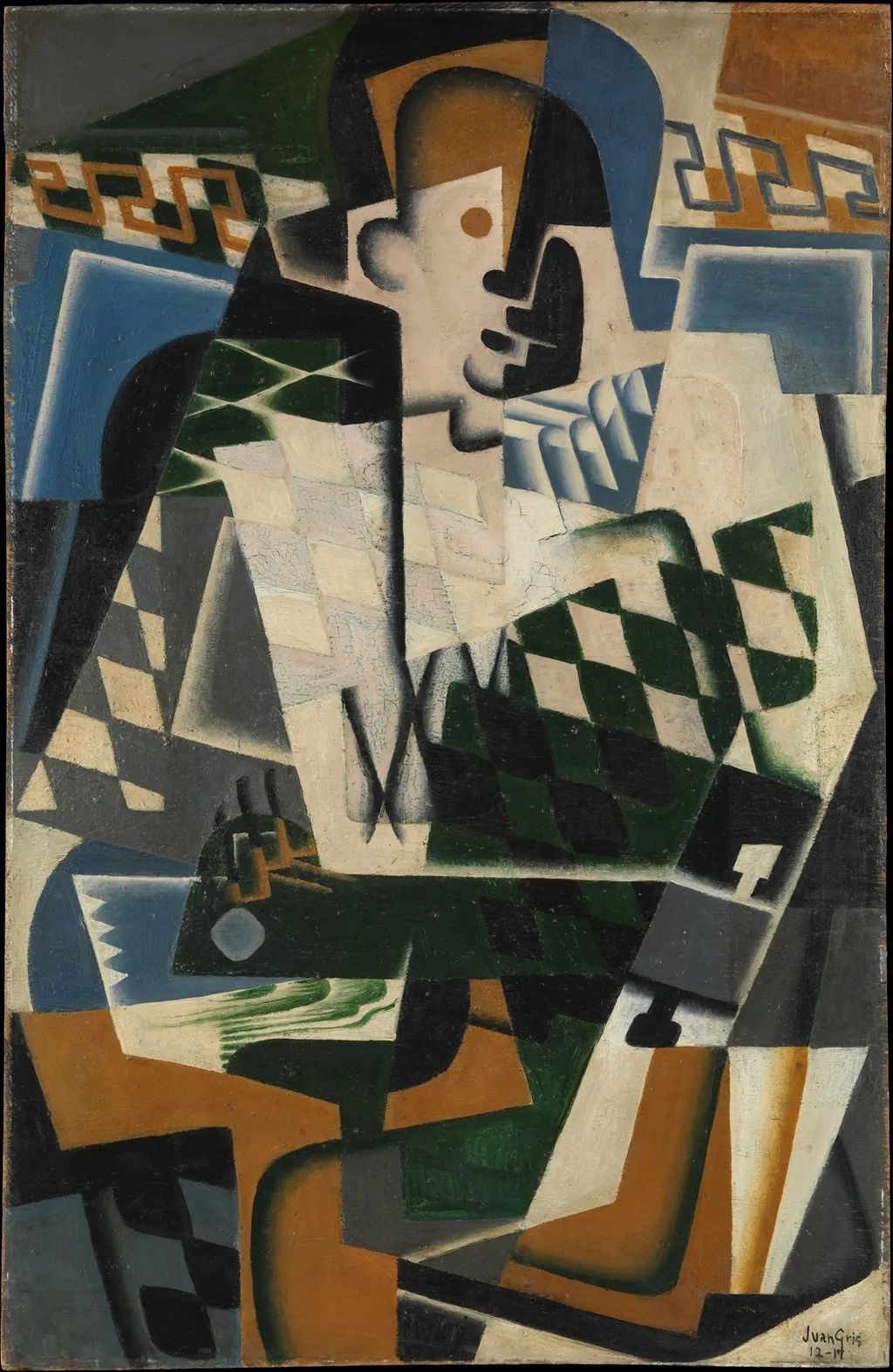
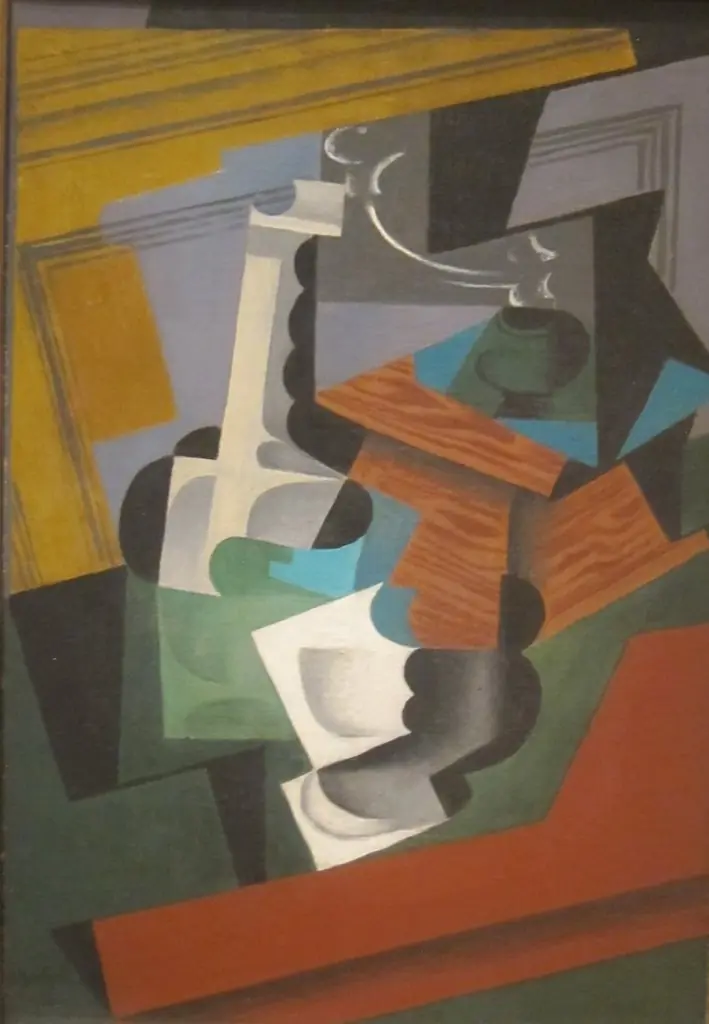
Harlequin with a Guitar is an oil painting by the Cubism Synthetic artist Juan Gris. It dates from 1917 and is held in the collection of the Metropolitan Museum of Art. Created in 1917, this oil on canvas depicts a harlequin holding a guitar.
About this work
Juan Gris painted Harlequin with a Guitar in 1917. It’s oil on canvas, so the colors sit on the surface. The work lives at The Metropolitan Museum of Art in New York.
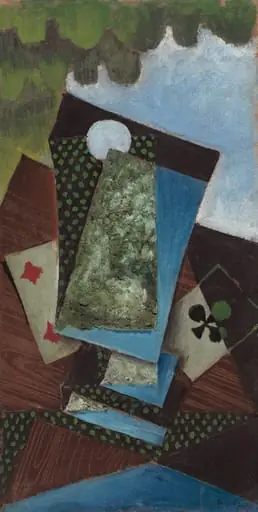
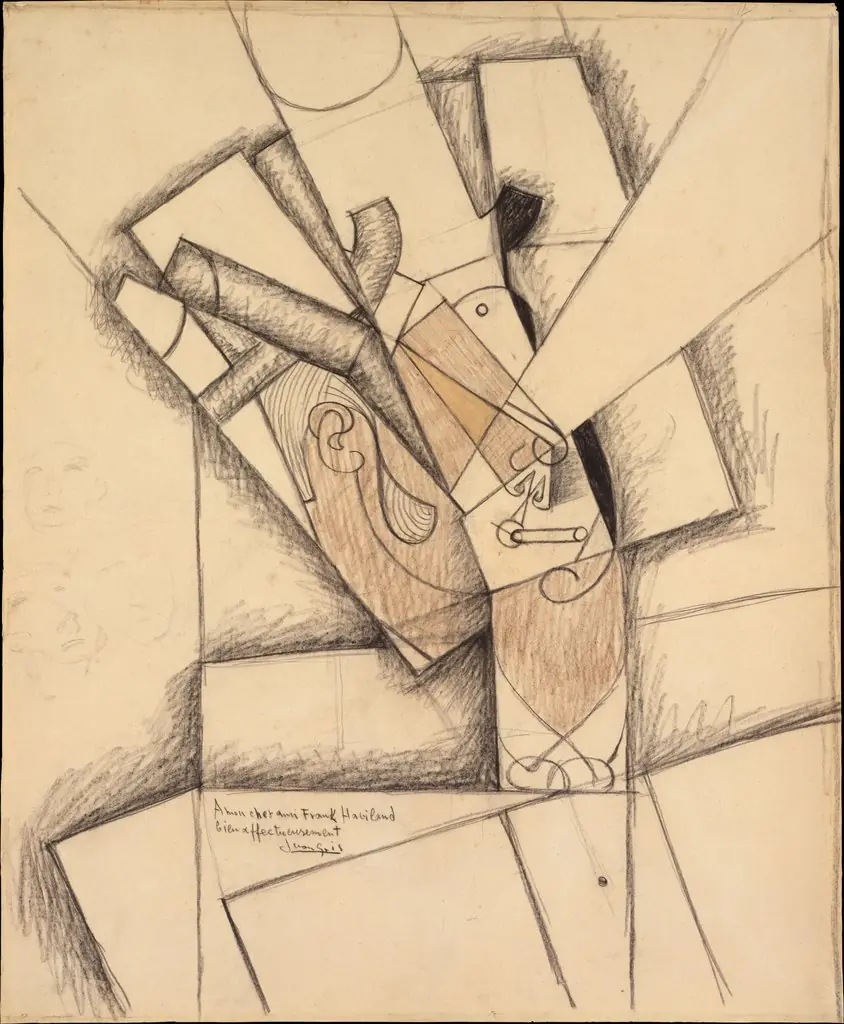
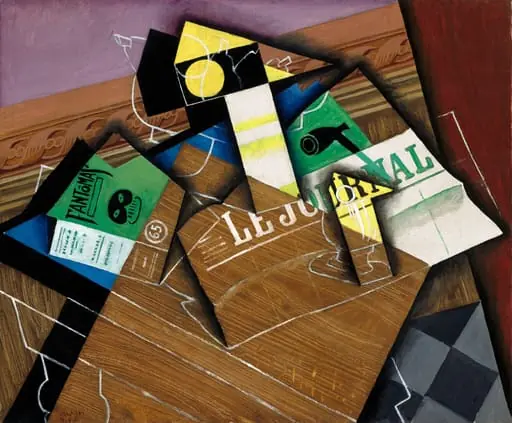
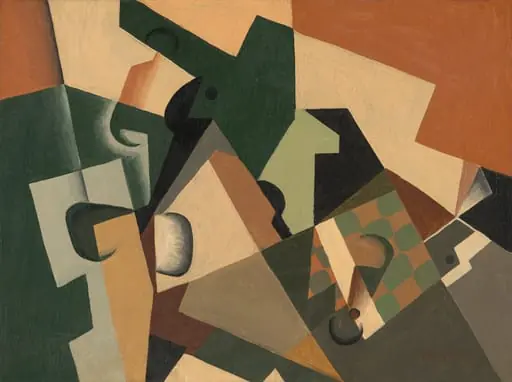
Cubism is in play here, shapes break and rearrange. The harlequin and guitar are still recognizable, but they’re bent into flat planes.
If cubism intrigues you, look up Juan Gris next.
Subject & Meaning
The subject is a harlequin, a figure drawn from the Italian commedia dell'arte, depicted in a checkered costume typical of that character.
The subject is a harlequin, a figure drawn from the Italian commedia dell'arte, depicted in a checkered costume typical of that character. Gris renders the harlequin holding a guitar, a motif that links the traditional comic role to modern musical life. The composition's planar facets and intersecting lines, characteristic of Cubism, fragment the figure and object into facets rather than depicting them naturalistically.
In Gris's Cubist vocabulary, the harlequin's costume pattern and the geometry of the guitar become part of a unified, abstract design. The work does not narrate a scene but instead explores the interplay of form, color, and structure, using the harlequin as a formal device to test the limits of representation.
Technique & Style
Harlequin with a Guitar is an oil painting executed on a panel support by Juan Gris in 1917. The work measures 101 cm in height and 65.1 cm in width. Stylistically, the piece depicts the harlequin figure with his characteristic checkered costume through Cubist fragmentation.
This subject was a favored theme for the artist, who portrayed the character in approximately forty works between 1917 and 1925. The painting is currently held in the collection of the Metropolitan Museum of Art in New York.
History & Provenance
Juan Gris painted Harlequin with a Guitar in 1917 in oil on panel, measuring 101 cm by 65.1 cm. The Metropolitan Museum of Art acquired the work in 2008, where it is catalogued under accession number 2008.108.1. No earlier ownership details are publicly documented in the available sources. The painting is one of roughly forty harlequin depictions Gris executed between 1917 and 1925, reflecting his sustained interest in theatrical and carnival subjects.
Context
Harlequin with a Guitar (1917) is a pivotal example of Juan Gris's synthesis of Cubist fragmentation and figurative symbolism, reflecting his engagement with Spanish artistic traditions while advancing avant-garde experimentation. The work's recurring harlequin motif, explored across roughly forty pieces between 1917 and 1925, underscores the artist's fascination with theatricality and identity, positioning it within broader Cubist dialogues about representation. Its acquisition by the Metropolitan Museum of Art in 2008 cemented its significance within institutional collections, highlighting its role in contextualizing Gris's contribution to early 20th-century modernism.
Overview
Created in 1917, this oil on canvas depicts a harlequin holding a guitar. The composition reflects the analytical phase of Cubism, fragmenting the figure into interlocking planes while preserving enough detail for the subject to remain identifiable. The painting is part of the permanent collection of the Metropolitan Museum of Art in New York.
Own this work as a print
Artist & collection

Artist
José Victoriano González-Pérez, better known as Juan Gris, was a Spanish painter born in Madrid who lived and worked in France for most of his active period.