Artwork
Apoll schindet Marsyas
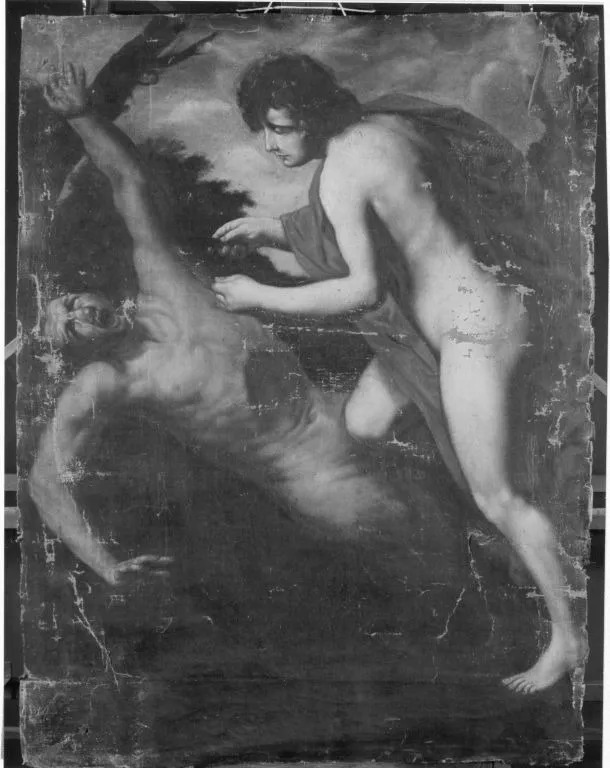
Apoll schindet Marsyas is an unspecified painting by the Early Baroque Italian artist Guido Reni. It dates from 1608 and is held in the collection of the Bavarian State Painting Collections.
About this work
Subject & Meaning
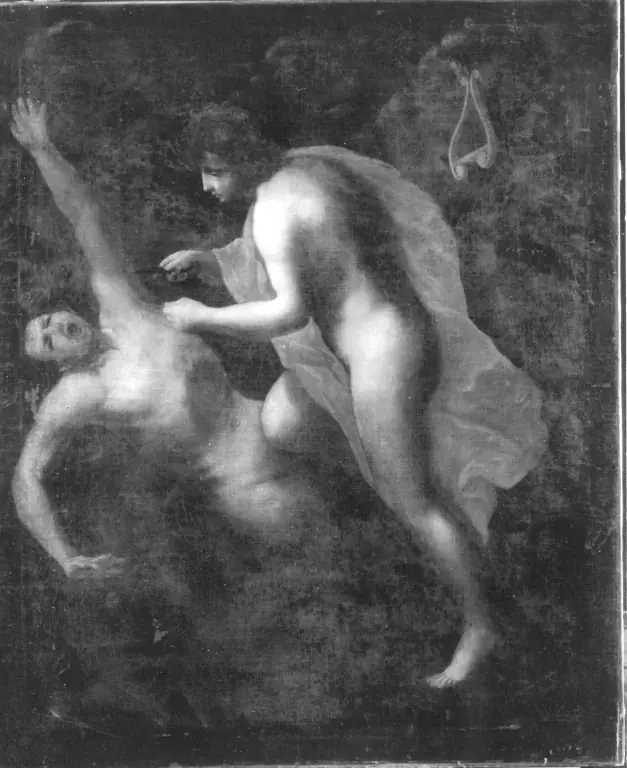
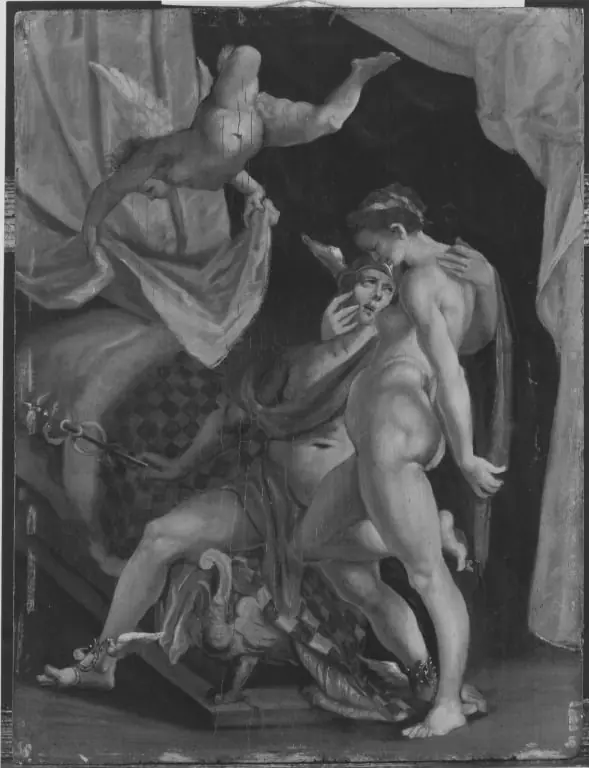
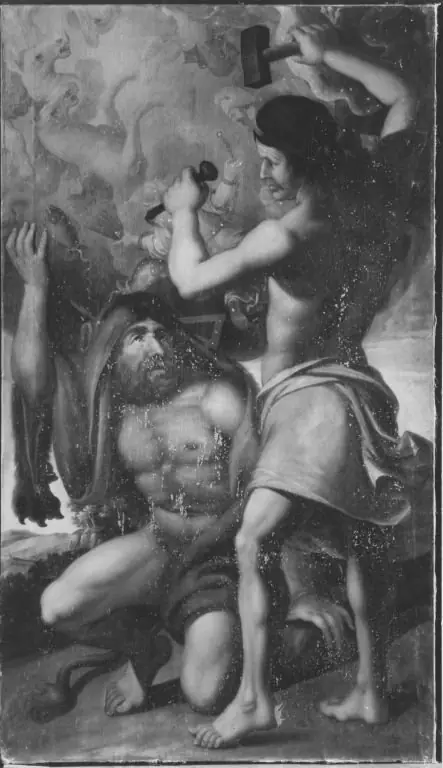
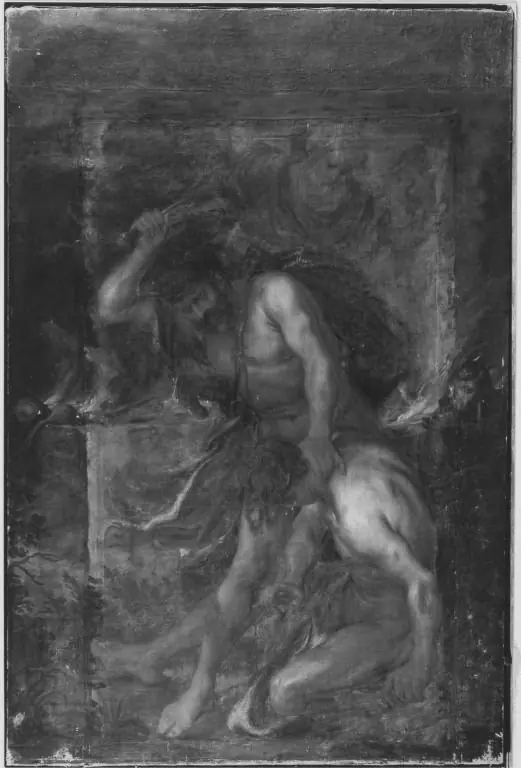
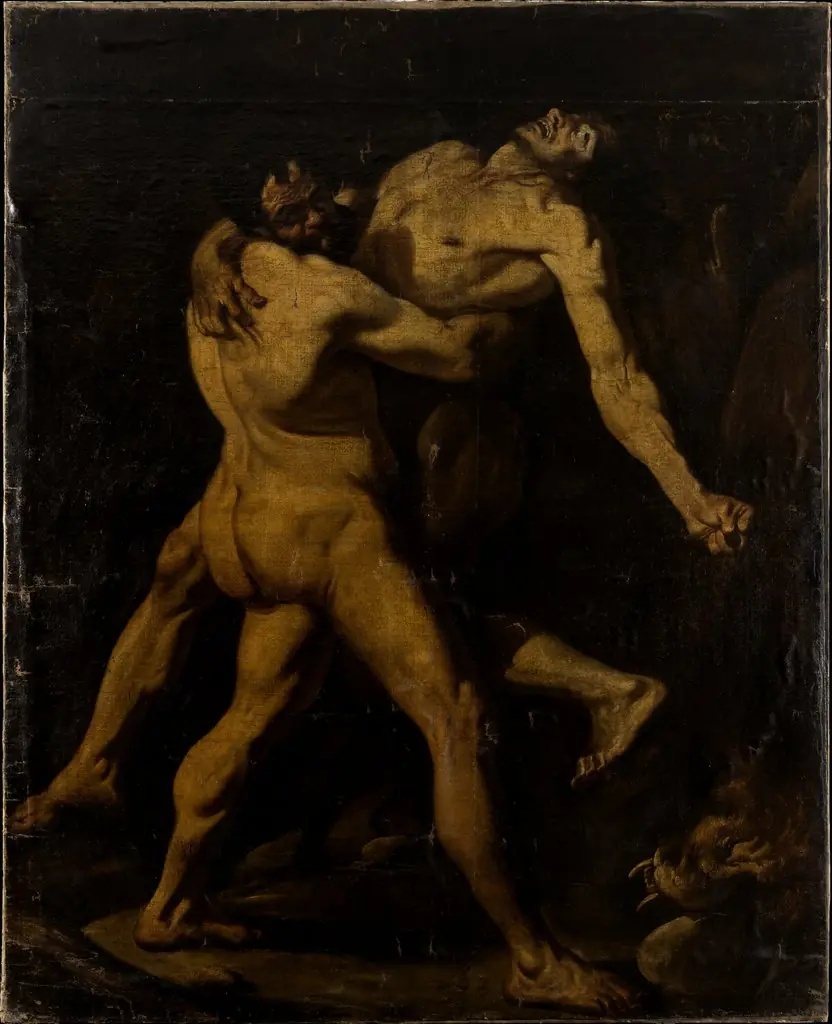
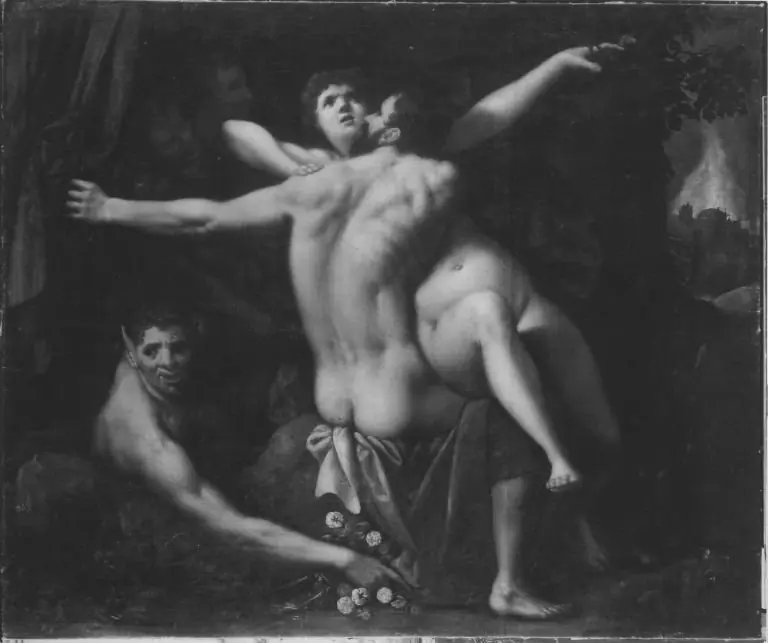
The artwork depicts the mythological episode of Apollo flaying Marsyas. The scene captures the climax of the contest between the two figures, wherein the god Apollo punishes the satyr Marsyas for his hubris by skinning him alive. This violent subject matter serves as a classical allegory for the triumph of divine order and high art over mortal arrogance and base passion.
History & Provenance
A copy after Reni's composition is held by the Bavarian State Painting Collections and housed at the Alte Pinakothek.
The painting "Apoll schindet Marsyas" is attributed to Guido Reni and dated to 1608. A copy after Reni's composition is held by the Bavarian State Painting Collections and housed at the Alte Pinakothek. The work measures 124 cm in height and 92.5 cm in width.
The painting is held by the Bavarian State Painting Collections and is on view at the Alte Pinakothek in Munich. Dated 1608, the work measures 124 cm in height by 92.5 cm in width.
No specific accession number or exhibition history is recorded in the available sources.
Context
The work Apoll schindet Marsyas is a Baroque painting by Guido Reni created in 1608, depicting the mythological scene of Apollo striking the satyr Marsyas. It is housed in the Alte Pinakothek as part of the Bavarian State Painting Collections, reflecting the museum's focus on major European masters. Scholarship highlights Reni's influential role in shaping 17th-century narrative painting, with this piece exemplifying his synthesis of classical themes and dynamic composition.
The work's provenance and display context underscore its significance within the broader trajectory of Baroque art and its reception in modern museum practice.
Overview
Created in 1608, this oil painting by Guido Reni portrays the mythic encounter between Apollo and the satyr Marsyas. The work is part of the collection of Munich’s Alte Pinakothek, where it is displayed among other Baroque masterpieces.
Technique & Style
Reni employs a stark chiaroscuro, illuminating one side of the figures while the opposite remains in deep shadow, thereby intensifying the drama. The contrast between the shirtless, muscular Apollo and the half‑clothed, contorted Marsyas underscores the physical and emotional conflict.
Artist & collection
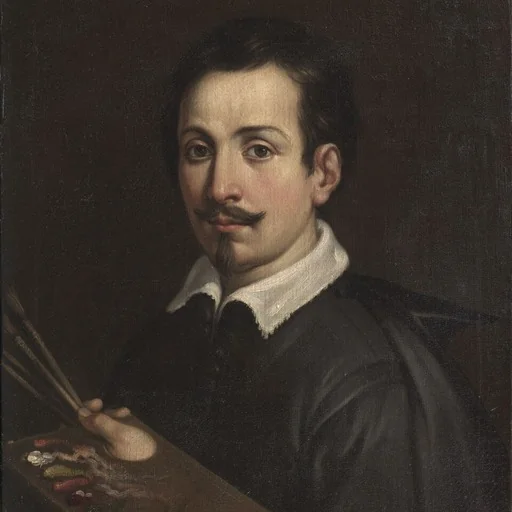
Artist
Guido Reni was an Italian Baroque painter, although his works showed a classical manner, similar to Simon Vouet, Nicolas Poussin, and Philippe de Champaigne.