Artwork
The Immaculate Conception
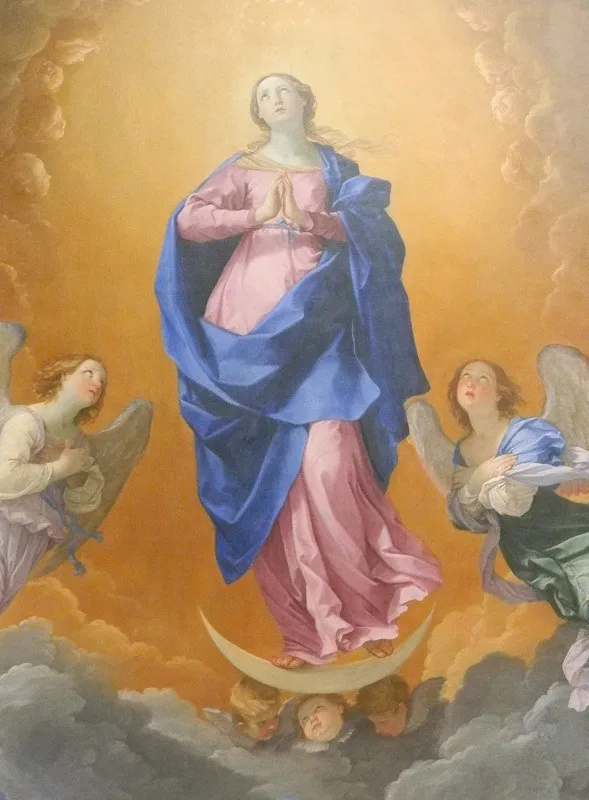
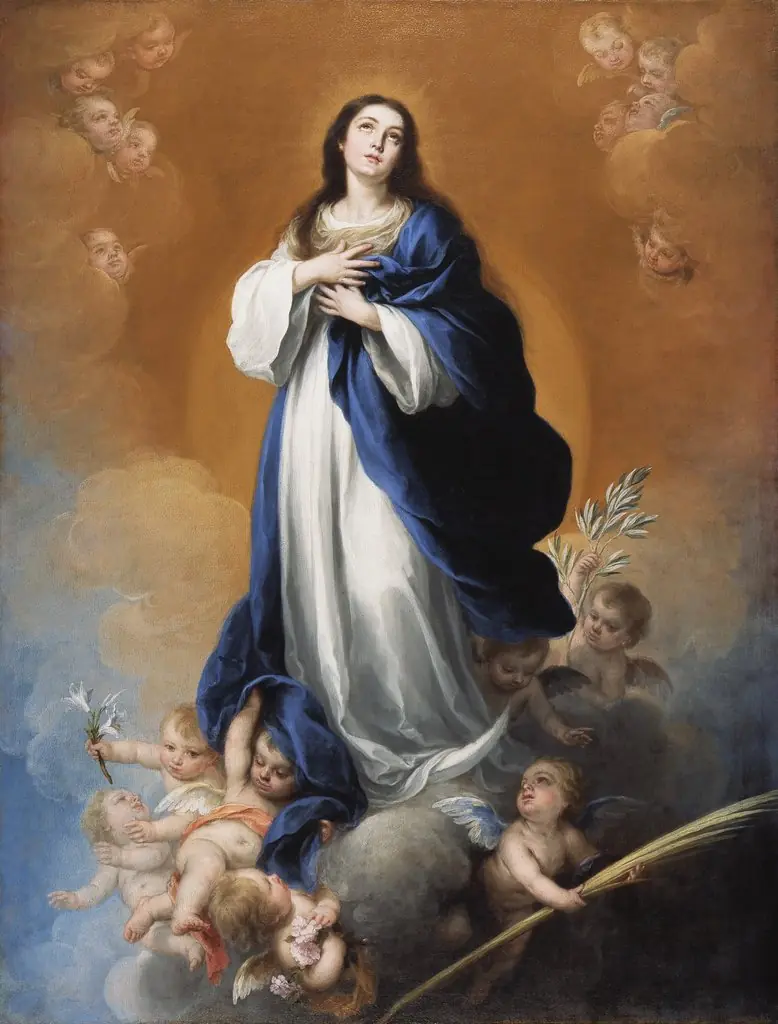
The Immaculate Conception is an oil painting by the Early Baroque Italian artist Guido Reni. It dates from 1627 and is held in the collection of the Metropolitan Museum of Art.
About this work
Subject & Meaning
As a piece of religious genre painting, the artwork serves to represent the specific dogma that Mary was preserved from sin from the moment of her conception.
Guido Reni's 1627 oil painting, The Immaculate Conception, depicts the theological doctrine of the Virgin Mary's conception without original sin. The work's main subject is explicitly identified as the Immaculate Conception of Mary, a central theme in religious art. Iconographically, the composition features the Virgin Mary accompanied by angels, visualizing her purity and divine status.
As a piece of religious genre painting, the artwork serves to represent the specific dogma that Mary was preserved from sin from the moment of her conception. The inclusion of angelic figures reinforces the celestial nature of the event and the honor bestowed upon Mary within the Catholic tradition. Created in the early 17th century, the painting utilizes the medium of oil on canvas to render this significant religious narrative for the viewer.
Technique & Style
The Immaculate Conception by Guido Reni (1627) is an oil painting executed on canvas, measuring roughly 268 × 185 cm. The work belongs to the religious genre and was created in Rome during the Baroque period. Reni’s technique combines smooth, almost translucent brushstrokes with delicate chiaroscuro, allowing the figure of the Virgin Mary to emerge gently from a luminous sky populated by angels. The composition emphasizes graceful linearity and a harmonious balance of light and color, characteristic of Reni’s classicizing style. The painting’s condition remains stable, with the original canvas support intact and the varnish layer largely unchanged.
History & Provenance
The Immaculate Conception is an oil on canvas painting executed by Guido Reni in 1627. According to the work’s catalogue entry, the piece was completed in that year and originally associated with the artist’s religious output. It entered the collection of the Metropolitan Museum of Art, where it remains on view, and the museum’s records identify it as part of the museum’s holdings.
The painting depicts the Virgin Mary surrounded by angels, a composition that reflects Reni’s mature style in the early Baroque period. Its dimensions measure 268 cm by 185.4 cm, and the work is catalogued under the main subject “Immaculate Conception of Mary.”
The Immaculate Conception by Guido Reni is housed in the collection of the Metropolitan Museum of Art in New York. According to the available documentation, the painting’s accession number is not specified, and no exhibition history is recorded in the sources consulted. The work, measuring 268 cm by 185.4 cm, depicts an angel and the Virgin Mary and remains part of the museum’s permanent holdings. It is classified as a religious painting.
Overview
Guido Reni's The Immaculate Conception, an oil painting from 1627, depicts the Virgin Mary in a celestial setting. This religious work is part of The Metropolitan Museum of Art's collection. The composition features Mary ascending amidst clouds, accompanied by angelic figures, embodying a moment of divine purity and grace. The artist's approach emphasizes a serene and idealized vision of the sacred subject.
Artist & collection

Artist
Guido Reni was an Italian Baroque painter, although his works showed a classical manner, similar to Simon Vouet, Nicolas Poussin, and Philippe de Champaigne.

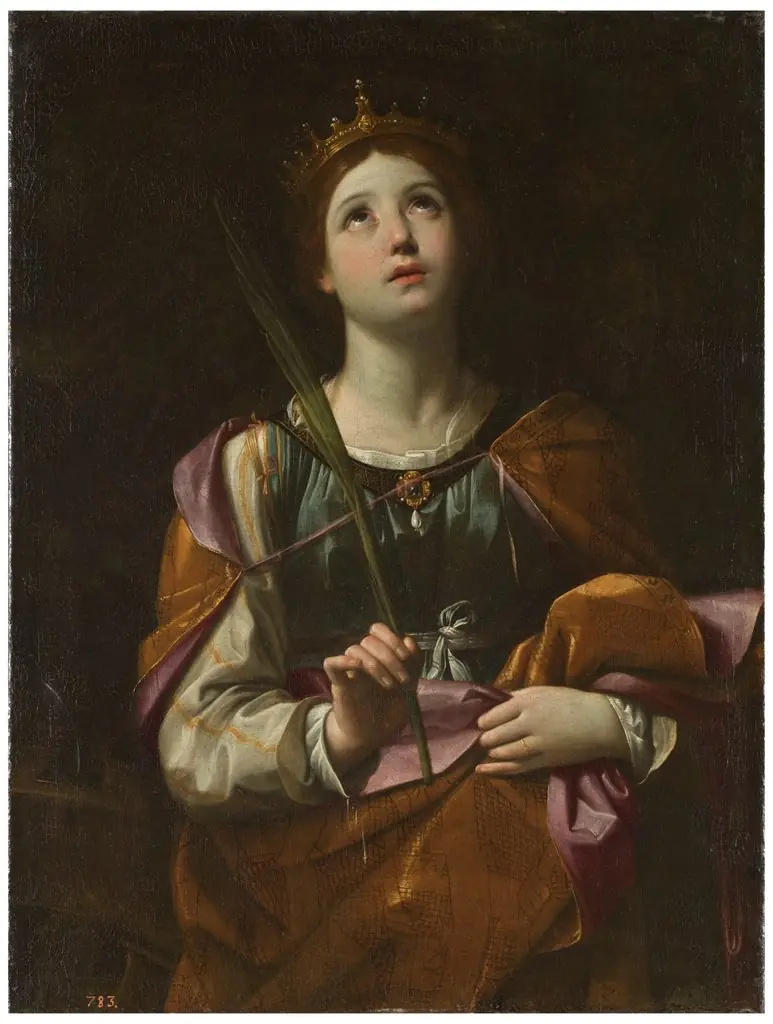
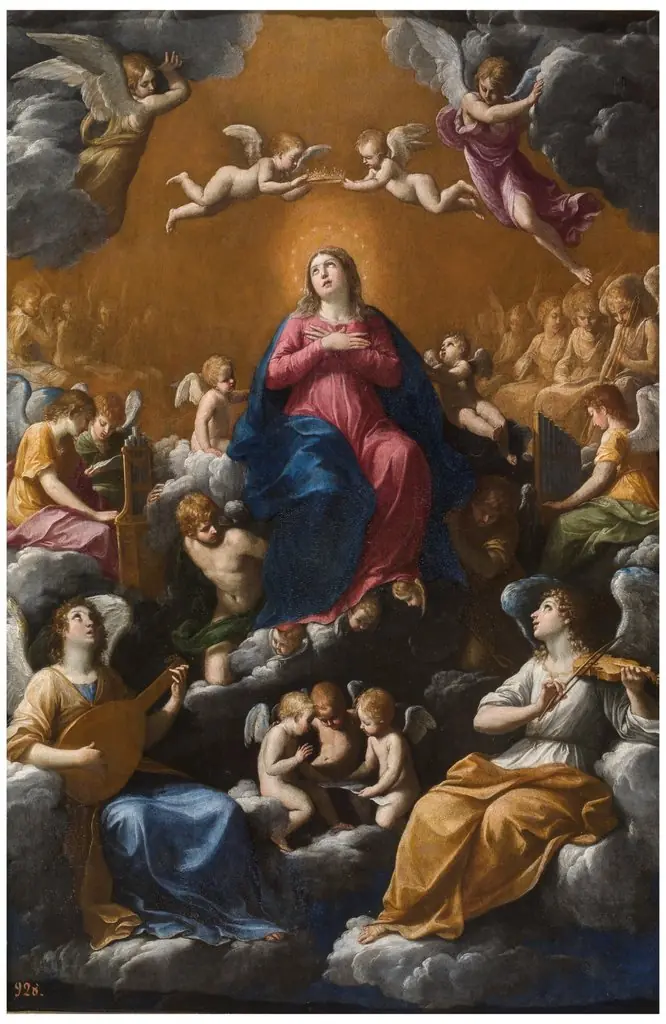
- The Immaculate Conception
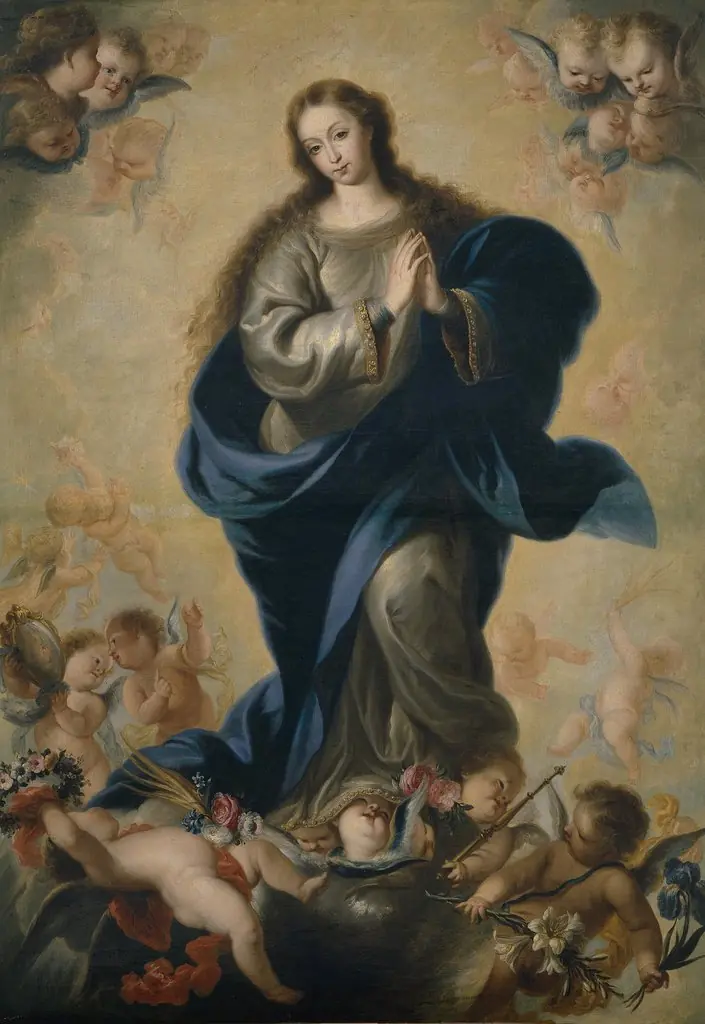 The Immaculate Conception
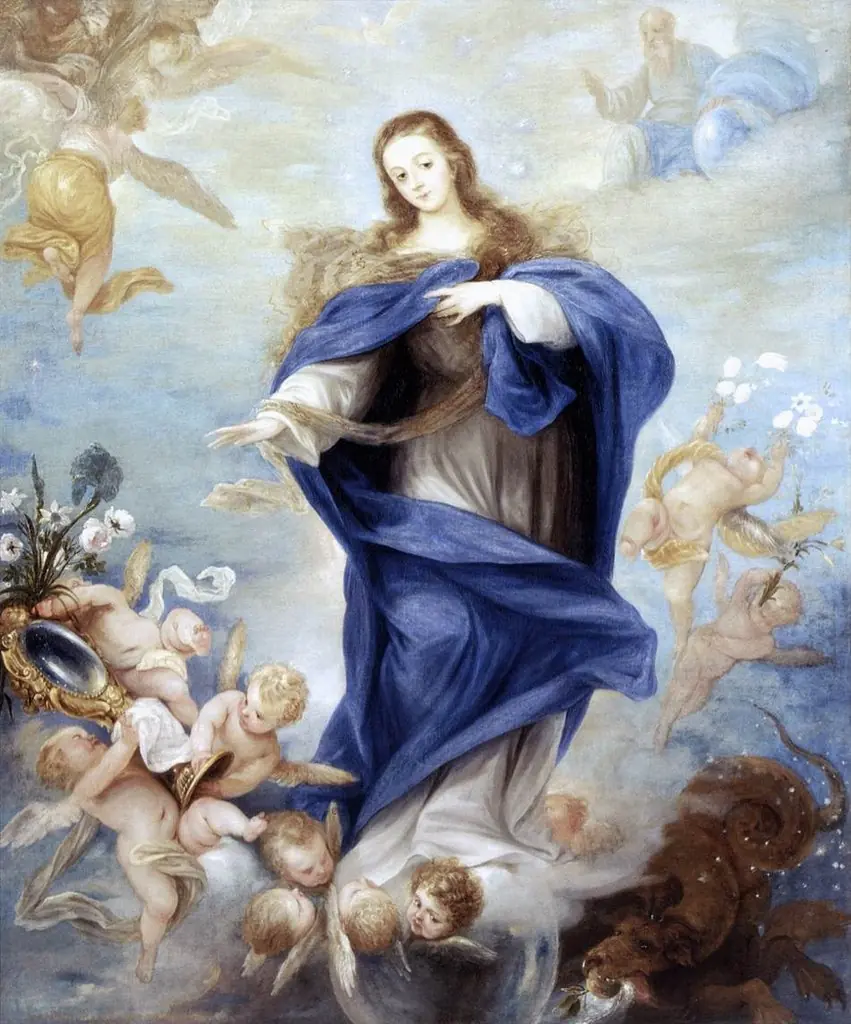 The Immaculate Conception
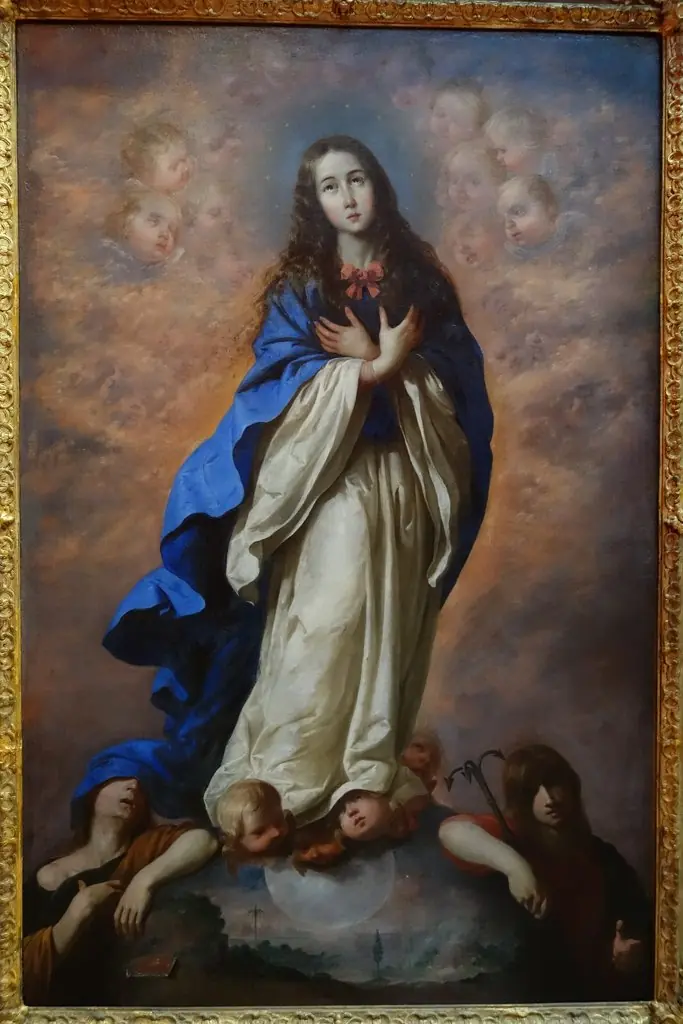 The Immaculate Conception
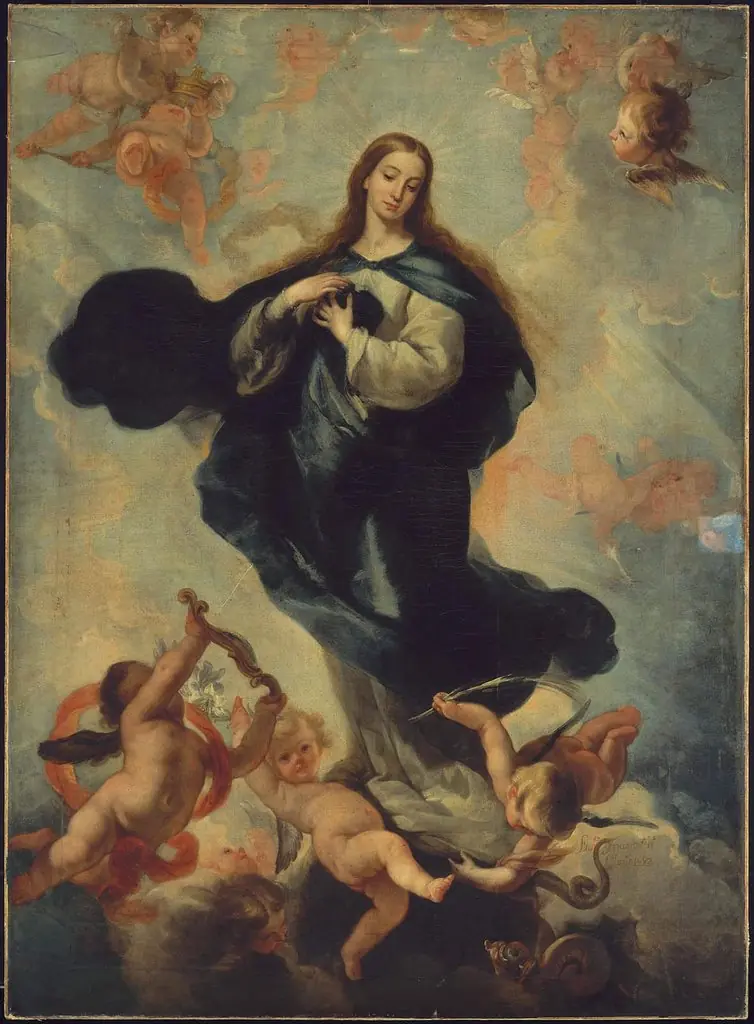 The Virgin of the Immaculate Conception
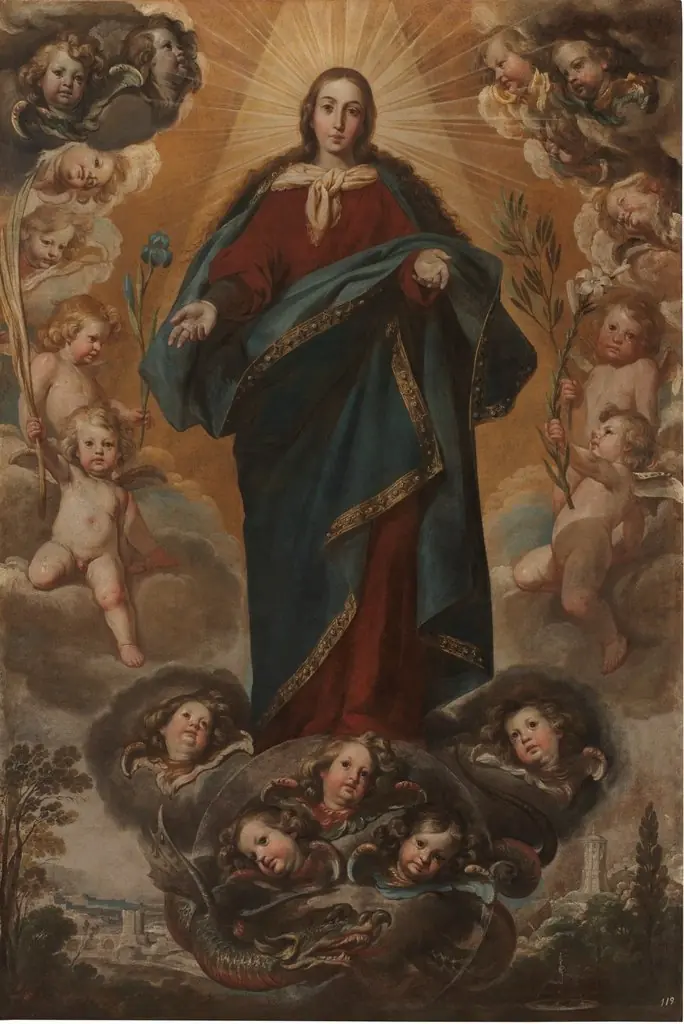 The Immaculate Conception
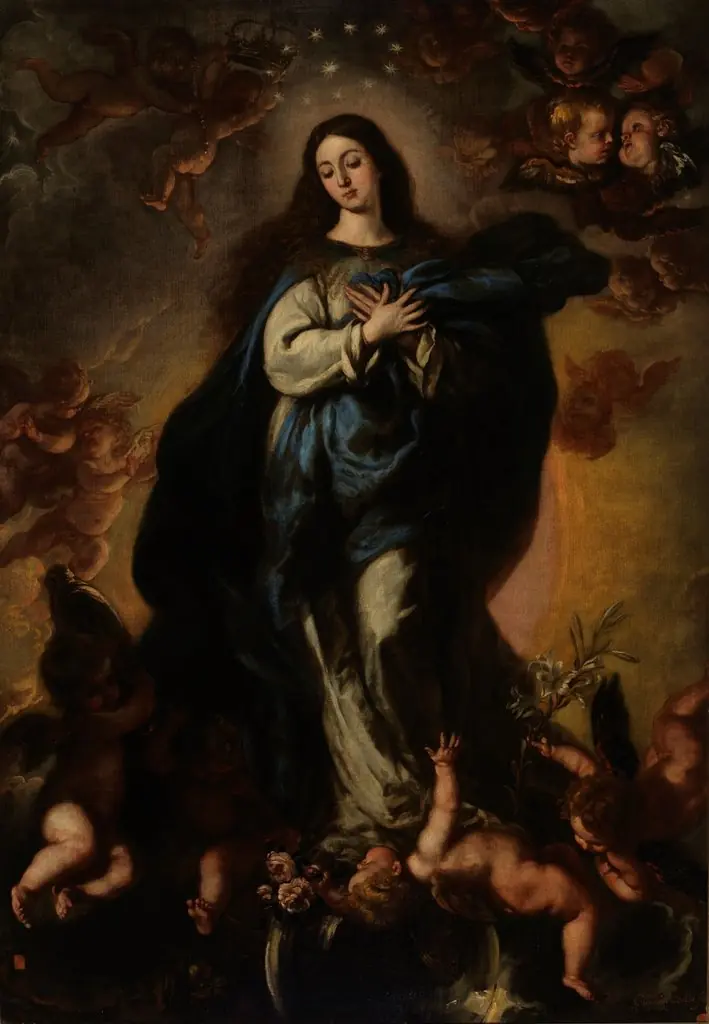 The Immaculate Conception
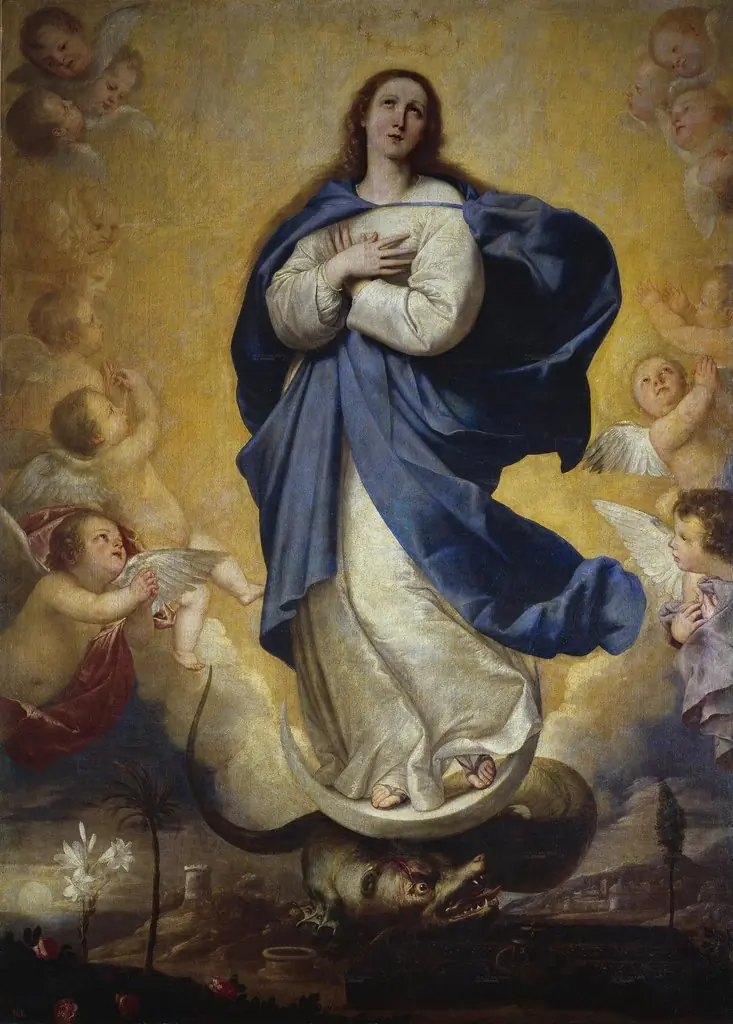 The Immaculate Conception
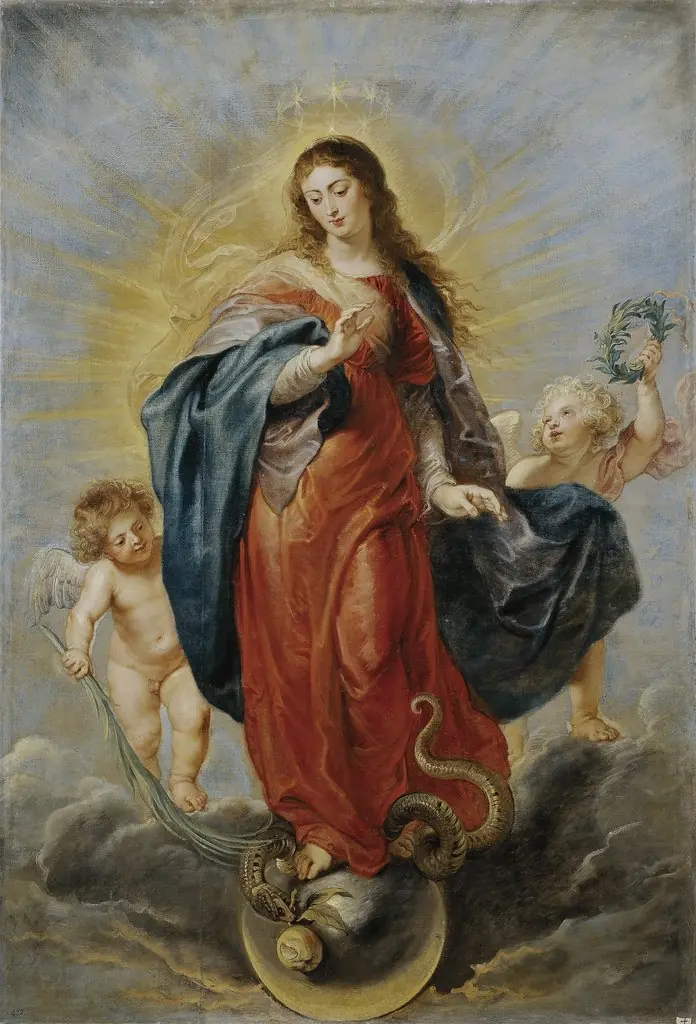 The Immaculate Conception
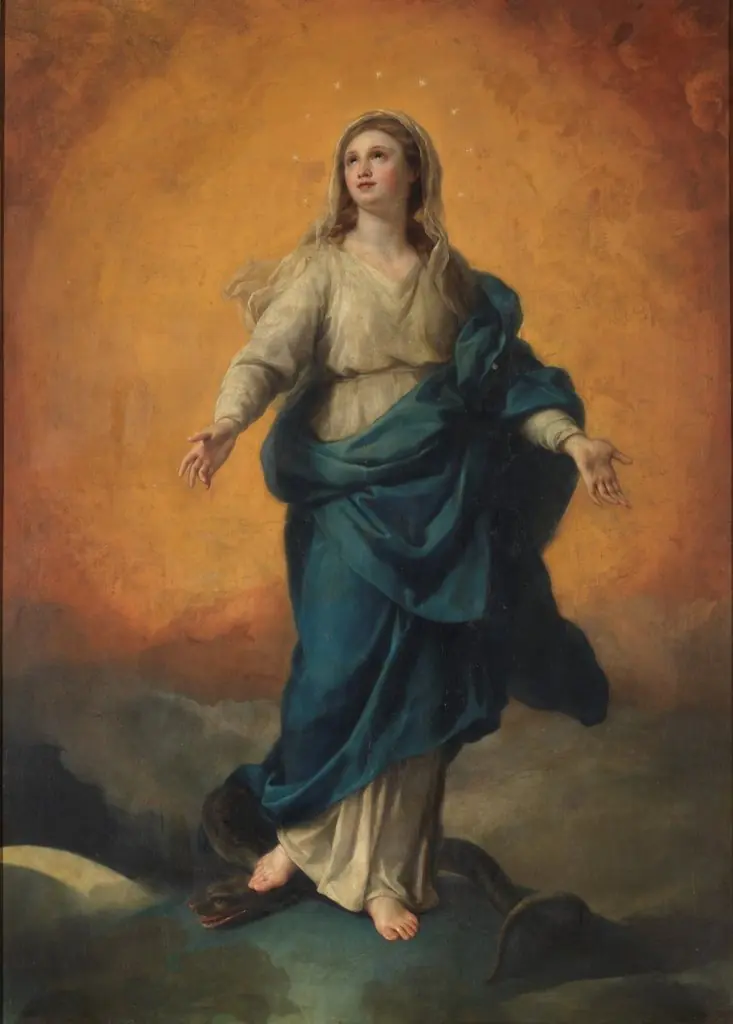 The Immaculate Conception
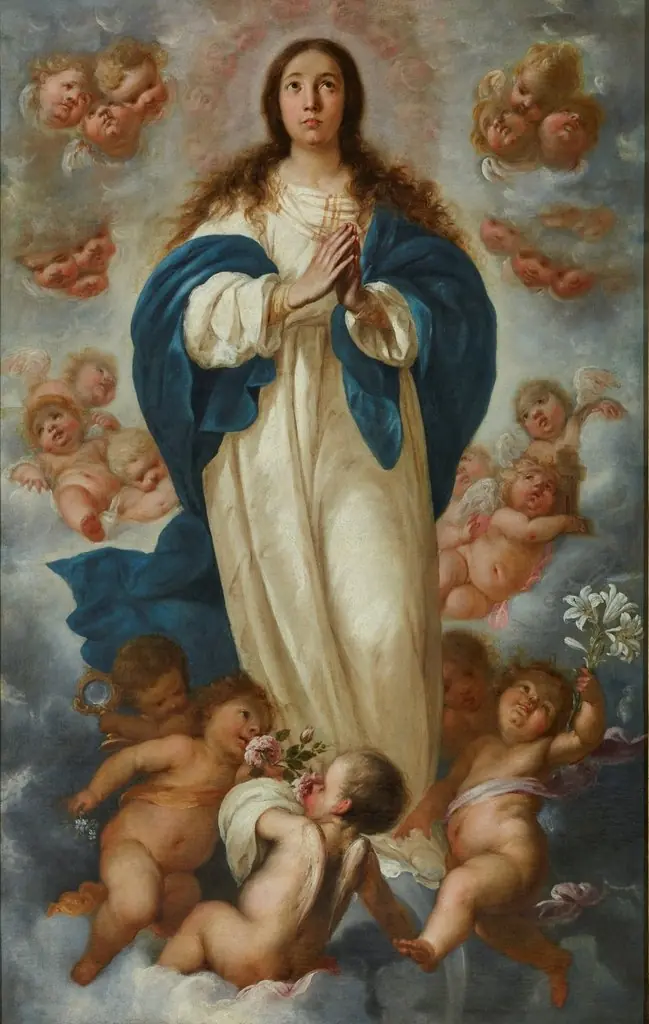 The Immaculate Conception
 The Immaculate Conception