Artwork
Adoration of the Magi
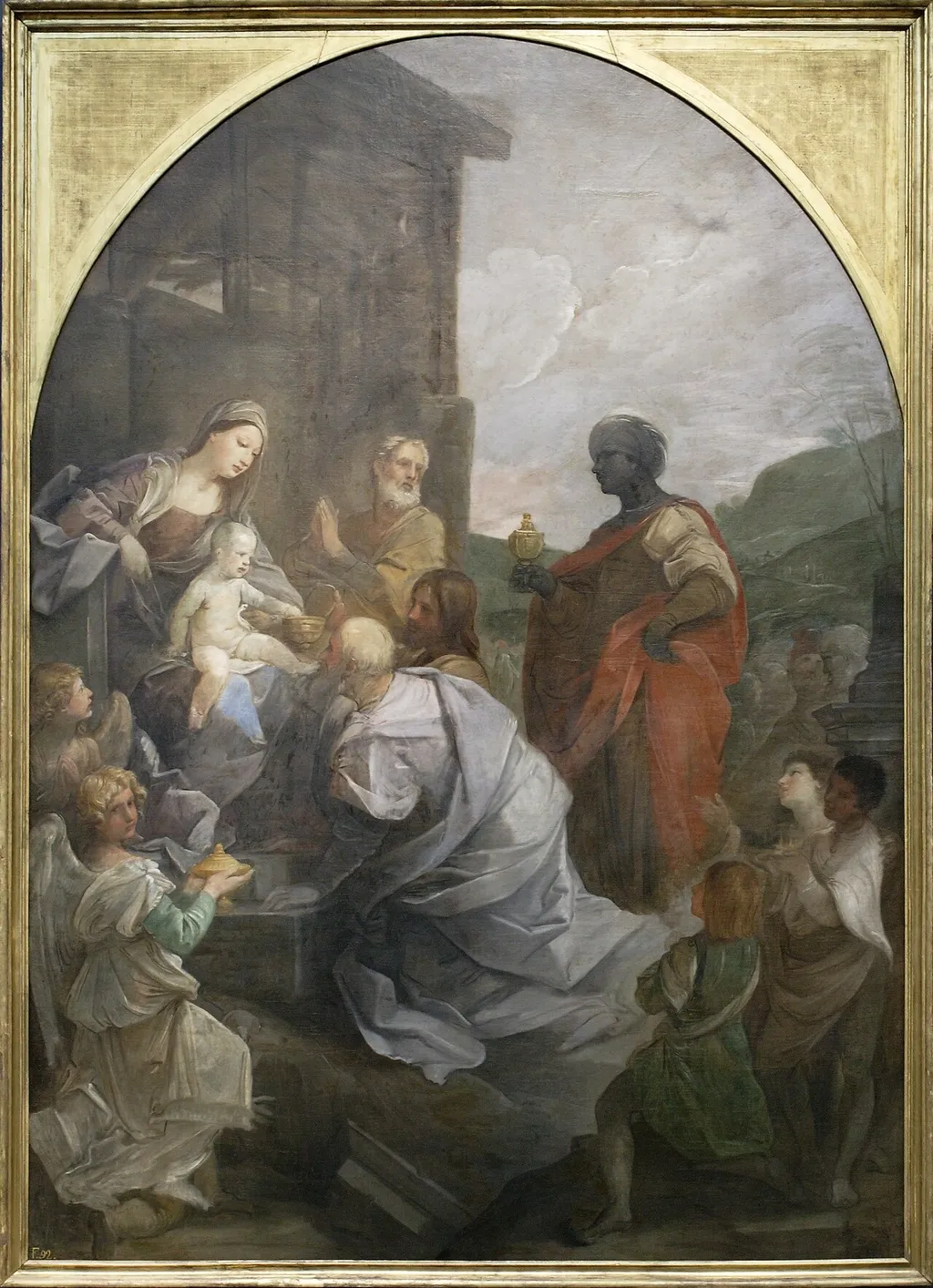
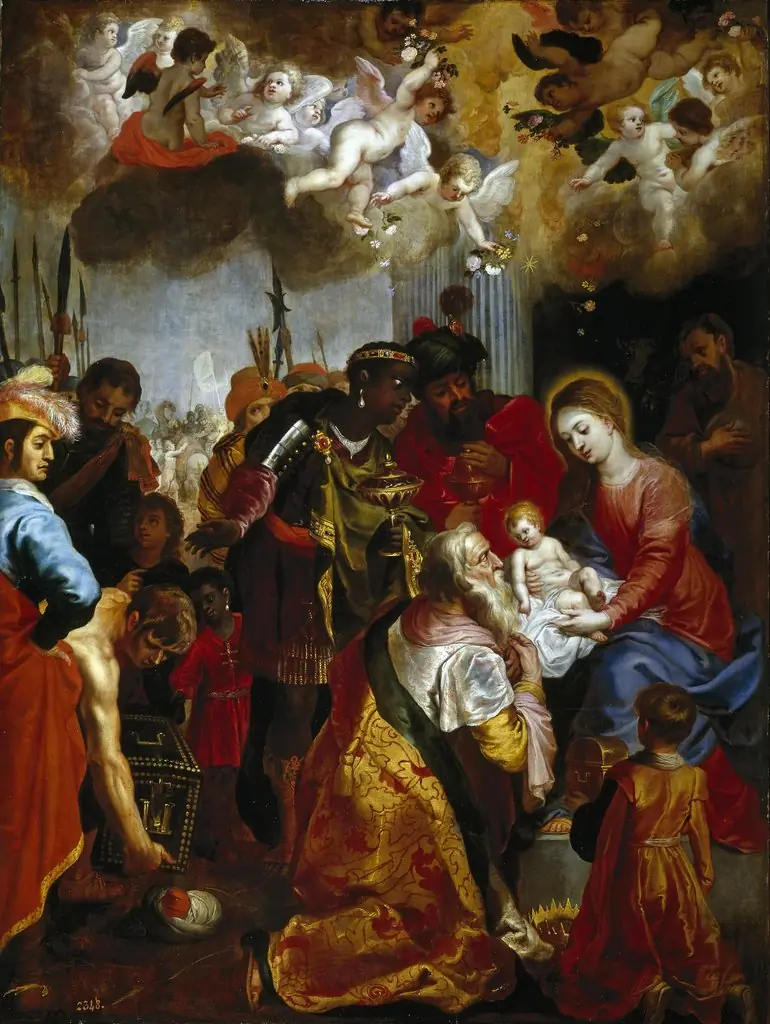
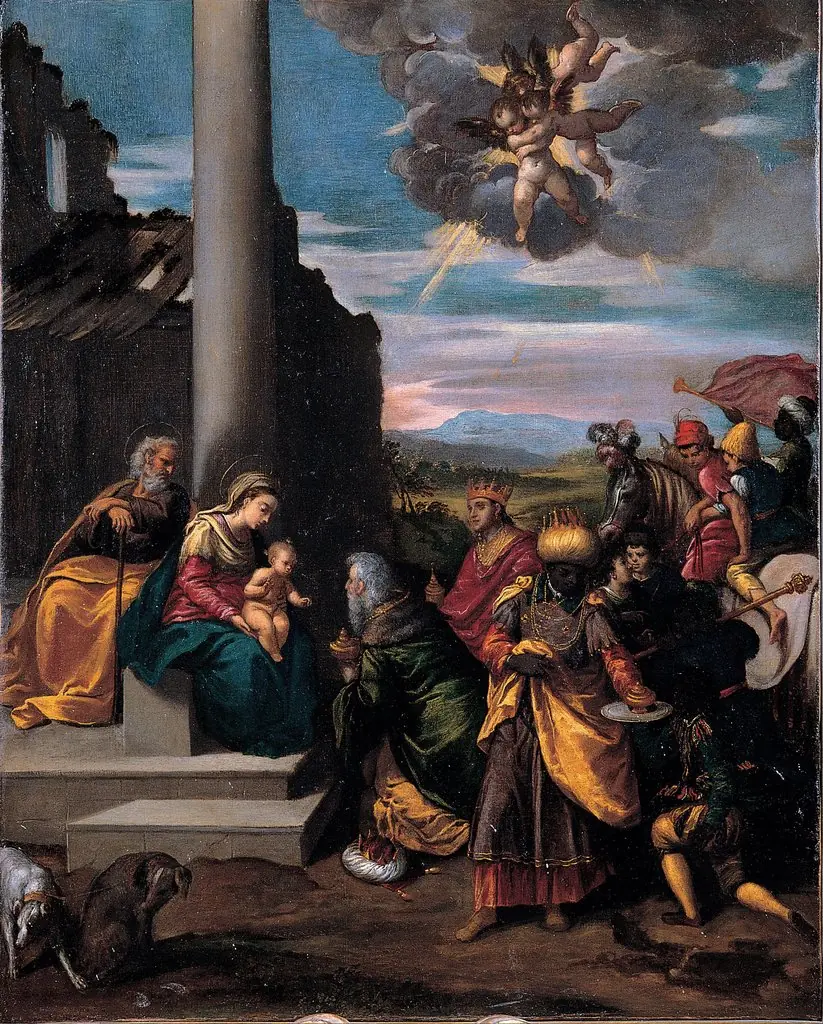
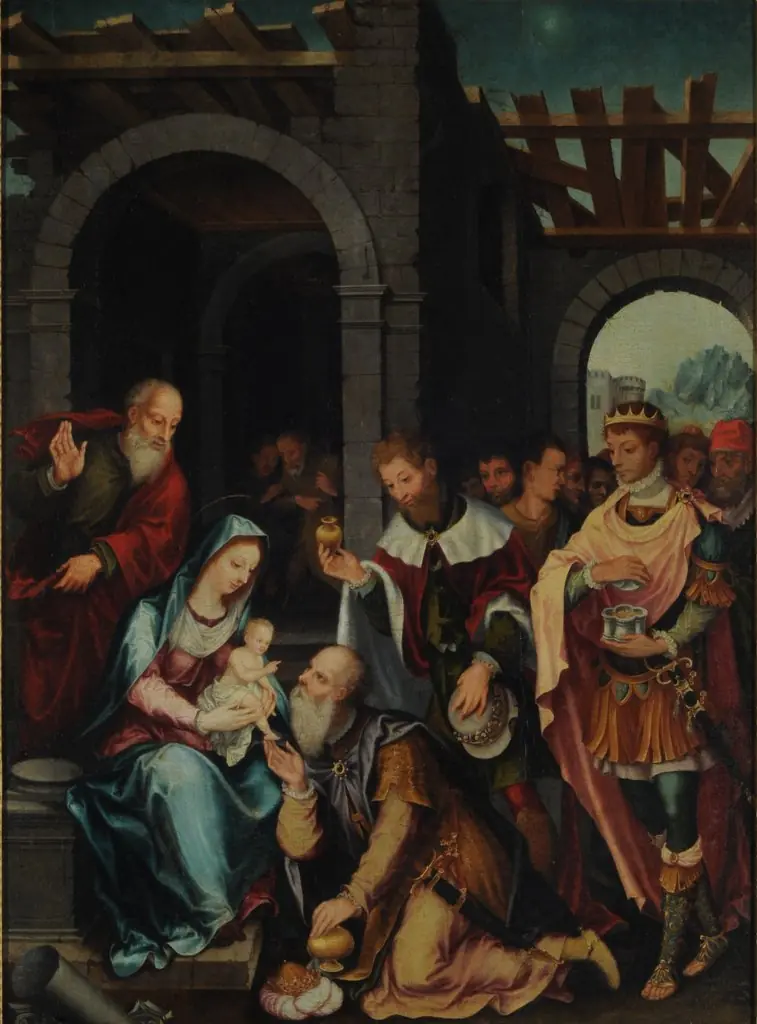
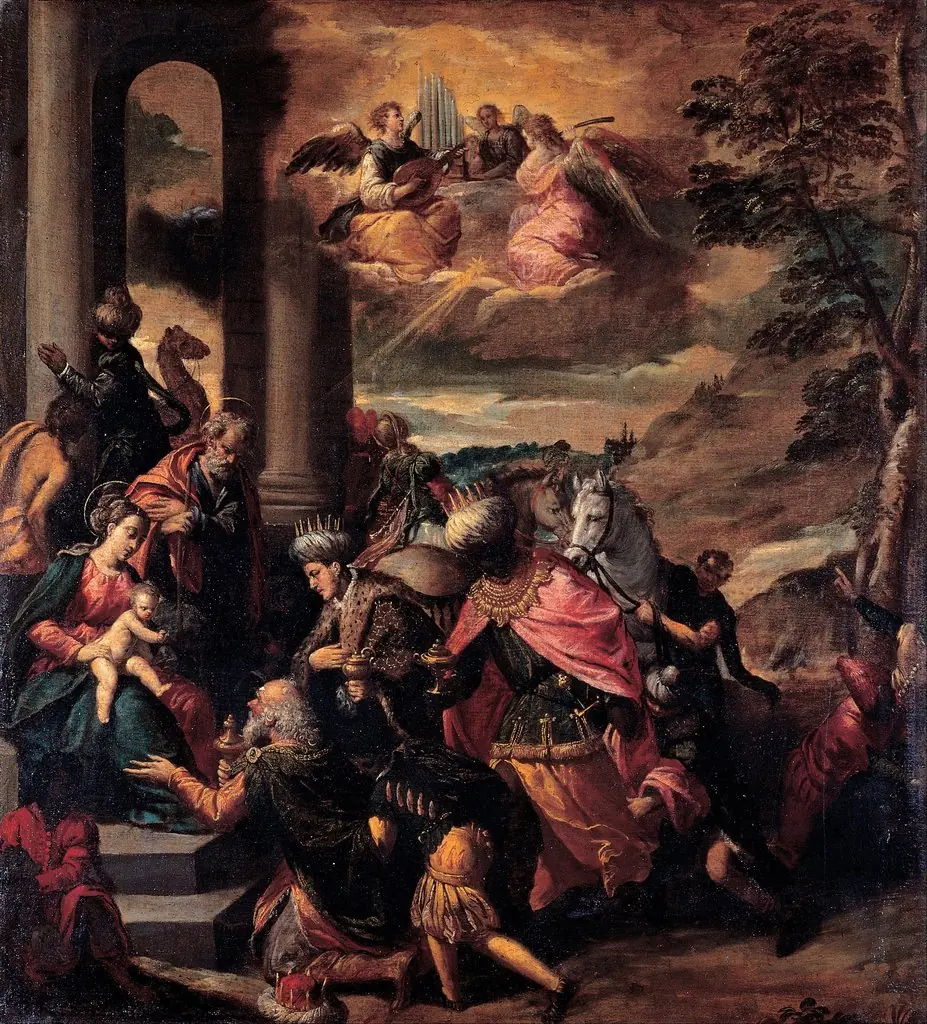
Adoration of the Magi is an oil painting by the Early Baroque Italian artist Guido Reni. It dates from 1642 and is held in the collection of the Cleveland Museum of Art.
About this work
Subject & Meaning
The depiction serves as a visual representation of the Epiphany, emphasizing the reverence and offering of gifts associated with the traditional story.
Guido Reni's 1642 oil painting, Adoration of the Magi, depicts the biblical narrative of the Magi paying homage to the Christ Child. As a work of religious art, the composition centers on the main subject of the adoration event, illustrating the theological significance of the infant Jesus receiving worship from the three kings. The scene embodies the recognition of Christ's divinity by the Gentiles, a core tenet of Christian iconography.
Created in Italy, the painting utilizes the medium of oil on canvas to render this sacred moment, focusing on the spiritual interaction between the holy figures. The depiction serves as a visual representation of the Epiphany, emphasizing the reverence and offering of gifts associated with the traditional story.
Technique & Style
Guido Reni's Adoration of the Magi, executed in 1642, is an oil painting on canvas. The work measures 367.3 cm in height and 268.6 cm in width, presenting a substantial religious composition. As a product of the Italian Baroque tradition, the piece utilizes oil paint to depict the biblical scene of the Magi adoring the Christ Child.
The medium and support combination of oil on canvas was characteristic of Reni's mature period, allowing for the nuanced handling of light and form typical of his style. Created in Italy, the painting remains a significant example of the artist's late career output, combining the grandeur of the religious subject with the technical capabilities of the chosen materials.
History & Provenance
The Adoration of the Magi by Guido Reni is dated to 1642, aligning with the final years of the artist’s life. The work was commissioned for religious contexts, reflecting Reni’s late-career focus on devotional themes. By the mid-20th century, the painting entered the collection of the Cleveland Museum of Art, where it remains held as of current records.
Its provenance within the museum’s holdings is documented under the accession number 1969.132, confirming its presence in Cleveland since at least 1969.
Guido Reni's 1642 oil painting, Adoration of the Magi, is held in the collection of the Cleveland Museum of Art in Cleveland, Ohio. The institution identifies the work with the accession number 1969.132. While the available records confirm the painting's location and cataloging details, they do not provide a specific list of past exhibitions or loan history for this particular object.
Context
Guido Reni completed the Adoration of the Magi in 1642, an oil on canvas measuring 367.3 × 268.6 cm that belongs to the religious painting genre. The work depicts the Christ Child being adored by the Magi and was created in Italy before entering the Cleveland Museum of Art, where it remains on view. As part of Reni’s late output, the composition exemplifies the refined chiaroscuro and elegant figures characteristic of the Italian Baroque, situating the piece within the artist’s broader devotional oeuvre and within the tradition of 17th‑century European religious art.
Overview
Guido Reni's oil painting, Adoration of the Magi, completed in 1642, captures a significant biblical event. The artwork portrays the infant Christ surrounded by figures, including the three wise men who have journeyed to offer their veneration. The composition focuses on the sacred encounter, highlighting the reverence directed towards the newborn.
This piece is a notable example of Baroque religious art and is part of the collection at The Cleveland Museum of Art.
Own this work as a print
Artist & collection
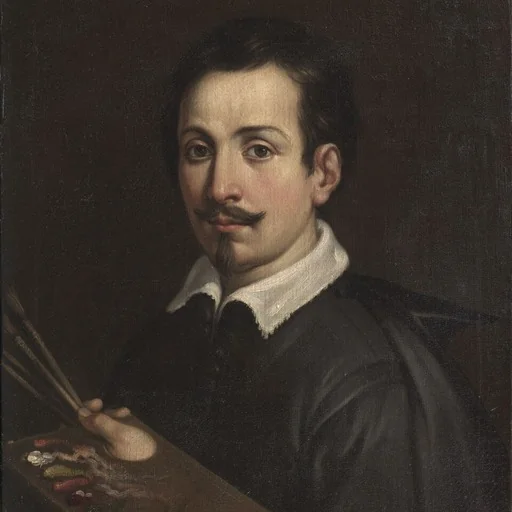
Artist
Guido Reni was an Italian Baroque painter, although his works showed a classical manner, similar to Simon Vouet, Nicolas Poussin, and Philippe de Champaigne.