Artwork
The blind man
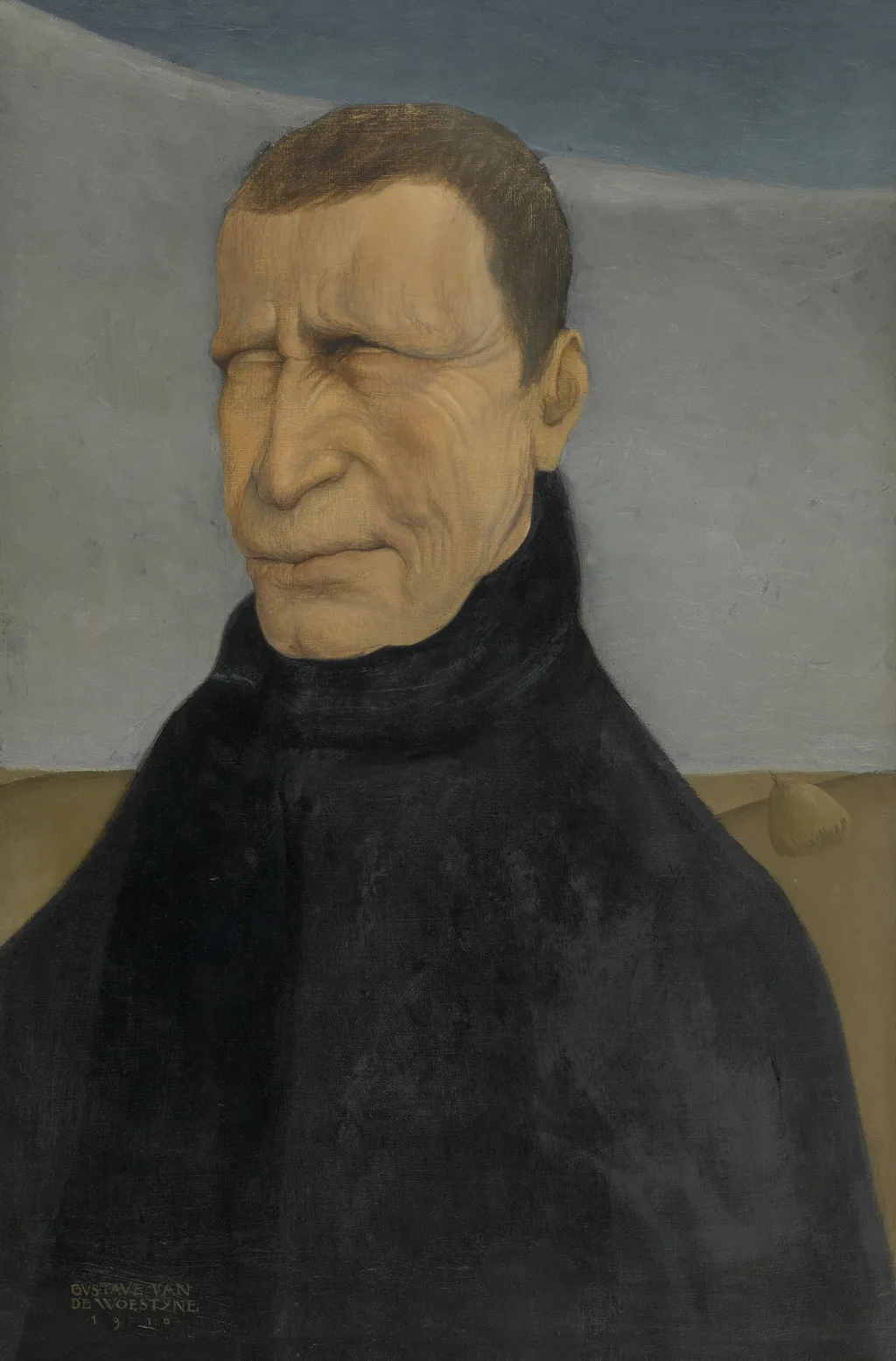
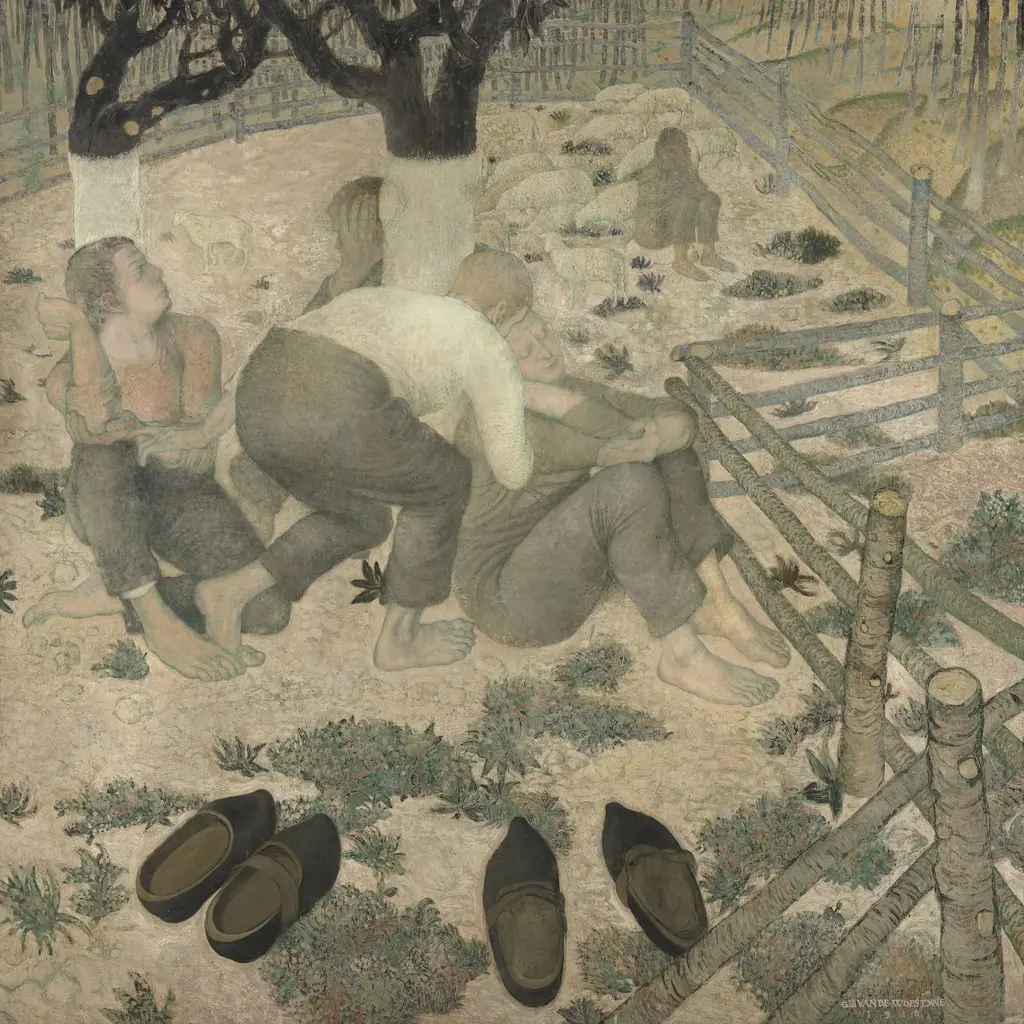
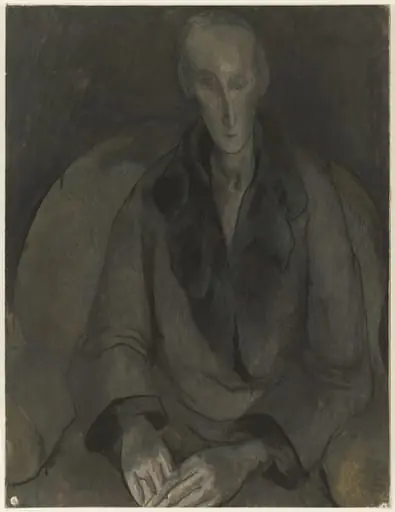
The blind man is an oil painting by the Symbolist artist Gustave Van de Woestijne. It dates from 1910 and is held in the collection of the Royal Museum of Fine Arts Antwerp.
About this work
The work shows the influence of the early Flemish masters, especially Rogier van der Weyden’s Portrait of Philip van Croy.
The Blind Man is an oil painting made in 1910 by the Flemish artist Gustave Van de Woestijne. It belongs to a series of portraits of farm workers that he painted while in Leuven. The work shows the influence of the early Flemish masters, especially Rogier van der Weyden’s Portrait of Philip van Croy.
The painting is part of the collection at the Royal Museum of Fine Arts Antwerp. It offers a quiet, thoughtful look at a single figure.
Check out the museum: Royal Museum of Fine Arts Antwerp.
Overview
The Blind Man is an oil painting created in 1910 by Gustave Van de Woestijne, a Flemish artist. It is housed in the Royal Museum for Fine Arts, Antwerp.
Subject & Meaning
The painting portrays a solitary blind man, presenting a contemplative depiction of a rural individual. This work is part of a series focusing on farm workers, which Van de Woestijne executed during his time in Leuven.
Technique & Style
The work reflects the influence of the early Flemish Primitives, notably echoing the compositional and expressive qualities found in Rogier van der Weyden's 'Portrait of Philip van Croy'.
History & Provenance
Created in 1910 in Leuven, the painting later became part of the Royal Museum for Fine Arts, Antwerp's collection.
Own this work as a print
Artist & collection
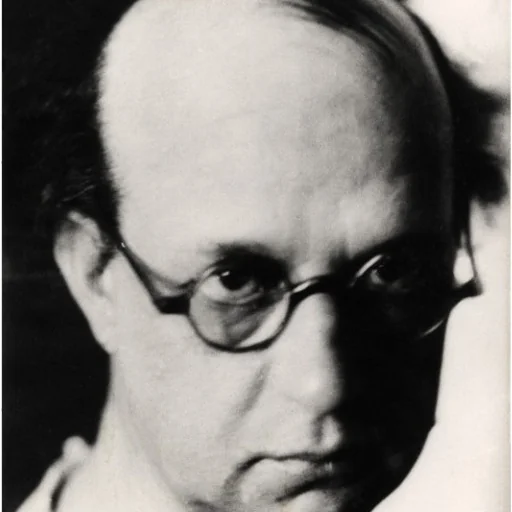
Artist
Gustave Van de Woestijne (Dutch:; 2 August 1881 – 21 April 1947) was a Belgian expressionist painter.