Artwork
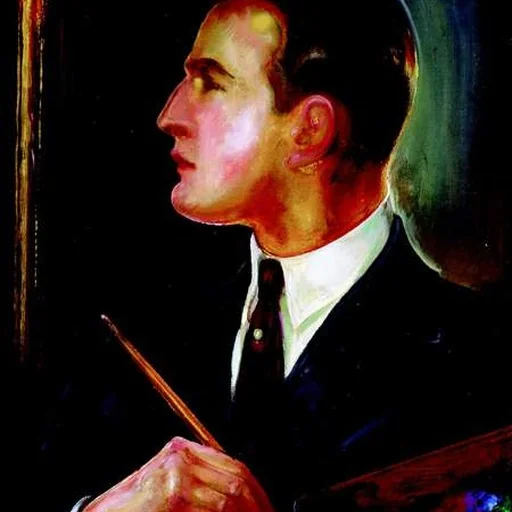
Self-Portrait – Boy's Head
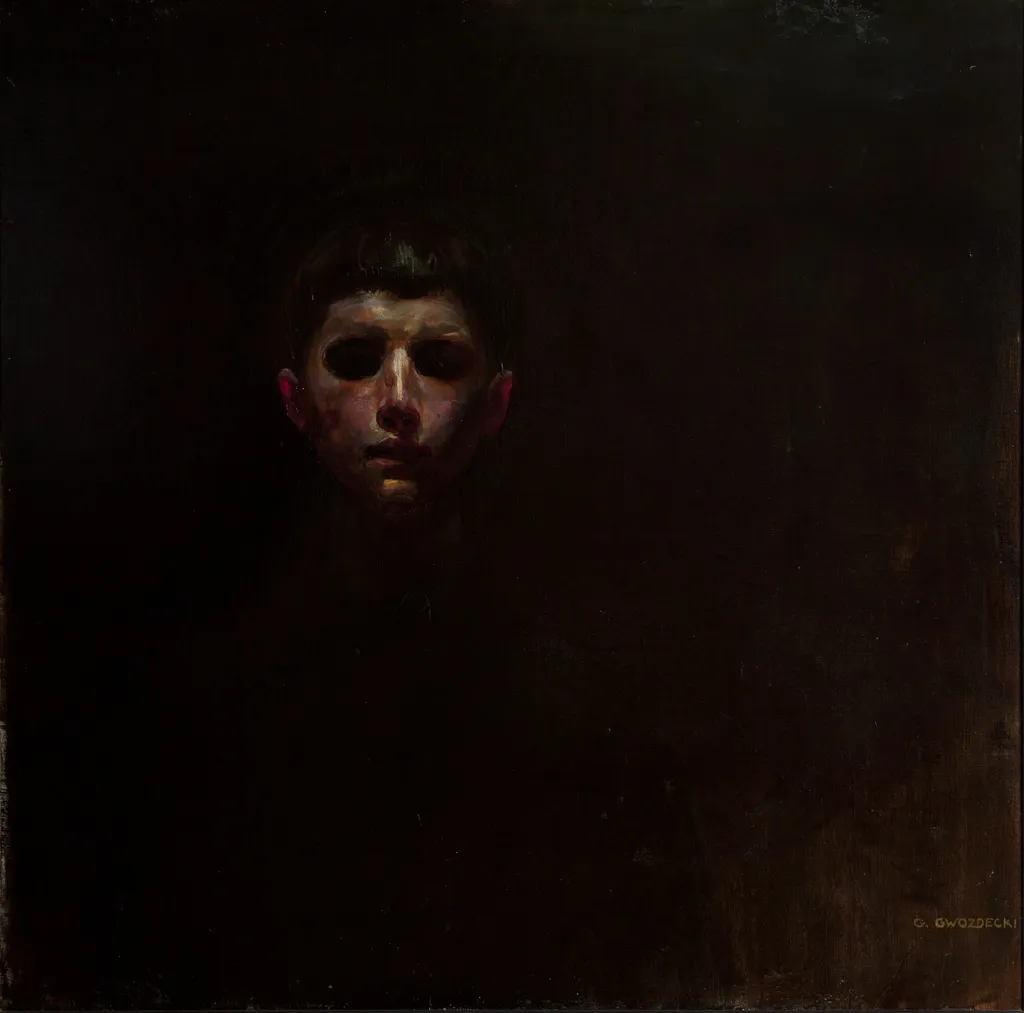
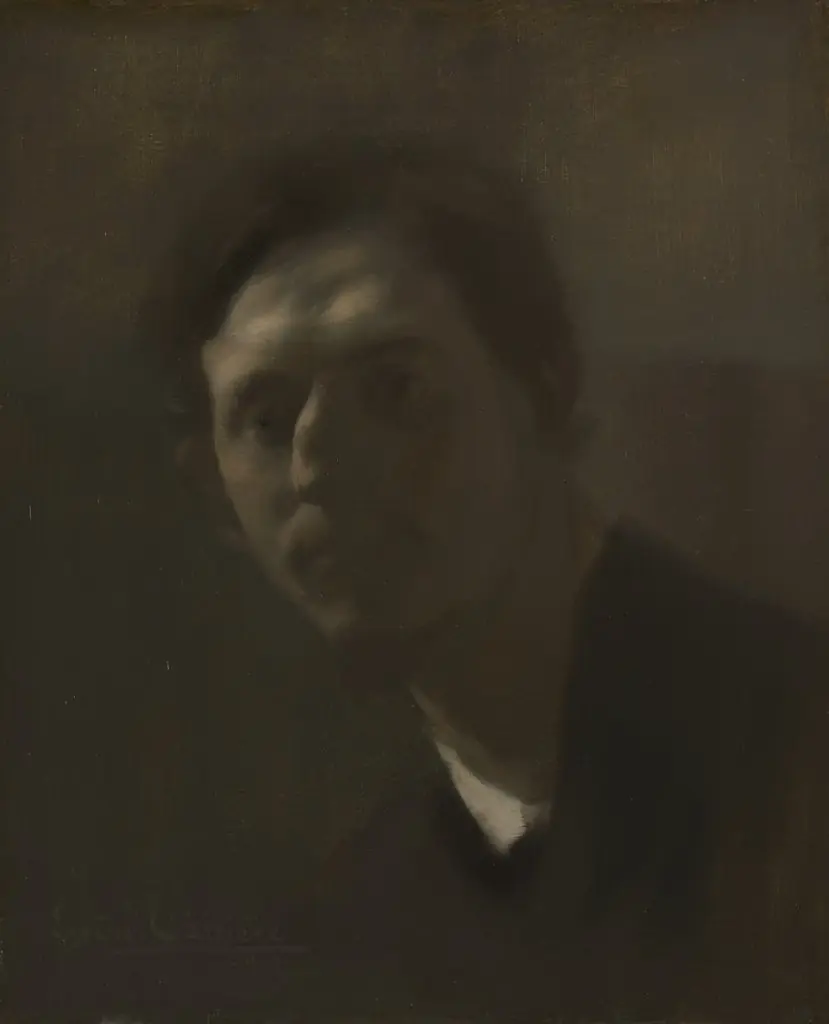
Self-Portrait – Boy's Head is an oil painting by Gustaw Gwozdecki. It dates from 1917 and is held in the collection of the National Museum in Kraków.
About this work
Overview
The work belongs to his early period and reflects his engagement with Post-Impressionist approaches, particularly through the Kapist movement in Poland.
Gustaw Gwozdecki created this oil portrait around 1917, depicting himself as a young boy. The work belongs to his early period and reflects his engagement with Post-Impressionist approaches, particularly through the Kapist movement in Poland. It is one of several self-representations he produced during a time of intense artistic experimentation.
The painting is held in the National Museum in Kraków, where it remains part of its modern Polish art collection.
Subject & Meaning
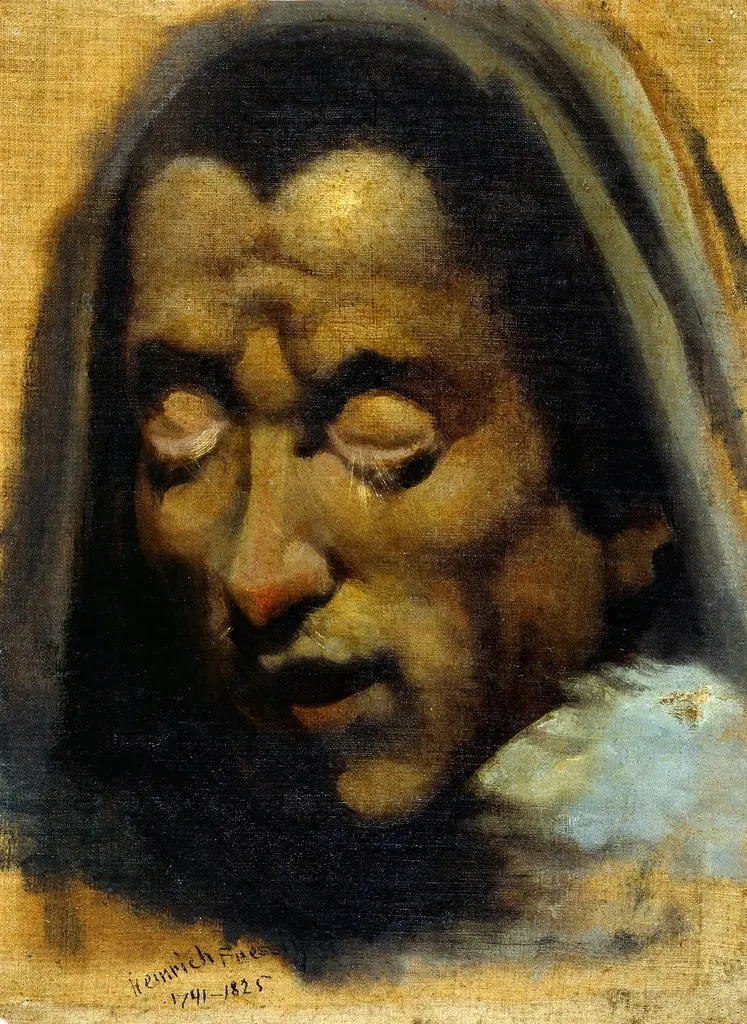
The subject is a close-up of the artist’s youthful face, rendered with quiet intensity. His dark hair and direct gaze convey a sense of introspection, while the slightly parted lips suggest an unspoken moment. Rather than idealizing youth, Gwozdecki presents a candid, unembellished self-image.
The absence of context or symbolic elements focuses attention on identity and presence, aligning with early 20th-century tendencies toward psychological realism.
Technique & Style
Oil paint was applied with careful attention to form and texture, yielding a smooth, luminous surface. The background is muted and dark, enhancing the three-dimensionality of the face. Facial features, eyes, nose, and mouth, are rendered with precise modeling, avoiding overt brushwork or expressive distortion. This restrained realism contrasts with the more abstract tendencies of his contemporaries, emphasizing observation over emotional exaggeration.
History & Provenance
Painted during Gwozdecki’s formative years, the work likely emerged from his time in Kraków or Warsaw, where he was active in artistic circles. It entered the National Museum in Kraków’s collection in the decades following its creation, possibly through direct acquisition or donation. Its preservation reflects institutional recognition of Gwozdecki’s role in shaping modern Polish art, despite his lesser-known status internationally.
Context
Created amid the upheavals of World War I and the reemergence of Polish national identity, the portrait reflects a broader cultural turn toward personal and national self-examination. Gwozdecki, like many artists of his generation, moved between painting, sculpture, and printmaking, often blending modernist influences with local traditions. This self-portrait stands as a quiet counterpoint to the more overtly political or symbolic works of his peers.
Legacy
Though Gwozdecki did not achieve widespread fame, this portrait endures as a representative example of early 20th-century Polish realism. It illustrates his technical discipline and his interest in the human face as a vessel of inner life. Within Poland, it contributes to the understanding of how artists navigated modernity without abandoning figurative tradition, influencing later generations focused on psychological portraiture.
Own this work as a print
Artist & collection
Artist
Gustaw Gwozdecki (May 5, 1880 – March 3, 1935) was a Polish painter, sculptor, printmaker, and a representative of Post-Impressionist Kapists.