Artwork
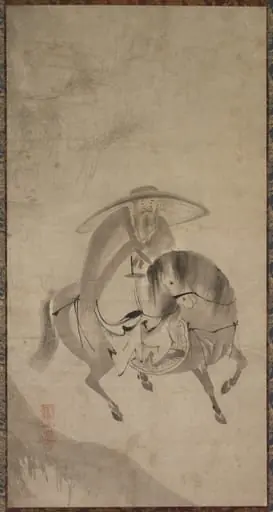
Man Herding Horses
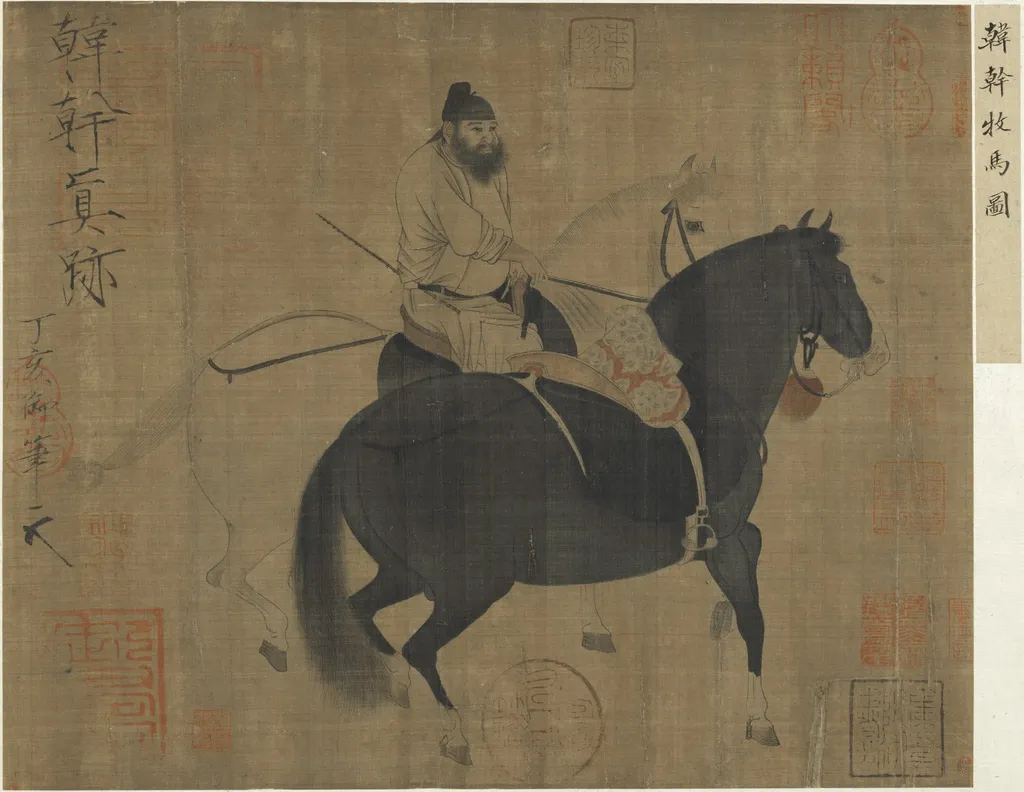
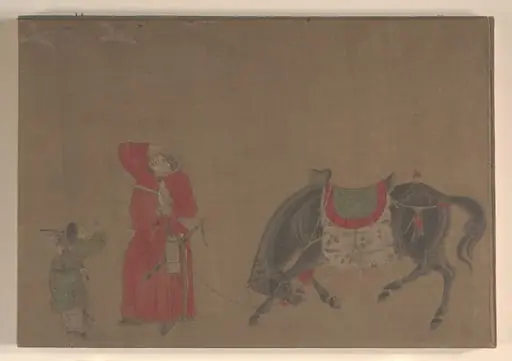
Man Herding Horses is an unspecified painting by the Chinese Orthodox School artist Han Gan. It dates from 750 and is held in the collection of the National Palace Museum.
About this work
Overview
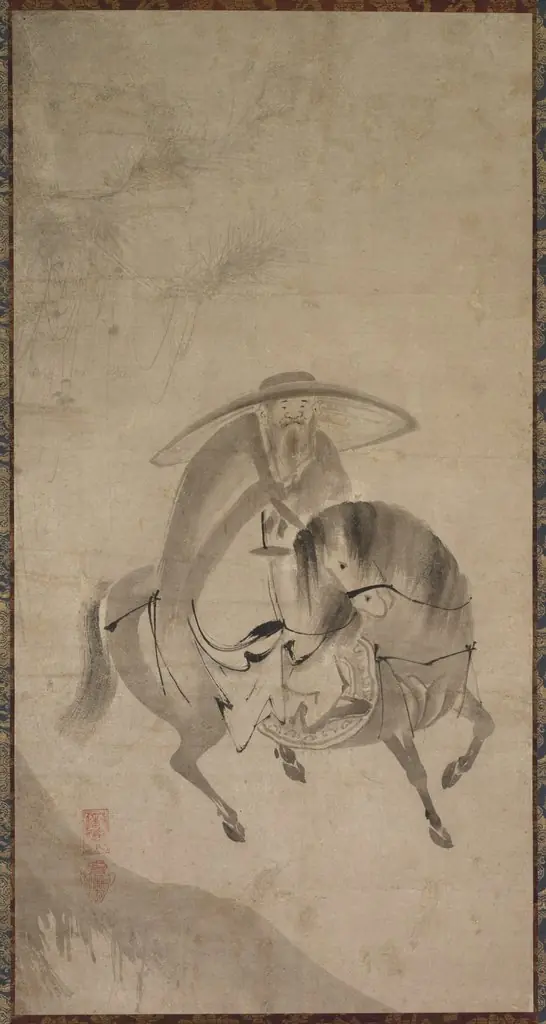
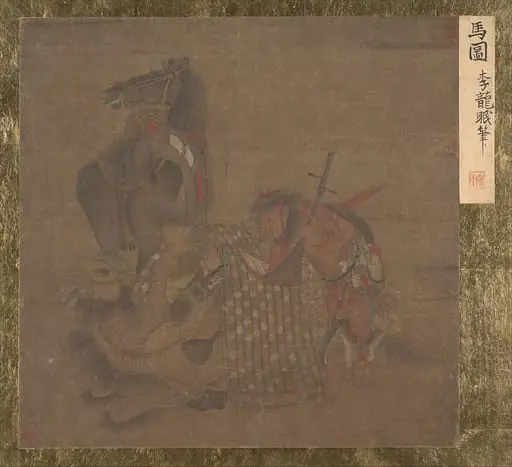
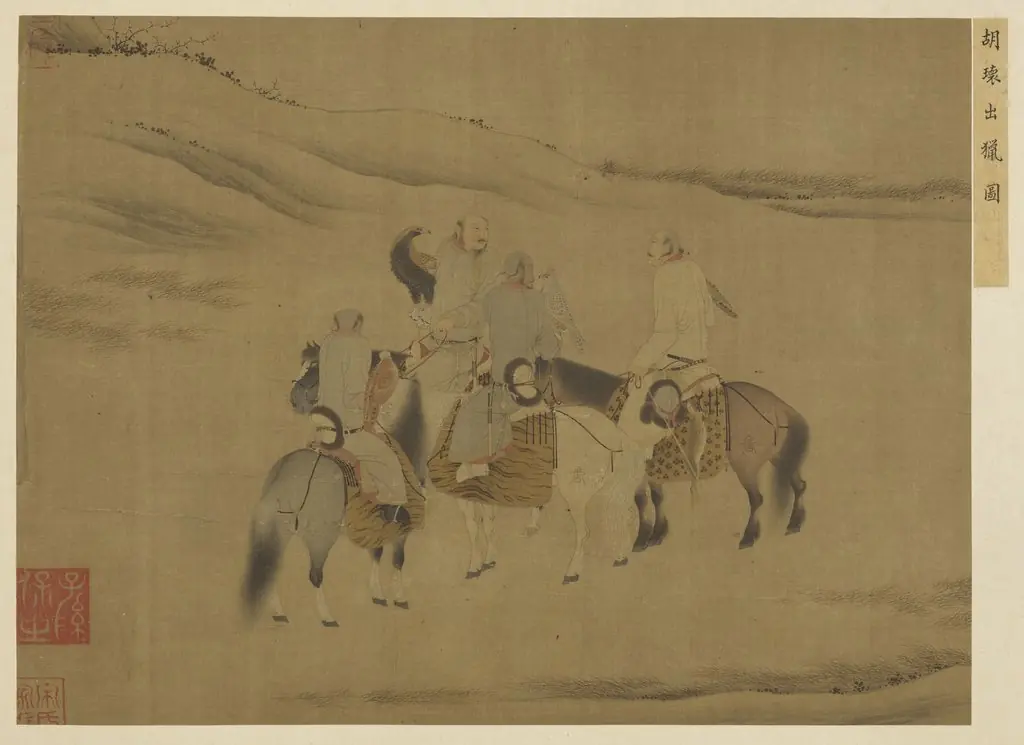
Man Herding Horses, attributed to the Tang‑period artist Han Gan and dated to around 750 CE, is a silk painting in the collection of the National Palace Museum. The work portrays a solitary rider on a horse, with a second horse receding in the background, rendered in a restrained palette that draws the eye to the figures.
Subject & Meaning
The composition depicts a lone figure, dressed in traditional Chinese attire and bearing a long beard, guiding a horse with a whip in his right hand. A second horse appears behind the rider, suggesting a scene of animal control or pastoral activity, a common motif in Tang dynasty art that reflects the relationship between humans and livestock.
Technique & Style
Executed on silk, the painting employs subtle chiaroscuro to model the forms, giving the horses’ coats and the rider’s garments a sense of volume. The dynamic posture of the foreground horse contrasts with the muted background, emphasizing movement while maintaining a calm overall atmosphere.
History & Provenance
Han Gan, renowned for his equine subjects, created this piece during the mid‑8th century. It has been preserved within the imperial collections and is now housed in the National Palace Museum, where it remains an example of Tang dynasty silk painting techniques.
Own this work as a print
Artist & collection
Artist
Han Gan spent his life in Chang’an, the bustling capital of the Tang dynasty. He was the go-to artist when the emperor needed a horse that looked alive enough to gallop off the wall. Ever wonder why Tang horses feel…