Artwork
元? 佚名 仿李公麟 人馬駱駝圖 冊頁|Mongol with Horse and Camel
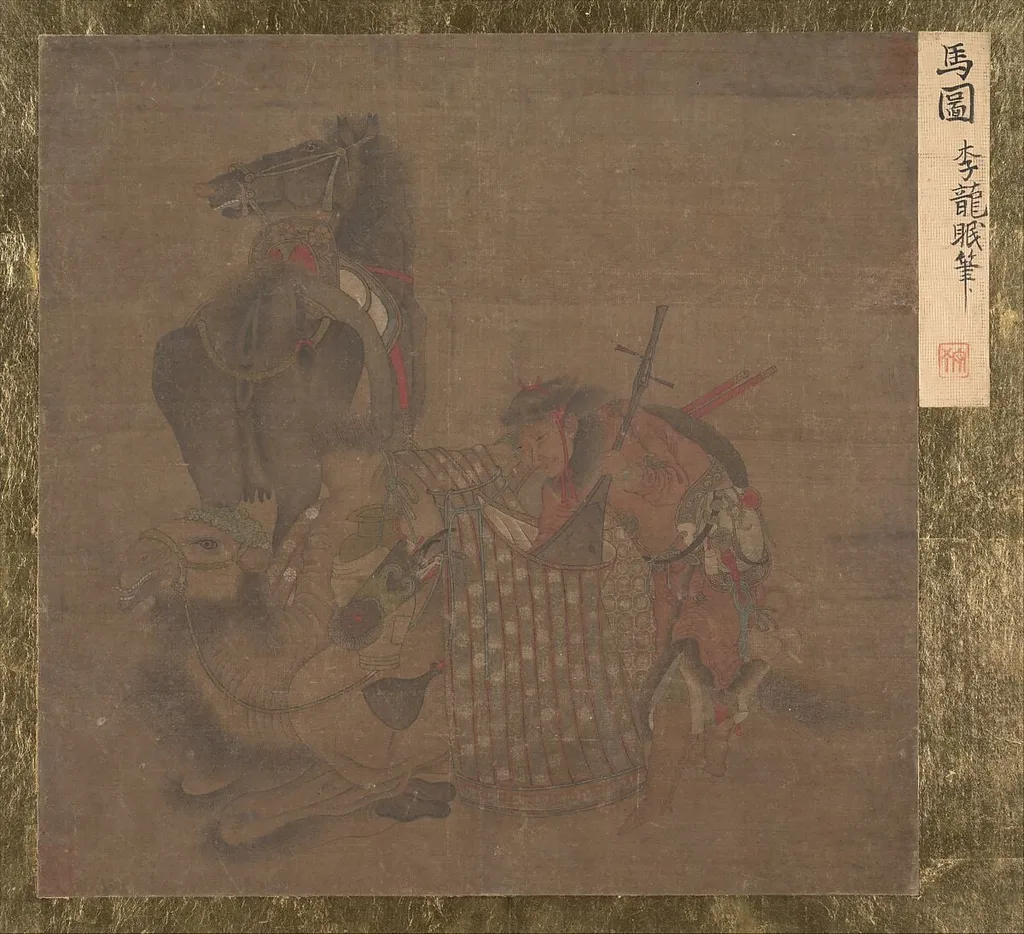
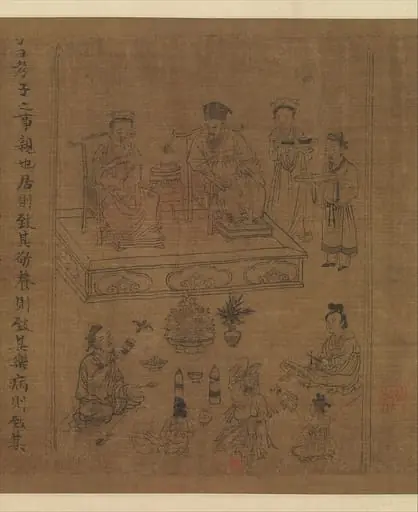
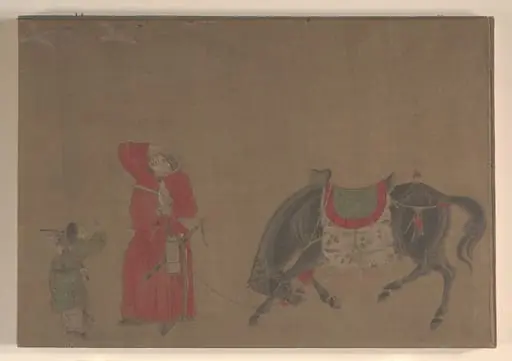
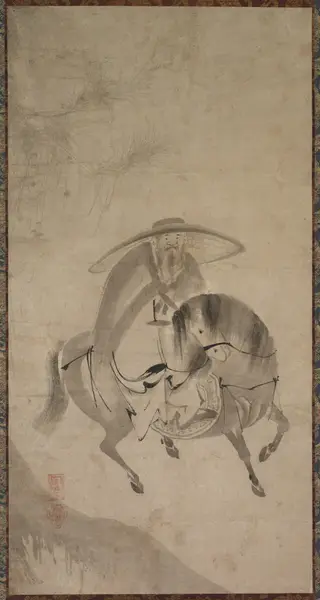
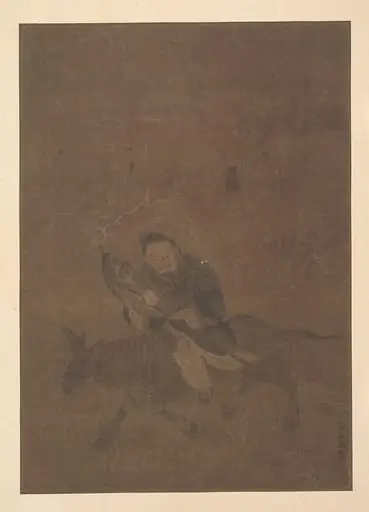
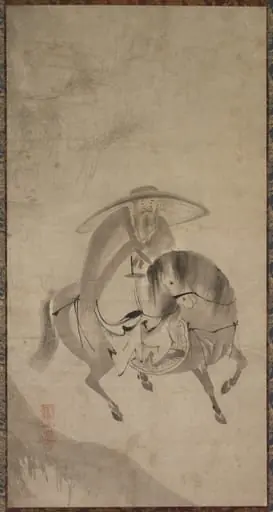
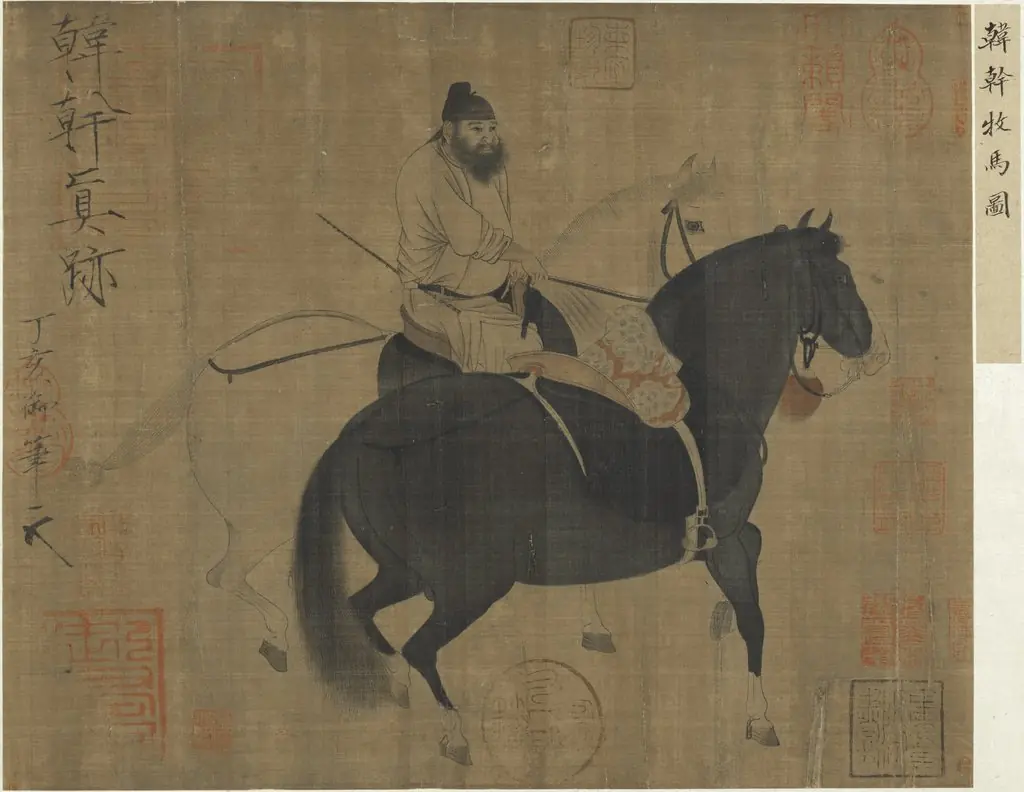
元? 佚名 仿李公麟 人馬駱駝圖 冊頁|Mongol with Horse and Camel is an ink painting by the Chinese Orthodox School artist Li Gonglin. It is held in the collection of the Metropolitan Museum of Art. This album leaf, titled Mongol with Horse and Camel, presents a lone figure guiding two animals.
About this work
Subject & Meaning
The sources record the depicted subjects but do not provide further analysis of symbolic or narrative meaning, leaving the iconographic import unspecified.
The album leaf dated 1319 portrays a solitary human figure mounted on a horse alongside a camel, the three animals identified as Camelus, horse, and man. Executed in ink and polychrome on silk, the work reflects the style of Li Gonglin and is attributed to an unidentified painter. It belongs to the Metropolitan Museum of Art collection, having been acquired in China.
The sources record the depicted subjects but do not provide further analysis of symbolic or narrative meaning, leaving the iconographic import unspecified.
Technique & Style
Executed in 1319, this album leaf utilizes ink and color applied on a silk support. The work measures approximately 30.5 by 31.3 centimeters. Stylistically, the piece is attributed to an unidentified artist working in the manner of Li Gonglin, featuring a composition that depicts a man alongside a horse and a camel.
While the specific genre is sometimes categorized broadly, the visual focus remains on these figures rather than a expansive landscape setting. The handling of materials reflects the traditions of Chinese painting from the period, combining linear ink work with colored pigments to define the forms of the animals and the human figure on the delicate silk surface.
History & Provenance
The painting is dated to the year 1319, as recorded in its catalog documentation, and was produced in China. It is an ink and colored silk album leaf attributed to an anonymous hand that imitates the style of Li Gonglin. The work depicts a Mongol rider with a horse and a camel, reflecting subjects listed in the Metropolitan Museum of Art’s collection database.
The Metropolitan Museum of Art in New York acquired the piece, and it remains in the museum’s collection as of the latest catalogue entry.
The album leaf is held in the collection of the Metropolitan Museum of Art, where it is catalogued as a painting attributed to an unidentified artist working in imitation of Li Gonglin. According to the associated Wikidata entry, its location of inception is recorded as China, and the work entered the museum's holdings with a documented inception date of 1319. No specific accession number is provided in the available sources, nor is any exhibition history recorded. The painting's dimensions, as noted in the same record, are 30.5 by 31.3 centimetres.
Context
The work titled 'Mongol with Horse and Camel' is an anonymous album leaf painted in ink and color on silk, dated 1319, and housed in the Metropolitan Museum of Art. Although traditionally attributed to the school of Li Gonglin, the piece is classified as the work of an unidentified artist, reflecting the practice of copying master styles in early Yuan painting. Its subject, a mounted figure accompanied by a camel, illustrates the landscape and narrative interests of the period and aligns with the broader tradition of Chinese album leaf paintings.
Scholarship views the piece as evidence of the transmission of Li Gonglin’s compositional motifs into later anonymous works, situating it within the evolution of Chinese landscape art.
Overview
This album leaf, titled Mongol with Horse and Camel, presents a lone figure guiding two animals. Executed with ink and color on silk, the painting depicts a man in a long robe leading a horse and a camel across an unadorned surface. The composition's simplicity, coupled with the delicate application of pigment, creates a sense of quiet movement.
Artist & collection