Artwork
Malle Babbe
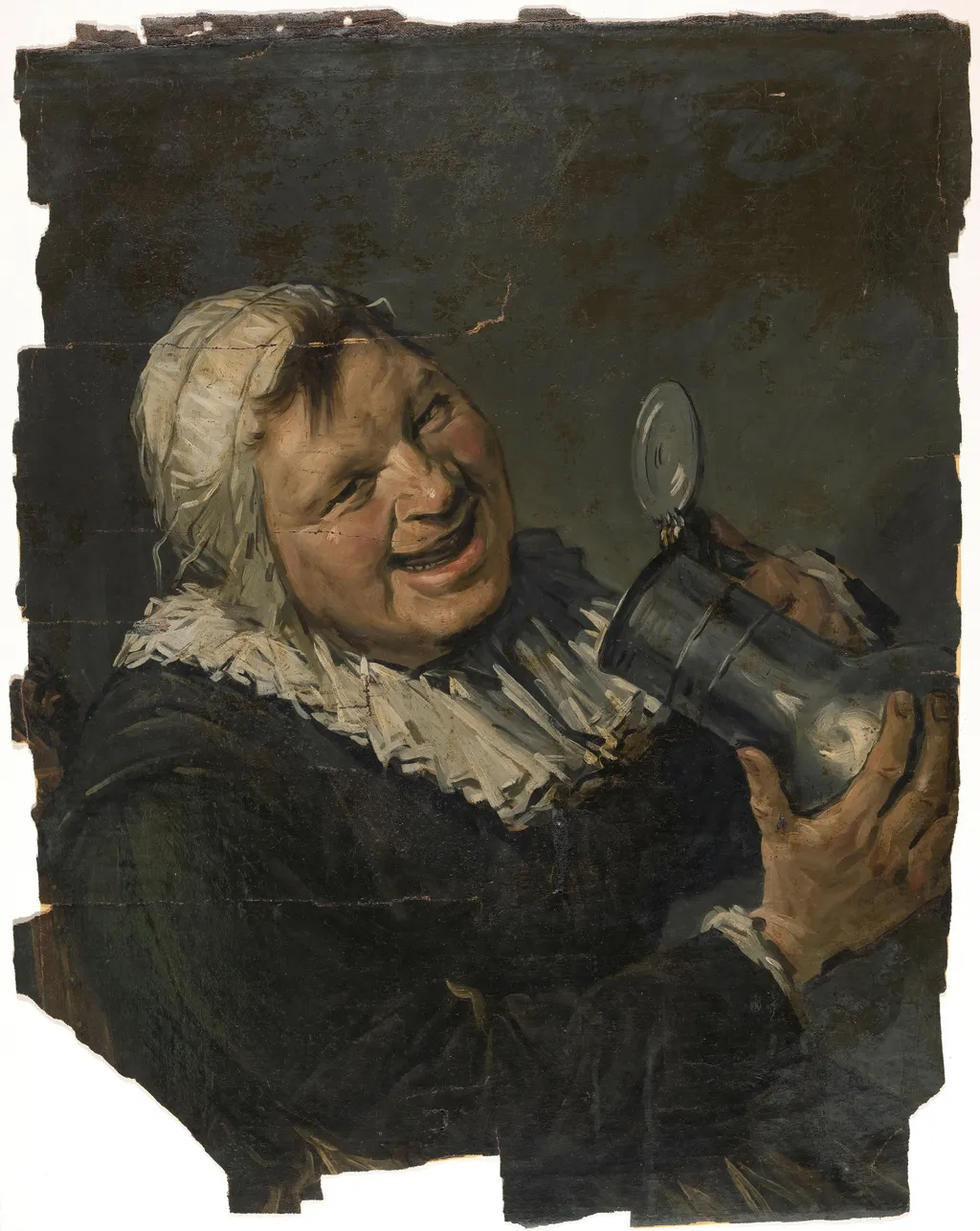
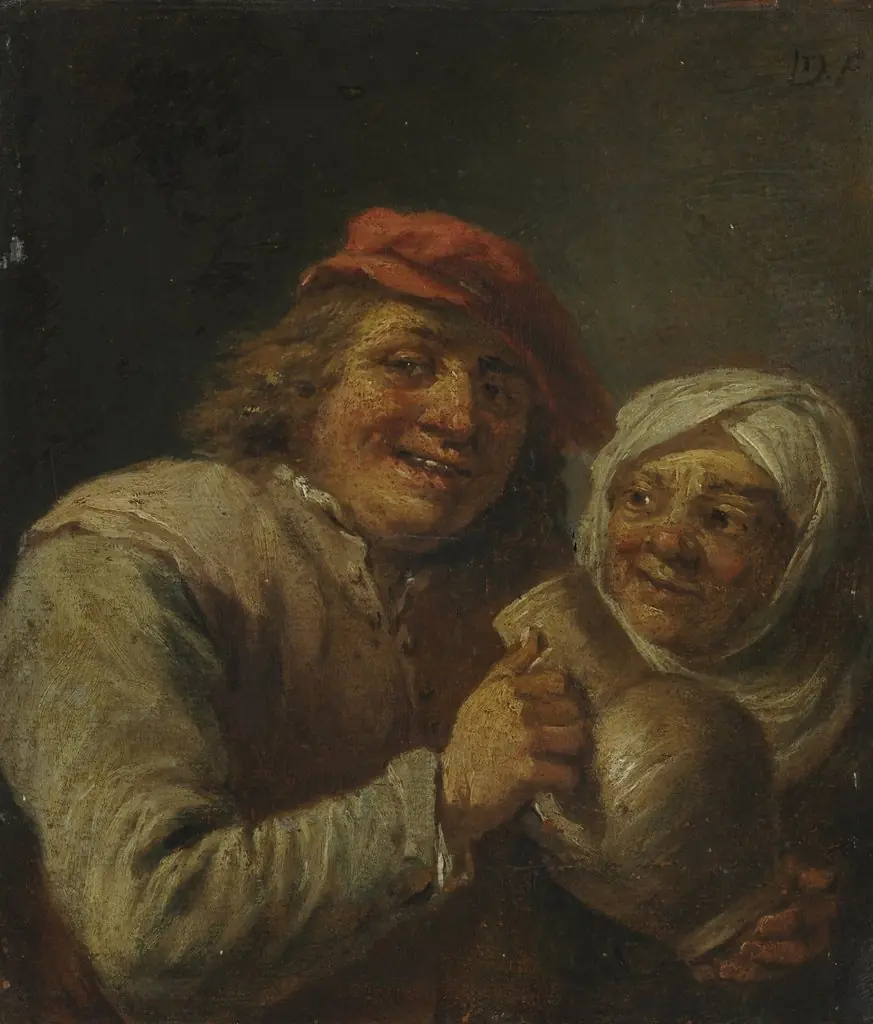
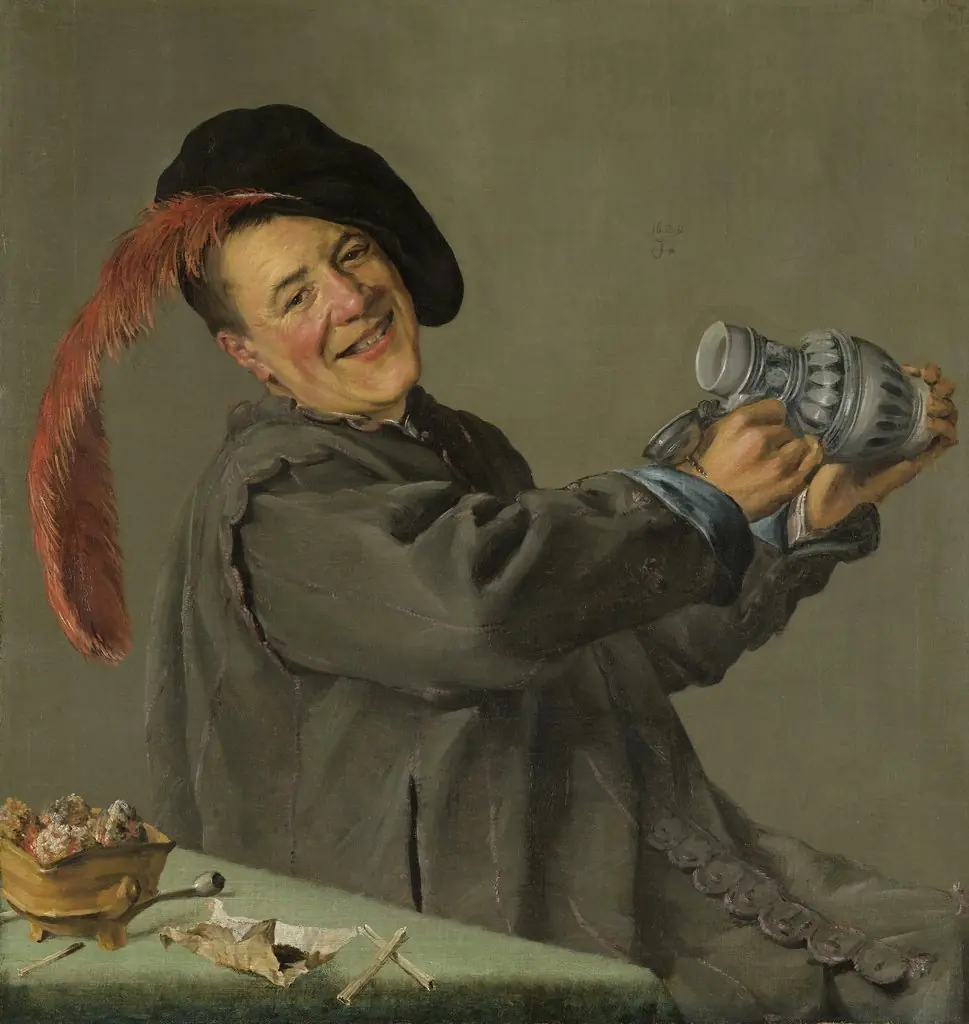
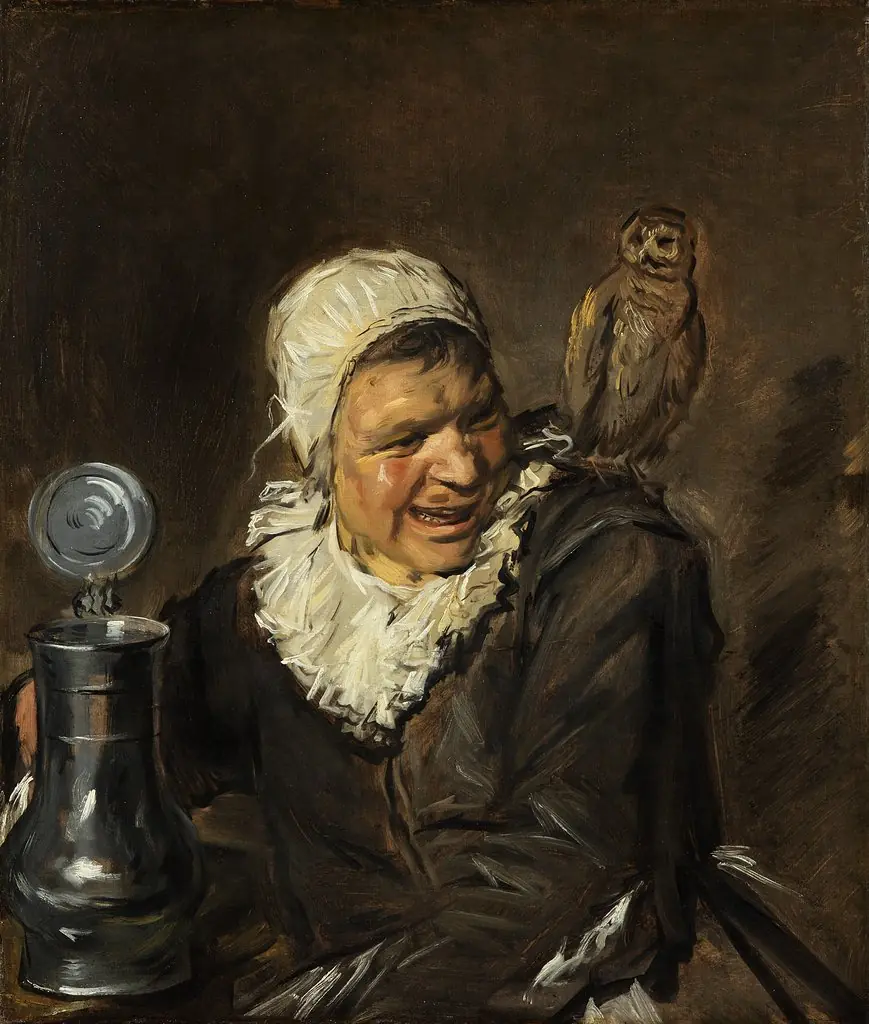
Malle Babbe is an oil painting by the Dutch Golden Age artist Han van Meegeren. It dates from 1935 and is held in the collection of the Rijksmuseum.
About this work
Technique & Style
It belongs to the portrait genre and was created by Han van Meegeren in the Netherlands in 1935.
The work is an oil painting executed on canvas, measuring 76 cm in height and 60 cm in width. It belongs to the portrait genre and was created by Han van Meegeren in the Netherlands in 1935. The composition depicts Malle Babbe in a bustling tavern interior, employing a smooth, blended brushwork that emphasizes chiaroscuro and a restrained palette to render the figure’s texture and the surrounding furnishings with a polished finish.
History & Provenance
The painting was created in 1935 by Han van Meegeren in the Netherlands, where it was made on canvas using oil paint. It depicts the subject Malle Babbe and measures 76 cm in height by 60 cm in width. The work belongs to the portrait genre and was painted as an independent piece, not as part of a series or commission. It entered the collection of the Rijksmuseum Amsterdam, where it remains in the museum's holdings today.
The painting's provenance is straightforward, moving directly from the artist's studio to the Rijksmuseum, which acquired it as part of its permanent collection. Its creation history is documented through the artist's documented date of execution in 1935, confirming its placement within the later period of van Meegeren's output before his death in 1941.
Malle Babbe is held in the collection of the Rijksmuseum Amsterdam, where it is catalogued under the accession number SK-A-2566. The work was painted in 1935 and has been part of the museum's holdings since its acquisition. It was included in the 1975 retrospective of Han van Meegeren at the Rijksmuseum and featured in the 1995 exhibition "Van Meegeren: The Forger" at the Gemeentemuseum Den Haag.
Context
Malle Babbe stands as a pivotal work within Han van Meegeren's oeuvre, exemplifying his technical mastery and stylistic evolution toward forgery. Scholars analyze its sophisticated brushwork and psychological depth as key factors in its initial acceptance within art historical discourse, later revealing the complexities of authenticity in van Meegeren's career. The painting's significance is contextualized by its creation within van Meegeren's broader practice of historical portraiture, where he meticulously recreated the aesthetics of the Dutch Golden Age to deceive contemporaries.
Its presence in the Rijksmuseum collection underscores its recognized importance in Dutch art history, though its reception shifted dramatically following the artist's exposure as a forger.
Overview
Han van Meegeren’s 1935 oil painting Malle Babbe presents a single figure rendered with a pronounced impasto technique. The work is catalogued in the Rijksmuseum’s collection and is generally classified within the aesthetic lineage of the Dutch Golden Age, despite being a twentieth‑century creation.
Subject & Meaning
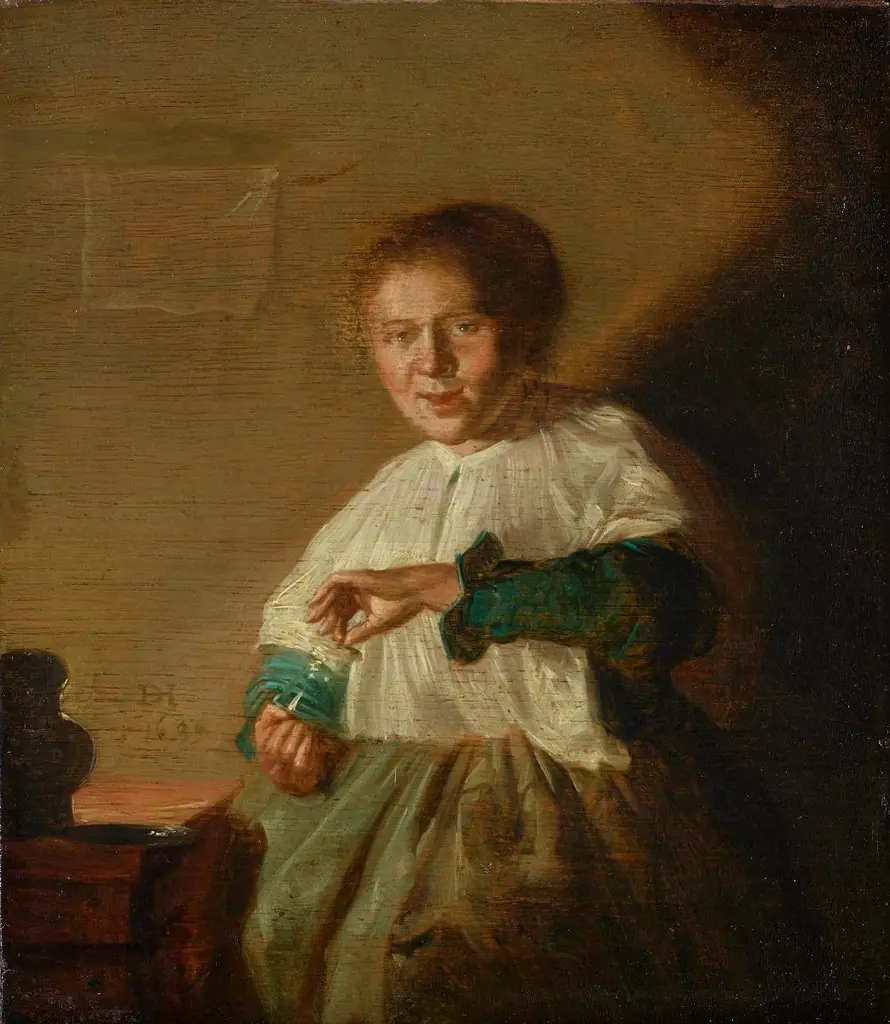
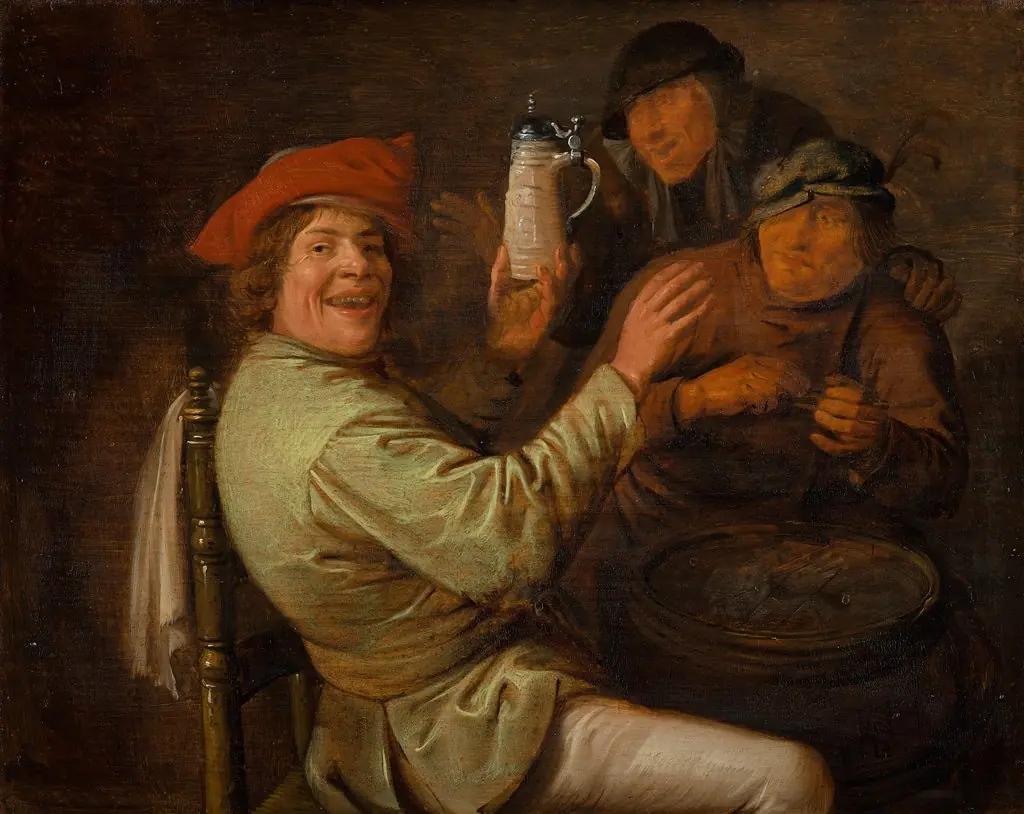
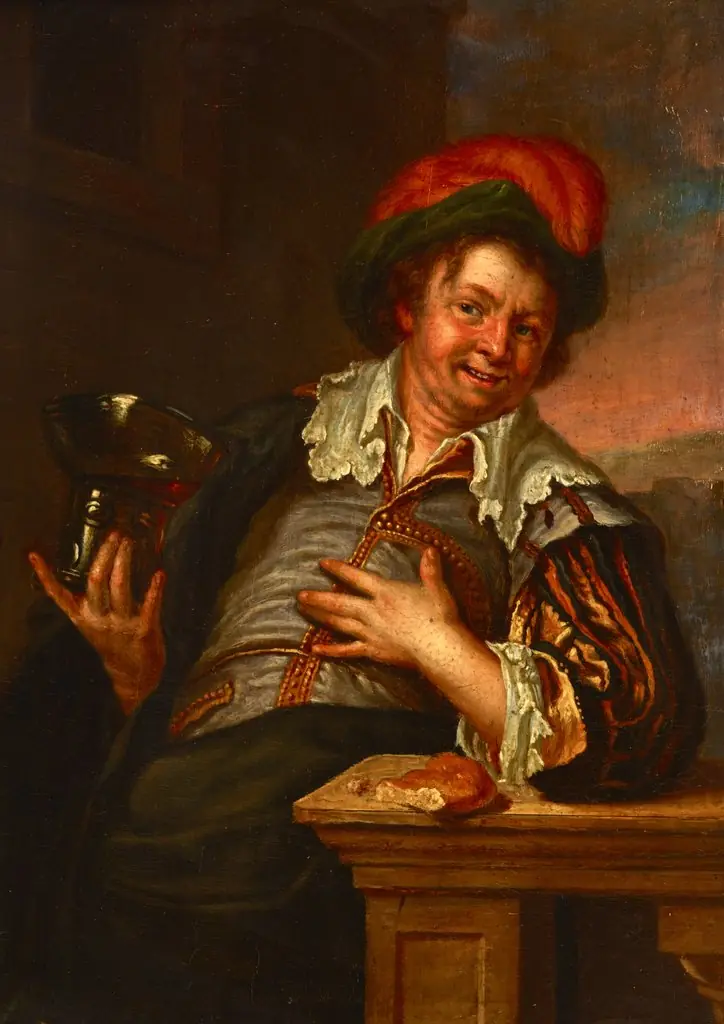
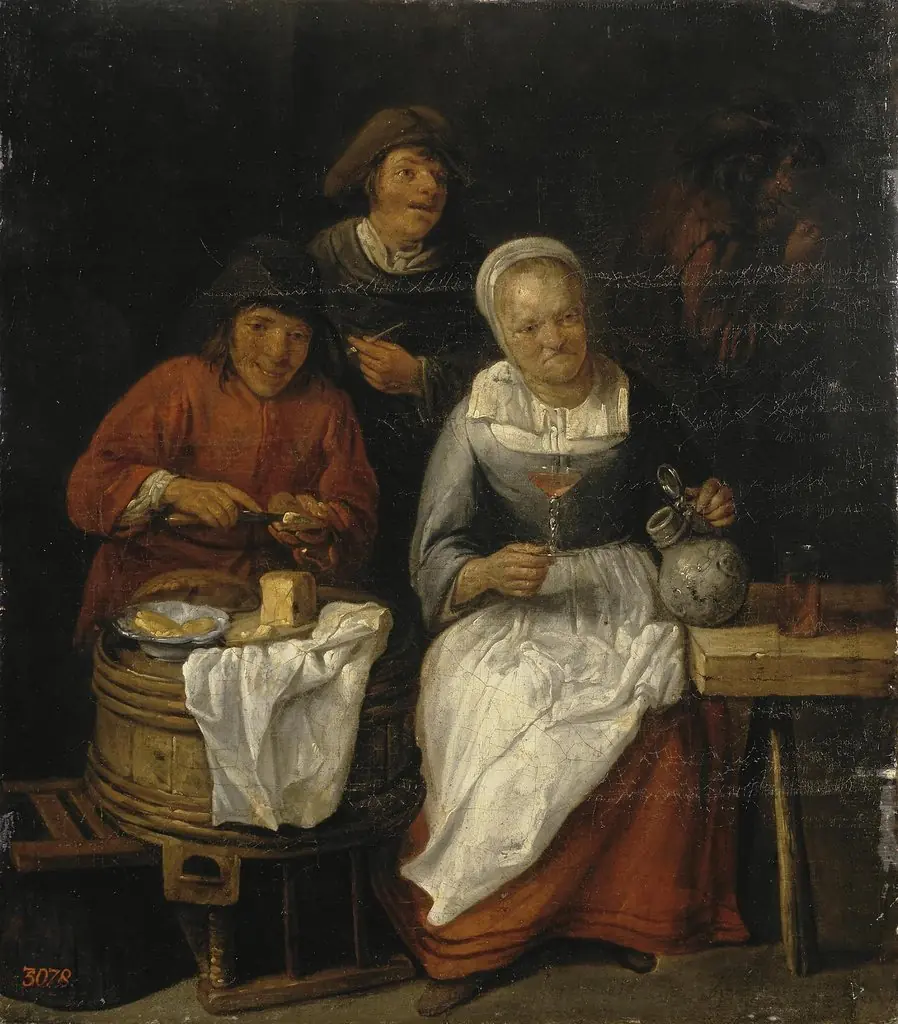
The canvas depicts a cheerful woman wearing a white cap and a dark dress, grasping a rounded vessel with a handle, interpreted as a barrel or jug. Her open smile and lively gaze convey a sense of good‑natured merriment, inviting viewers to consider everyday joy in a domestic setting.
Own this work as a print
Artist & collection
Artist
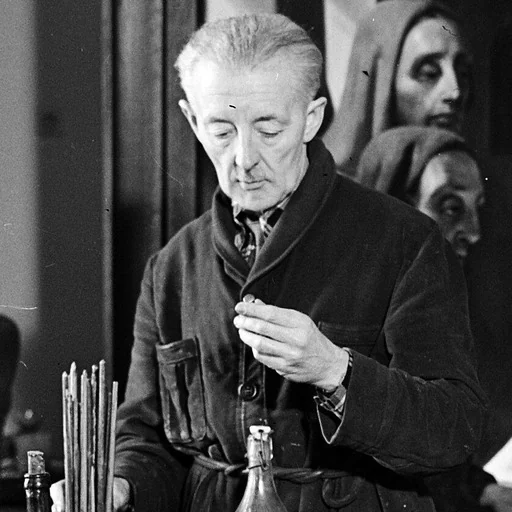
Henricus Antonius "Han" van Meegeren (Dutch pronunciation:; 10 October 1889 – 30 December 1947) was a Dutch painter and portraitist, considered one of the most ingenious art forgers of the 20th century.