Artwork
Thomas Wriothesley (1505–1550), First Earl of Southampton
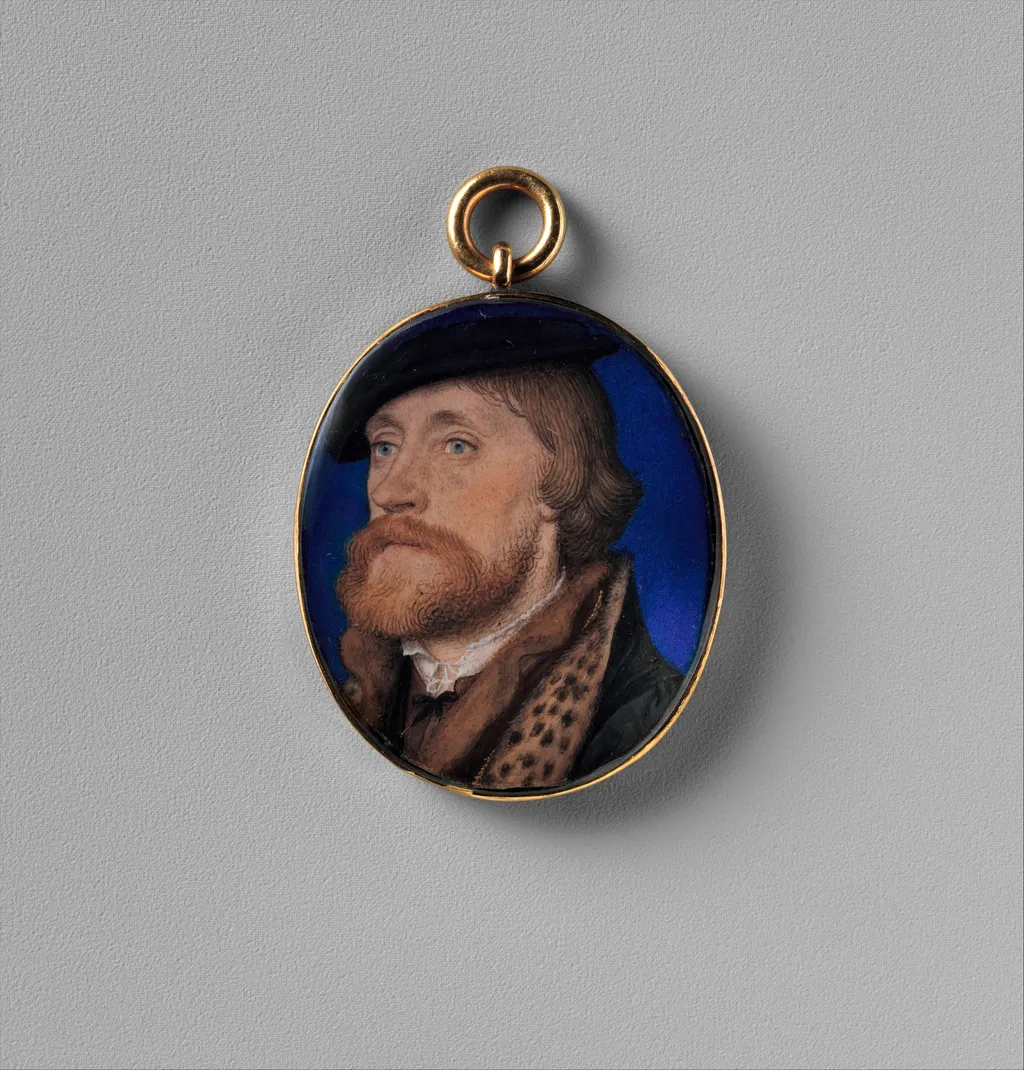
Thomas Wriothesley (1505–1550), First Earl of Southampton is an unspecified painting by the Northern Renaissance artist Hans Holbein the Younger. It dates from 1535 and is held in the collection of the Metropolitan Museum of Art.
About this work
Overview
This painting by Hans Holbein the Younger, created in 1535, depicts Thomas Wriothesley, the First Earl of Southampton. The English nobleman is presented in a formal portrait style characteristic of the era. Holbein, a prominent German-Swiss artist, was renowned for his detailed Northern Renaissance approach. The work is part of The Metropolitan Museum of Art's collection.
Subject & Meaning
The deep blue background enhances the gravitas of the image, conveying a sense of dignity and authority befitting an influential courtier.
The portrait presents Thomas Wriothesley in a left-facing profile, his expression serious and composed. His neatly trimmed brown hair, beard, and mustache are meticulously rendered. Dressed in a black hat, a brown fur-trimmed coat, and a white ruffled collar, his attire signifies his status.
The deep blue background enhances the gravitas of the image, conveying a sense of dignity and authority befitting an influential courtier.
Technique & Style
Hans Holbein the Younger executed this work in 1535, showcasing the precise and detailed approach for which he was known. As a leading figure of the Northern Renaissance, the German-Swiss artist employed a meticulous style in his portraiture. His contributions extended beyond painting to include printmaking and book design, establishing him as a versatile and influential artist of the 16th century, distinct from his father, Hans Holbein the Elder.
Context
This formal portrait exemplifies the visual conventions of 16th-century courtly representation. Holbein the Younger was a highly sought-after artist among European nobility, capturing the likenesses of prominent figures like Wriothesley. Such commissions served to document and project the sitter's social standing and influence, reflecting the era's emphasis on individual identity within a hierarchical society.
Own this work as a print
Artist & collection
Artist
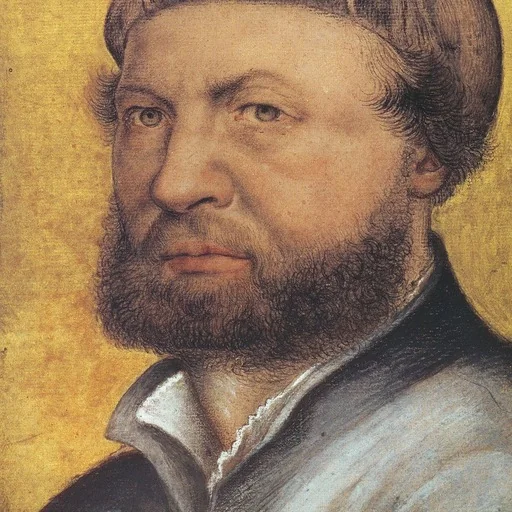
Hans Holbein the Younger (UK: HOL-byne, US: HOHL-byne, HAWL-; German: Hans Holbein der Jüngere; c.

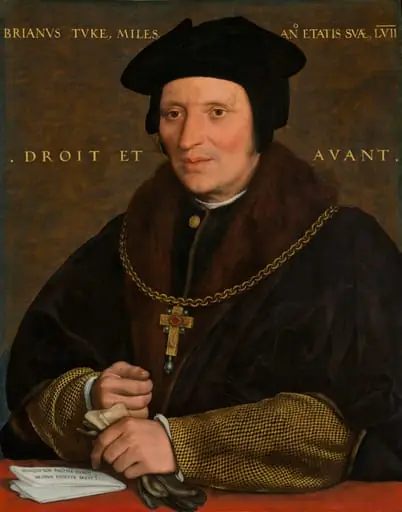
 Charles de Cossé (1506–1563), Count of Brissac
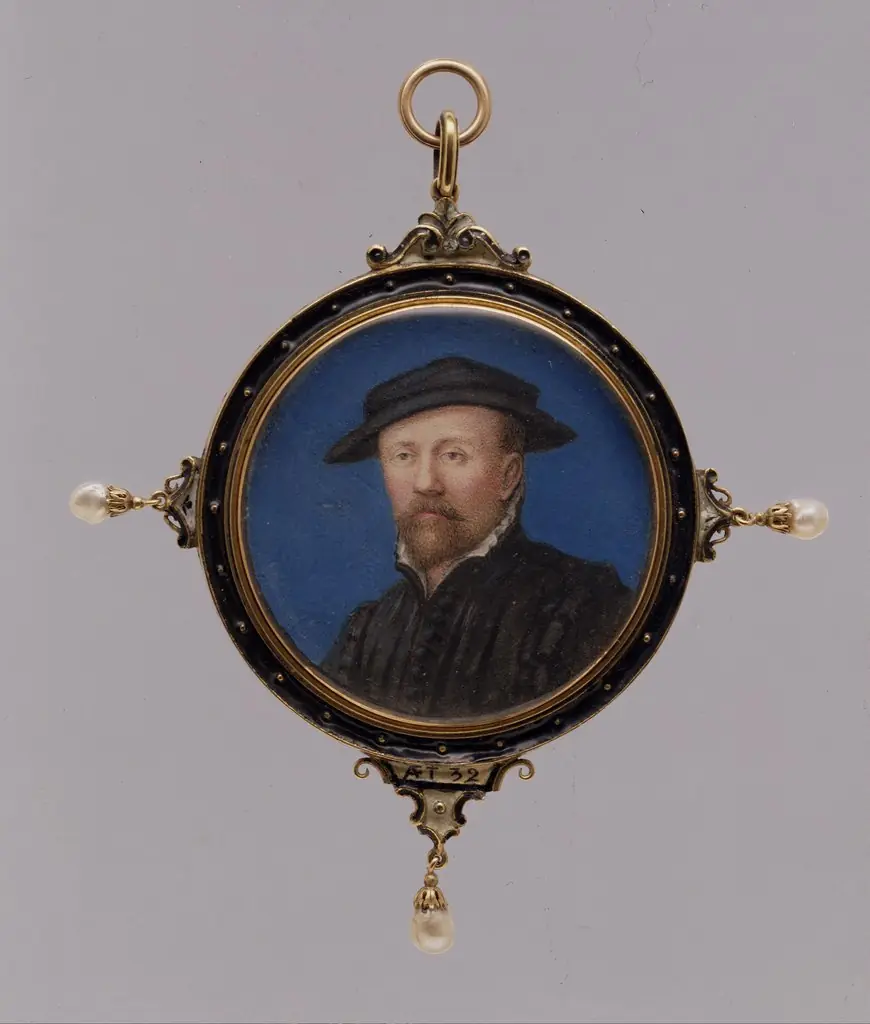 Portrait of a Man, Said to Be Arnold Franz
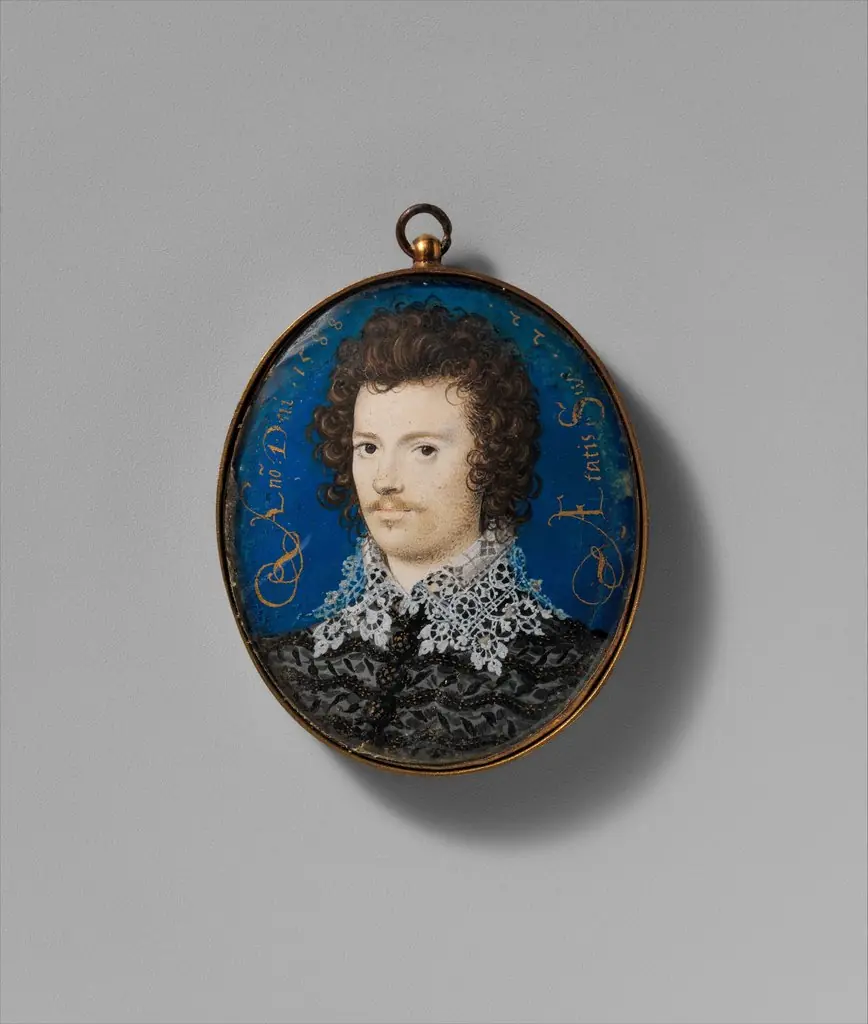 Portrait of a Young Man, Probably Robert Devereux (1566–1601), Second Earl of Essex
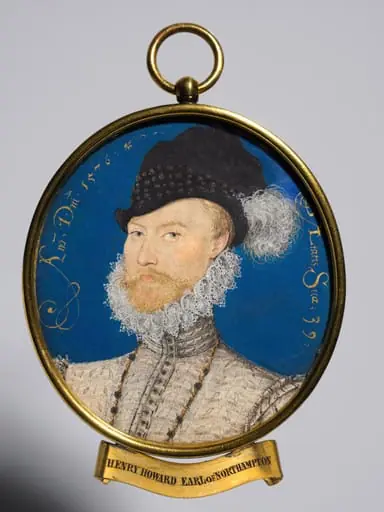 Portrait of Charles Howard, 2nd Baron Howard of Effingham, later 1st Earl of Nottingham
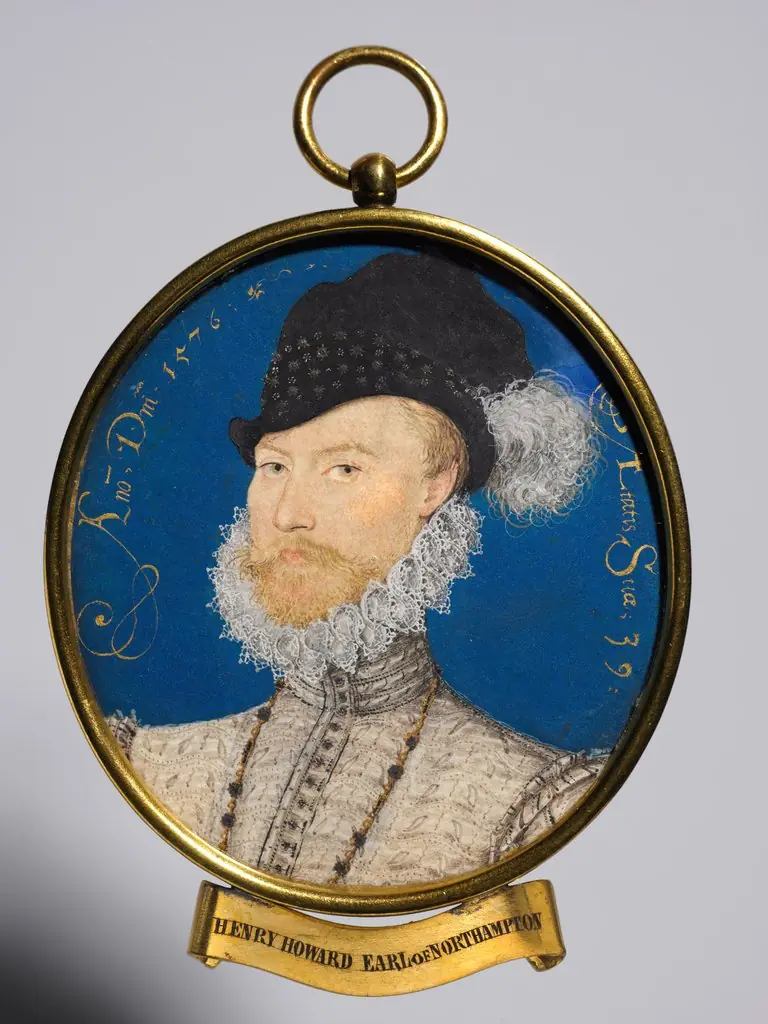 Portrait of Charles Howard, 2nd Baron Howard of Effingham, later 1st Earl of Nottingham
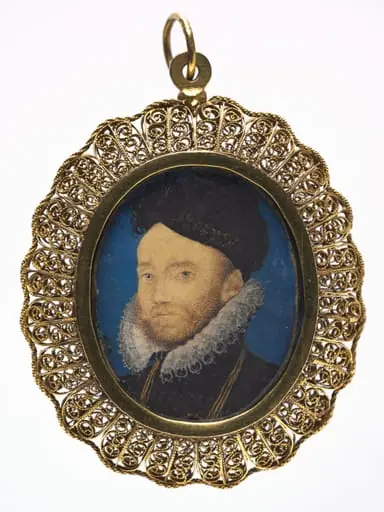 Portrait of a Man
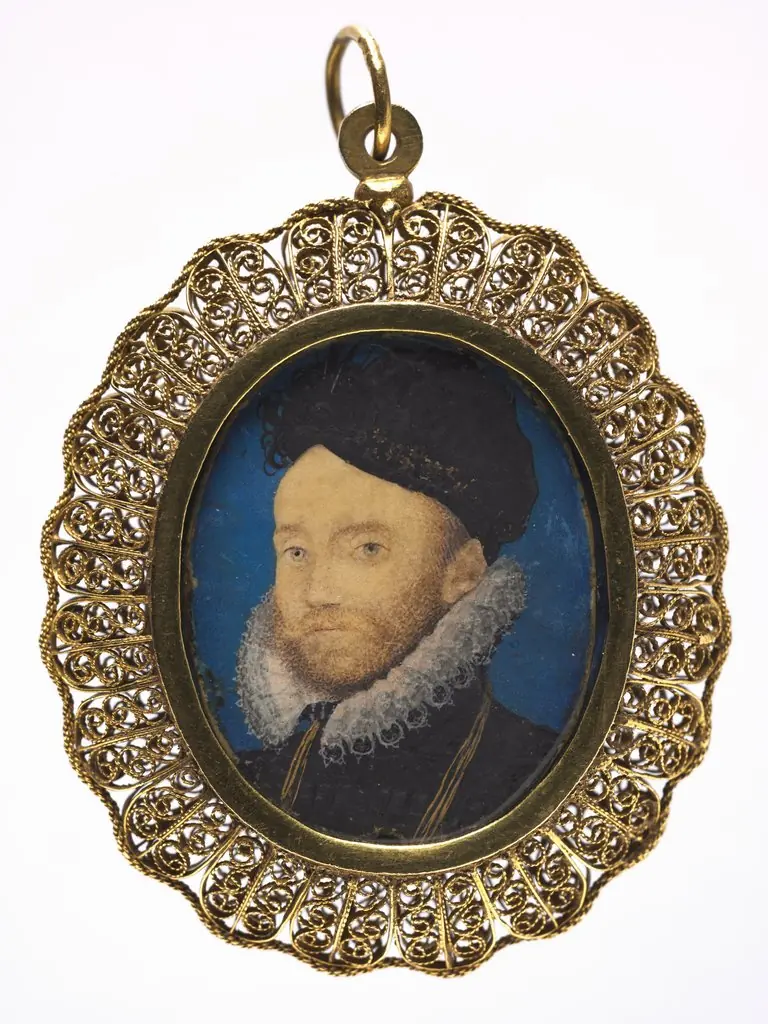 Portrait of a Man
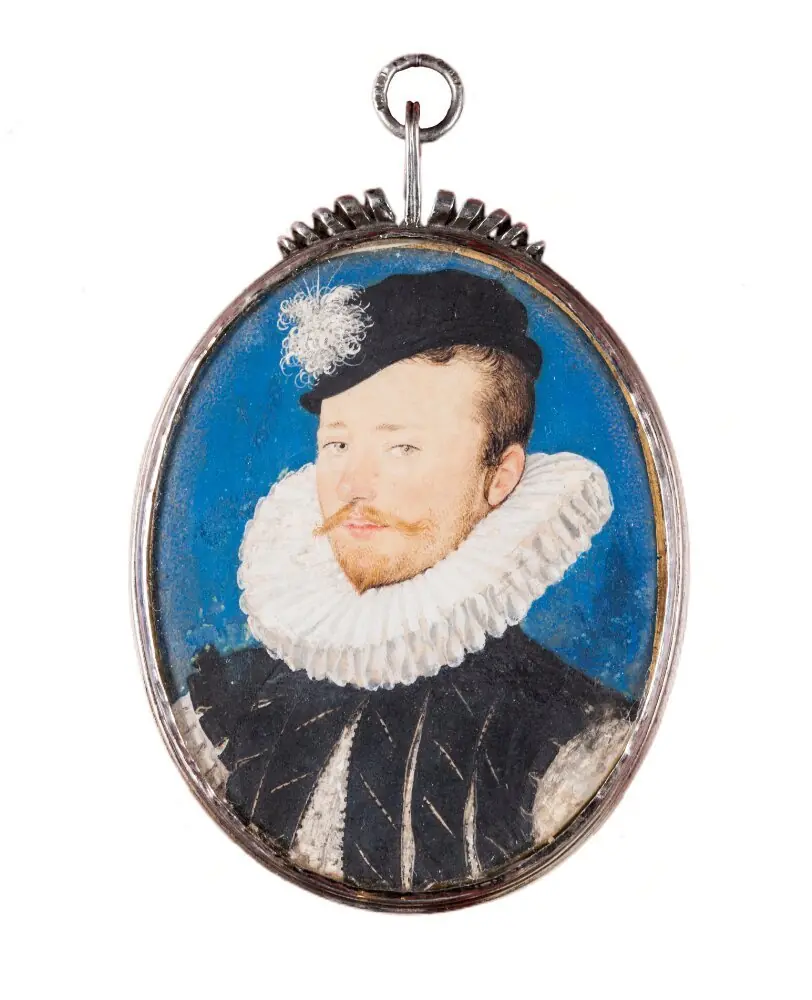 Unknown man
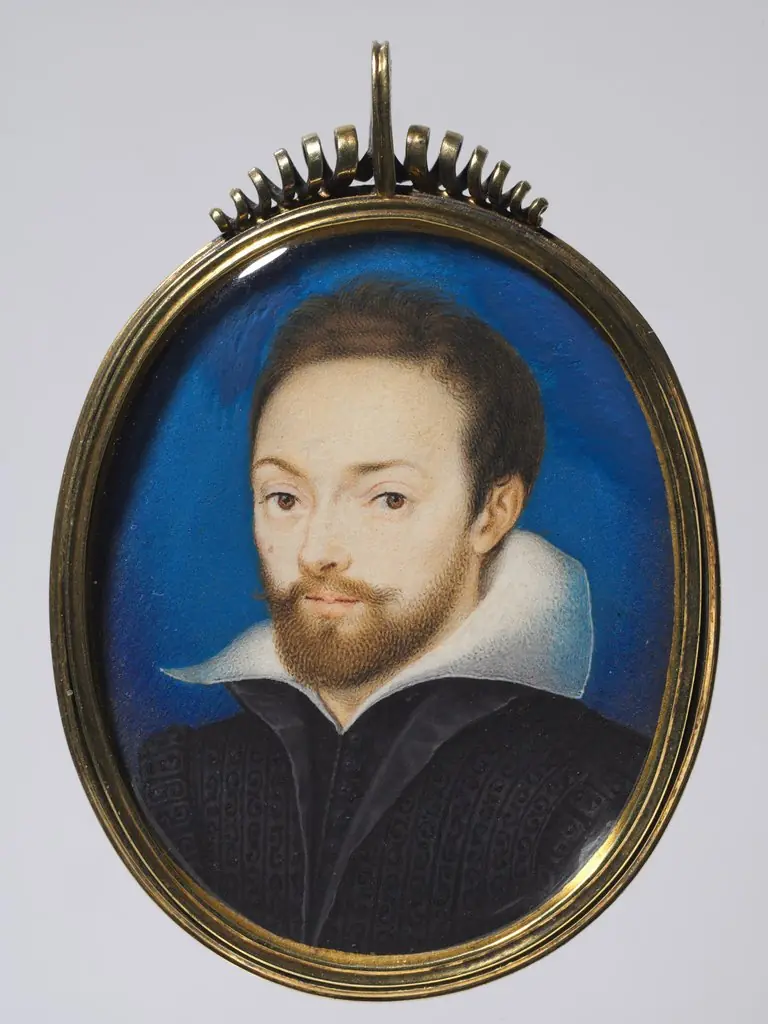 Portrait of a Man
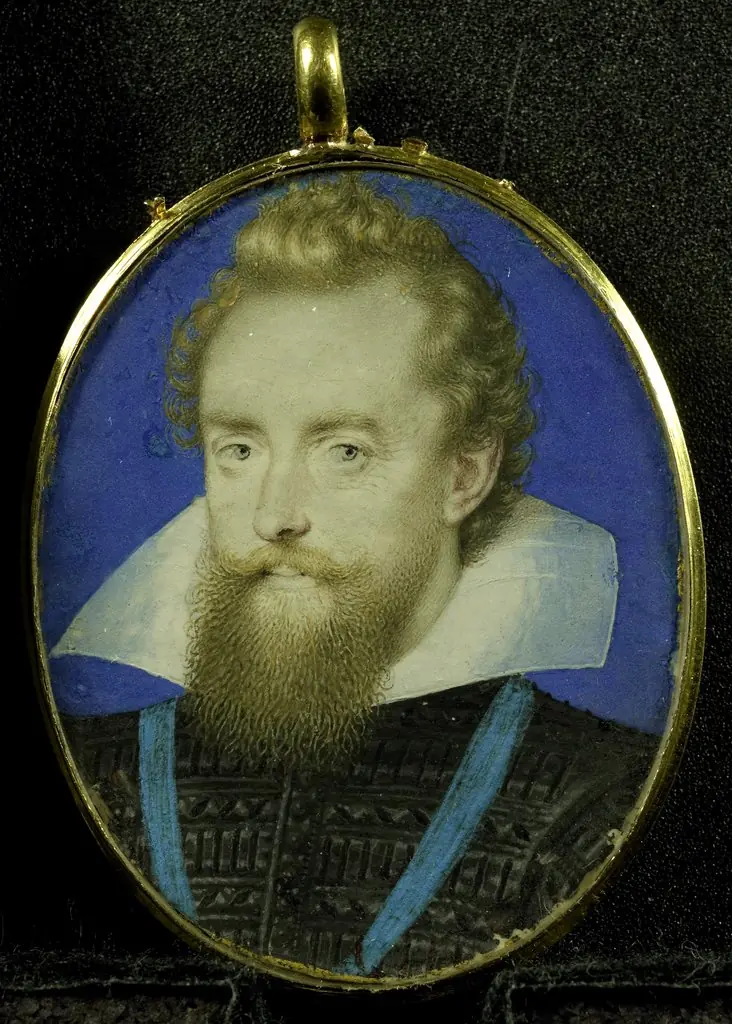 Ludovic Stuart (1574-1623/1624), eerste hertog van Richmond en tweede hertog van Lennox of Thomas Howard (1561-1628), graaf van Suffolk
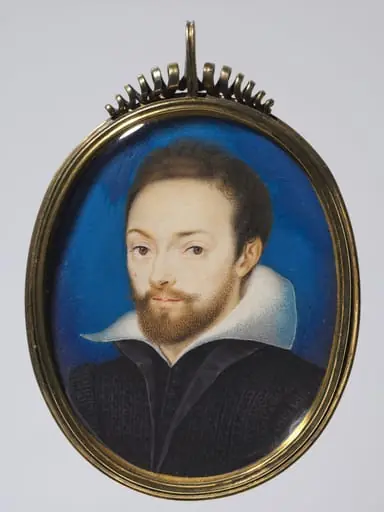 Portrait of a Man
- Henry Wristhesley 3rd earl of Southampton