Artwork
Sir Brian Tuke
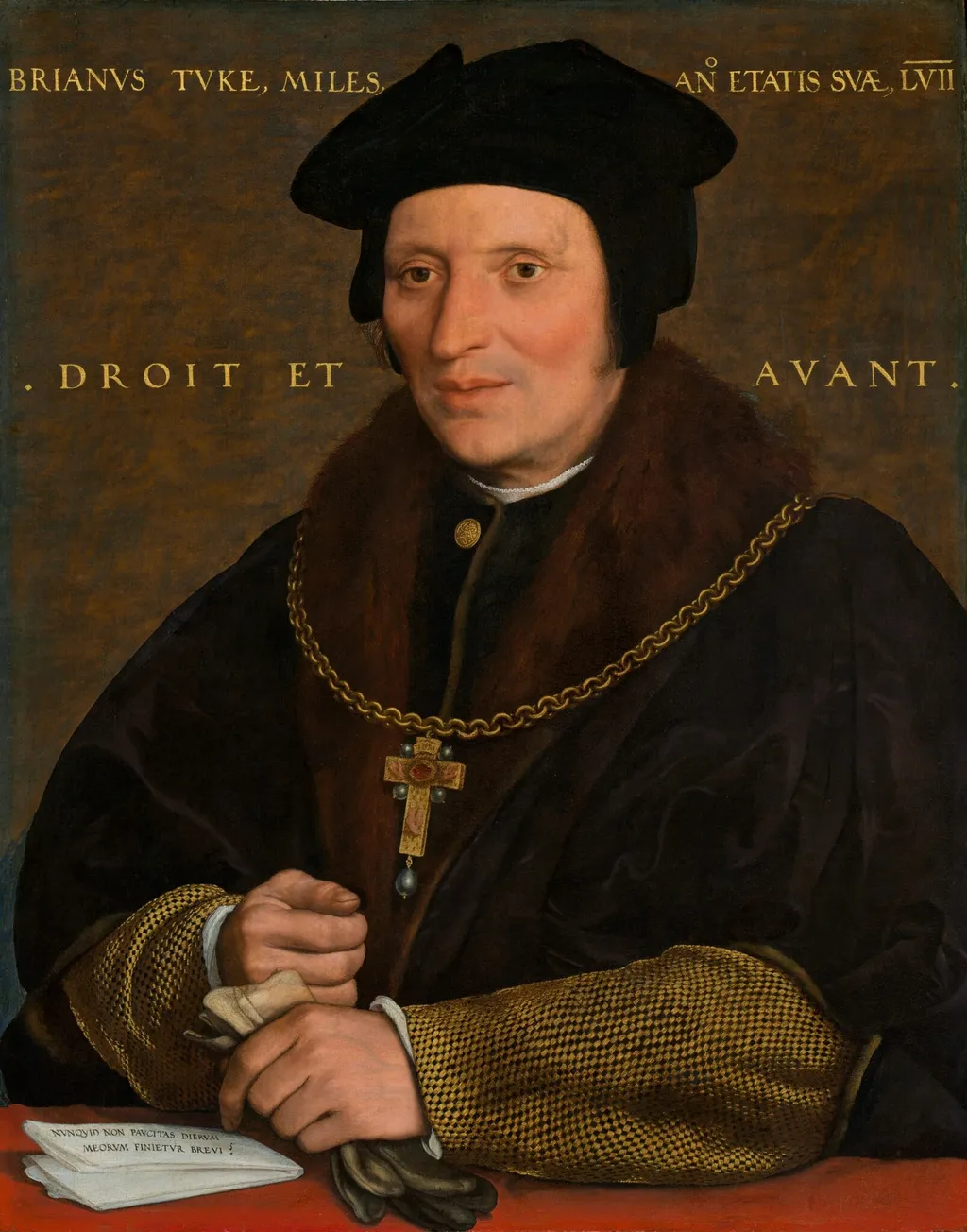
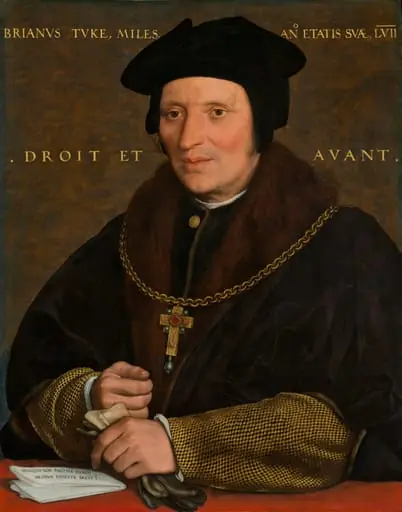
Sir Brian Tuke is an oil painting by the Early Baroque Italian artist Hans Holbein the Younger. It dates from 1528 and is held in the collection of the National Gallery of Art.
- Inscription
- Inscribed:across top: BRIANVS TVKE, MILES, ANo ETATIS SVAE, LVII; across center: .DROIT ET AVANT. (Upright and forward [the sitter's motto]); lower left on folded paper: NVNQVID NON PAVCITAS DIERVM / MEORVM FINIETVR BREVI? (Are not the days of my life few?); at top of cross: INRI
About this work
Technique & Style
Executed in 1528, the portrait of Sir Brian Tuke is an oil painting on a wooden panel support.
Executed in 1528, the portrait of Sir Brian Tuke is an oil painting on a wooden panel support. The work measures 49.1 centimeters in height and 38.5 centimeters in width. As a product of Hans Holbein the Younger's technique, the piece uses oil paint to achieve the detailed realism characteristic of the artist's portraiture from this period.
The medium of oil on panel was the standard for high-status portraiture in the early sixteenth century, allowing for the precise rendering of the sitter's features and attire. The painting remains in the collection of the National Gallery of Art in Washington, D.C., as part of the Andrew W. Mellon collection.
History & Provenance
The portrait Sir Brian Tuke is attributed to Hans Holbein the Younger and dated to 1528. It entered the collection of Sir Paul Methuen in London by 1757, passing by inheritance through subsequent generations of the Methuen family at Corsham Court, Wiltshire. Sold at Christie's, London, in 1848, the work later belonged to Richard Grosvenor, 2nd Marquess of Westminster, and his daughter Lady Theodora Guest.
It was handled by Robert Langton Douglas and P. & D. Colnaghi in 1913, then acquired by M. Knoedler & Co. and sold to Watson B. Dickerman in New York by 1914. After Dickerman's death, his widow consigned it to Knoedler in 1929; Andrew W. Mellon purchased it in 1930 and deeded it to The A.W. Mellon Educational and Charitable Trust in 1932. The Trust gifted the work to the National Gallery of Art, Washington, D.C., in 1937, where it remains as part of the Andrew W. Mellon collection.
Legacy
The portrait of Sir Brian Tuke became a reference point for scholars studying early sixteenth-century diplomatic portraiture, noted as early as 1836 when Johann David Passavant mentioned it in his travel account, marking one of the first published citations of a Holbein work in England. Its provenance through the Methuen family, subsequent sales, and acquisition by Andrew W. Mellon placed the painting in a major American collection, leading to its display at the National Gallery of Art, where it has been examined in catalogues and exhibitions, reinforcing Holbein's reputation as a master of courtly representation. The work's inclusion in the Mellon collection has ensured continued academic attention to Tuke's role as a cultural envoy.
Overview
This oil on panel painting depicts Sir Brian Tuke, a notable figure of his time. The artwork presents a seated man adorned in elaborate attire, his expression conveying a sense of gravity and composure. Attributed to Hans Holbein the Younger, a prominent artist known for his detailed portraiture, this work exemplifies the artist's capacity to capture individual likeness and the sartorial trends of the period.
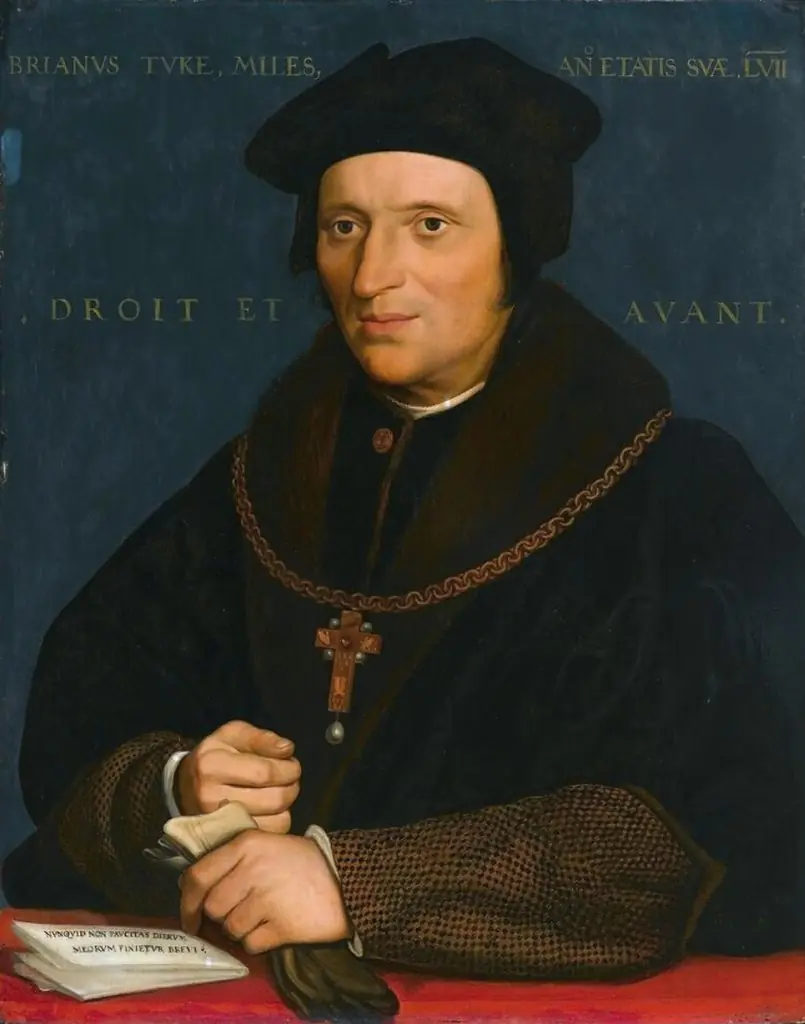
Own this work as a print
Artist & collection
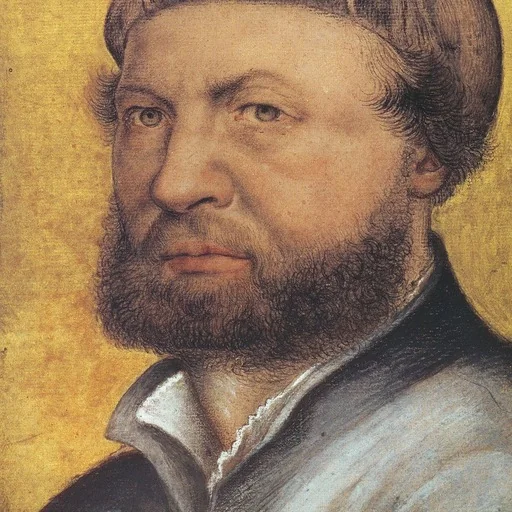
Artist
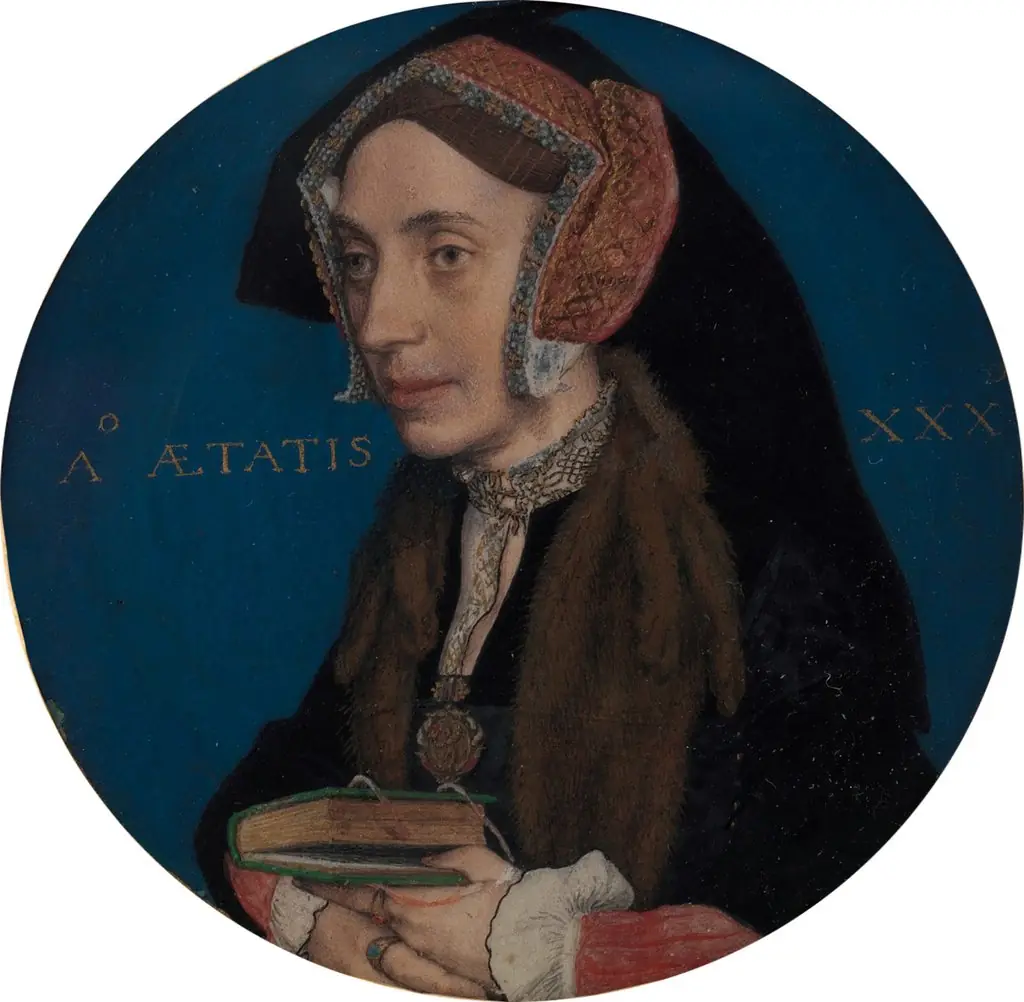
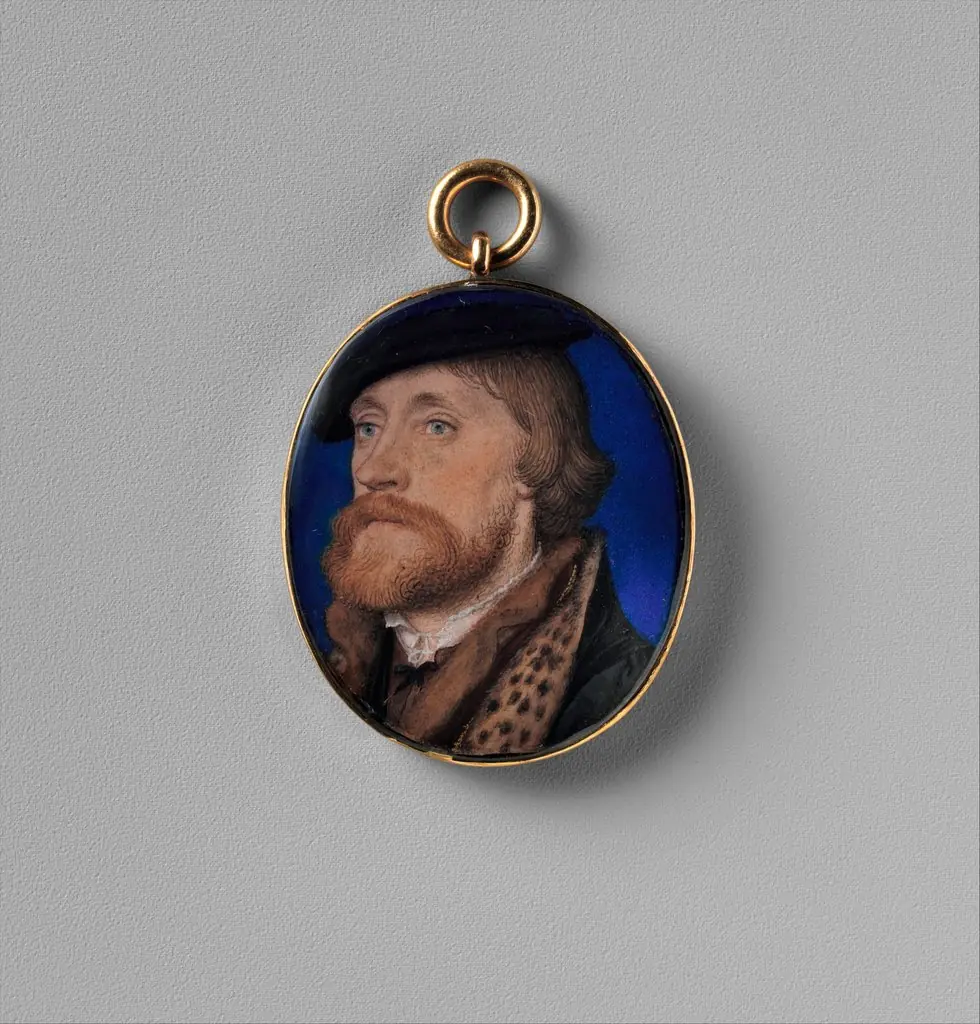
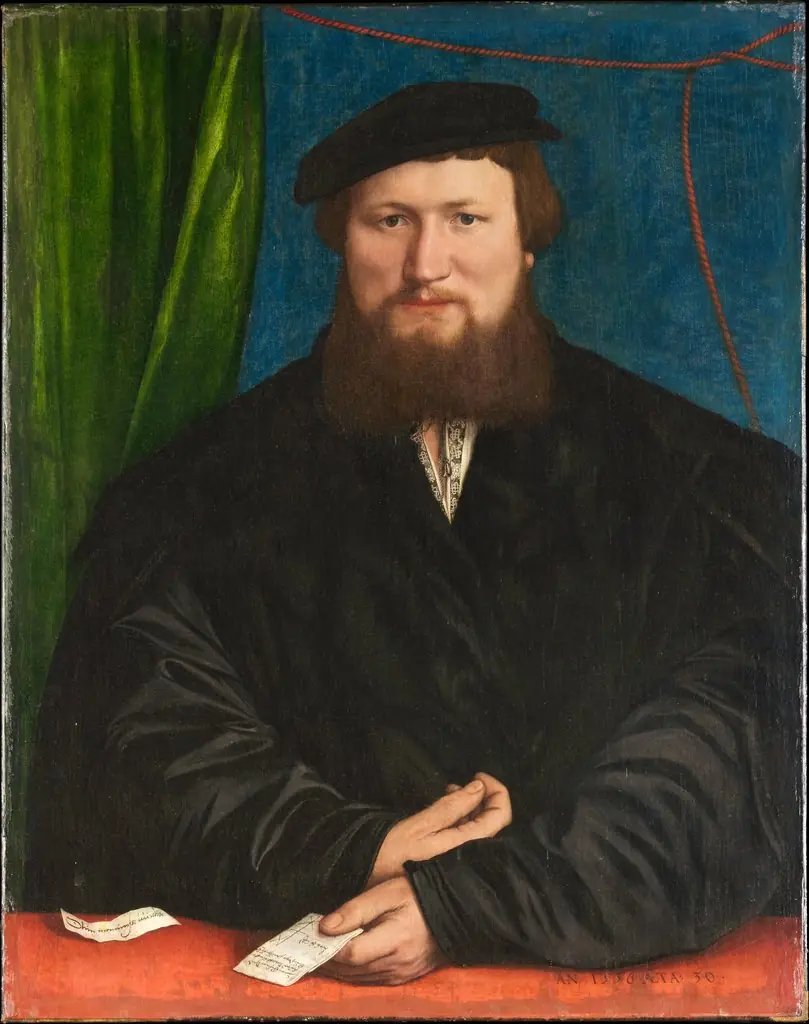
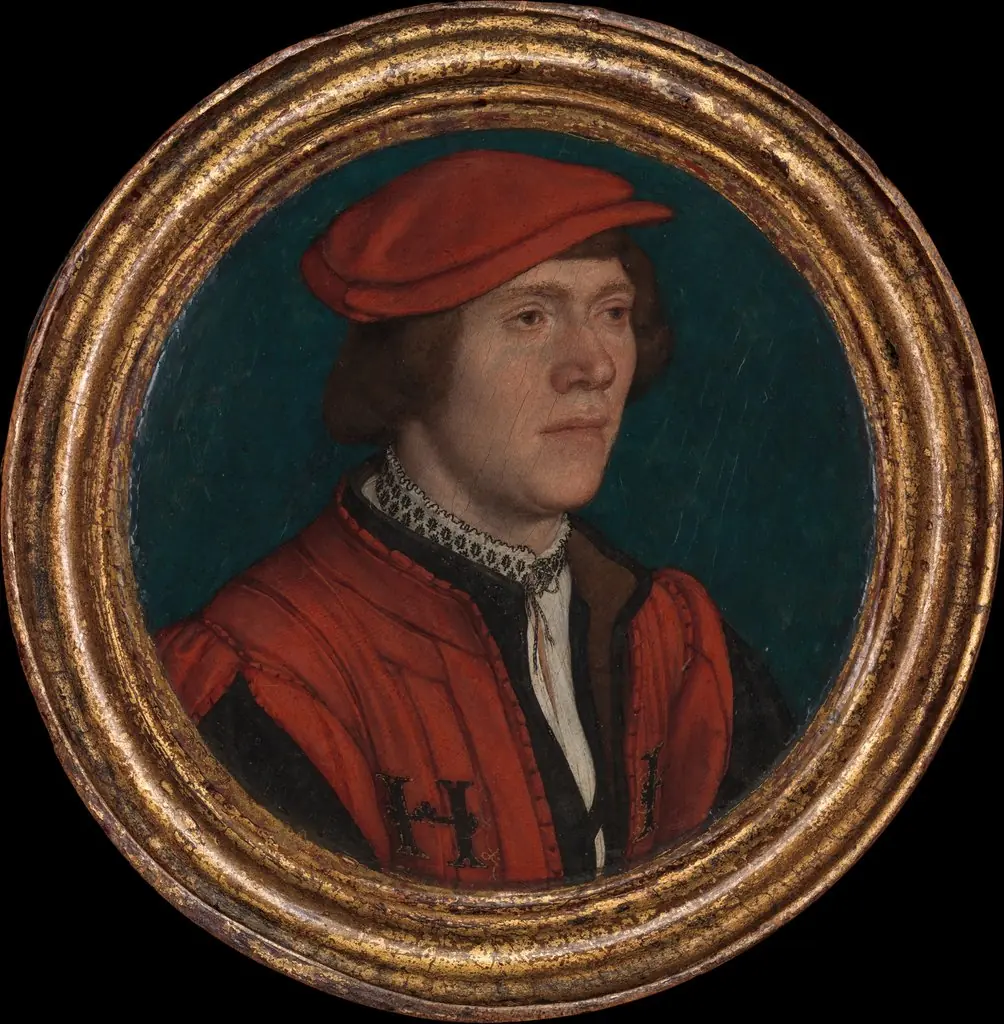
Hans Holbein the Younger (UK: HOL-byne, US: HOHL-byne, HAWL-; German: Hans Holbein der Jüngere; c.

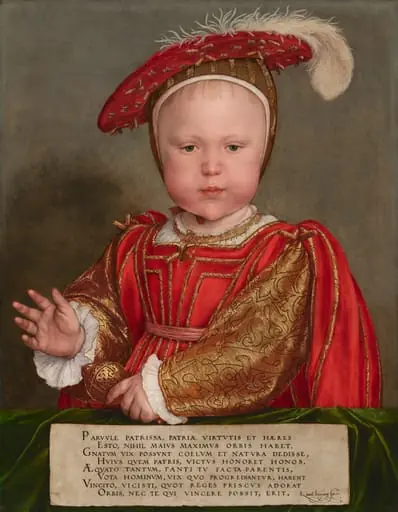
 Studied in the Portraiture Across Time course