Artwork
Edward VI as a Child
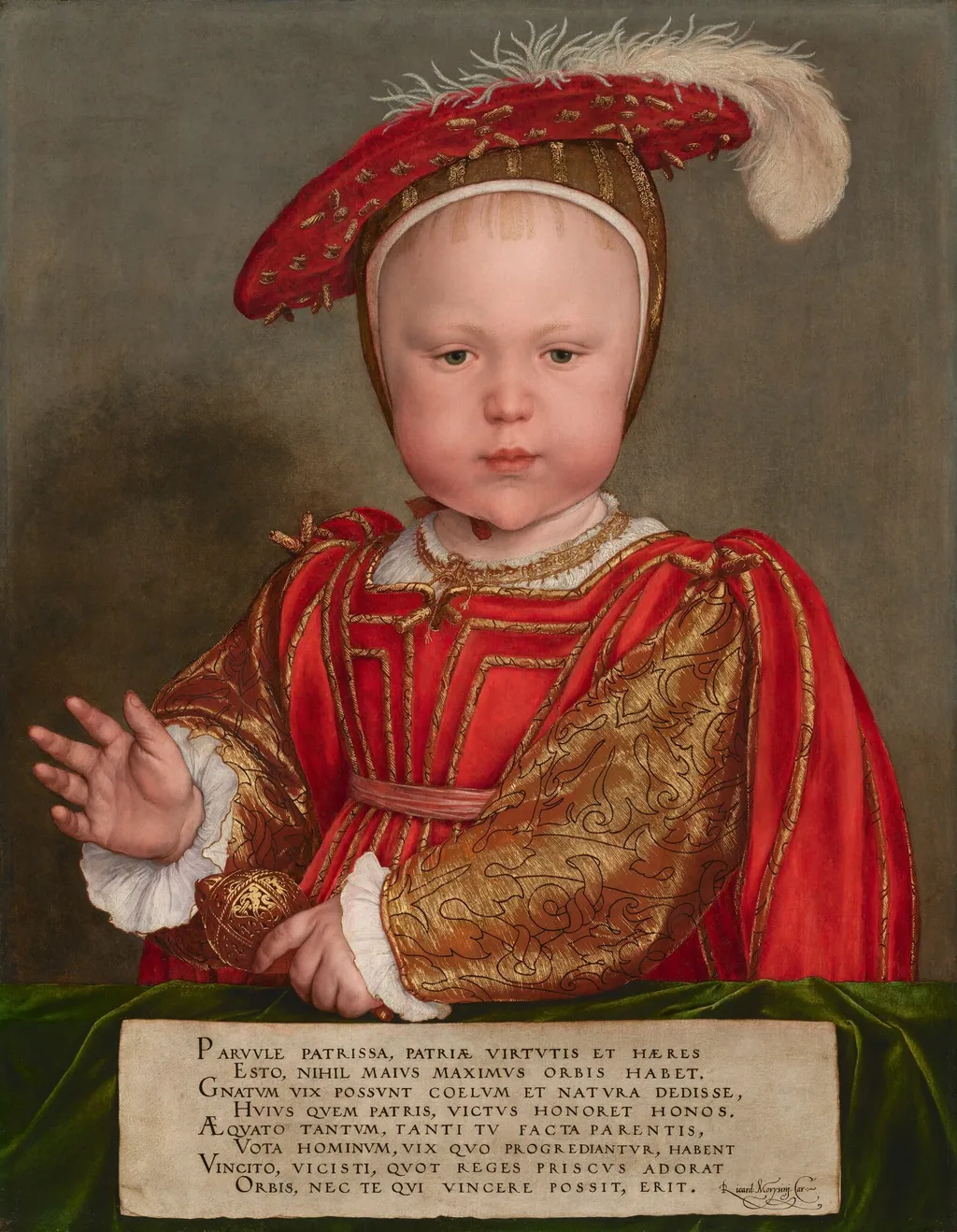
Edward VI as a Child is an oil painting by the Early Baroque Italian artist Hans Holbein the Younger. It dates from 1538 and is held in the collection of the National Gallery of Art.
- Inscription
- Inscribed:across bottom: PARVVLE PATRISSA, PATRIÆ VIRTVTIS ET HÆRES / ESTO, NIHIL MAIVS MAXIMVS ORBIS HABET. / GNATVM VIX POSSVNT COELVM ET NATVRA DEDISSE, / HVIVS QVEM PATRIS, VICTVS HONORET HONOS. / ÆQVATO TANTVM, TANTI TV FACTA PARENTIS, / VOTA HOMINVM, VIX QVO PROGREDIANTVR, HABENT / VINCITO, VICISTI. QVOT REGES PRISCVS ADORAT / ORBIS, NEC TE QVI VINCERE POSSIT, ERIT. Ricard: Morysini. Car: (Little one, emulate thy father and be the heir of his virtue; the world contains nothing greater. Heaven and earth could scarcely produce a son whose glory would surpass that of such a father. Do thou but equal the deeds of thy parent and men can ask no more. Shouldst thou surpass him, thou hast outstript all kings the world has revered in ages past.)
About this work
Subject & Meaning
Symbolically, the painting underscores the child's role as the embodiment of political continuity and the promise of a stable monarchy.
The work titled "Edward VI as a Child" (1538) is a portrait in oil on panel by Hans Holbein the Younger that represents the young Edward VI of England, then a toddler, as the designated heir of the Tudor dynasty. The composition emphasizes his royal status through contemporary regalia and a direct gaze that conveys future authority, a common iconographic device in early modern portraiture to signal legitimacy and succession. Symbolically, the painting underscores the child's role as the embodiment of political continuity and the promise of a stable monarchy.
Technique & Style
Created in 1538, the work is executed in oil paint on a wooden panel support, a standard medium for high-status portraiture of the period by Hans Holbein the Younger. The painting measures 56.8 cm in height and 44 cm in width. Stylistically, it functions as a formal portrait of the young Edward VI, characterized by the artist's precise handling of oil to render the subject's features and attire with clarity.
While the specific condition report is not detailed in the provided records, the work's survival from the 16th century to its current location in the National Gallery of Art collection attests to its structural stability over centuries. The composition reflects the Renaissance portraiture tradition, focusing on the dignified representation of the royal child through careful application of pigment on the rigid panel surface.
History & Provenance
Hans Holbein the Younger painted the portrait in 1538. According to the New Year's Gift Roll preserved in the Folger Shakespeare Library, Holbein presented the panel to Henry VIII on 1 January 1539, recorded as "a table of the pictour of the prince grace." The work subsequently entered the collection of Thomas Howard, Earl of Arundel and Surrey, at Arundel Castle and Arundel House by 1639, and was taken to Amsterdam from 1643, passing by inheritance to his wife Alathea Howard.
It was probably acquired by William III at Het Loo, Apeldoorn, by around 1700. The portrait later reached Ernest Augustus I at the Royal Castle in Hanover by 1844, descending to George V of Hanover and then to Ernest Augustus II. After passing through P. & D. Colnaghi & Co. and M. Knoedler & Co. by 1925, Andrew W. Mellon purchased the panel in July 1925.
He deeded it in 1932 to the A.W. Mellon Educational and Charitable Trust, which gave it to the National Gallery of Art in 1937. The painting has since been shown in major exhibitions, including The Tudors: Art and Majesty in Renaissance England.
Overview
This oil on panel painting, titled Edward VI as a Child, was created by Hans Holbein the Younger around 1538. It presents a formal portrait of the young Edward VI of England, then a prince, before his ascension to the throne. The work serves as a significant example of Holbein's portraiture, capturing the future monarch in a moment of poised solemnity.
Context
Created during a pivotal period in English history, this portrait of Edward VI was painted when Holbein the Younger was a prominent artist at the Tudor court. As the son of Henry VIII, Edward's image was crucial for dynastic representation. Holbein's ability to convey both the innocence of childhood and the gravitas of a future king made him an ideal choice for such commissions, reflecting the political and social importance of royal portraiture.
Own this work as a print
Artist & collection
Artist
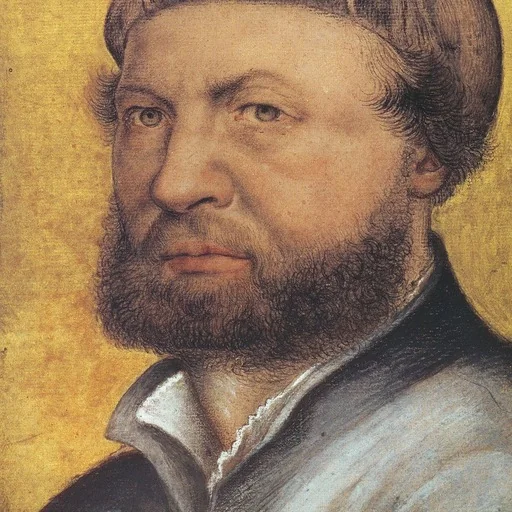
Hans Holbein the Younger (UK: HOL-byne, US: HOHL-byne, HAWL-; German: Hans Holbein der Jüngere; c.

 Garzia de' Medici
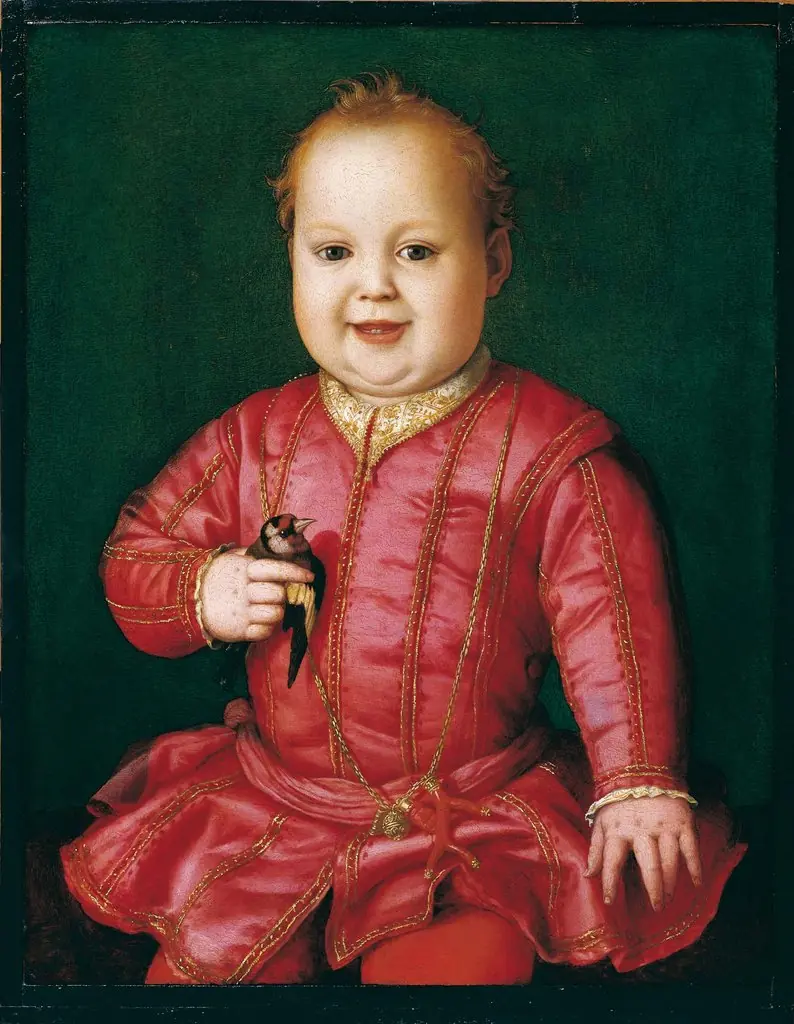 Portrait of Giovanni de' Medici as a Child
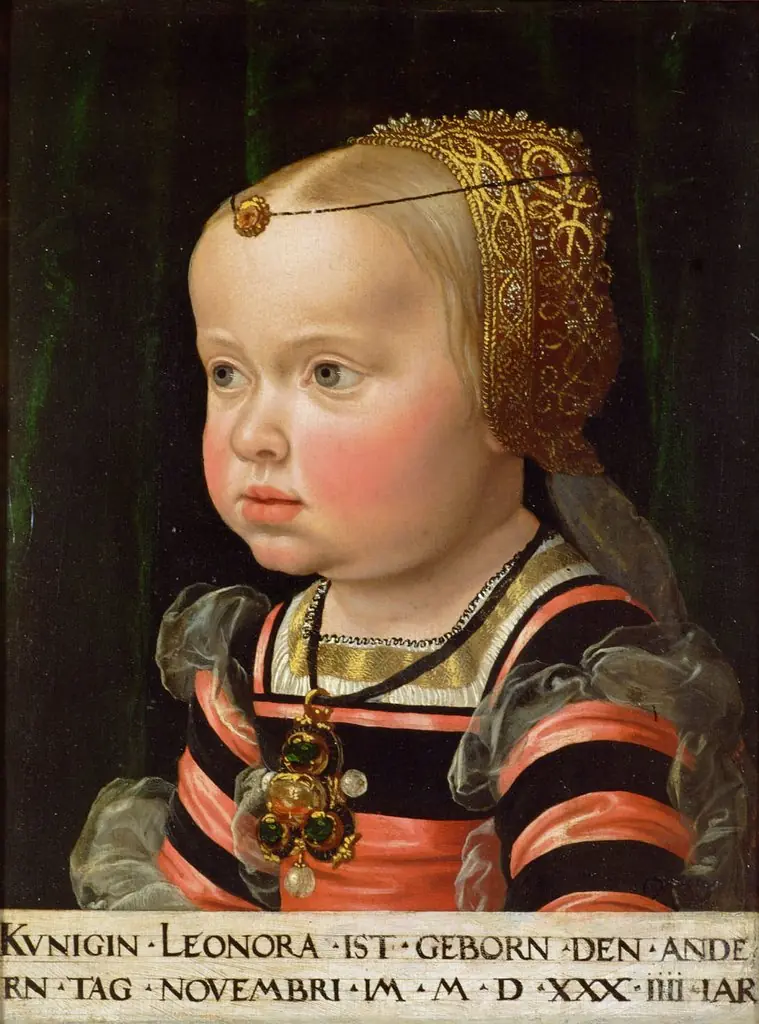 Erzherzogin Eleonore (1534-1594), Herzogin von Mantua als Zweijährige
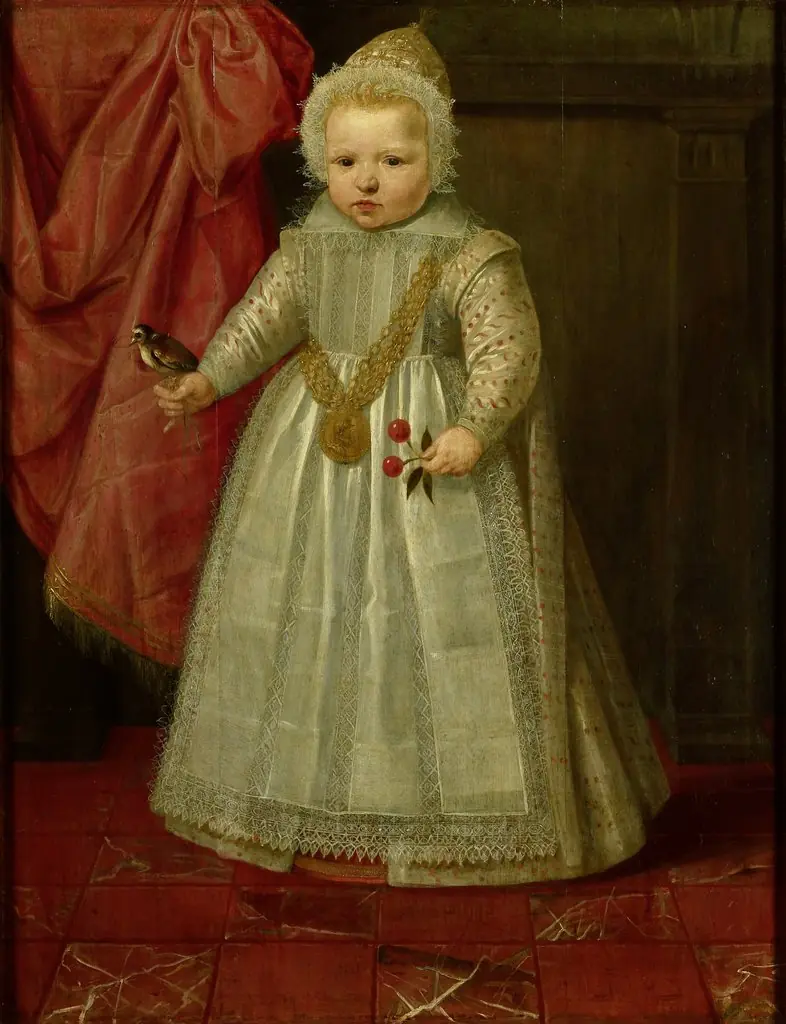 Portrait of a Boy, possibly Louis of Nassau, later Lord of Beverweerd, De Leck, Odijk and Lekkerkerk, Illegitimate Son of Maurice, Prince of Orange, and Margaretha van Mechelen
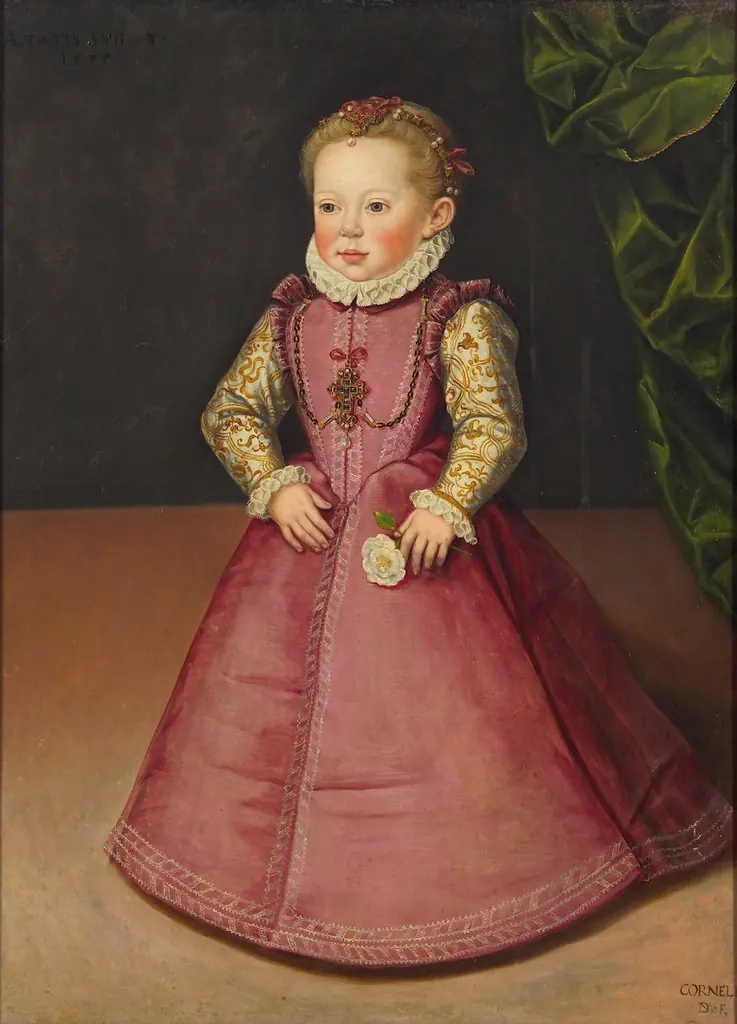 Erzherzogin Maria Christierna (1574-1621) im Alter von drei Jahren, in ganzer Figur
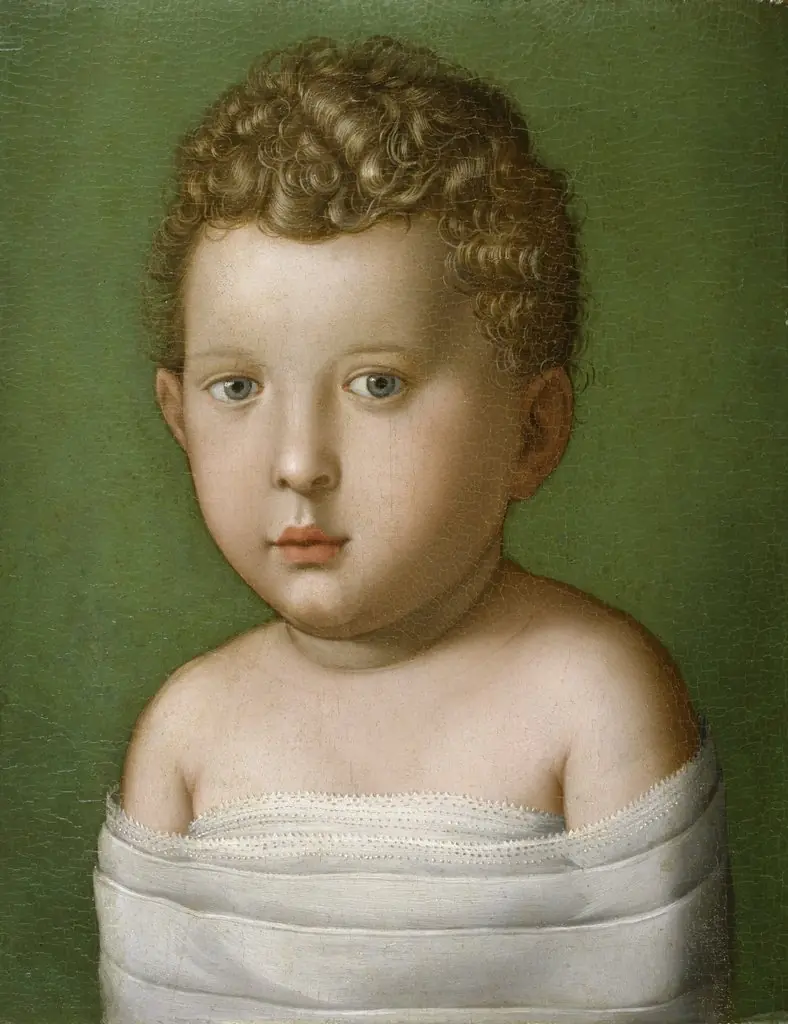 Portrait of a Baby Boy
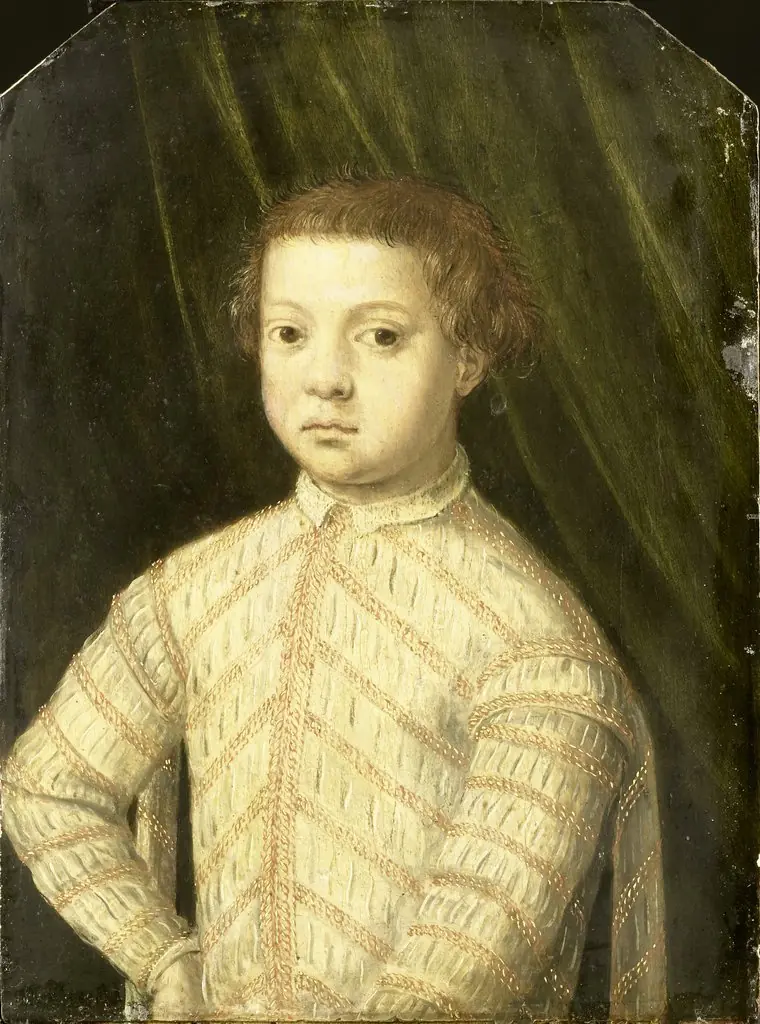 Portrait of a Boy, thought to be Giovanni de' Medici (1543-1562)
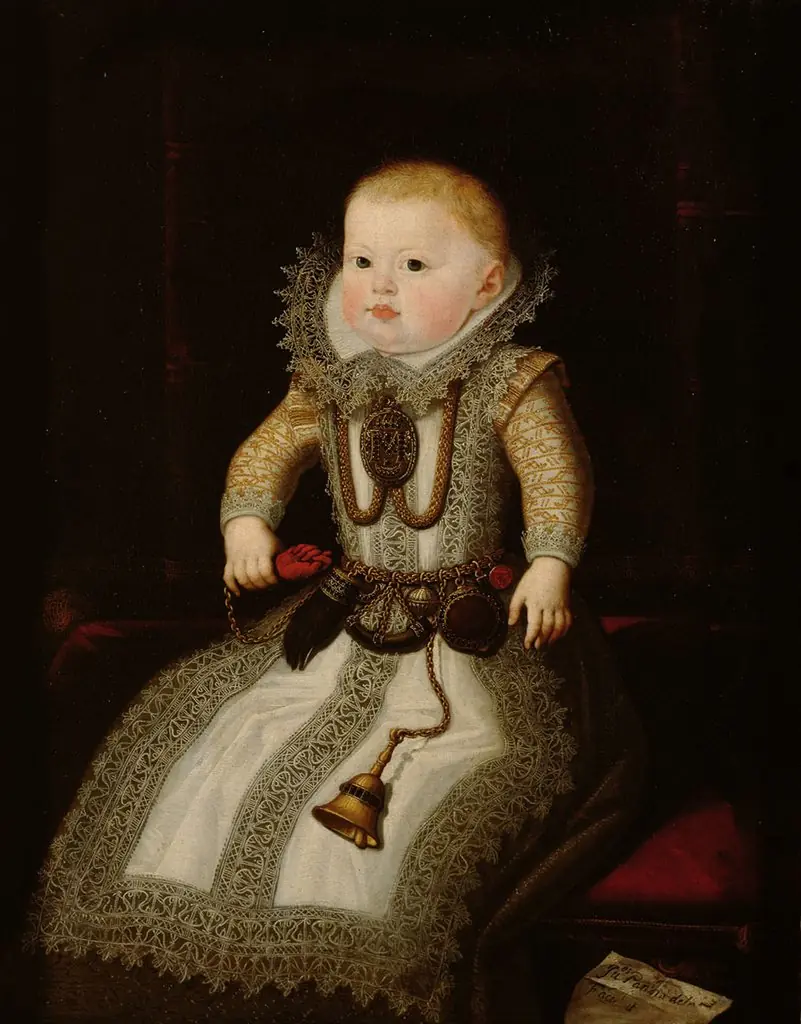 Infantin Maria Anna (1606-1646), Kaiserin, im Alter von 4 bis 5 Monaten, Bildnis in ganzer Figur
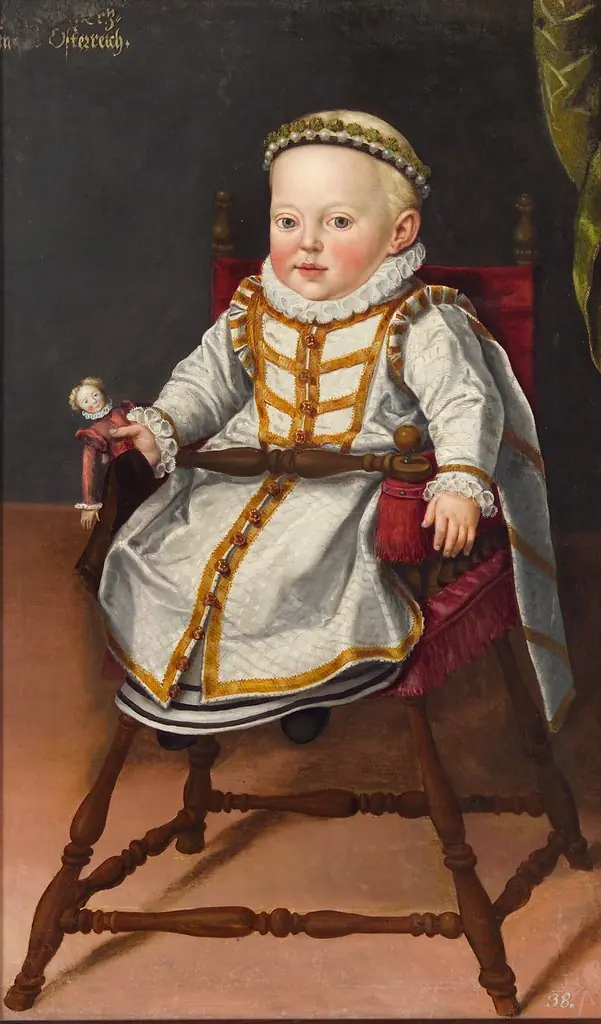 Erzherzogin Katharina Renea (1576-1595) im Alter von einem Jahr in einem Kindersessel sitzend mit einer Puppe
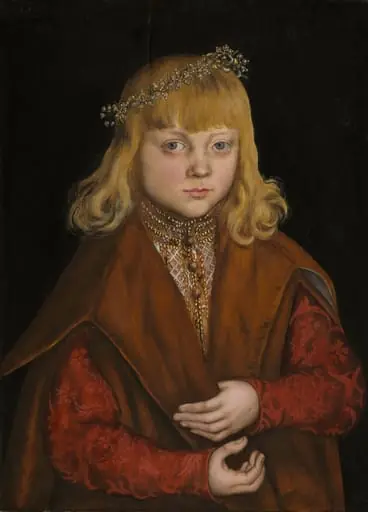 A Prince of Saxony
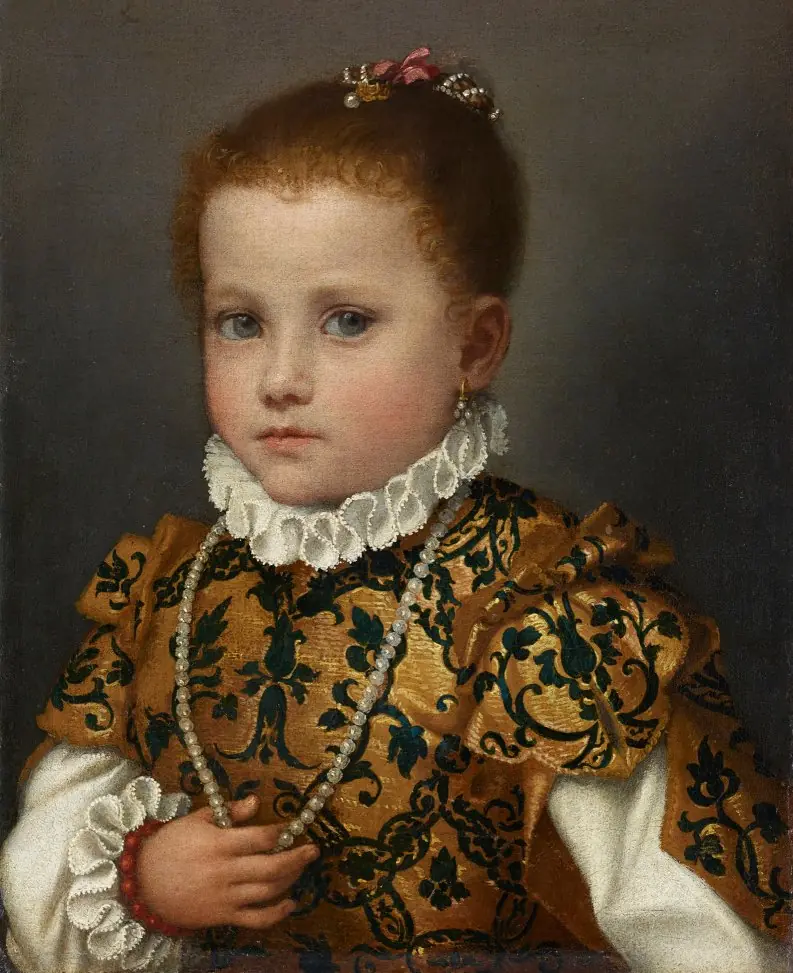 Portrait of a child of the House of Redetti
- Edward, Prince of Wales, later King Edward VI
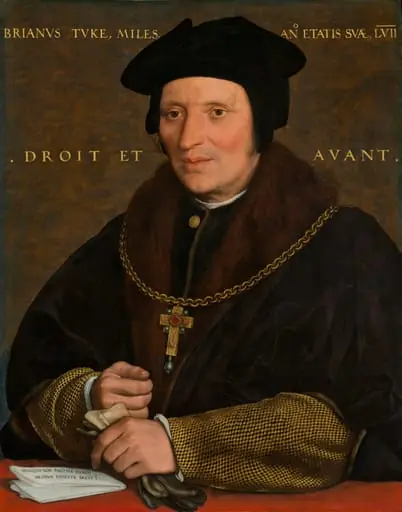 Studied in the Portraiture Across Time course