Artwork
Charles de Cossé (1506–1563), Count of Brissac
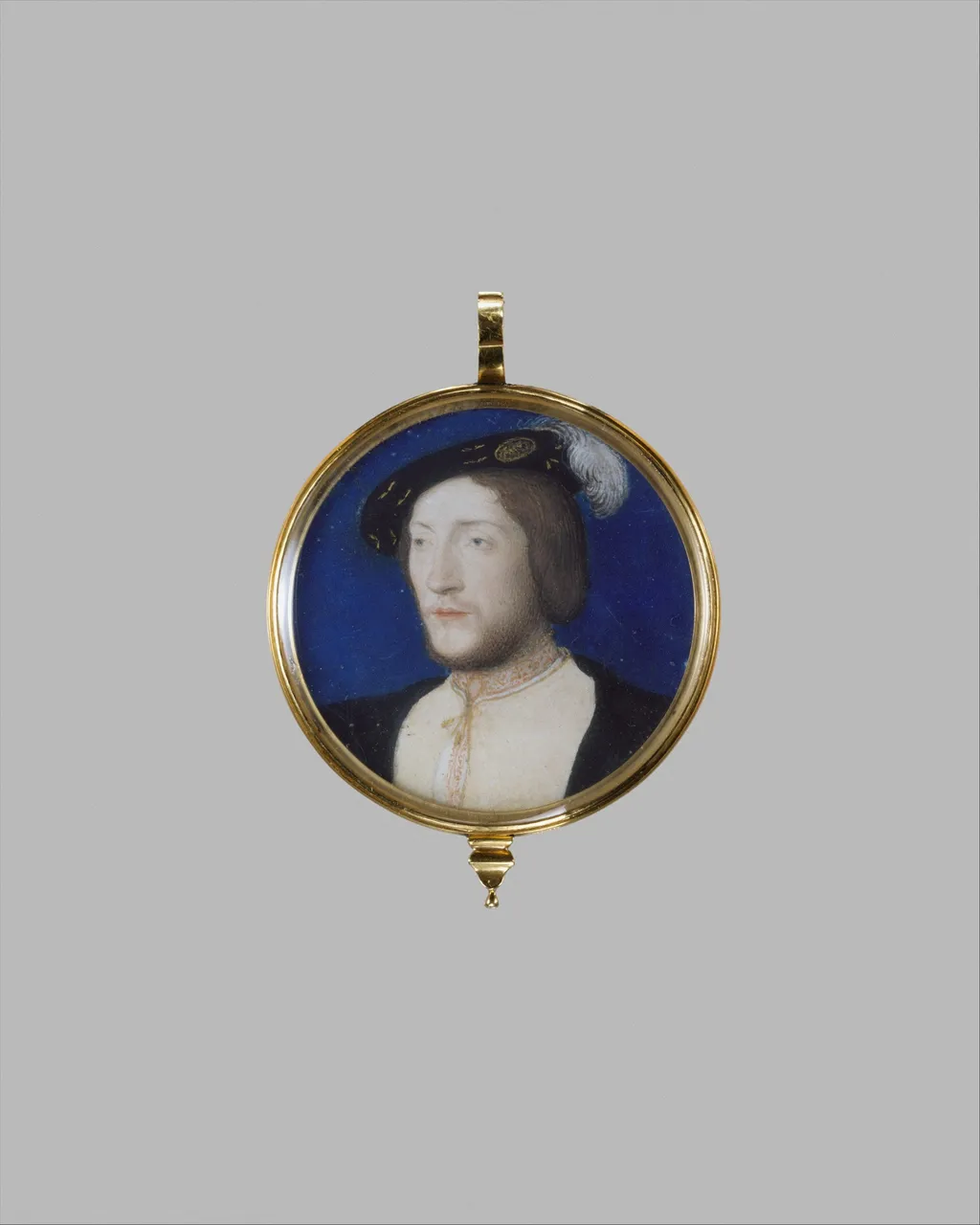
Charles de Cossé (1506–1563), Count of Brissac is an unspecified painting by the Early Baroque Italian artist Jean Clouet. It dates from 1535 and is held in the collection of the Metropolitan Museum of Art.
About this work
Subject & Meaning
The work is a formal portrait depicting Charles de Cossé, the Count of Brissac, rendered by Jean Clouet in 1535.
The work is a formal portrait depicting Charles de Cossé, the Count of Brissac, rendered by Jean Clouet in 1535. As a single-subject painting on vellum, the image focuses exclusively on the likeness of the man, presenting him as a distinct historical figure of the French court. The iconography is defined by the conventions of the sixteenth-century portrait genre, which prioritizes the accurate representation of the sitter's identity and status over allegorical narrative or complex symbolism.
The meaning of the piece lies in its function as a documentary record of Brissac, capturing his physical appearance and social standing during the reign of Francis I.
Technique & Style
Jean Clouet executed the 1535 portrait of Charles de Cossé, Count of Brissac, using vellum as the primary support material. Classified as a painting within the portrait genre, the work demonstrates the artist's handling of this specific medium during the French Renaissance. The piece is currently held in the collection of the Metropolitan Museum of Art.
The formal classification identifies the subject as a male portrait, consistent with the courtly style typical of Clouet's output during this period.
History & Provenance
Attributed to Jean Clouet, this portrait of Charles de Cossé, Count of Brissac, was executed in 1535 on vellum. It currently resides in the collection of the Metropolitan Museum of Art. Its exhibition history includes a showing in the exhibition 'Francis I and the art of the Netherlands' at the Metropolitan Museum of Art. No specific accession number or earlier ownership chain is recorded in the available documentation.
Overview
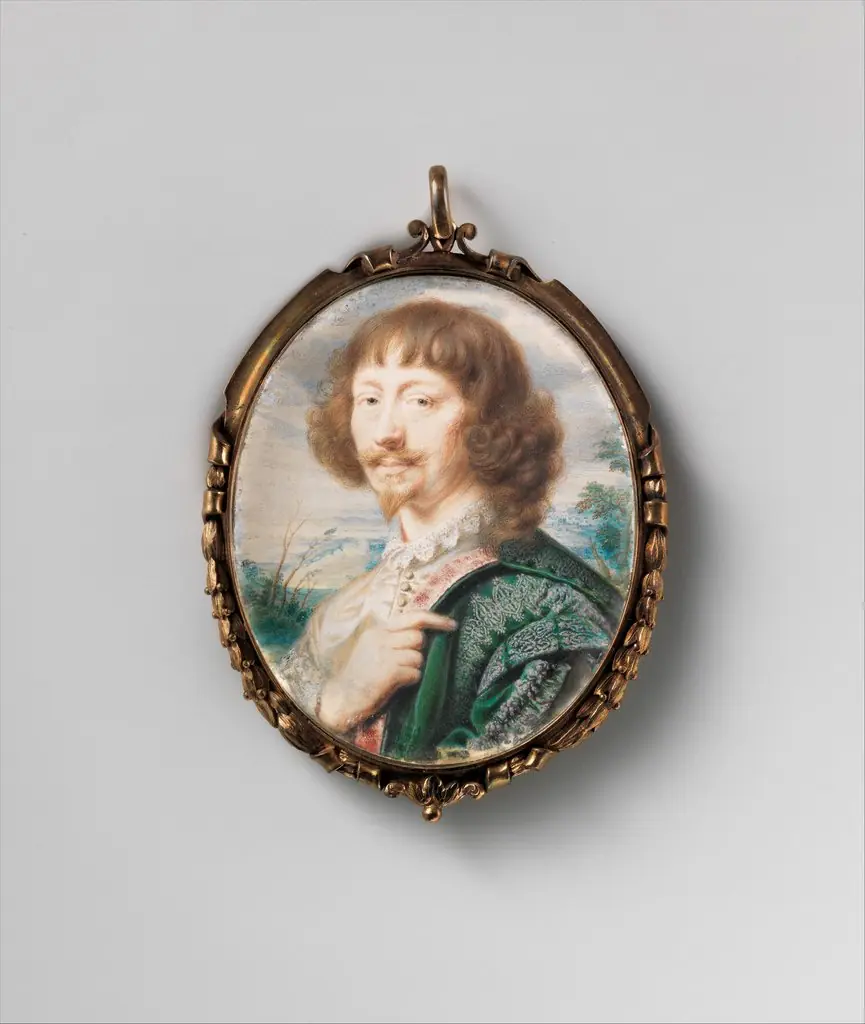
This miniature portrait, created by Jean Clouet in 1535, depicts Charles de Cossé (1506–1563), Count of Brissac. Rendered on vellum, the small painting is housed within a gold frame, suggesting its original function as a piece of personal adornment. The work is now part of the collection at The Metropolitan Museum of Art, offering insight into 16th-century portraiture and the practice of wearing likenesses.
Context
Given its diminutive size and the elaborate gold setting, this portrait was likely intended to be worn as a piece of jewelry, perhaps pinned to clothing like a cloak. Such portable likenesses served as personal mementos or symbols of allegiance, allowing the owner to carry the image of a significant figure with them. This practice highlights the intersection of art and personal adornment in the Renaissance.
Own this work as a print
Artist & collection

Artist
Jean Clouet was a painter, draughtsman and miniaturist from the Burgundian Netherlands whose known active work period took place in France.

 Portrait of a Man, Said to Be Arnold Franz
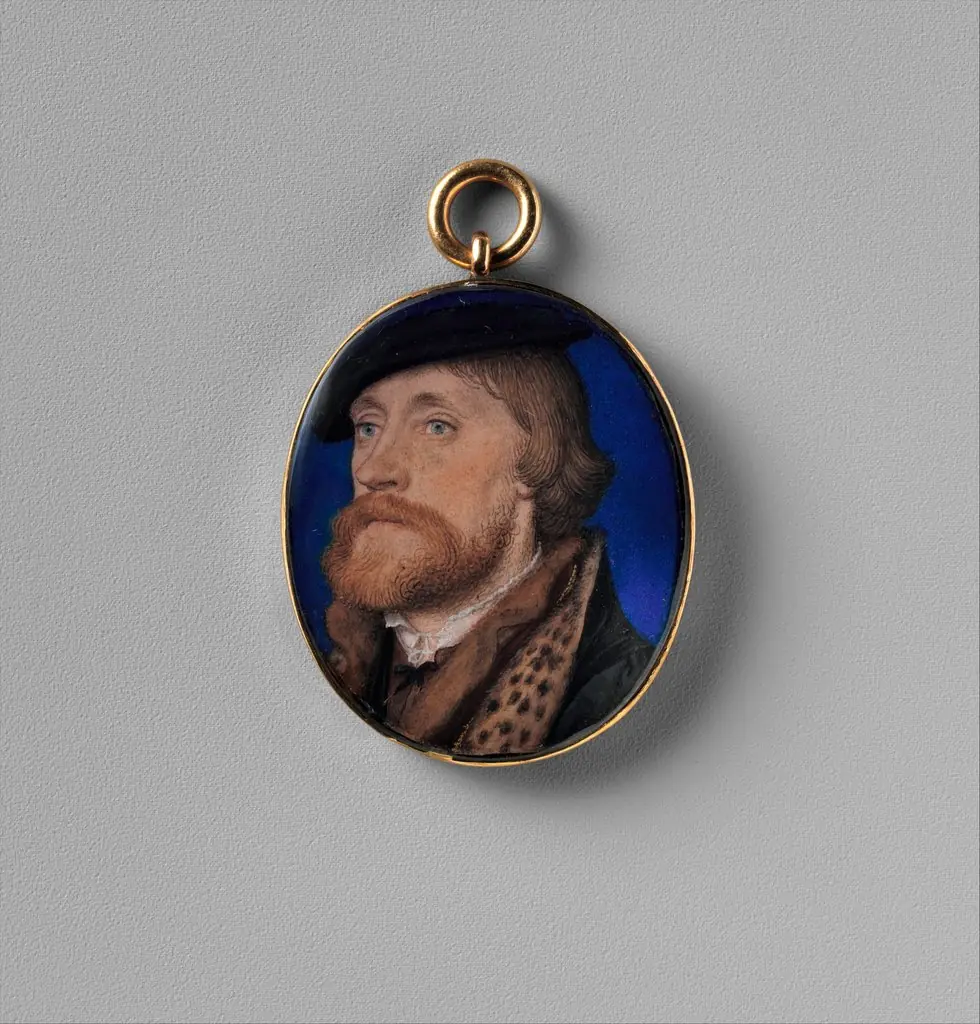 Thomas Wriothesley (1505–1550), First Earl of Southampton
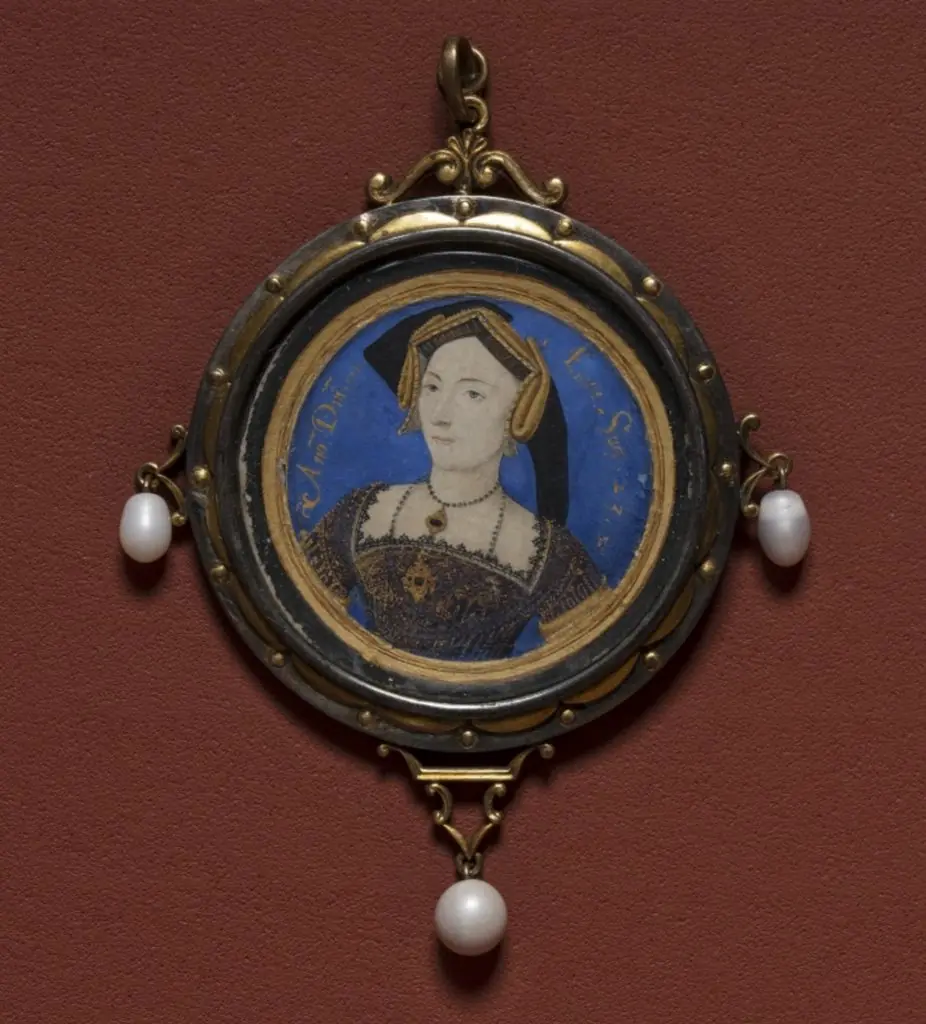 Jane Seymour, Queen of England
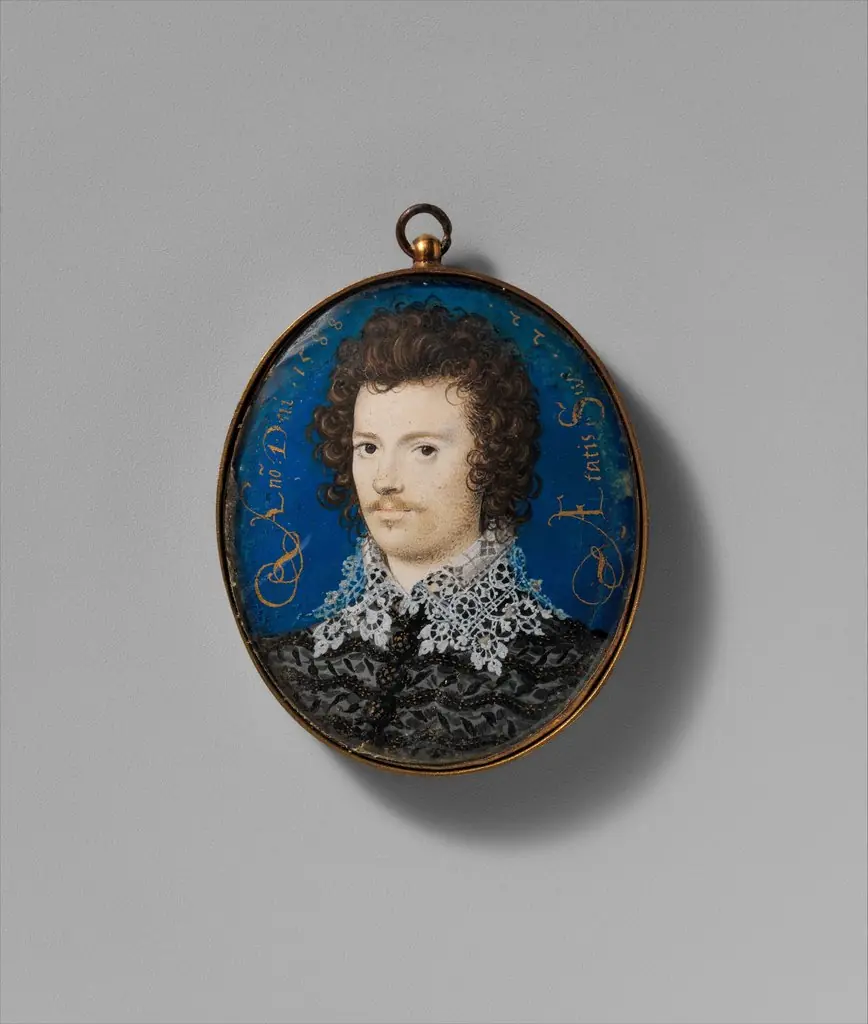 Portrait of a Young Man, Probably Robert Devereux (1566–1601), Second Earl of Essex
 Portrait of a Man
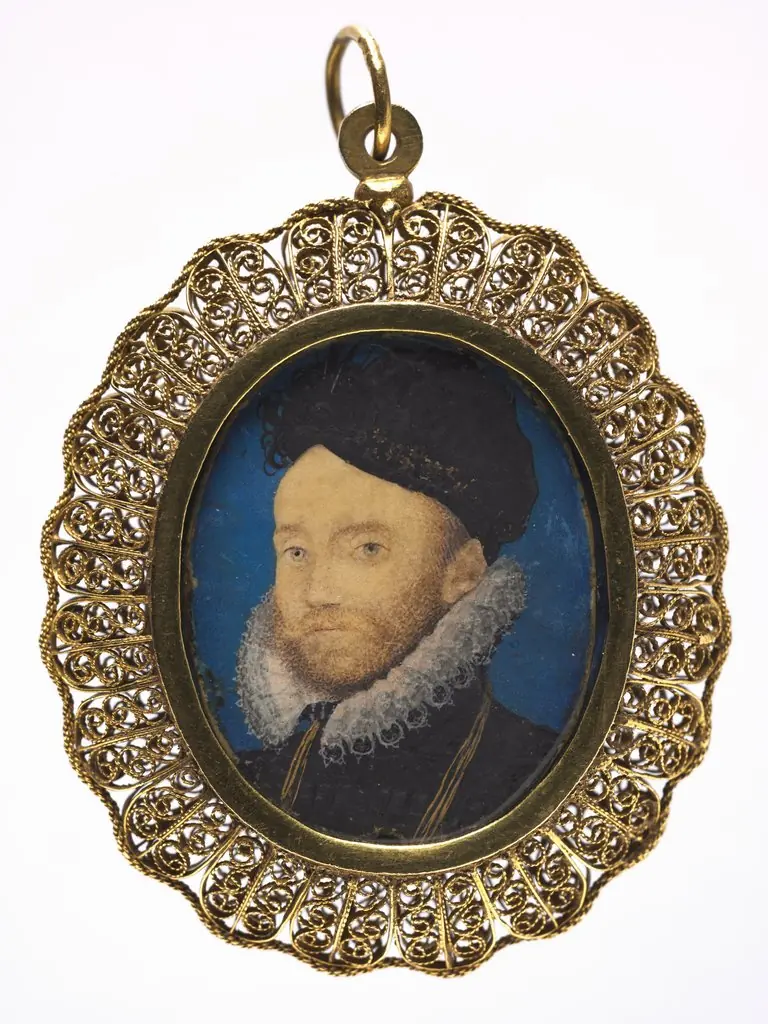 Portrait of a Man
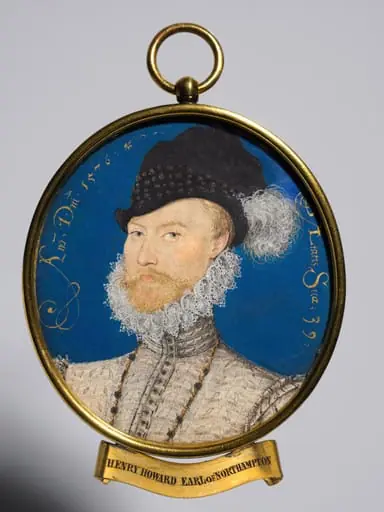 Portrait of Charles Howard, 2nd Baron Howard of Effingham, later 1st Earl of Nottingham
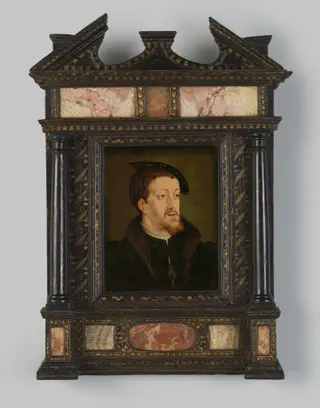 Untitled
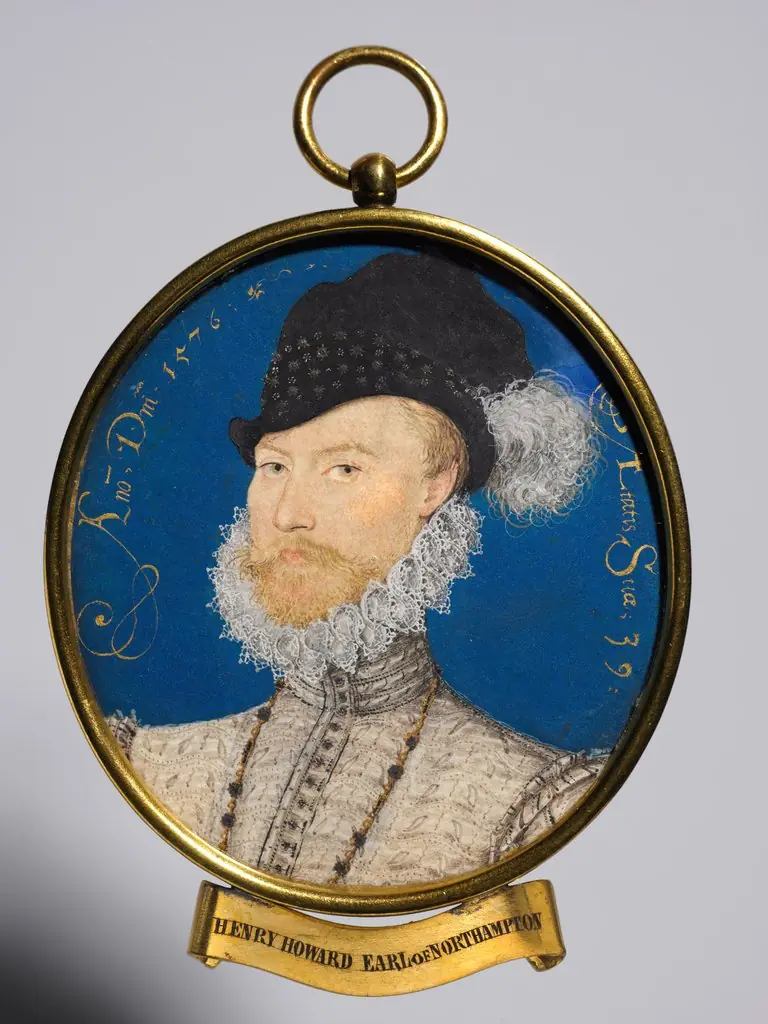 Portrait of Charles Howard, 2nd Baron Howard of Effingham, later 1st Earl of Nottingham
 Endymion Porter (1587–1649)
 Portrait of a Man
- Charles II (1630–1685), King of England