Artwork
Portrait of a Young Man
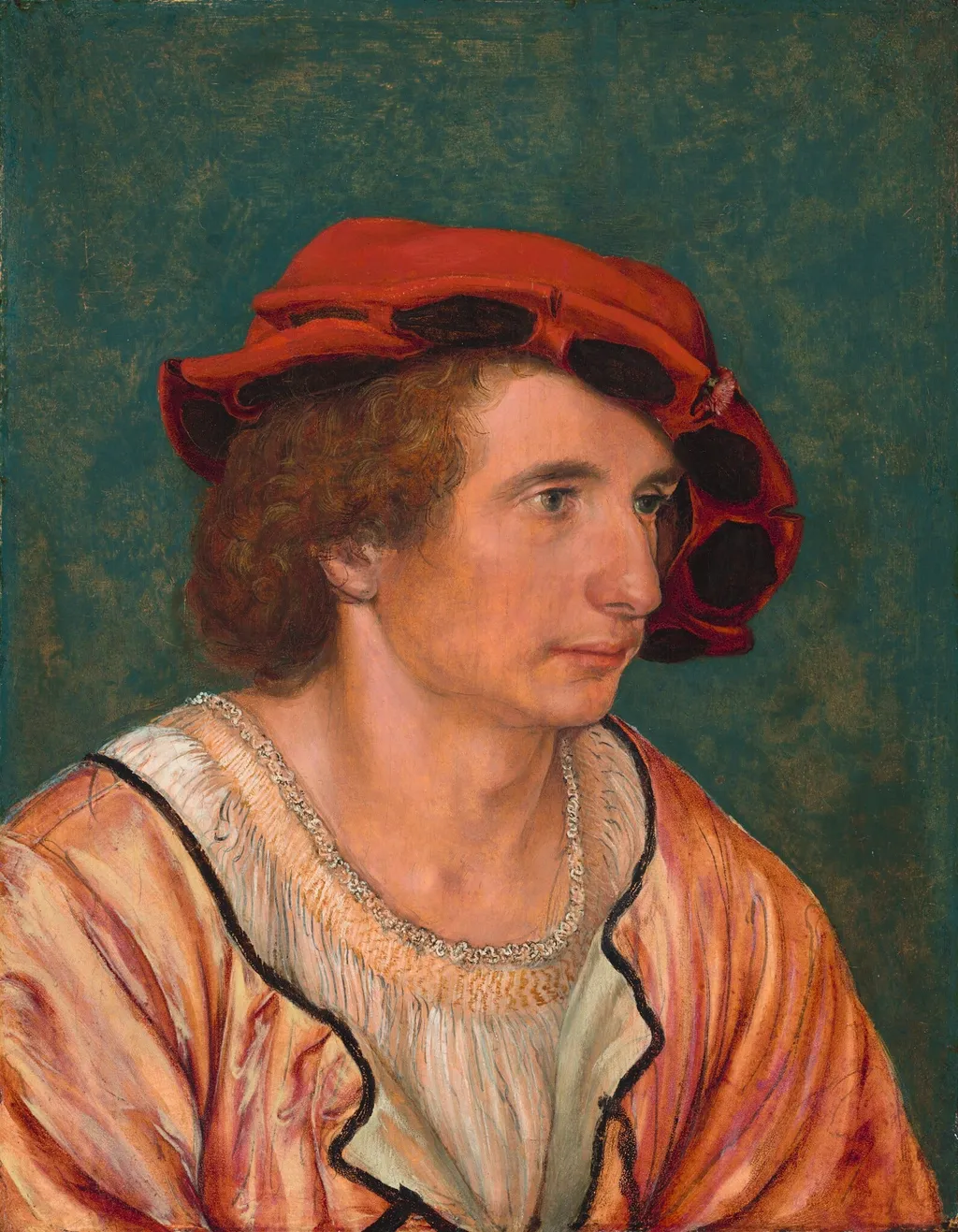
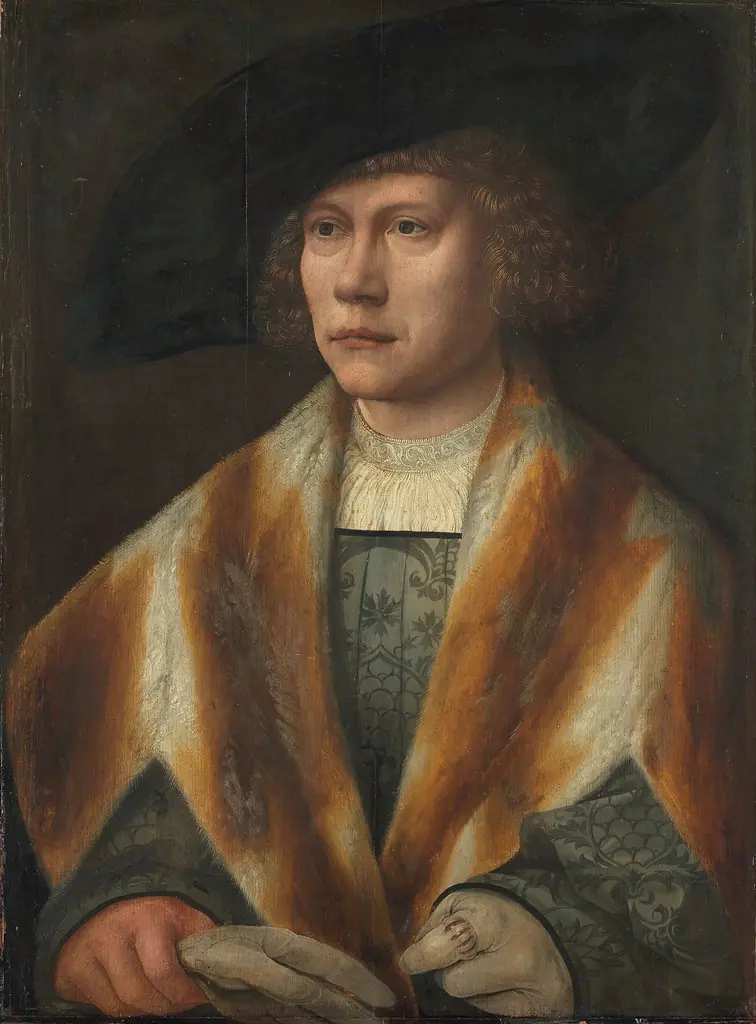
Portrait of a Young Man is an oil painting by the Northern Renaissance artist Hans Holbein the Younger. It dates from 1525 and is held in the collection of the National Gallery of Art.
About this work
Subject & Meaning
Kress Foundation, underscores its historical journey but does not alter its iconographic interpretation as a straightforward portrait.
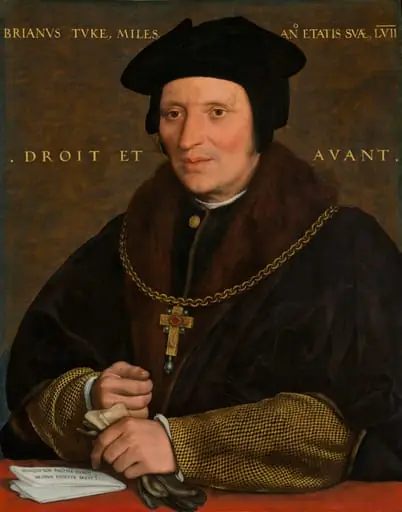
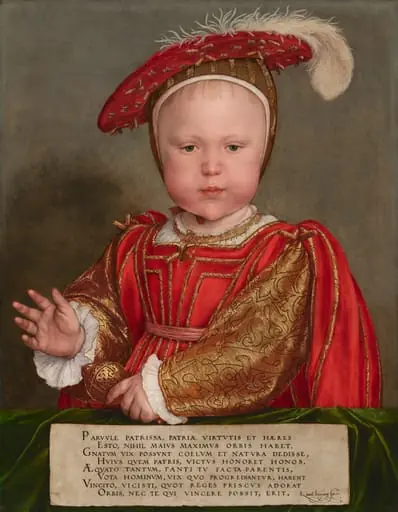
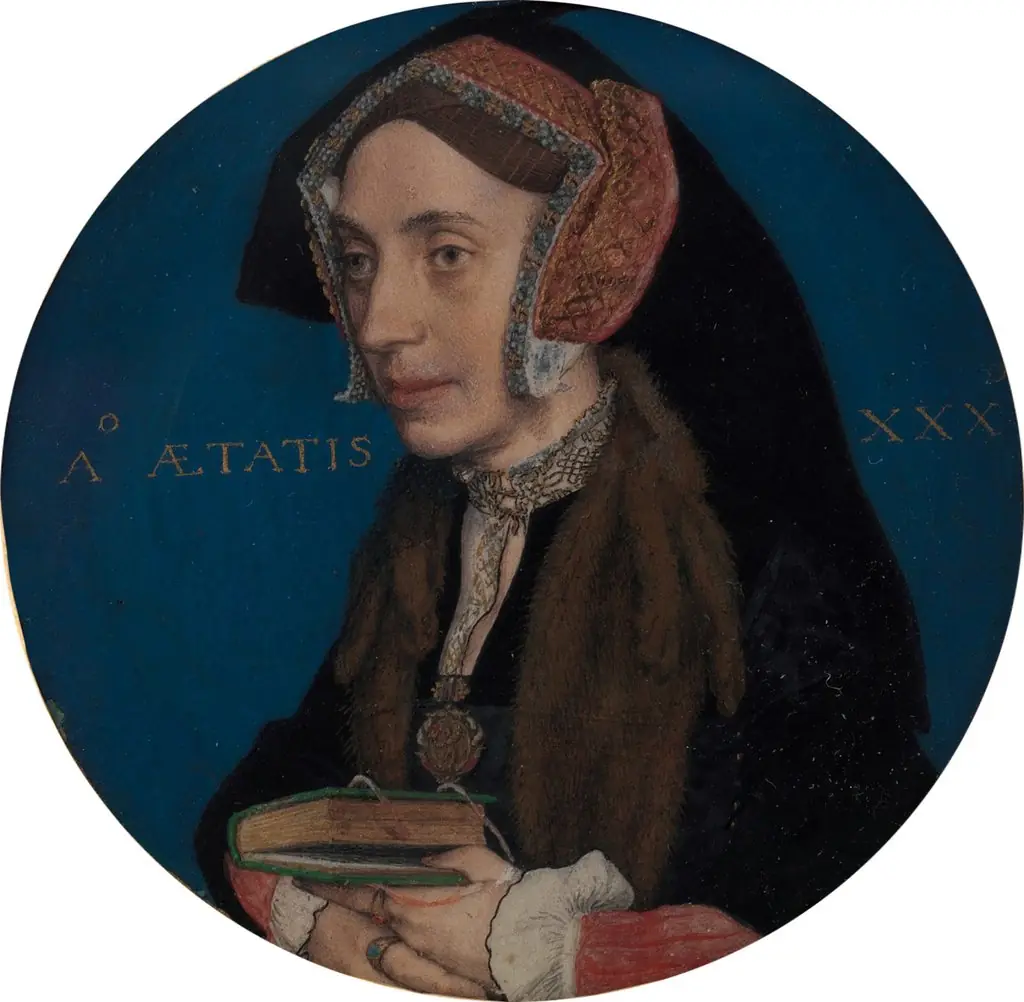
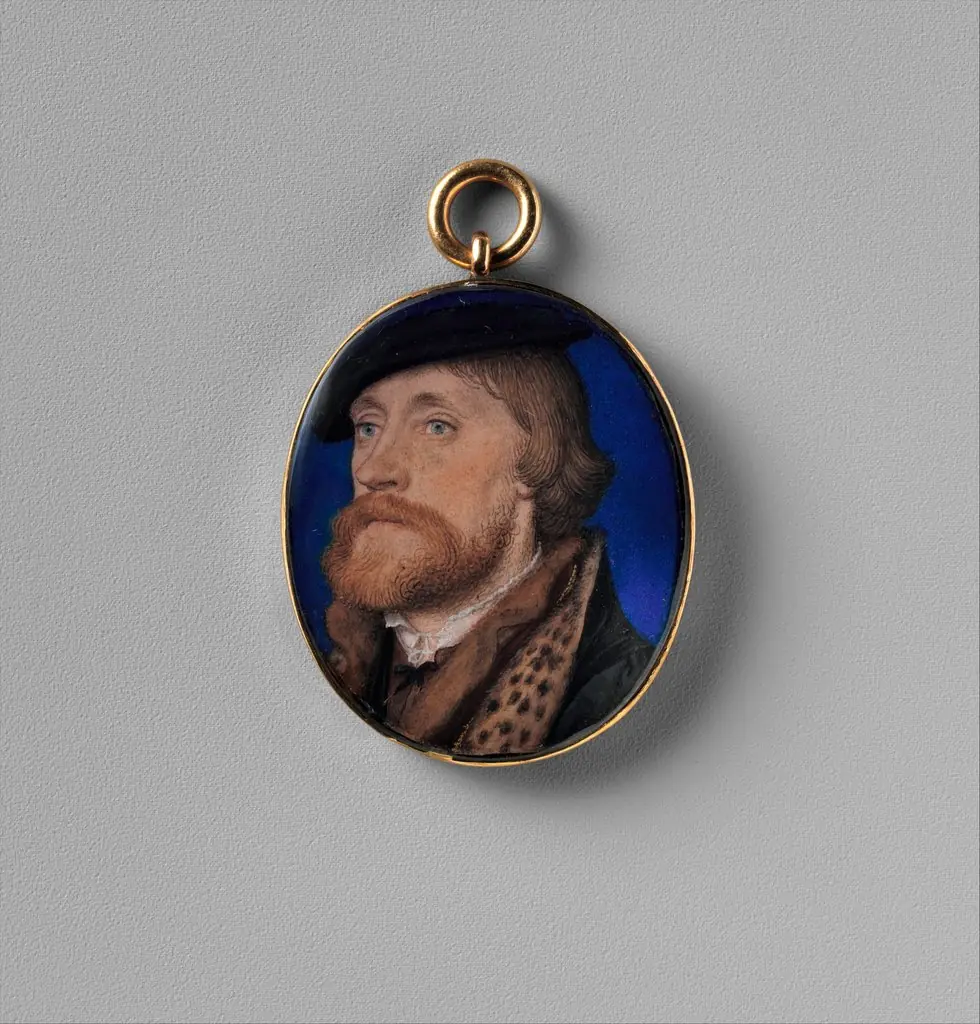
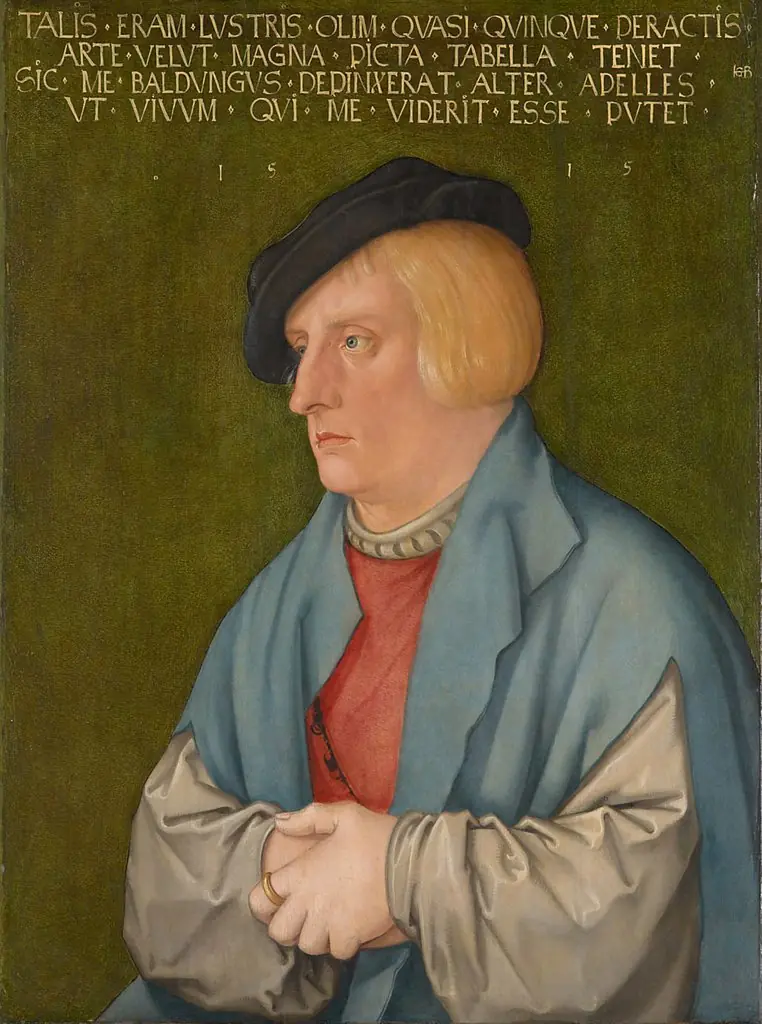
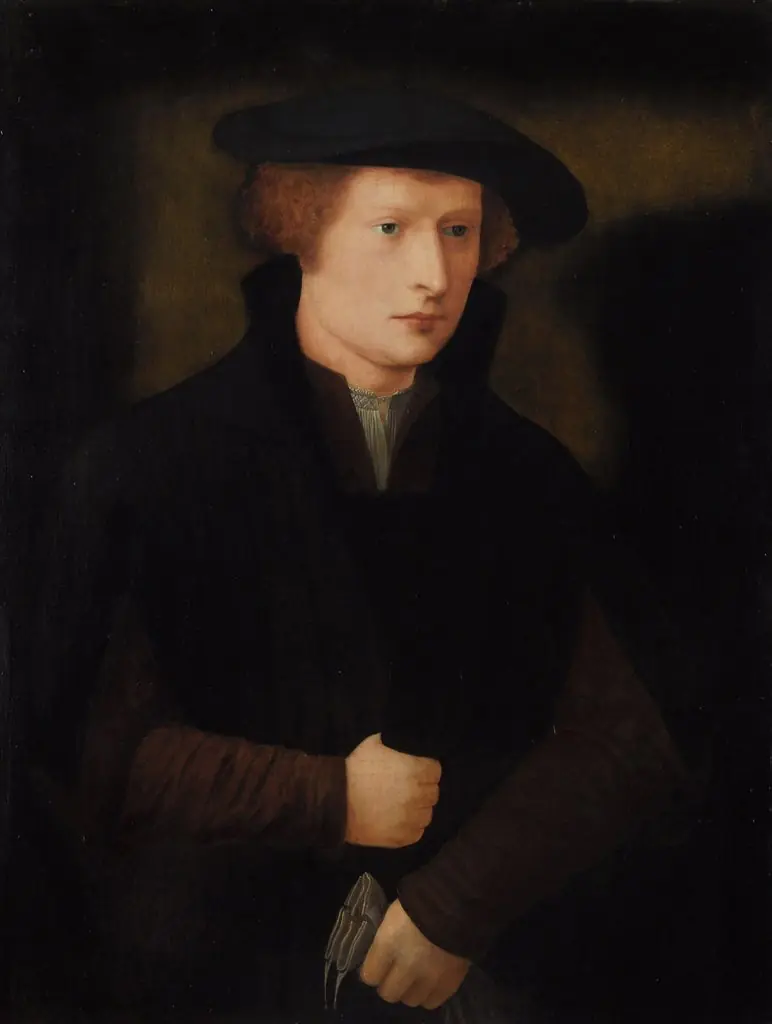
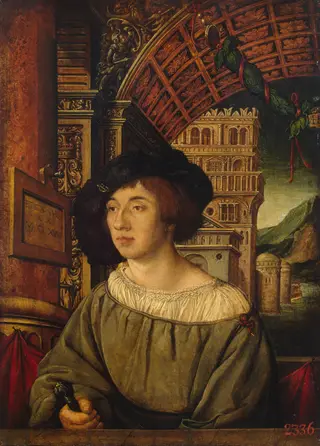
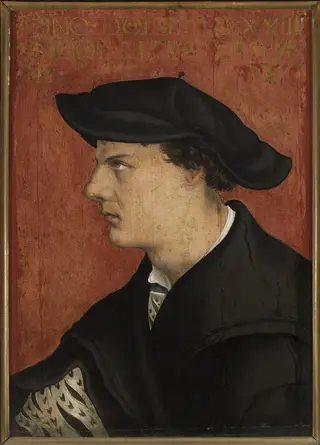
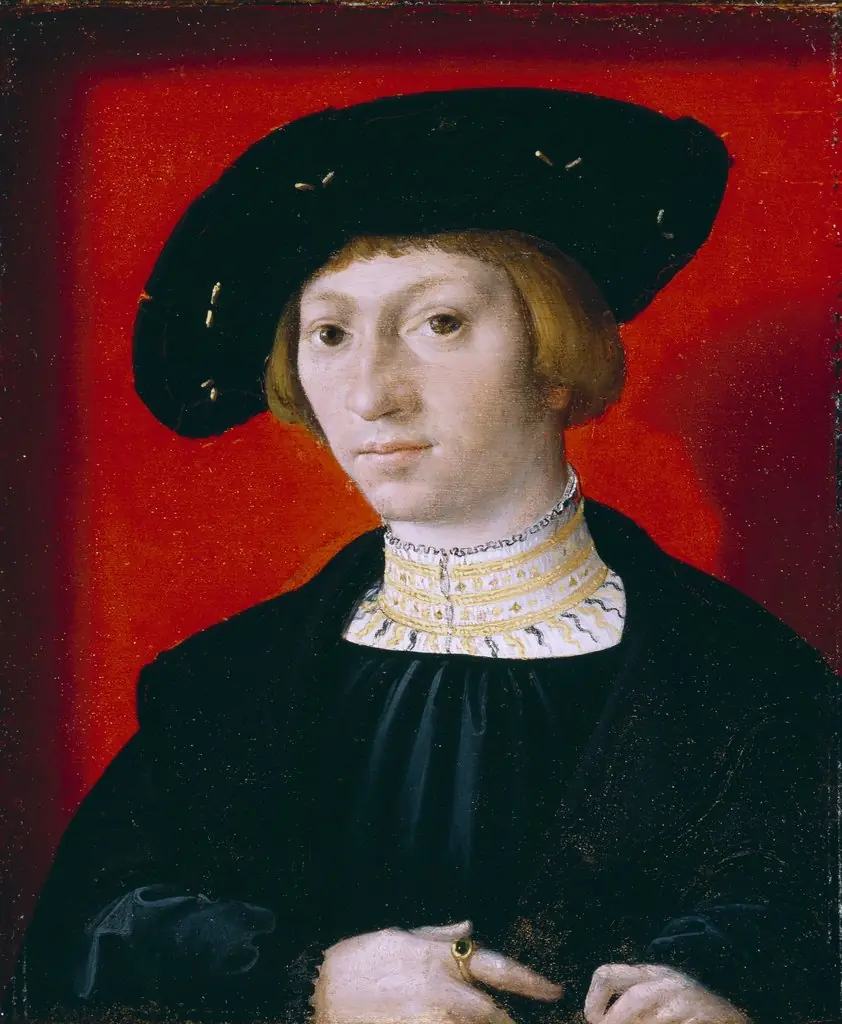
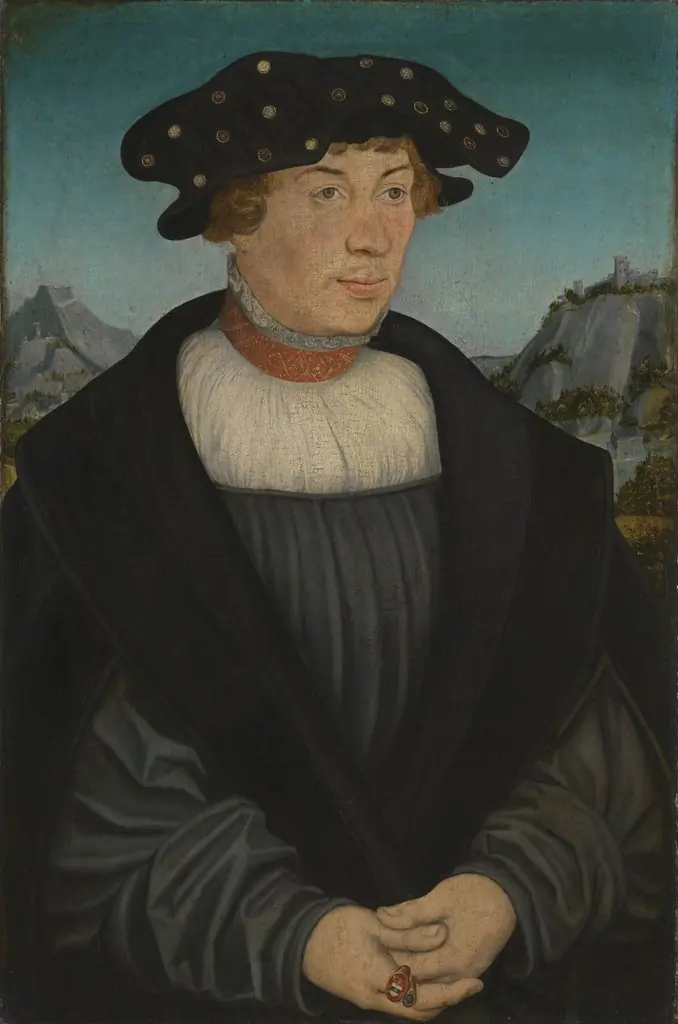
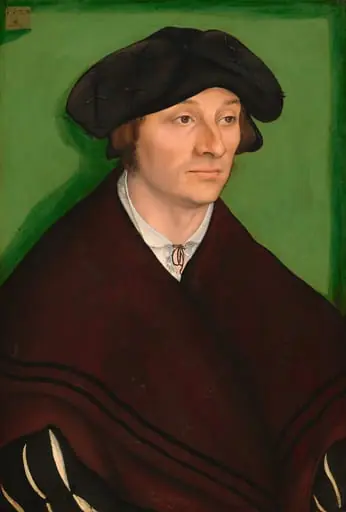
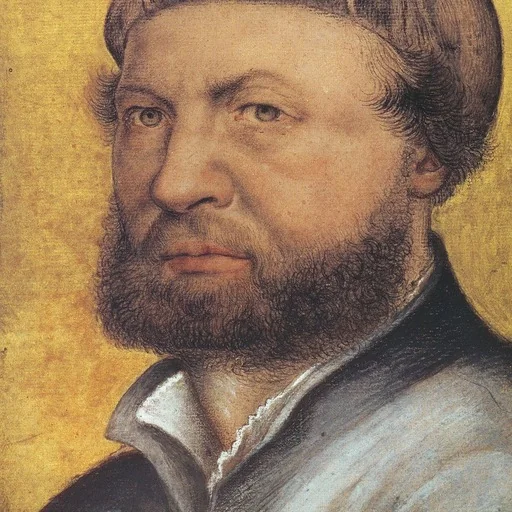
The painting shows a half‑length portrait of an unidentified young man, dressed in contemporary early‑16th‑century attire. No overt attributes or allegorical symbols accompany the figure, suggesting that the image functions primarily as a record of appearance rather than a coded narrative. Holbein's rendering emphasizes careful observation of facial features and clothing, typical of courtly portraiture of the period.
The work's provenance, including seizure by the Nazis and later acquisition by the Samuel H. Kress Foundation, underscores its historical journey but does not alter its iconographic interpretation as a straightforward portrait.
History & Provenance
Created in 1525 by Hans Holbein the Younger, the painting was likely part of the de Rothschild family collection in Vienna by 1850. By 1931, it was owned by Baron Louis de Rothschild, from whose collection the Nazis confiscated the work in 1938. It was subsequently earmarked for Adolf Hitler's planned museum in Linz, appearing on distribution lists from 1939 and 1940.
Following the war, the painting passed through the Munich Central Collecting Point before being consigned by Rosenberg & Stiebel to M. Knoedler & Co. in New York in 1947. The Samuel H. Kress Foundation purchased the work in February 1952, and it was gifted to the National Gallery of Art in Washington, D.C., in 1961.
Context
Scholarly attention to the portrait began with Ludwig Baldass's 1931 article, which identified it as an early work of Hans Holbein the Younger. This assessment situates the painting within Holbein's formative period before his renowned English court portraits. The work's provenance also reflects broader historical currents: it was part of the Rothschild collection in Vienna, confiscated by the Nazis in 1938 and earmarked for Hitler's planned Linz museum, later entering the Samuel H. Kress Collection and the National Gallery of Art in Washington, D.C.
Overview
Hans Holbein the Younger painted this Portrait of a Young Man around 1525, utilizing oil on a wooden panel. The work depicts an unidentified young man in a formal pose, his gaze directed slightly away from the viewer. This painting exemplifies Holbein's early portraiture, showcasing his meticulous attention to detail and ability to capture individual likeness.
Technique & Style
Holbein employed a dark, uniform background to emphasize the sitter's features, allowing his face to emerge prominently from the shadows. The artist's skillful application of oil paint is evident in the subtle modeling of the cheekbone with minimal brushstrokes, creating a sense of three-dimensionality. The rendering of the subject's attire, particularly the soft texture of the fabric, demonstrates a refined command of material representation.
Own this work as a print
Artist & collection
Artist
Hans Holbein the Younger (UK: HOL-byne, US: HOHL-byne, HAWL-; German: Hans Holbein der Jüngere; c.