Artwork
Hl. Hieronymus Außenseite: Marter der Zehntausend (Werkstatt, Hans Siebenbürger)
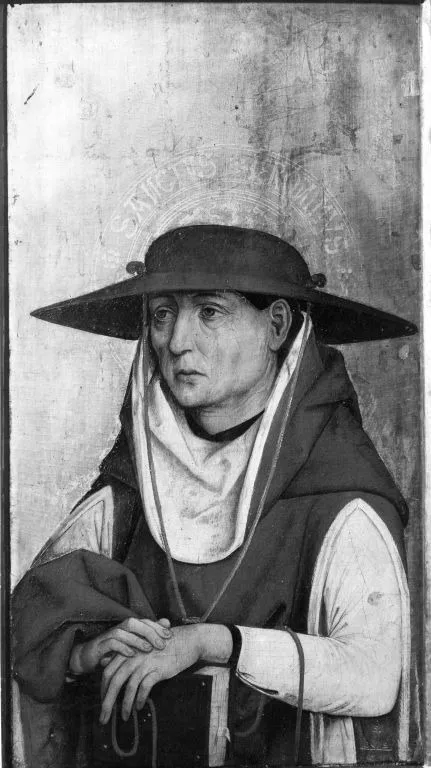
Hl. Hieronymus Außenseite: Marter der Zehntausend (Werkstatt, Hans Siebenbürger) is an unspecified painting by the Northern Renaissance artist Hans Pleydenwurff. It dates from 1463 and is held in the collection of the Bavarian State Painting Collections.
About this work
Subject & Meaning
The composition emphasizes his spiritual introspection, reflecting themes of faith and scholarly contemplation central to the period's religious iconography.
The painting shows the saint Jerome in a contemplative pose, rendered in a naturalistic style typical of early Northern Renaissance religious art. Jerome is depicted with his traditional attributes, a cardinal's hat, a crucifix, and a lion, symbolizing his scholarly devotion and penitence. The composition emphasizes his spiritual introspection, reflecting themes of faith and scholarly contemplation central to the period's religious iconography.
The work belongs to the Bavarian State Painting Collections and is housed in the Alte Pinakothek in Munich, where it is part of their holdings of 15th-century religious paintings.
Overview
The exterior panel, dated 1463, illustrates the martyrdom of the Ten Thousand and forms part of a larger devotional composition centered on Saint Jerome. Executed by the workshop of Hans Pleydenwurff, a leading Nuremberg painter of the mid‑15th century, the work now belongs to the Alte Pinakothek’s collection.
Technique & Style
The panel displays a restrained realism characteristic of Pleydenwurff’s circle, employing subtle gradations of light to model faces and drapery without resorting to dramatic chiaroscuro. Careful attention to the folds of the robe and the play of shadow on the figure’s cheek creates a modest three‑dimensional effect, while the overall composition remains flat and narrative‑focused.
History & Provenance
Created in Nuremberg shortly after Pleydenwurff’s settlement there in 1457, the work remained in ecclesiastical settings before entering the Alte Pinakothek. The artist’s lineage continued in the arts: his son Wilhelm became a noted woodcut artist, while another son, Sebald, pursued a different, less documented profession.
Context
Pleydenwurff’s workshop absorbed influences from the Northern Renaissance, integrating a heightened naturalism into traditional Germanic iconography. The panel reflects the mid‑15th‑century shift toward more lifelike representation in religious art, aligning with contemporary trends that emphasized individual expression within collective devotional narratives.
Artist & collection
Artist
Hans Pleydenwurff (also Pleidenwurff; c. 1420 – 9 January 1472) was a German painter. His father was probably Kunz Pleydenwurff, a well-respected painter and part-time mayor in Bamberg. Since 1457, Hans lived in…

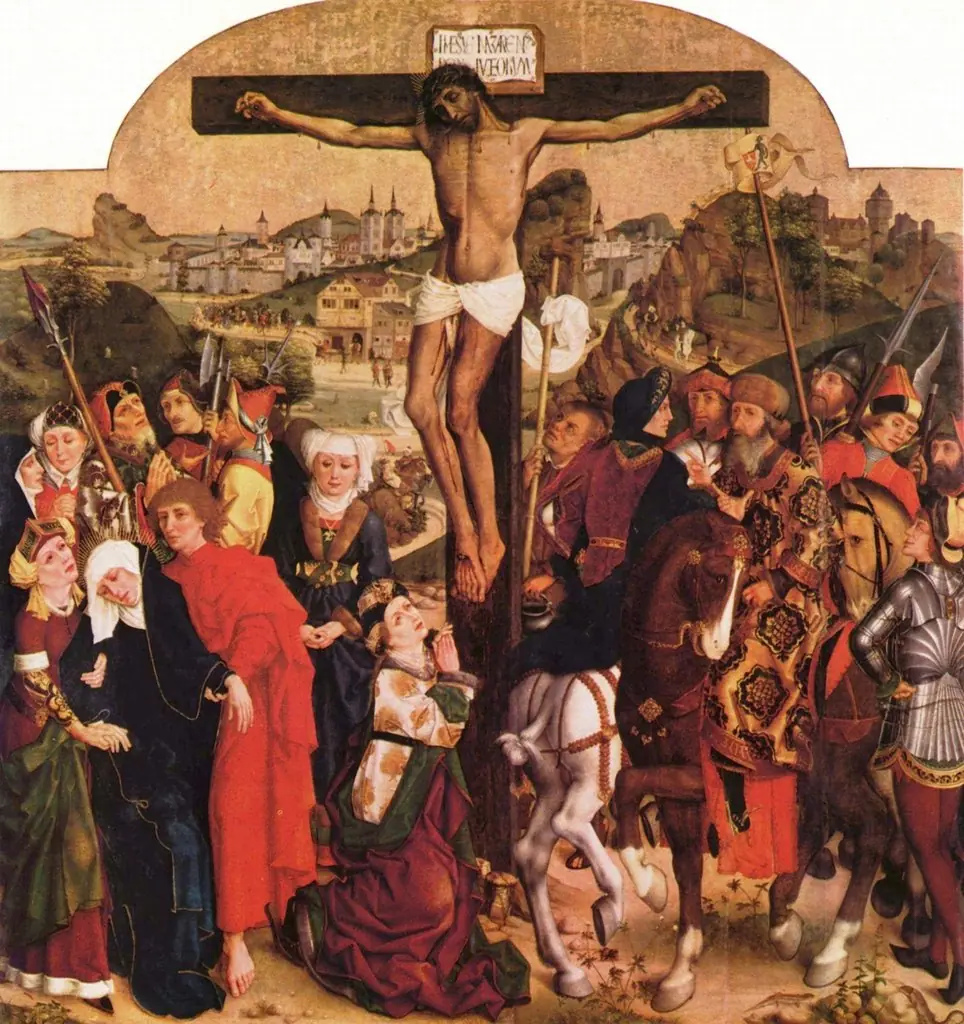 Crucifixion of Christ
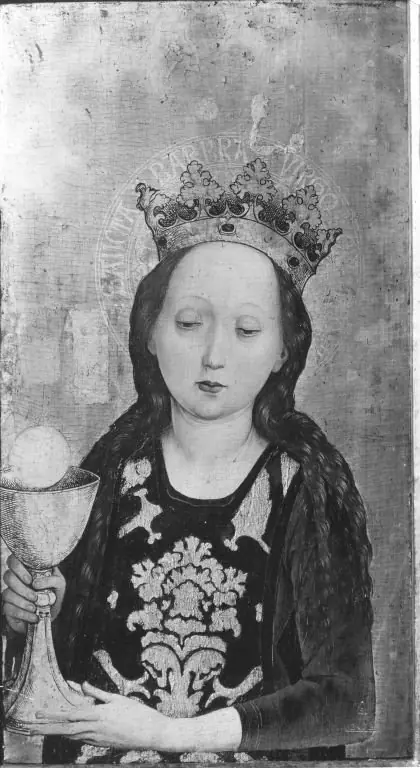 Hl. Barbara Außenseite: Martyrium der hl. Ursula und der elftausend Jungfrauen (Werkstatt, Hans Siebenbürger)
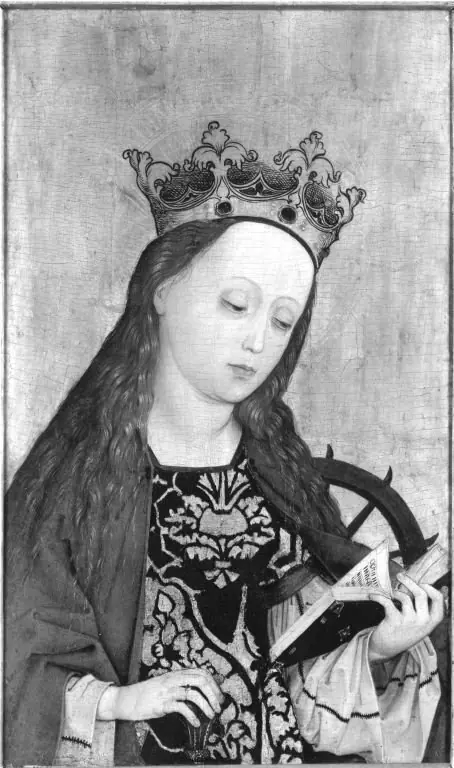 Hl. Katharina (Werkstatt, Hans Siebenbürger)
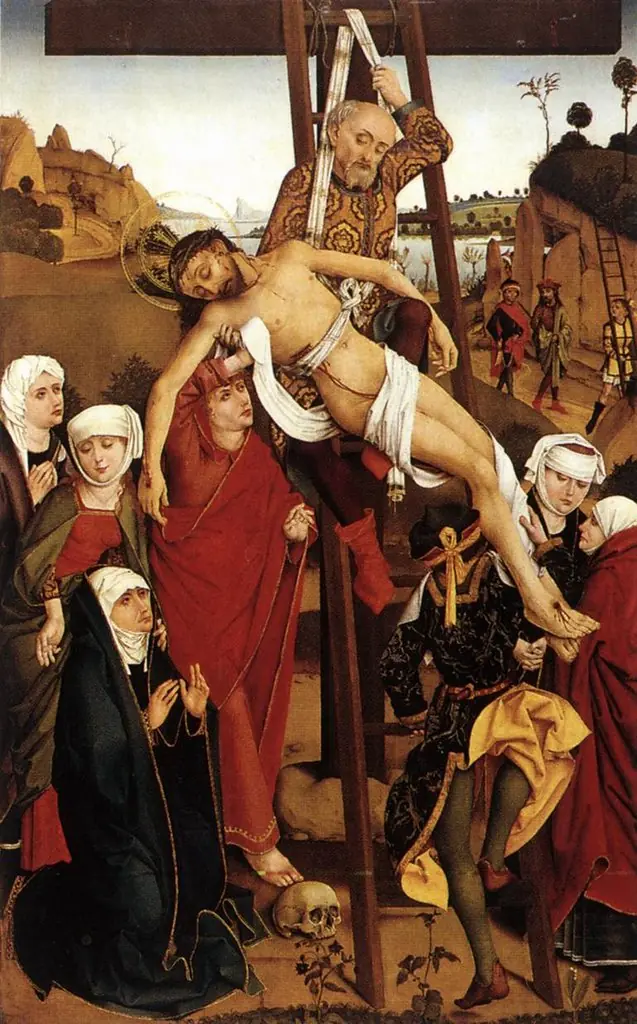 Hofer Altar: Kreuzigung Christi
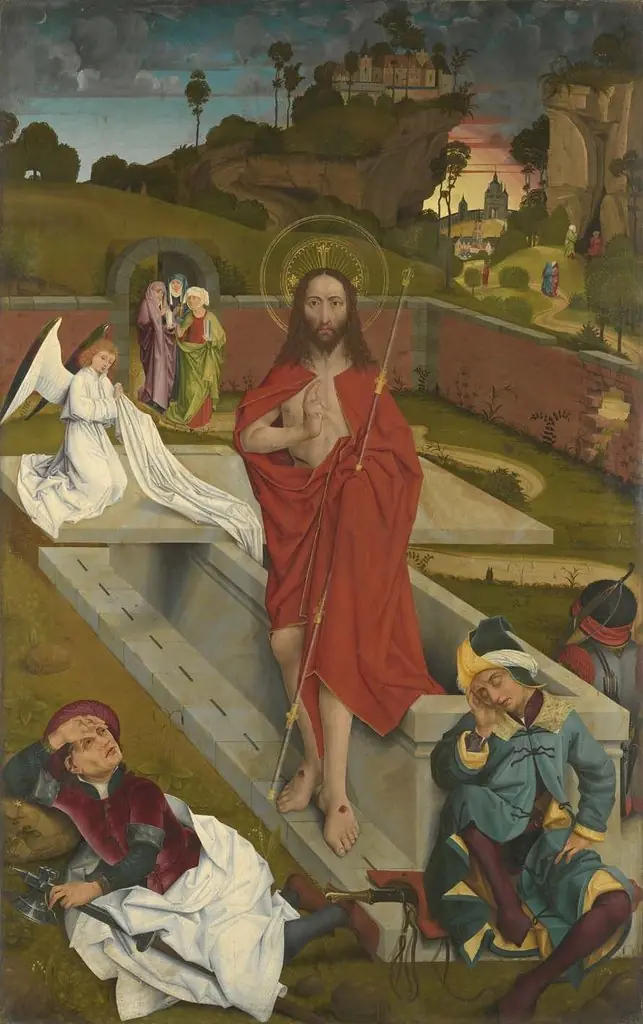 Hofer Altar: Auferstehung Christi (Rückseite: Apostel Bartholomäus und Jakobus)
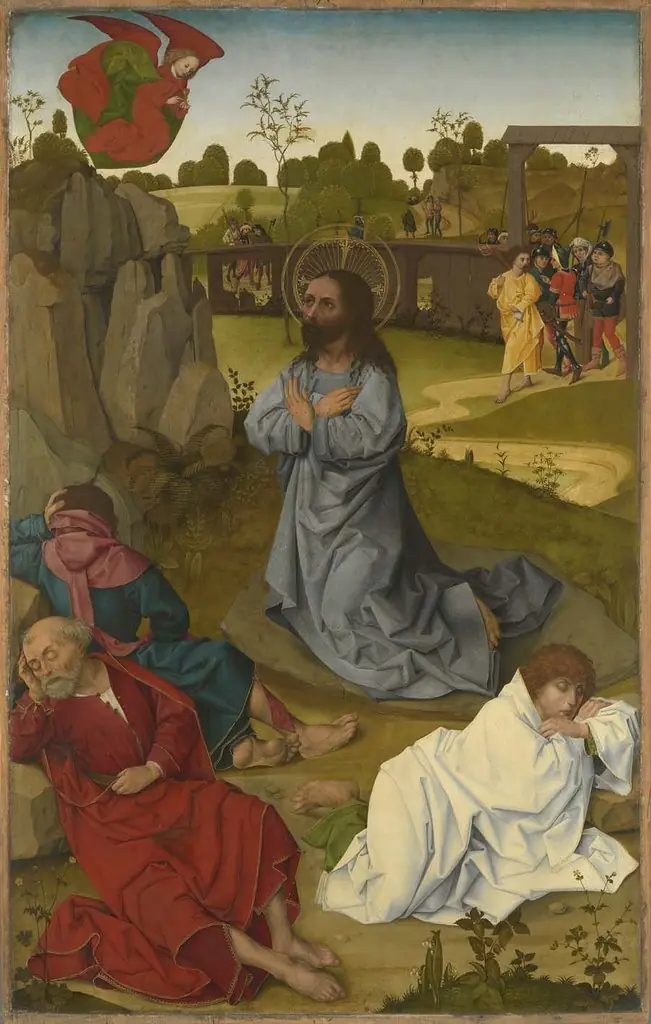 Hofer Altar: Christus am Ölberg (Rückseite: Erzengel Michael mit dem Drachen)
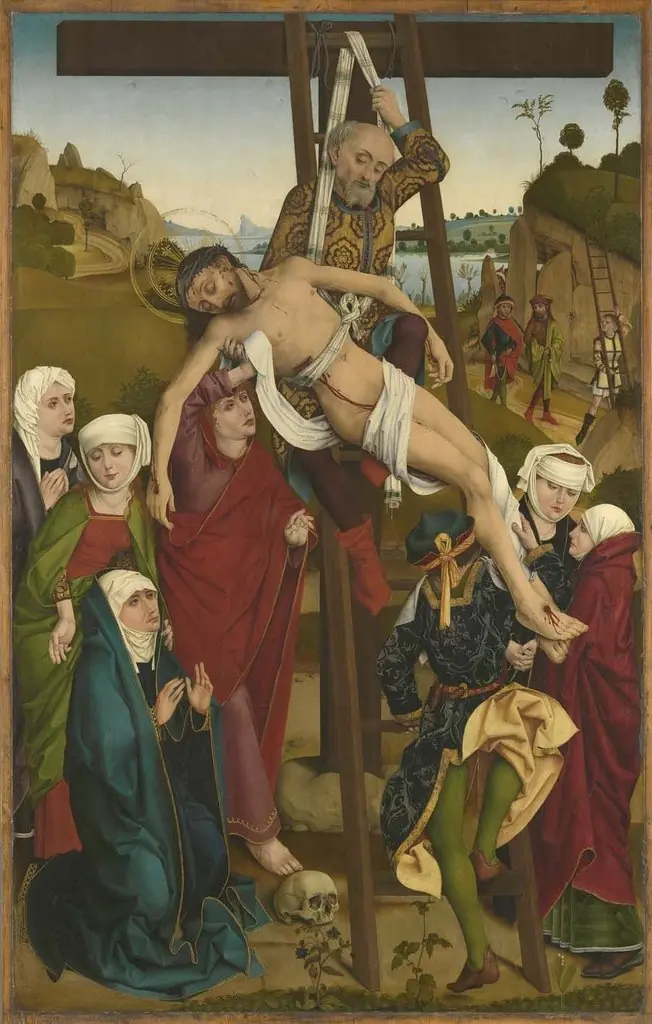 Hofer Altar: Kreuzabnahme Christi (Rückseite: Geburt Christi)
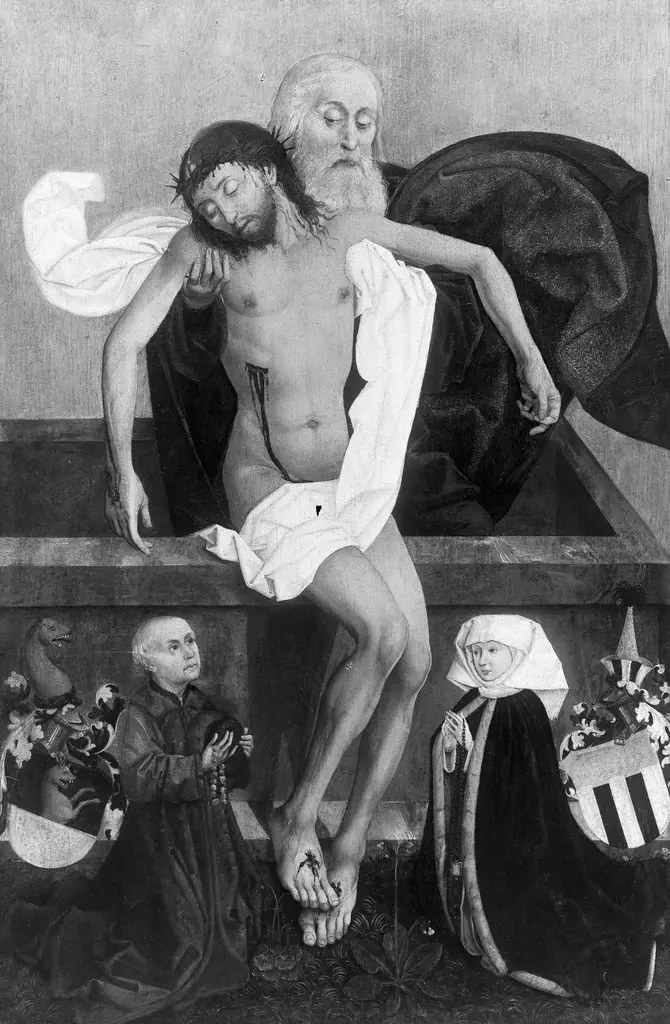 God Father with the dead Christ (mercy seat) and two donors
- St Bonaventure
![Saint Bernard with Donor [obverse], by Imitator of Flemish 15th Century](https://artifactworldgallery.com/img/imitator-of-flemish-15th-century--saint-bernard-with-donor-obverse--52b3aed0ca4160ff-w320.webp) Saint Bernard with Donor [obverse]
Saint Bernard with Donor [obverse]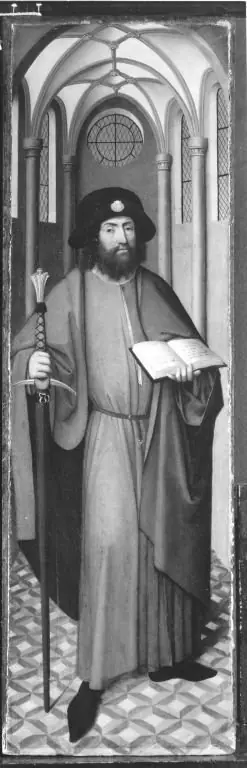 Saint James the Great
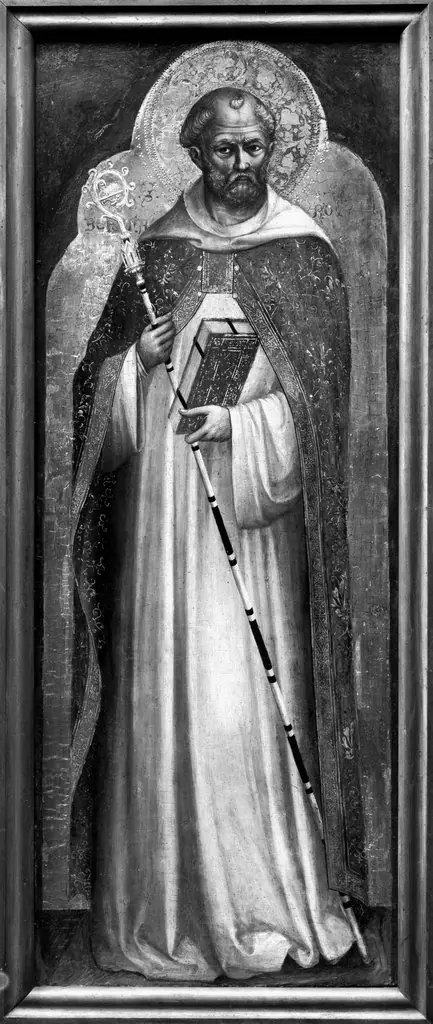 Saint Bernard
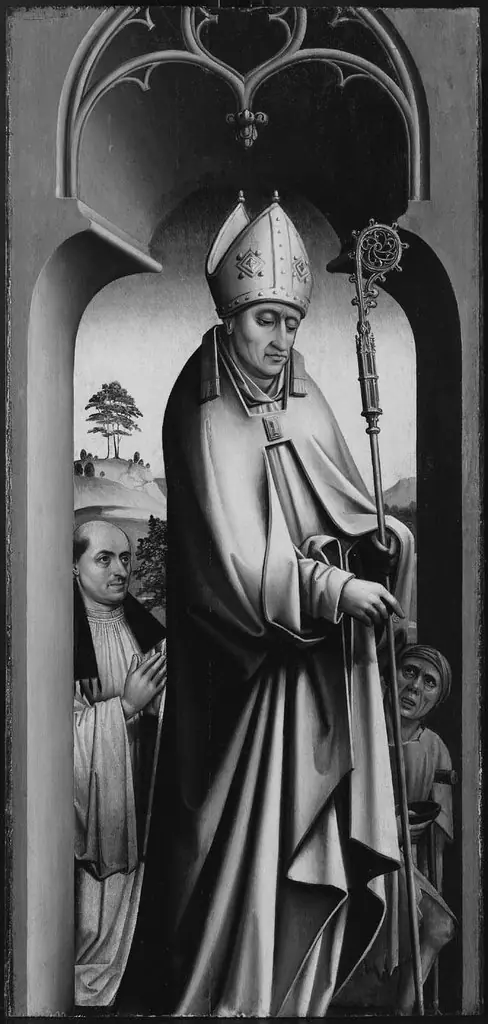 Pilate Washing his Hands and Saint Martin of Tours with a Beggar and the Donor
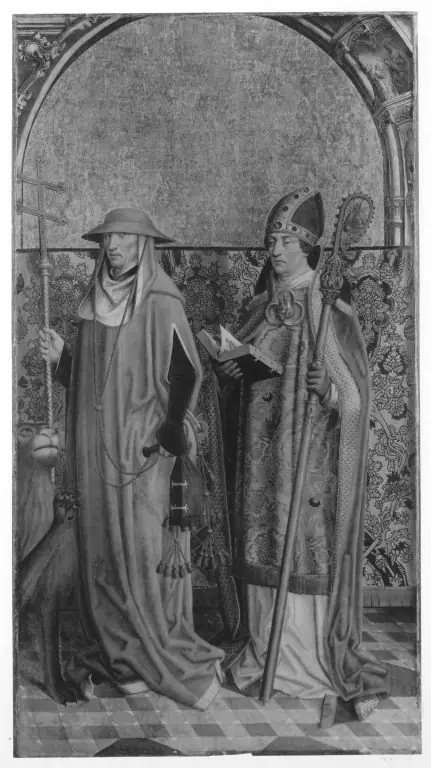 St. Jerome and a bishop
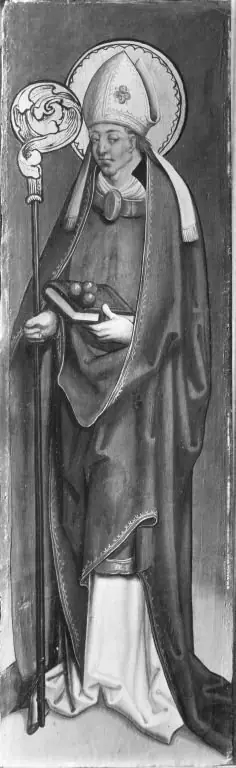 Saint Nicolas
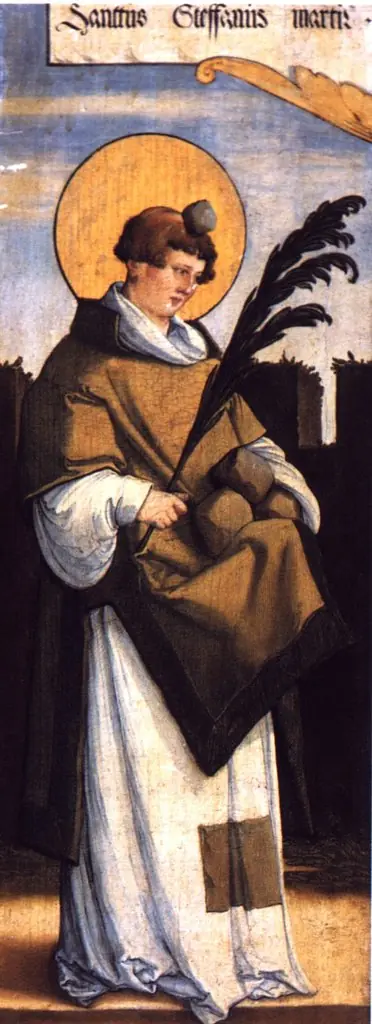 Saint Stephen
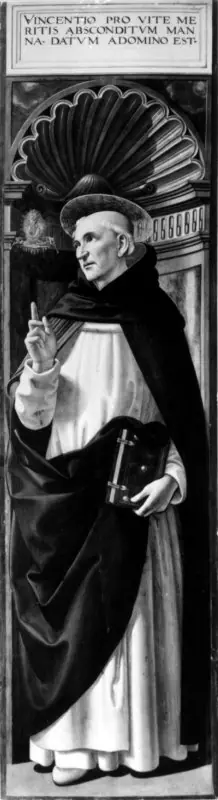 Saint Vincent Ferrer
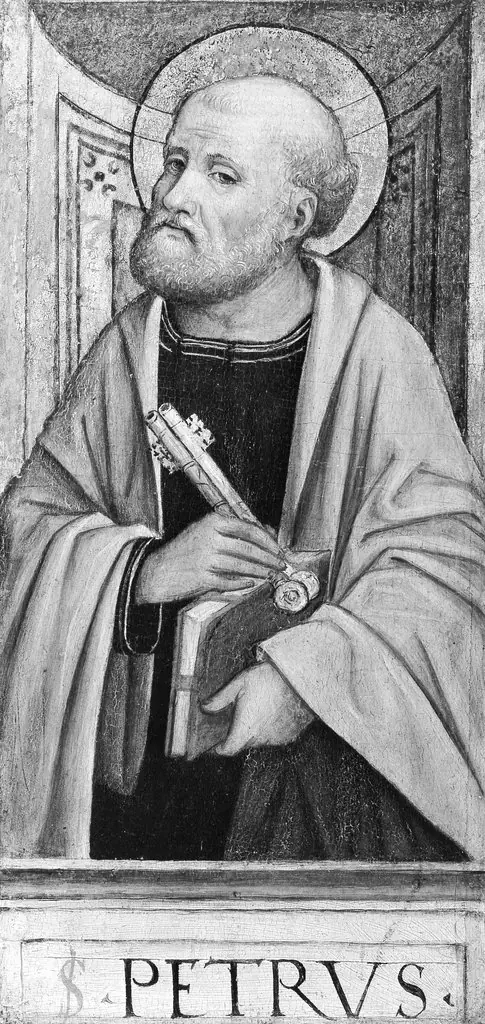 The Twelve Apostles: Saints Bartholomew, Andrew, Matthew, James the Greater, Thaddeus, Philip, James the Lesser, Simon, Peter, Paul, Thomas, and John
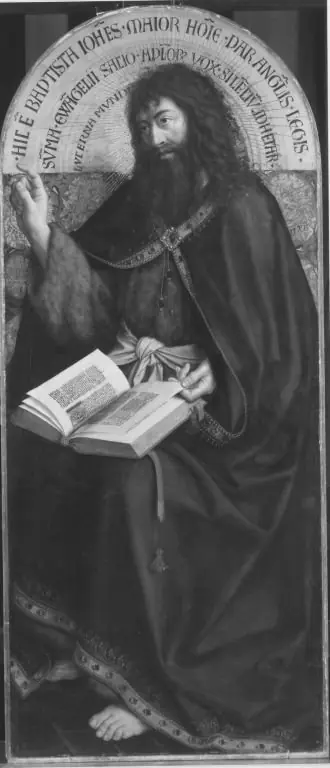 Saint John the Baptist (after The Ghent Altarpiece)
 Saint Anthony of Padua