Artwork
The Twelve Apostles: Saints Bartholomew, Andrew, Matthew, James the Greater, Thaddeus, Philip, James the Lesser, Simon, Peter, Paul, Thomas, and John
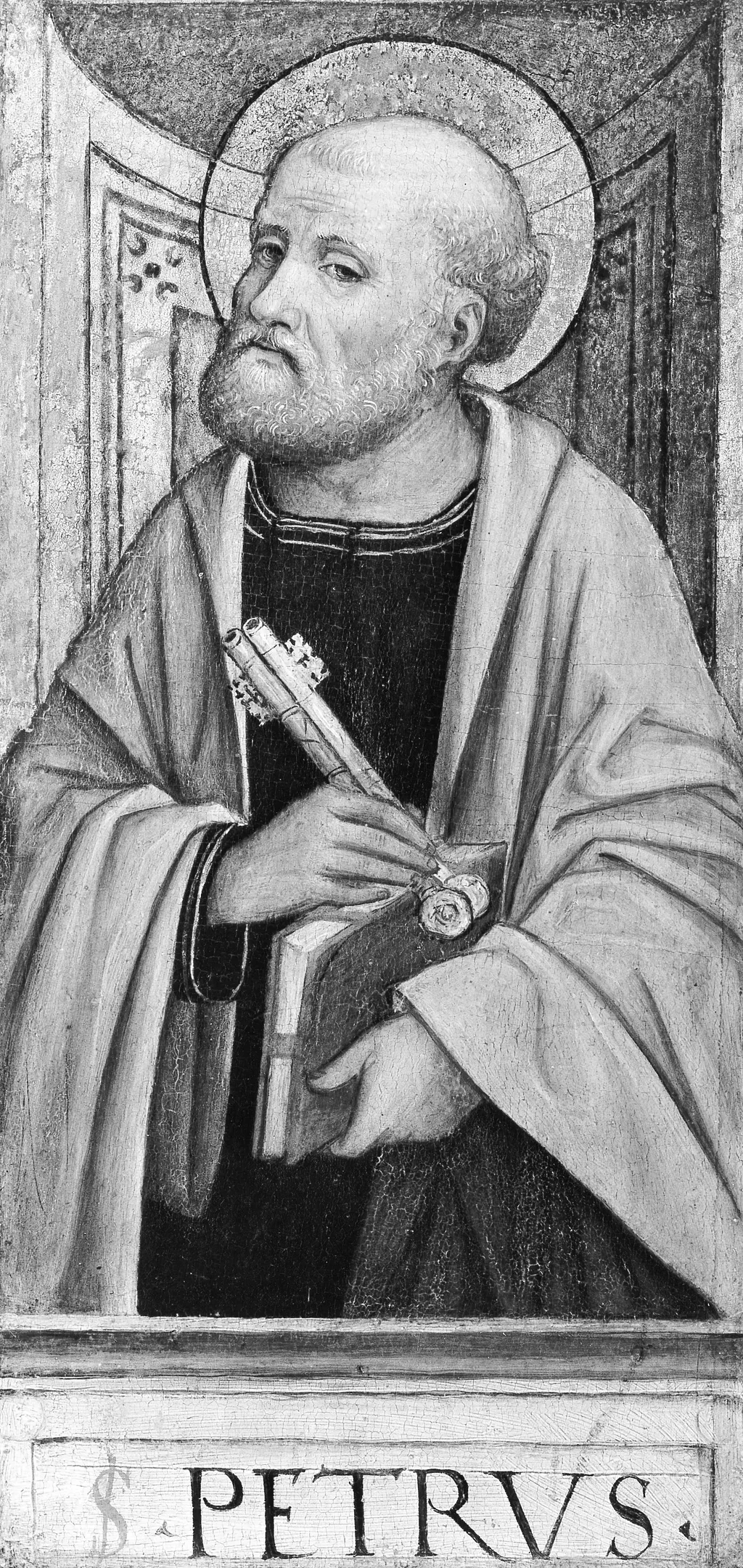
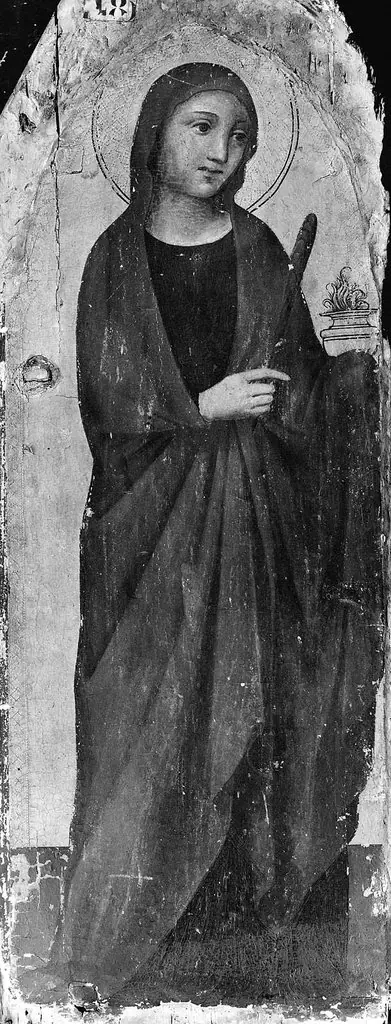
The Twelve Apostles: Saints Bartholomew, Andrew, Matthew, James the Greater, Thaddeus, Philip, James the Lesser, Simon, Peter, Paul, Thomas, and John is an unspecified painting. It dates from 1501 and is held in the collection of the Metropolitan Museum of Art.
About this work
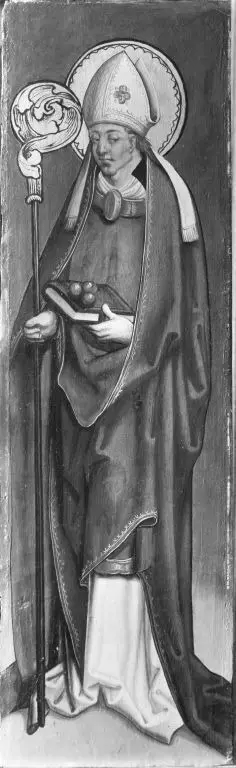
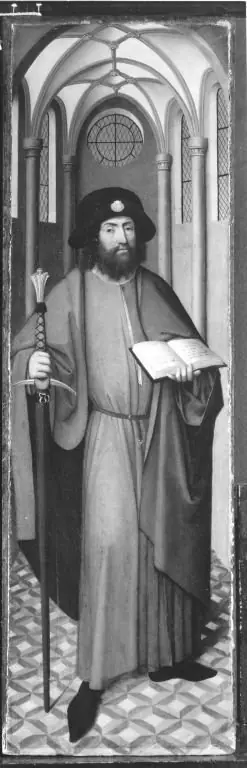
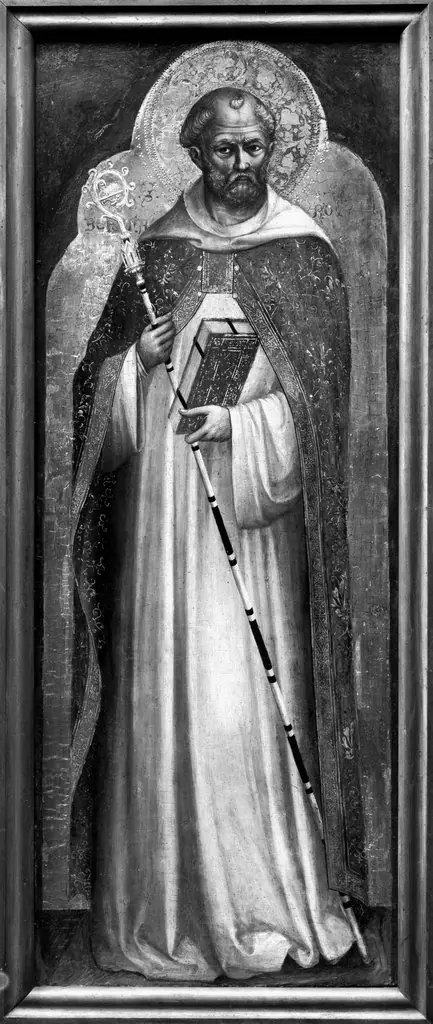
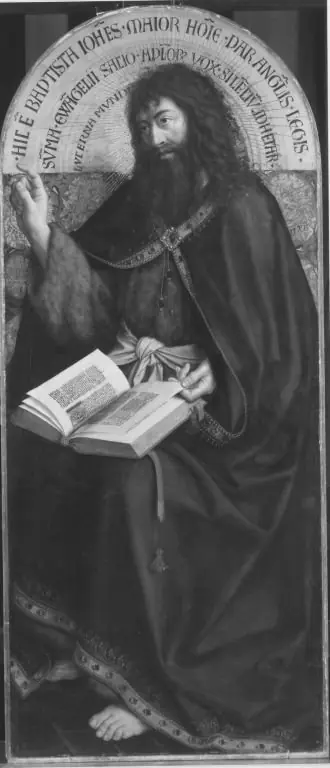
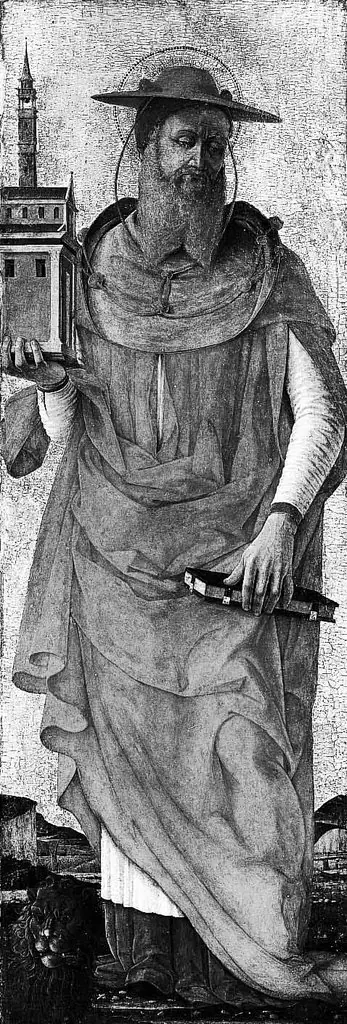
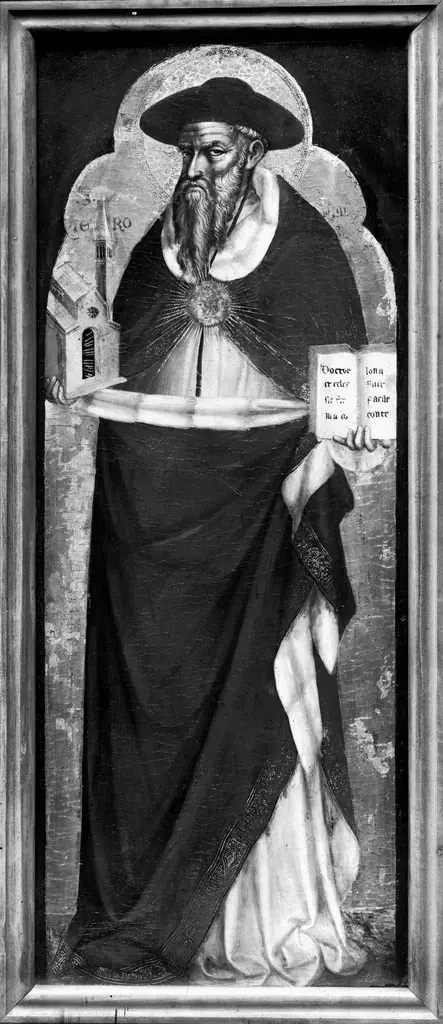
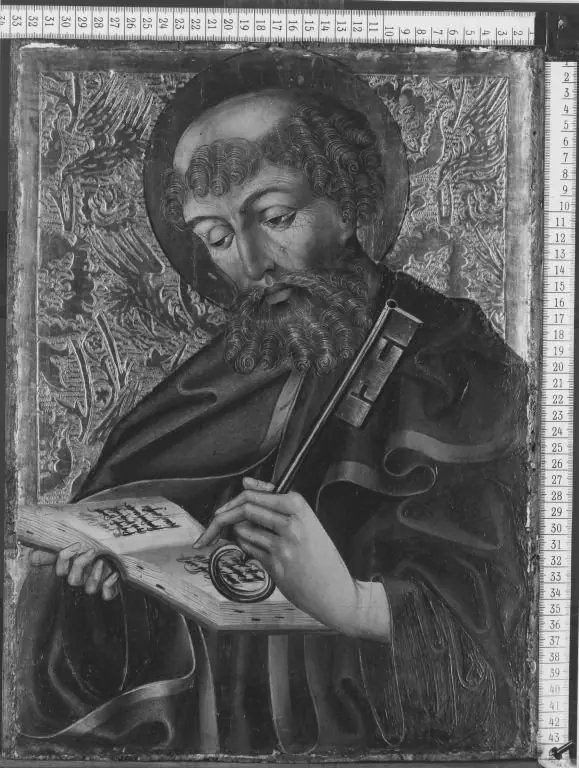
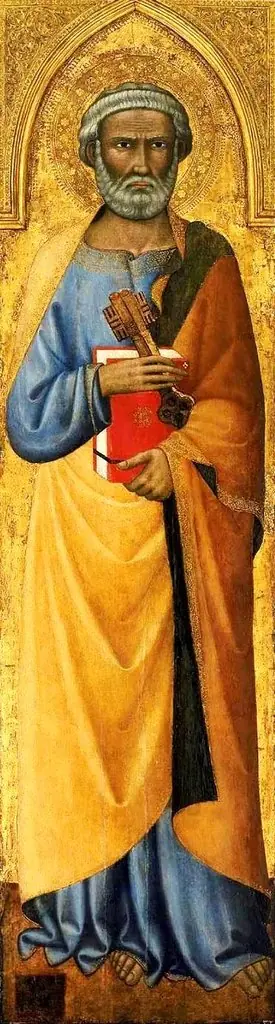
Twelve narrow panels of oil and gold on wood, each barely a foot tall, line up as a choir of saints. They came from the Milanese workshop of Ambrogio da Fossano, called Bergognone, around 1501. The set shows Bartholomew, Andrew, Matthew and nine others plus Paul in the restrained, lucid style of Lombard painting.
Subject & Meaning
The sources confirm the specific apostolic figures but do not elaborate on their iconographic attributes or symbolic meanings beyond this identification.
The painting depicts the twelve apostles of Jesus Christ, individually identified by name as Bartholomew, Andrew, Matthew, James the Greater, Thaddeus, Philip, James the Lesser, Simon, Peter, Paul, Thomas, and John. Created around 1501, the work belongs to the genre of religious art, emphasizing its role in Christian devotional practice. The sources confirm the specific apostolic figures but do not elaborate on their iconographic attributes or symbolic meanings beyond this identification. Thus, the artwork's primary subject and meaning are rooted in its representation of the foundational Christian apostles.
History & Provenance
This series of twelve panels was created around 1501 by the workshop of Bergognone (Ambrogio di Stefano da Fossano), as documented by the Metropolitan Museum of Art, which holds the work in its collection. No specific commission or earlier ownership chain is recorded in the available sources. The paintings are executed in oil on wood, each measuring approximately 31.1 × 15.2 cm. The dating to 1501 is consistent with Bergognone's active years in Lombardy.
The lack of later provenance details suggests they may have entered the museum's holdings from an unrecorded source.
Overview
These twelve small panels, painted in oil and gold on wood around 1501 by the Milanese workshop of Ambrogio di Stefano da Fossano, known as Bergognone, depict the Twelve Apostles. Each panel measures just over a foot in height. The Metropolitan Museum of Art acquired the set in 1926 through the Fletcher Fund, alongside a related Assumption of the Virgin attributed to Bergognone himself.
Context
The precise original function of these panels has been a subject of scholarly discussion. Early cataloguers proposed they might have formed the predella, or base, of a larger altarpiece. Other interpretations suggest a connection to the Assumption of the Virgin panel, which was acquired by the Metropolitan Museum of Art concurrently with the apostle series, implying they may have been part of a unified commission.
Artist & collection